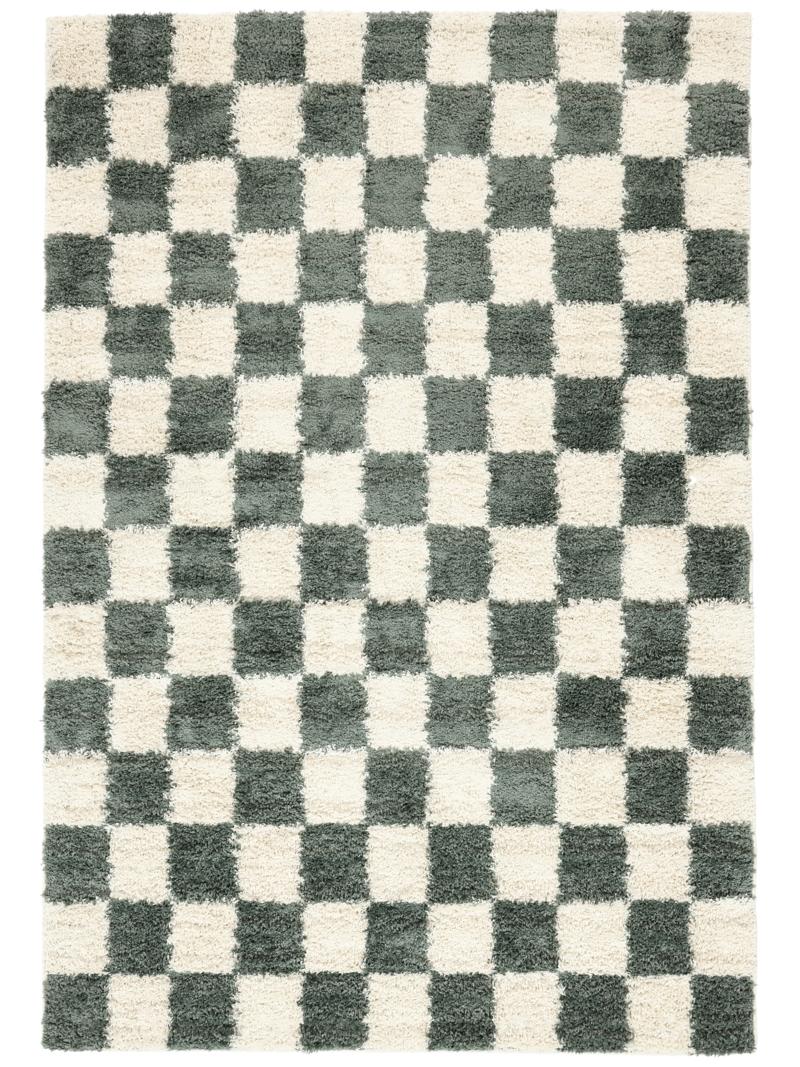
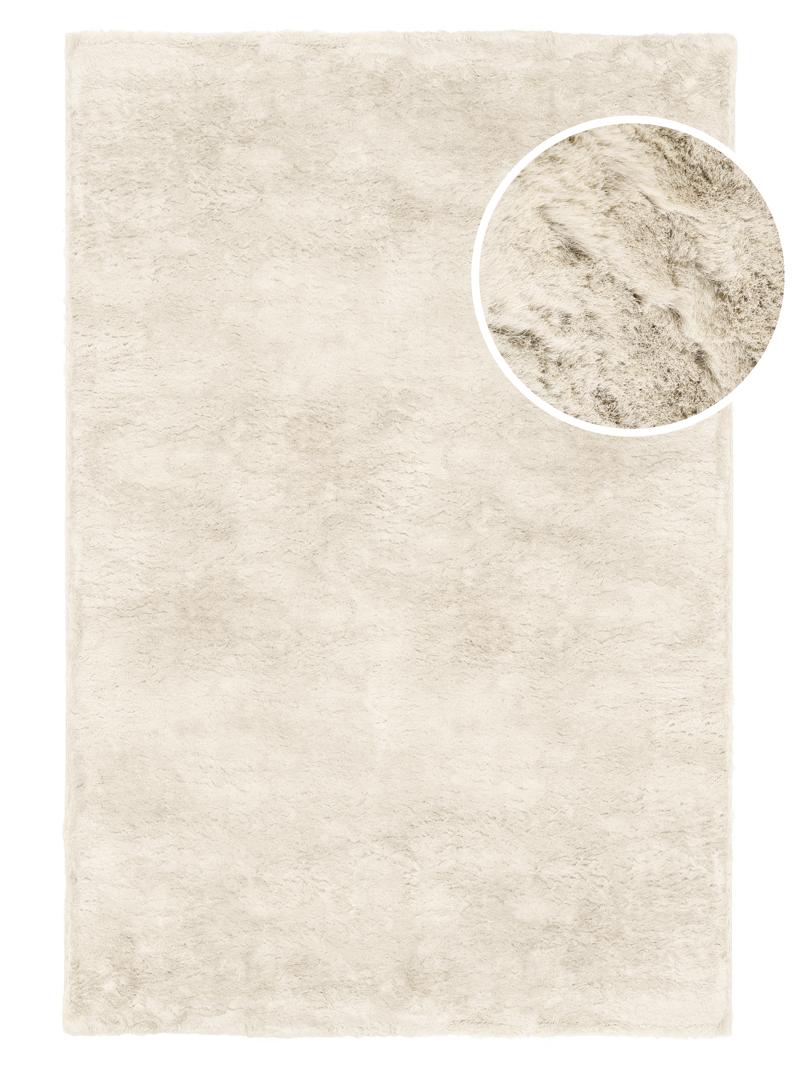
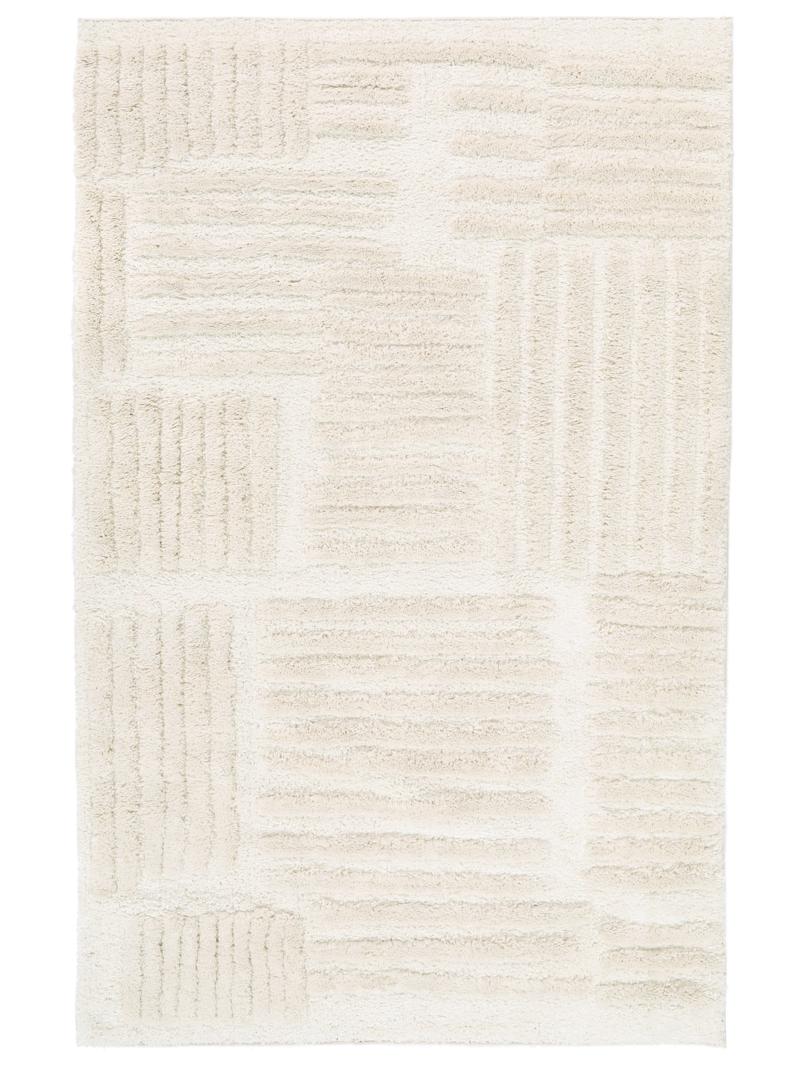
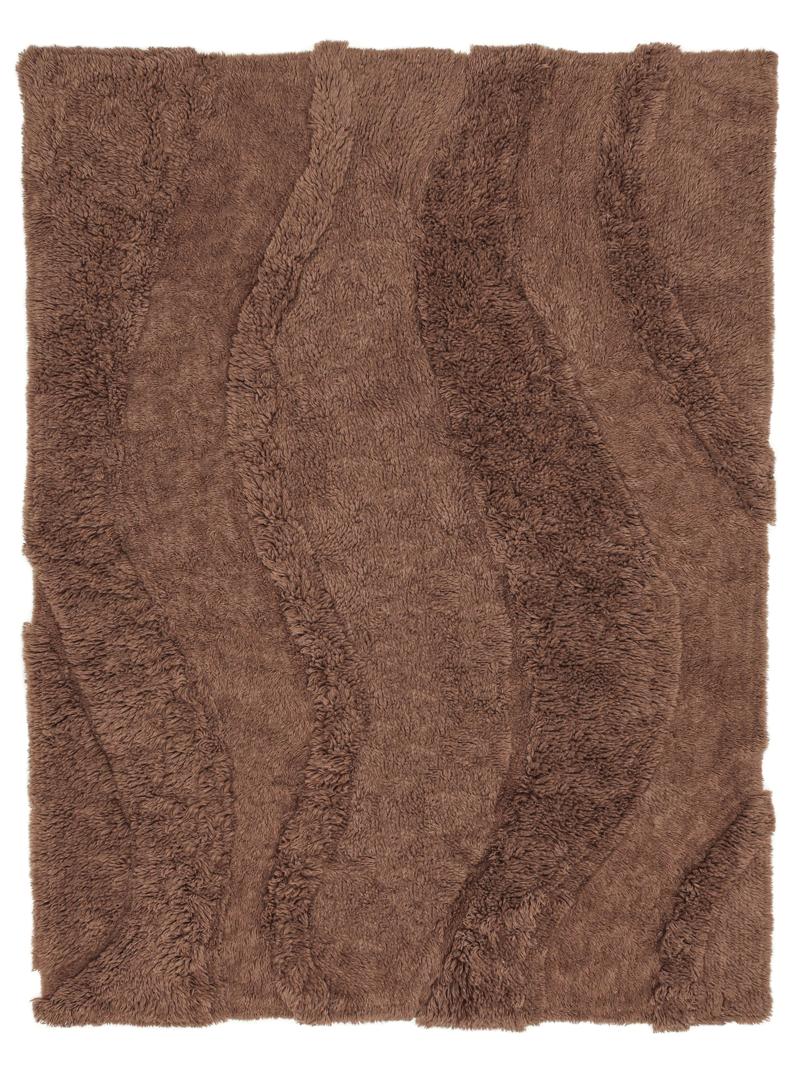
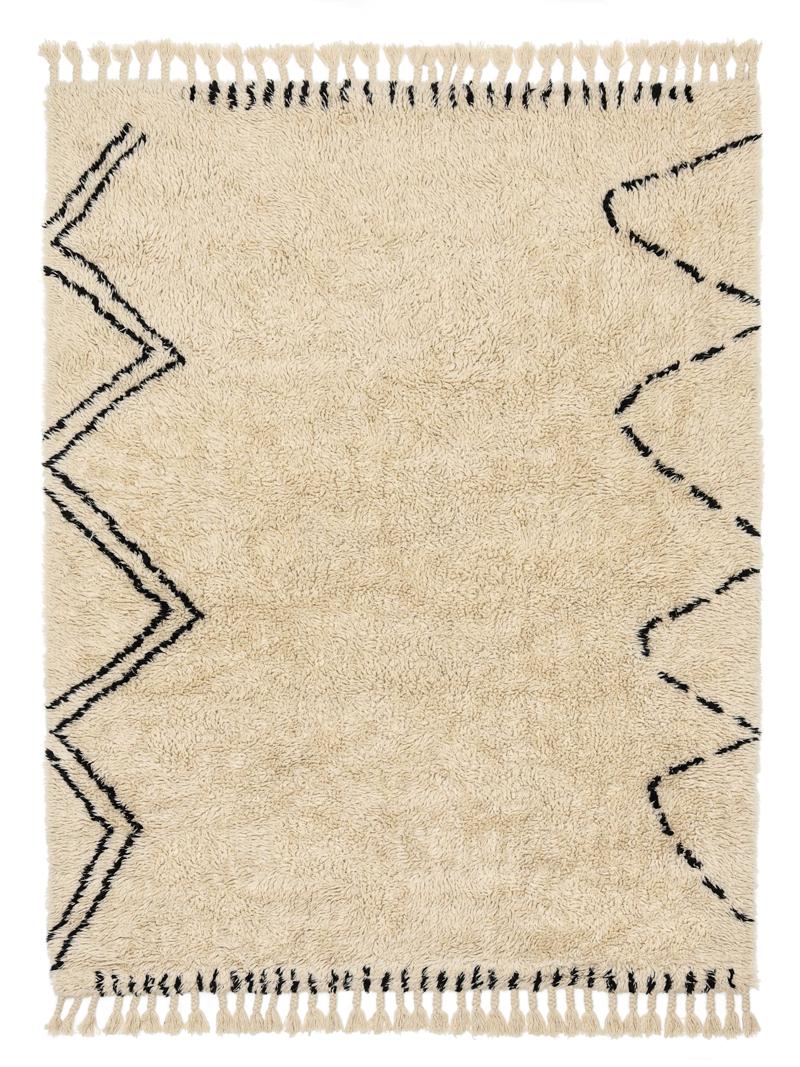
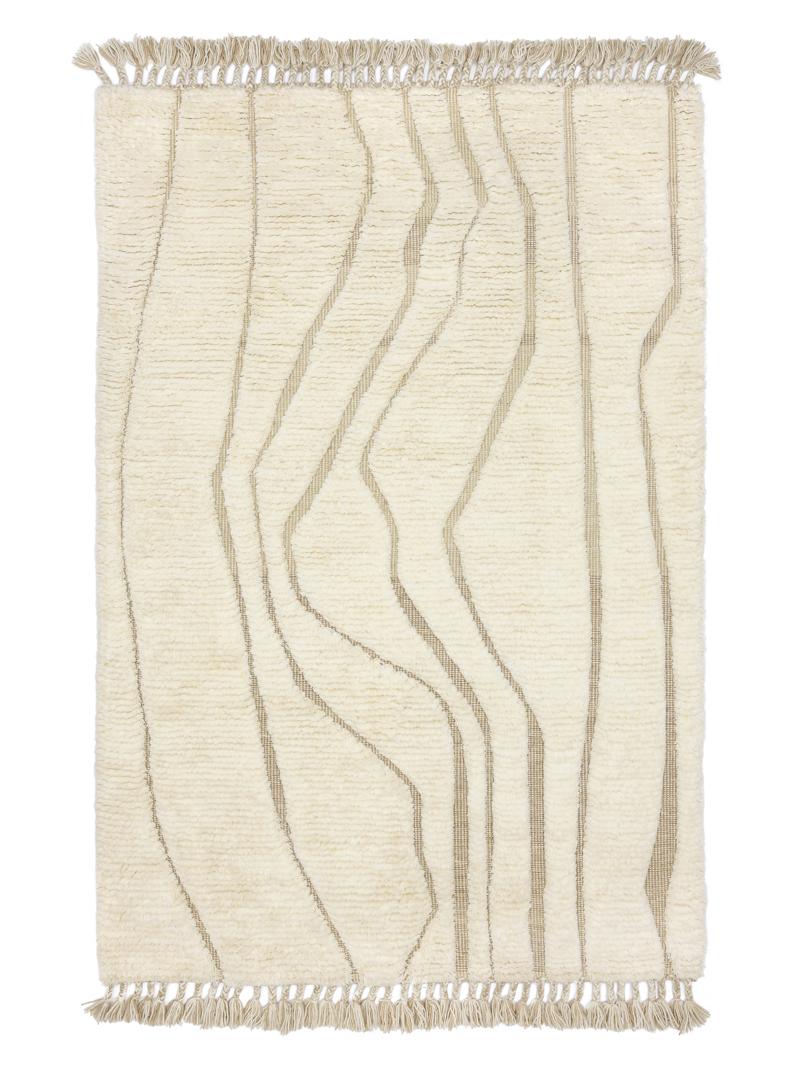
How to style a shaggy rug: Room-by-room guide
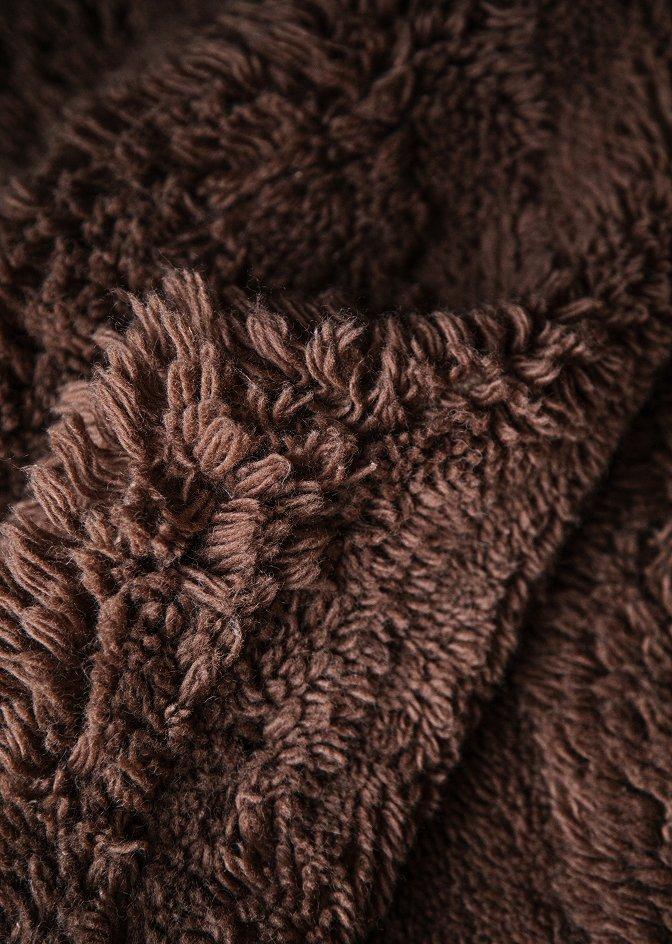
There’s a reason the shaggy rug never really goes out of fashion. Its deep, soft pile adds instant warmth, softens hard floors, and brings a layer of texture that makes any space feel more inviting.
To style a shaggy rug well, choose a size that connects the main furniture, match the pile height and material to the amount of foot traffic, and use colour and texture to complement the rest of the room. In living rooms, aim to place at least the front legs of your seating on the rug. In bedrooms, let the rug extend beyond the bed so you step onto a soft surface. In hallways, a shorter-pile runner is usually the more practical choice.
Whether you’re styling a living room, bedroom, hallway, or kids room, his guide explains how to style a shaggy rug in every area of your home, with practical tips to help you create a balanced and comfortable space.
Start with the basics: shaggy rug size and placement
Whatever the room, two decisions have the biggest impact: the size of the rug and how your furniture sits on it. As a rule of thumb, bigger is usually more forgiving than smaller. A rug that’s too small can make a room feel disconnected, leaving furniture stranded on a small island of pile. To create a balanced look, leave a consistent border of floor – around 20 to 30 cm – visible around the edges of the rug.
There are three classic layouts worth knowing:
- All legs on feels the most generous and helps pull a seating area together. This layout works best in larger rooms where the rug can comfortably sit beneath all the furniture.
- Front legs on is the most popular option. The front feet of sofas and chairs rest on the rug, helping to connect the seating area without overwhelming the space.
- All legs off leaves the rug floating in front of the seating area. This works well in smaller rooms or when the rug is being used as a soft accent rather than the main anchor for the room.
- One practical consideration with any thick-pile rug is door clearance. A deep pile adds extra height underfoot, so measure the distance from the floor to the bottom of the door and allow at least 1 cm of clearance when choosing a rug.
Choose the right pile height and material
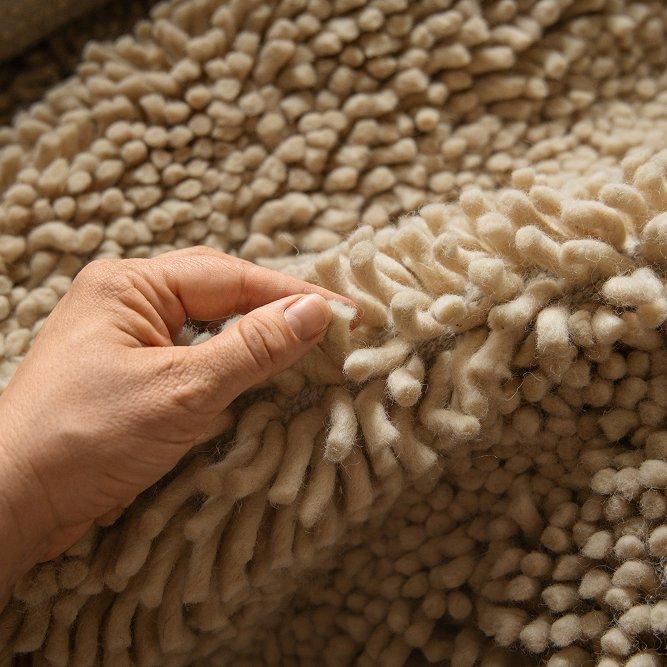
Shaggy rugs vary in pile height, typically ranging from 20 to 50 mm. The right height depends on where the rug will be used and how you want it to feel.
If you’re unsure which material is right for your space, polypropylene is the most versatile all-round option. For bedrooms, nurseries, or any room where softness comes first, polyester is hard to beat.
Choosing the pile height
For hallways and other high-traffic areas, choose a lower pile of around 20 to 25 mm. A shorter pile stands up better to daily foot traffic, stays cleaner, and is less likely to flatten over time.
For living rooms and bedrooms, a mid-to-high pile of 30 to 50 mm delivers the deep, plush feel that makes shaggy rugs so distinctive. Read our guide on high pile vs low pile rugs to explore the differences in more detail.
Choosing the material
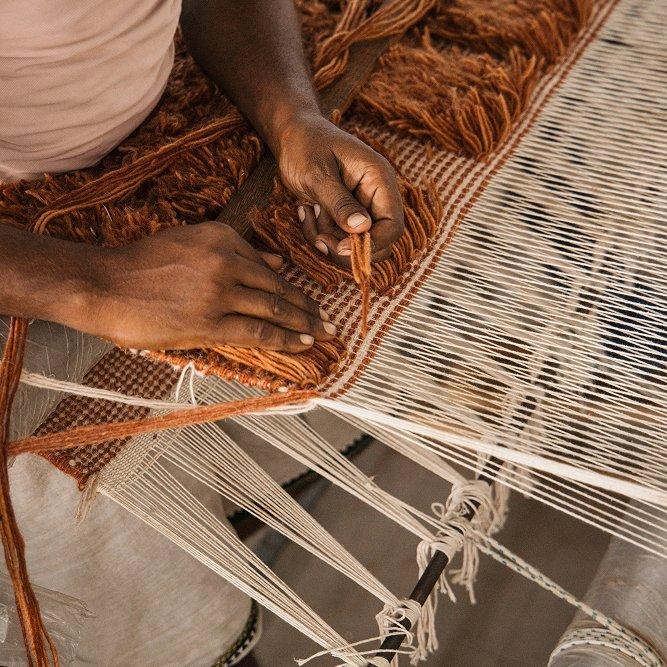
Material is just as important as pile height. At Rugvista, shaggy rugs are available in three main fibre types, each with its own advantages:
Polypropylene shaggy rugs: Durable, stain-resistant, and antistatic, with a soft, wool-like feel. A practical choice for living rooms, hallways, and other areas that see regular use.
Polyester shaggy rugs: Exceptionally soft and lightweight, while also being easy to spot-clean. Best suited to bedrooms and children’s rooms where comfort is the priority.
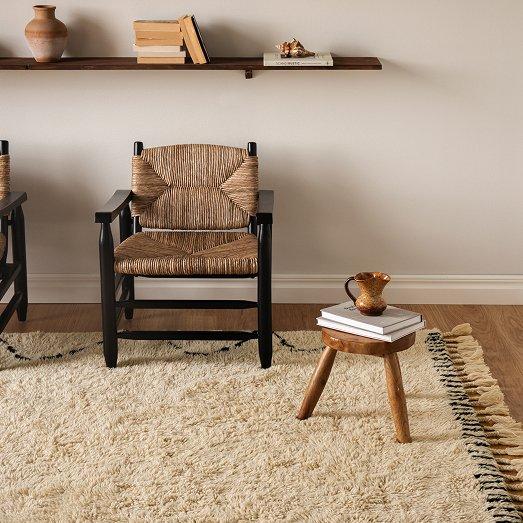
Shaggy wool rugs: Naturally resilient, warm underfoot, and highly durable. An excellent choice for living rooms and other spaces where you want a shaggy rug that will last for years.
Choosing the right shaggy rug for each room
If comfort is your priority, look for a shaggy rug with a deeper pile. For busy areas such as hallways, choosing a shaggy rug with a slightly shorter pile can make maintenance easier. Once you’ve decided on pile height, select a material based on your needs: wool for durability, polyester for softness, or polypropylene for easy everyday care.
How to style a shaggy rug in a living room
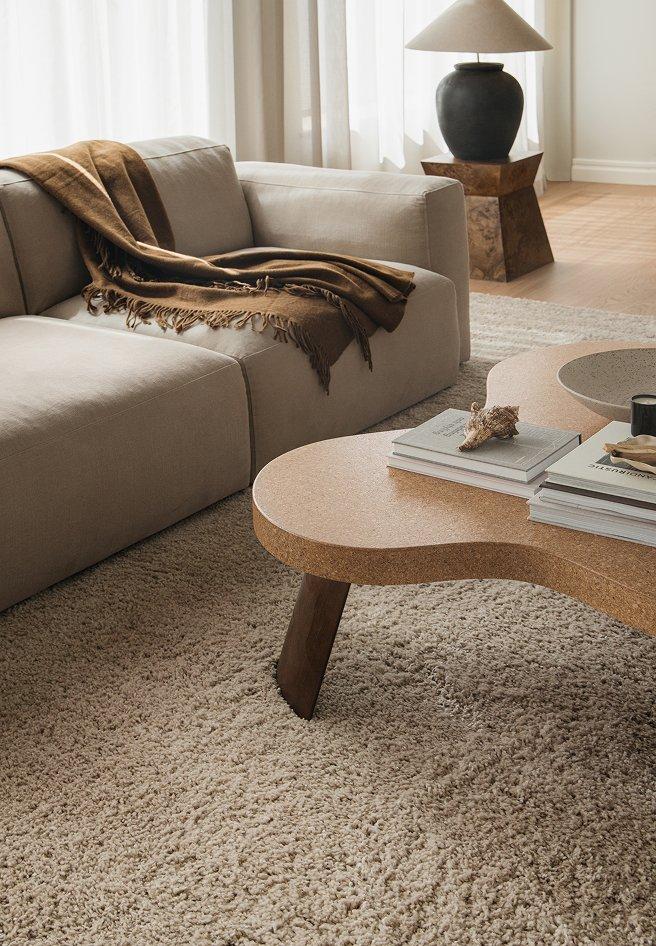
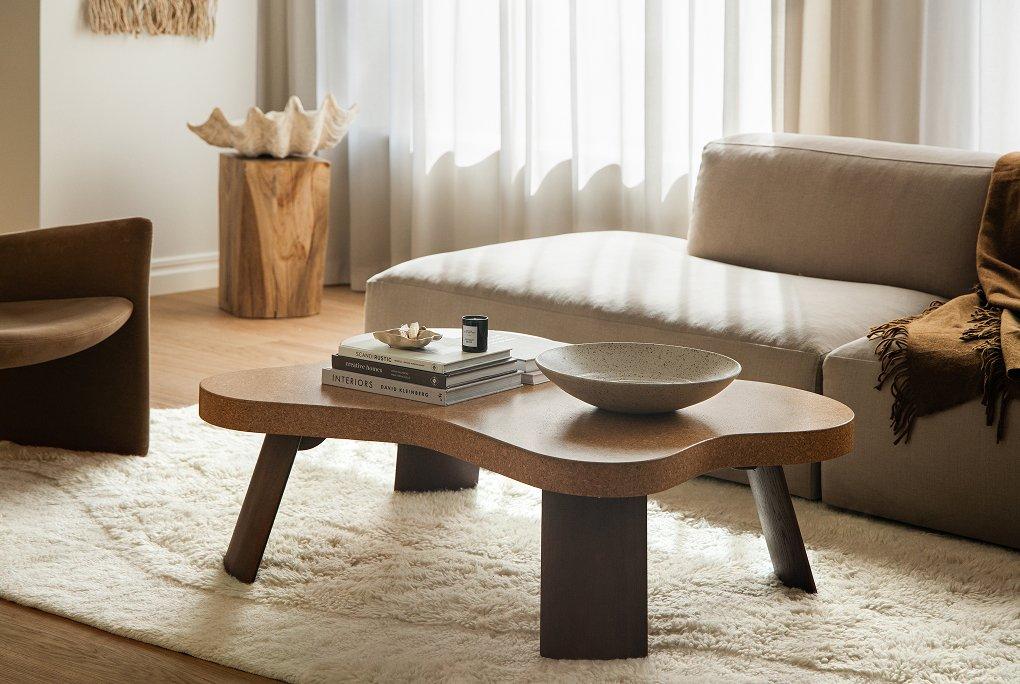
Position a shaggy living room rug so that it visually connects the sofa, chairs, and coffee table. In most layouts, having at least the front legs of the main seating on the rug creates a more balanced look than placing a small rug beneath the coffee table alone.
The living room is where a shaggy rug feels most at home because its soft pile adds both visual texture and comfort to a seating area.
Choose a rug large enough to anchor the seating
When choosing a size for your shaggy living room rug, go larger than your instinct suggests. A common mistake is selecting a rug that only sits beneath the coffee table. Instead, choose one large enough that at least the front legs of your sofa and armchairs rest on it. In larger living rooms, a shaggy rug can sit beneath the entire seating arrangement, creating a more cohesive and luxurious look.
Sizes such as 200 × 300 work particularly well in spacious lounges and open-plan areas, providing enough coverage to anchor the room.
Choosing the right colour
When it comes to colour, there are two popular approaches:
Neutral colours
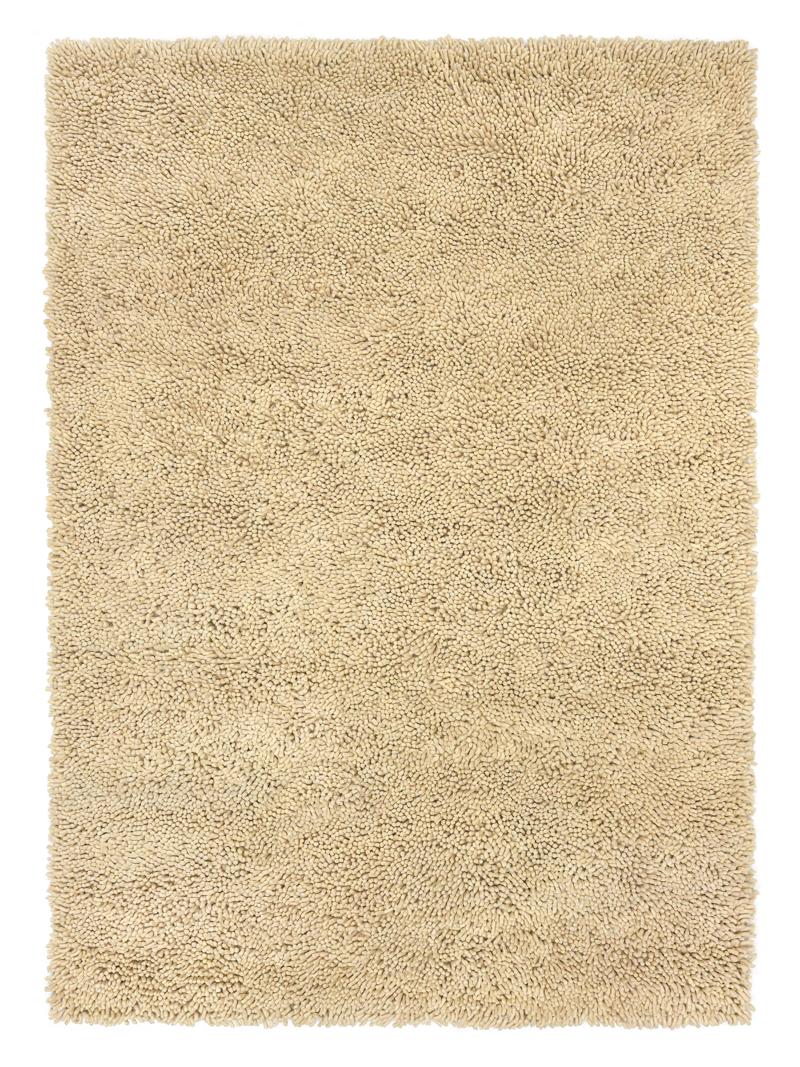
- Cream, off-white, greige, and soft grey create a calm, balanced look.
- They add texture while allowing furniture, artwork, and accessories to take centre stage.
Statement colours
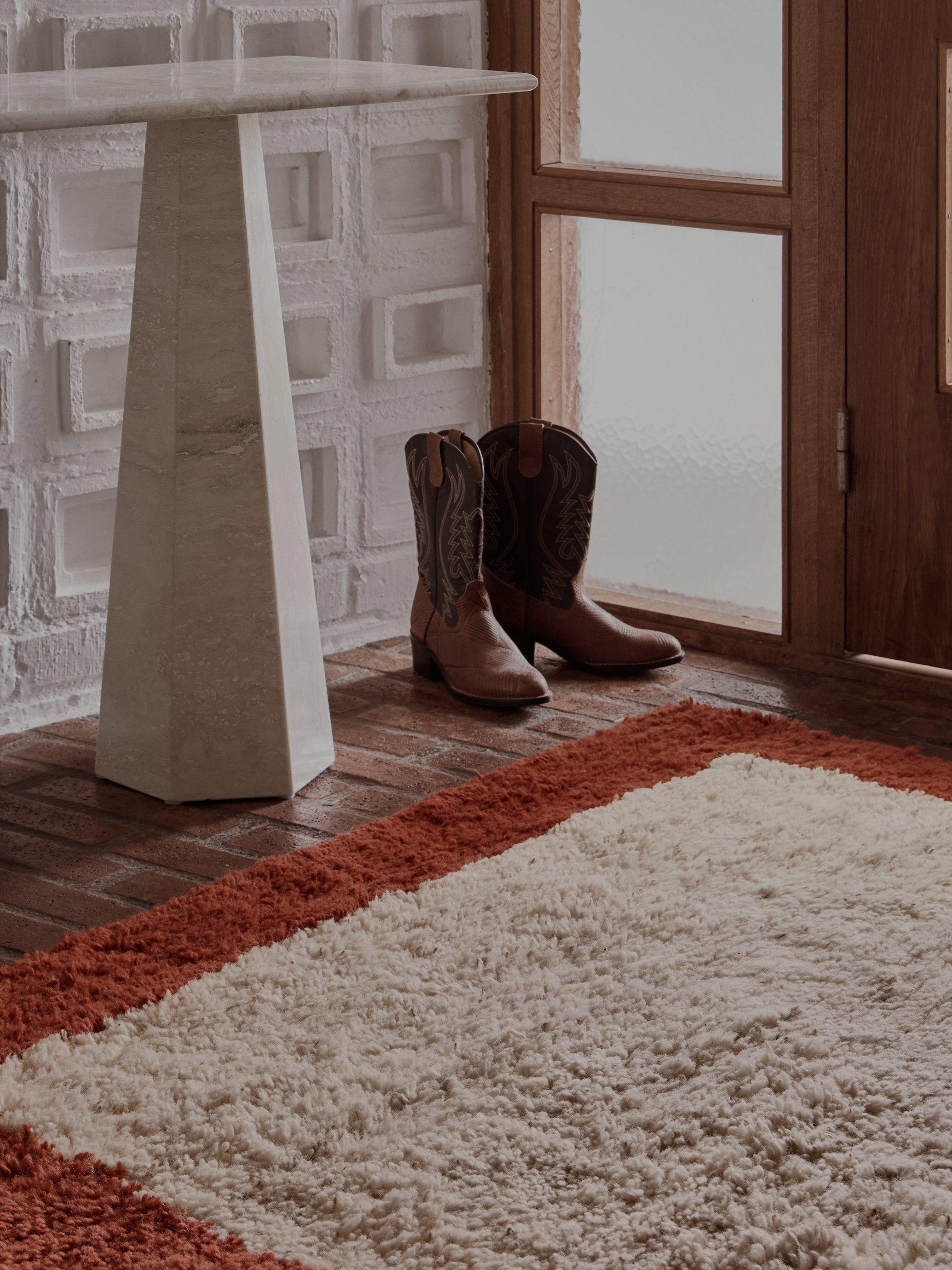
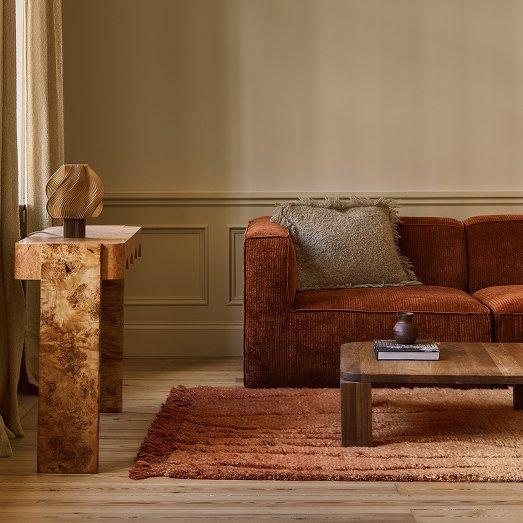
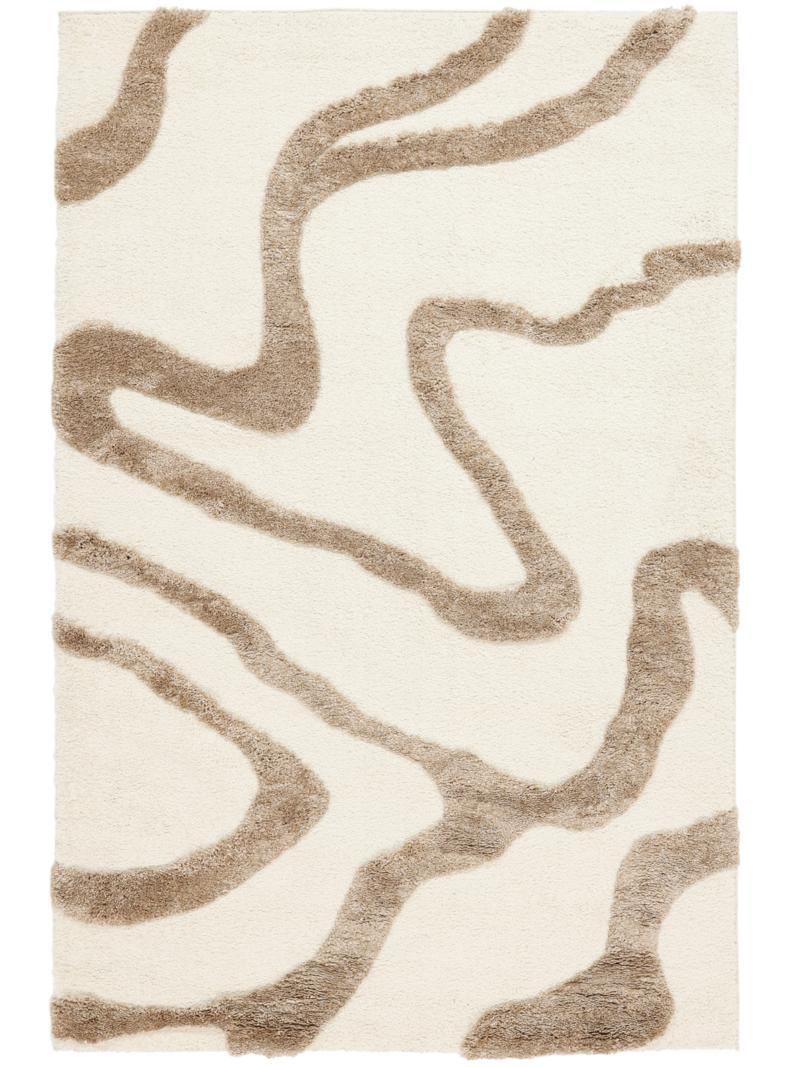
- Mustard, terracotta, and other warm shades can act as a focal point within a neutral scheme.
- They introduce warmth and personality without overwhelming the space.
A shaggy rug also works well as a layering piece in a living room. Place it on top of a larger flatweave or jute rug to add depth and texture, leaving the edges of the base rug visible to create contrast and definition.
Explore our living room rug ideas for more styling inspiration.
How to style a shaggy rug in a hallway
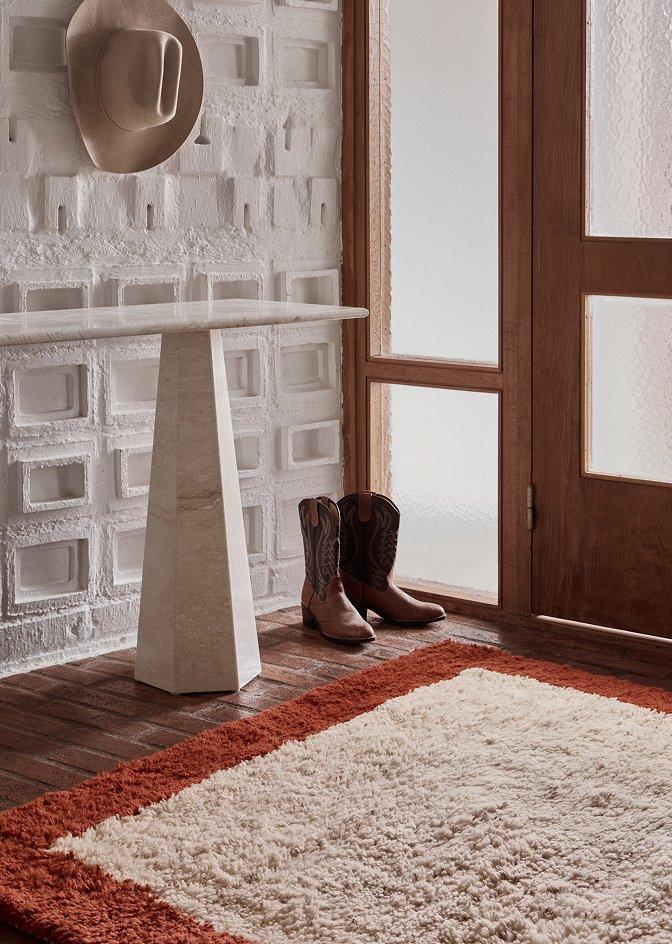
For a hallway, choose a shaggy runner that leaves a visible border of flooring on both sides and does not obstruct doorways. A shorter, denser pile is generally more practical than an especially deep shag in areas with frequent foot traffic.
Hallways have different rules. They’re narrow, functional spaces, so proportion and practicality matter as much as appearance. A long, soft strip of pile adds warmth, muffles footsteps, and helps a corridor feel more welcoming.
Measure the width of your hallway and leave an even border of flooring visible on either side. This helps the runner feel proportionate and prevents it from looking squeezed into the space. For length, the runner should stop short of any doorways so doors can open freely.
In busy households, a slightly shorter and denser pile is often more practical than the deepest shag. It stands up better to regular foot traffic and is easier to keep looking tidy.
Hallways often have limited natural light, so a cream or pale grey shaggy runner can help brighten the space. Darker shades are often more forgiving of everyday dirt and traffic. The right choice depends on whether you want to maximise light or prioritise practicality.
How to style a shaggy rug in a bedroom
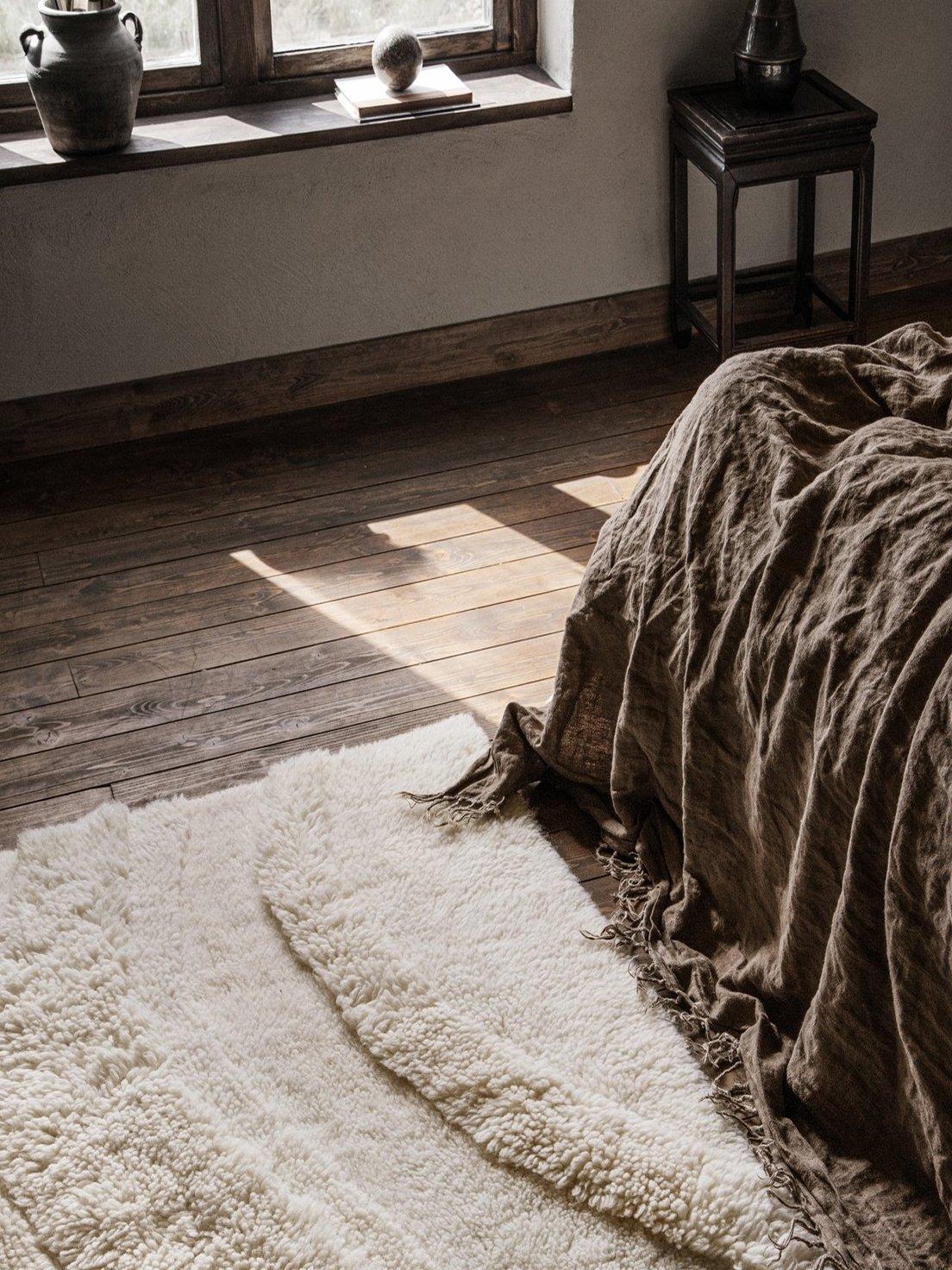
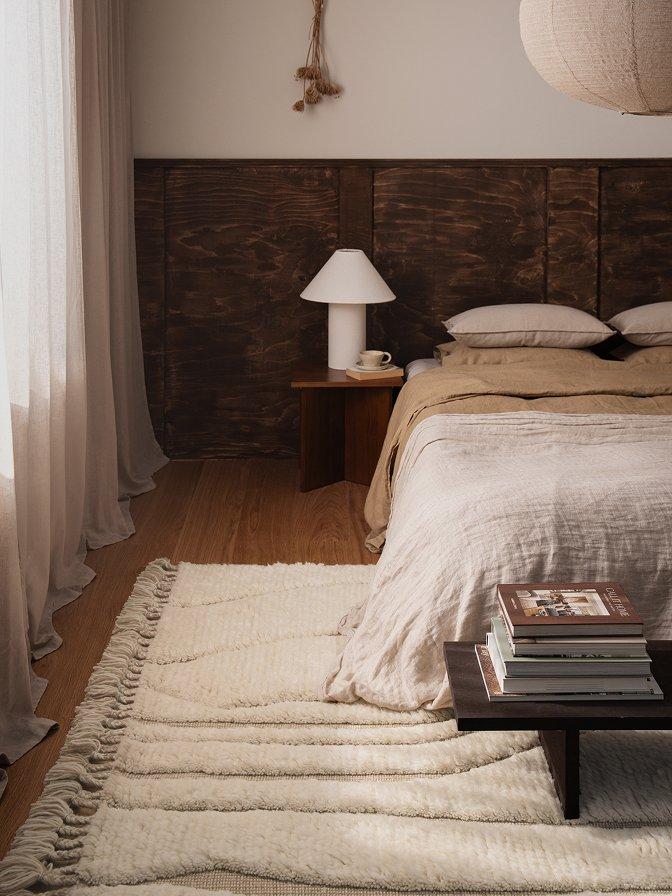
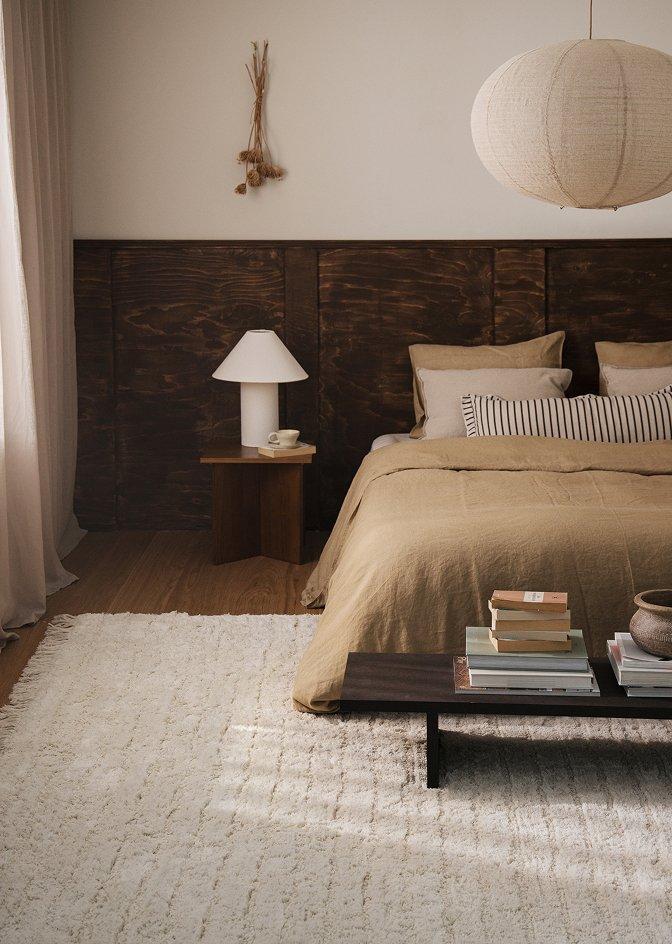
Position a shaggy bedroom rug so that it extends beyond the sides of the bed or place smaller rugs beside the bed. The goal is to create a comfortable surface exactly where your feet meet the floor.
Pick the perfect placement
When placing a shaggy rug in the bedroom, the most popular approaches are either a single large rug positioned beneath the lower two-thirds of the bed, allowing it to extend beyond the sides and foot, or a pair of smaller rugs placed on either side of the bed.
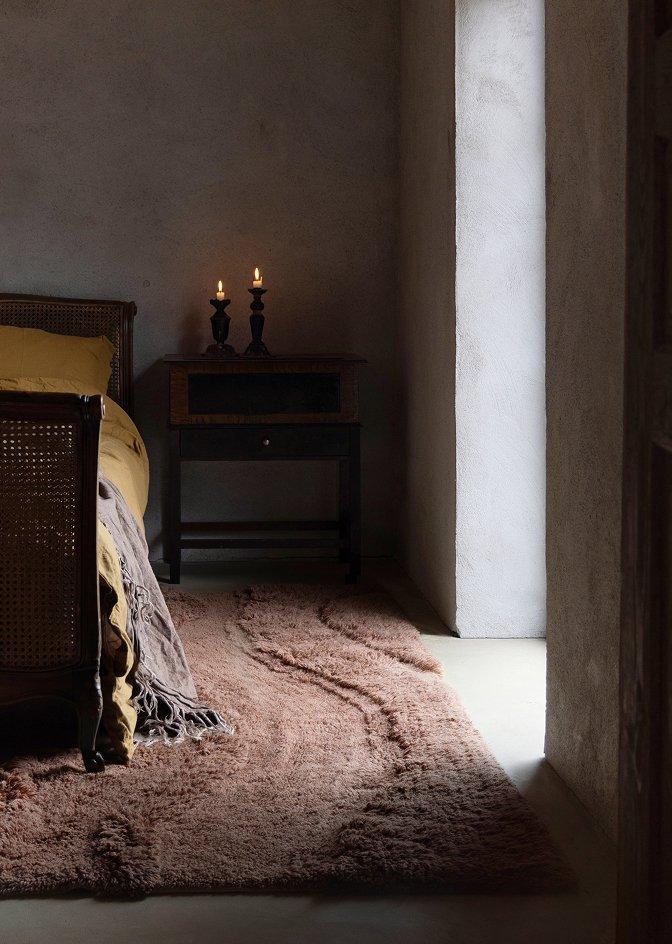
If you choose a single rug, make sure it extends comfortably beyond both sides of the bed. This creates a balanced look while giving you a soft surface to step onto each morning. Soft, pale, and tonal colours tend to work particularly well in bedrooms, reinforcing a calm and restful atmosphere. For added depth, consider introducing a warmer shade within an otherwise neutral scheme.
As a general guide, a 160 x 230 rug often provides good coverage for a standard double bed, while larger beds typically benefit from a 200 x 300 cm rug. Measure the bed and the desired exposed rug area before choosing.
How to style a shaggy rug in a kids' room or nursery
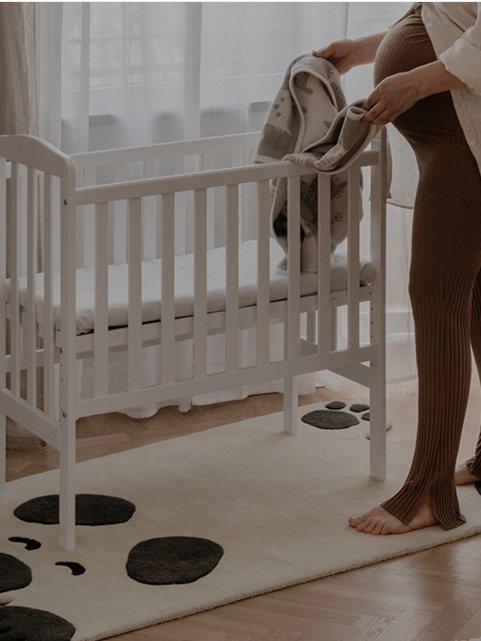
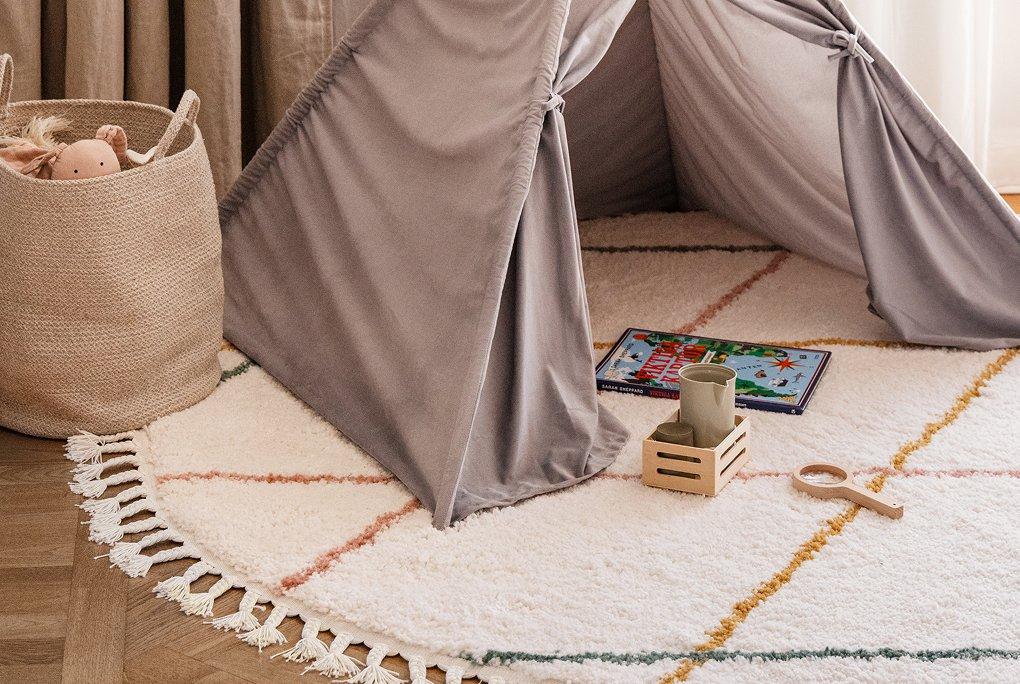
Use a shaggy rug for a kids room to create a defined play, reading, or relaxation area, and prioritise a material and construction that match the level of everyday use and cleaning the room requires.
A shaggy rug brings instant cosiness to a child’s room, creating a soft and comfortable surface for play, reading, and quiet time on the floor. Comfort is often the priority in these spaces, making a thick, plush pile a natural choice.
Practicality matters just as much. Look for a rug that is durable and easy to clean, and check the care instructions before buying, as spills and everyday messes are inevitable. Both cheerful colours and soft neutrals can work well, depending on the overall style of the room. Many families choose mid-tone shades, which are often more forgiving of everyday marks while still feeling warm and inviting.
For nurseries and toddler rooms, consider placing the rug in the centre of the room rather than beneath furniture. This helps create a dedicated area for play and exploration. In larger spaces, a rug around 150 × 200 cm can provide plenty of room for reading, playing, and other activities.
Keeping your shaggy rug looking its best
For routine maintenance, a light weekly hoover is enough for most rooms. In hallways and kids’ rooms, where foot traffic and everyday mess are more common, hoovering every few days can help keep the pile looking full and fresh.
A beater bar can pull at fibres and flatten the shag over time. If spills happen, deal with them promptly by blotting rather than rubbing. Rubbing can push liquid deeper into the pile, making stains more difficult to remove.
With regular care, a shaggy rug can maintain its softness, texture, and appearance for years to come. For more detailed cleaning advice, read our guide on how to clean a shaggy rug.
Frequently asked questions
For most living rooms, a rug between 160 × 230 cm and 200 × 300 cm works well. The key rule is that at least the front legs of your sofa and armchairs should rest on the rug, helping to connect the furniture and anchor the seating area. If you’re unsure, choosing a slightly larger size is often the safer option.
Yes. A shaggy runner can work particularly well in a hallway, adding warmth and comfort underfoot. Choose a runner that leaves an even border of flooring visible on either side, and consider a slightly denser pile rather than the deepest shag available, as it stands up better to regular foot traffic and is easier to maintain.
Shaggy rugs require a little more care than flatweave options, but they are not difficult to maintain. Hoover using a low-suction setting and avoid the beater bar where possible to help protect the pile. Blot spills promptly rather than rubbing them, and shake the rug outdoors occasionally to remove trapped dust. Always check the care label for specific cleaning instructions.
Shaggy rugs work well in spaces where comfort and warmth are the priority. Living rooms, bedrooms, kids’ rooms, nurseries, and reading nooks can all benefit from a thick, plush pile. They are generally less suited to very high-traffic entranceways, where a denser or lower-pile rug may be more practical.
Yes. Layering a shaggy rug over a larger flatweave or jute rug is a popular way to add texture and depth. Leave enough of the base rug visible around the edges to create contrast and define the layered look. This approach works particularly well in living rooms where you want extra softness in a specific area without covering the entire floor.
Shop shaggy rugs at Rugvista
Whether you’re looking for a large statement rug for the living room or a soft runner to bring warmth to a hallway, Rugvista’s collection includes shaggy rugs in a range of sizes, colours, and materials. Explore the collection to find a rug that adds comfort, texture, and warmth to your space.