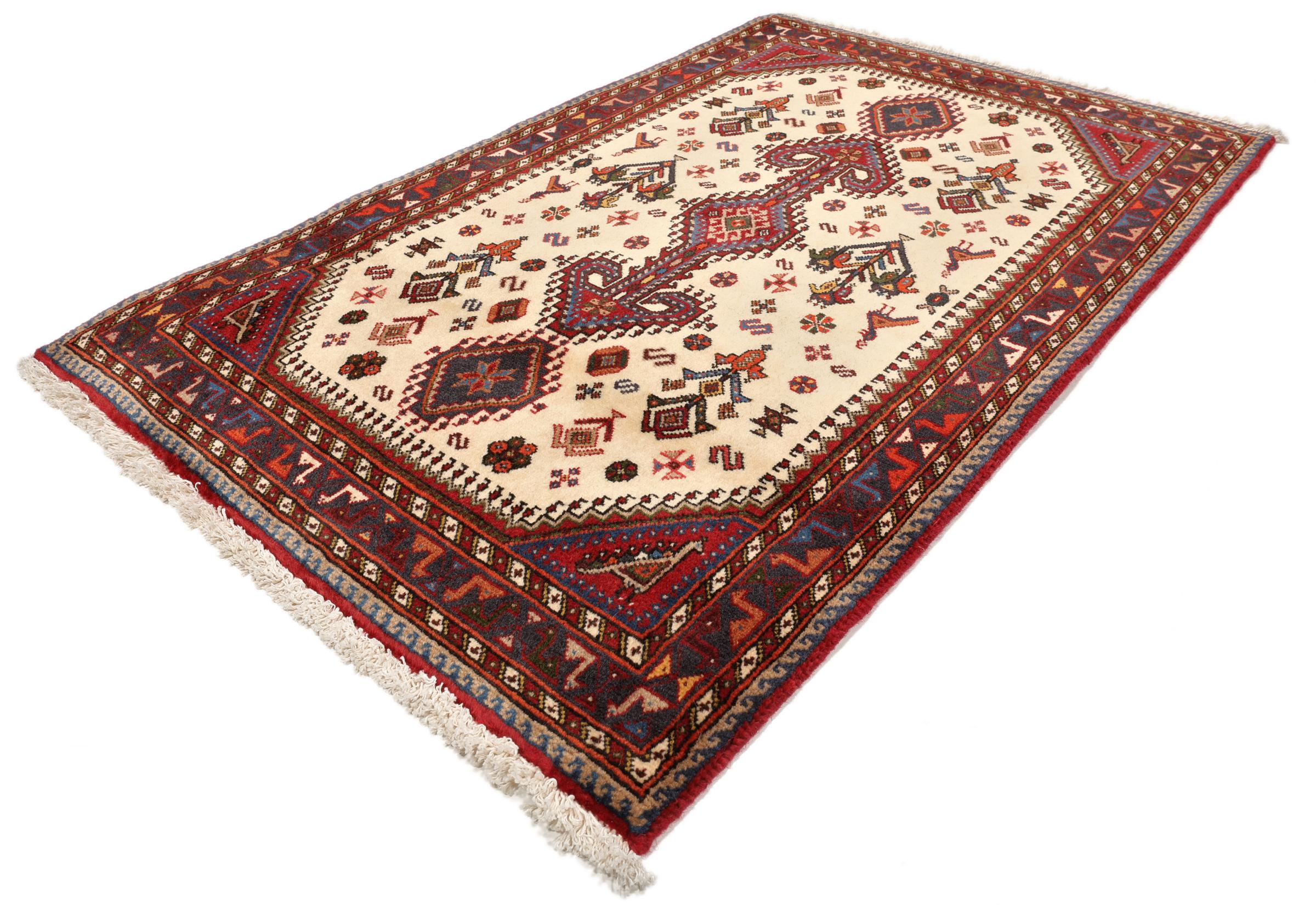
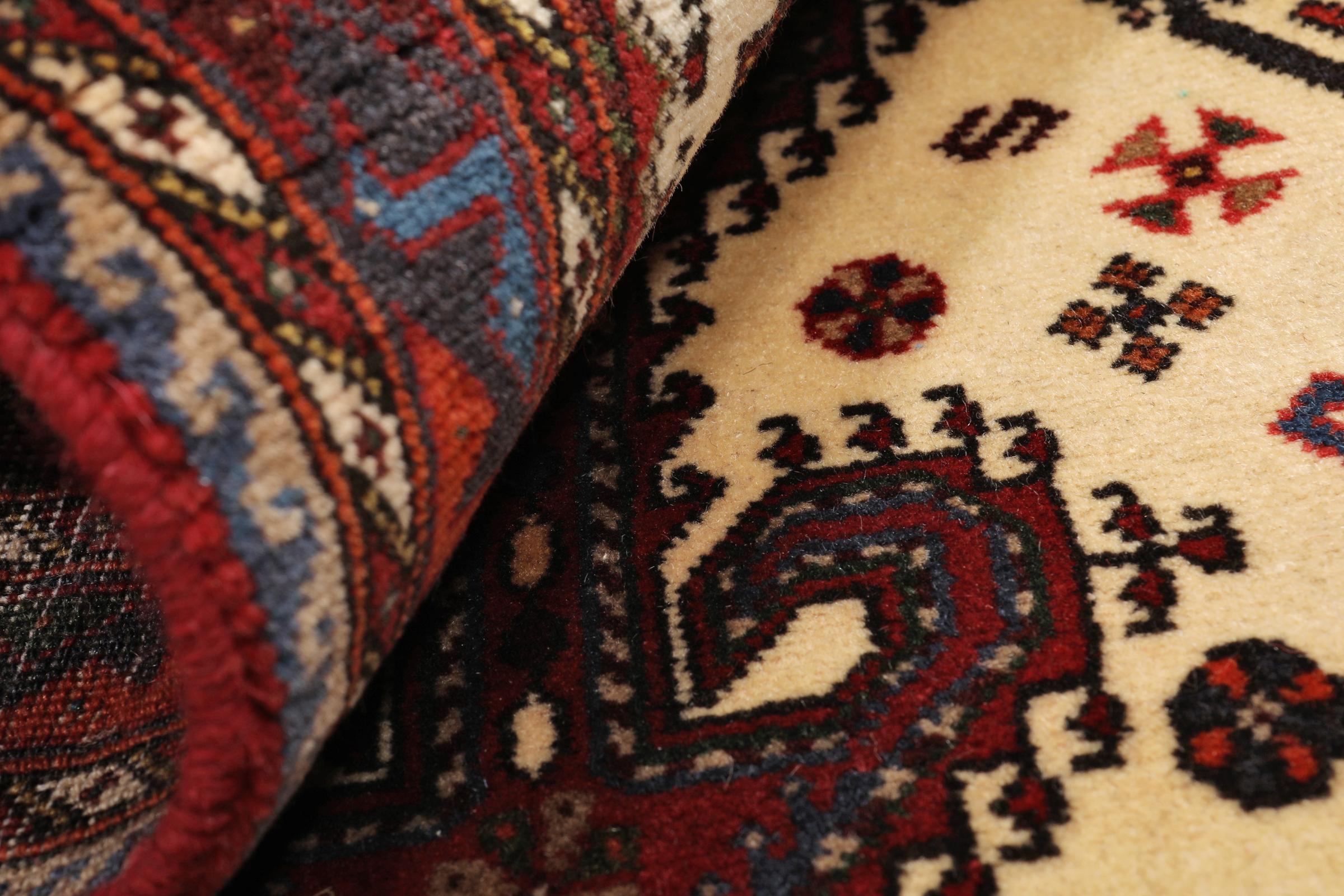
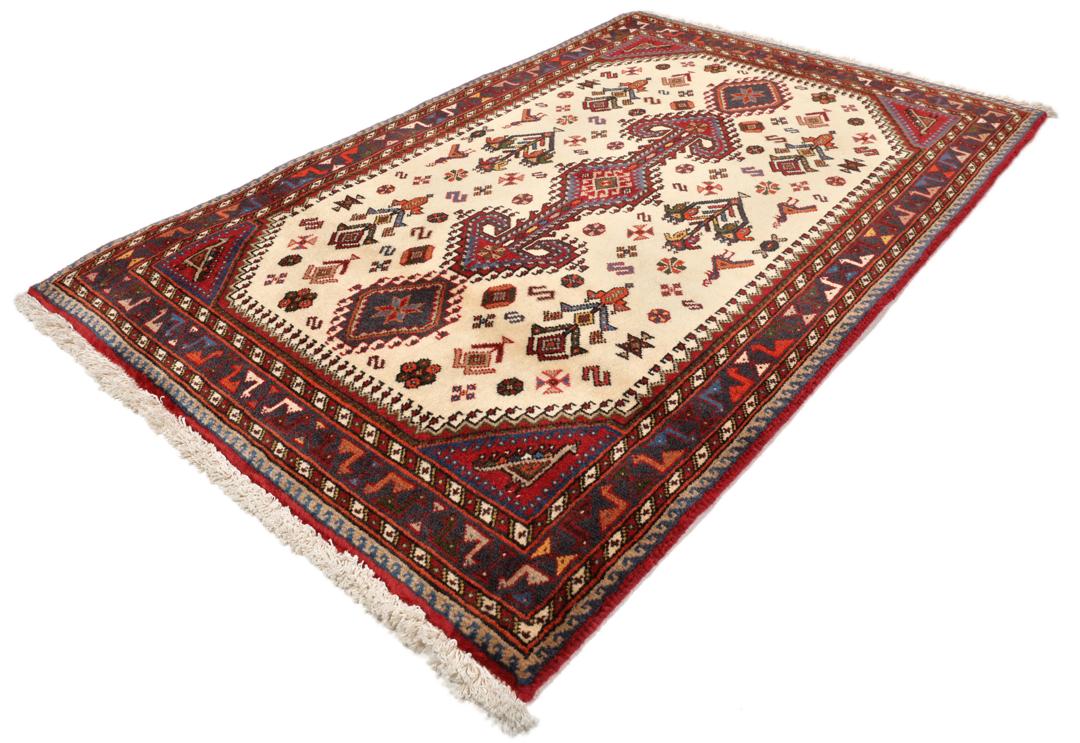
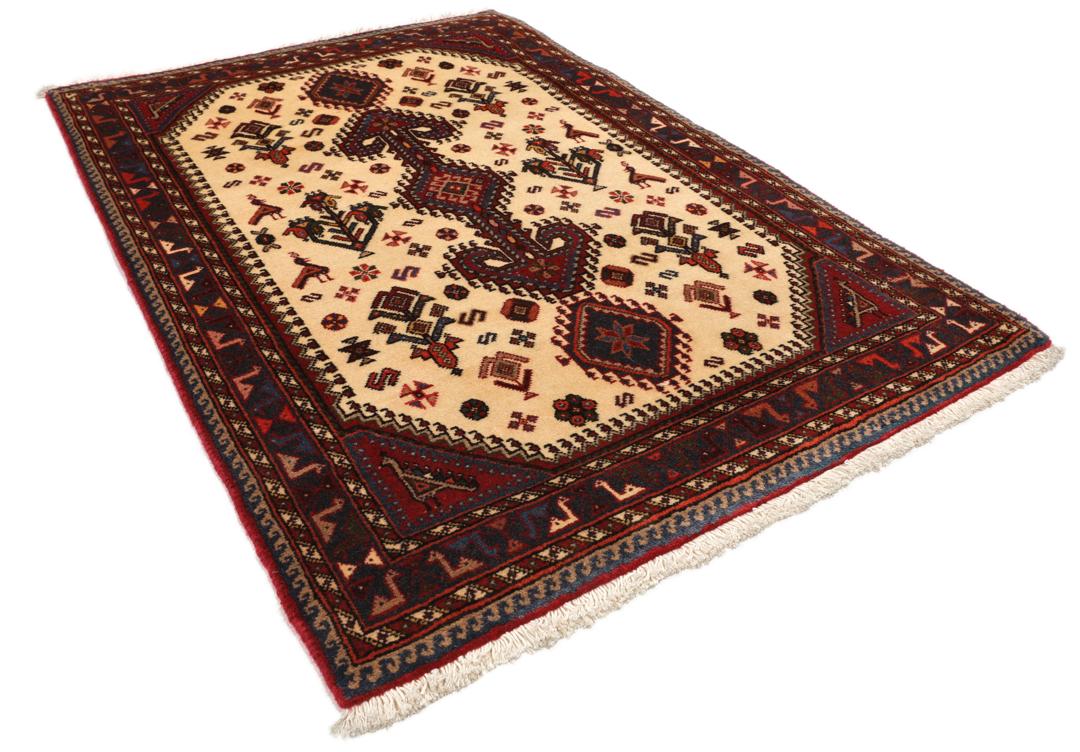
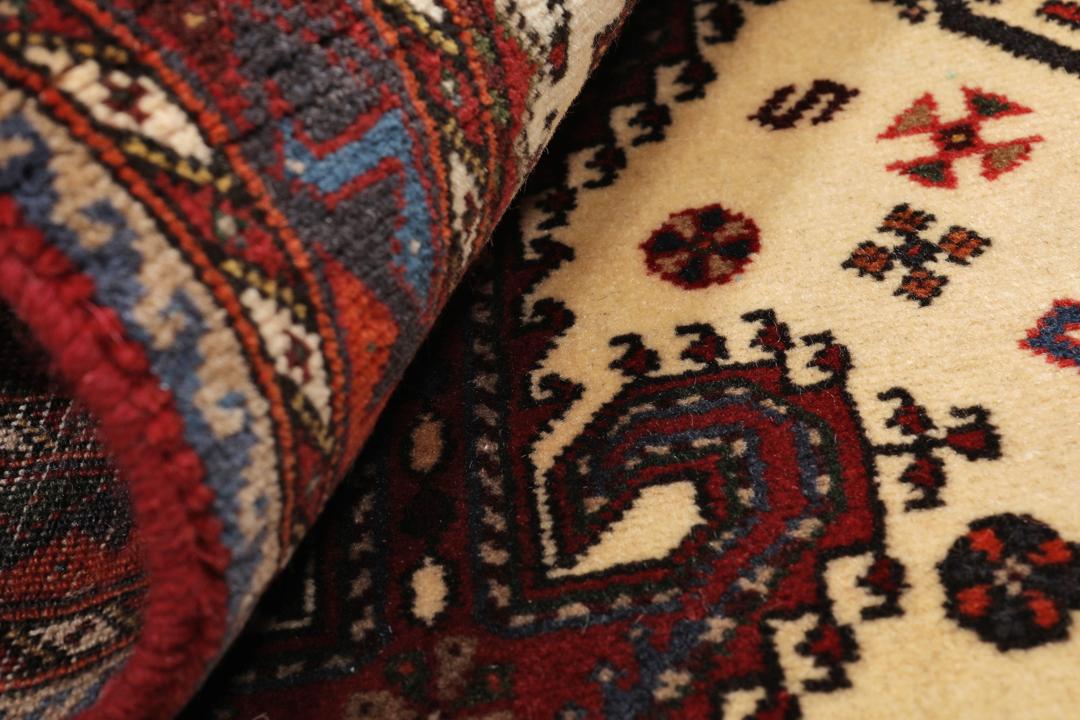
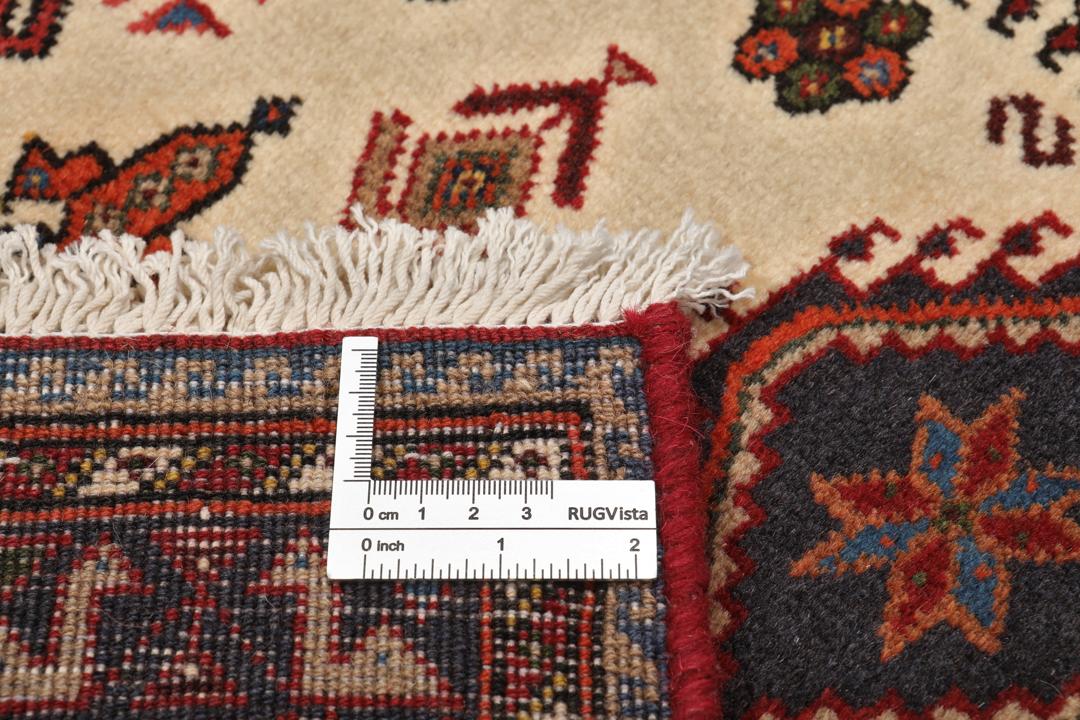
The Qashqai people are a nomadic tribal confederation with a rich, centuries-old history of weaving in the Middle East. Traditionally, these rugs were created to meet the functional needs of nomadic life, serving as floor coverings, tent decorations, and transport bags, which necessitated the use of extremely durable, high-quality Wool.
The term 'Abadeh' refers to a town in the Fars province that serves as a major trade centre for rugs produced by the Qashqai and surrounding nomadic tribes. These rugs are renowned for their fine construction and the way they bridge the gap between bold, expressive tribal art and more refined, formal design aesthetics.
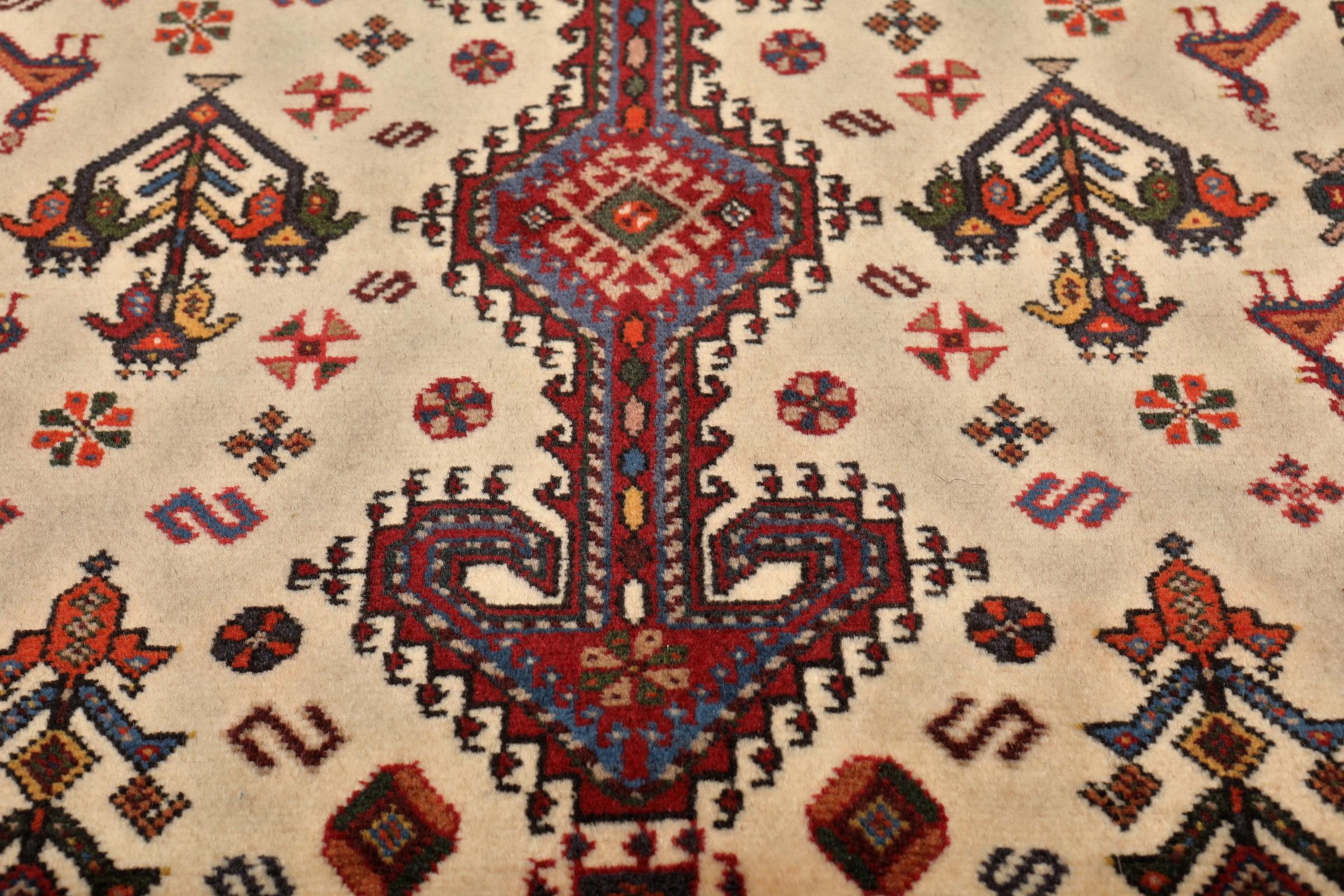
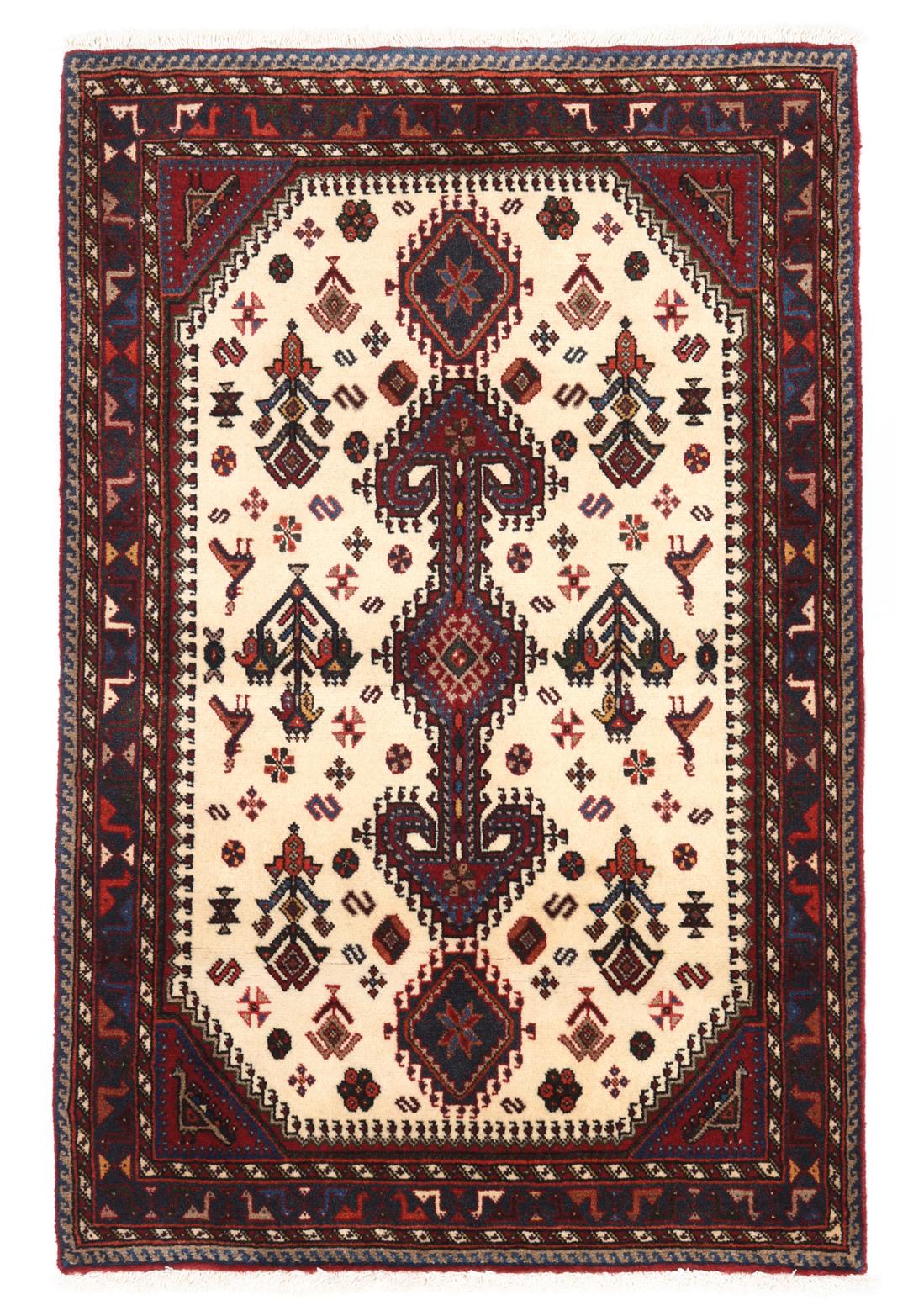
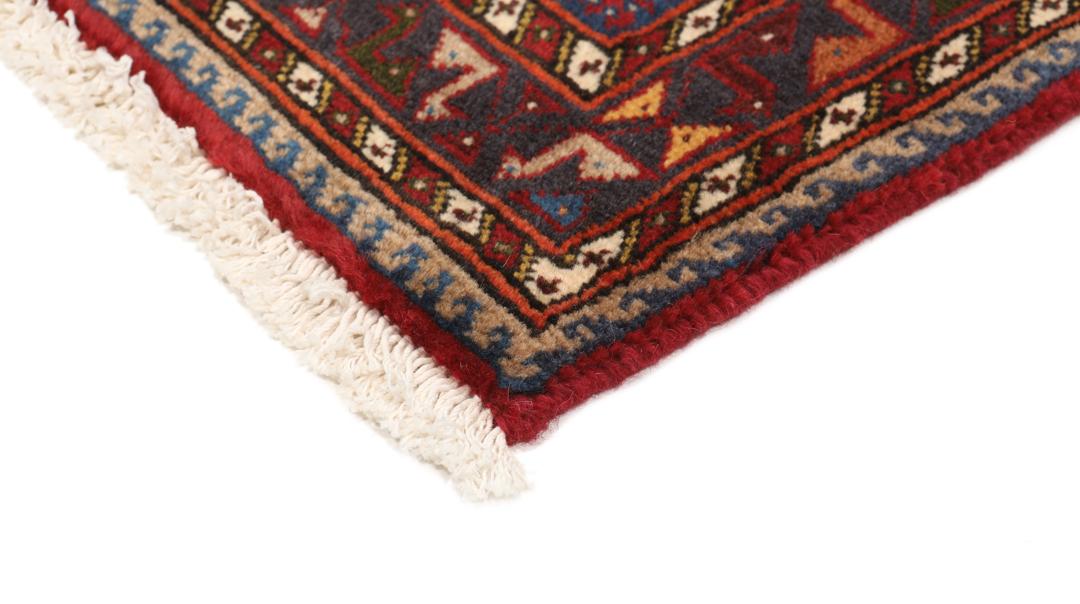
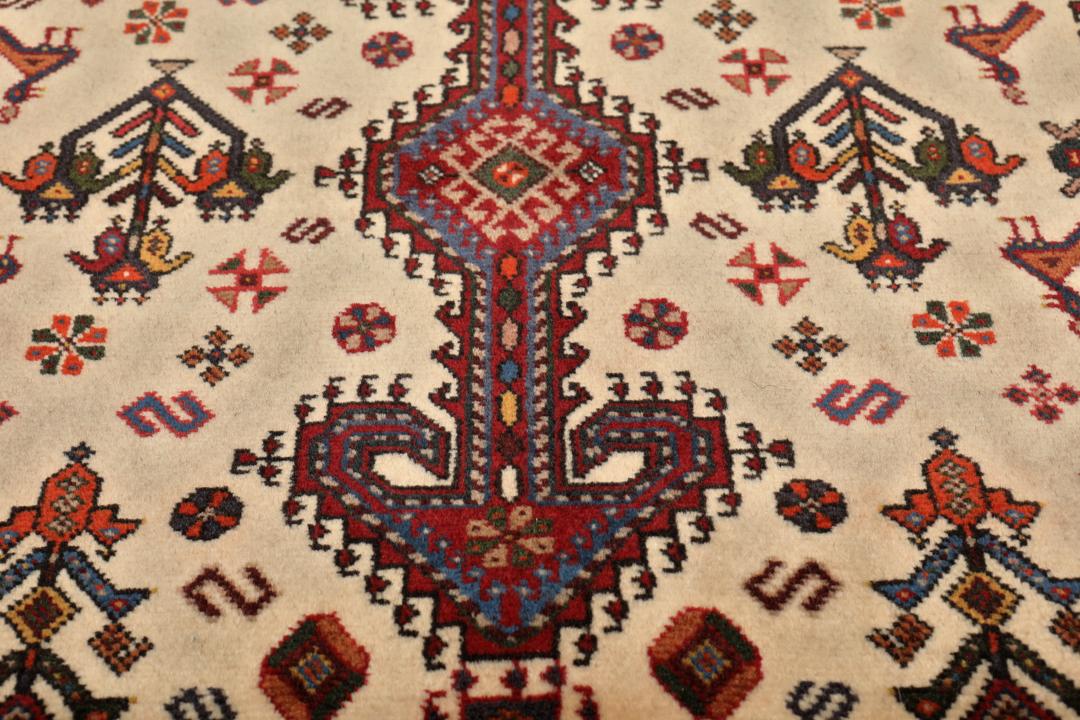
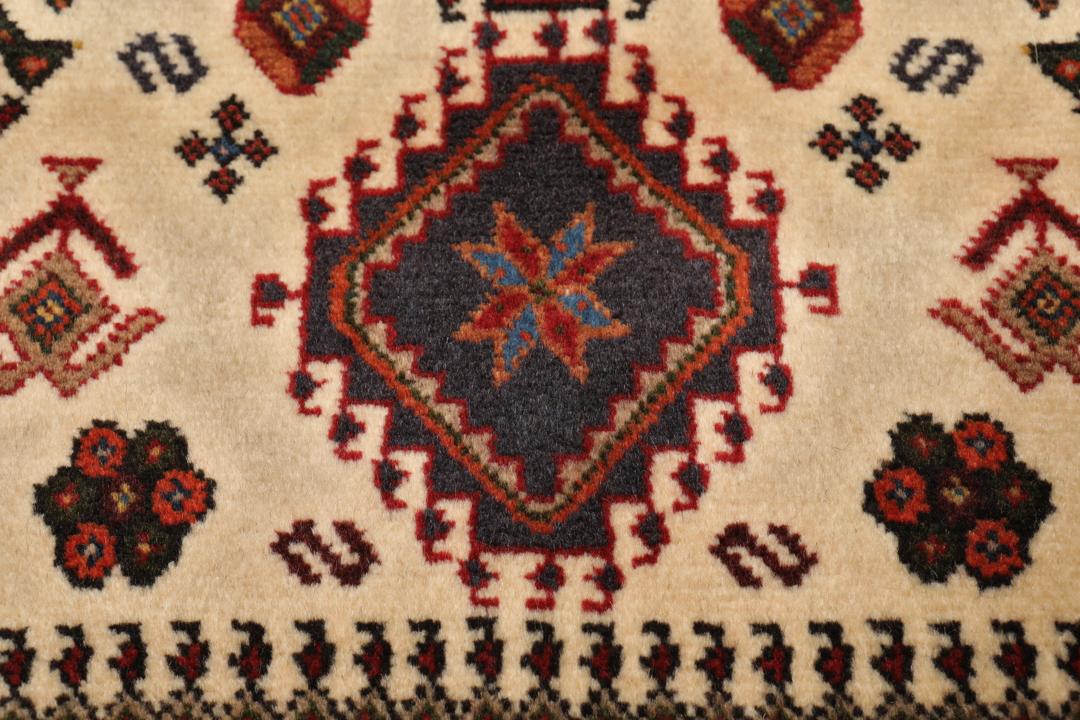
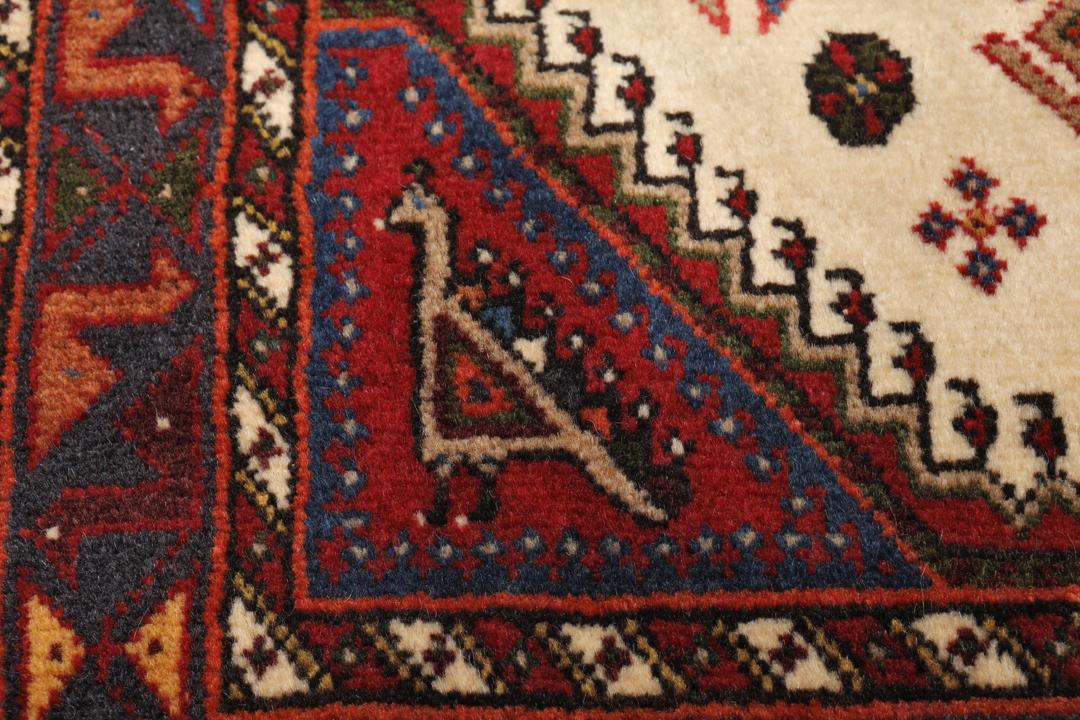
Signature design elements of this tradition often include a central medallion, sometimes referred to as a pole medallion, surrounded by a field filled with stylized geometric motifs, flora, and fauna. The border systems are typically complex, featuring repeated geometric patterns that frame the field, reflecting the weavers' deep connection to their natural environment and cultural symbols.
Collecting a Qashqai rug is an investment in a living heritage. These pieces are valued for their spontaneity and the personal expression of the weaver, who often works from memory rather than a cartoon or pattern. Owning one is an opportunity to preserve a piece of human history that celebrates the intersection of utility and fine craft.