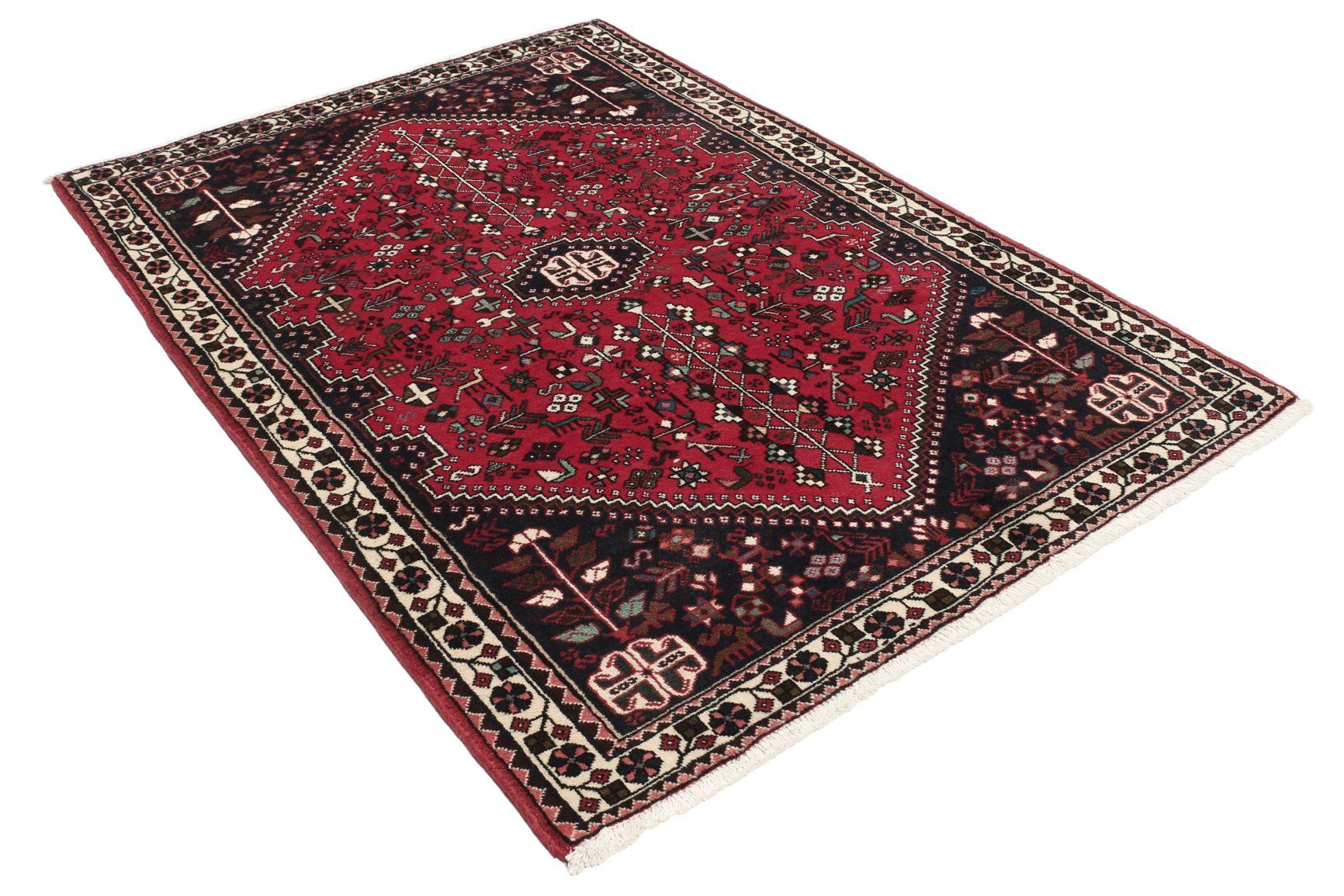
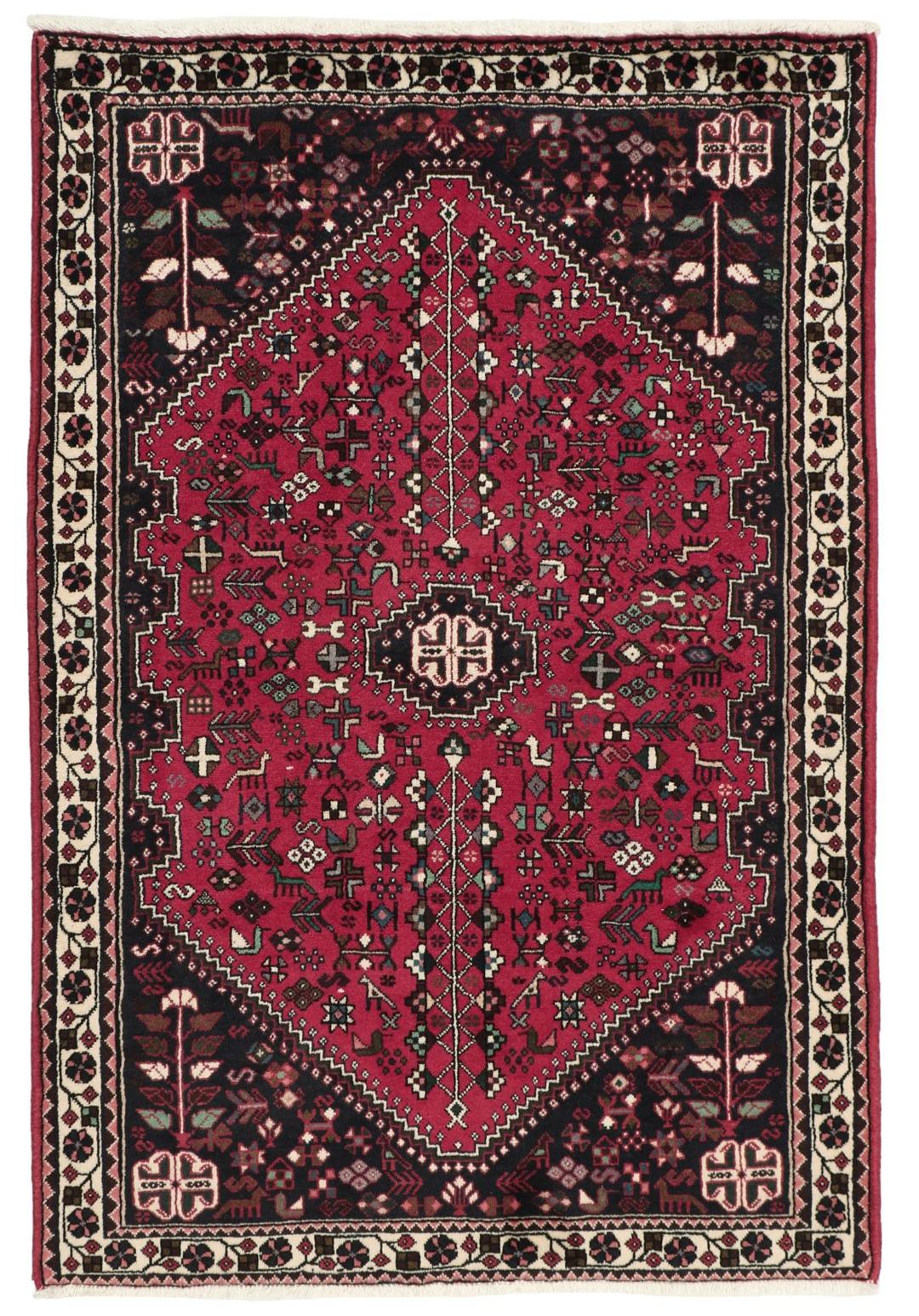
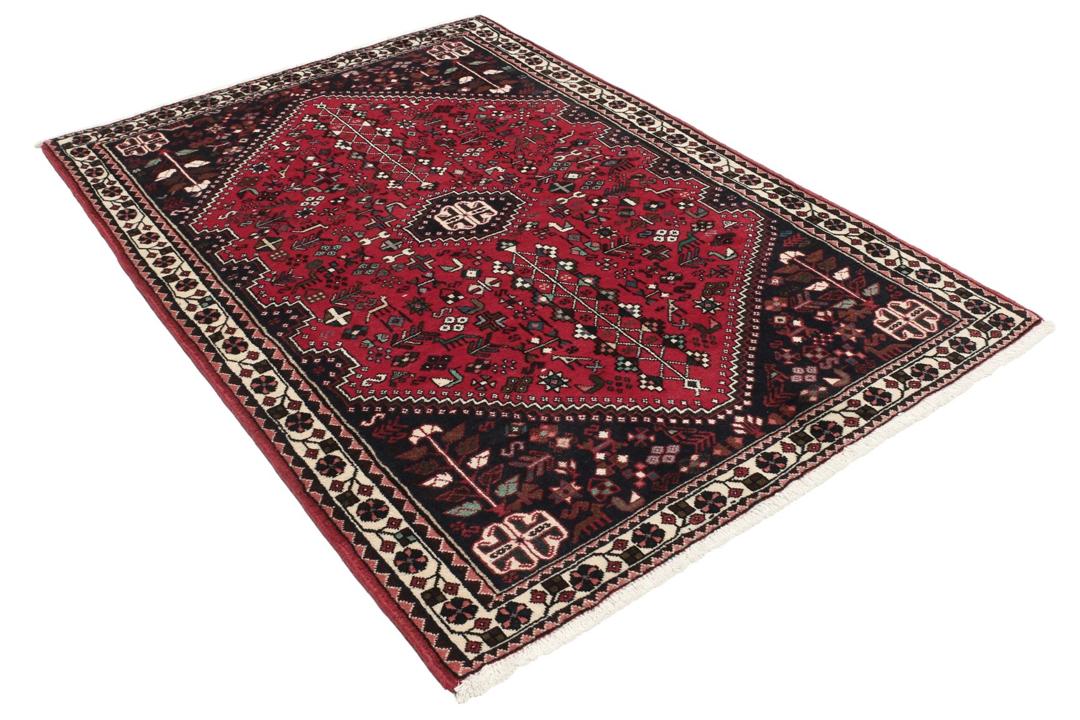
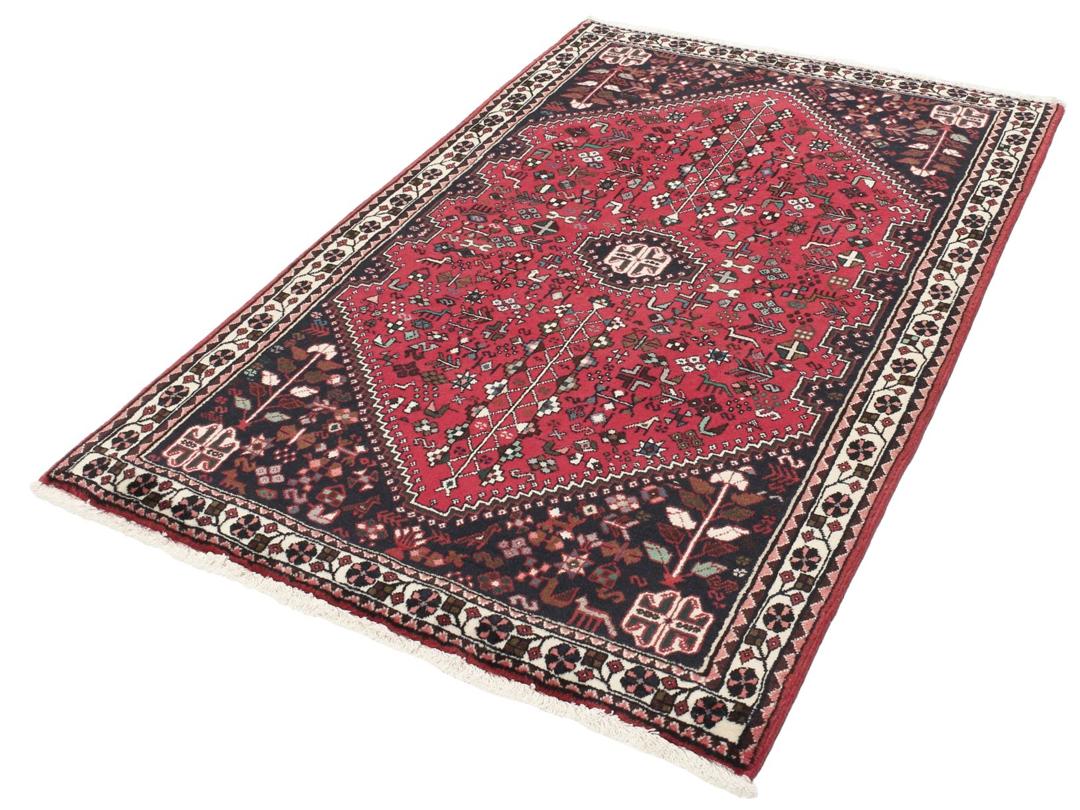
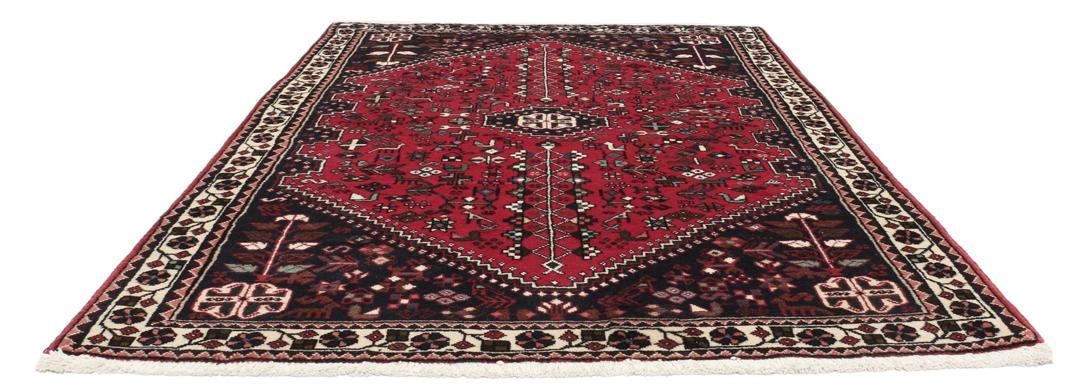
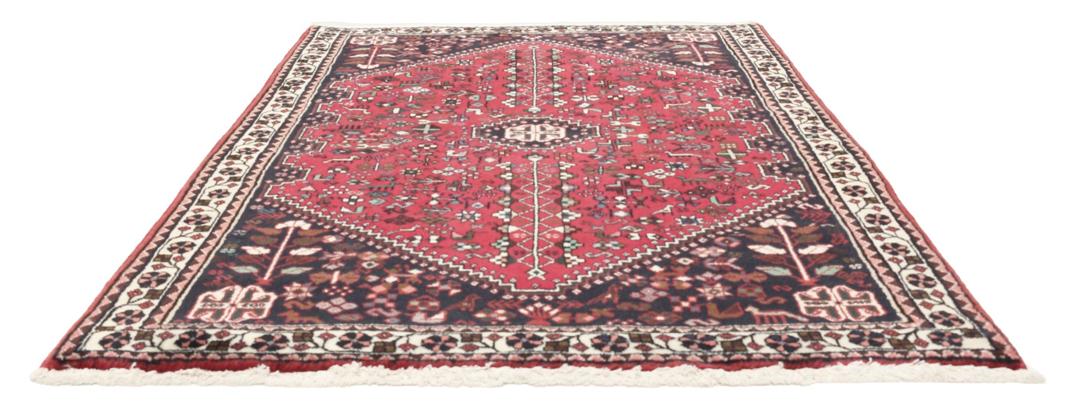
Abadeh rugs originate from the city of Abadeh, located in the Fars province of the Middle East. Historically, this region is renowned for its deep-rooted weaving culture, where nomadic influences and settled urban traditions have blended over centuries to create a distinct and highly recognisable aesthetic.
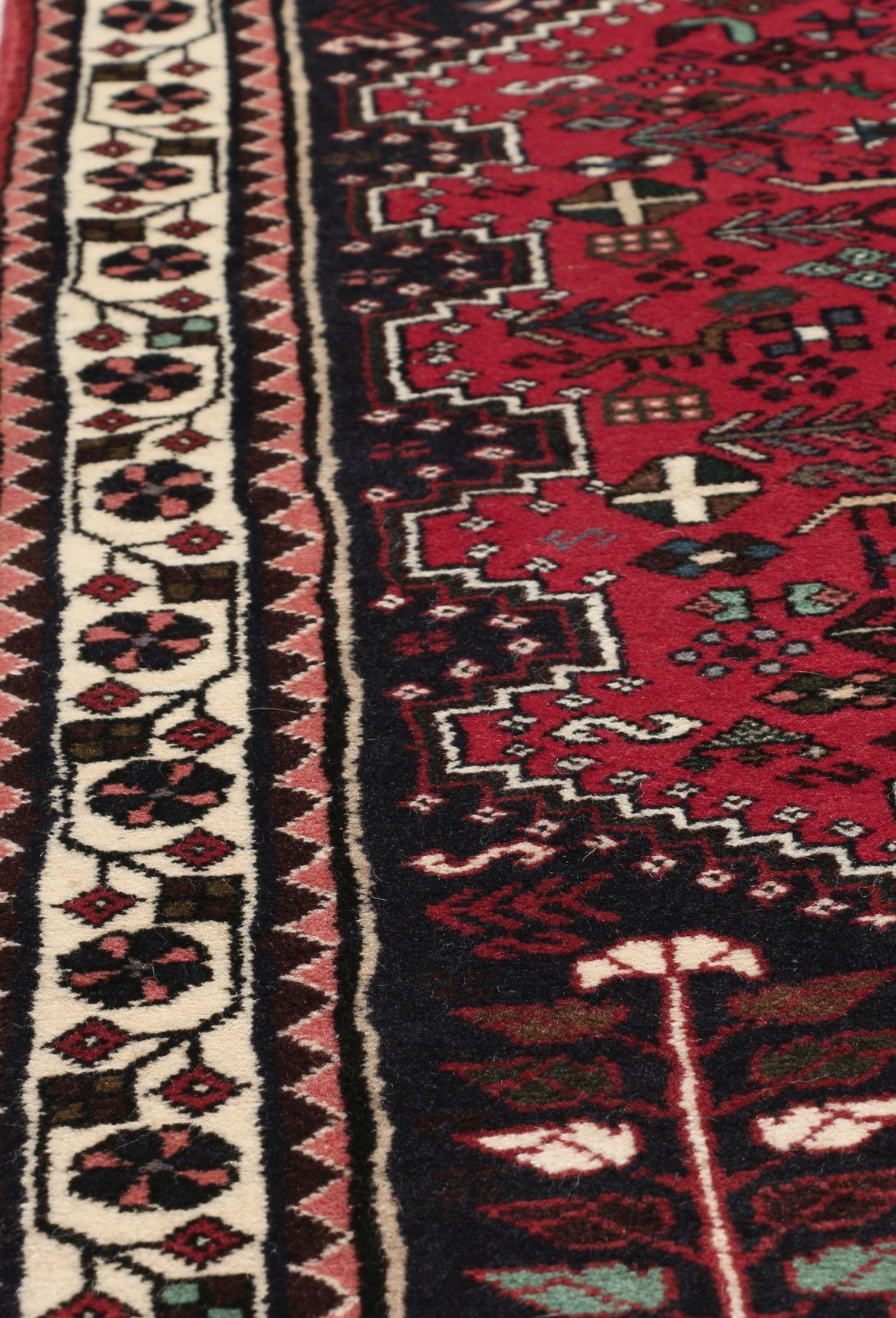
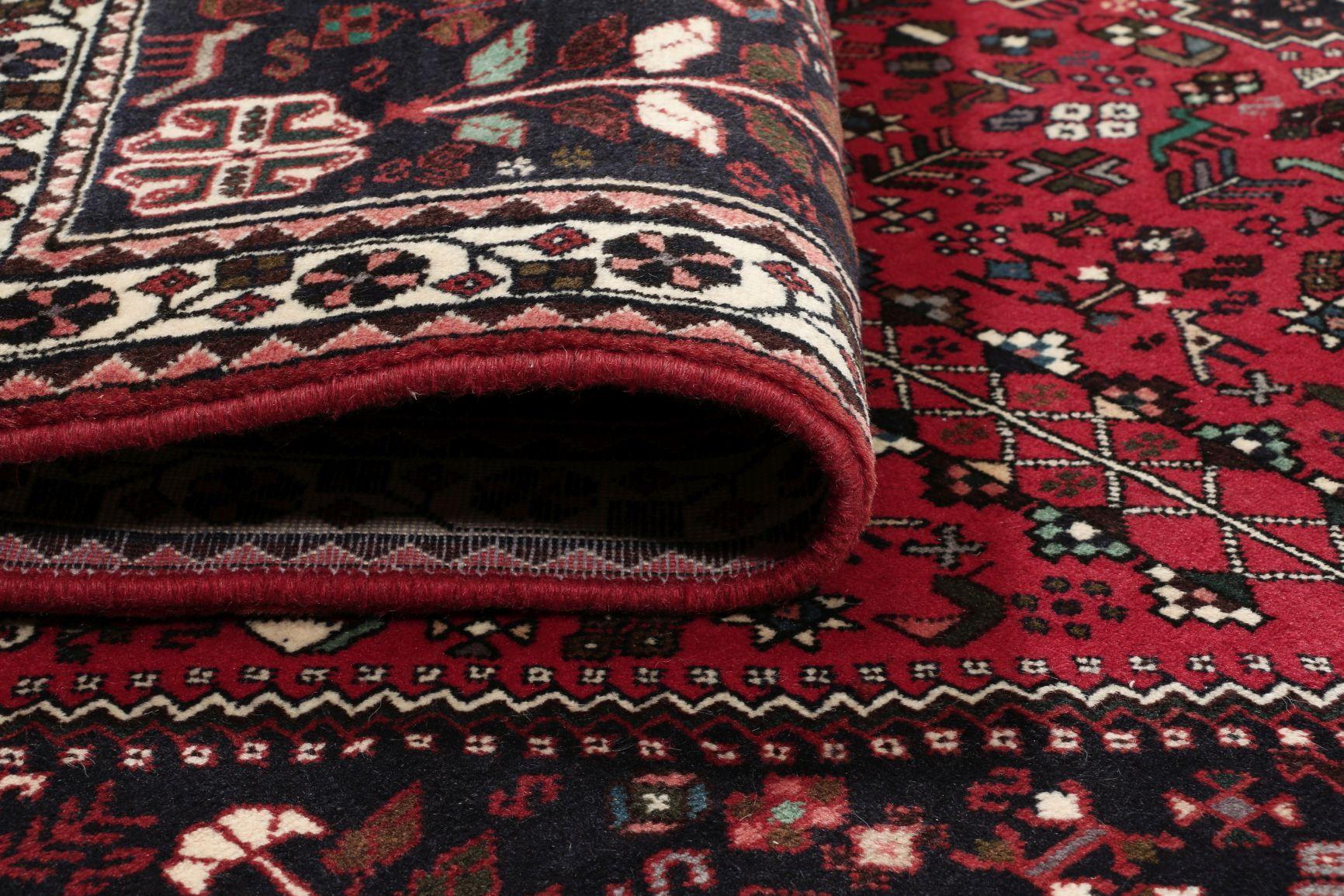
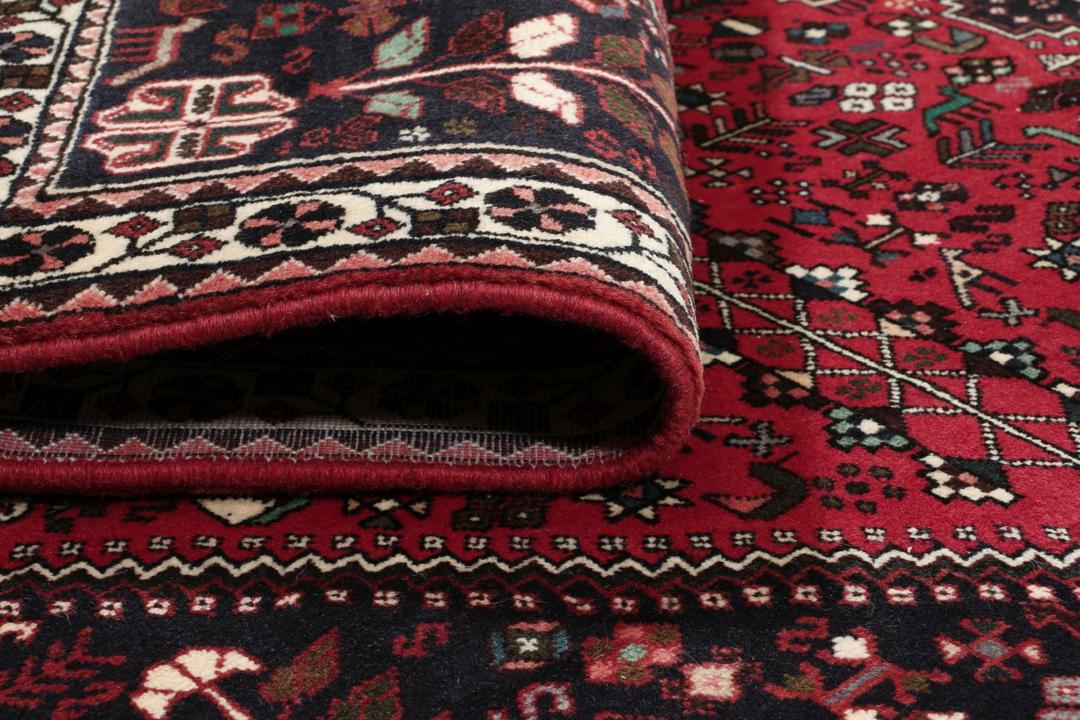
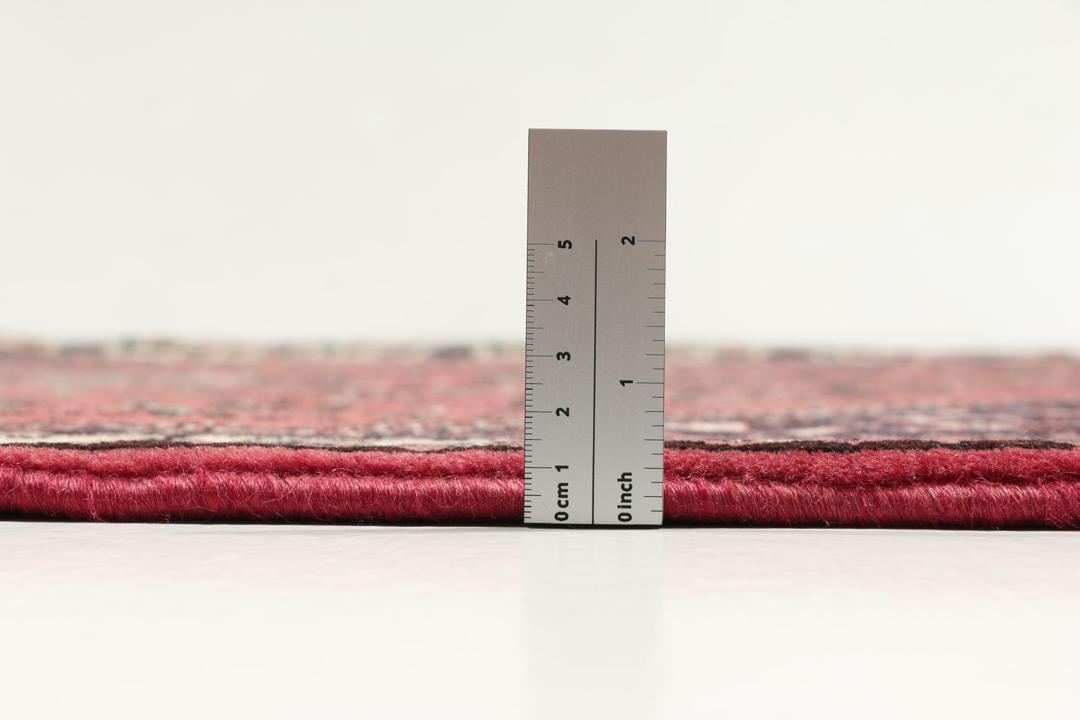
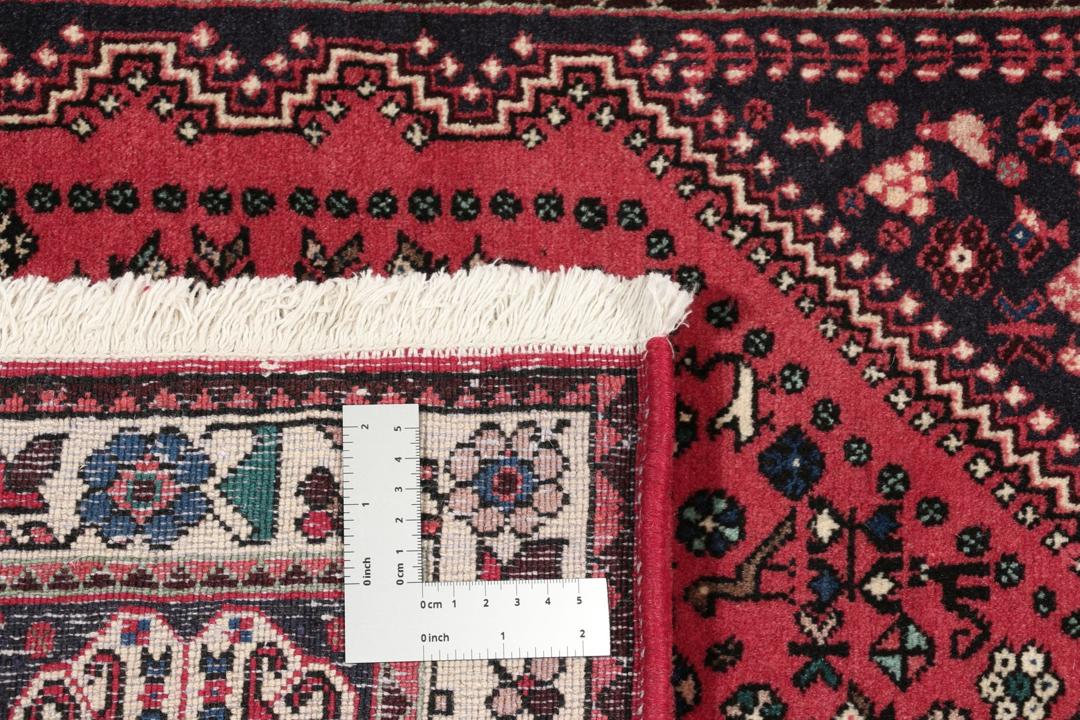
The quality of an Abadeh rug is defined by its construction and the choice of materials. These pieces typically feature a sturdy foundation, which allows the dense wool pile to remain upright and defined. The use of high-quality, durable wool ensures that the colours remain vibrant and the texture stays inviting, even after decades of use.
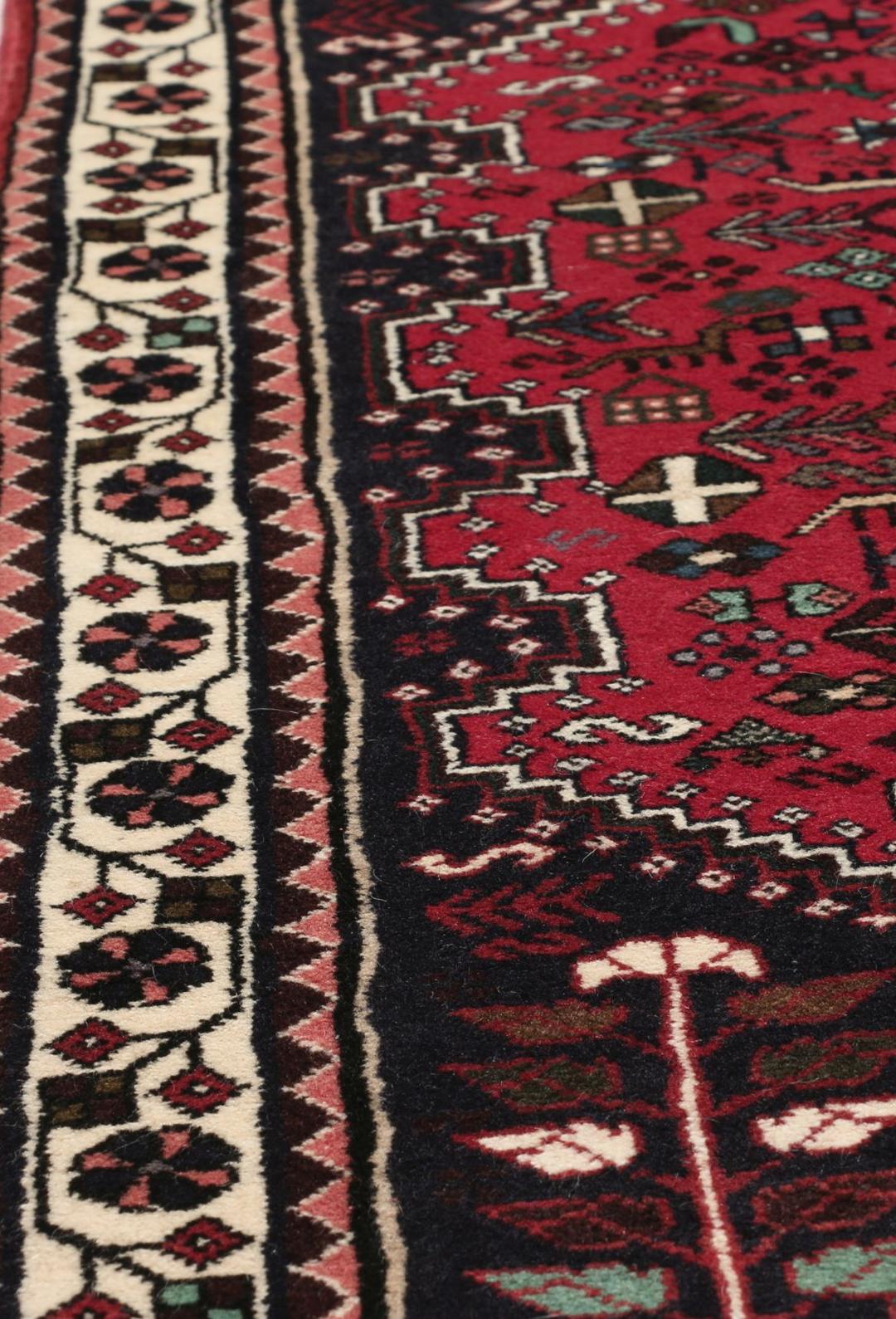
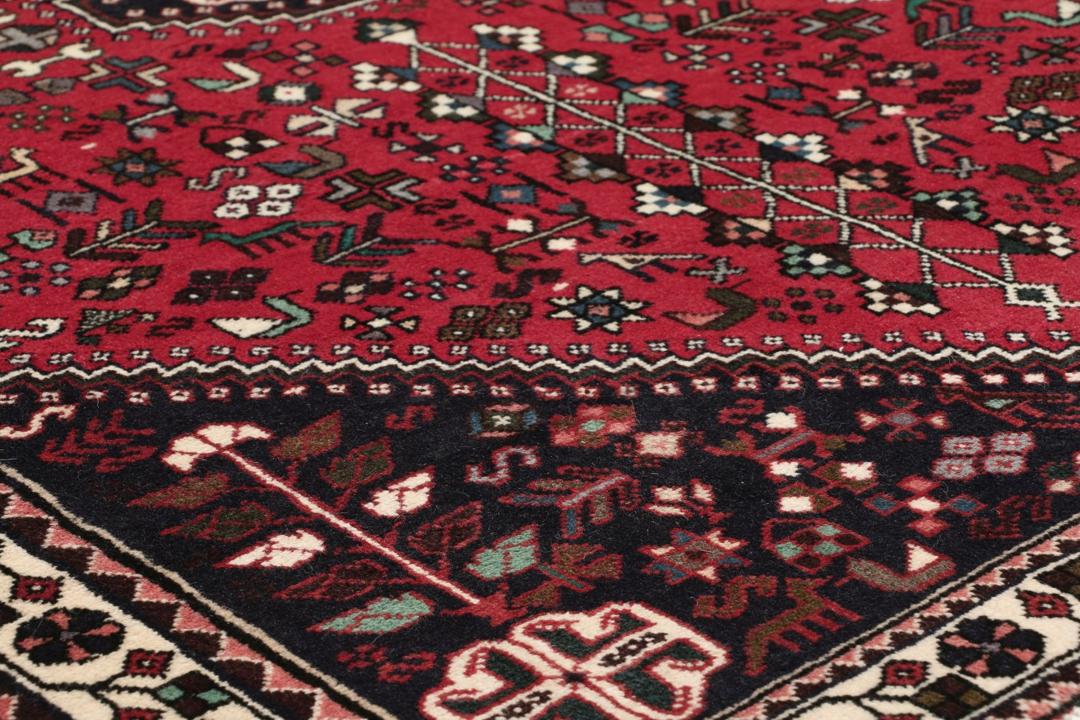
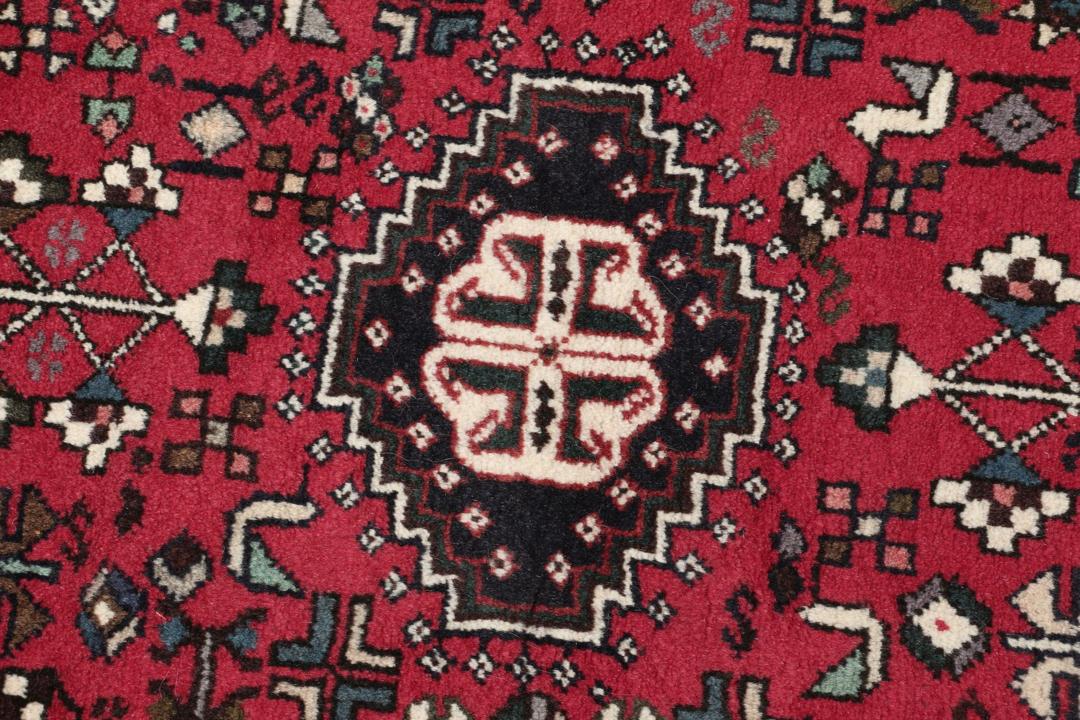
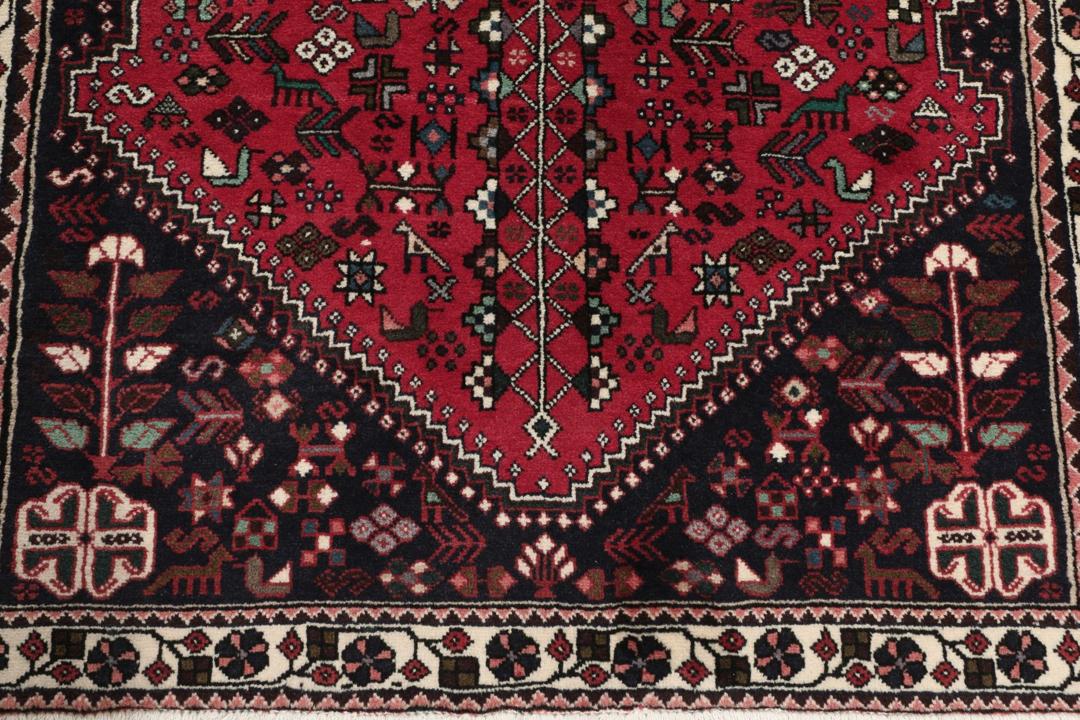
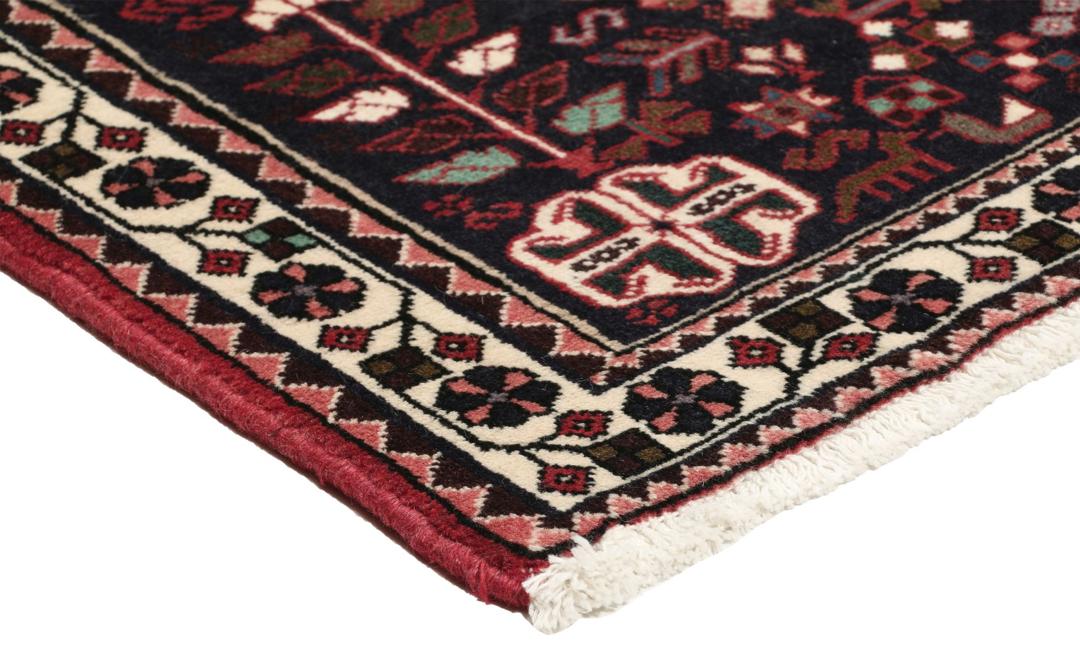
Visually, Abadeh rugs are famous for their unique combination of geometric and floral elements. You will often find a central medallion, known as the 'heybatlu' or 'zelli' design, surrounded by small, stylised birds, animals, and flowers. These motifs are not merely decorative but often carry cultural significance, representing the natural world and the stories of the weavers who created them.
Collectors value Abadeh rugs for their ability to bridge the gap between tribal spontaneity and formal elegance. Owning one is an investment in cultural heritage, representing a level of skill and artistic intent that has been passed down through generations. These rugs are more than floor coverings; they are historical records of a living craft tradition.