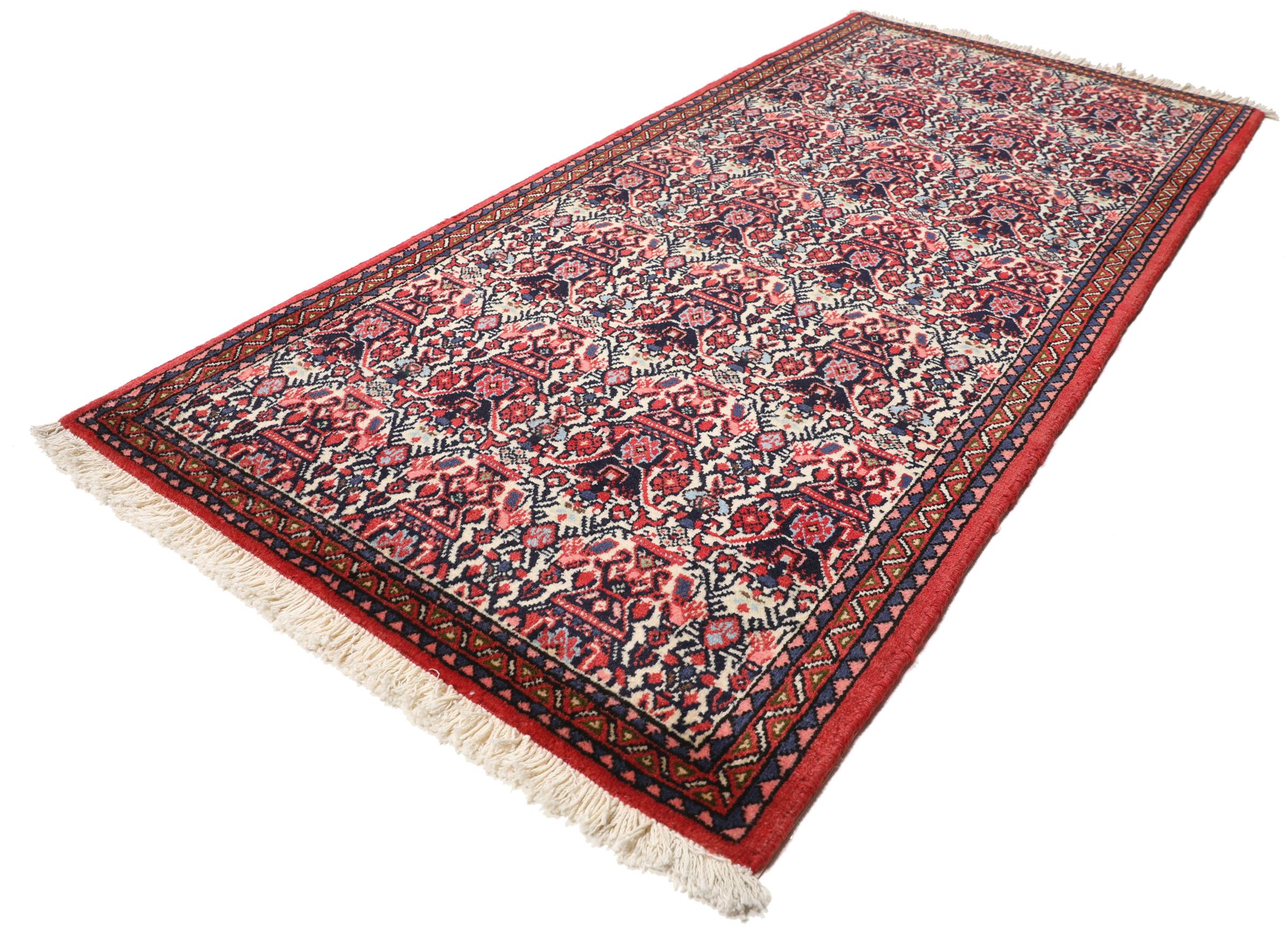
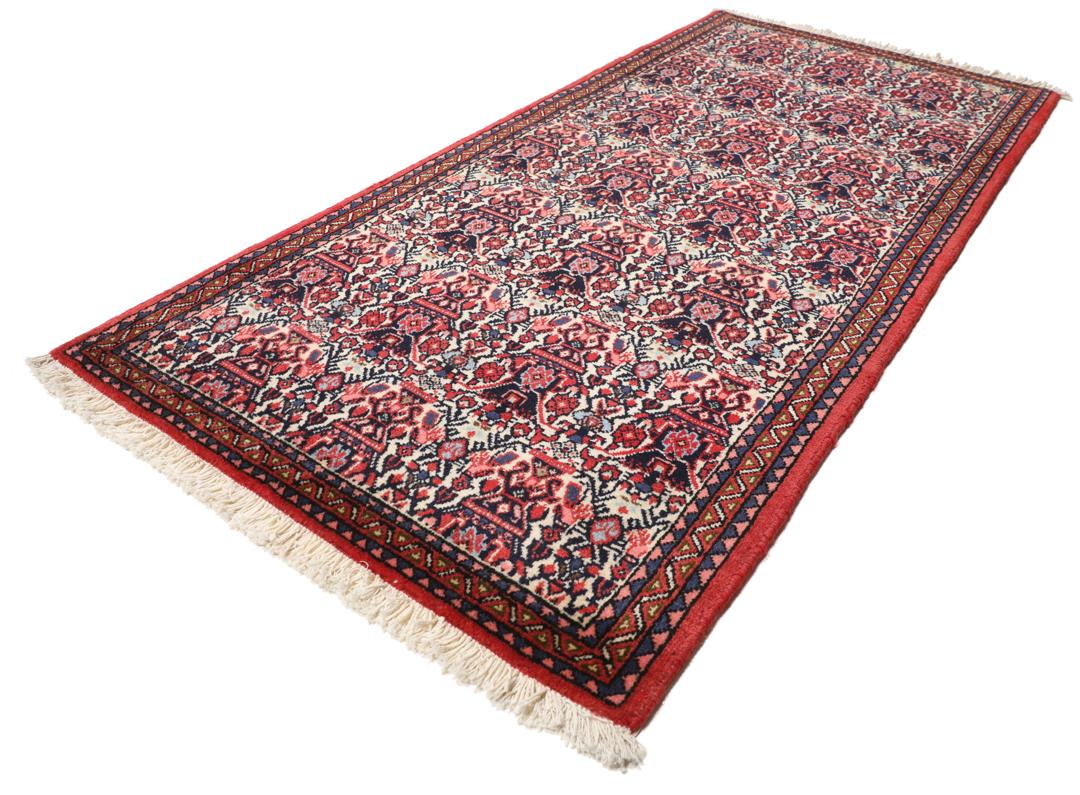
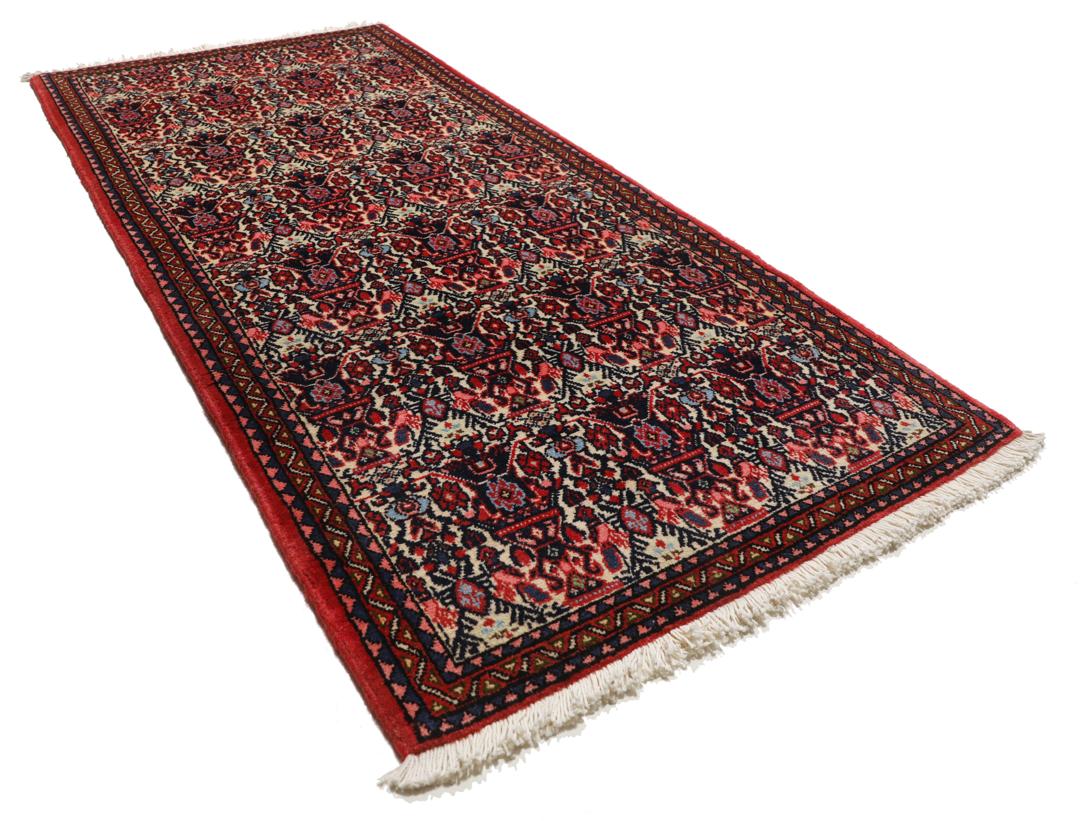
Abadeh rugs take their name from the city of Abadeh, located in the Fars province of the Middle East. This region is historically significant for its nomadic and semi-nomadic weaving traditions, which have been passed down through generations. These rugs often serve as a bridge between the geometric, tribal styles of the local Qashqai people and the more formal, floral designs found in urban weaving centres.
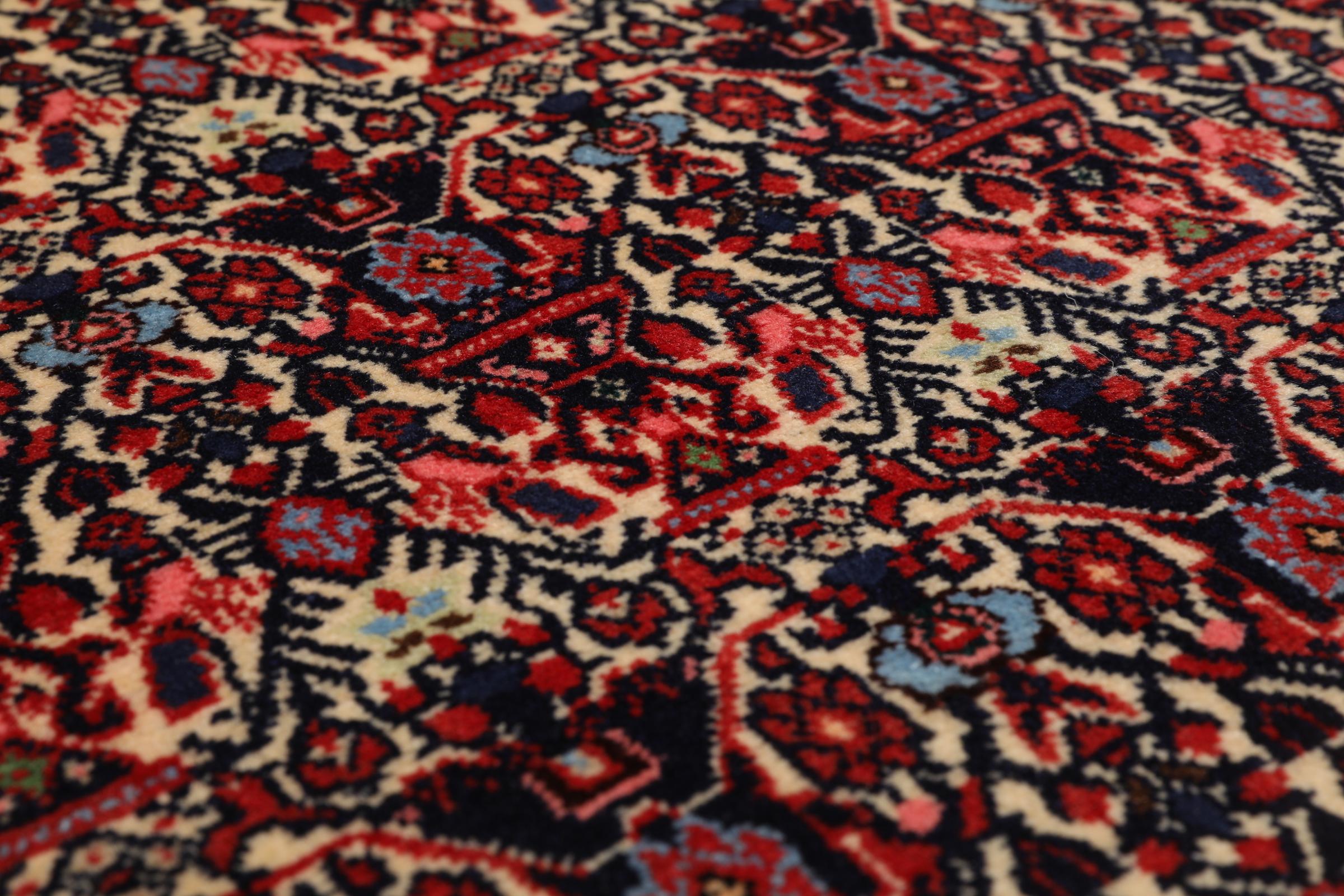
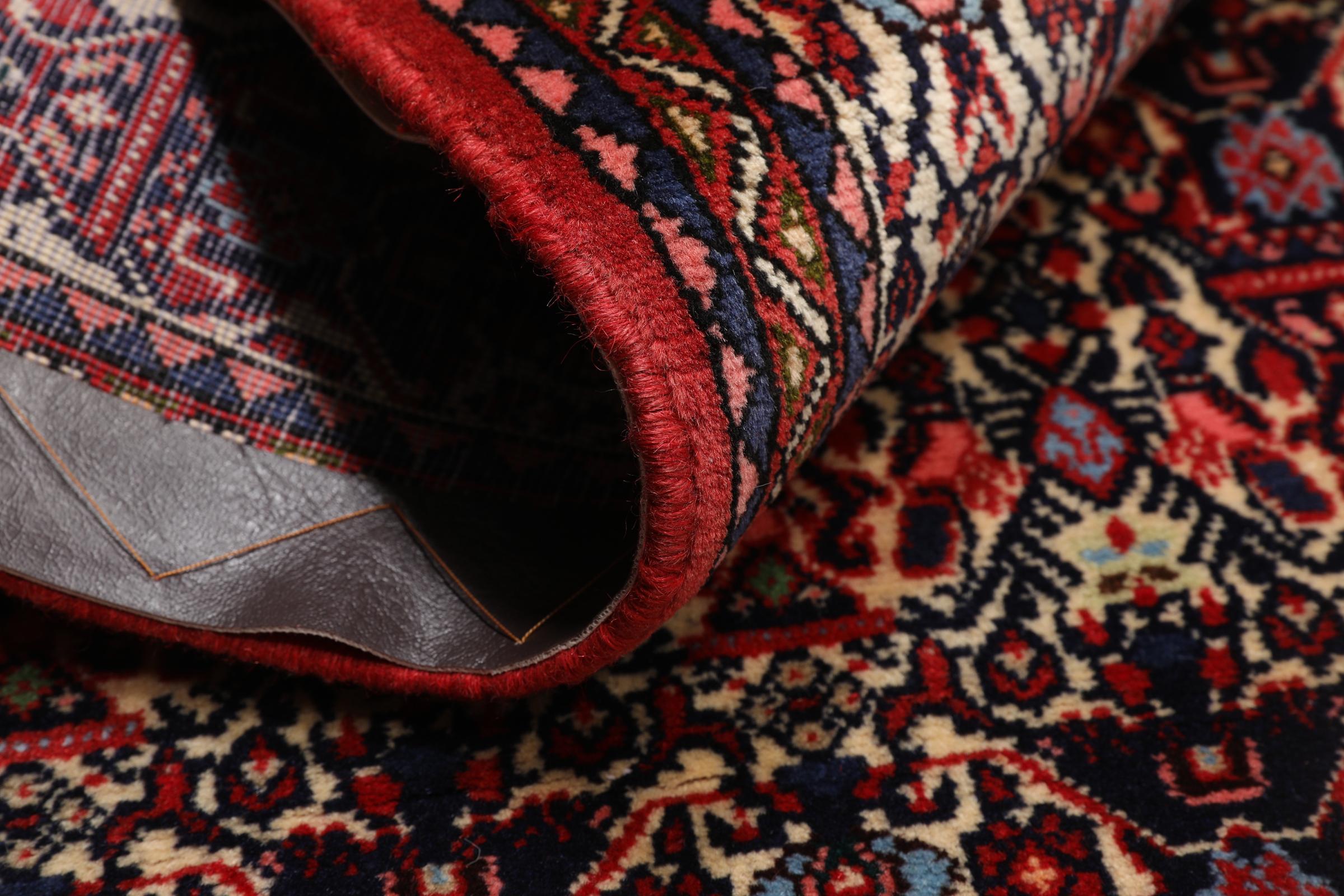
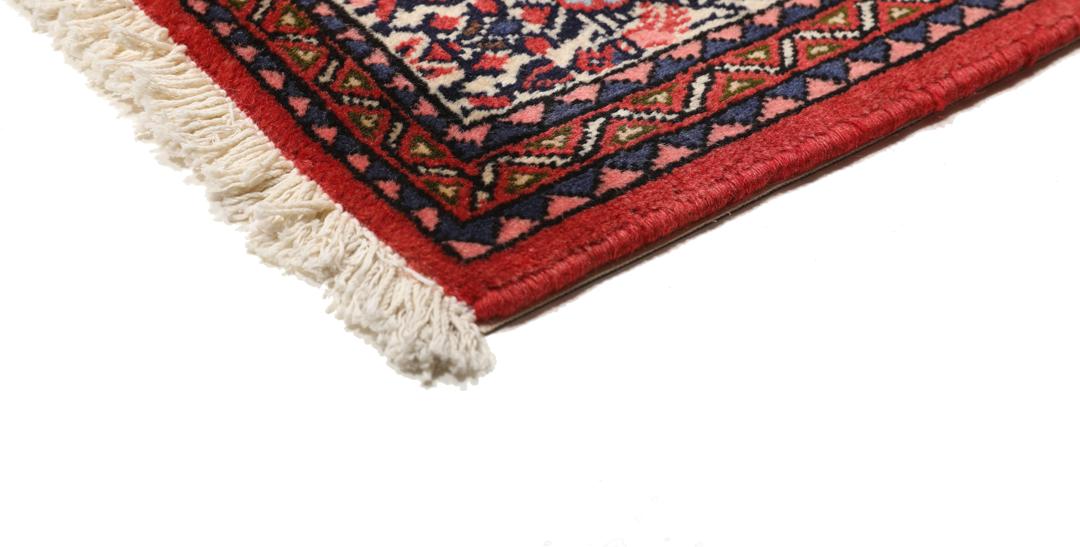
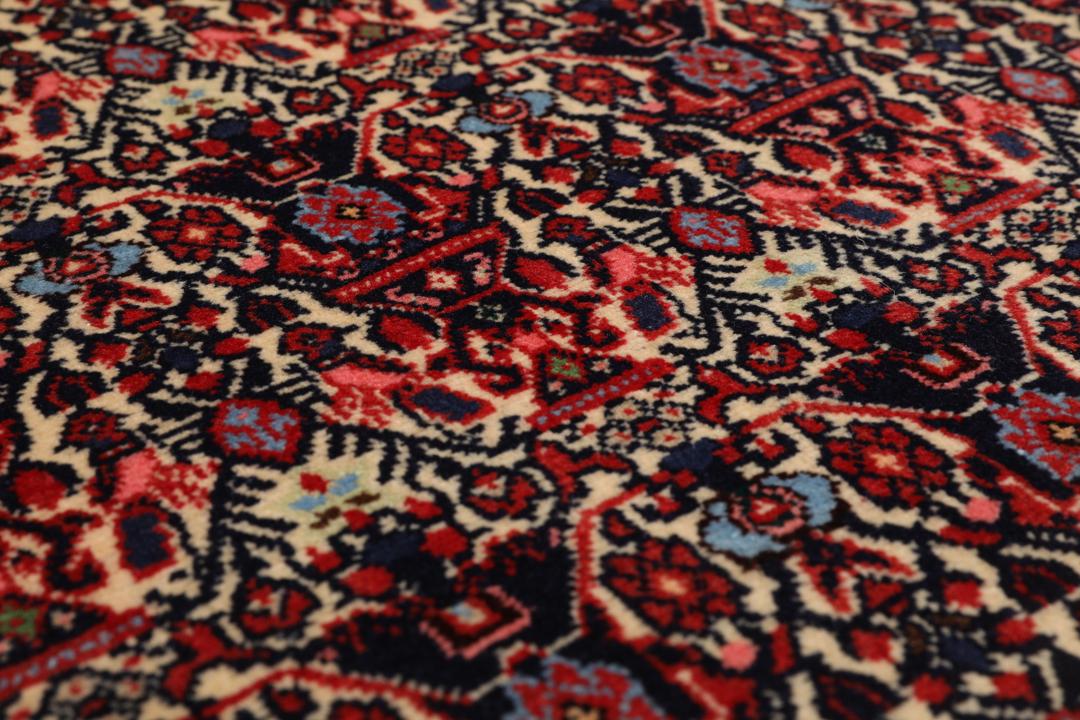
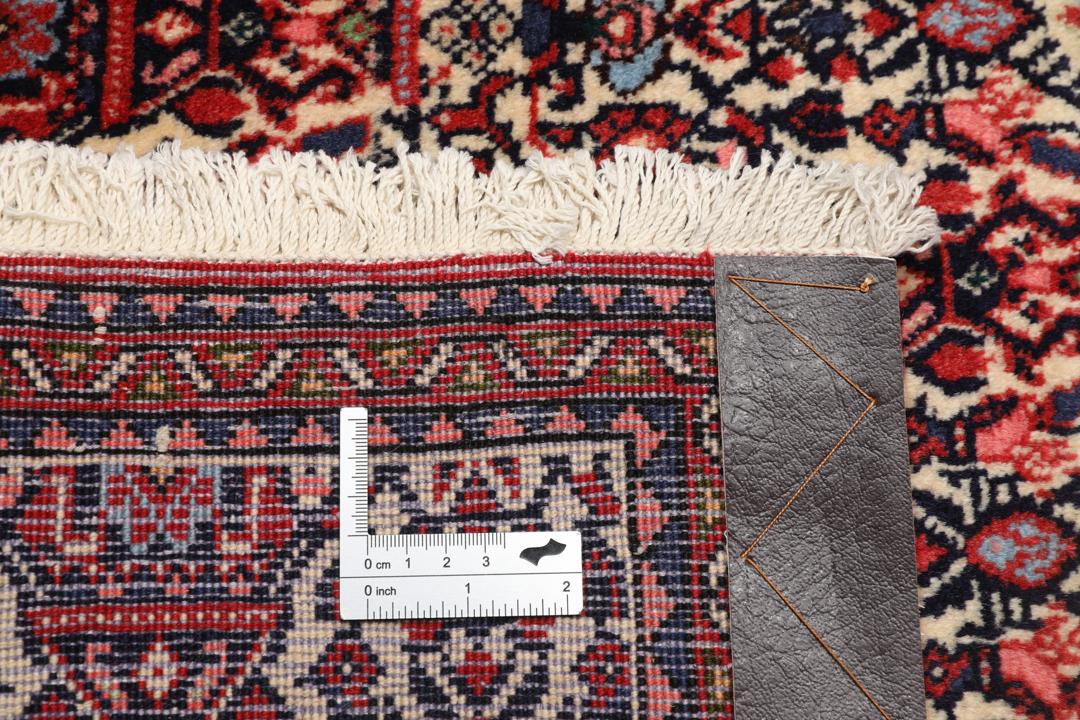
The term 'hand-knotted' refers to the traditional method where each knot is tied individually onto the warp threads. This process is the gold standard for quality, as it allows for intricate designs and a durable, luxurious pile. The use of natural materials, such as wool for the surface and cotton for the foundation, is a signature of this tradition, ensuring the rug remains breathable, resilient, and capable of ageing beautifully over time.
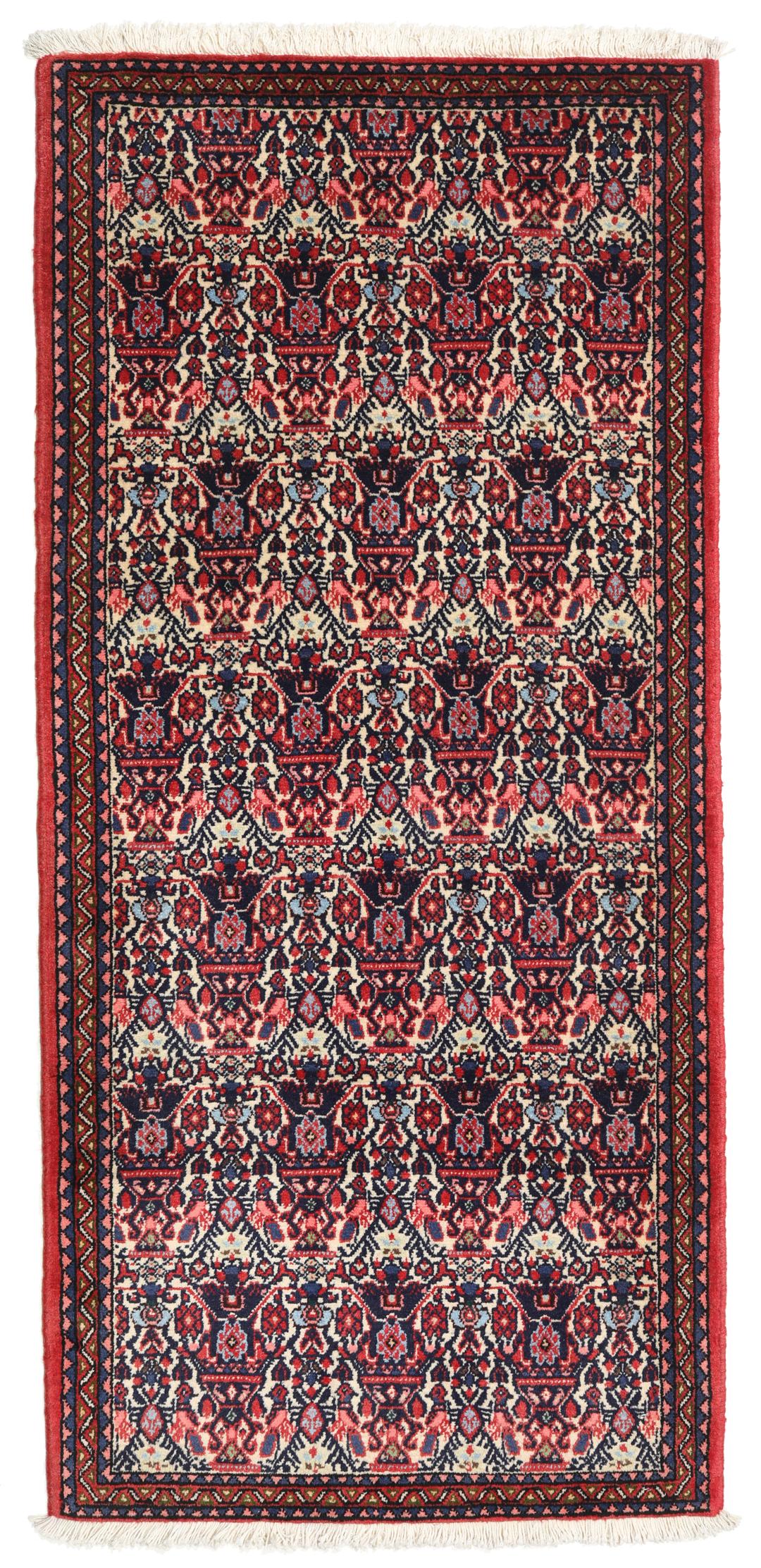
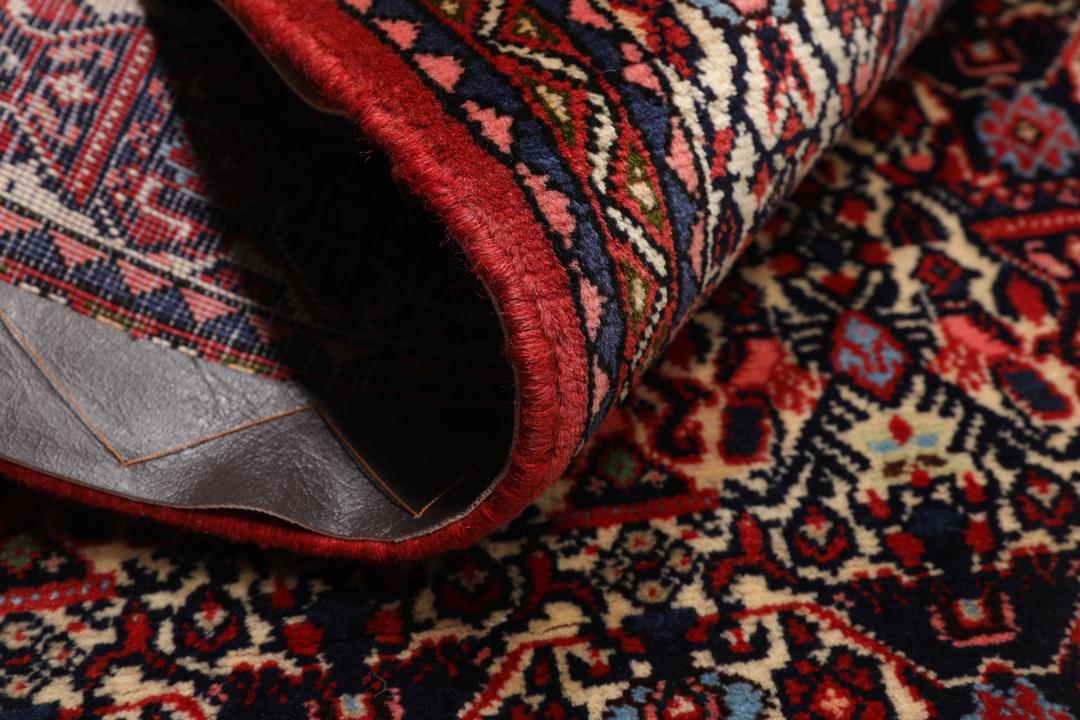
Visually, Abadeh rugs are often identified by their distinctive 'Heibatlu' pattern, which typically features a central medallion surrounded by smaller, repeating floral and geometric motifs. The borders are usually well-defined, often incorporating intricate vine and leaf work. The colour palette is traditionally warm, relying on deep reds, rich blues, and soft, natural tones that reflect the landscape and the natural dyes traditionally available in the region.
Owning an Abadeh rug is an investment in a rich cultural heritage. These pieces are highly valued by collectors and enthusiasts for their blend of tribal spirit and technical sophistication. By acquiring this rug, you are supporting a lineage of craft that values human touch over mass production, ensuring that the skills and stories of the weavers continue to be celebrated in homes around the world.