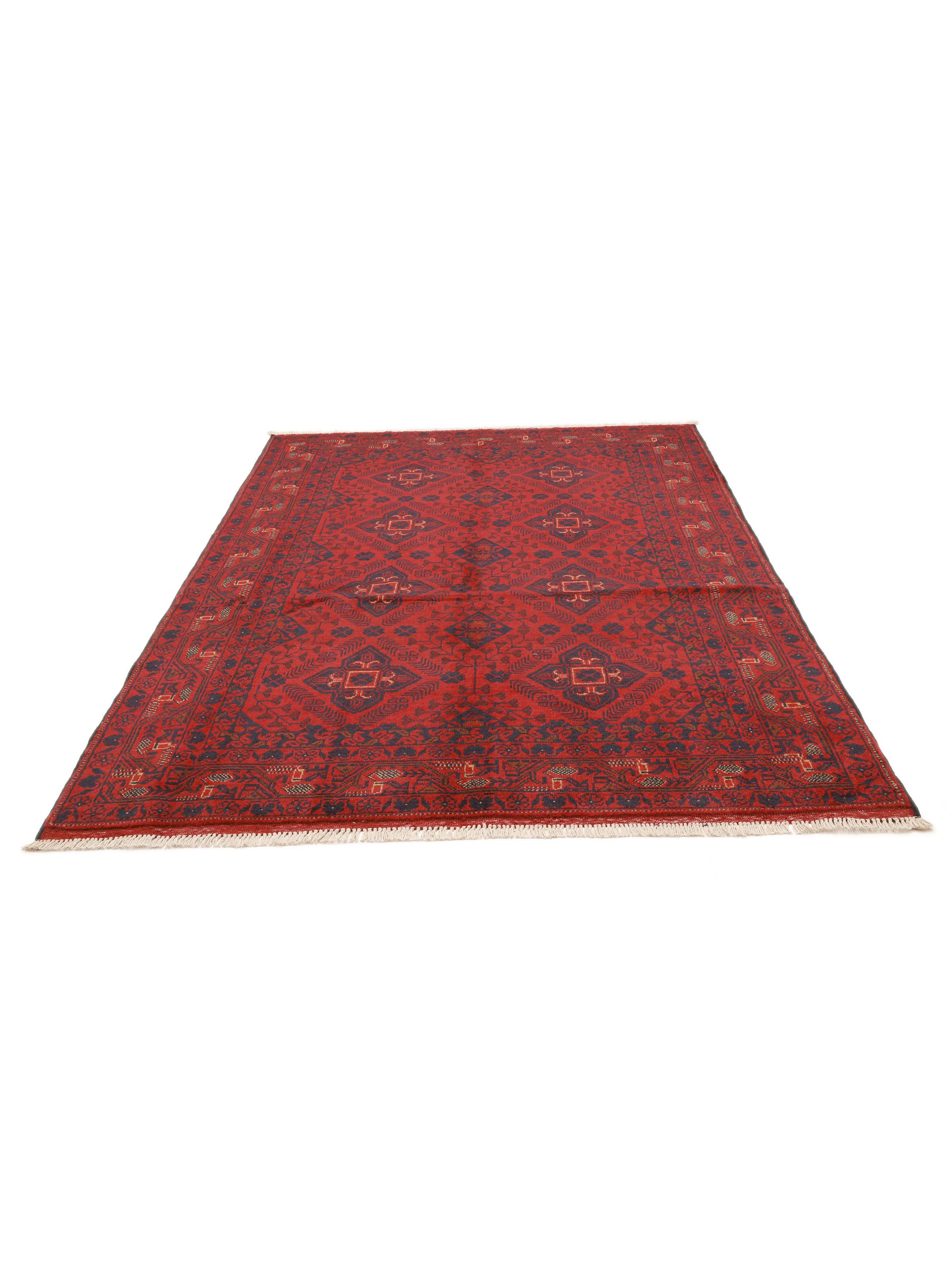
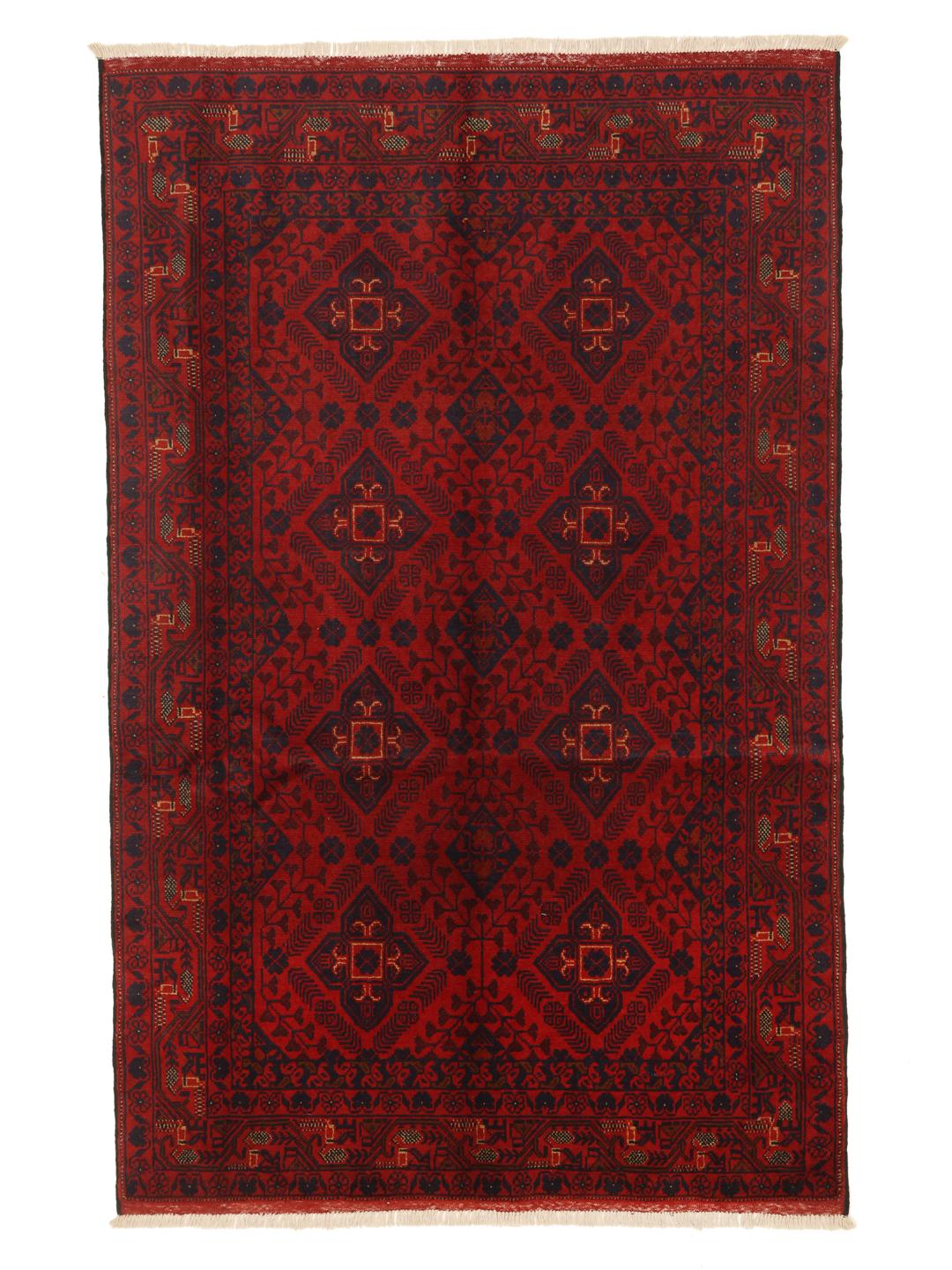
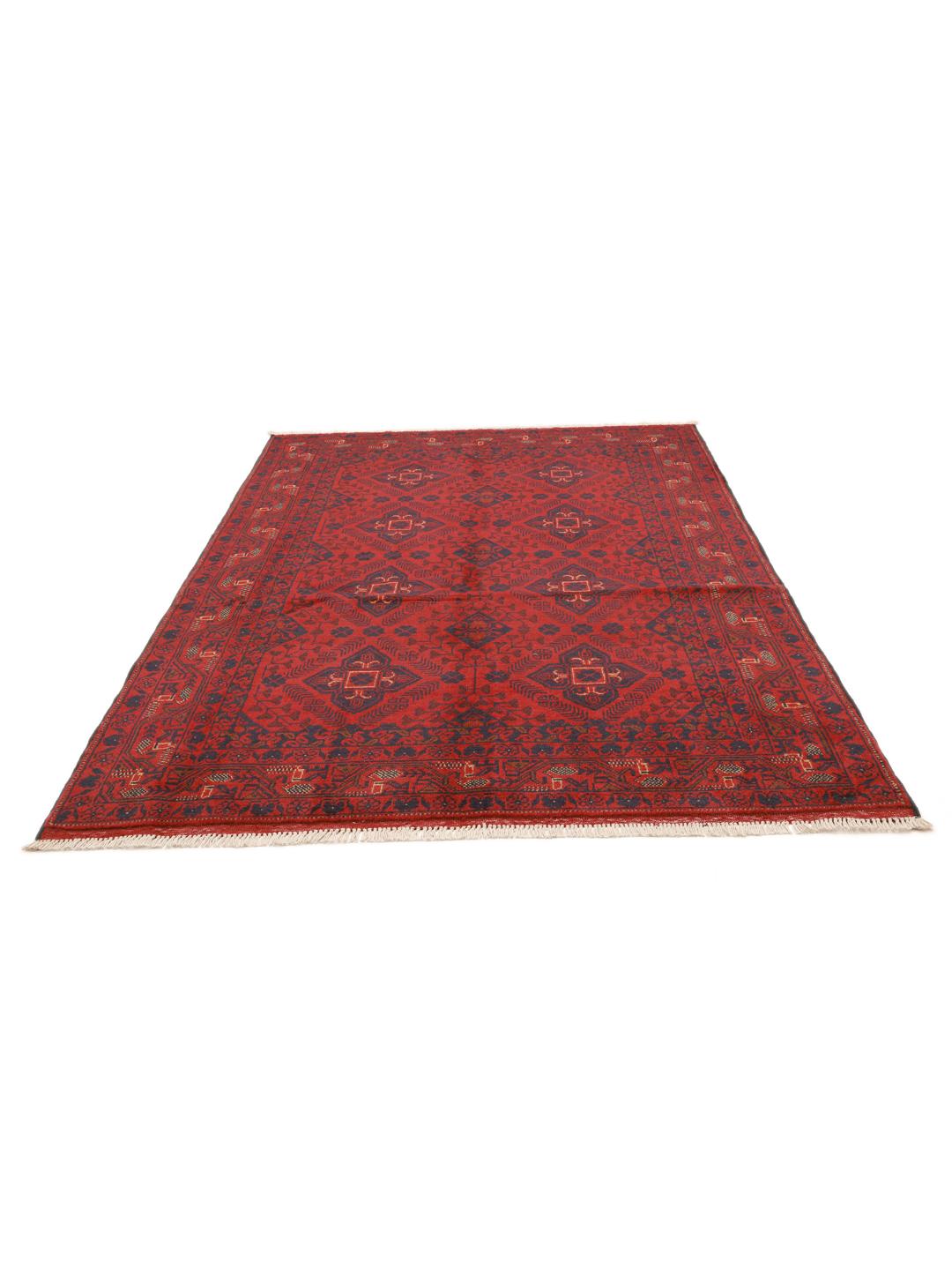
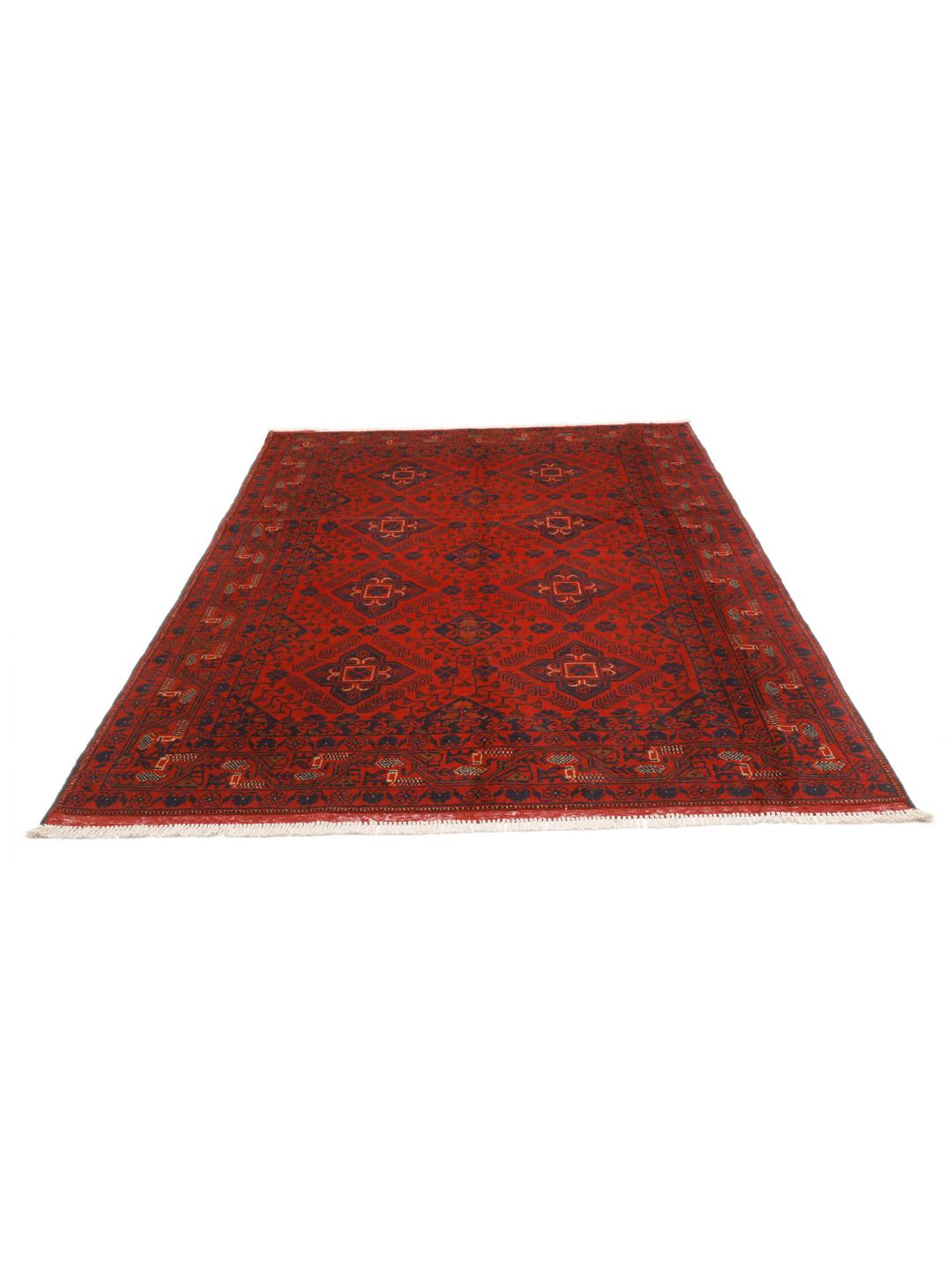
The Khal Mohammadi rug is named after the legendary Afghan weaver who developed its signature style. These rugs originate from the northern regions of Afghanistan, often crafted by Turkmen tribes who have kept these ancient skills alive for generations. This tradition represents a vital part of the cultural fabric of the Middle East, reflecting a history of nomadic life and artistic expression that has evolved significantly through the centuries.
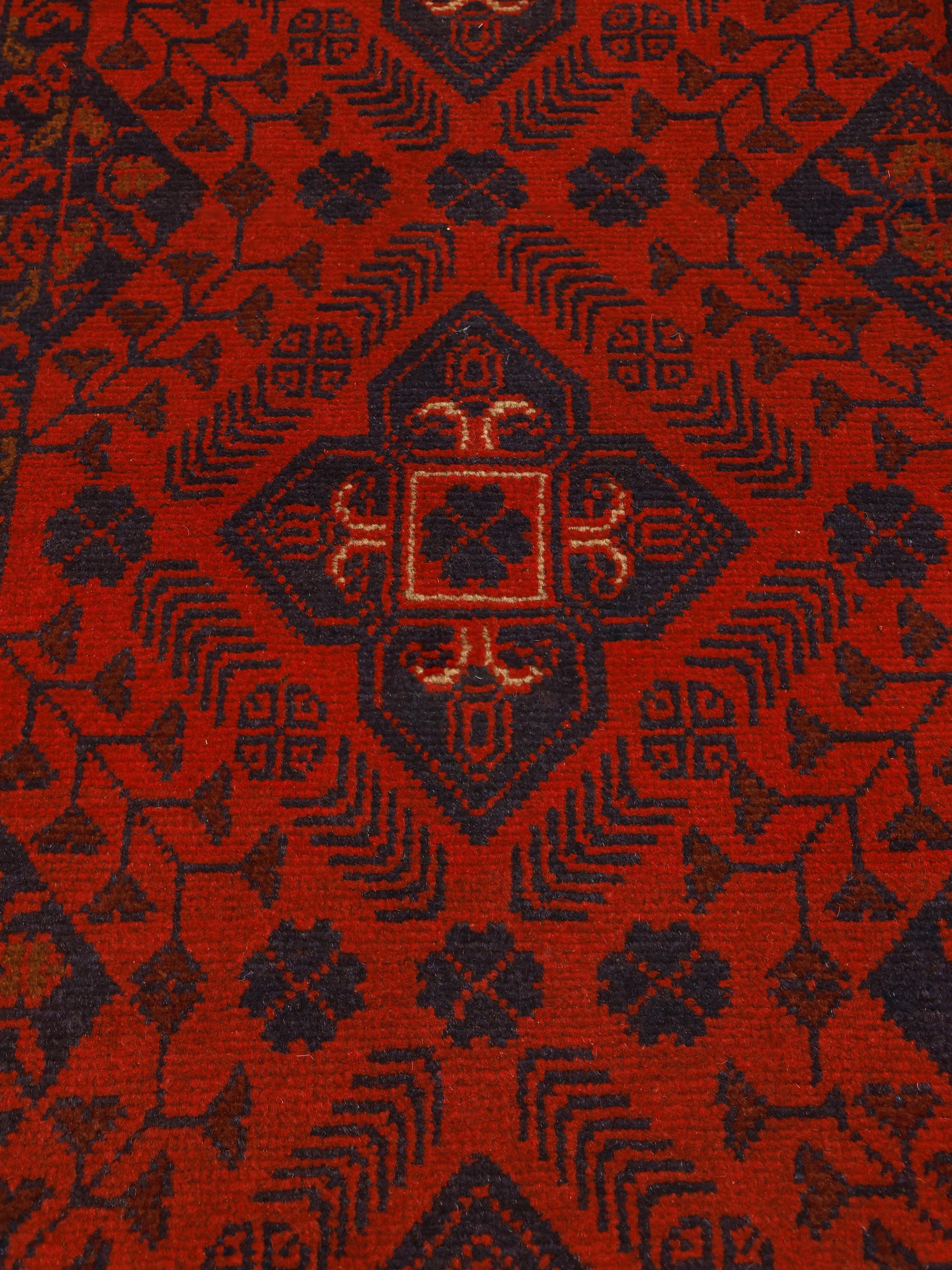
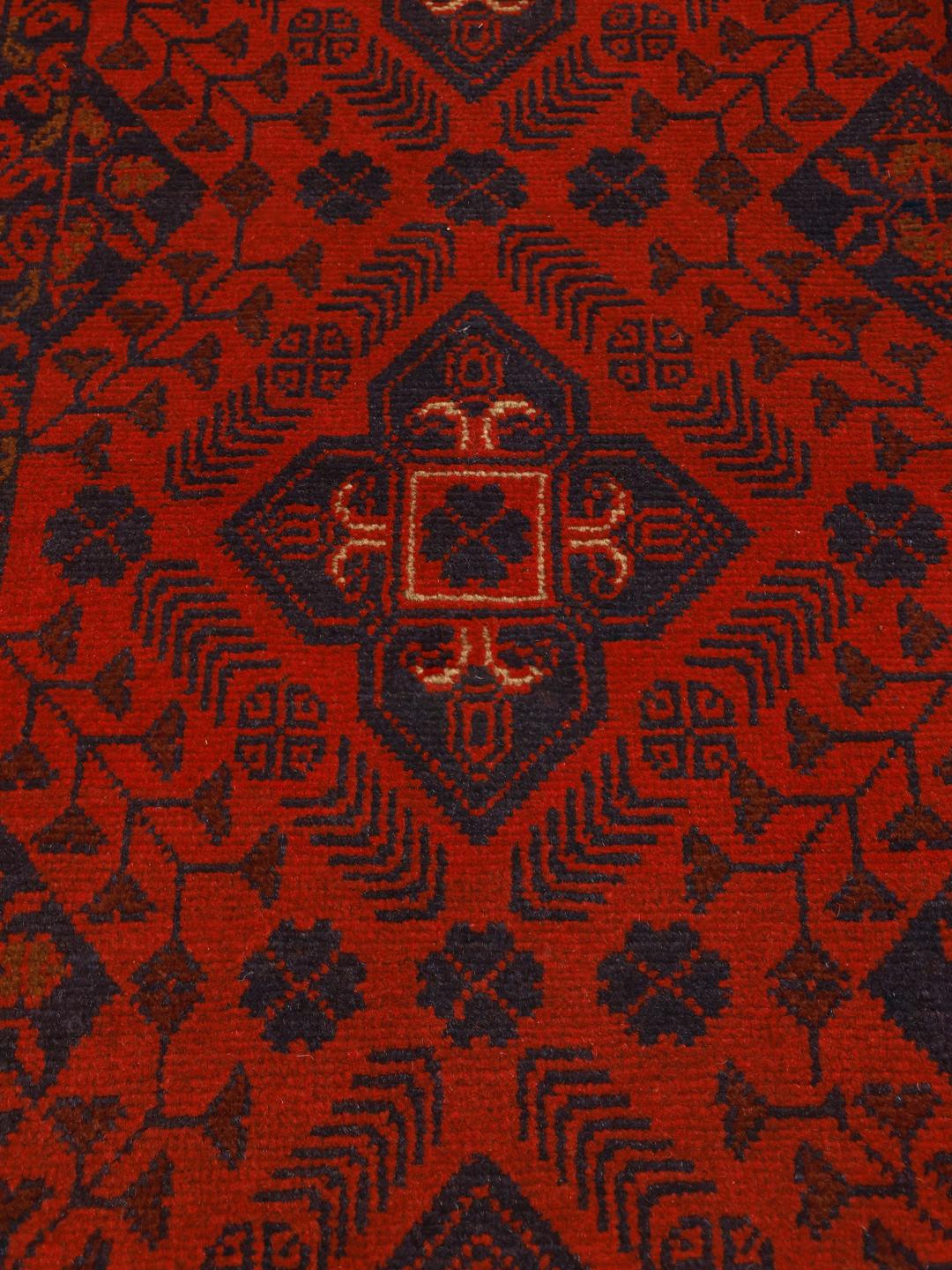
The term Khal Mohammadi refers to a specific, highly sought-after aesthetic defined by its rich, dark red palette. Unlike other rugs that might use a variety of colours, these pieces are famous for their deep, earthy red shades that can range from terracotta to almost maroon, often accented with dark blue or black. This colour tradition is achieved through the use of natural dyes, which develop a beautiful, slightly muted patina as the rug ages.
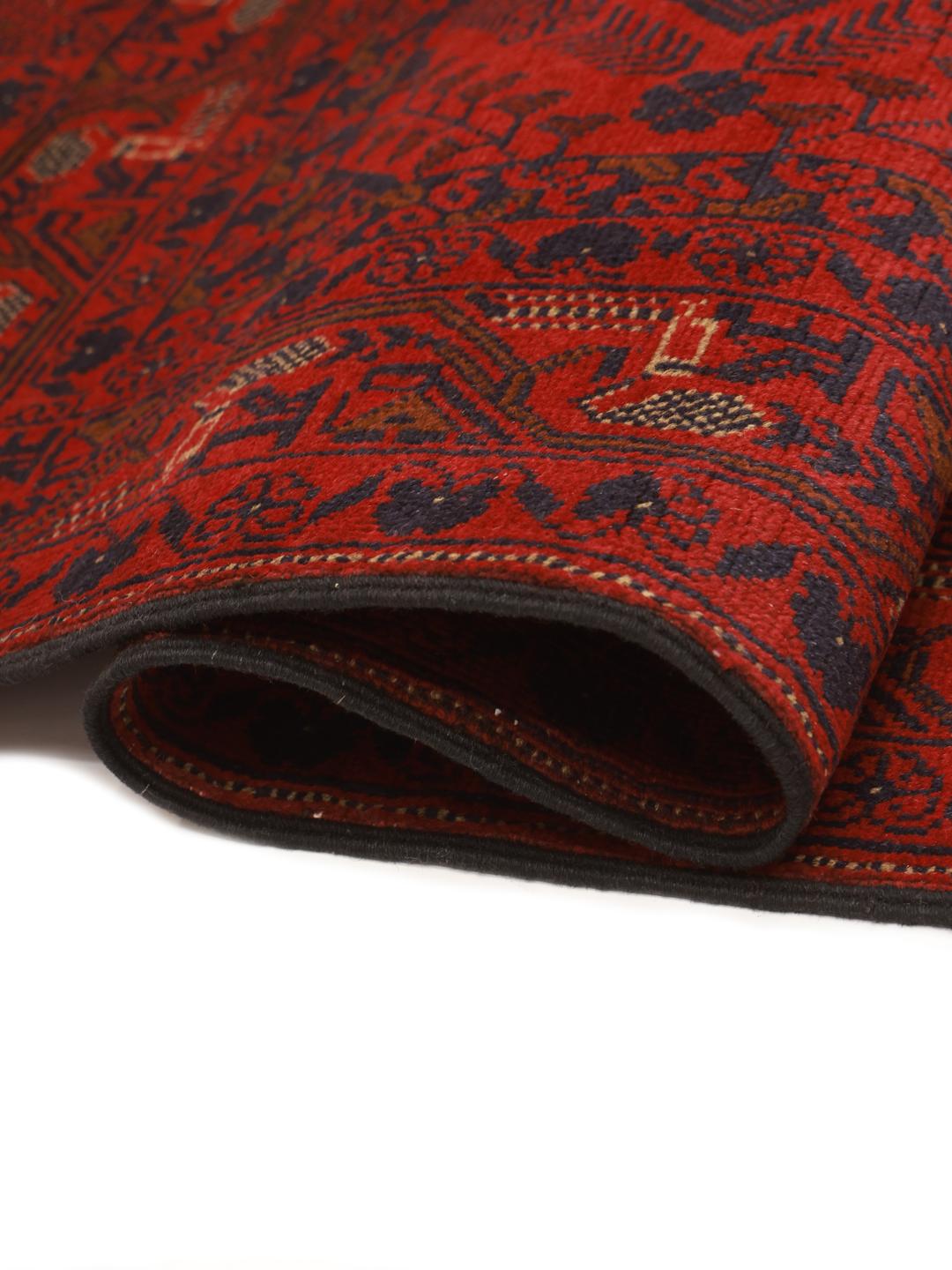
Signature design elements of the Khal Mohammadi include repeating geometric guls, or elephant-foot medallions, which are often arranged in a formal, grid-like fashion across the field. The borders are typically filled with stylised floral or geometric motifs, creating a balanced and harmonious look. This traditional visual language is a hallmark of the style, making it immediately recognisable to collectors and enthusiasts alike.
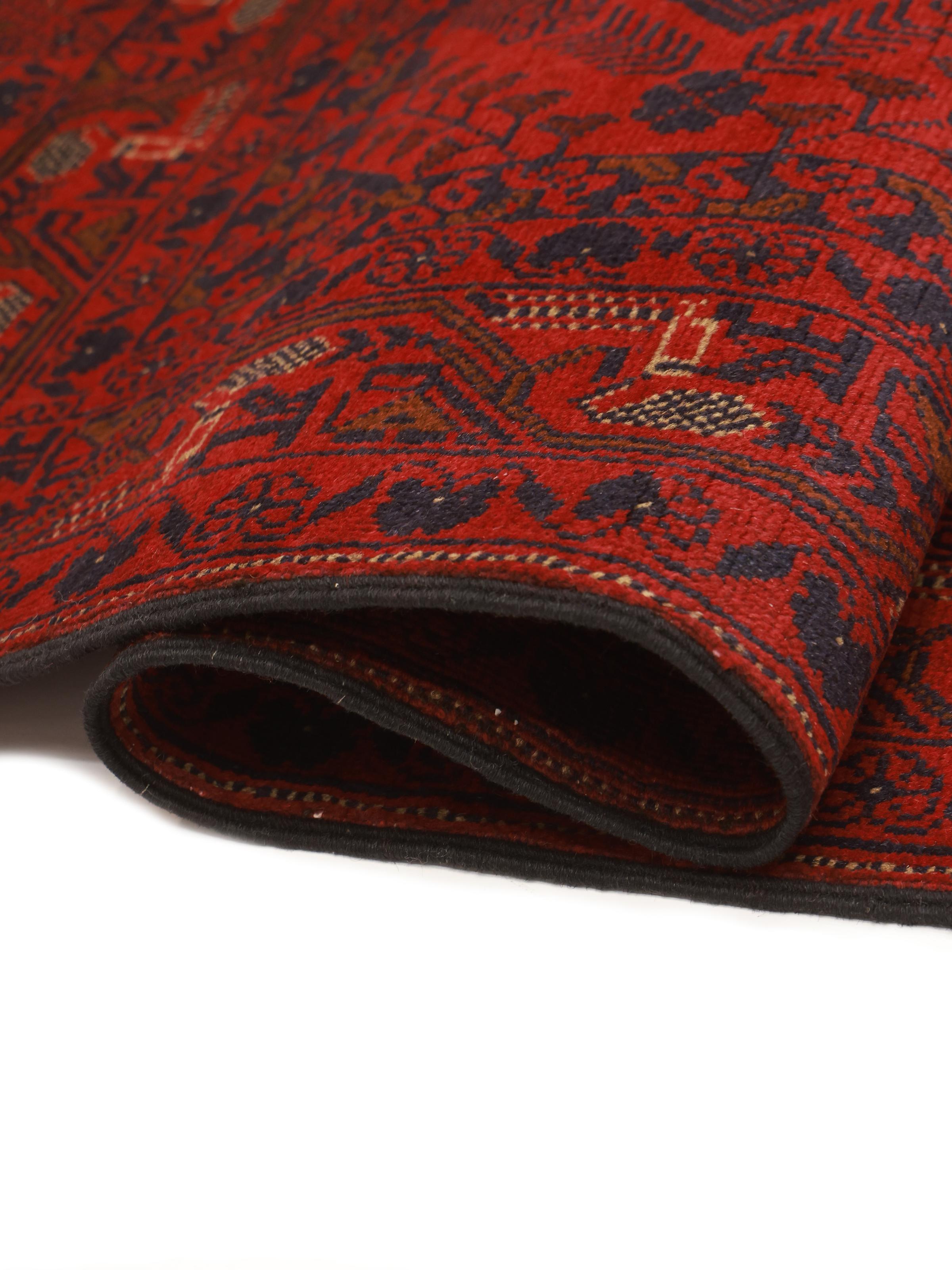
These rugs are highly valued for their durability and the raw, authentic skill required to produce them. Owning a Khal Mohammadi is a testament to the appreciation of traditional craftsmanship and heritage. Because they are still largely produced using long-standing, hand-based methods, each rug carries the weight of history, making them not just floor coverings, but storied pieces of art that add profound cultural value to a home.