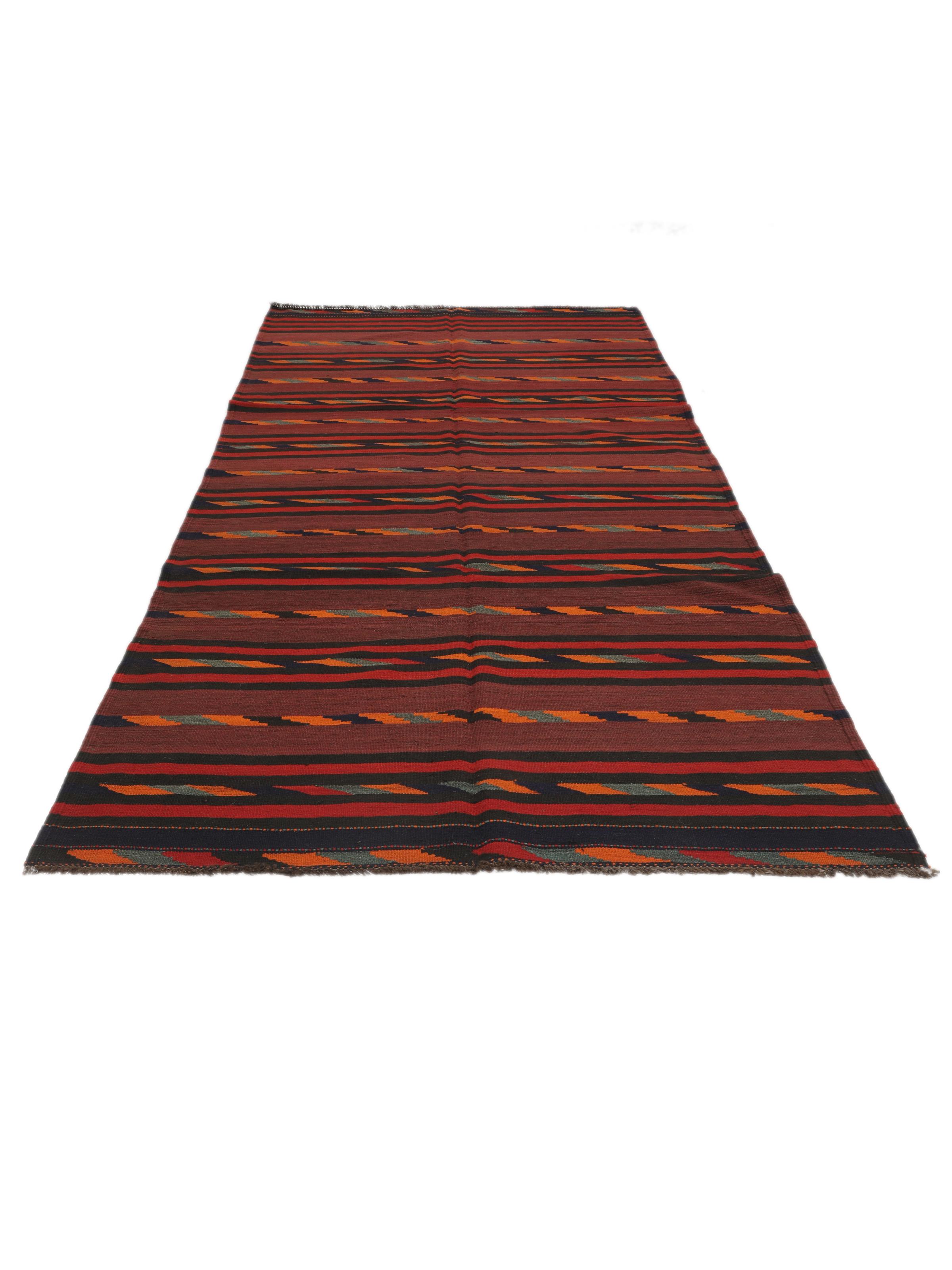
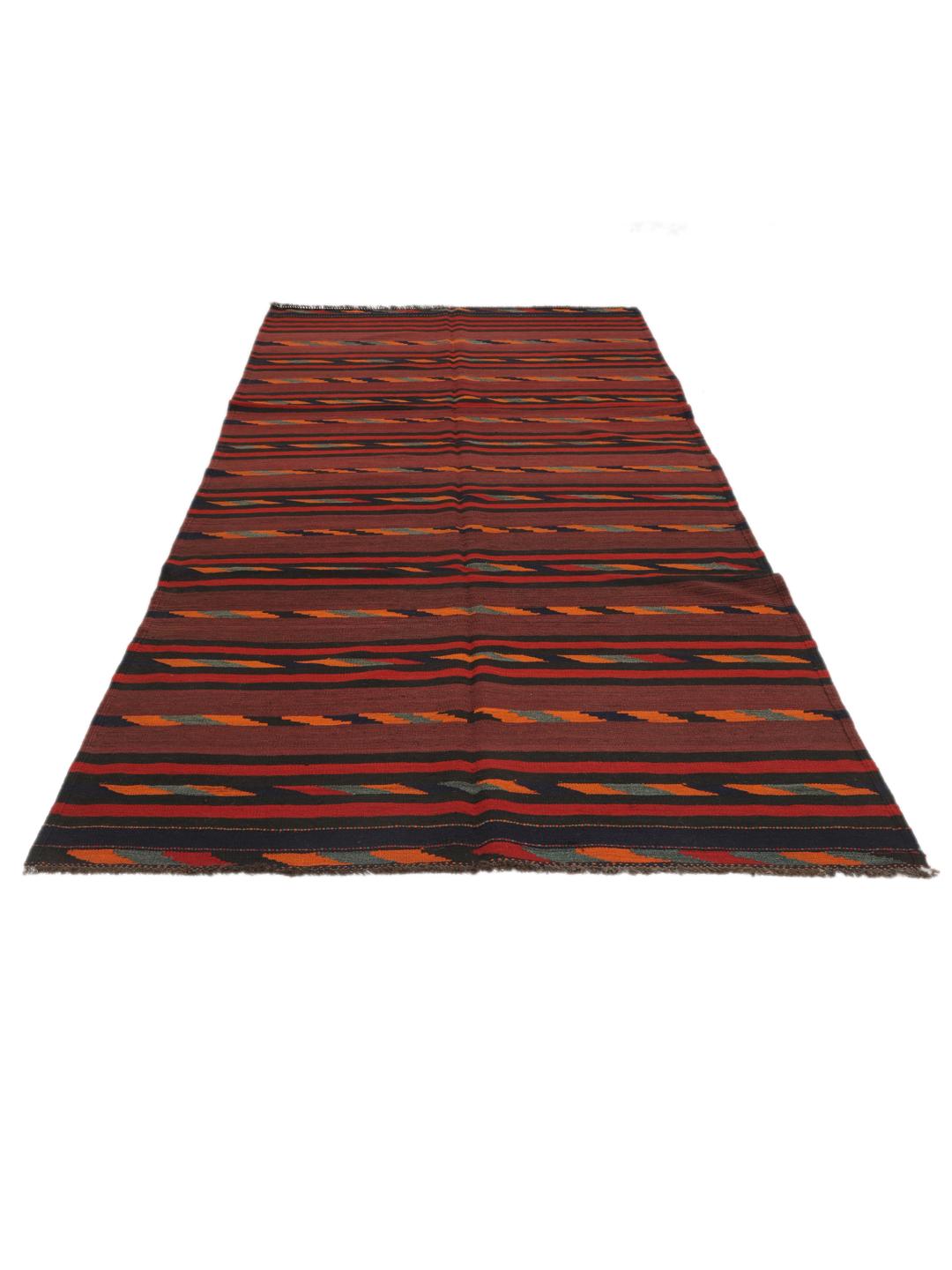
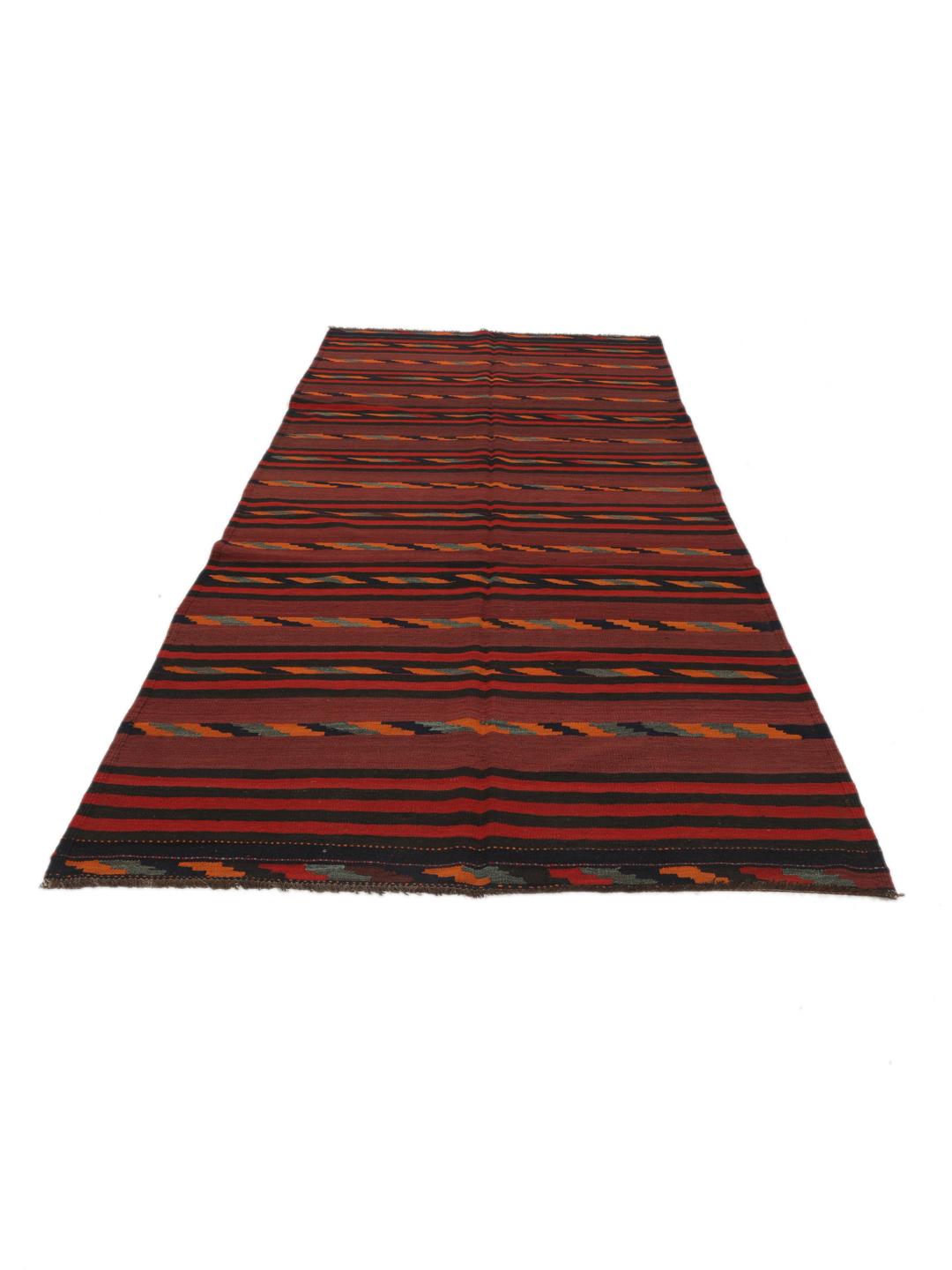
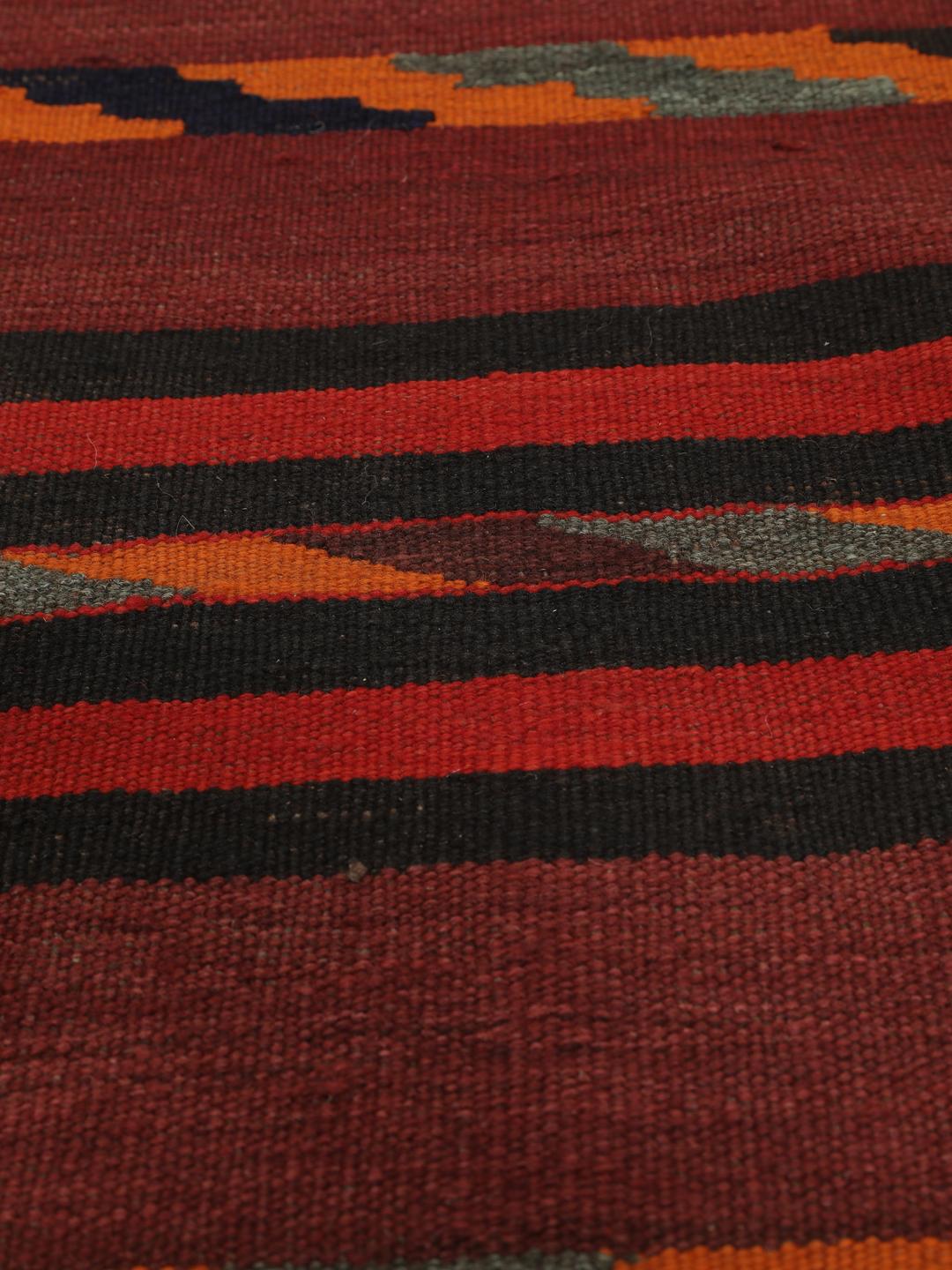
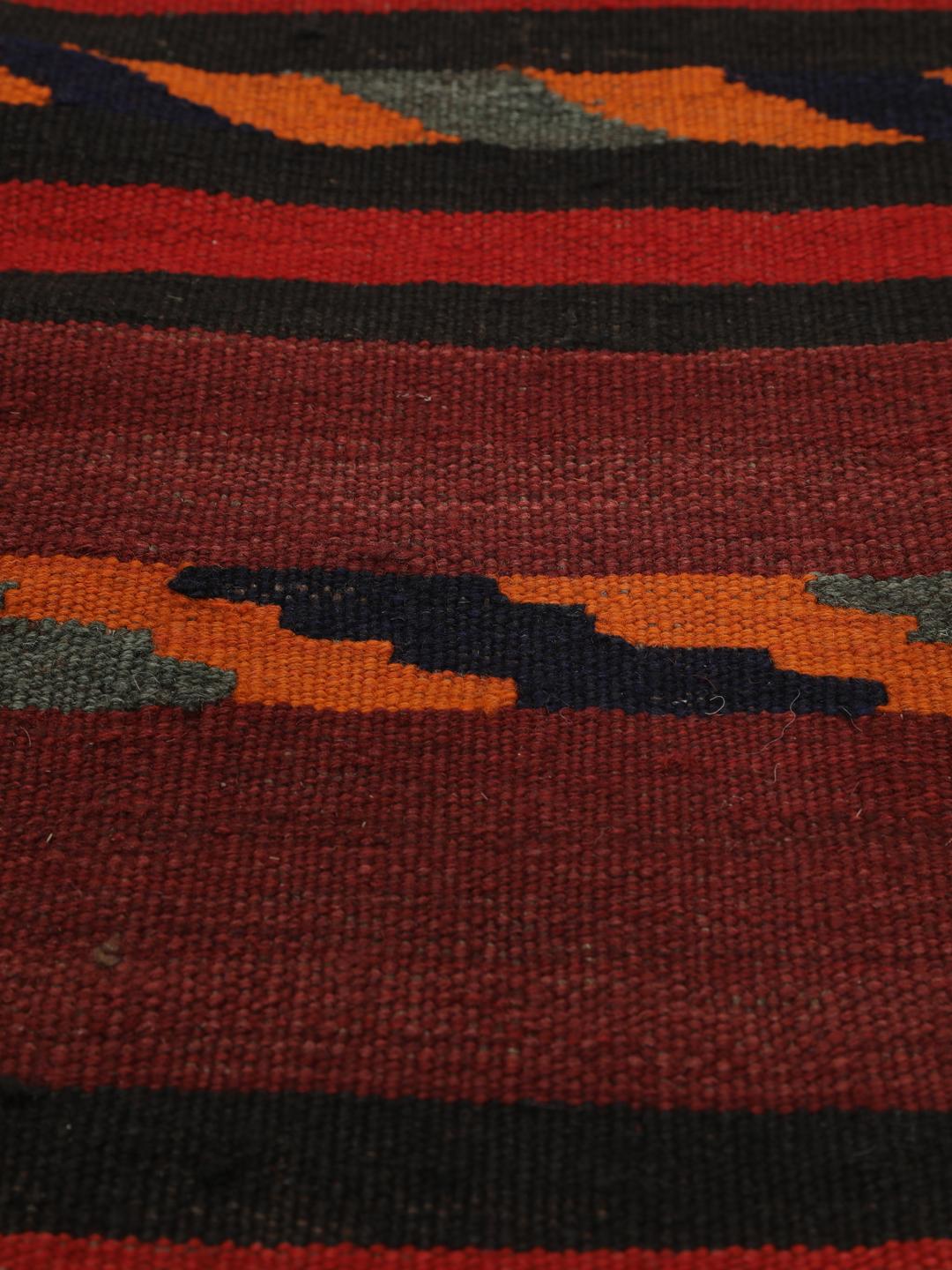
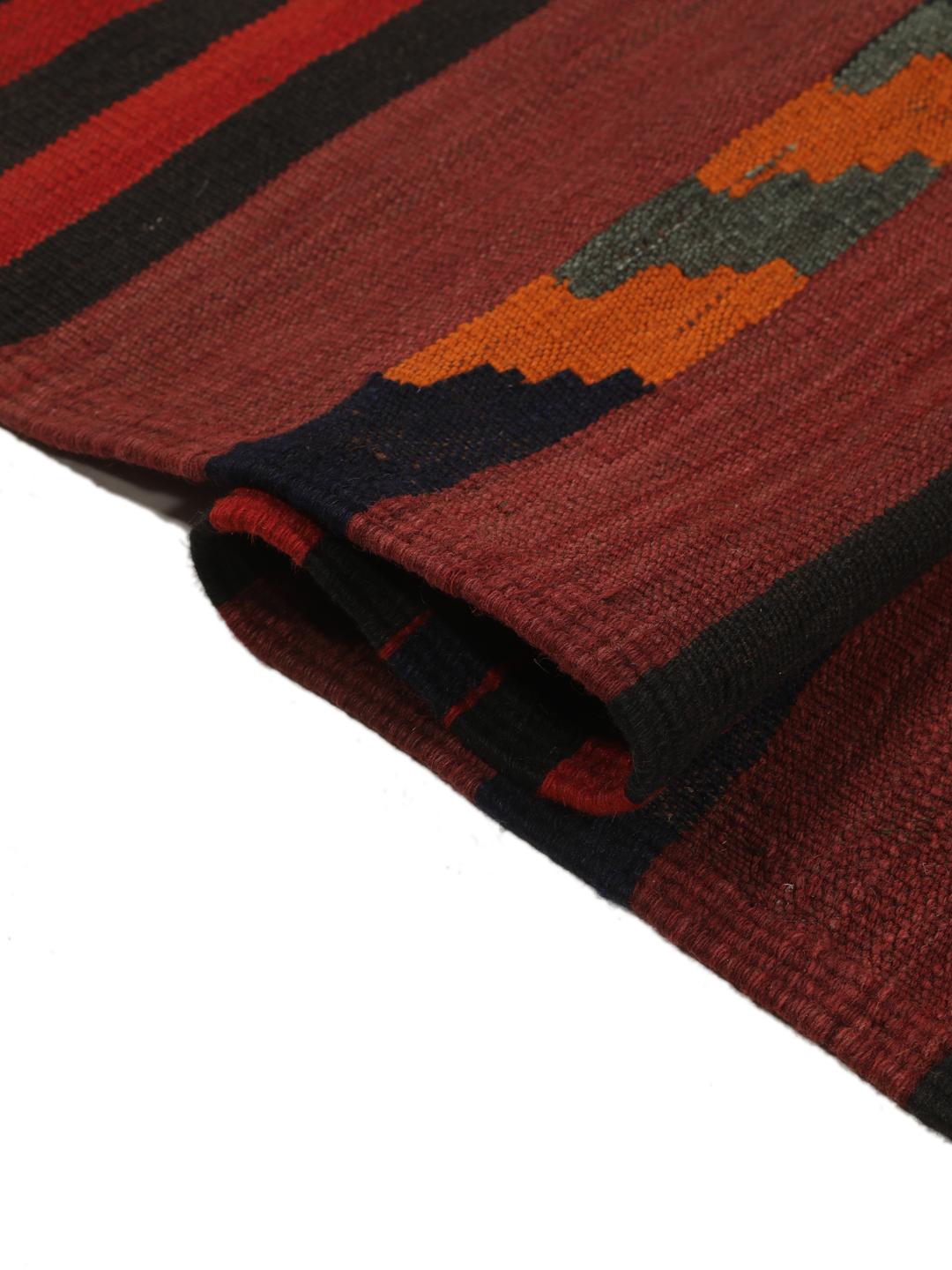
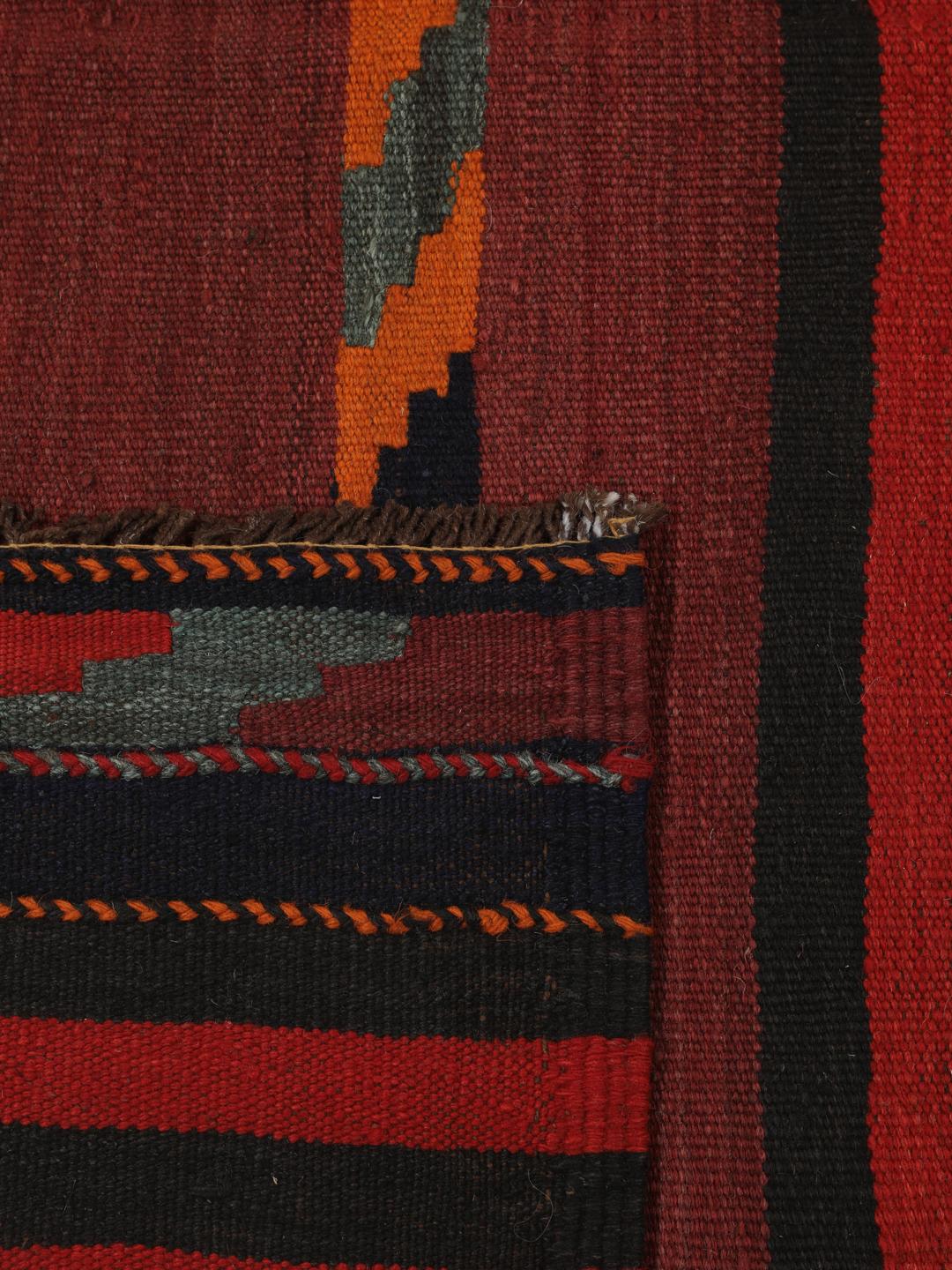
The tradition of weaving flat-weave rugs, known as kilims, is deeply embedded in the nomadic cultures of the Middle East. These textiles were historically essential to daily life, serving as floor coverings, blankets, and storage bags, designed to be both portable and highly durable.
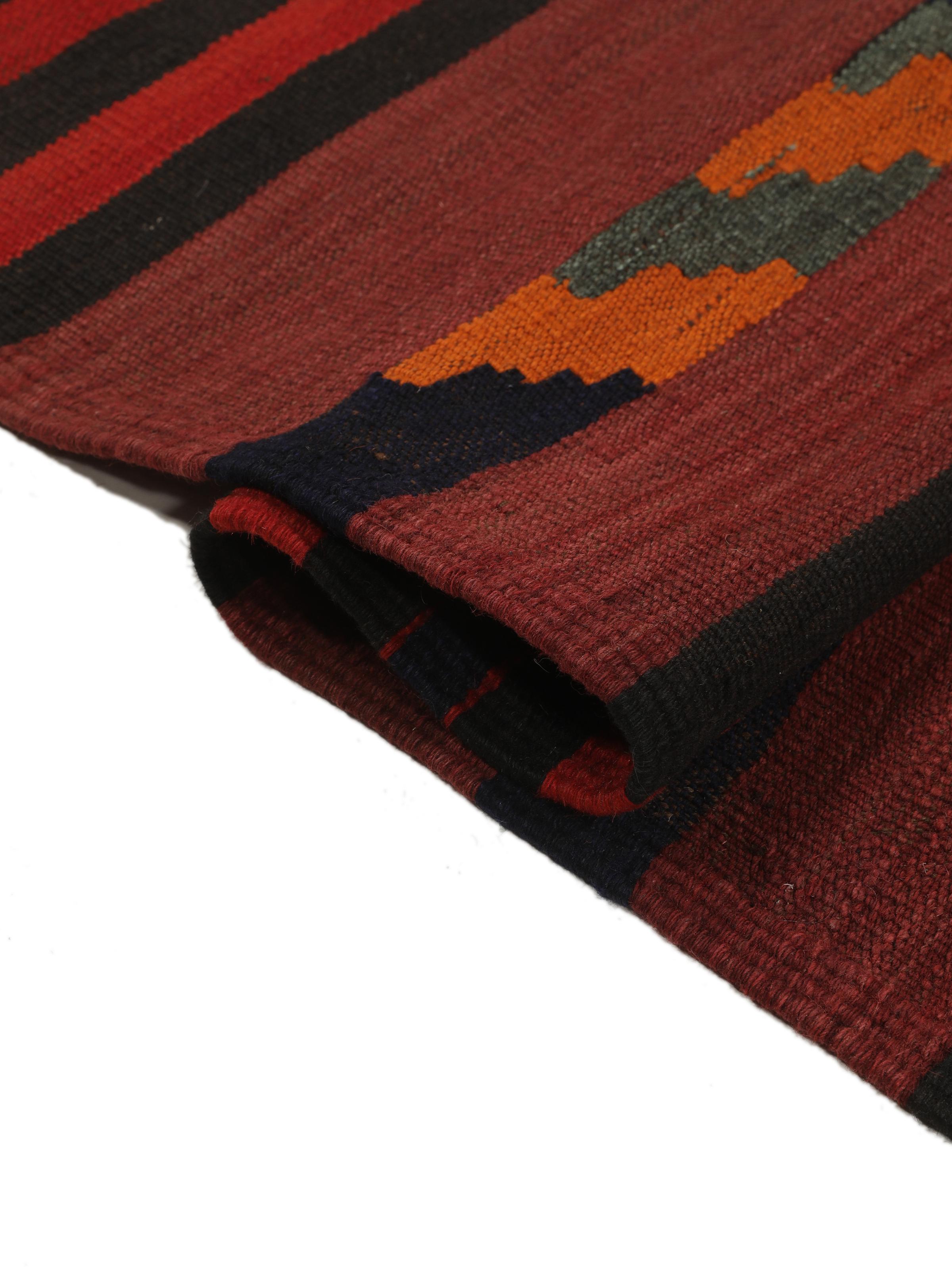
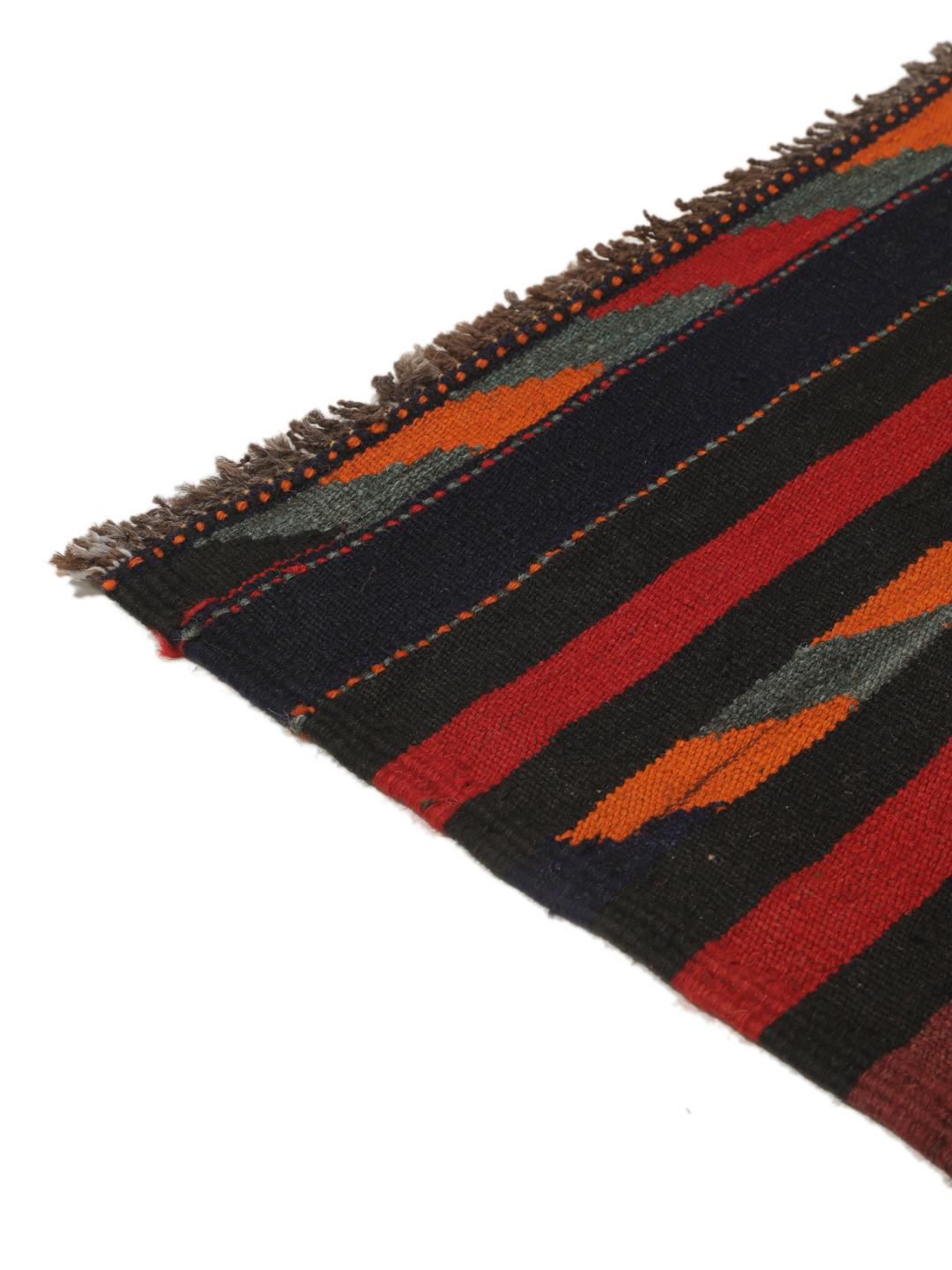
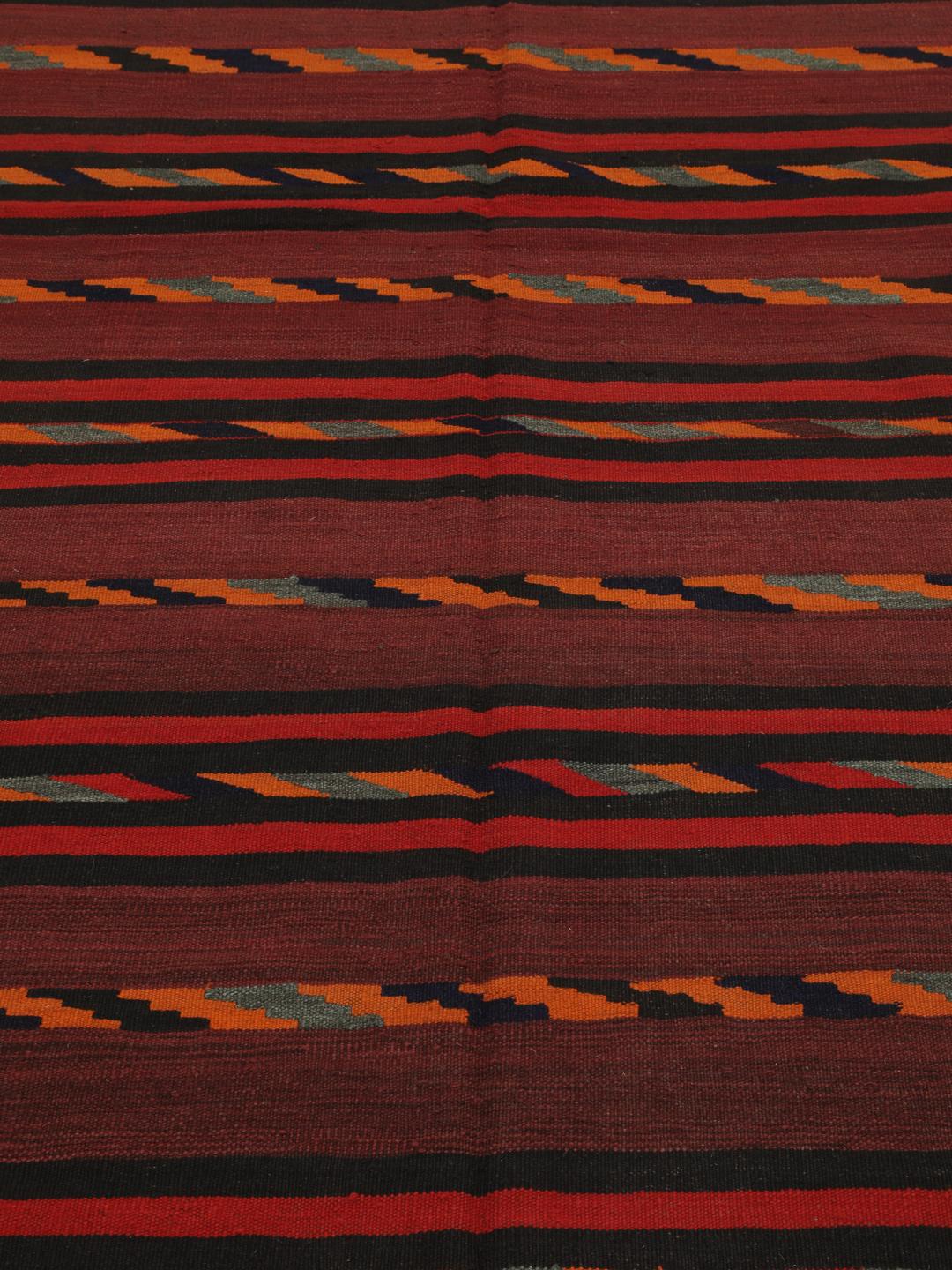
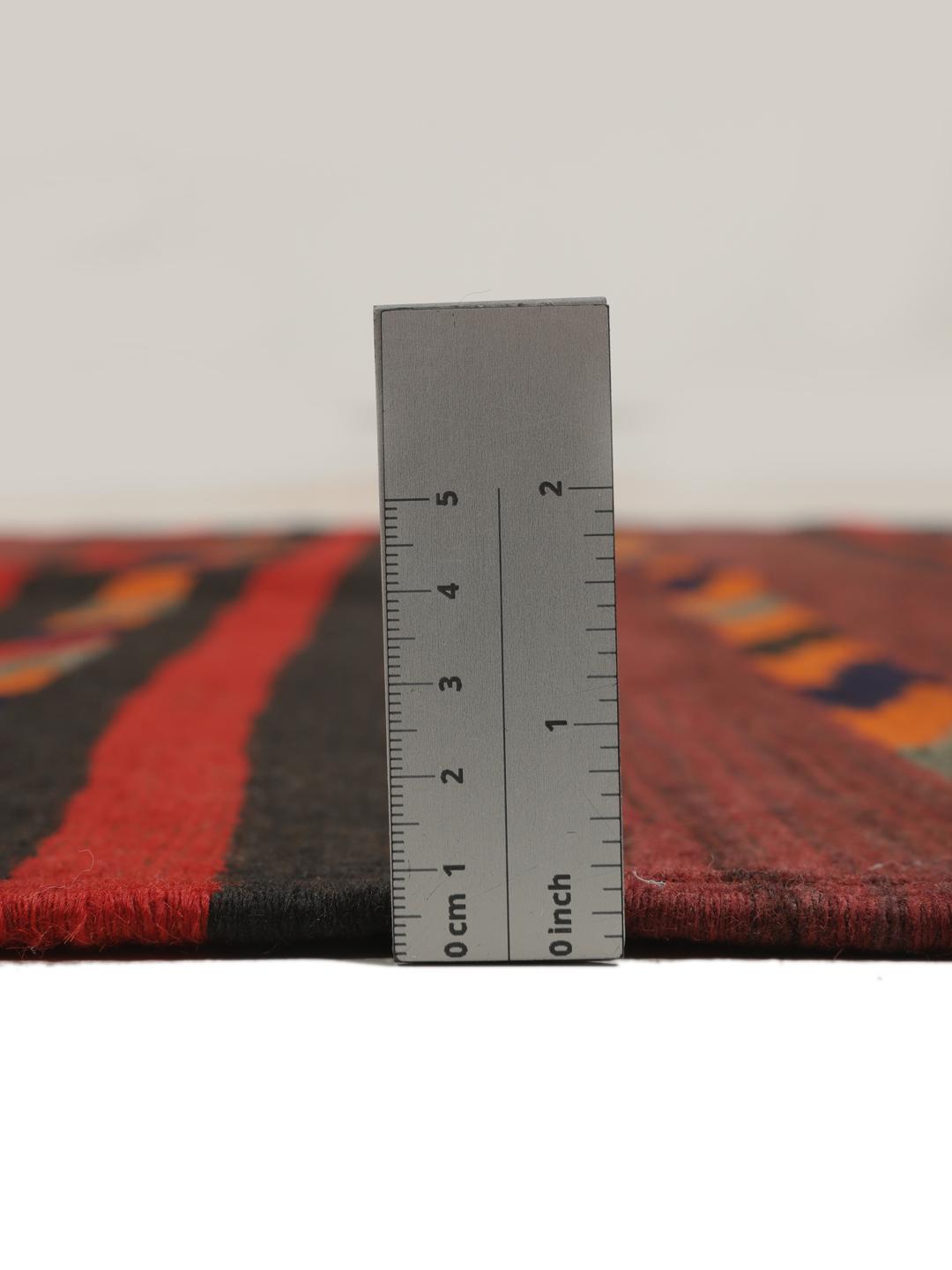
The term kilim refers to the specific technique of interlocking the weft threads with the warp threads, which creates a rug without a pile. This method results in a lightweight yet strong fabric that is highly valued for its versatility and the clarity of its geometric patterns.
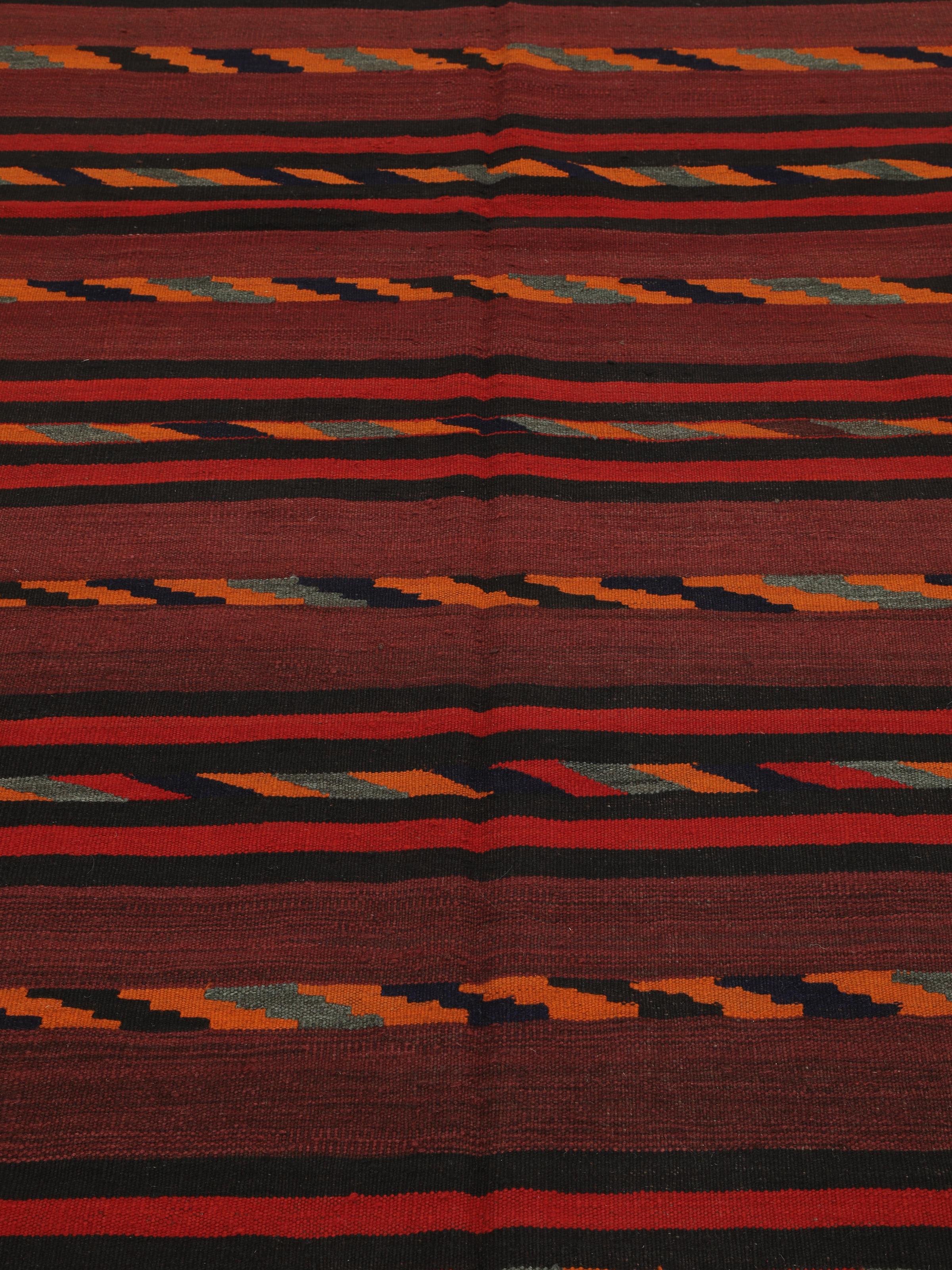
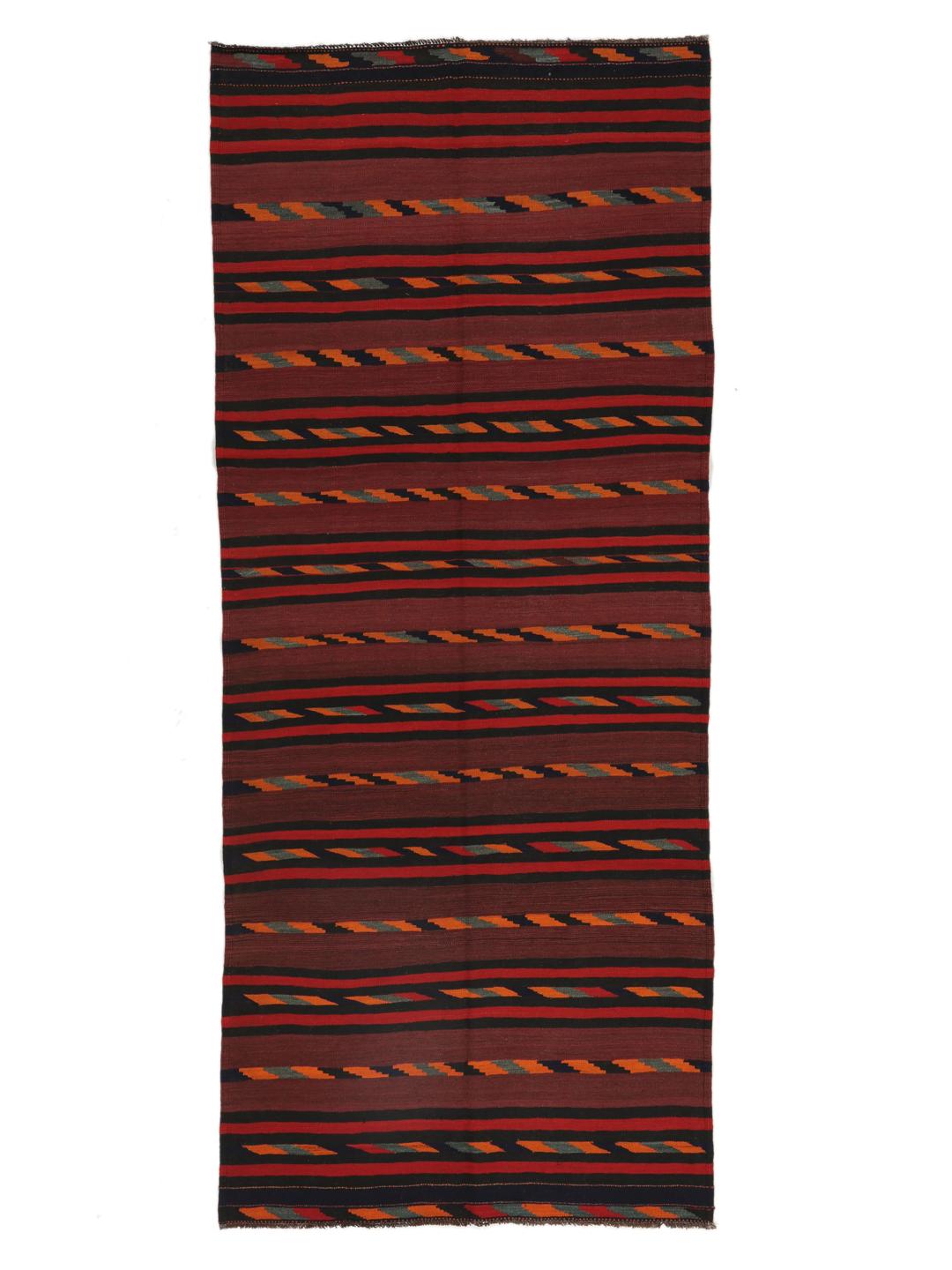
Visual language in Middle Eastern kilims often centres on bold, minimalist motifs such as stripes, diamonds, or zig-zags, which are frequently executed in rich, vegetable-dyed colours. These designs have evolved over centuries, reflecting the migration patterns and artistic influences of the various tribal groups throughout the region.
Collecting vintage pieces like this runner allows you to preserve a piece of living history. These rugs are highly regarded for their honest craftsmanship and the way they bridge the gap between ancient utility and modern interior design, making them prized possessions for those who value heritage and authenticity.