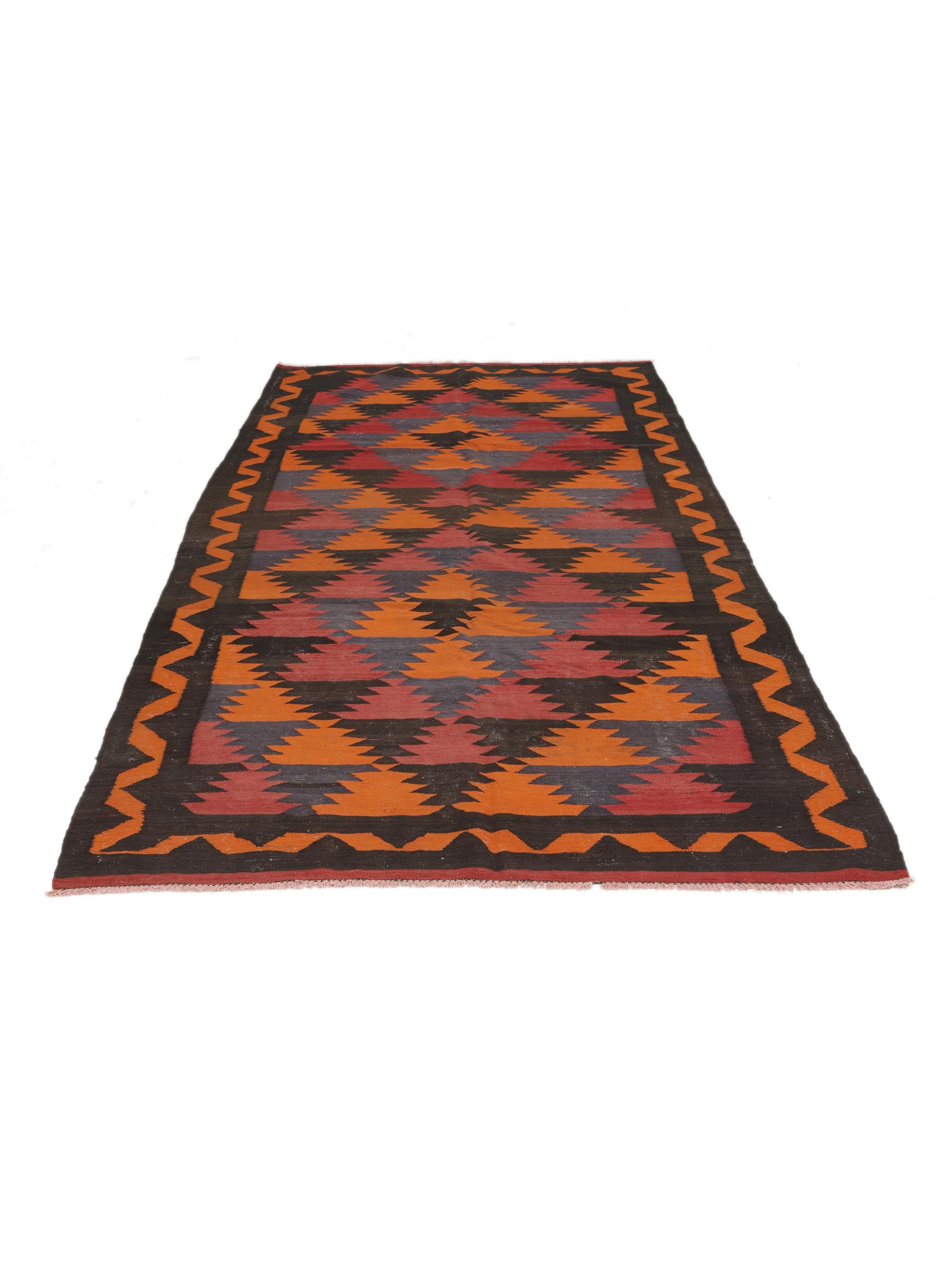
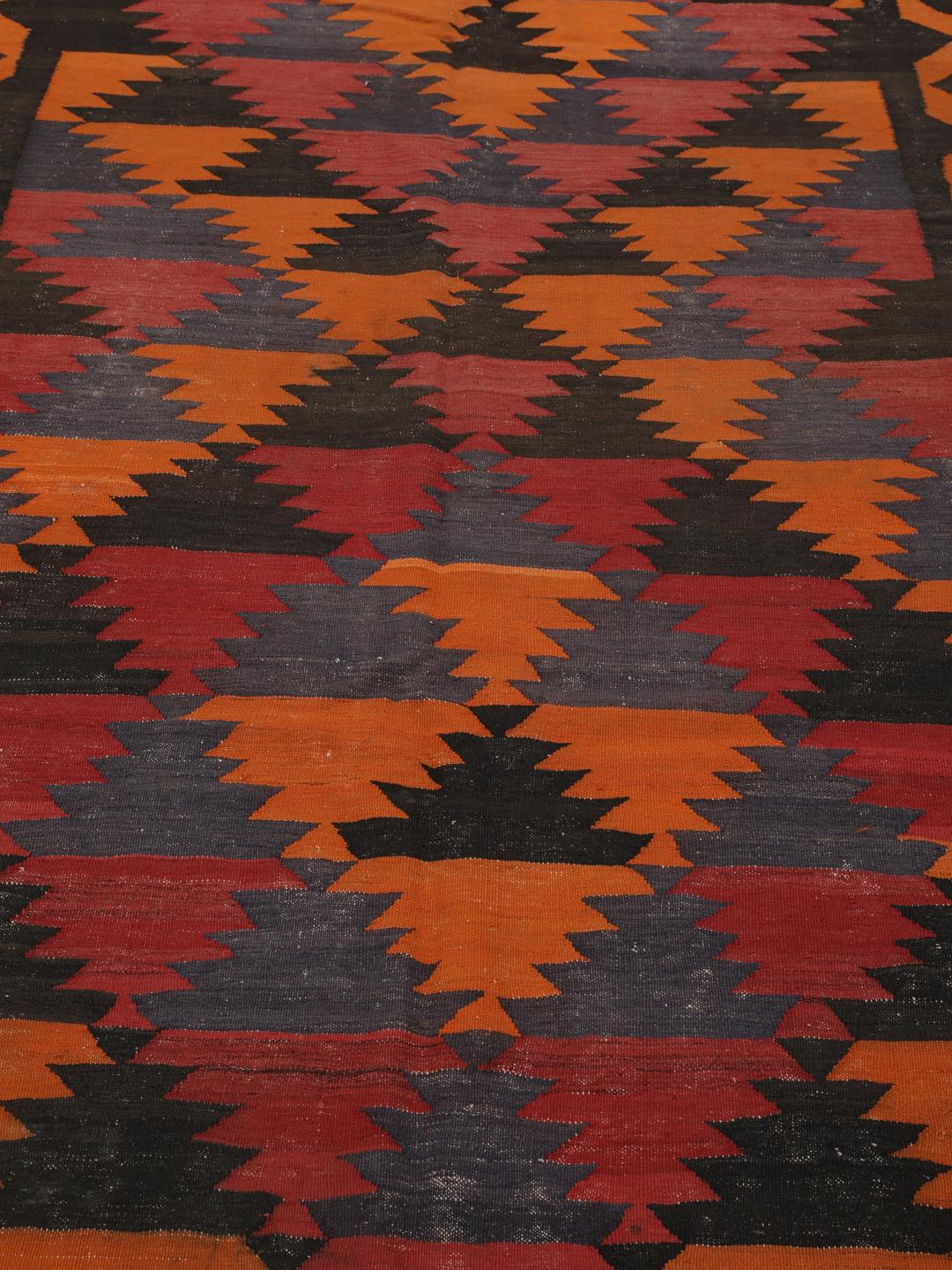
The tradition of Kelim weaving in the Middle East is deeply rooted in the nomadic lifestyle of the region, where rugs served as essential, portable furnishings. These flat-woven textiles were historically used as floor coverings, wall hangings, and storage bags, designed to be durable enough for life on the move while showcasing the weaver's creative identity.
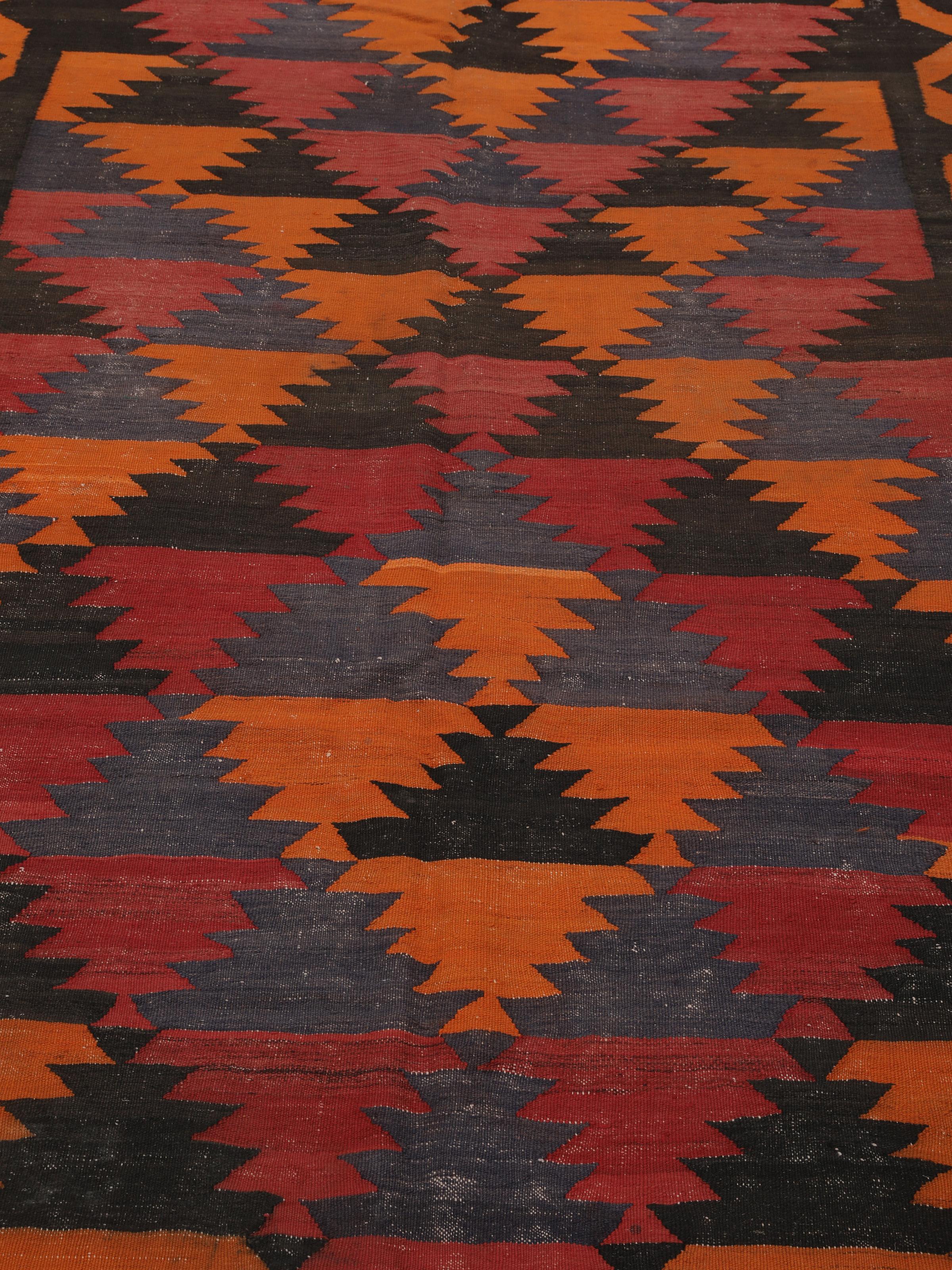
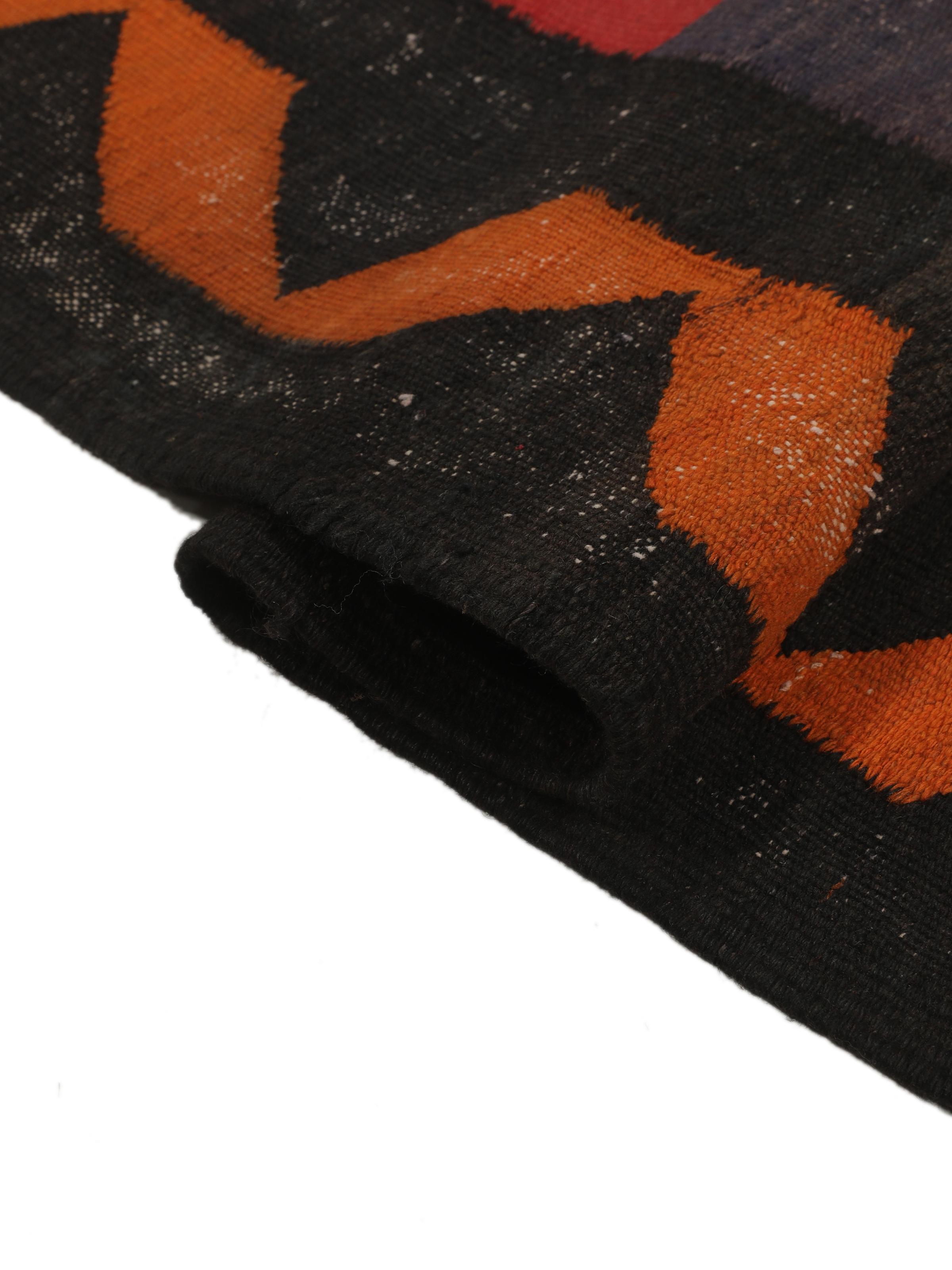
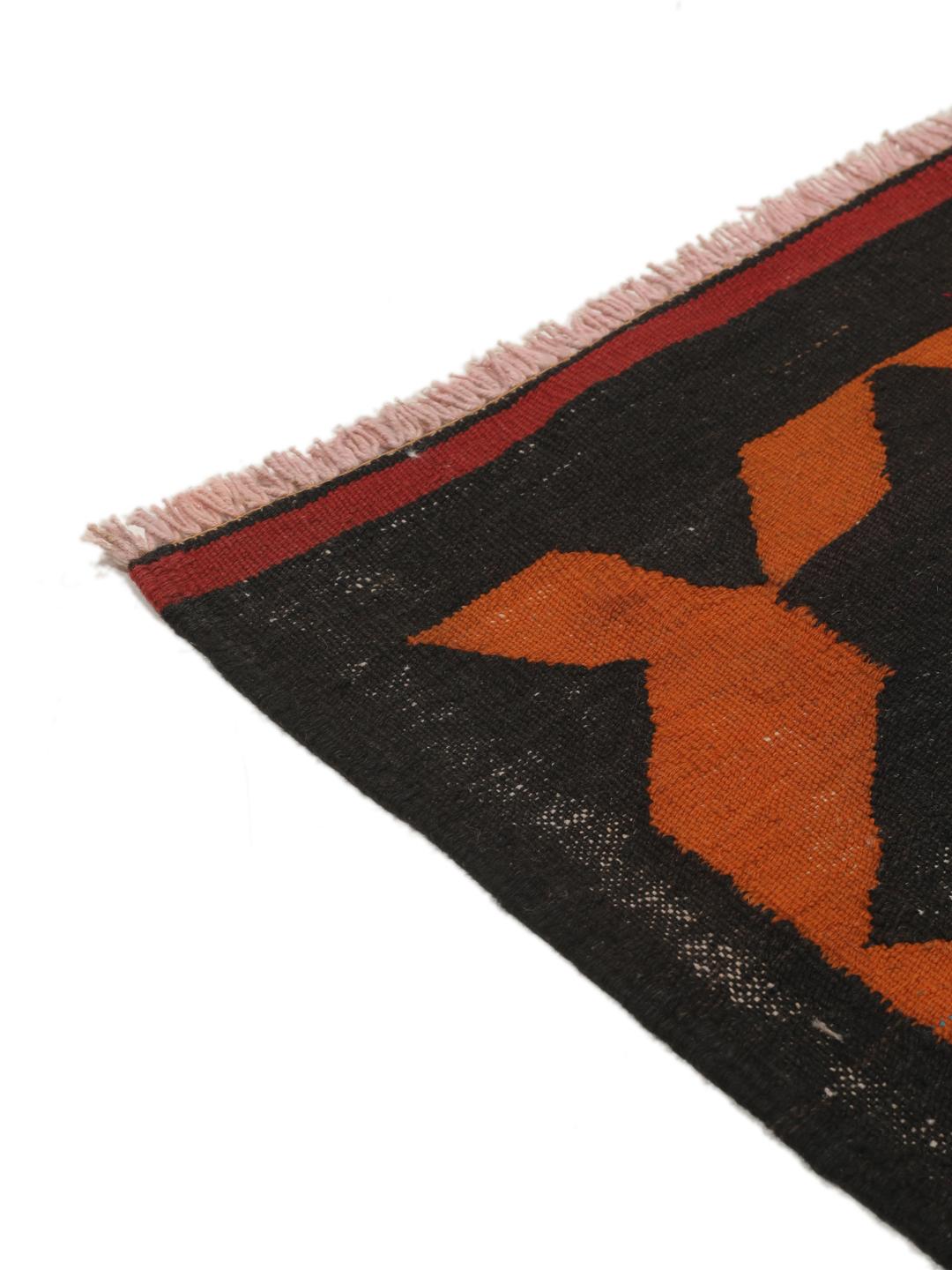
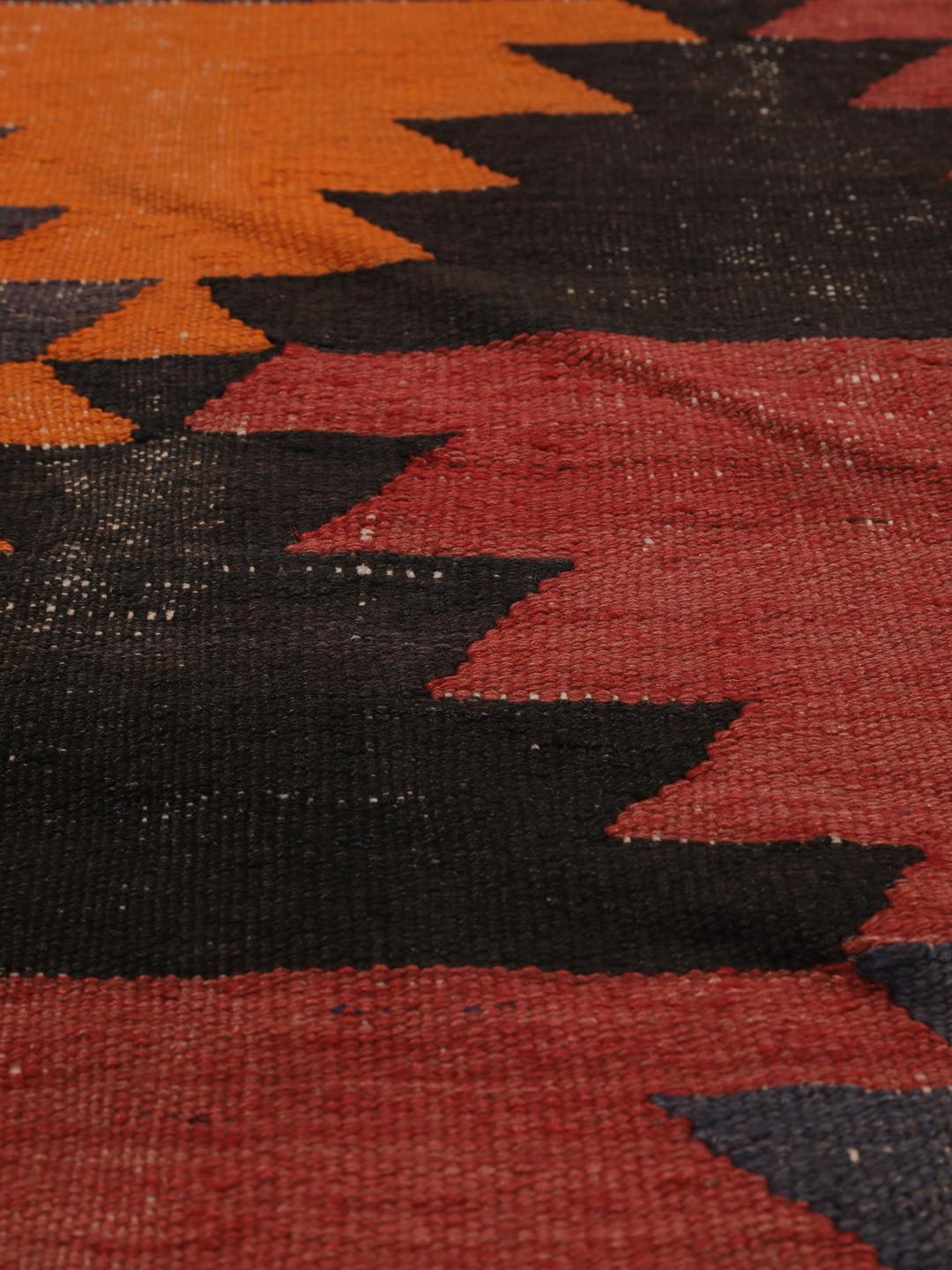
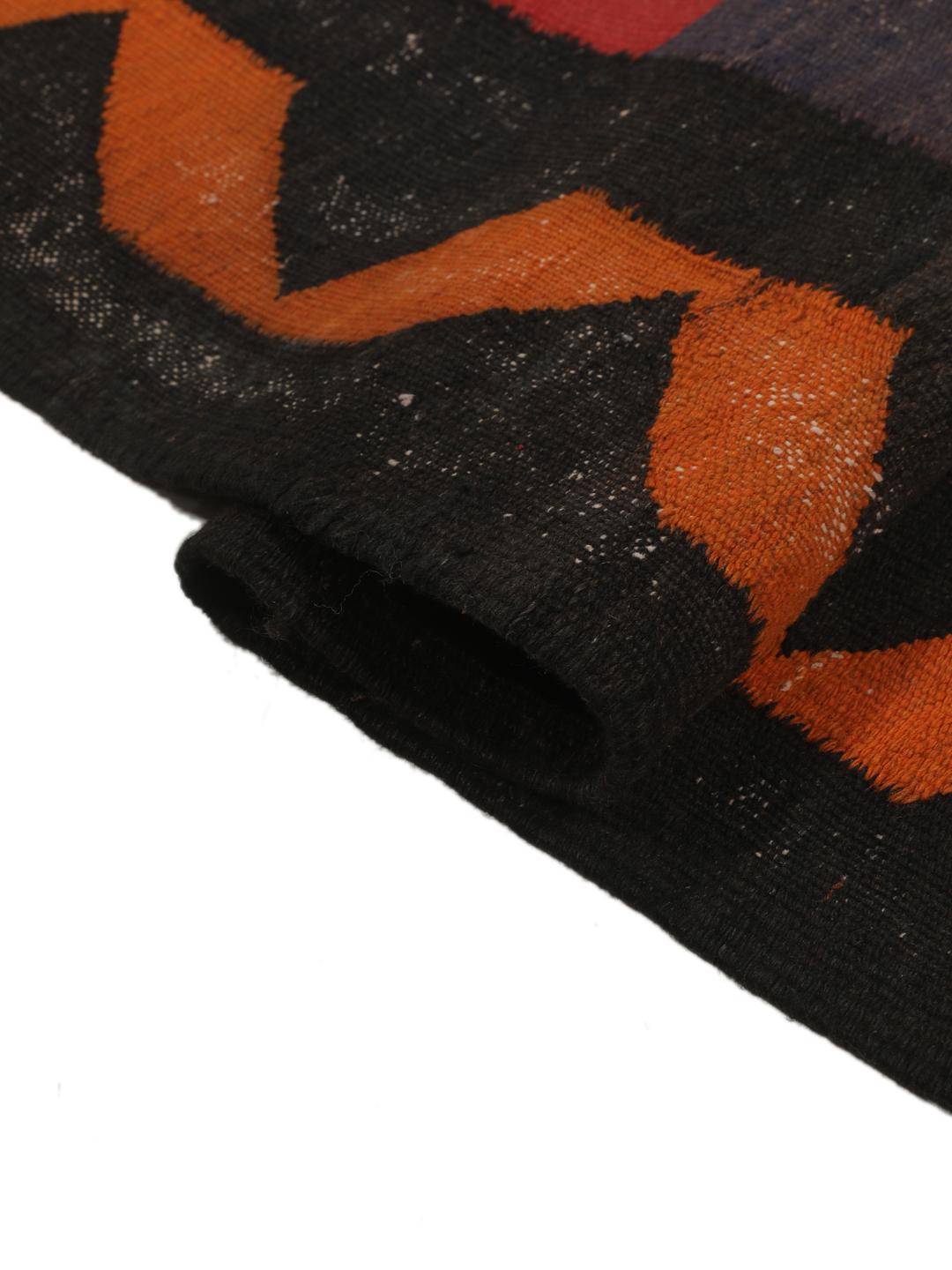
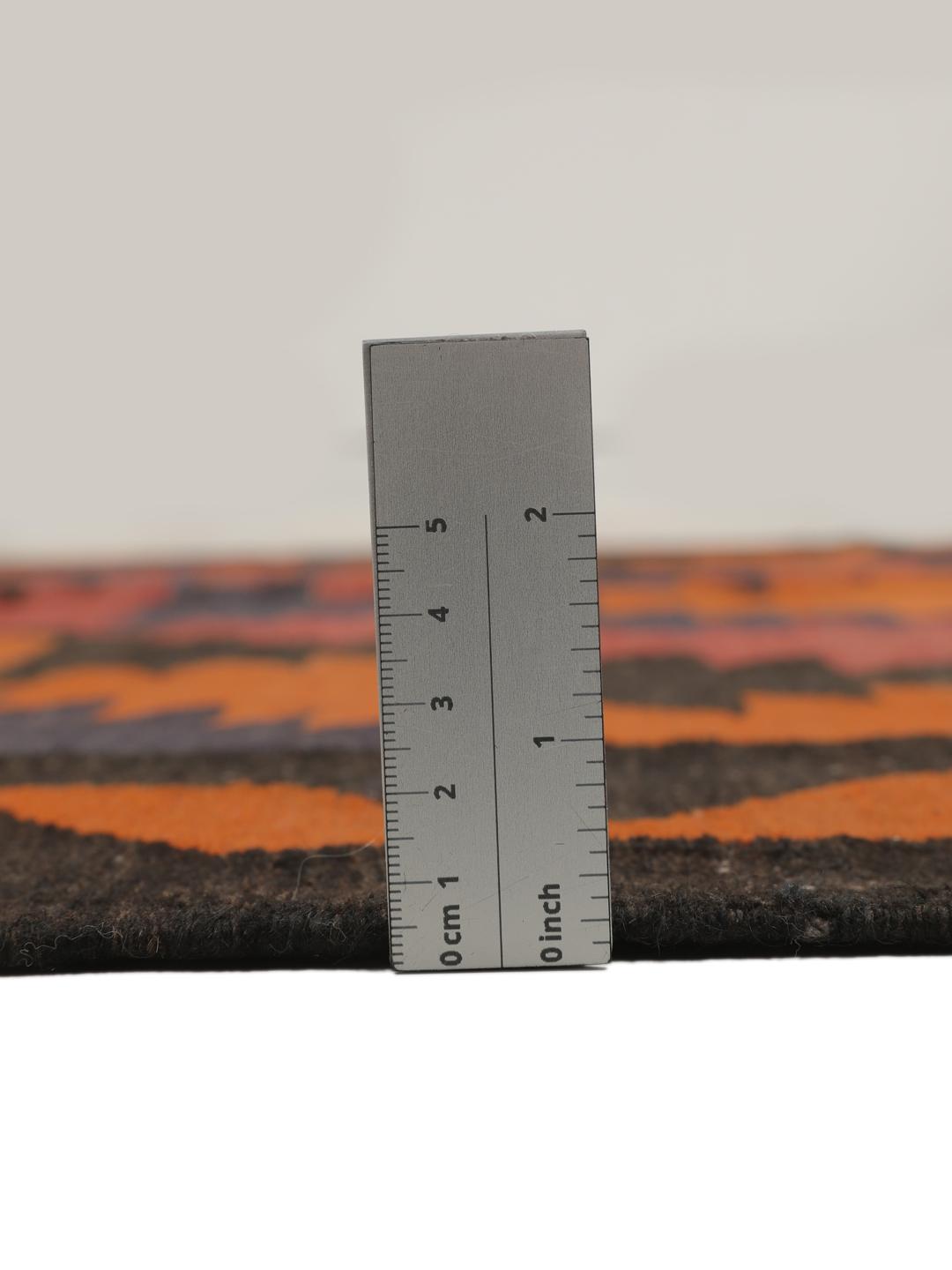
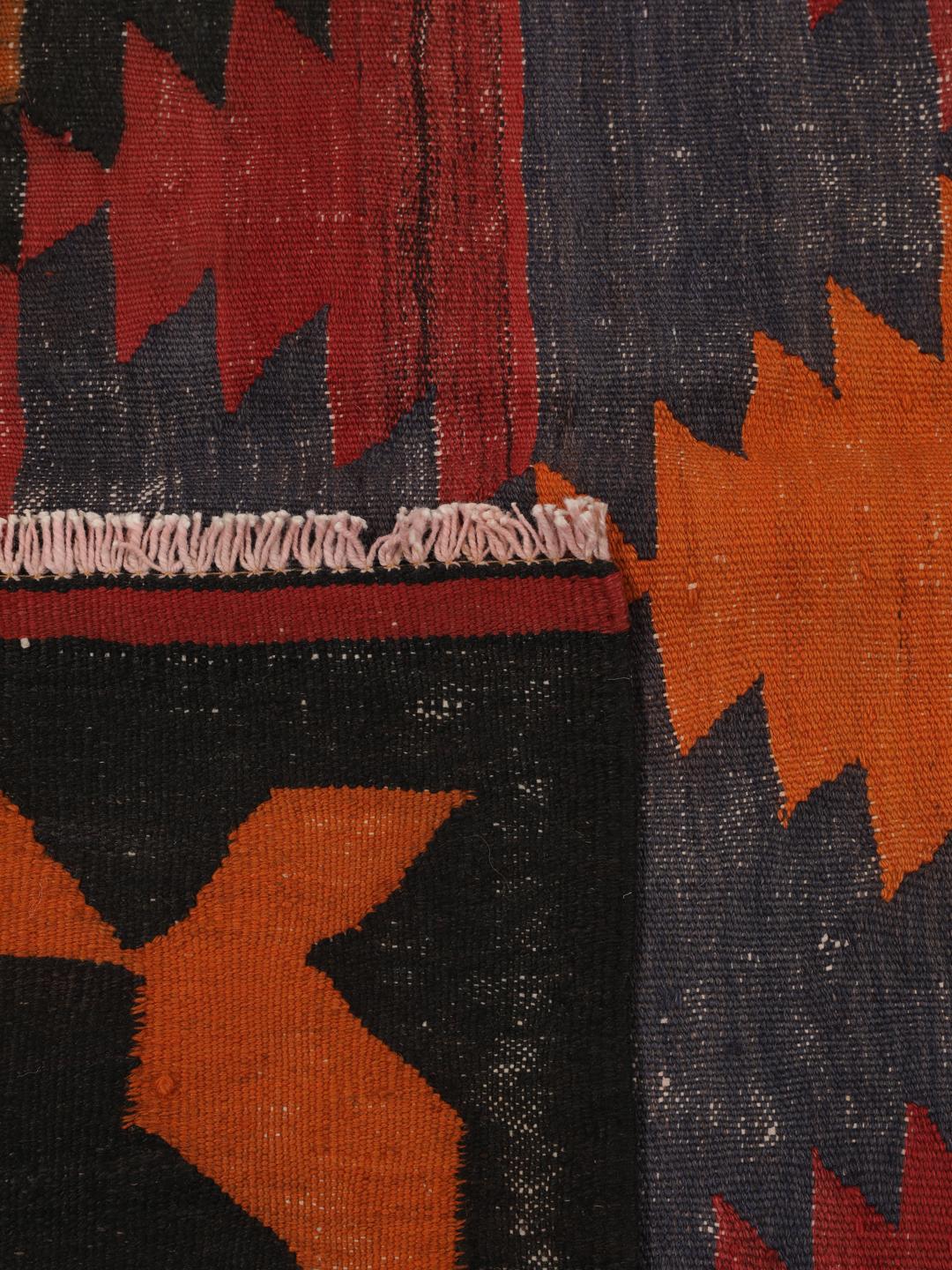
A Kelim is defined by its flat-weave construction, meaning it is created without a pile. The weaver achieves the design by interlocking coloured threads during the weaving process, which results in a piece that looks nearly identical on both sides. This technique produces a crisp, clean aesthetic that highlights the geometric clarity of the patterns.
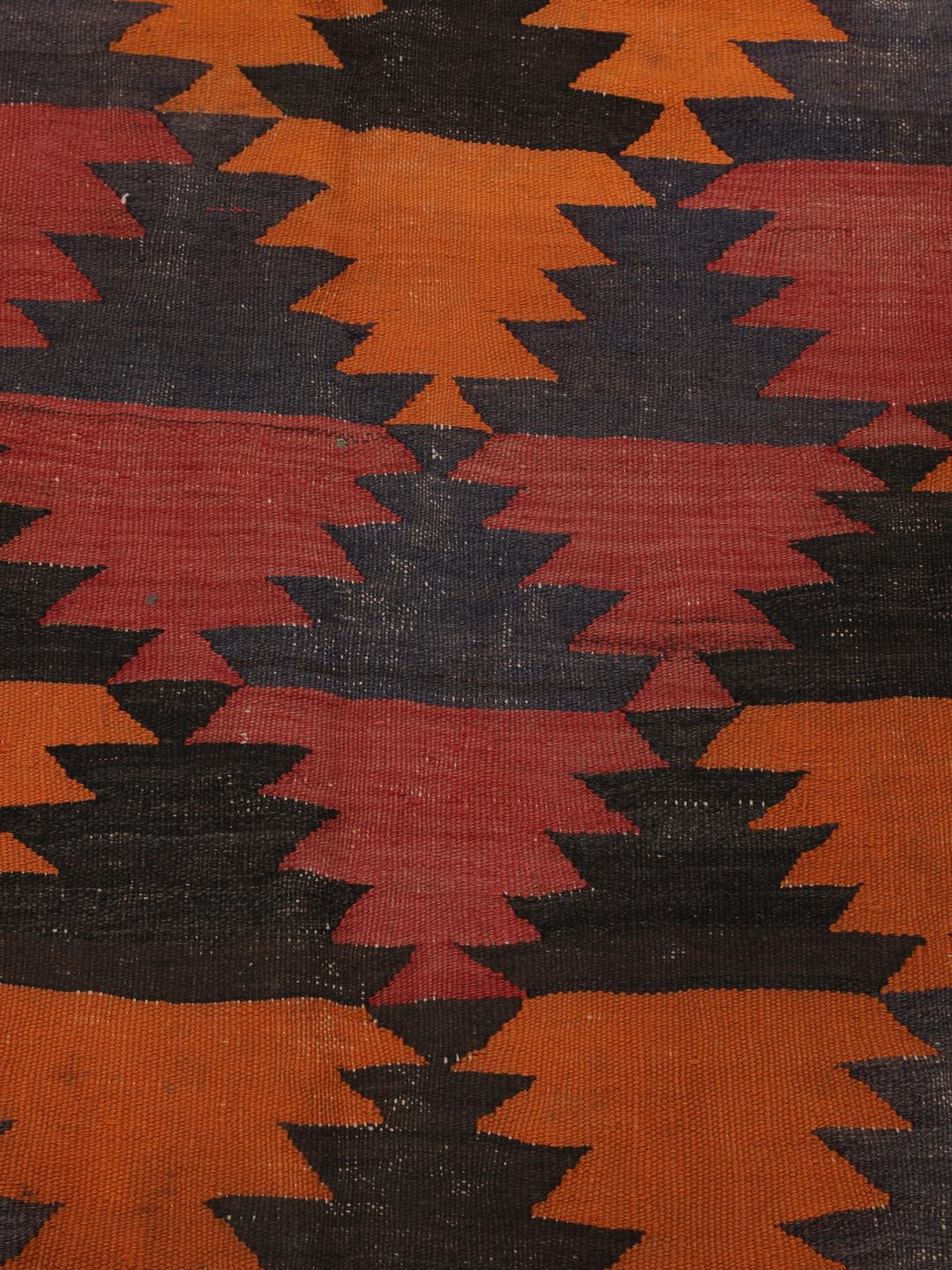
The signature design elements of Middle Eastern Kelims often include bold, sharp-edged geometric motifs, such as triangles and diamonds, arranged in rhythmic, repeating patterns. The use of traditional dyes creates a distinct colour palette that feels both grounded and expressive, often utilising dark backgrounds to make the warmer, earthy tones pop with intensity.
Today, these rugs are highly valued by collectors for their cultural significance and their ability to bridge the gap between ancient craft and modern living. Owning a vintage Middle Eastern piece is an opportunity to preserve a piece of history, as each rug carries the stories and stylistic nuances of the community where it was created, offering a depth of character that grows more beautiful with time.