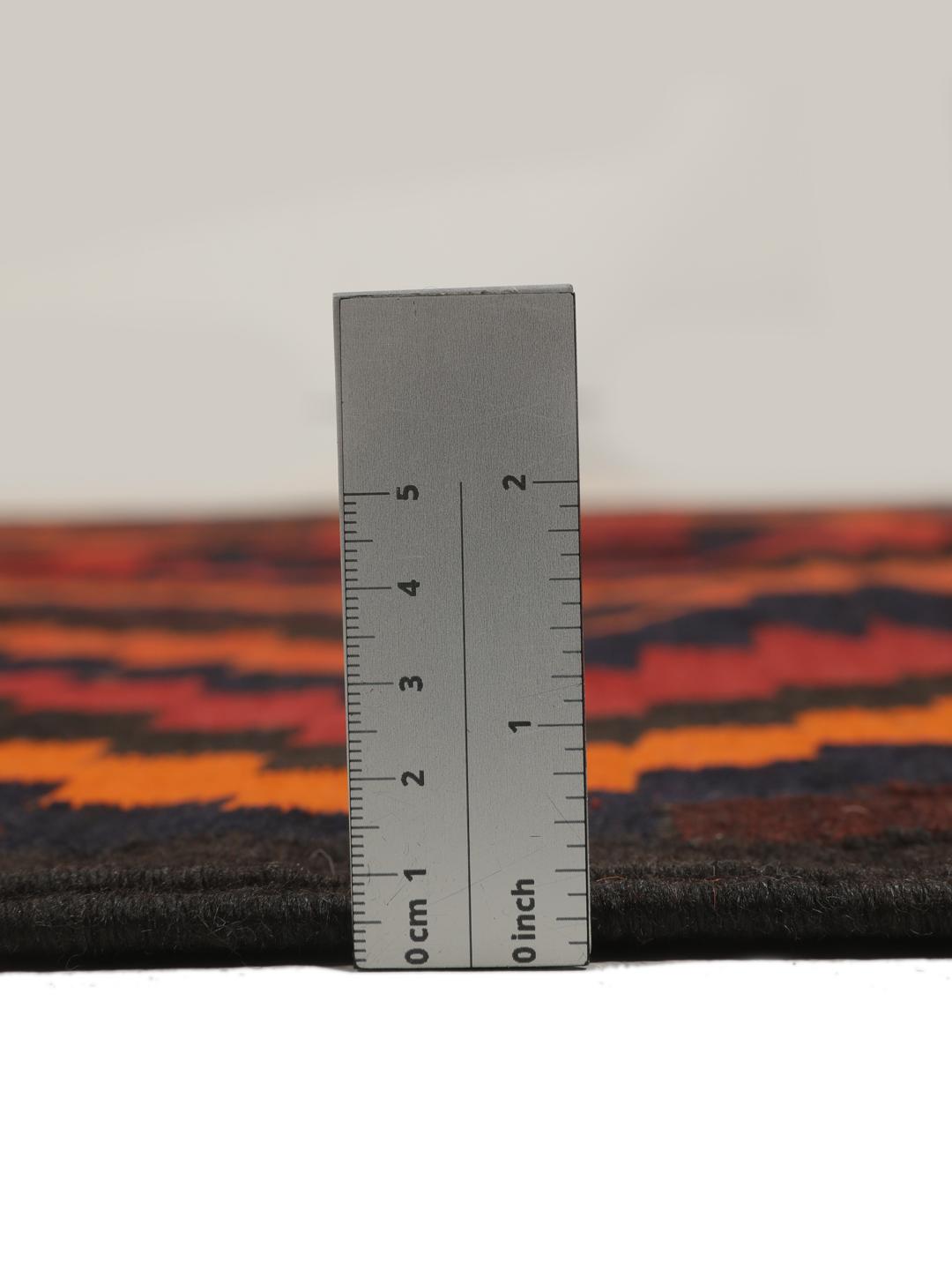
Kelim rugs have long been a cornerstone of nomadic life across the Middle East and Central Asia. Traditionally, these flat-woven pieces were crafted by tribal groups for practical uses, such as floor coverings, blankets, or even saddlebags. The name itself refers to the specific technique of weaving, which lacks a pile, creating a versatile and lightweight textile that has been perfected over centuries.
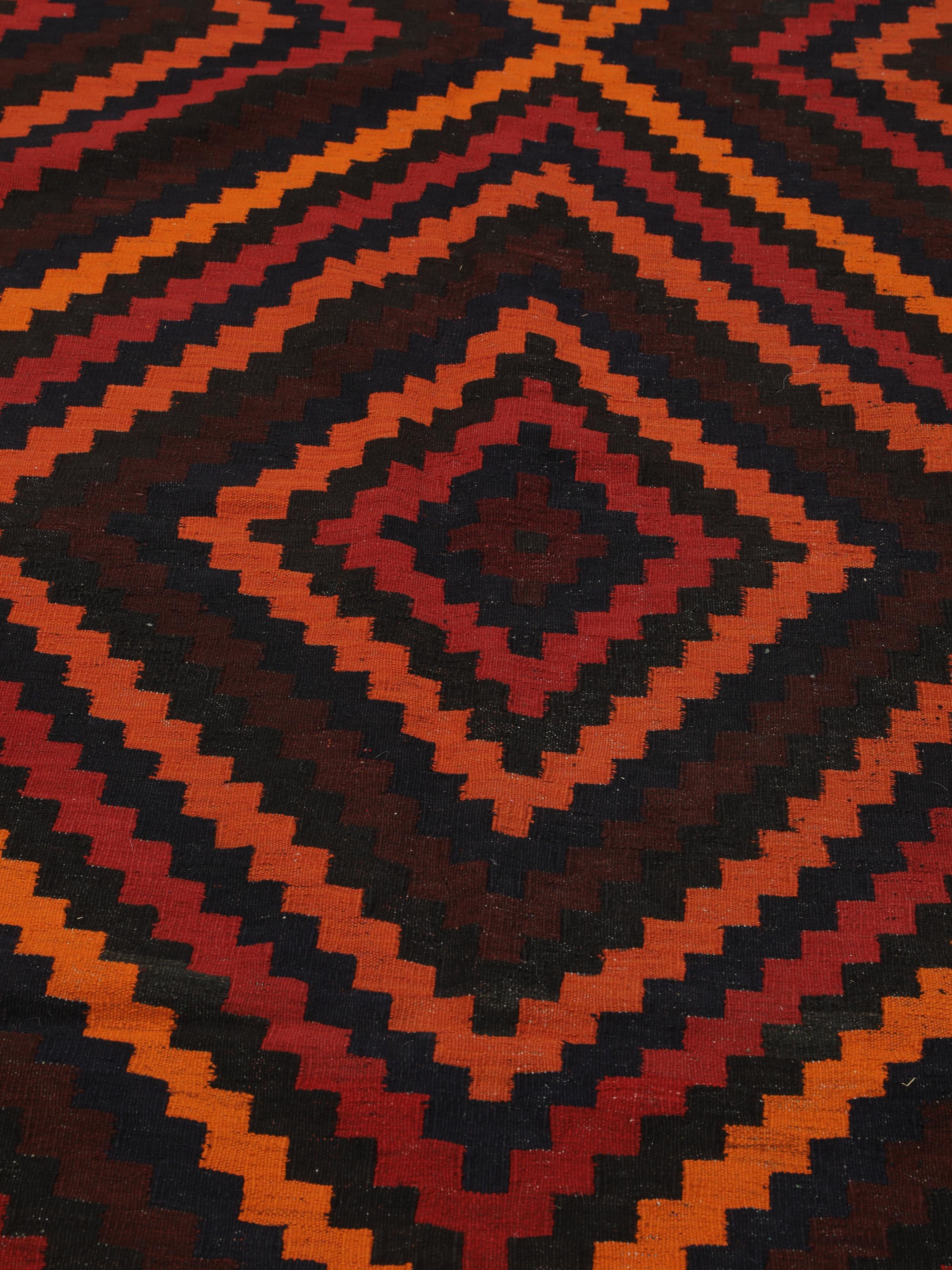
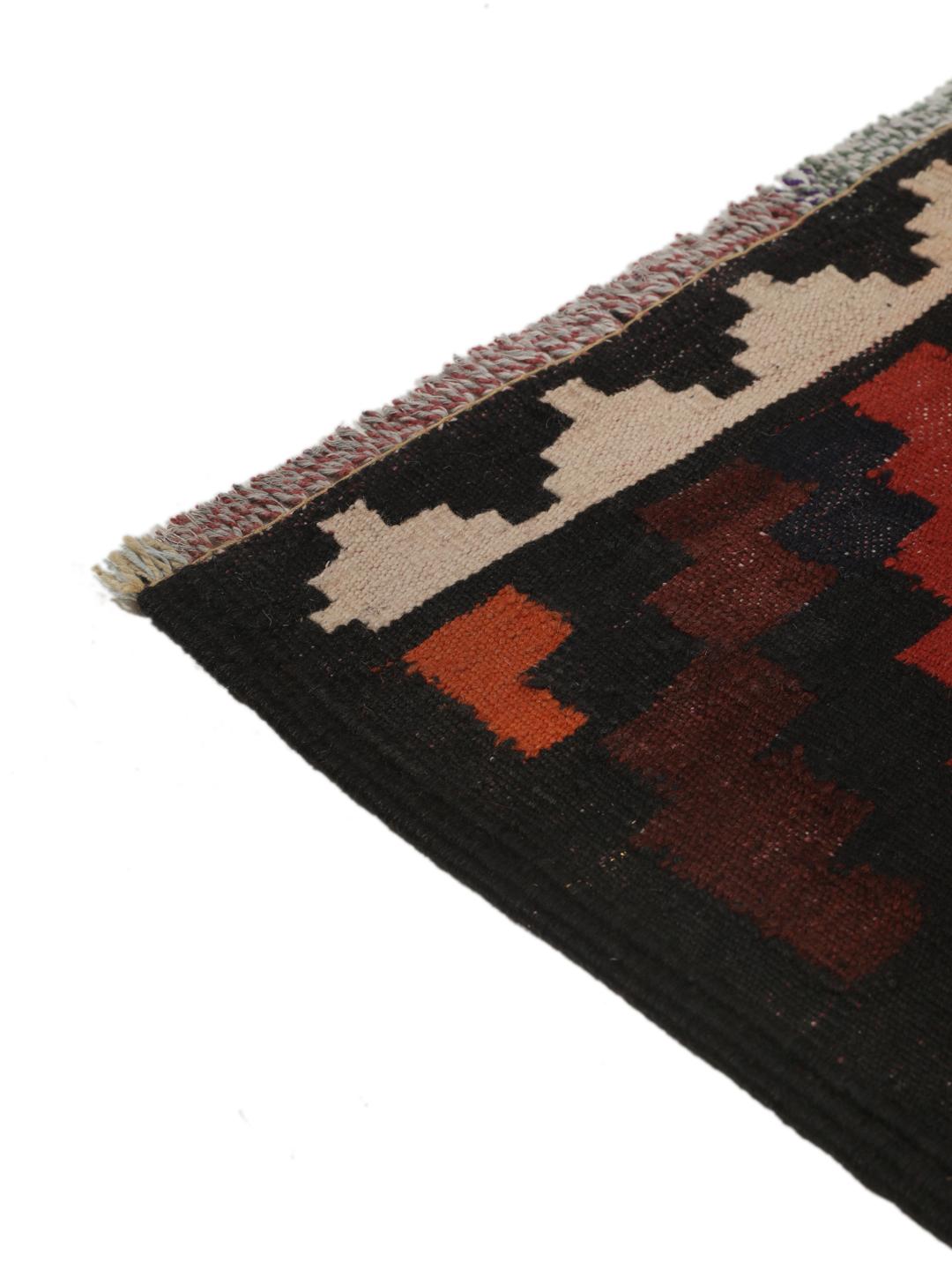
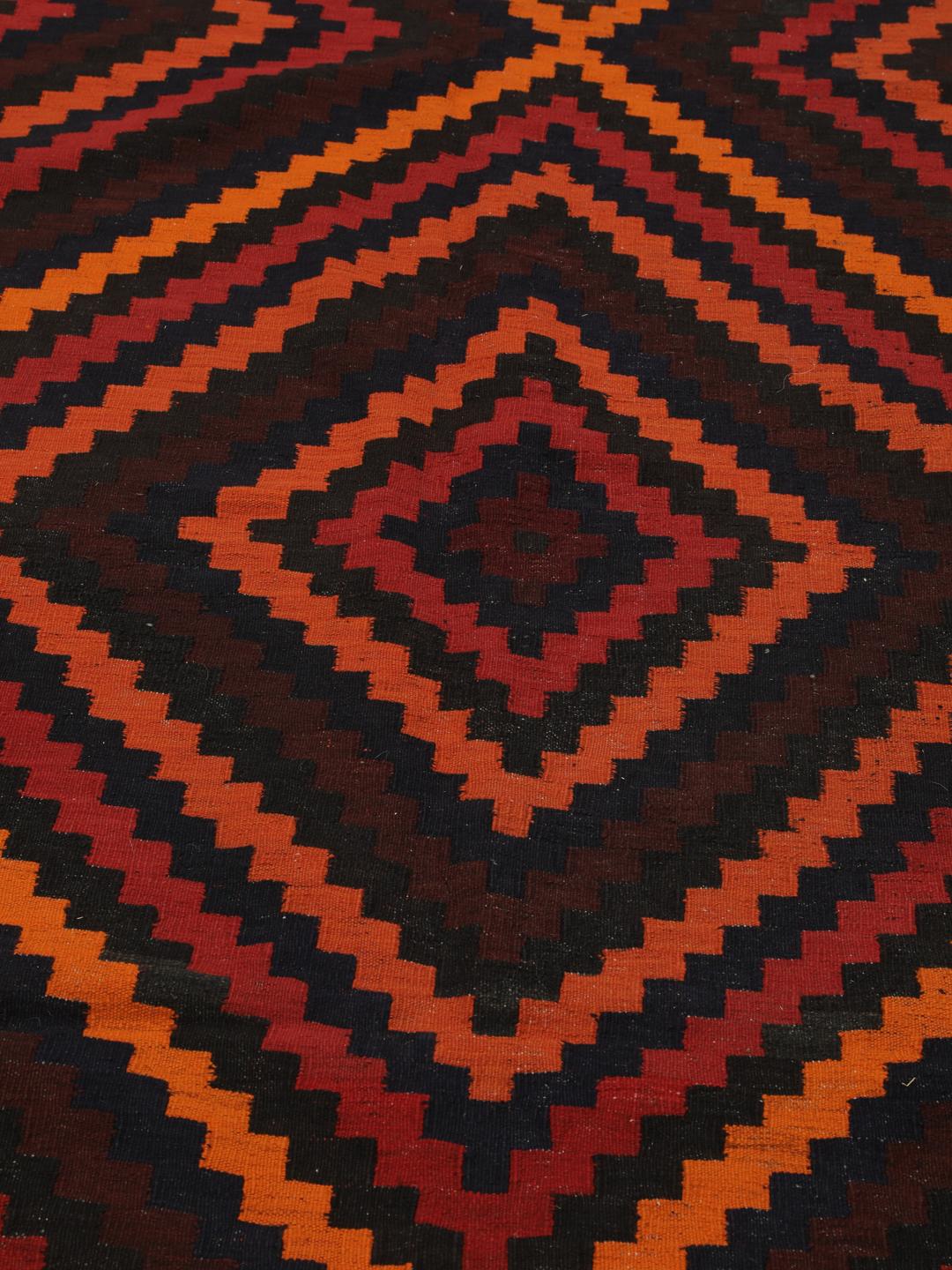
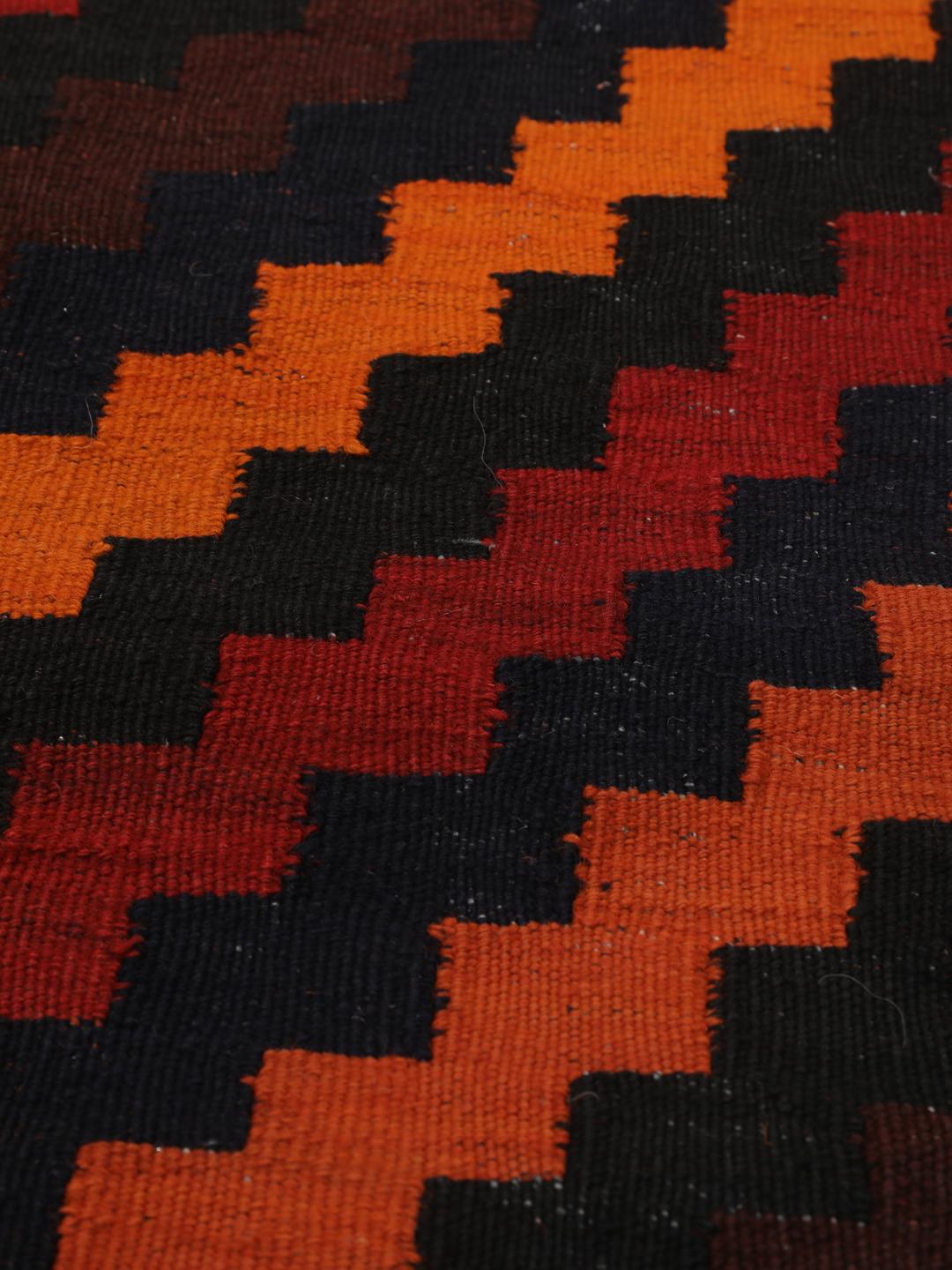
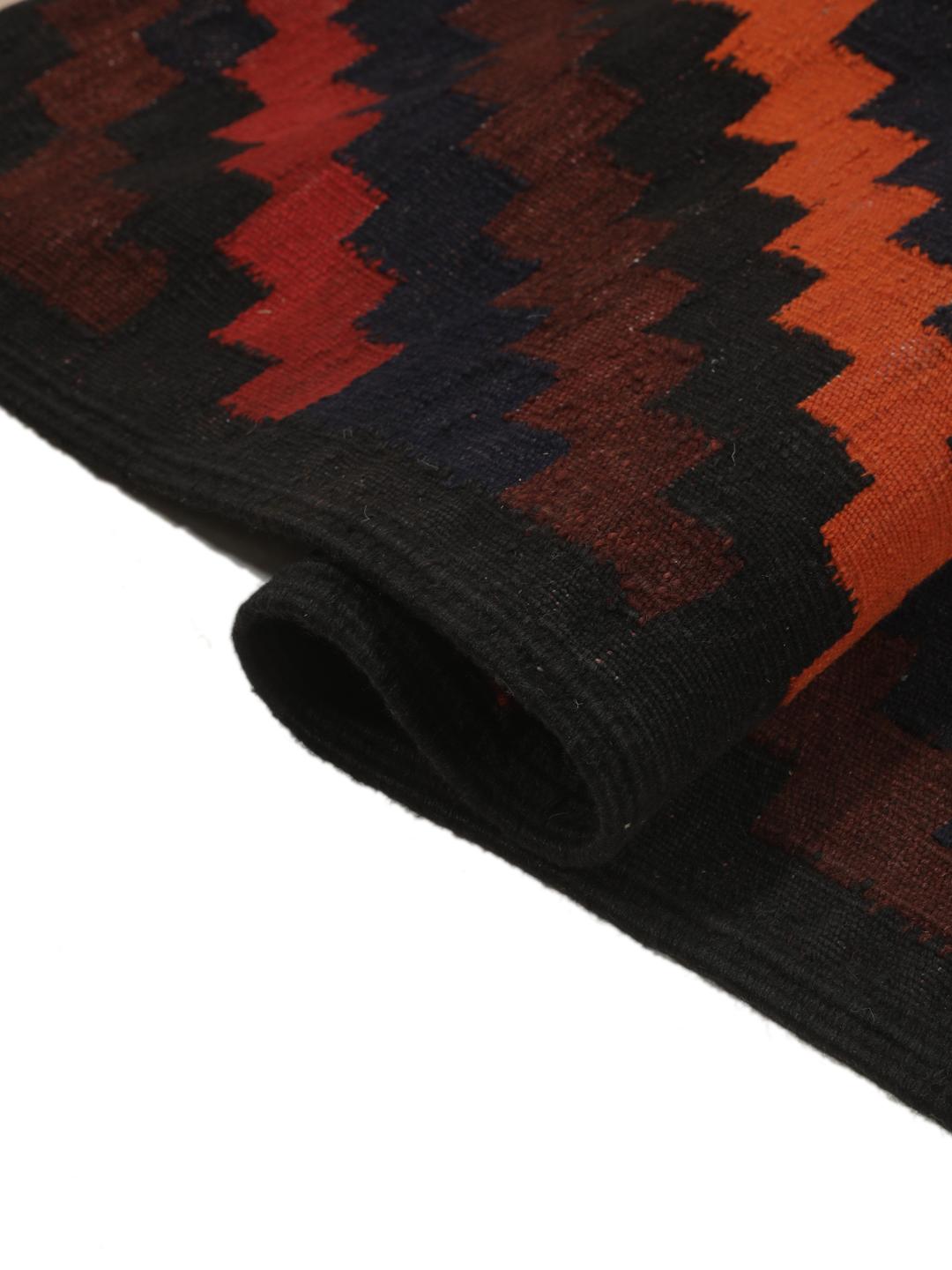
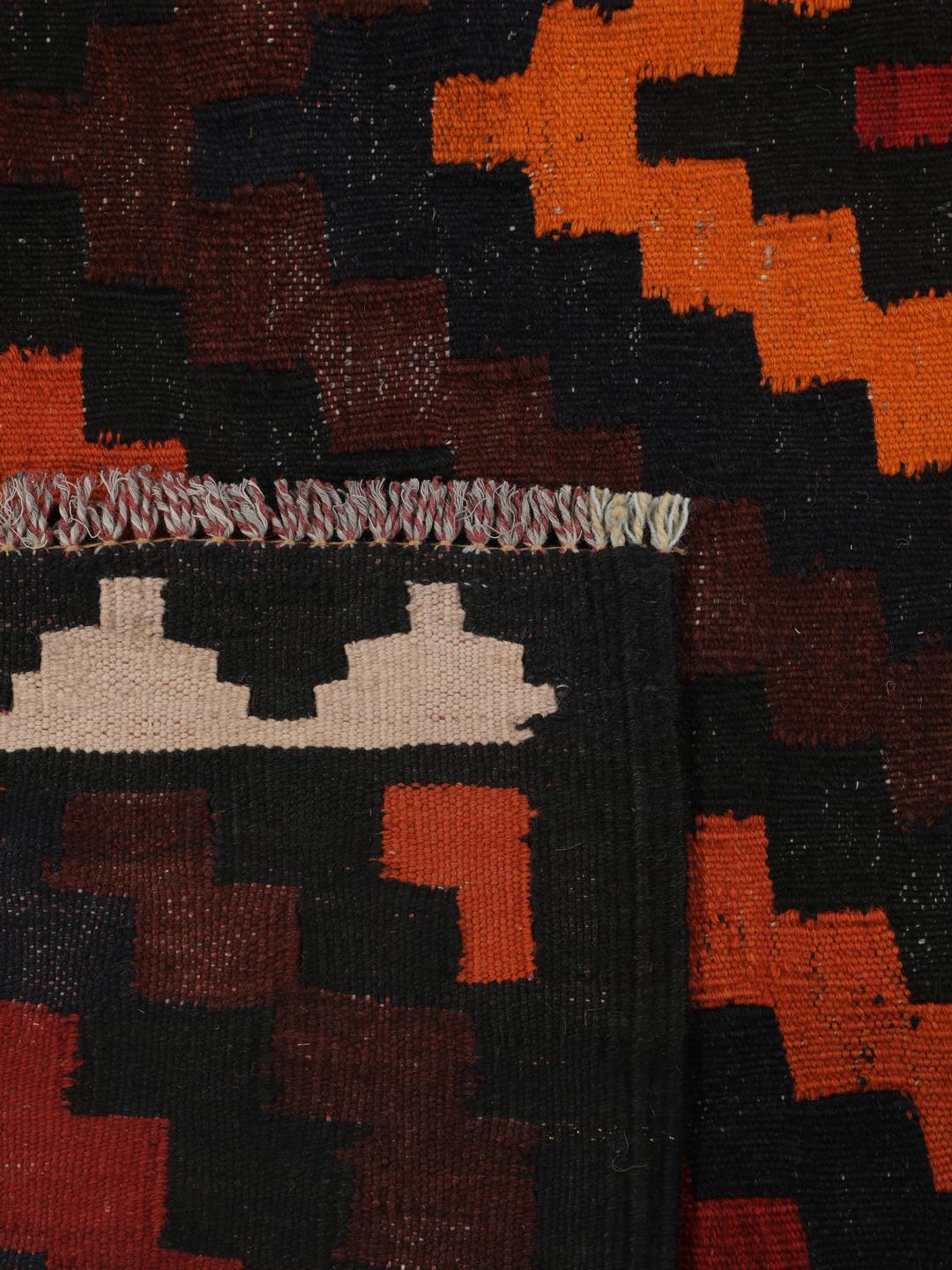
The craft of weaving a Kelim involves a slit-weave technique, where the weft threads are looped back at the edges of each colour block. This method is what gives the geometric patterns their characteristically sharp, clean lines. It is a technical skill that requires immense concentration, as the weaver must maintain consistent tension throughout the entire length of the rug to ensure it lies perfectly flat.
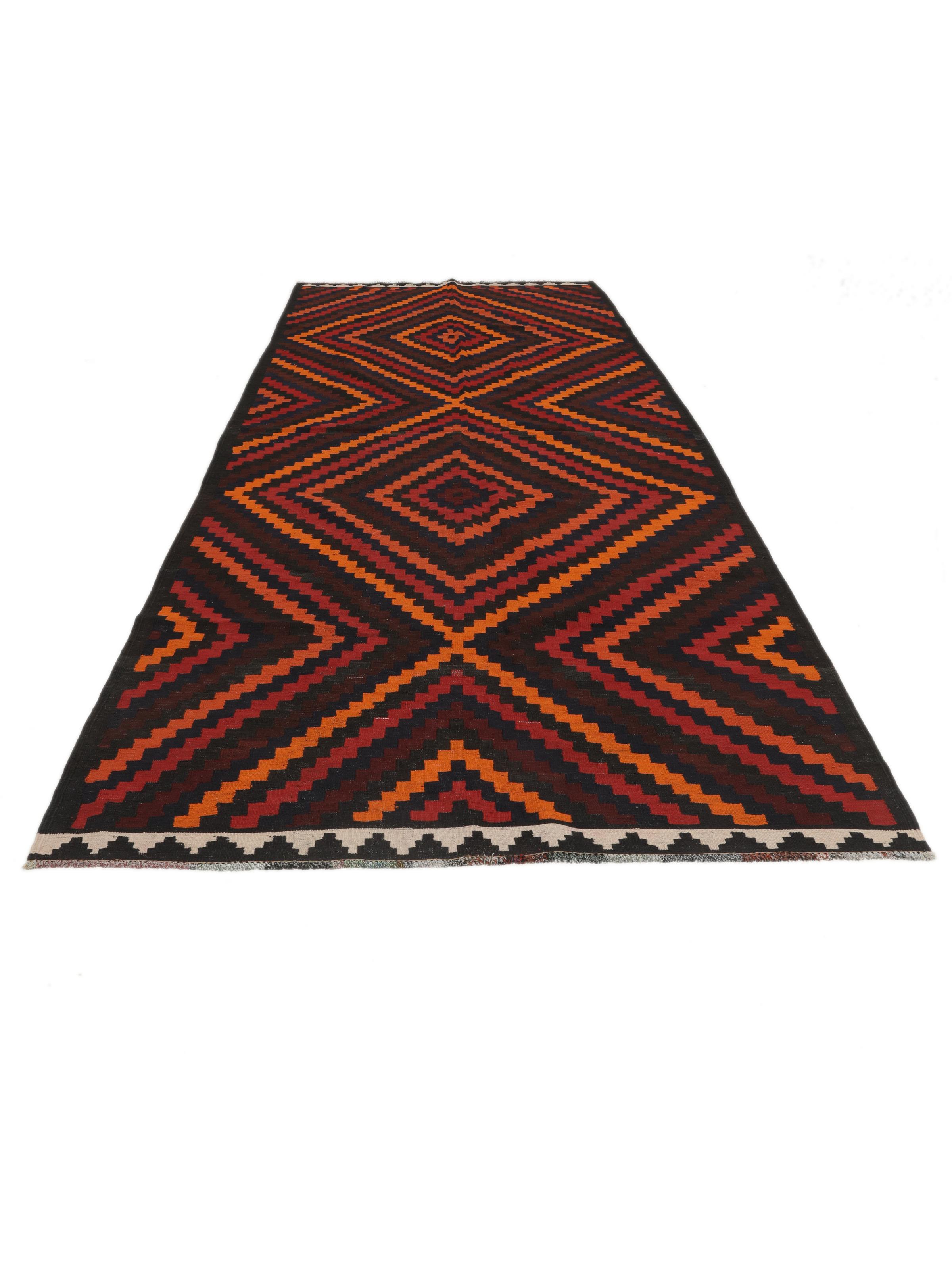
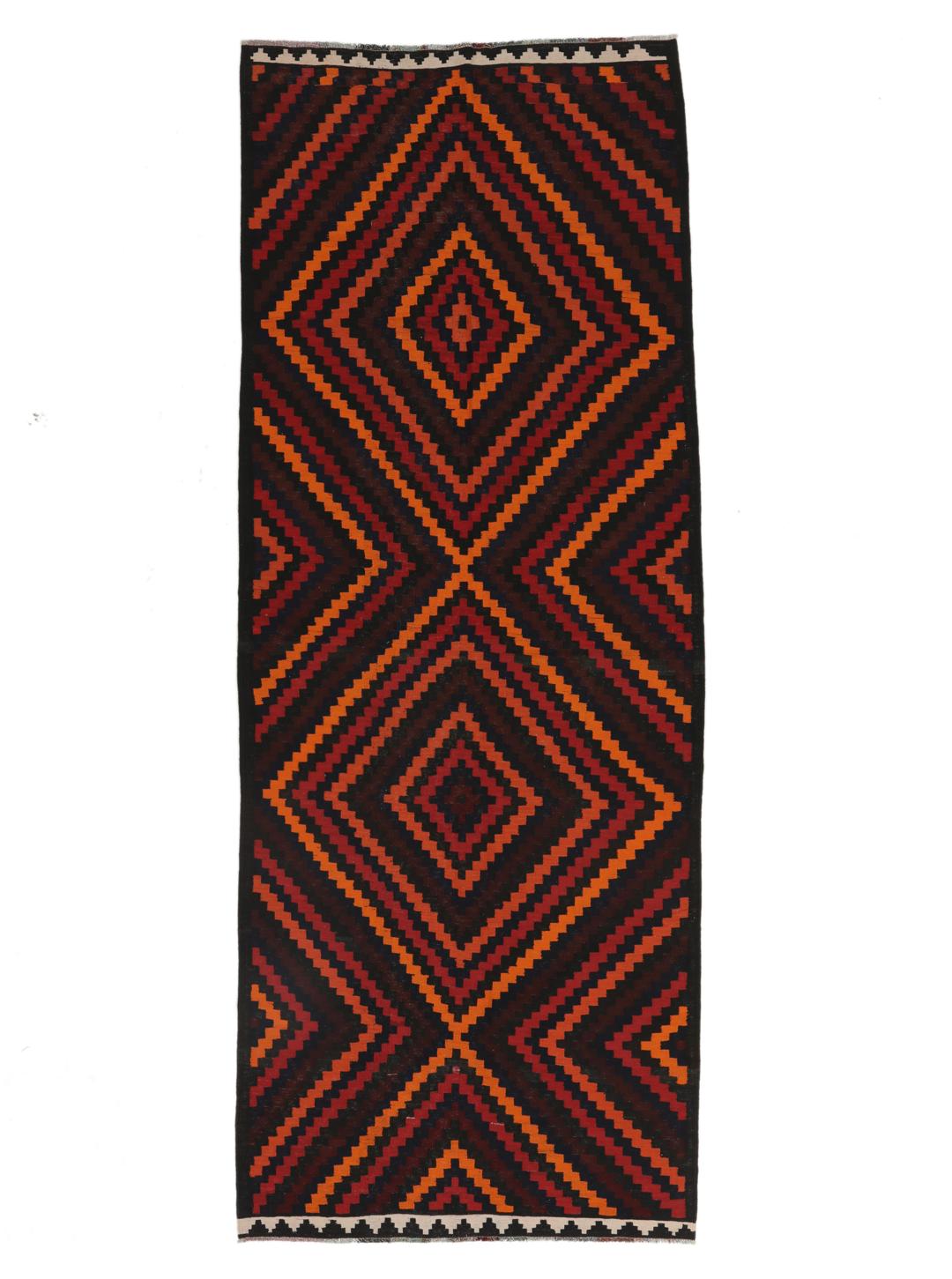
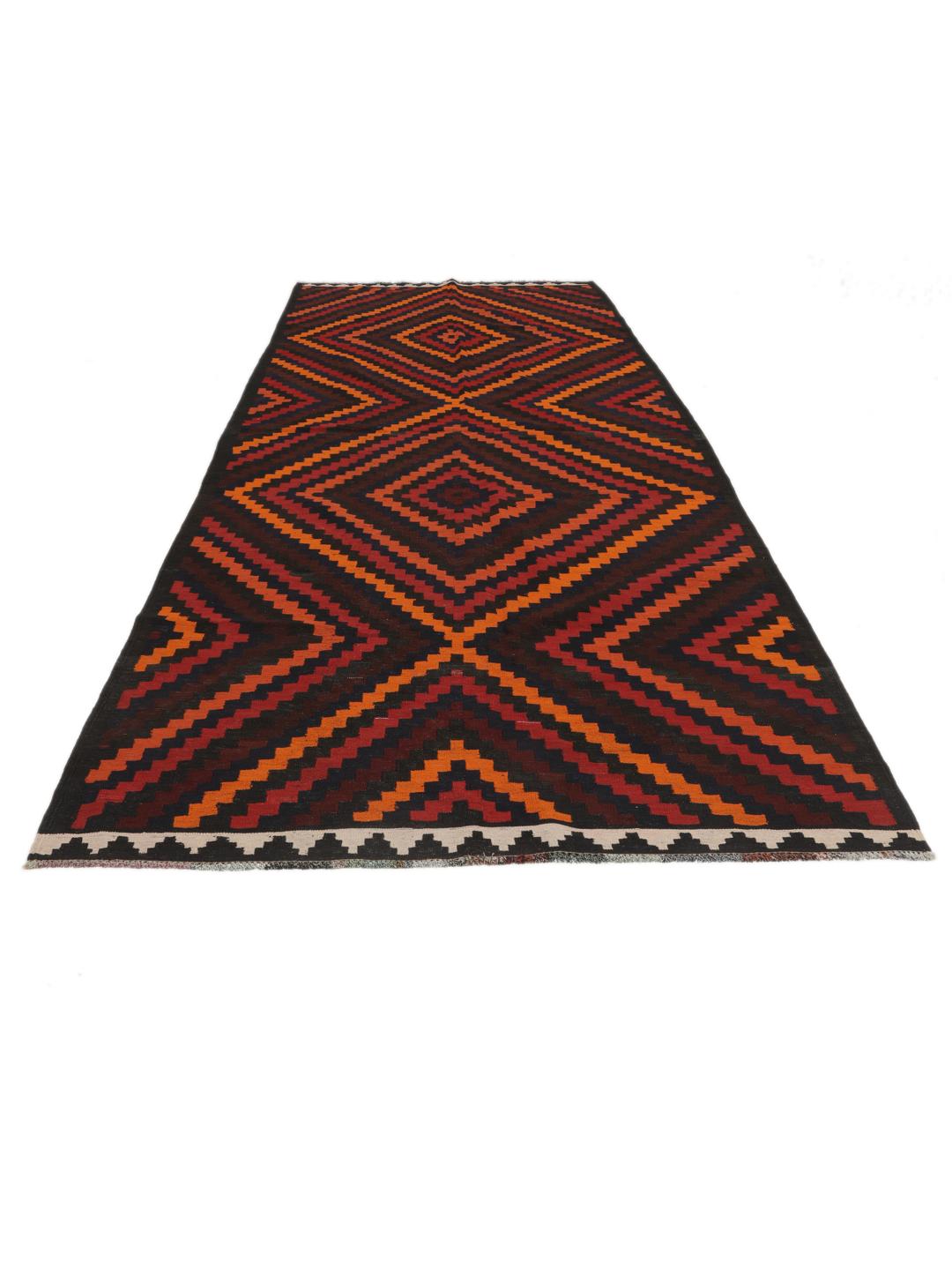
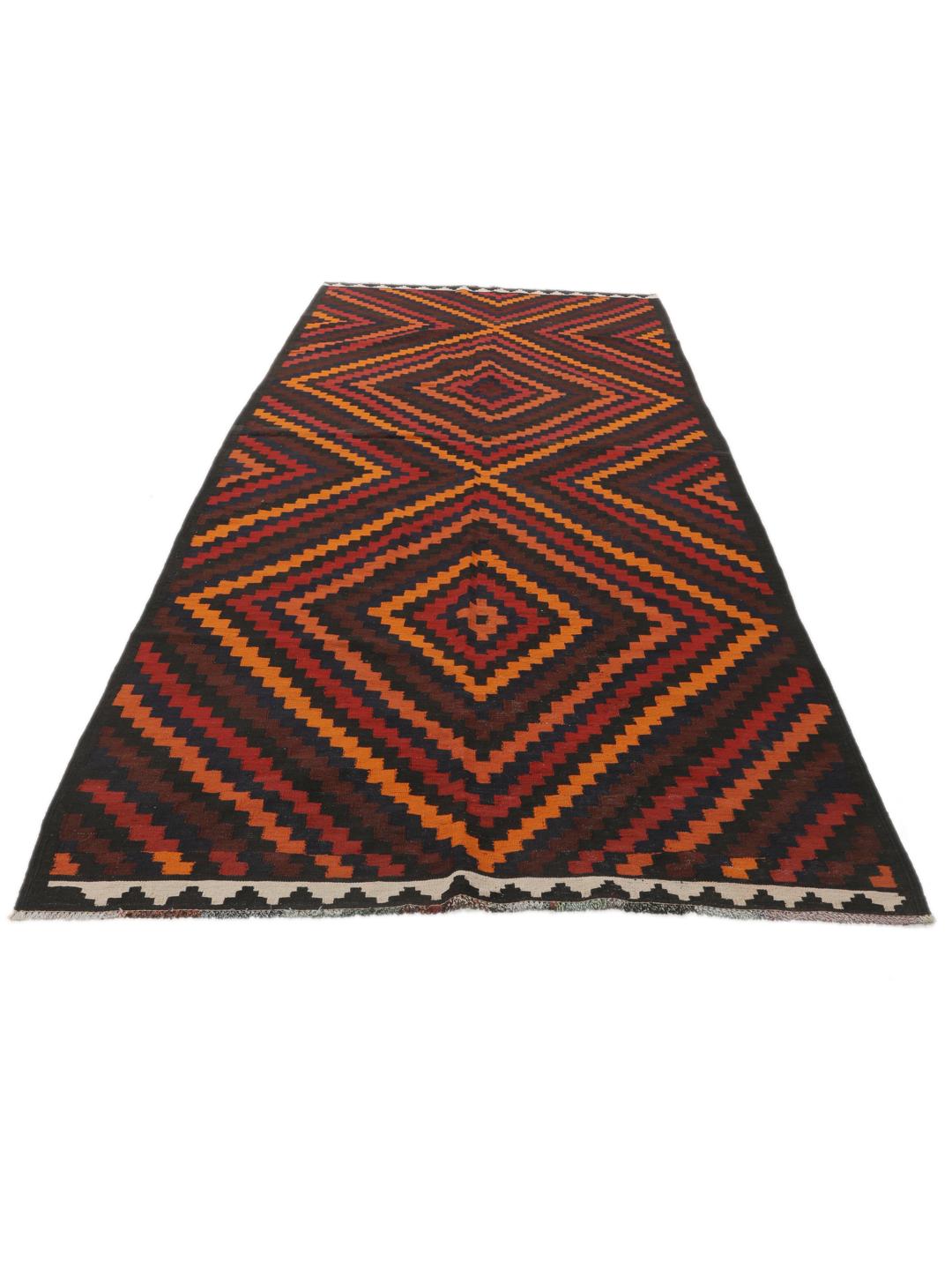
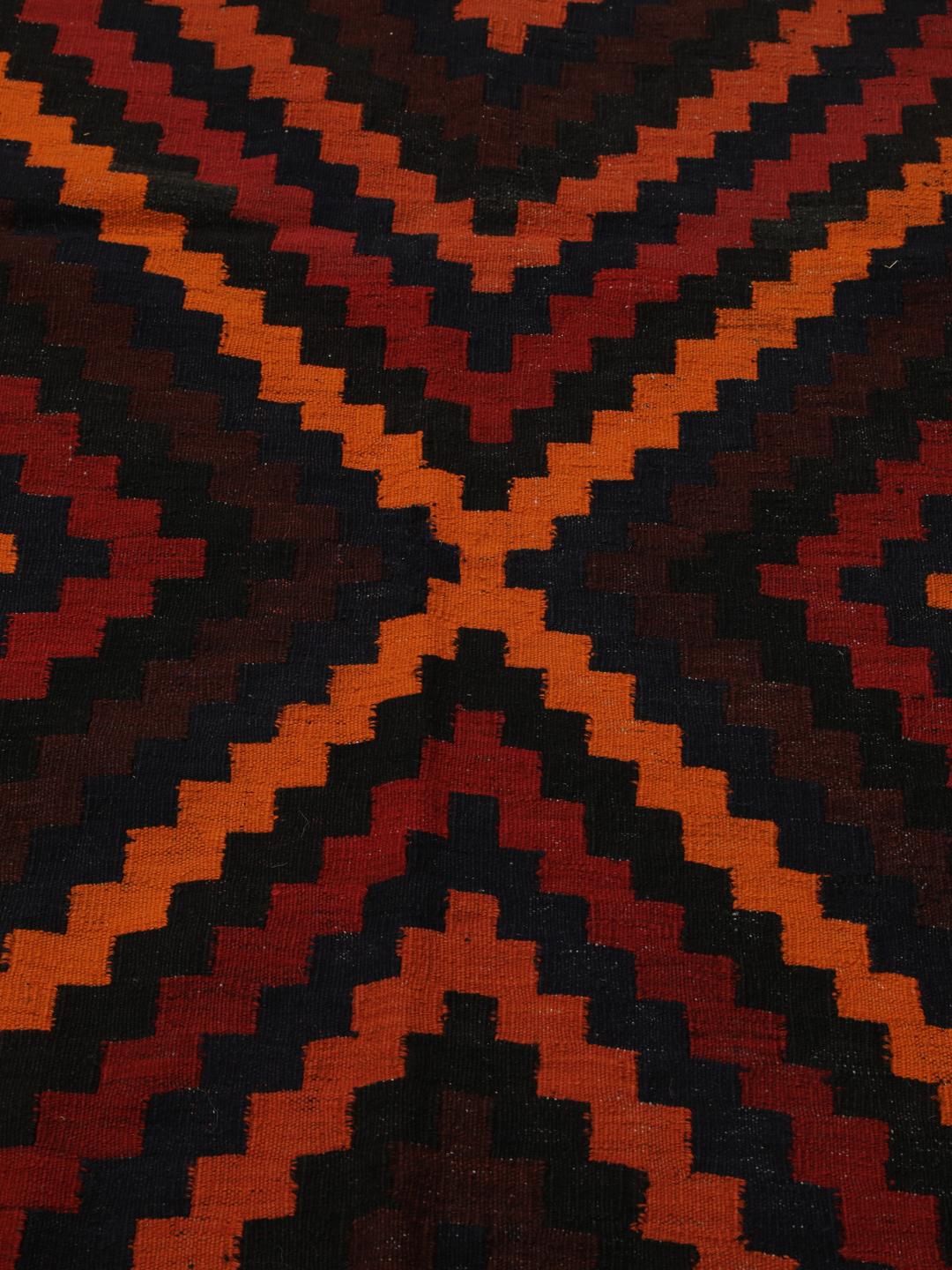
The design of this runner is anchored in the traditional geometric language of Afghanistan. The bold, nested diamond motifs are common in regional weaving, often representing protection or fertility within the weaver's cultural context. These patterns are not merely decorative but are a visual shorthand for the heritage of the artisan and the specific region where the rug was created.
Collecting vintage Kelims has become a way to preserve a disappearing way of life. Each rug acts as a historical document, capturing the specific dyes, wool quality, and design sensibilities of its era. Owning this piece is an opportunity to house a tangible connection to the history of nomadic craftsmanship, ensuring these traditional skills continue to be appreciated and honoured in modern homes.