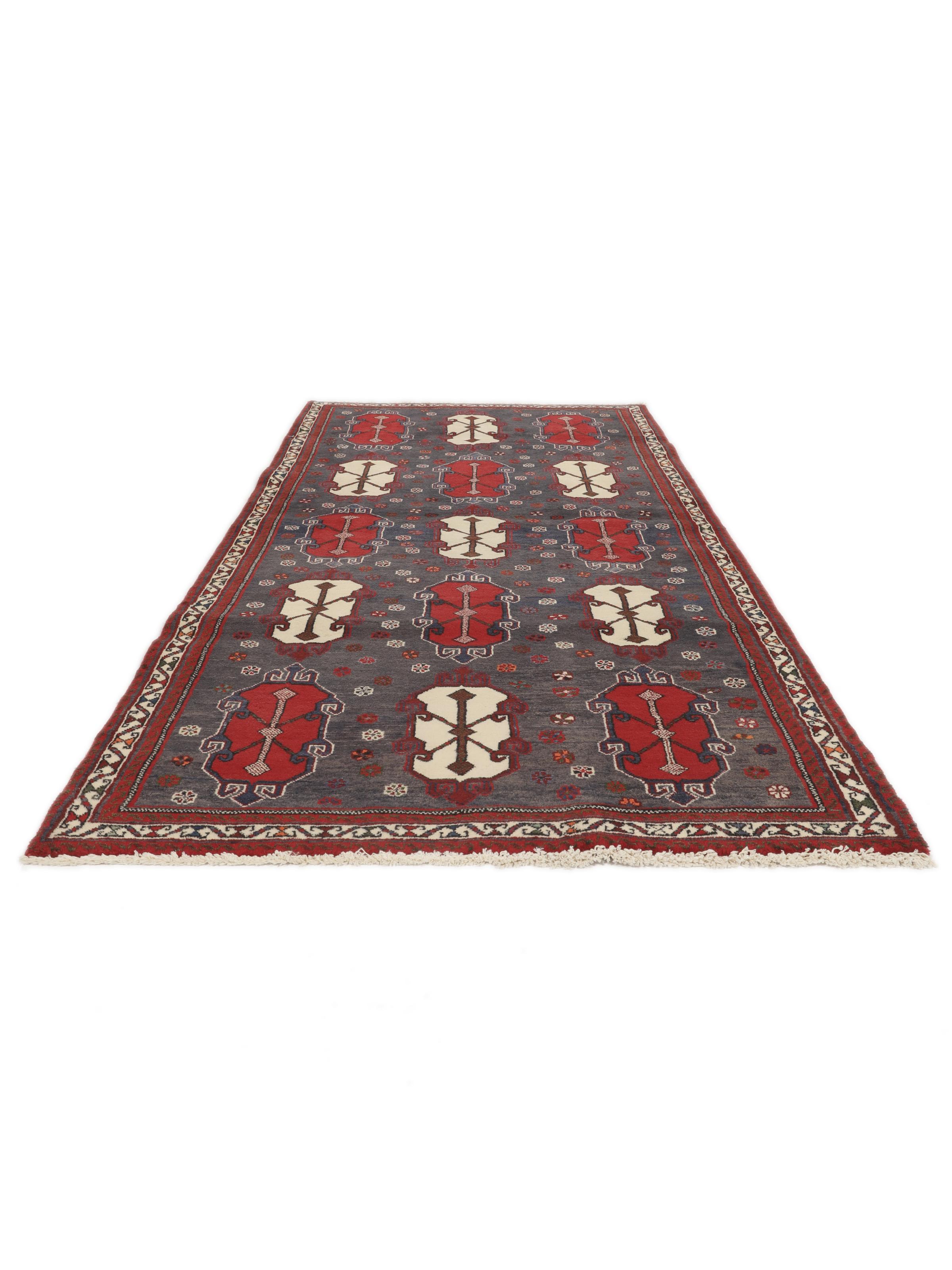
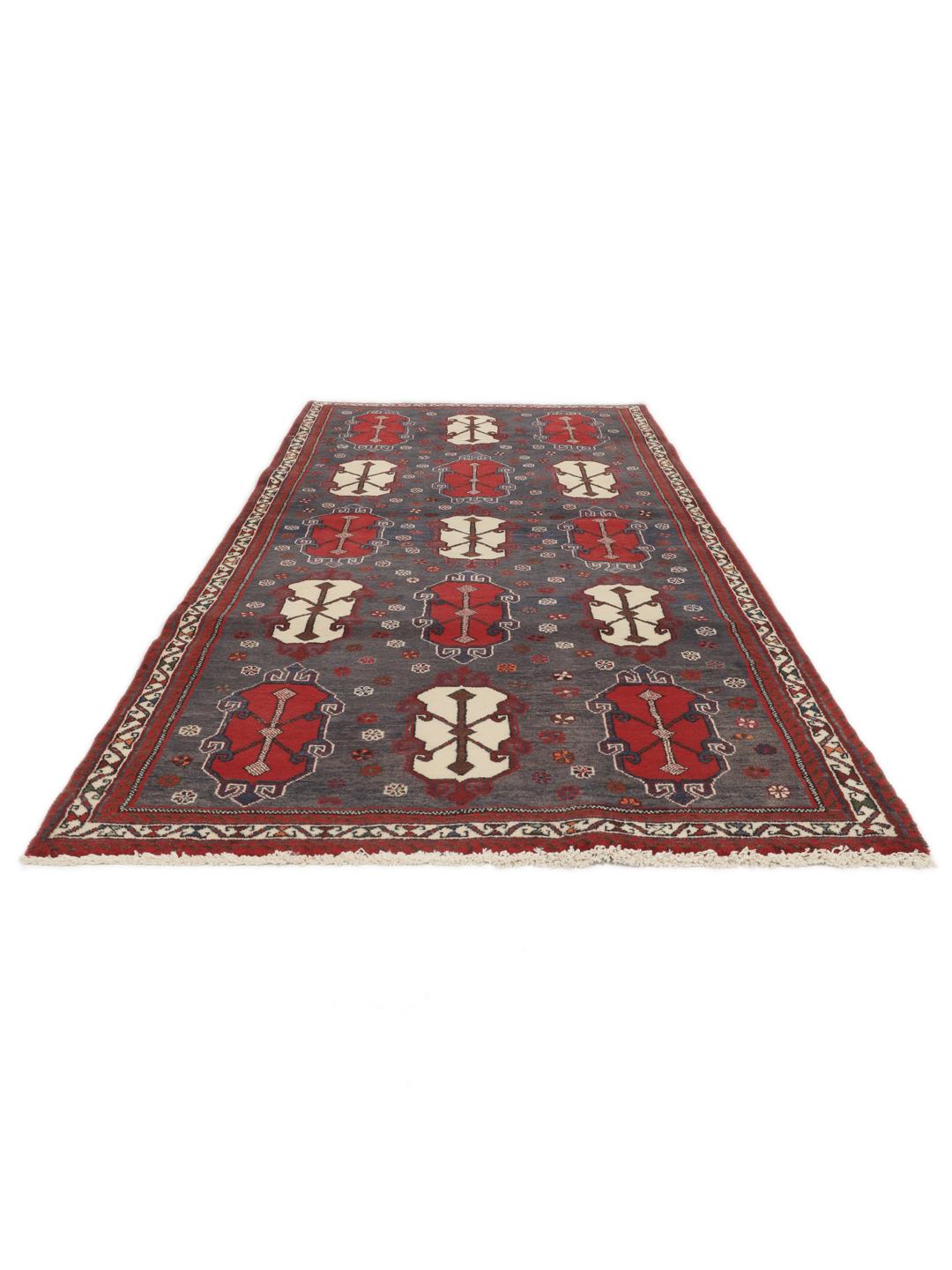
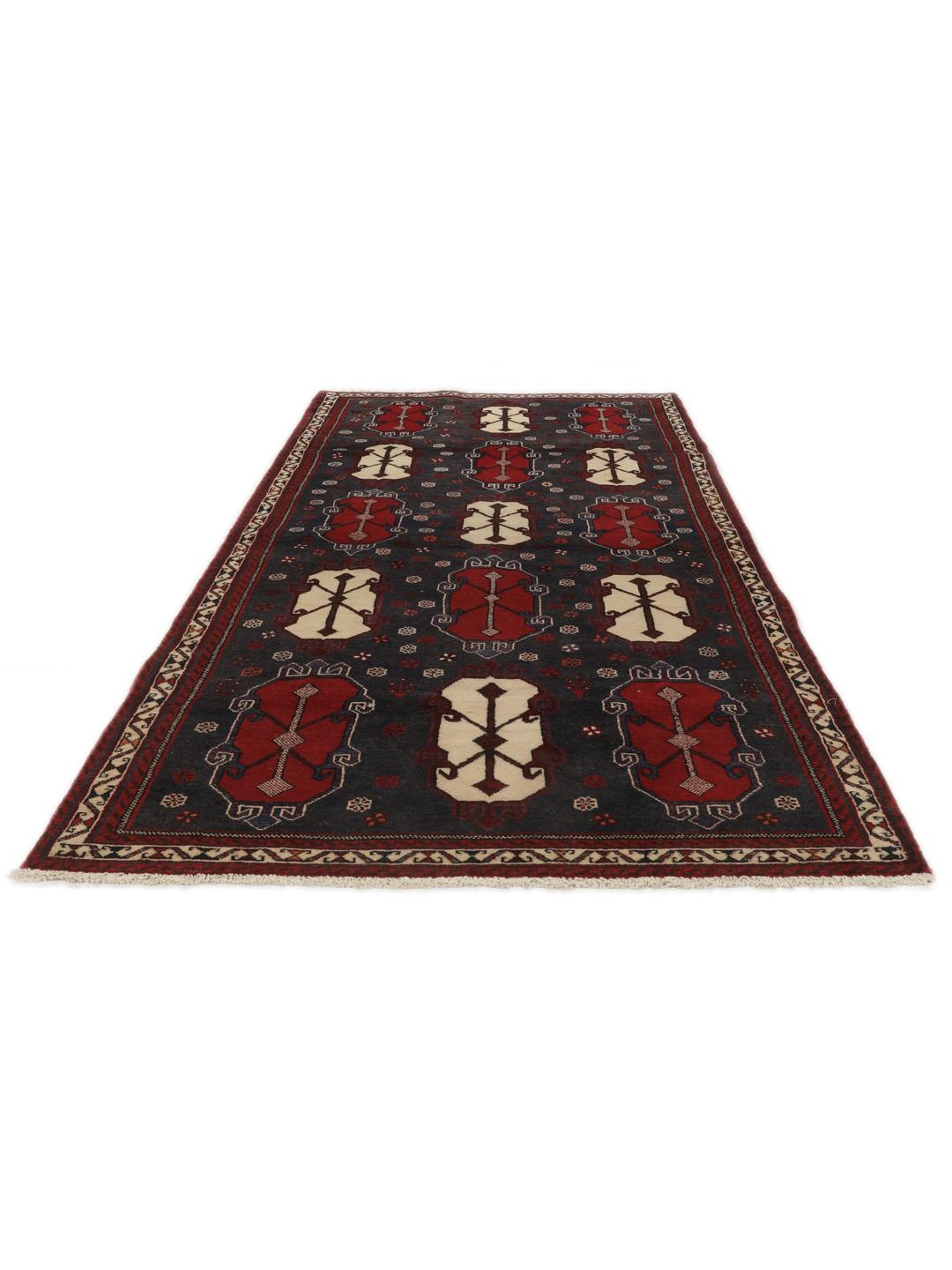
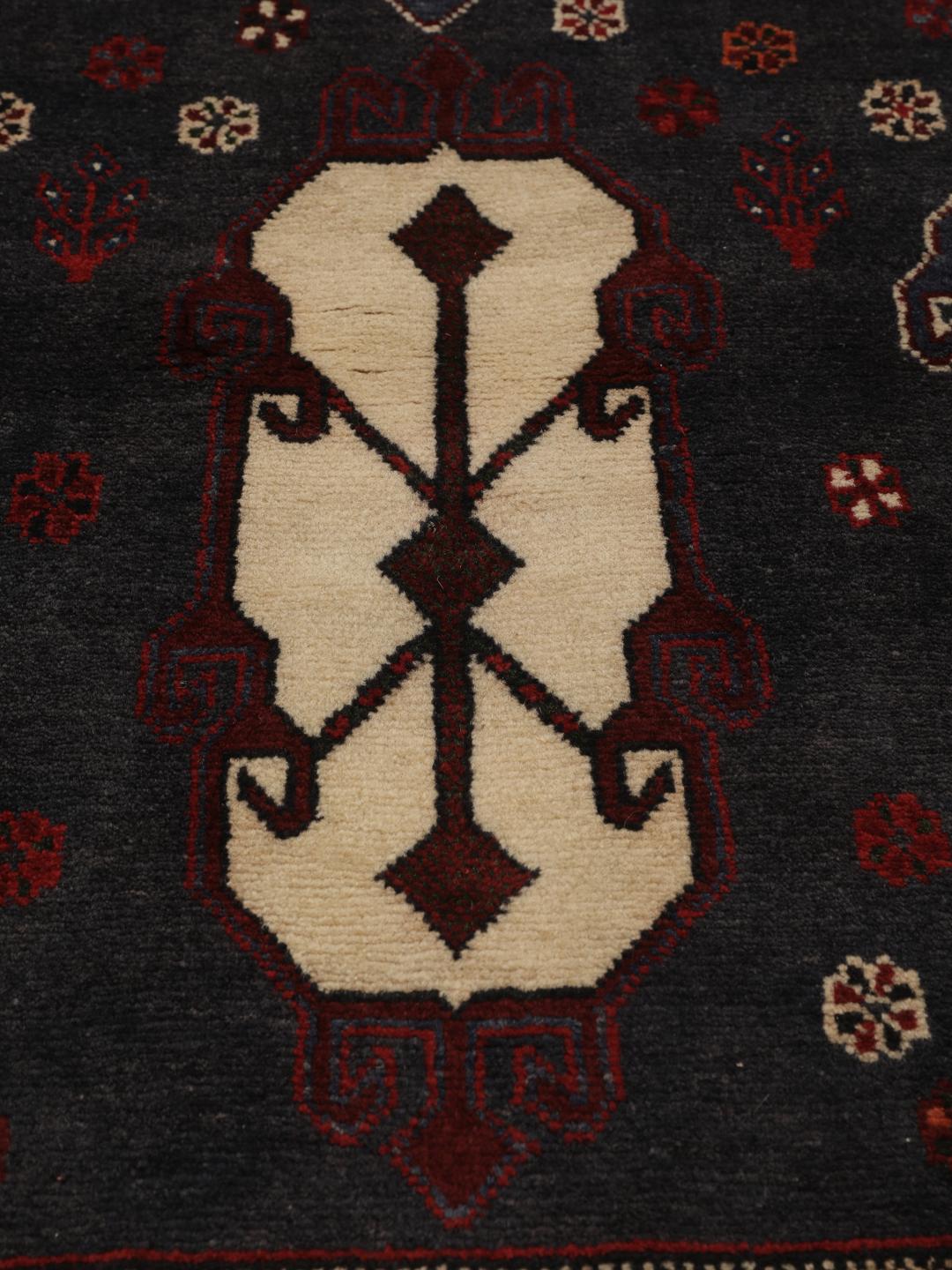
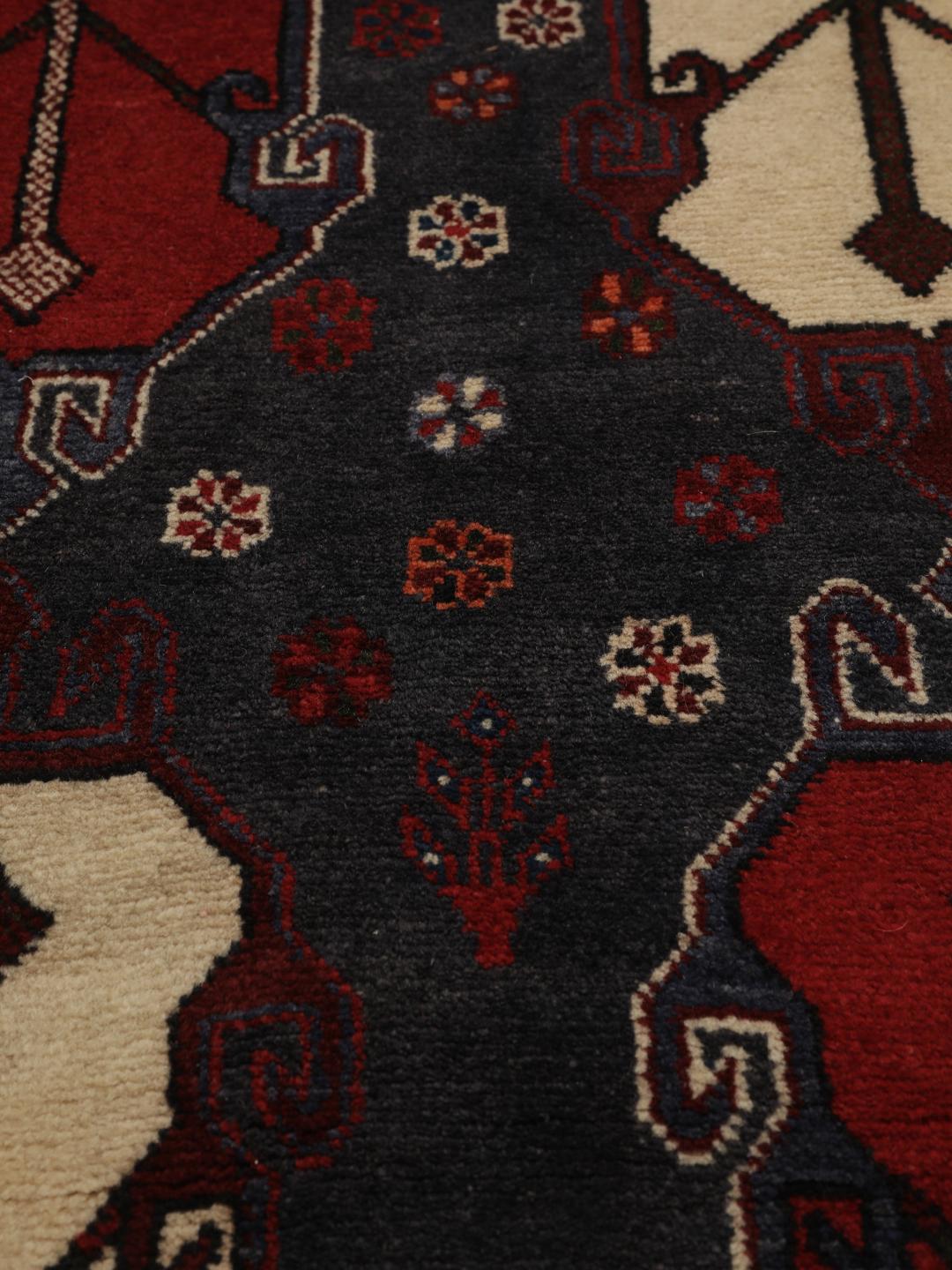
The Afshar rugs originate from the nomadic and semi-nomadic tribes of the Middle East, particularly those living in the southern regions. These tribes have a long-standing tradition of weaving that is deeply connected to their lifestyle, environment, and cultural identity. Over centuries, these weaving practices have been passed down through generations, evolving from purely functional items for tent life into highly sought-after decorative pieces that carry the spirit of their makers.
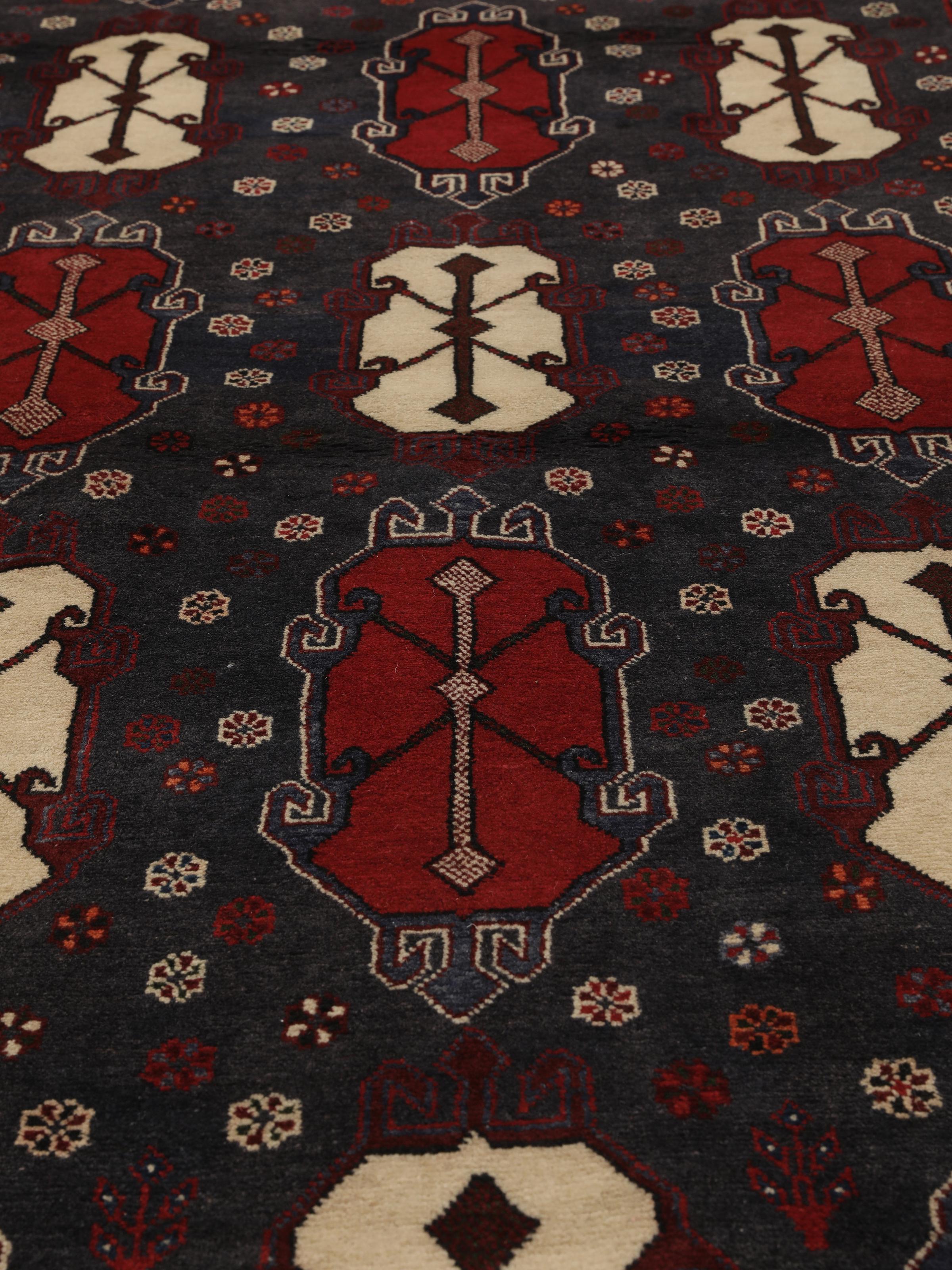
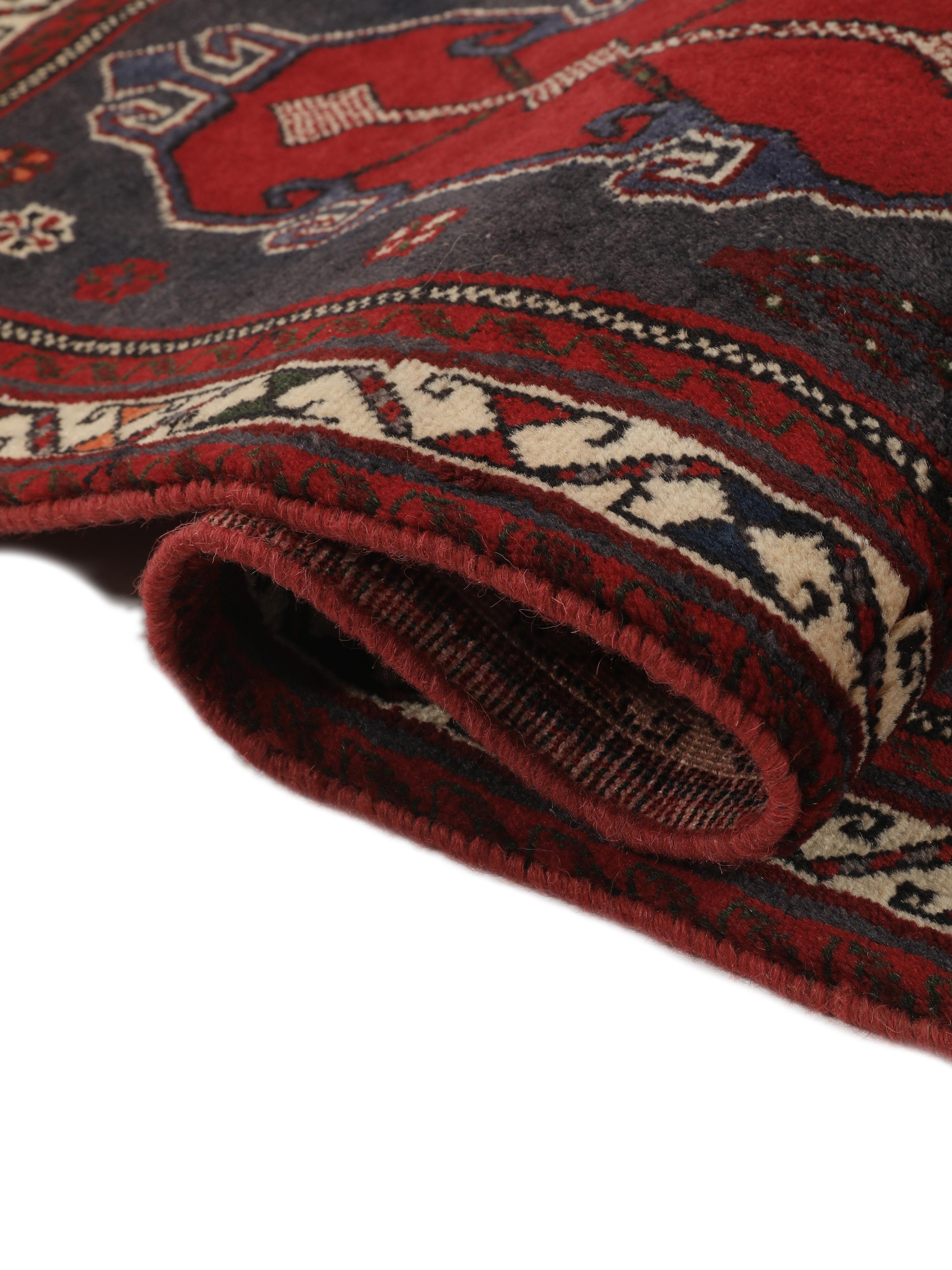
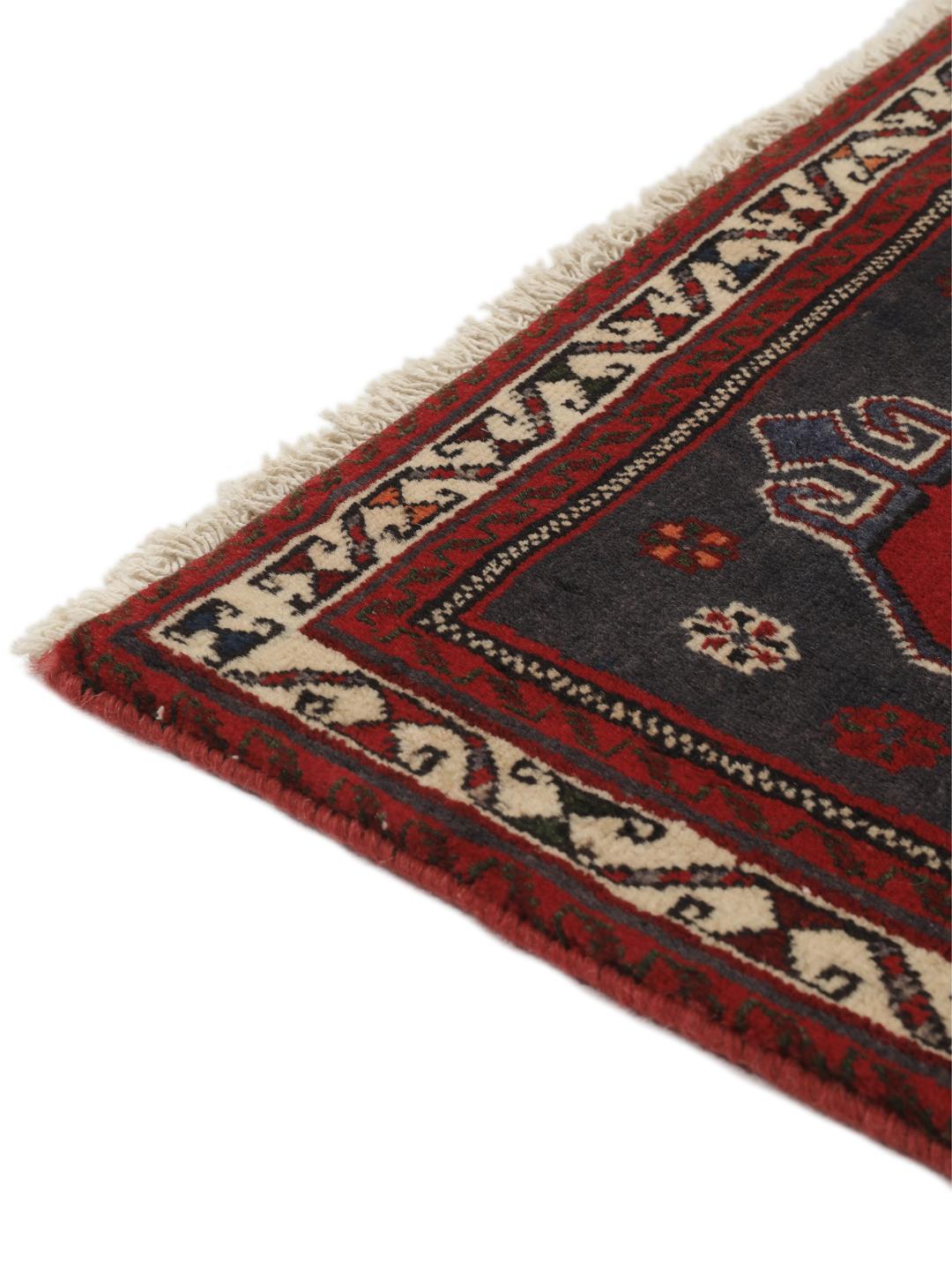
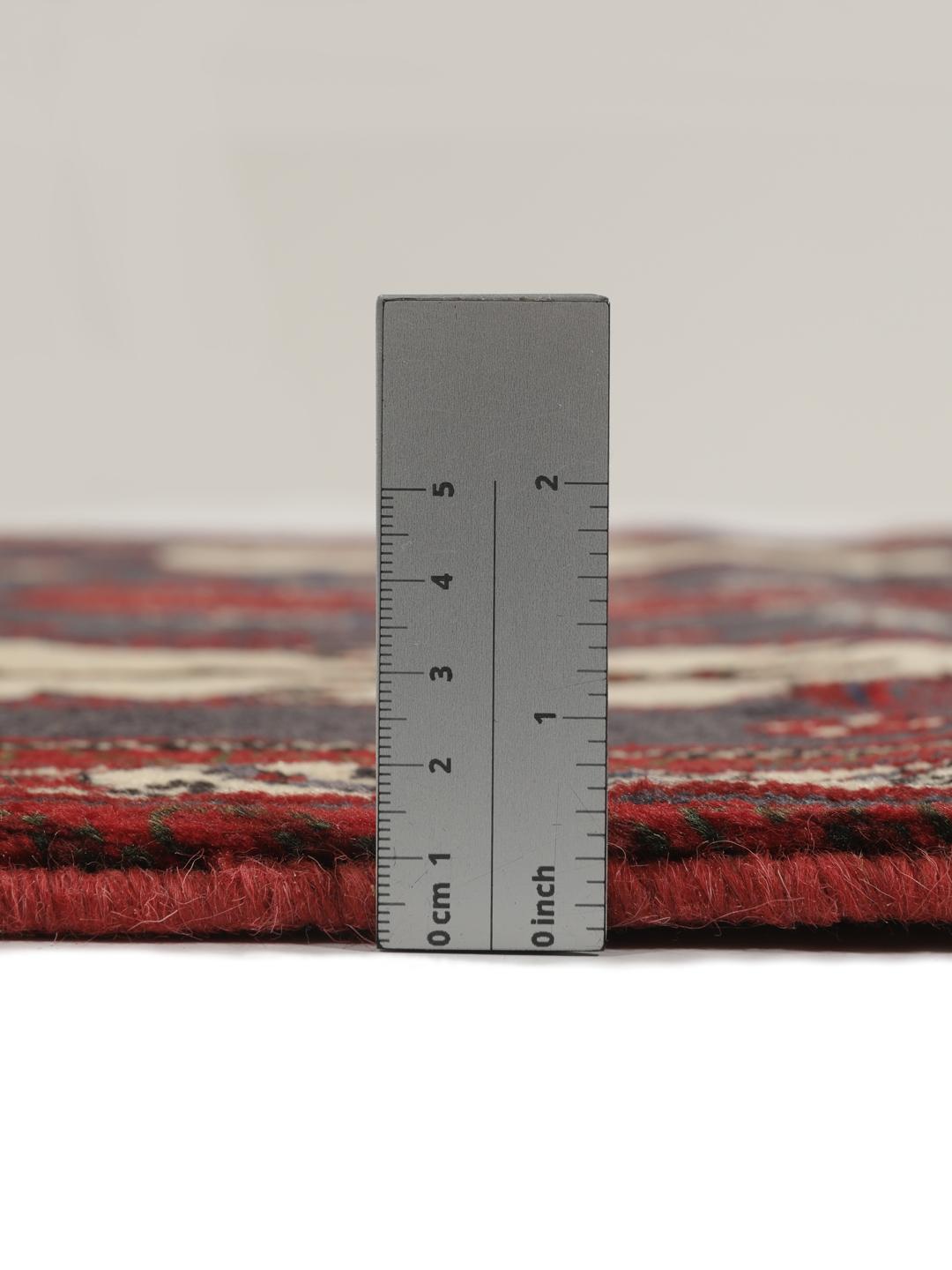
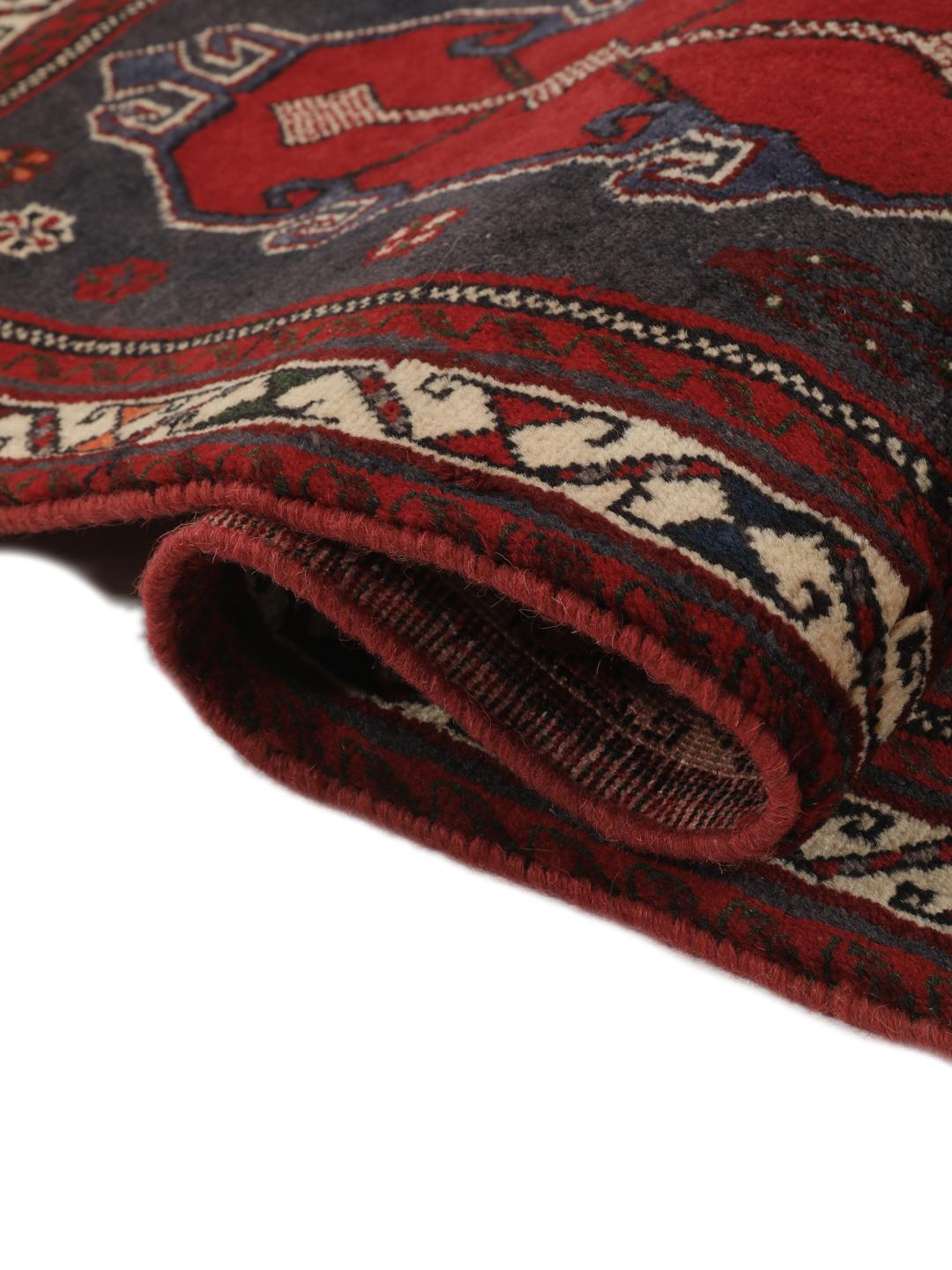
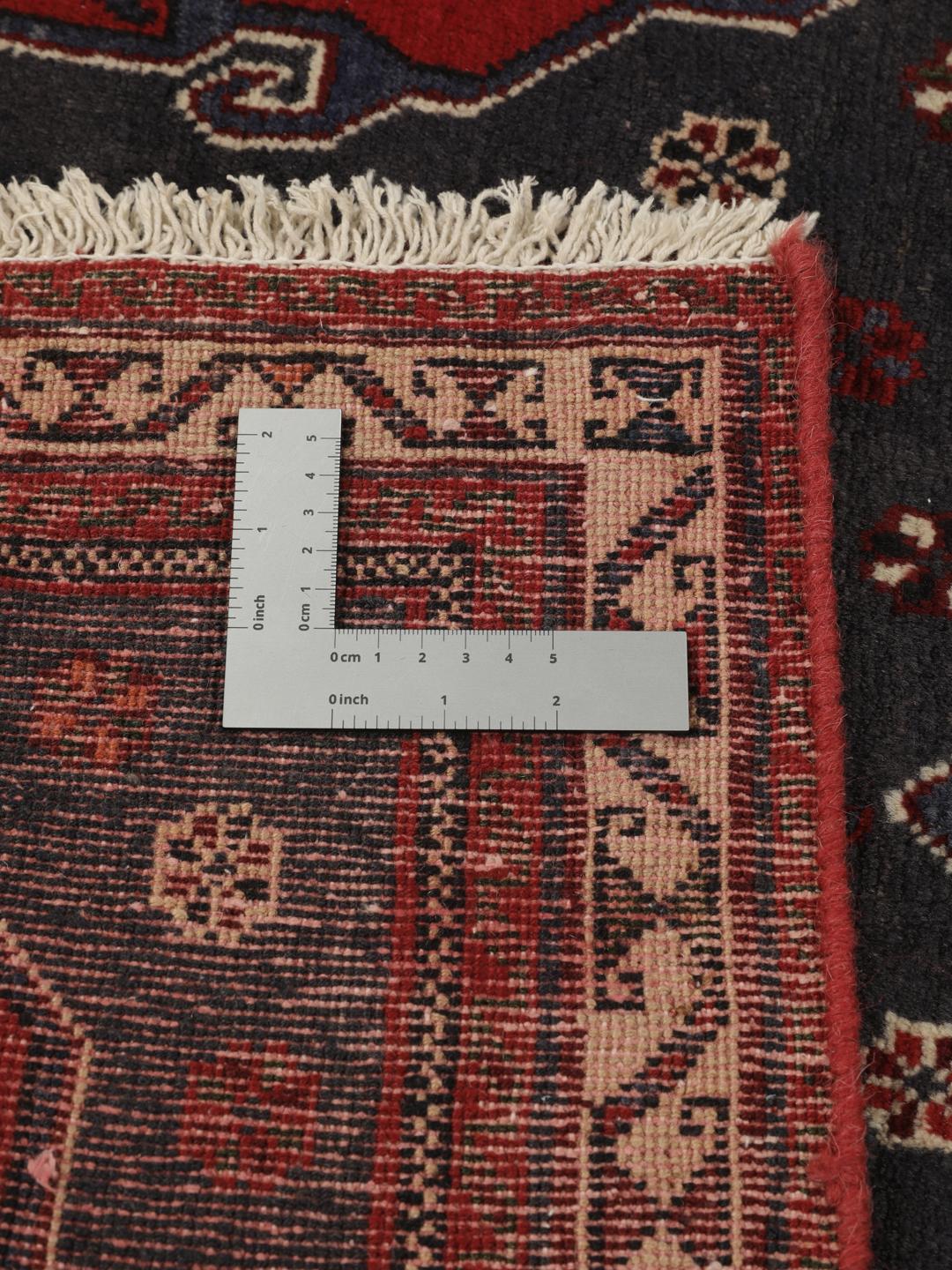
Technically, the quality of these rugs is defined by their construction, which prioritises both beauty and longevity. The term Afshar refers not just to the tribal origin but to a specific style of knotting and design that has become synonymous with durability. By using robust materials and a dense knot structure, these weavers ensure that the rugs can withstand the rigours of nomadic life, a quality that makes them exceptionally well-suited for modern homes today.
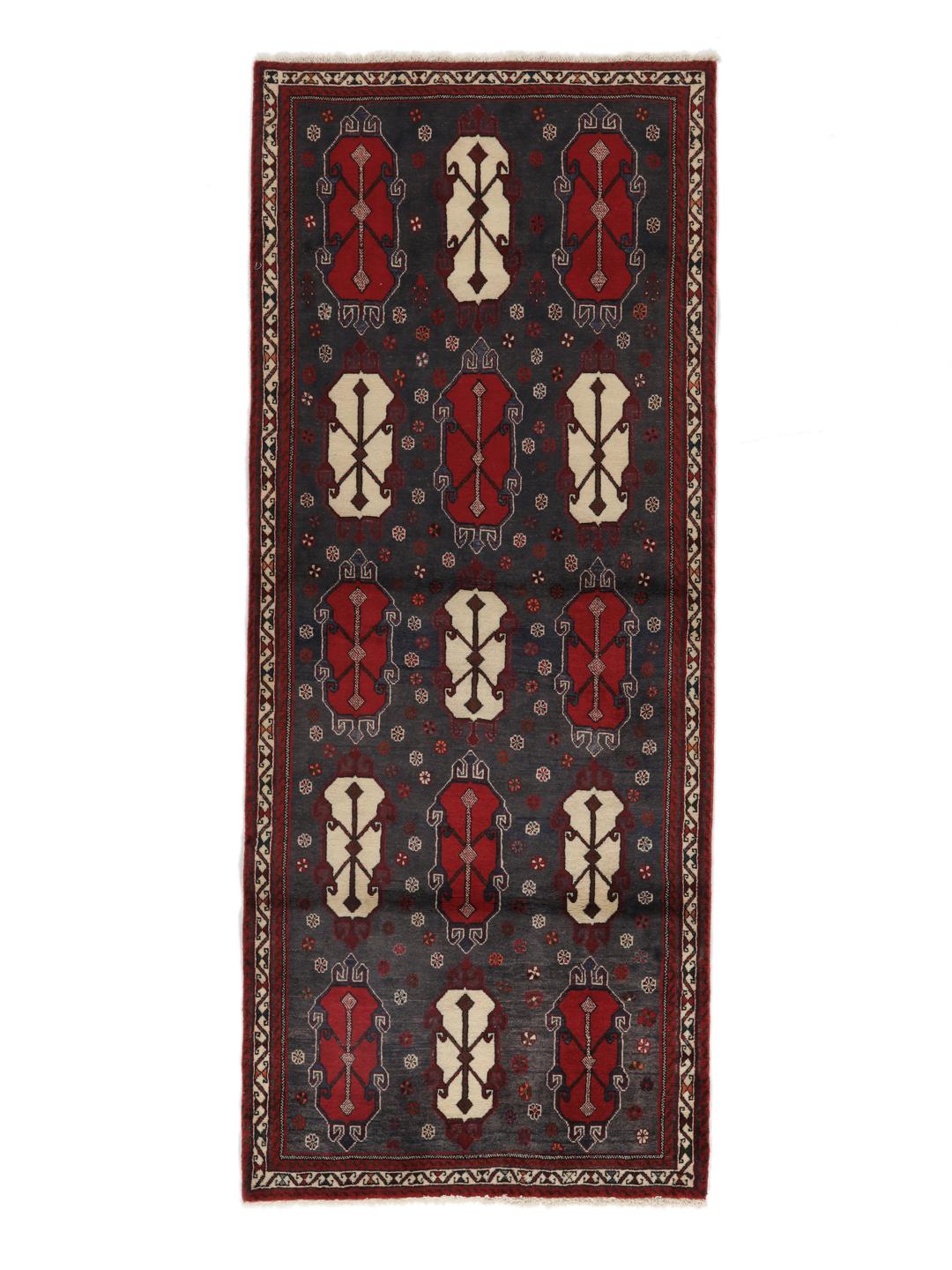
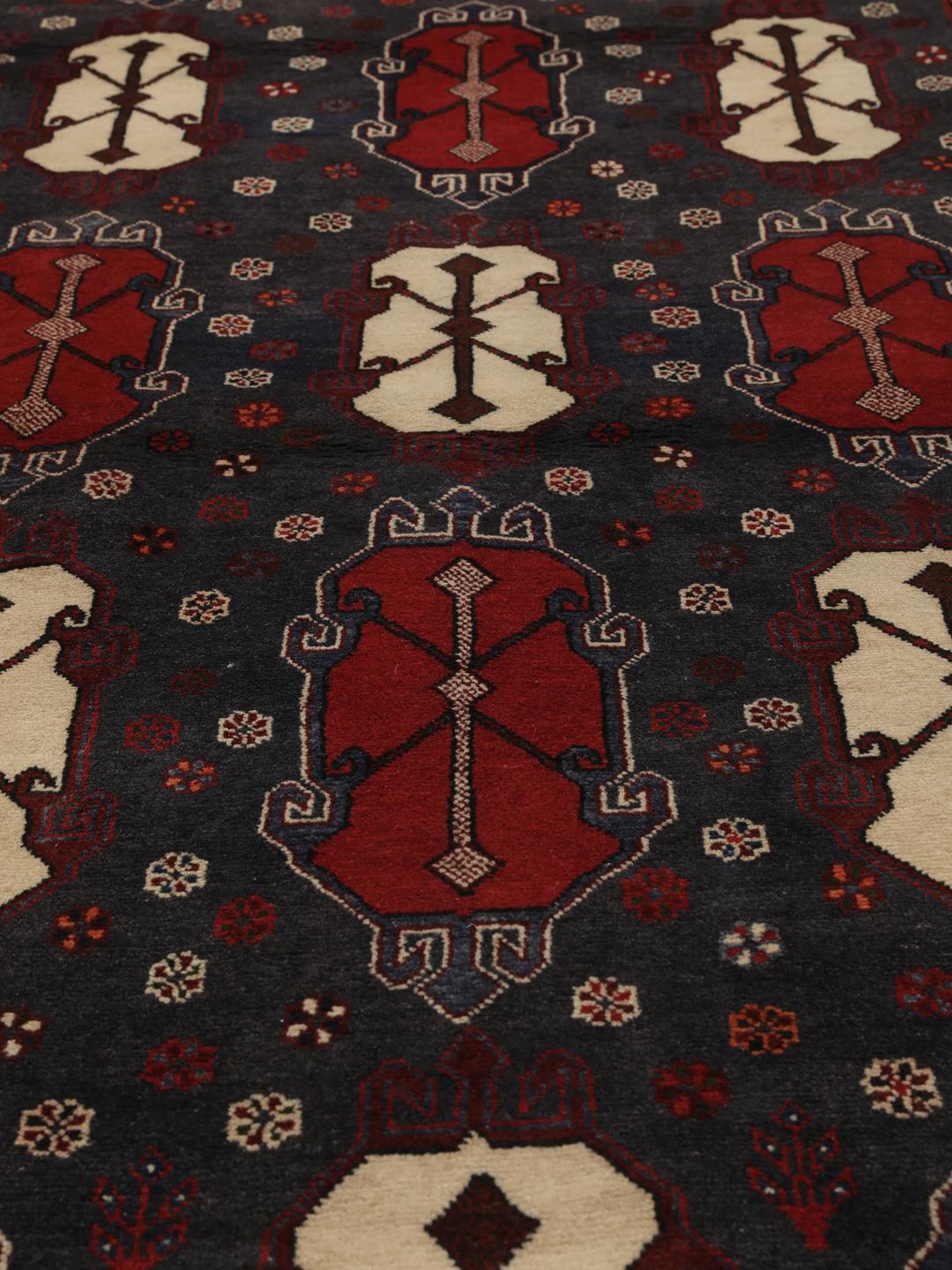
Visually, these rugs are celebrated for their bold, geometric language. They often feature stylized medallion motifs, latch-hook designs, and intricate borders that are heavily influenced by the tribal aesthetic. The colour palettes are typically warm and earthy, often utilising deep reds and rich blues, though the charcoal grey background of this piece offers a more dramatic and sophisticated departure from traditional norms, showcasing the weaver's artistic freedom.
Collecting a piece from this tradition is an investment in cultural heritage and human skill. Each rug represents a unique chapter in the story of the tribe, capturing the aesthetic values and technical prowess of its creator. Owning an authentic, one-of-a-kind example is a testament to the enduring appeal of traditional craft, offering a sense of connection to a rich history that remains vibrant and relevant in contemporary interior design.