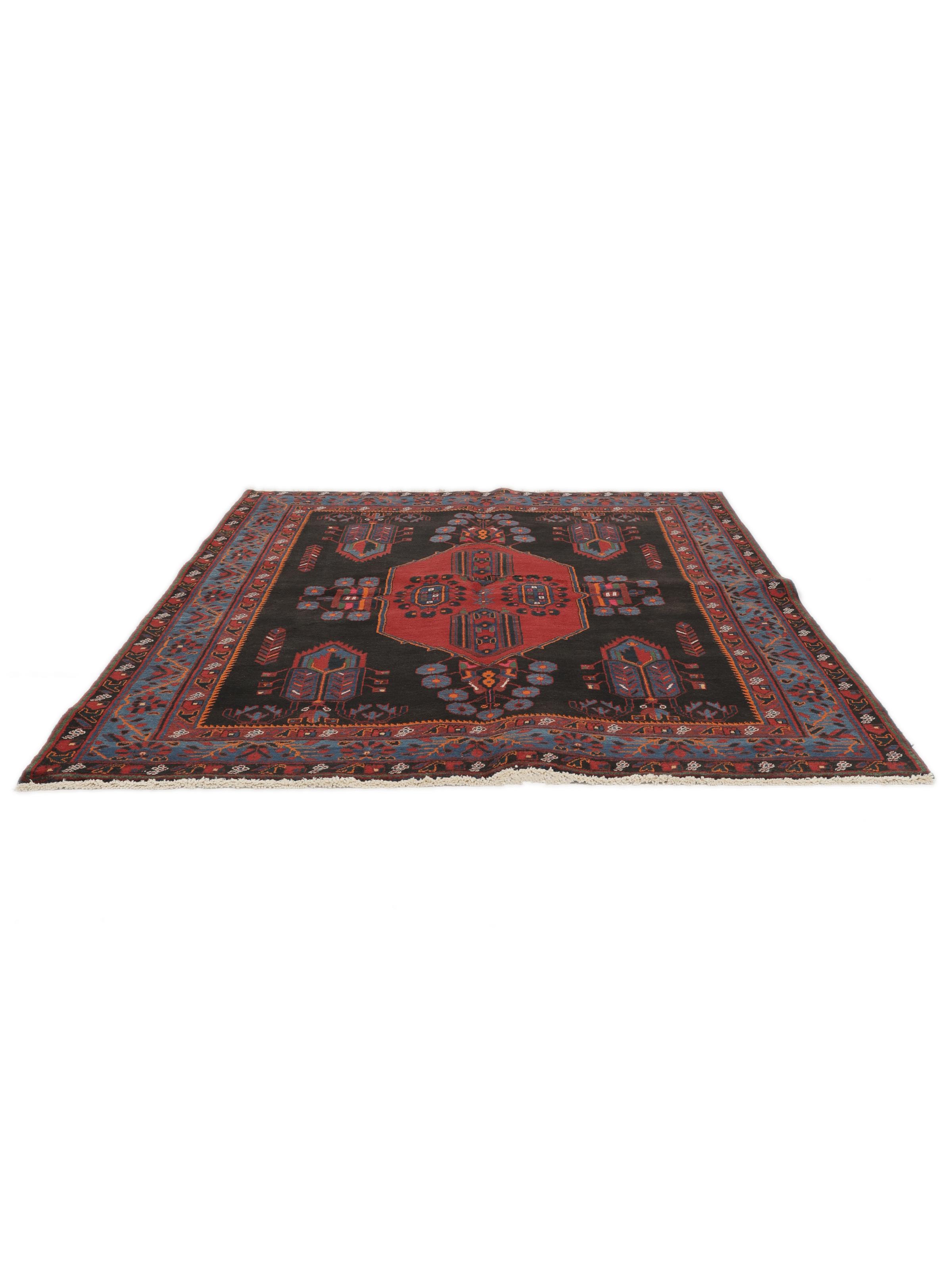
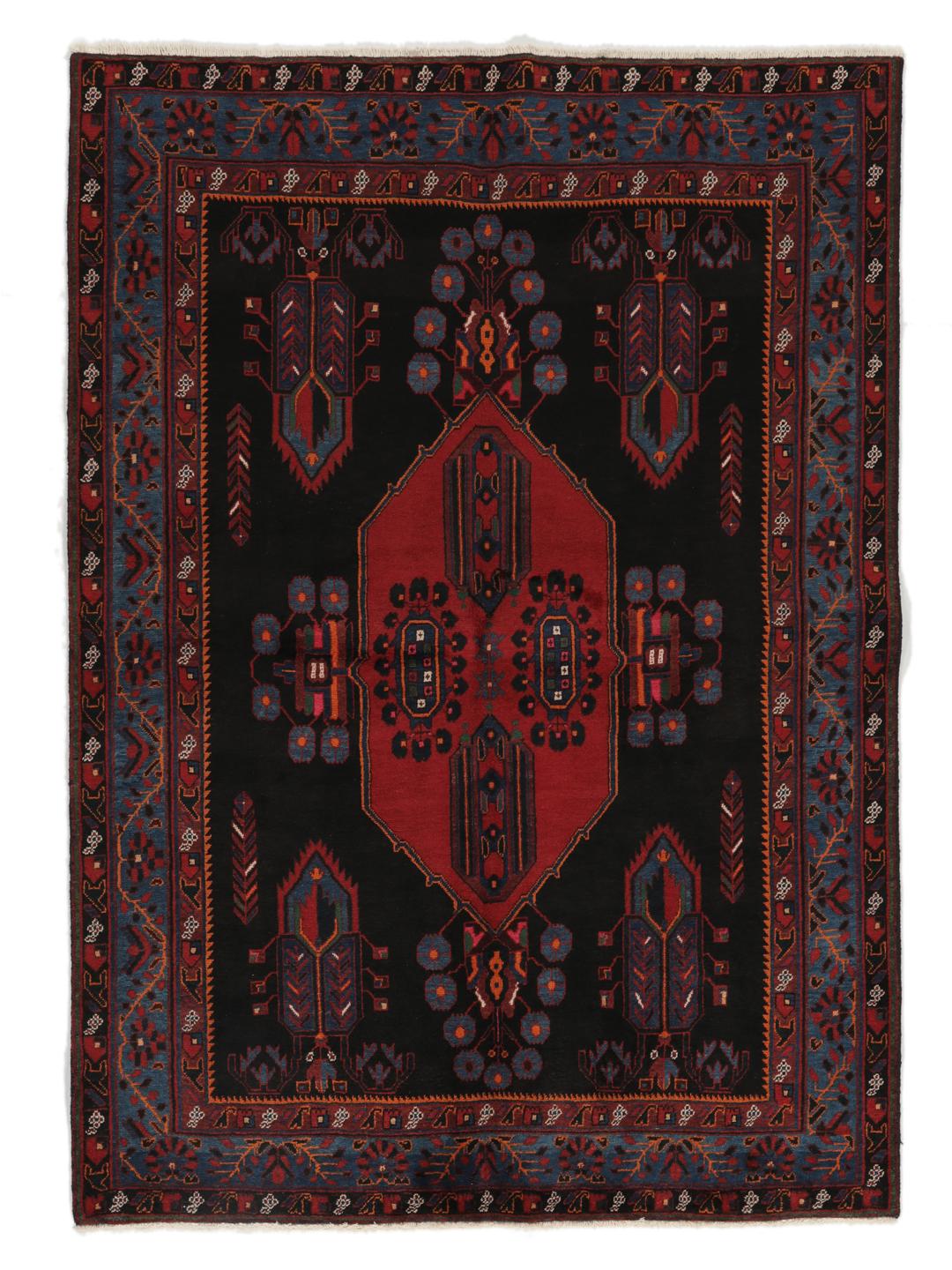
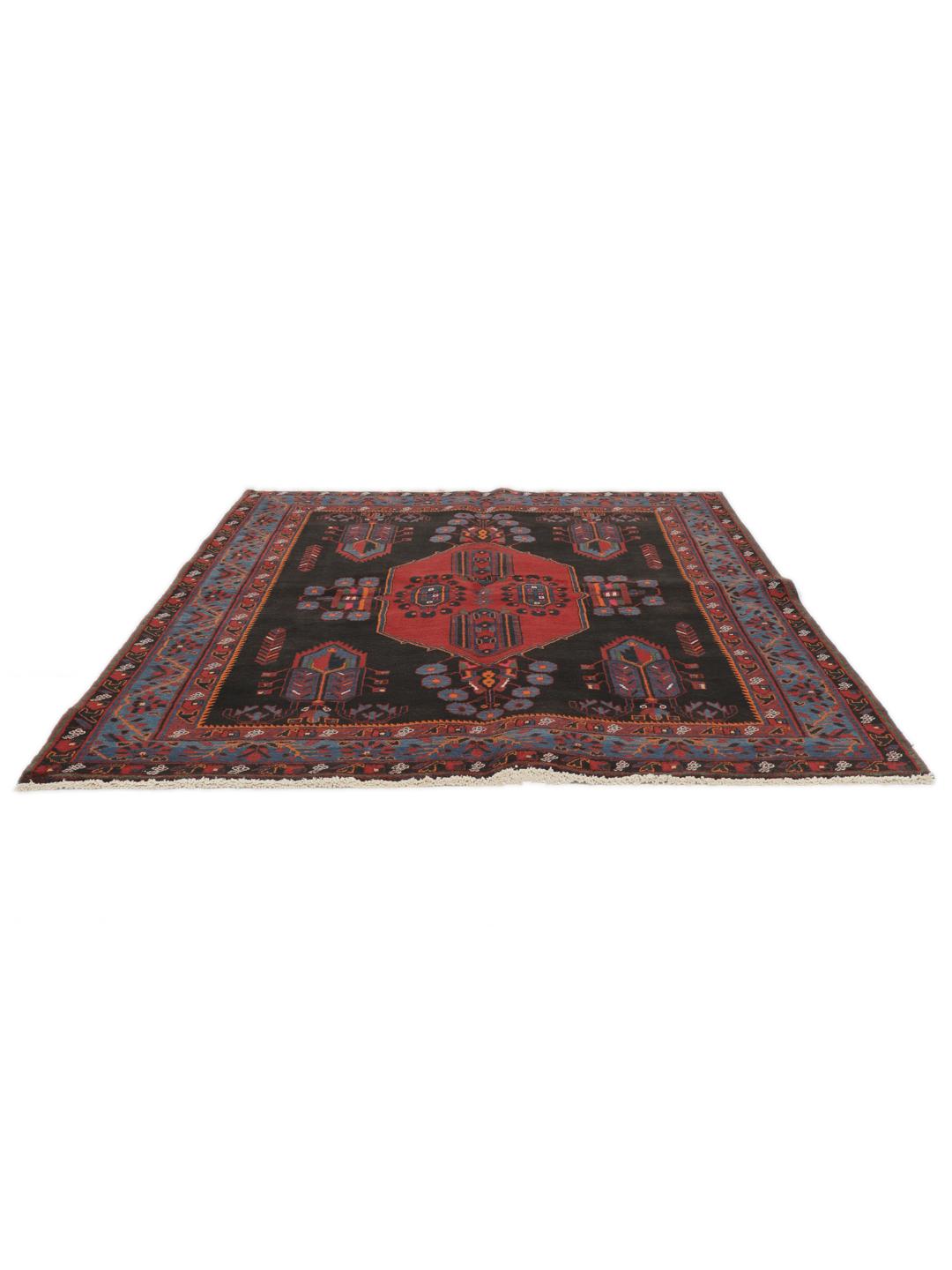
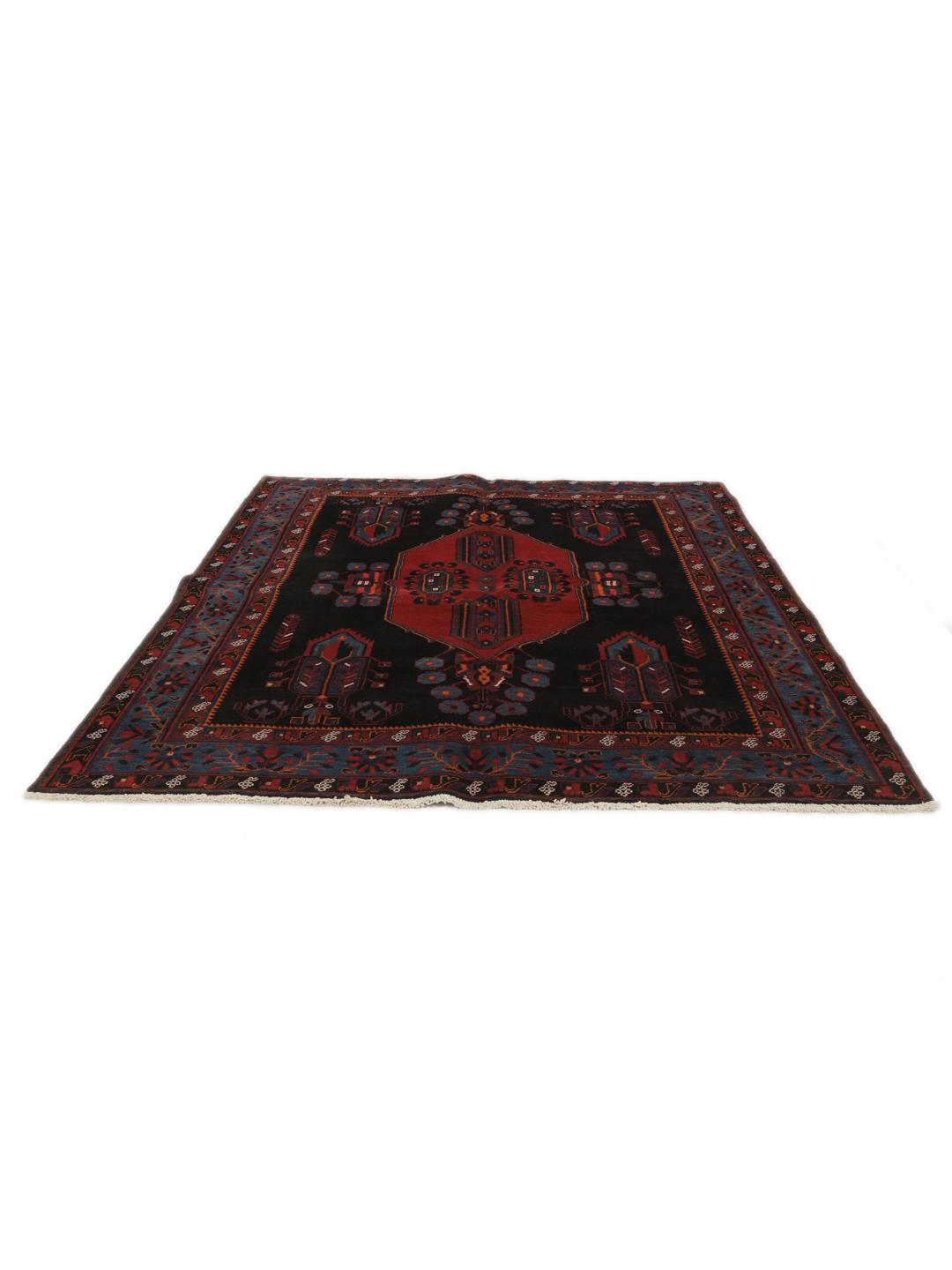
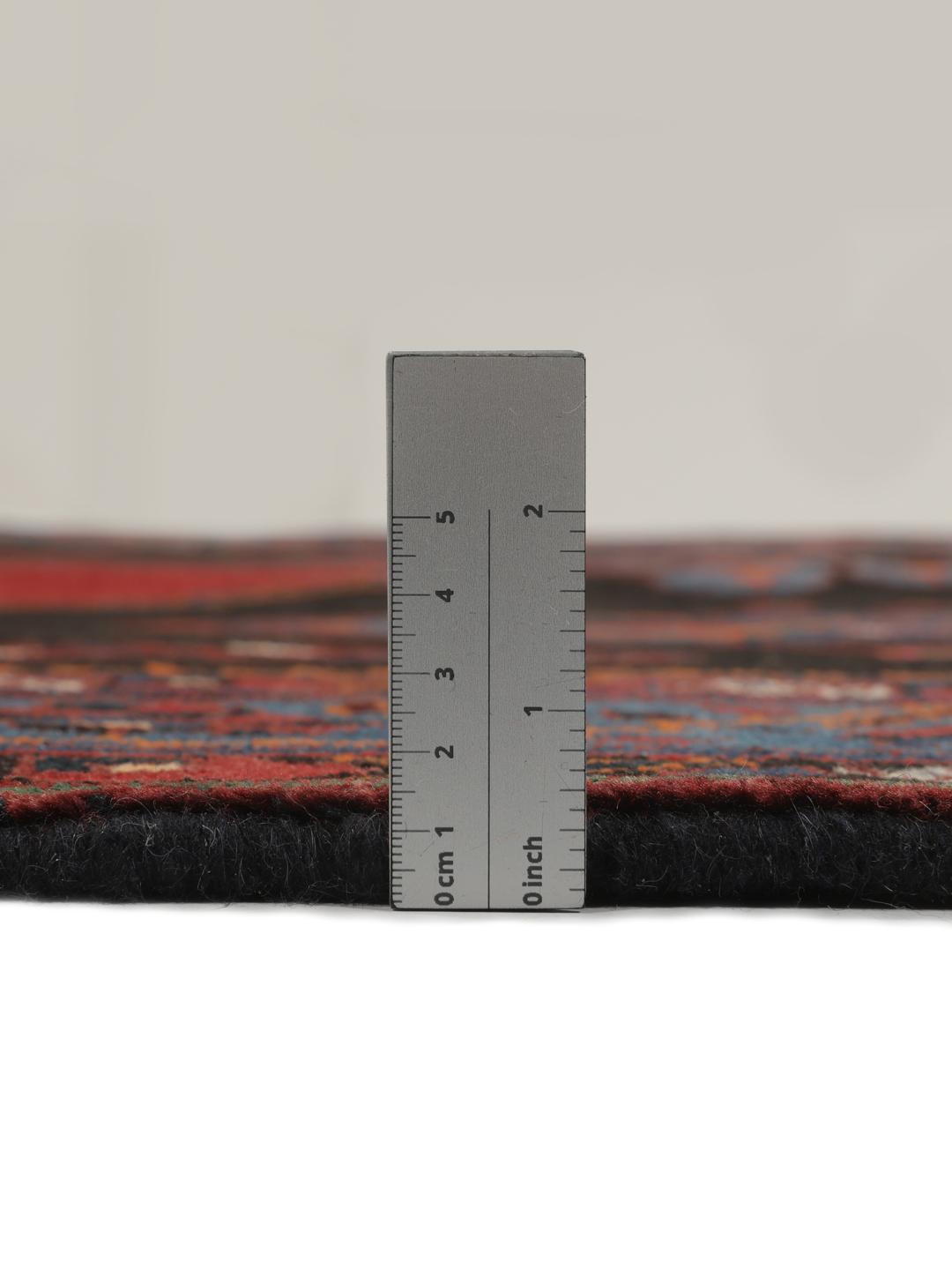
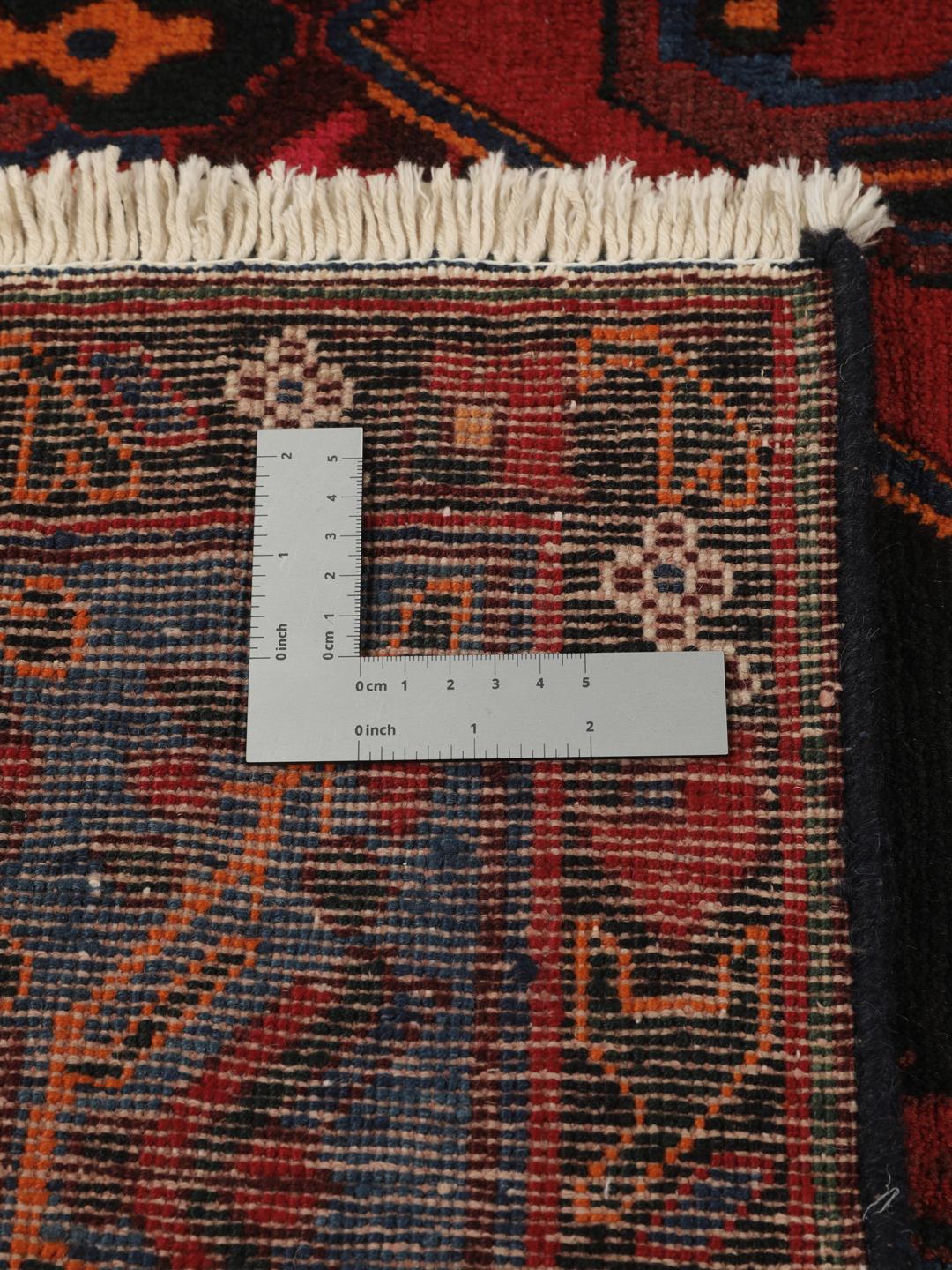
The Afshar rugs originate from the nomadic and semi-nomadic Afshar tribes of the Middle East, a people with a long and complex history of migration. Traditionally, these weavers were renowned for their ability to translate the landscapes and stories of their environment into complex textile narratives, creating pieces that served both functional and symbolic roles within their mobile communities.
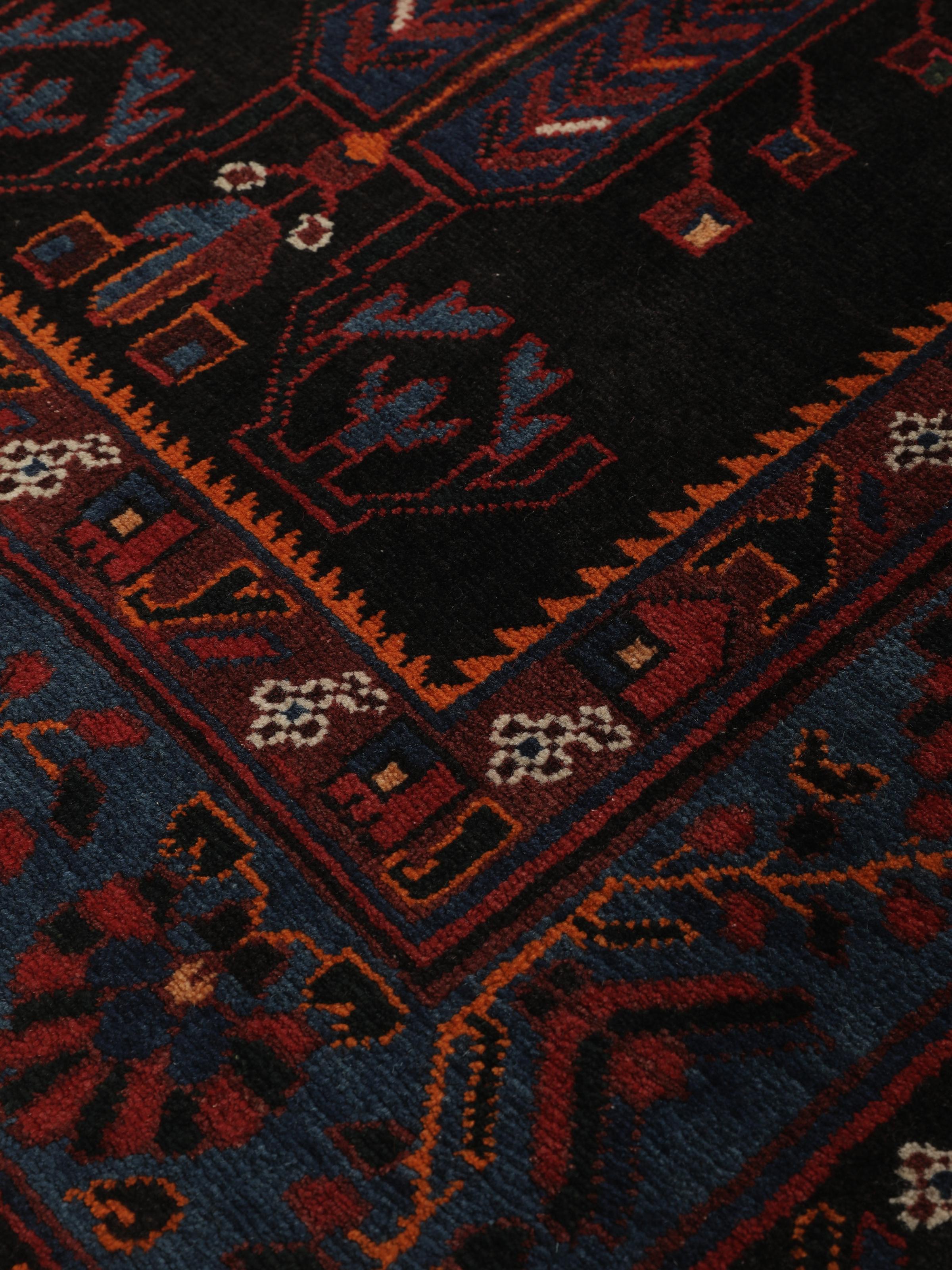
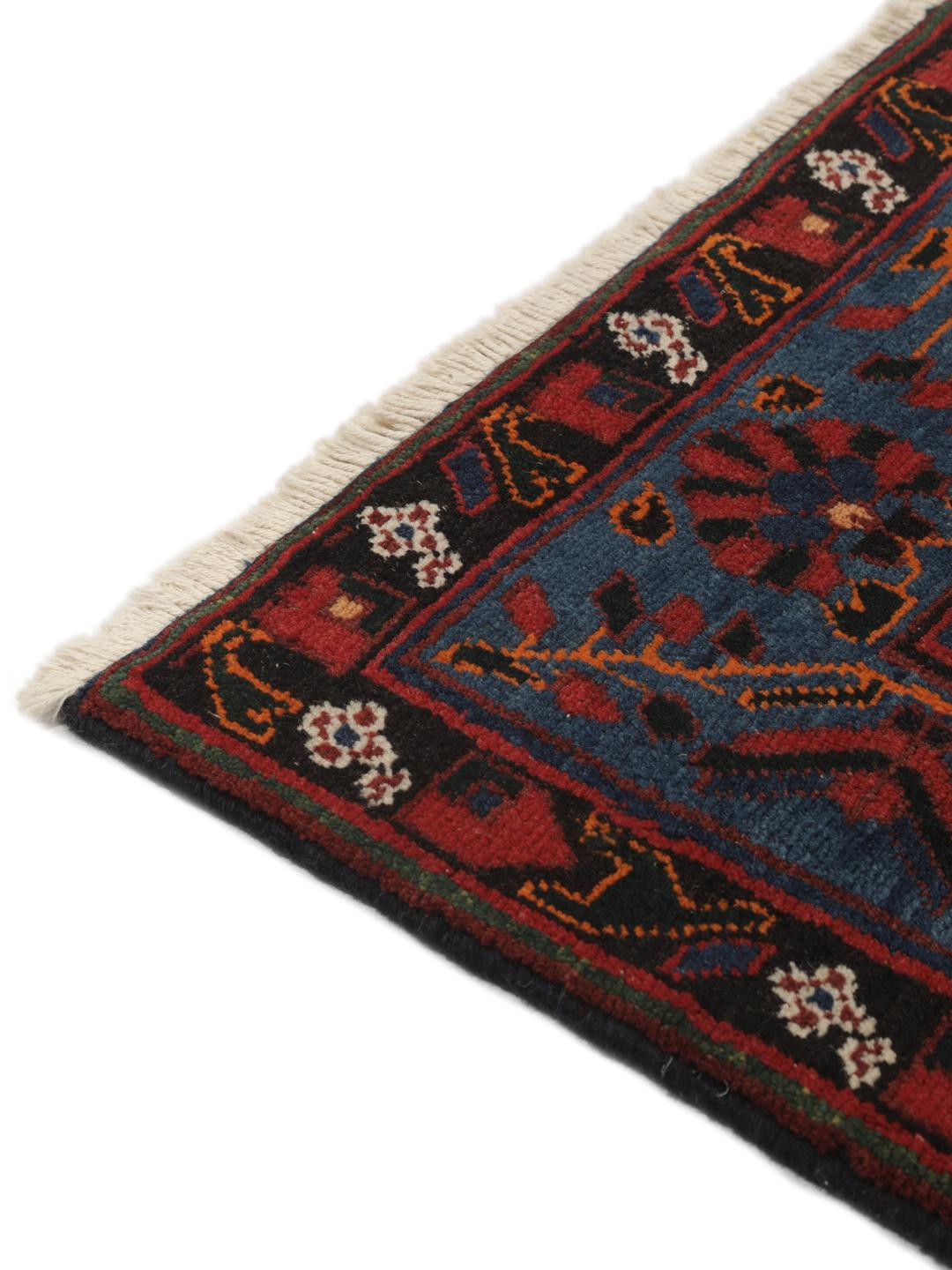
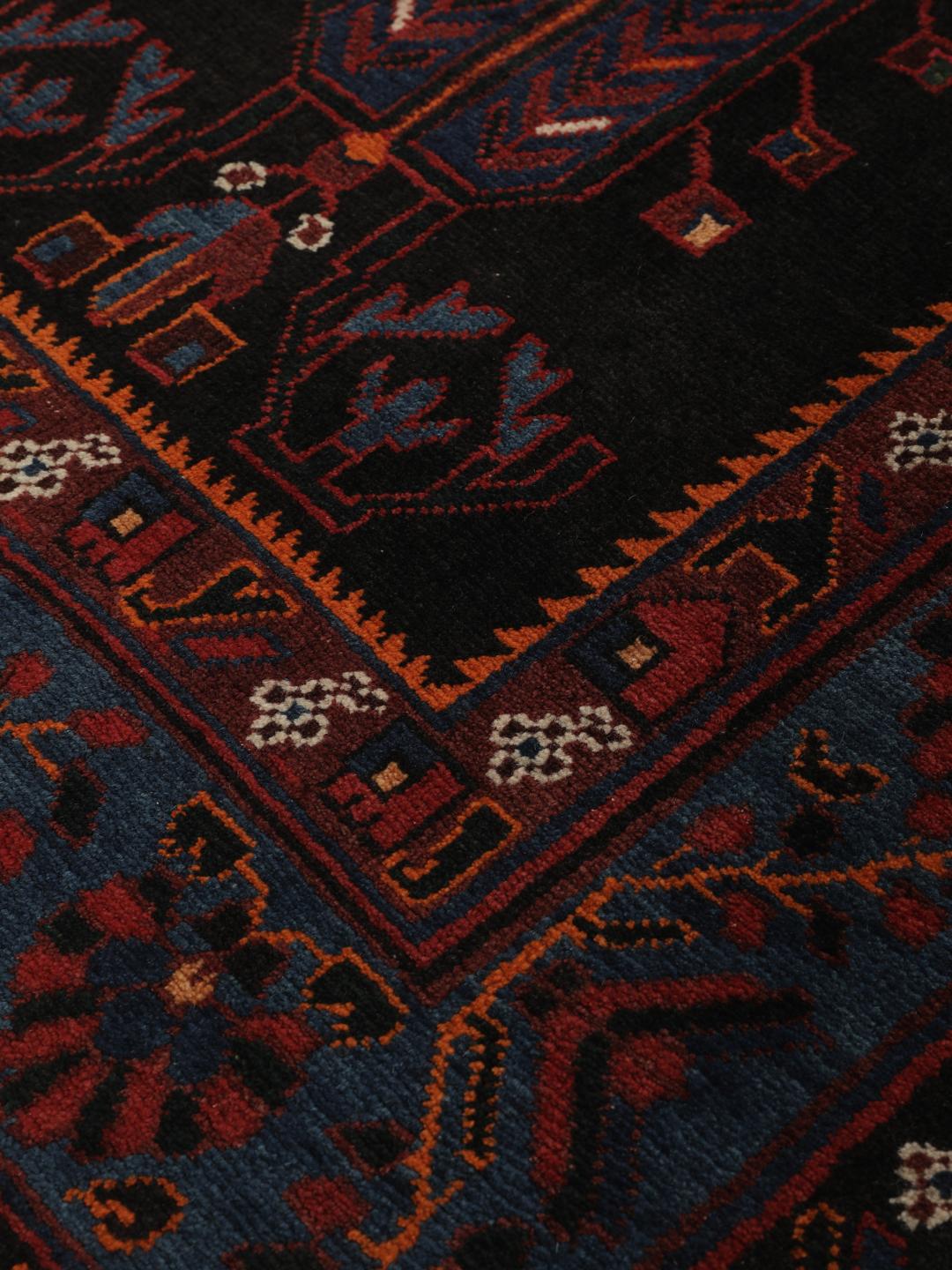
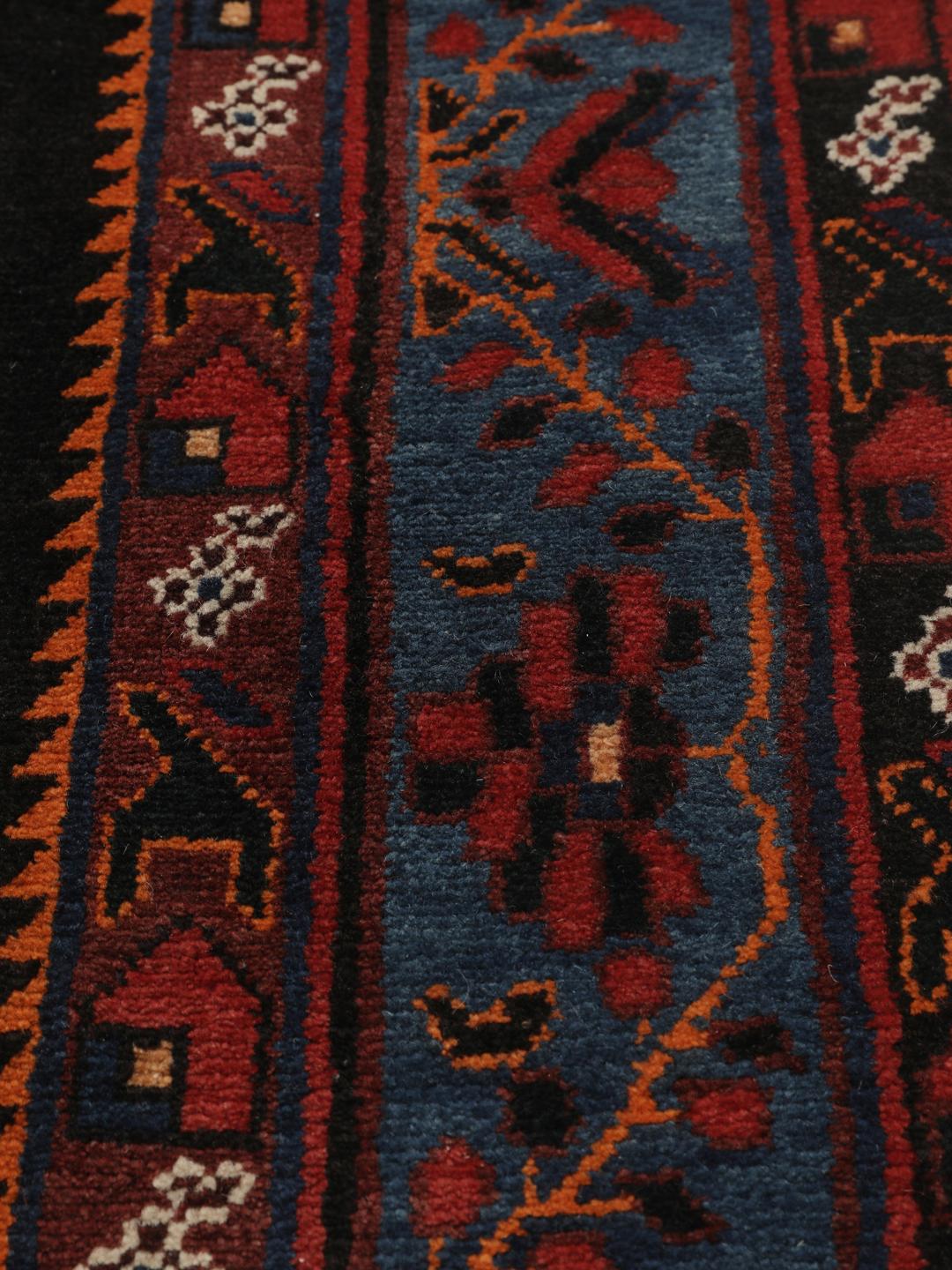
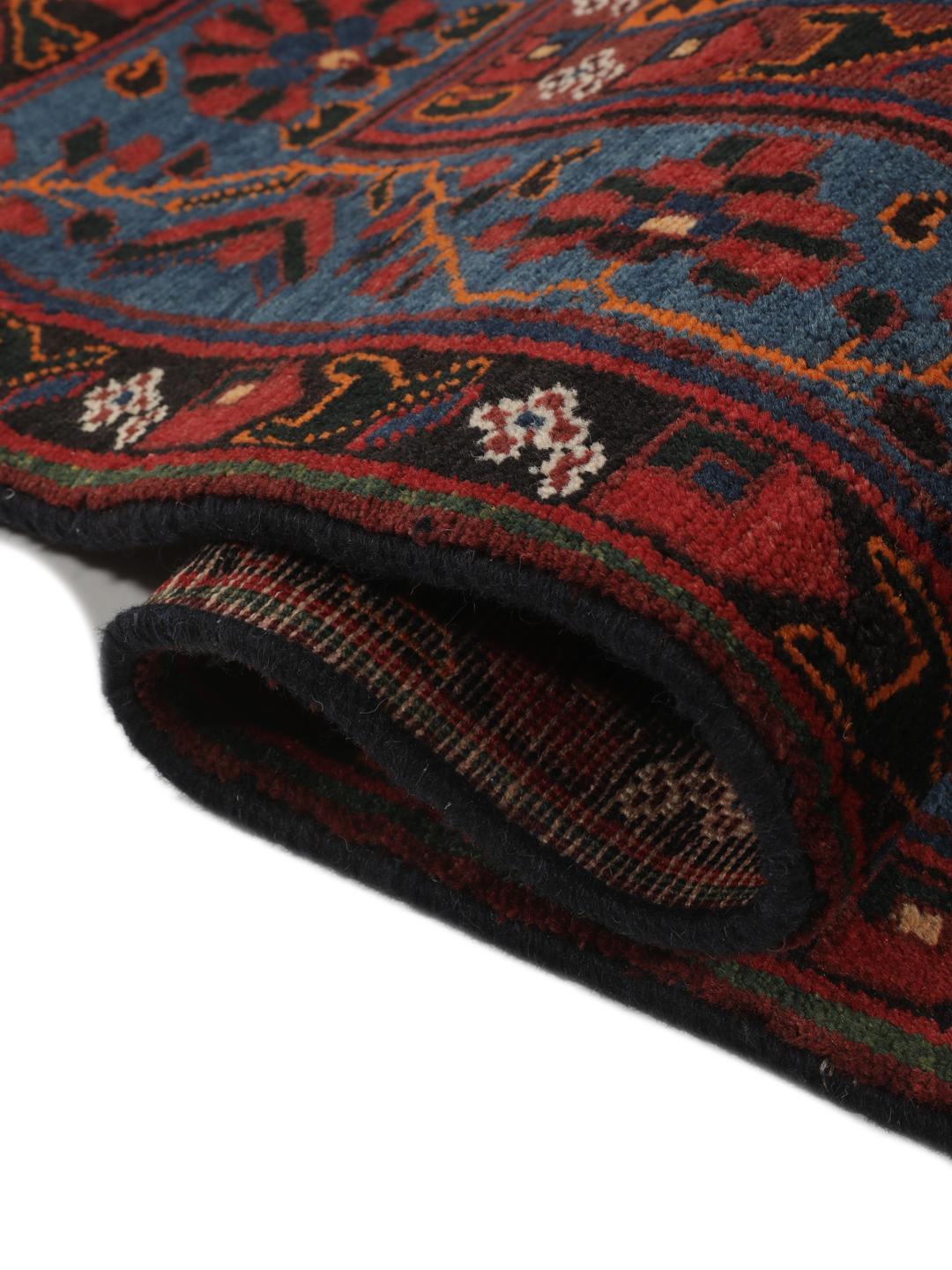
Technical excellence is at the heart of the Afshar tradition. The use of high-quality wool, often sourced from their own flocks, is essential to the longevity of these pieces. The knotting technique employed by these artisans is specifically calibrated to create a robust and durable pile that can withstand the rigours of nomadic life, ensuring that the rugs remain dense and lustrous even after decades of use.
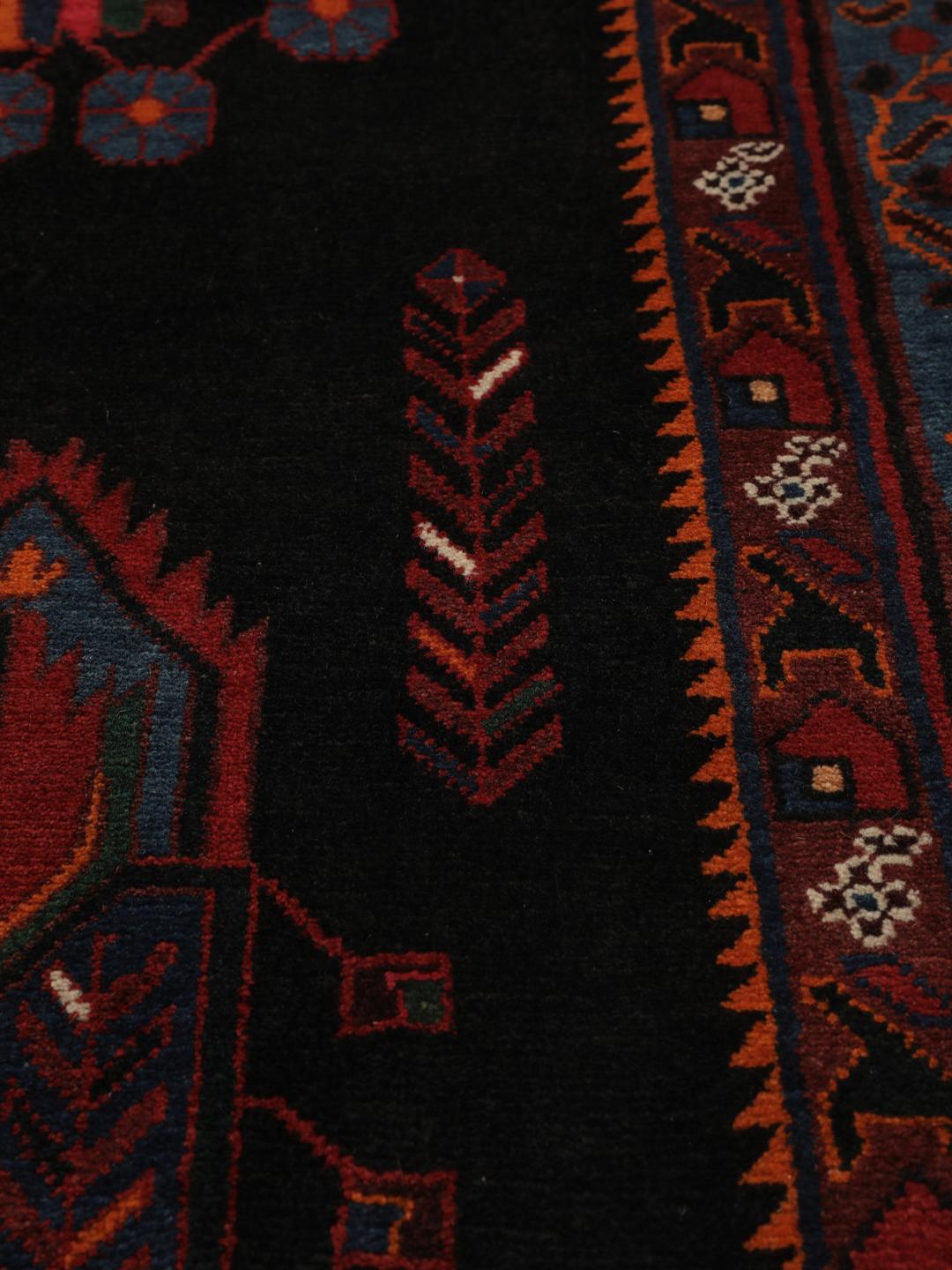
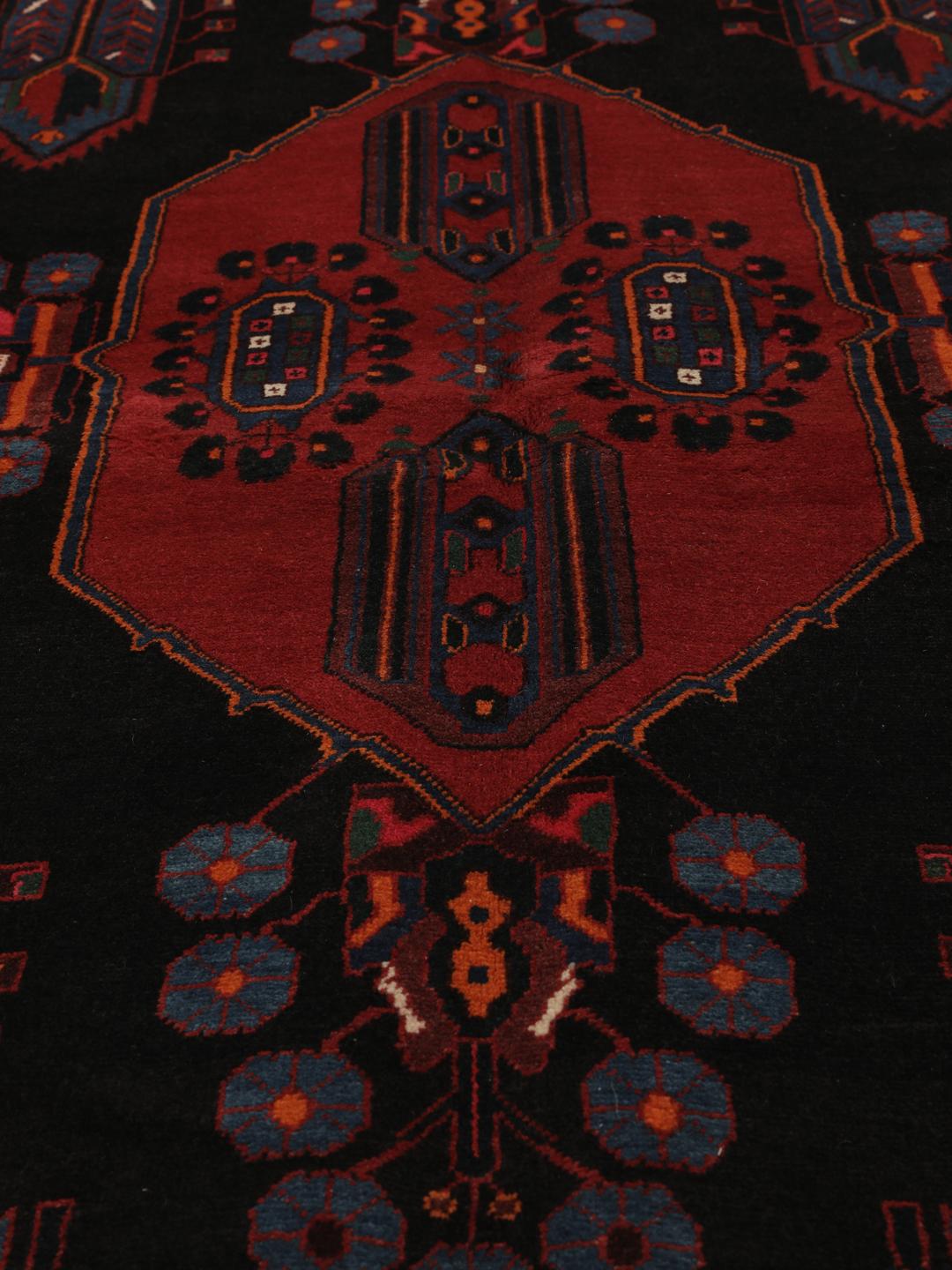
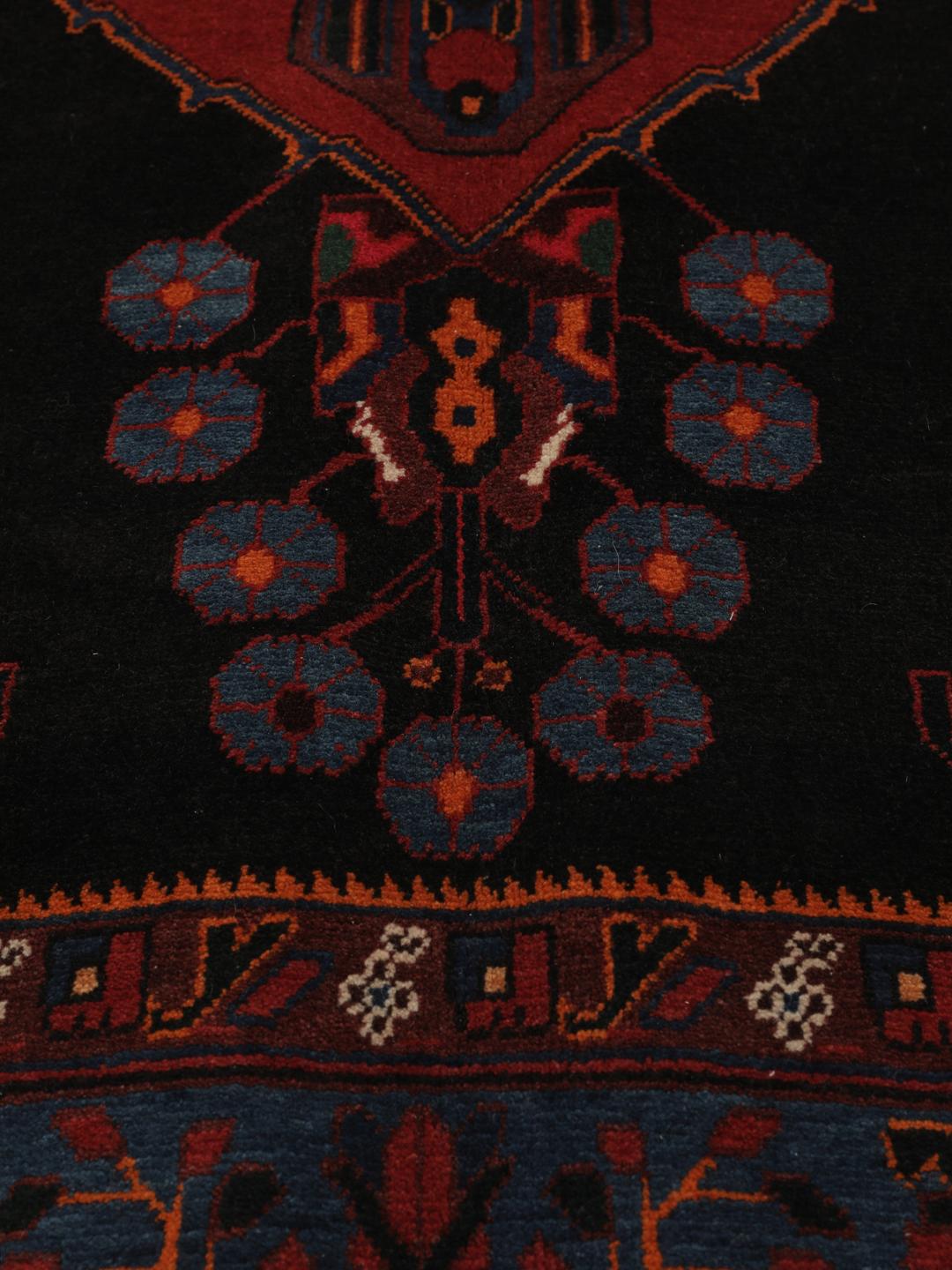
Visually, Afshar rugs are distinguished by their bold, often geometric aesthetic. While they share some stylistic roots with other regional traditions, they are famous for their unique interpretations of medallions and floral motifs, which are frequently abstracted into sharp, angular forms. The use of deep, resonant colours—particularly rich reds and dark, moody accents—is a hallmark of the style, creating a sense of visual depth that is instantly recognisable to collectors.
Today, these rugs are highly valued for their cultural weight and the singular skill required to produce them. Owning an Afshar is more than just acquiring a floor covering; it is an act of preserving a specific artistic legacy. Each piece stands as a testament to the weaver's ingenuity and the enduring power of traditional craft in a modern world.