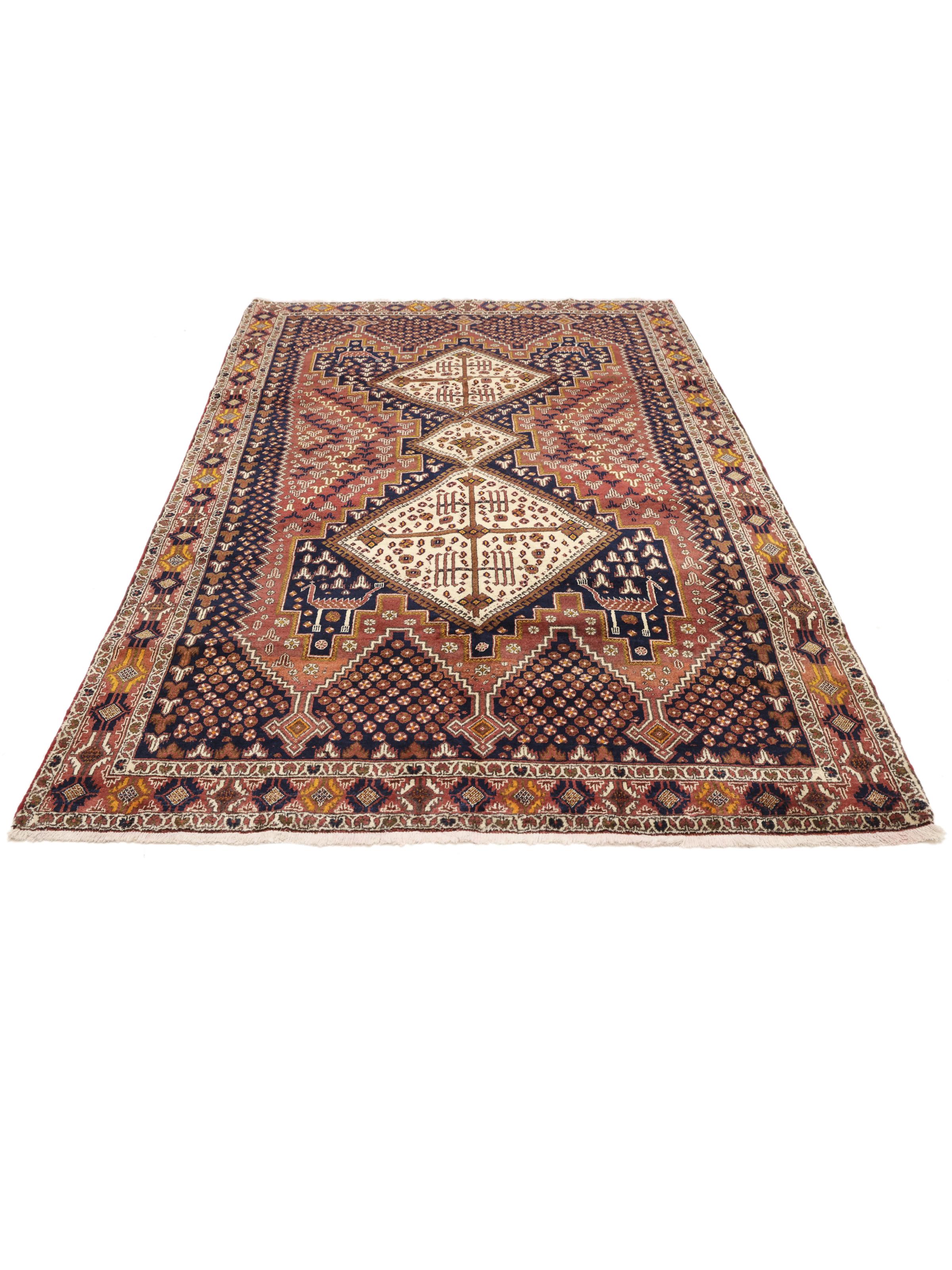
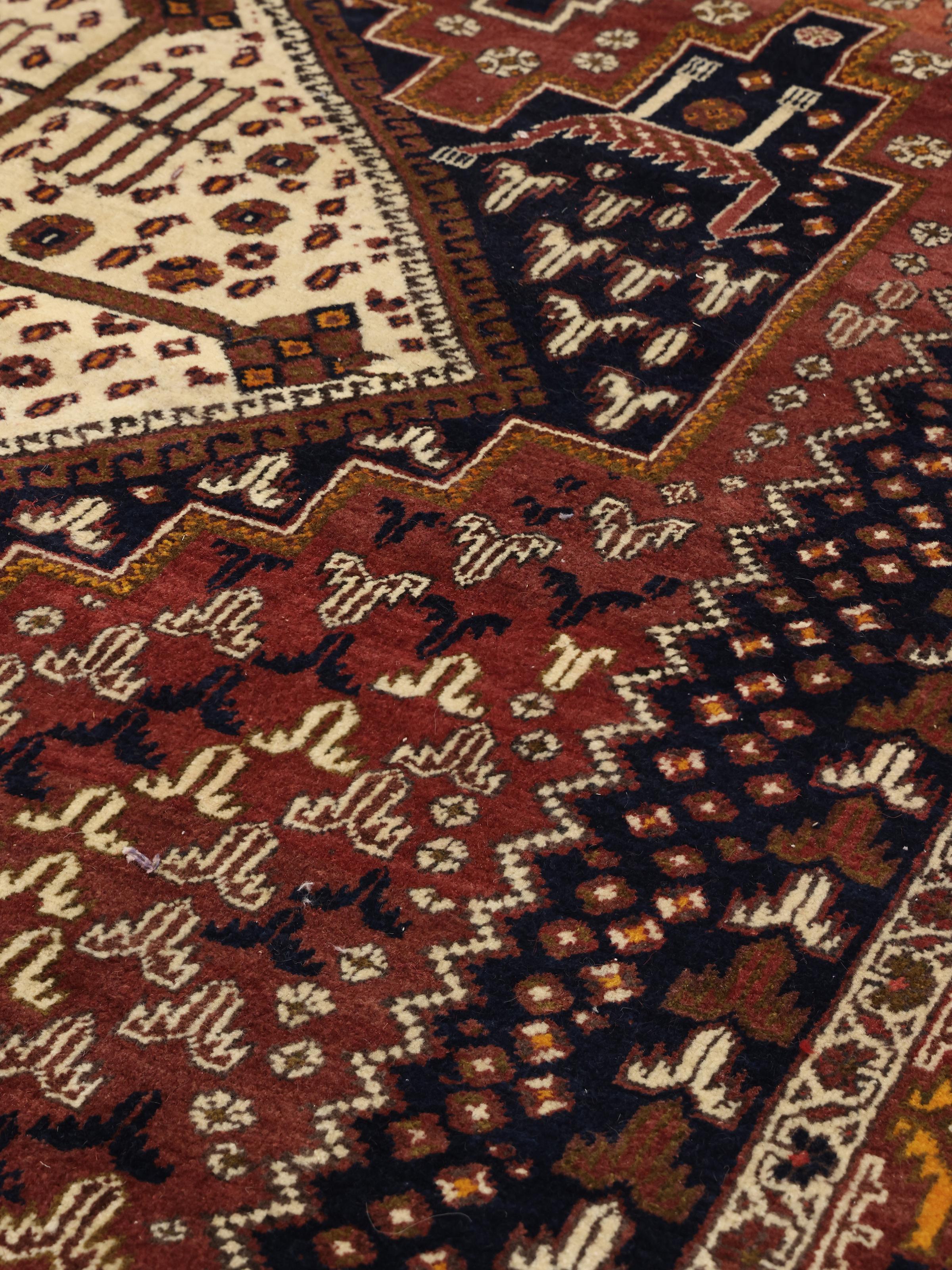
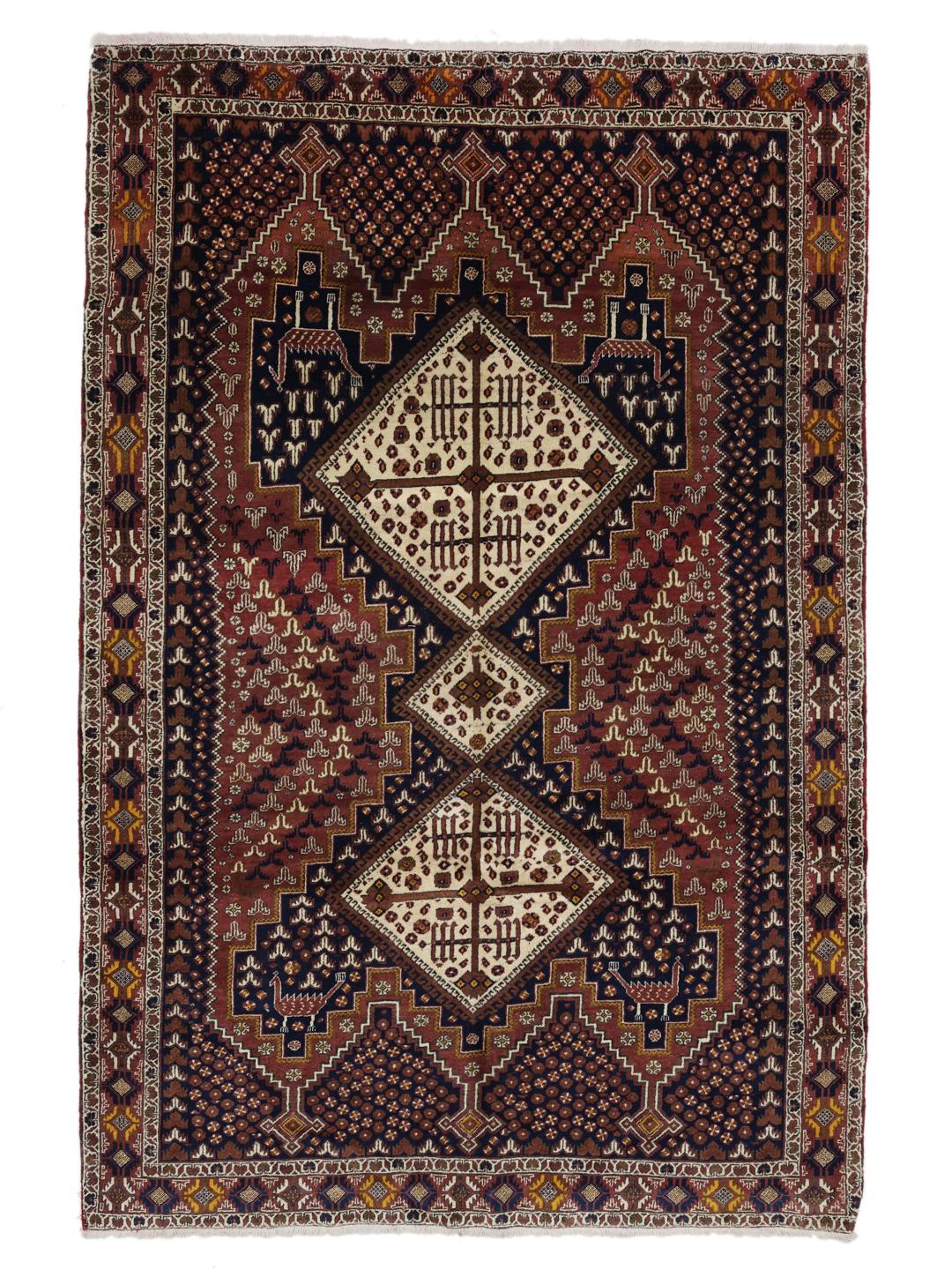
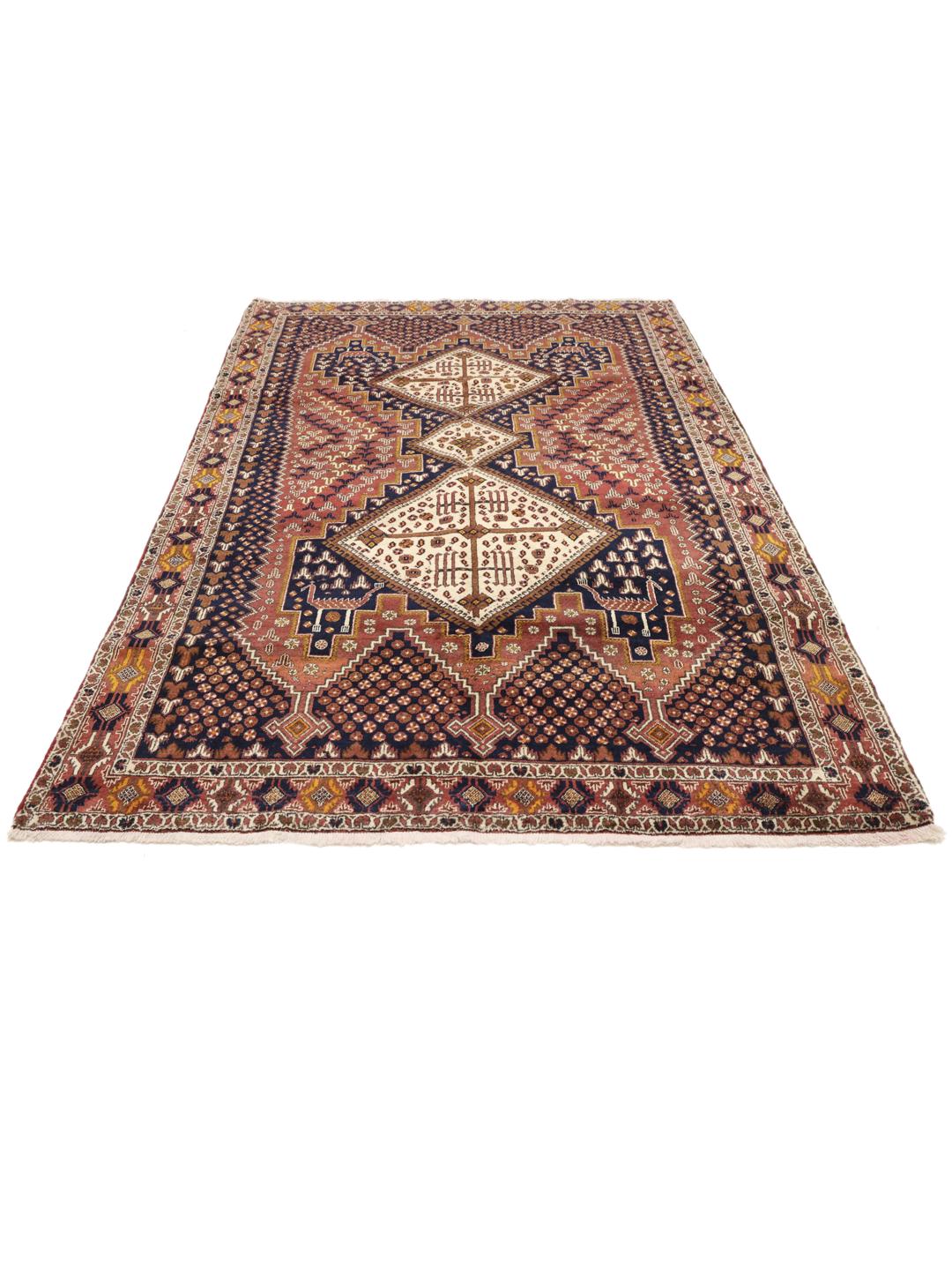
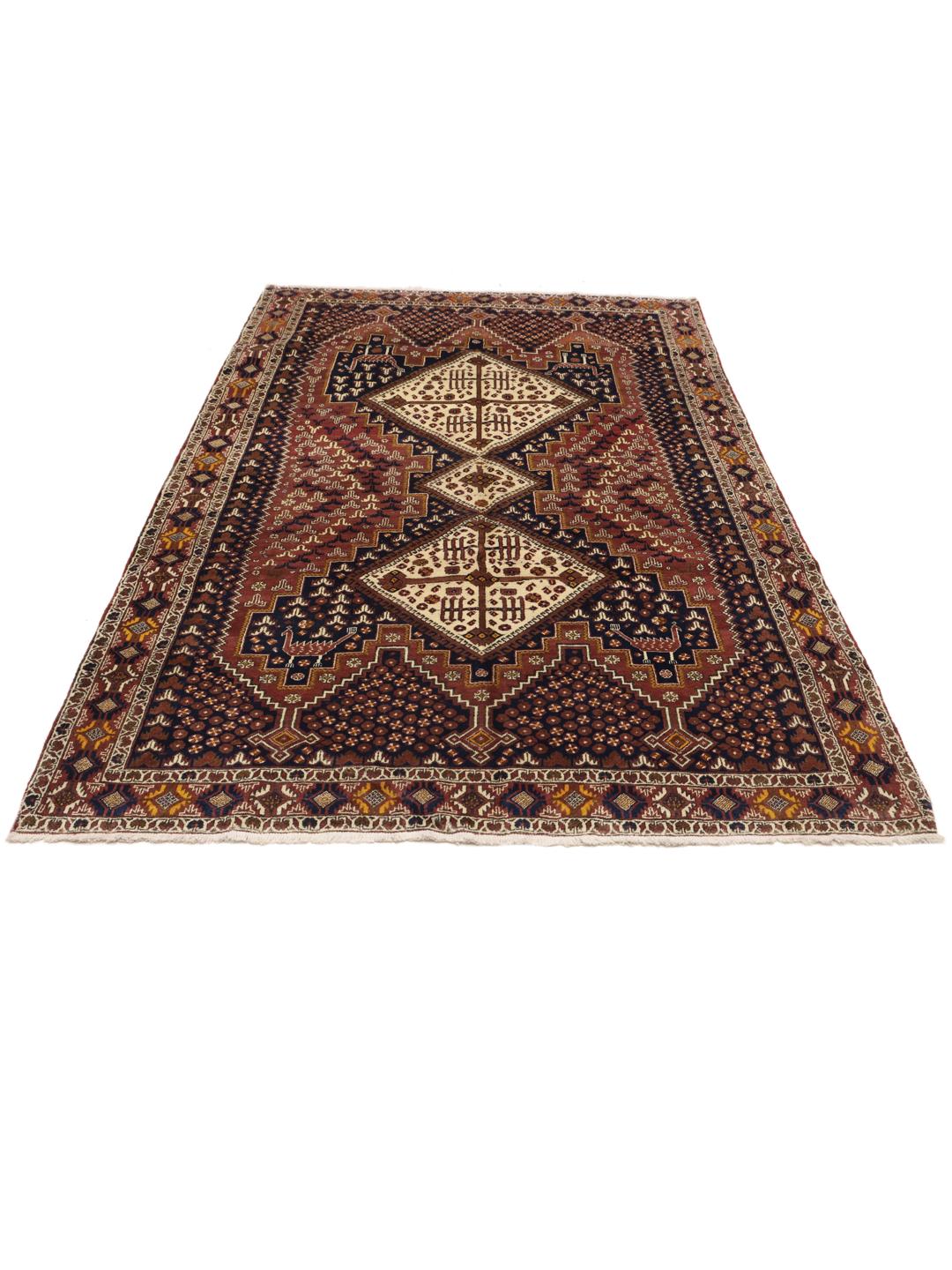
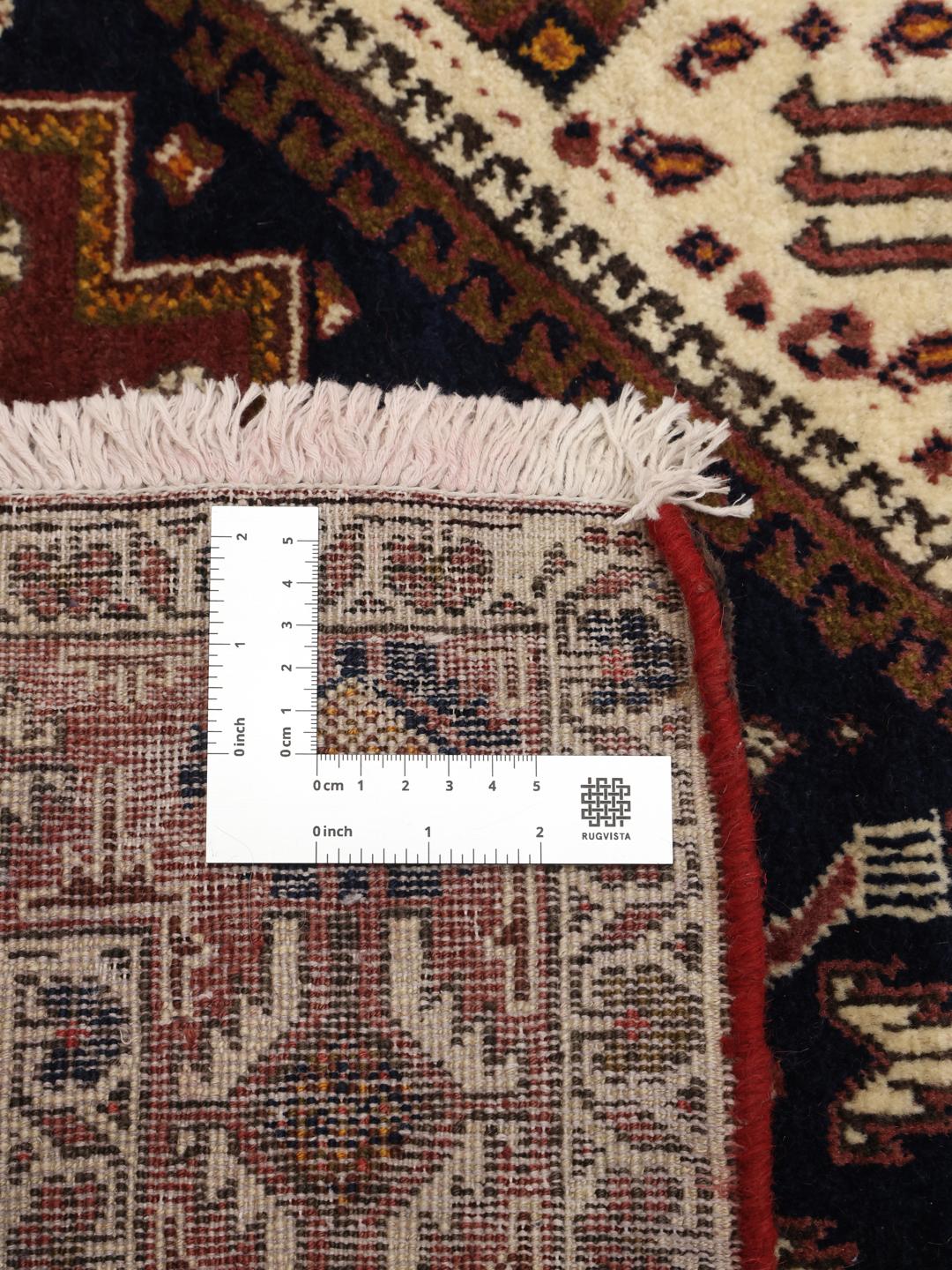
The Afshar rugs originate from the nomadic and semi-nomadic Afshar tribes of the Middle East. Historically, these tribes moved across vast landscapes, carrying their weaving traditions with them. Over centuries, these traditions evolved into a distinct style characterised by bold, geometric designs and a deep, saturated colour palette that reflects the environment and cultural identity of the region.
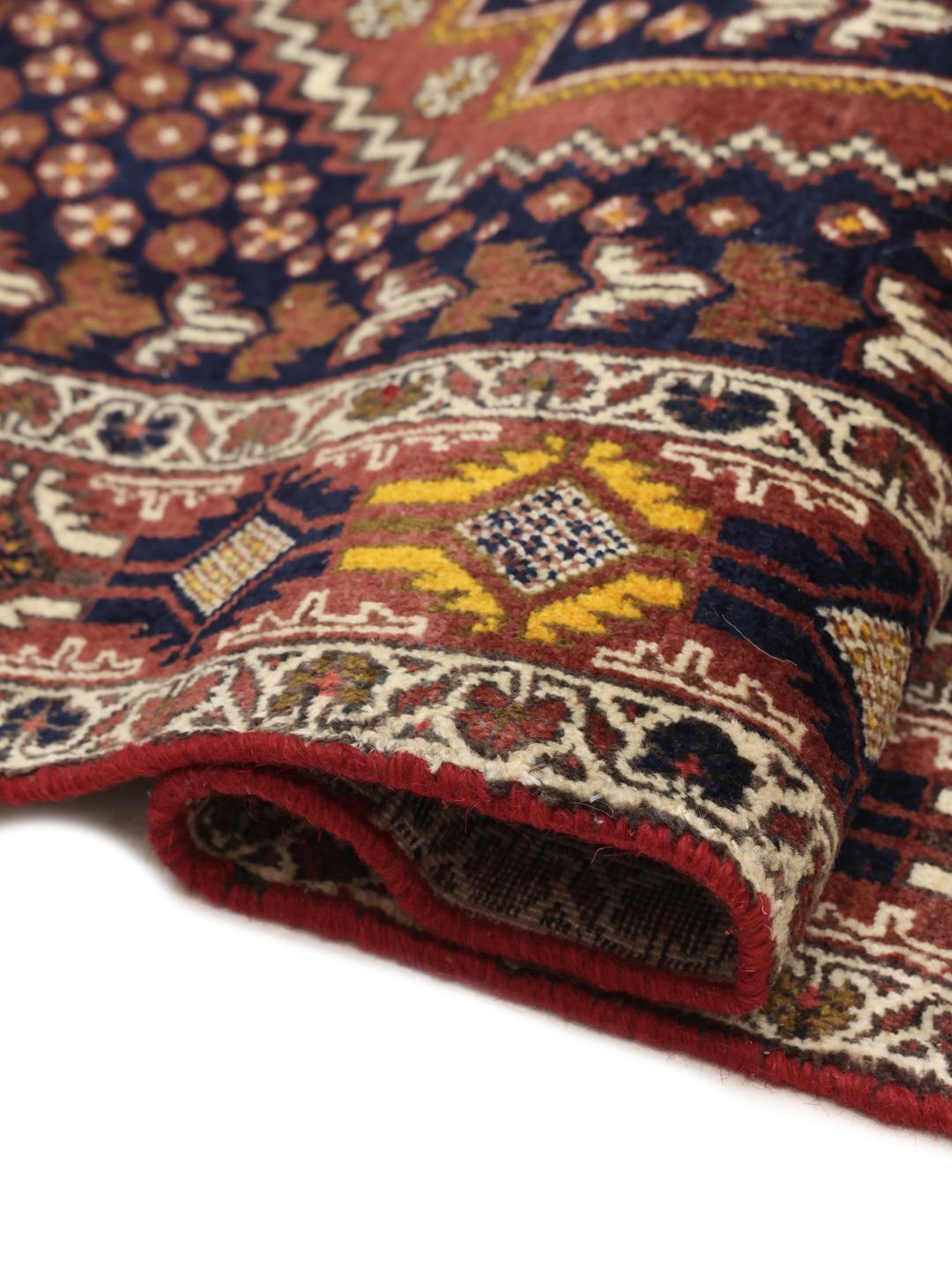
The term Shahre Babak refers to a specific region renowned for its high-quality weaving and unique aesthetic output. Rugs from this area are celebrated for their technical precision, often utilising high-quality wool that is known for its natural sheen and durability. This regional specialisation has made Shahre Babak rugs highly sought after by collectors who appreciate the marriage of tribal soul and sophisticated craftsmanship.
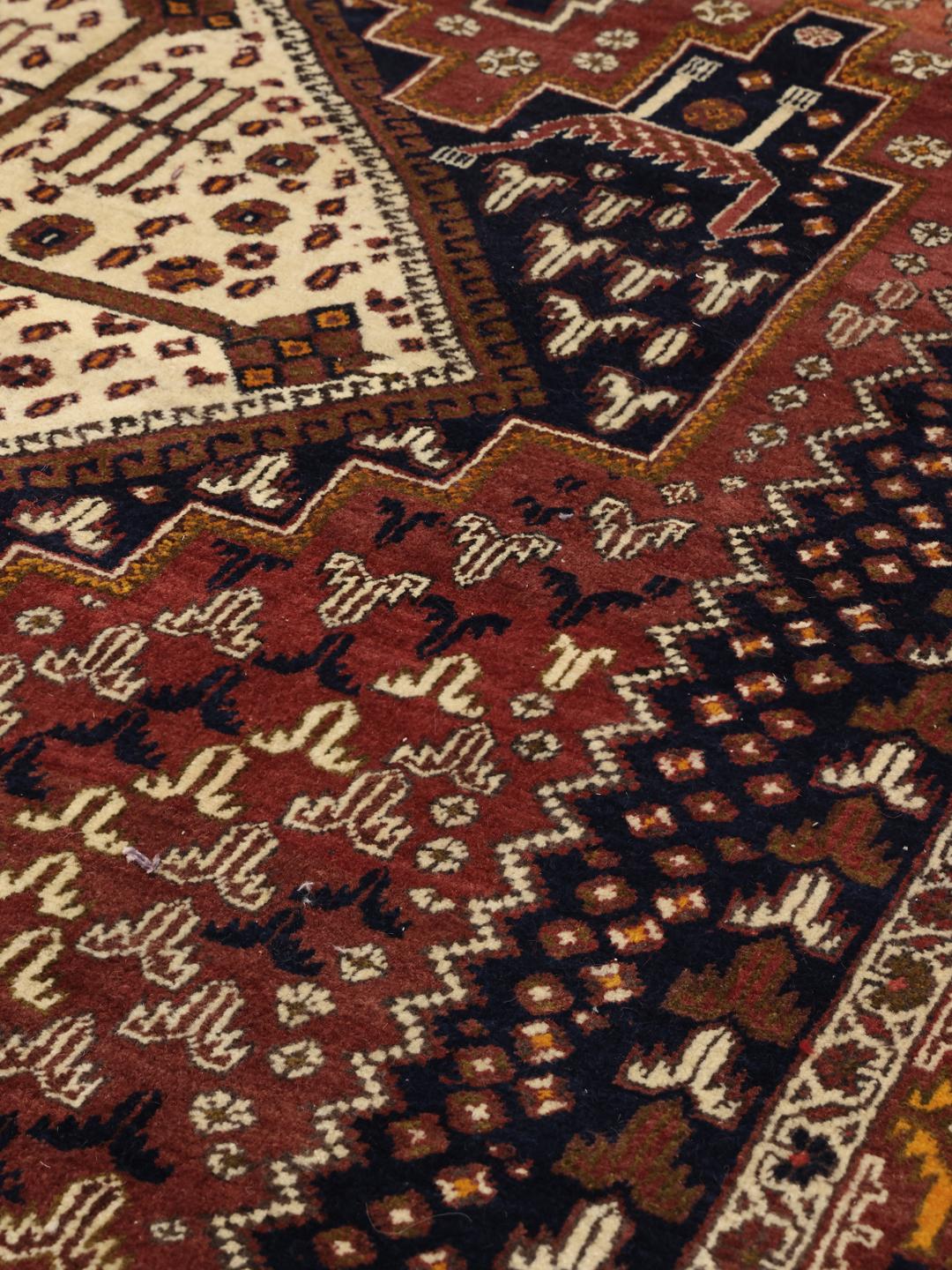
Signature design elements of the Afshar tradition often include central medallions, stylised floral motifs, and geometric figures that tell stories of the weaver's life and surroundings. You will often find animals and symbolic shapes integrated into the field, surrounded by elaborate borders that frame the narrative. The inclusion of these stylised motifs is a hallmark of the tradition, representing a visual language that has been refined over generations.
Owning an Afshar Shahre Babak rug is more than just a decor choice; it is an act of preserving a dying art form. These pieces are valued for their cultural weight and the undeniable skill required to produce them. As interest in authentic, hand-made goods grows, these rugs stand as testament to the importance of heritage, offering a depth of character that connects the modern home to the profound history of nomadic artistry.