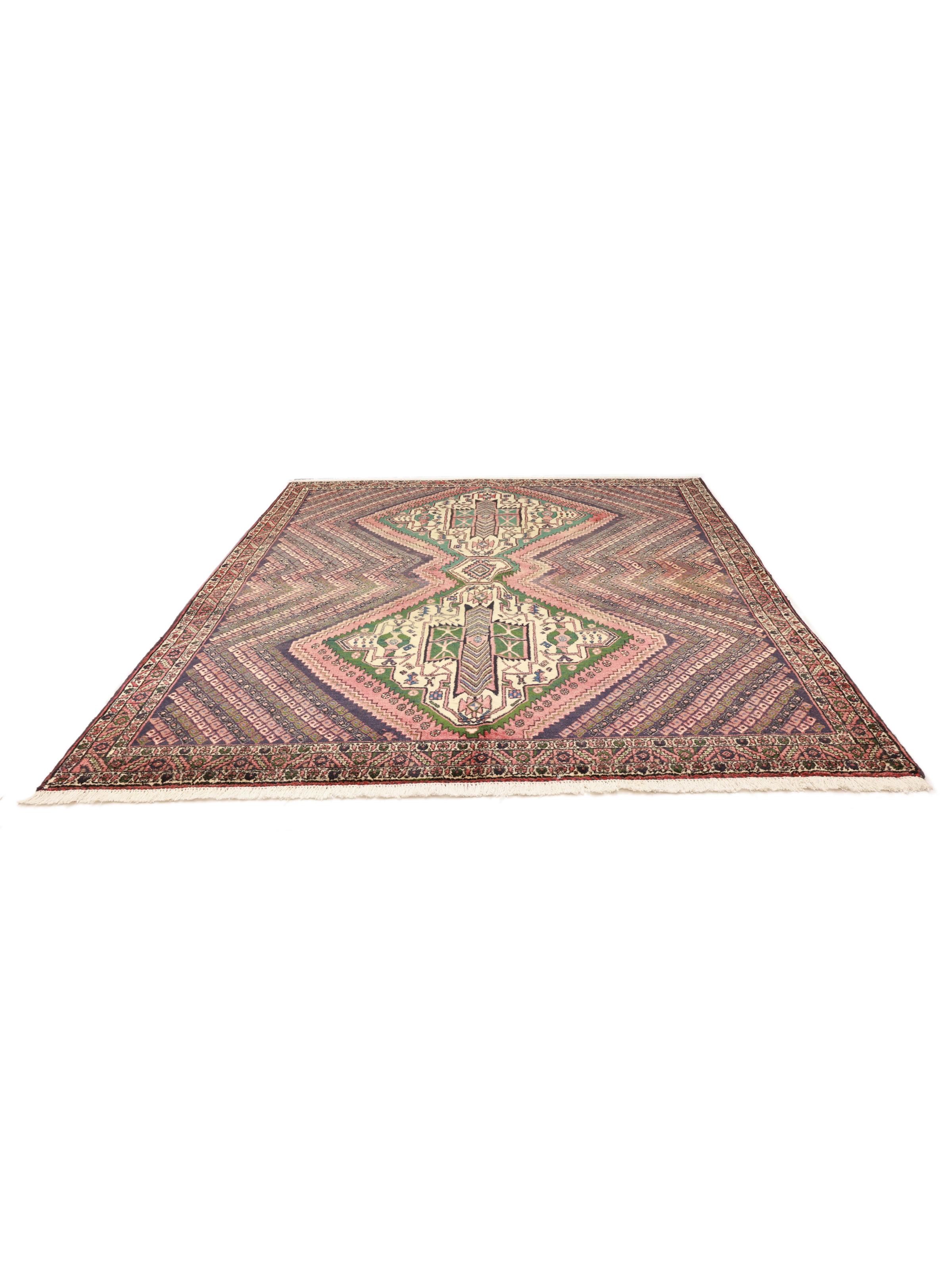
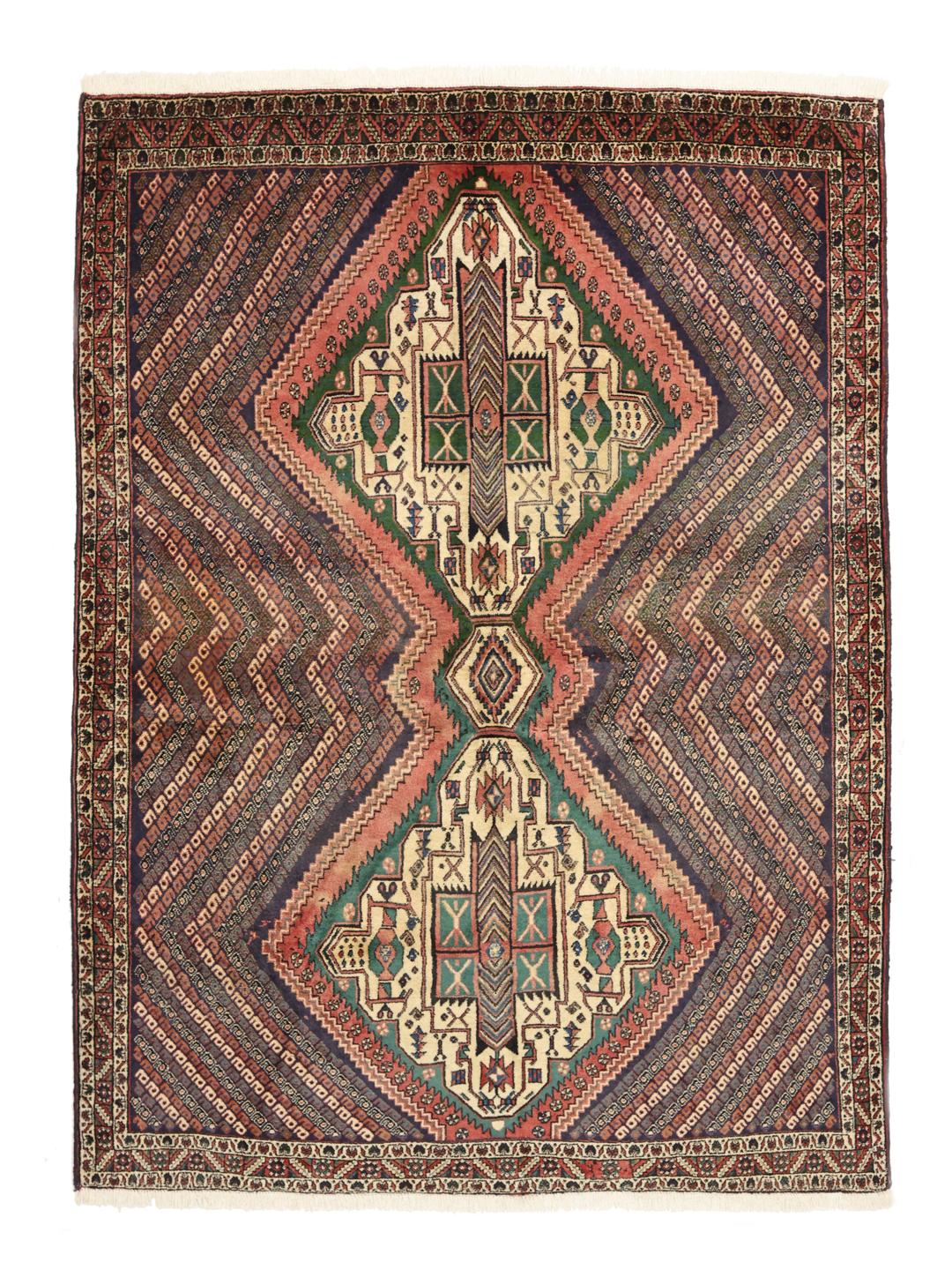
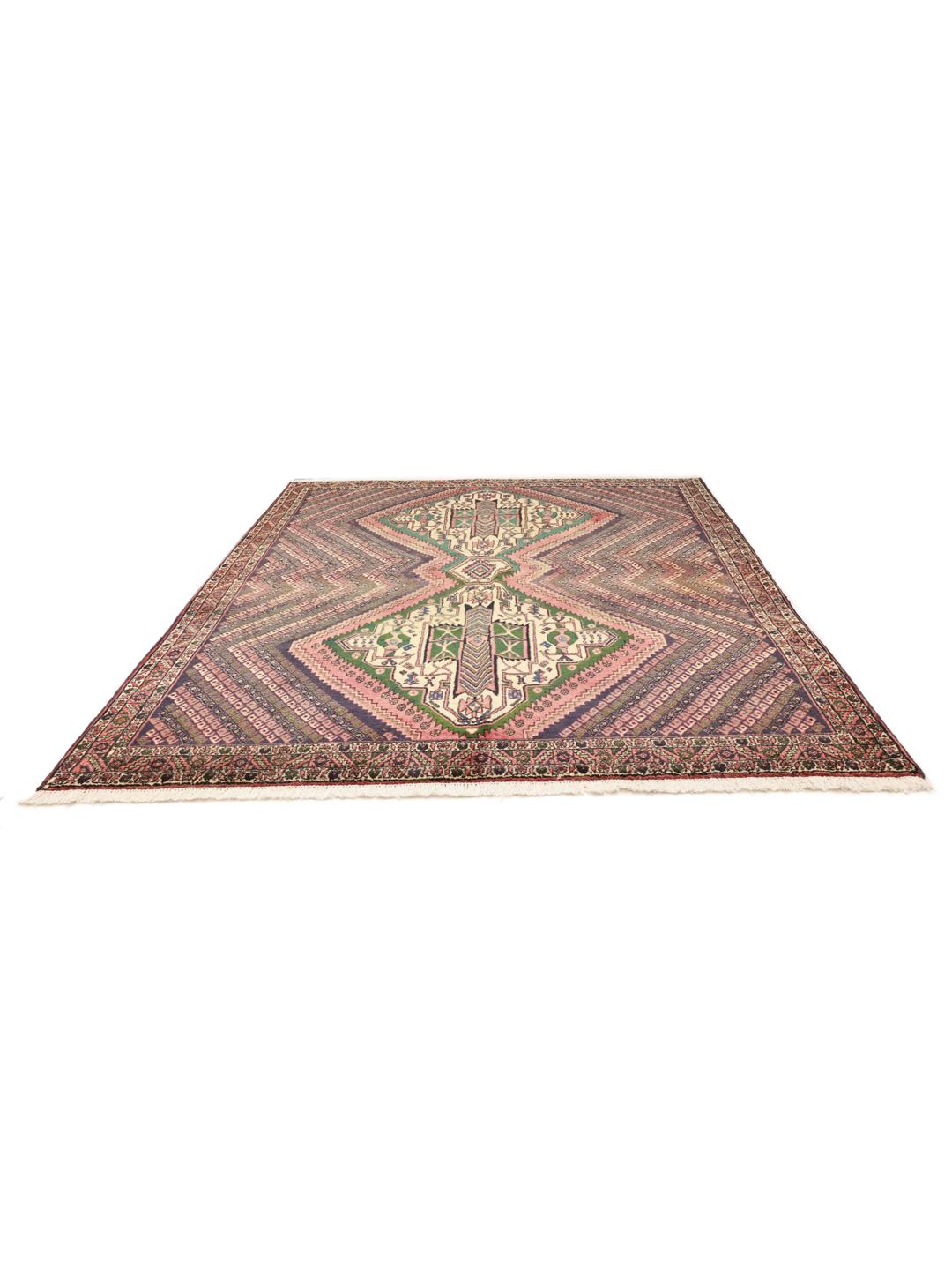
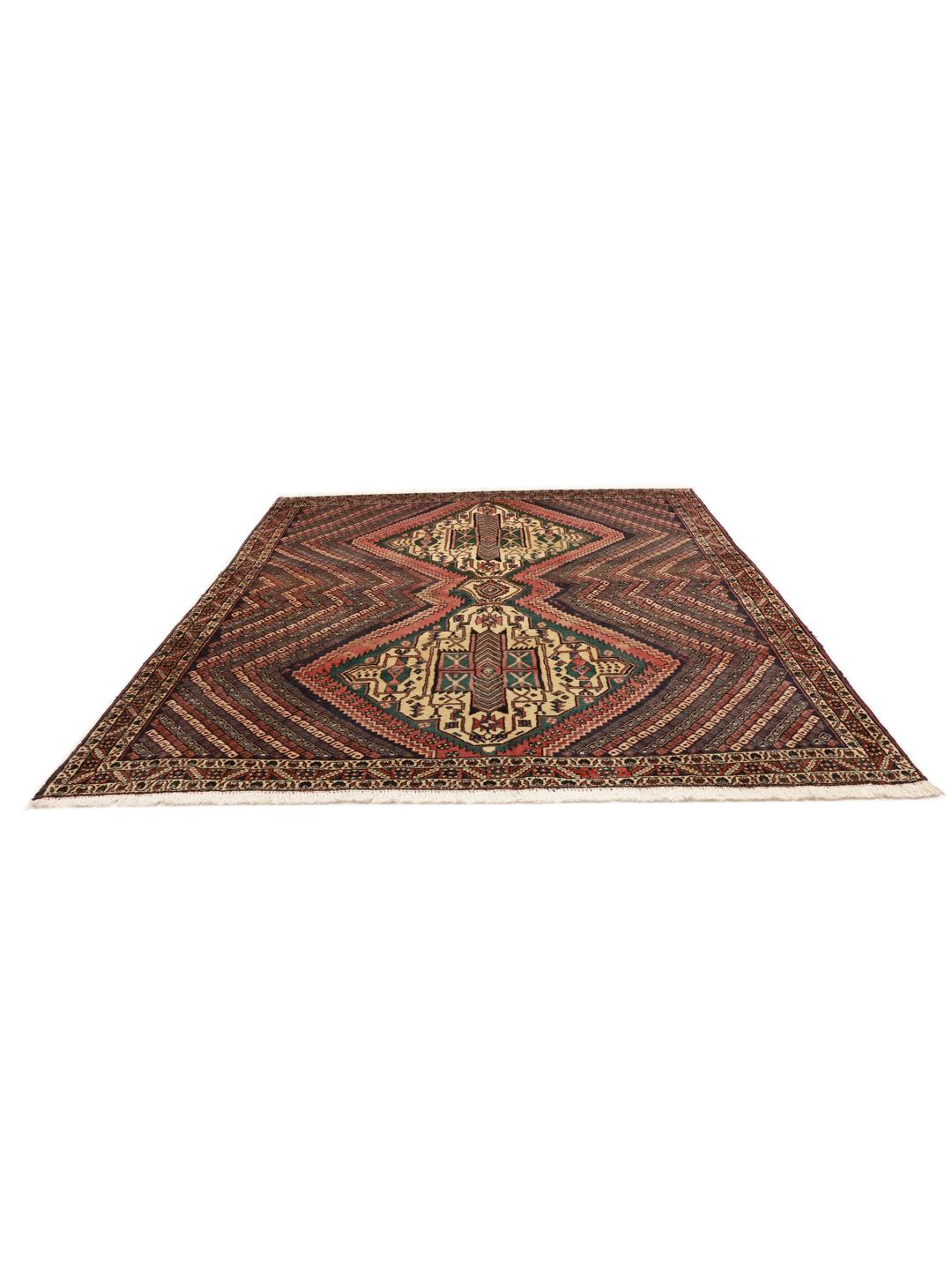
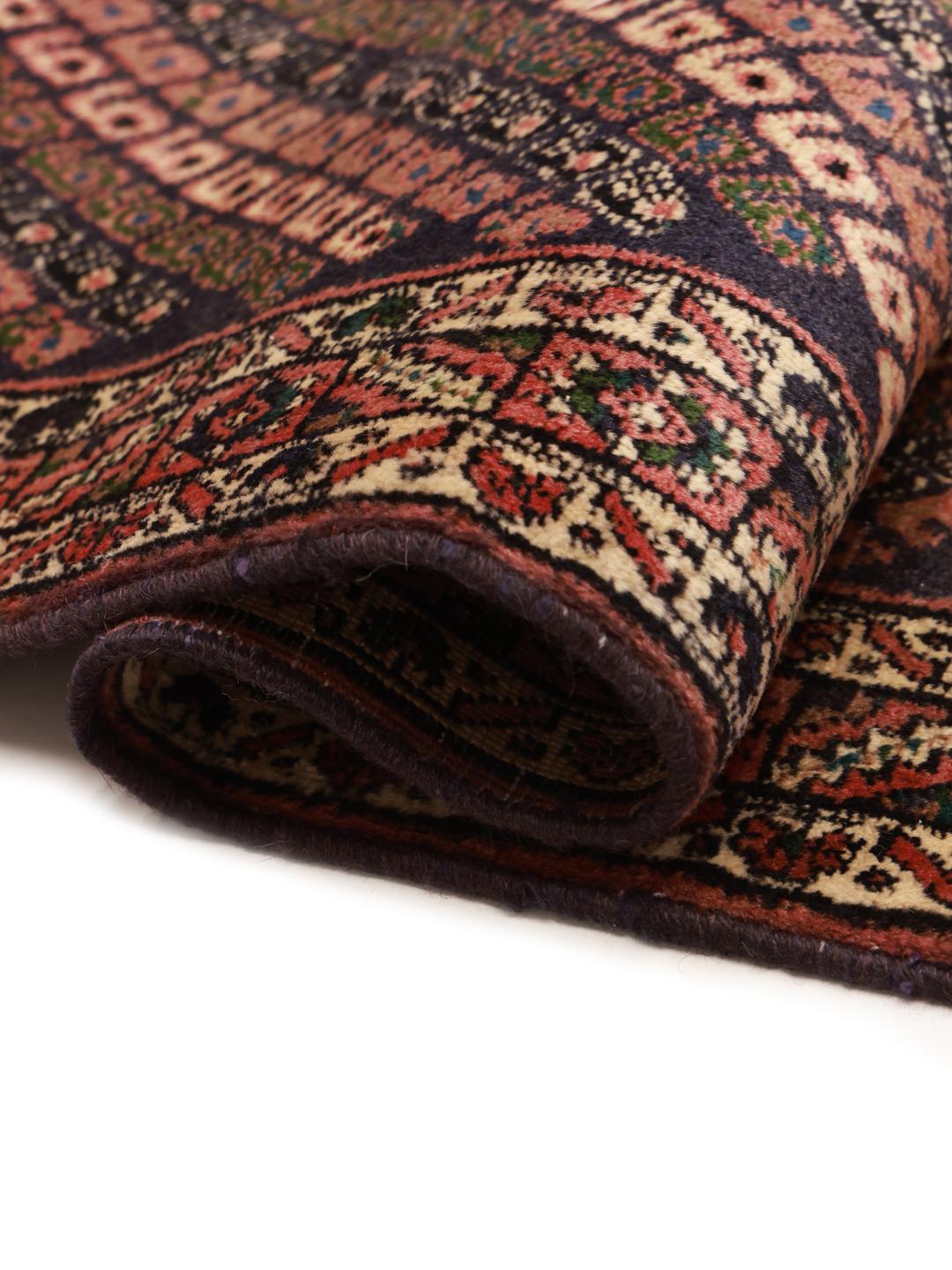
The Afshar tribes, originally nomadic people in the Middle East, are renowned for their distinctive weaving traditions. While they have historically migrated across various regions, the Shahre Babak area has become a significant centre for producing rugs that balance nomadic tribal aesthetics with a more refined, settled weaving style.
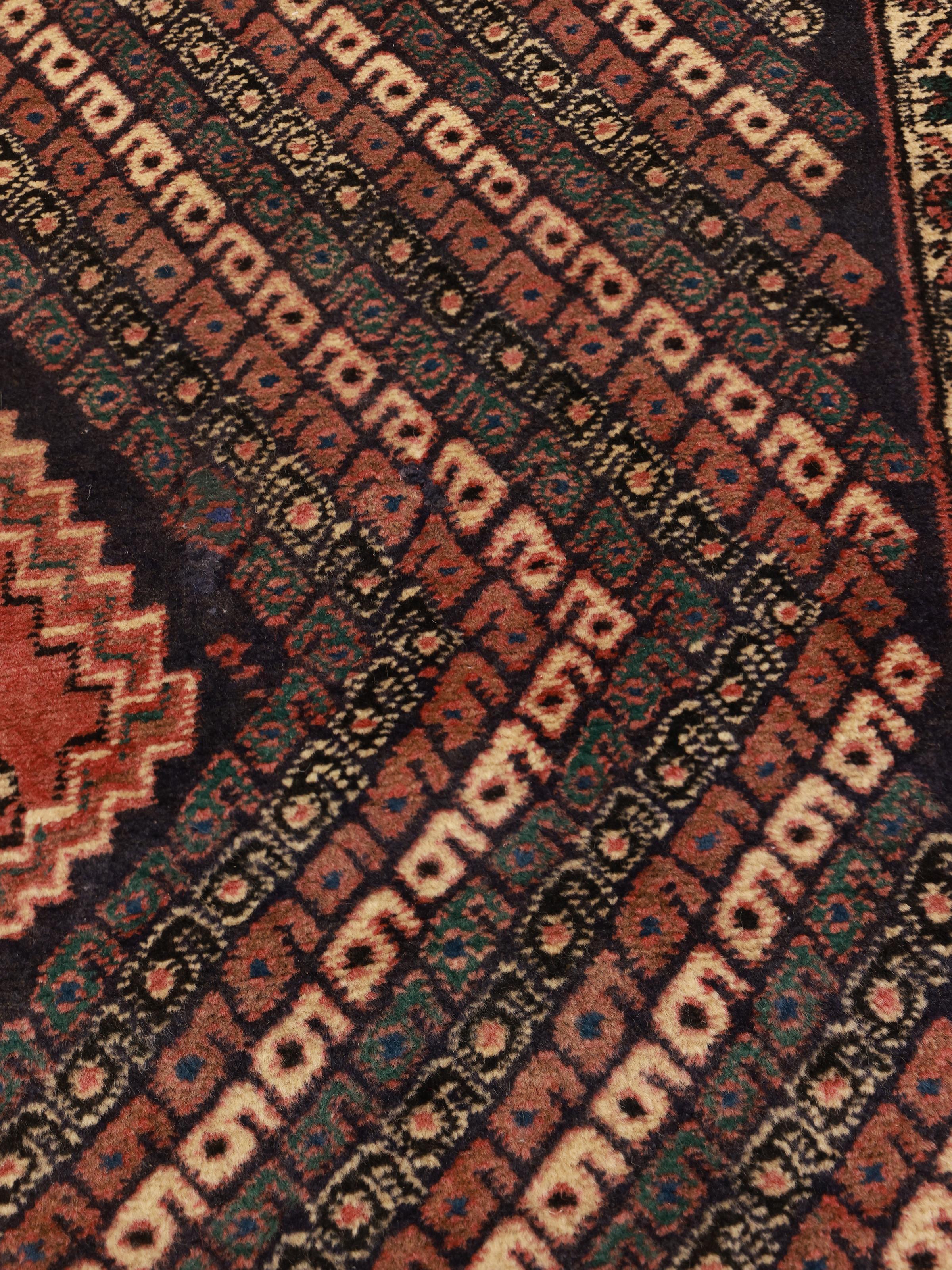
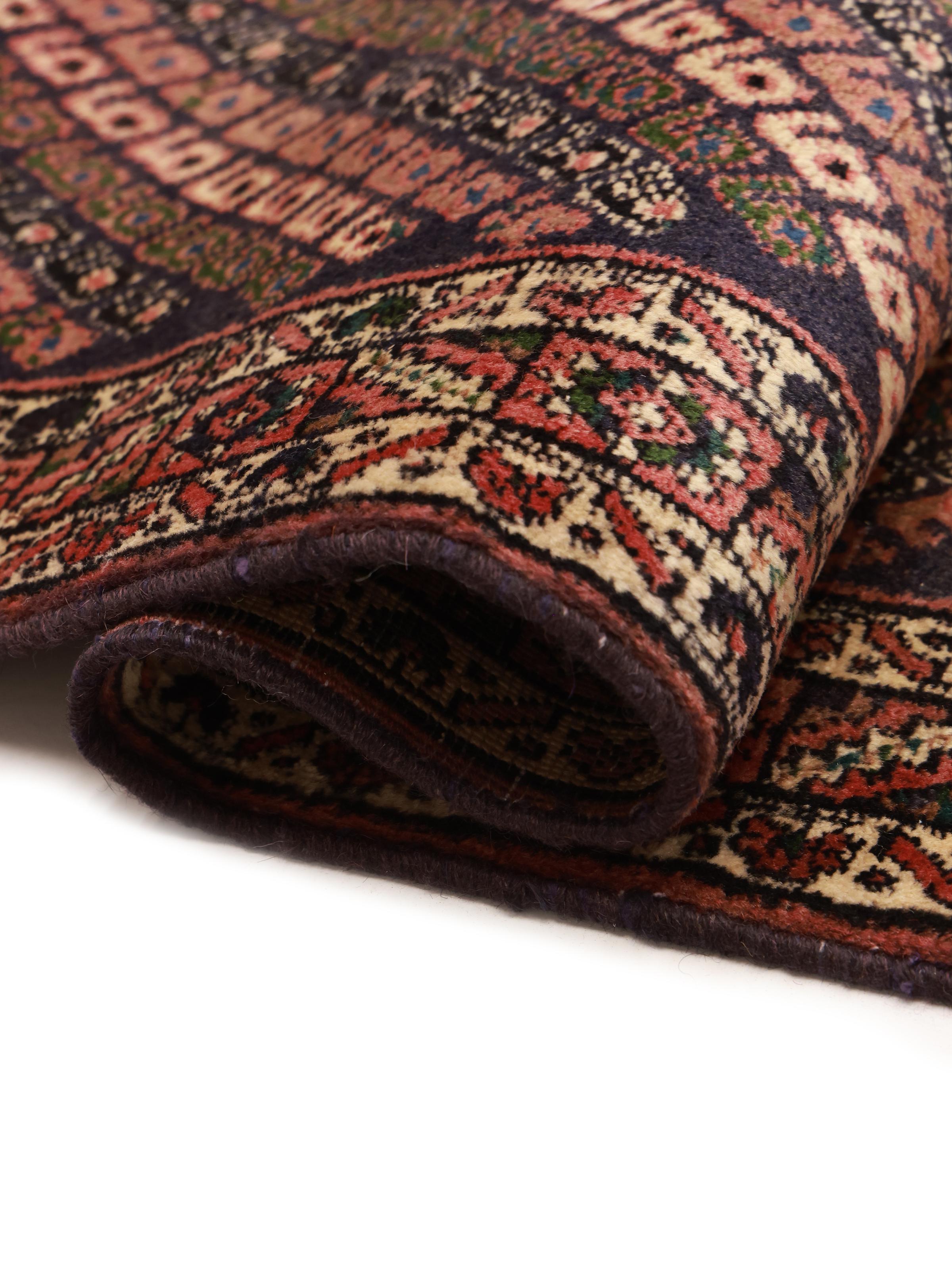
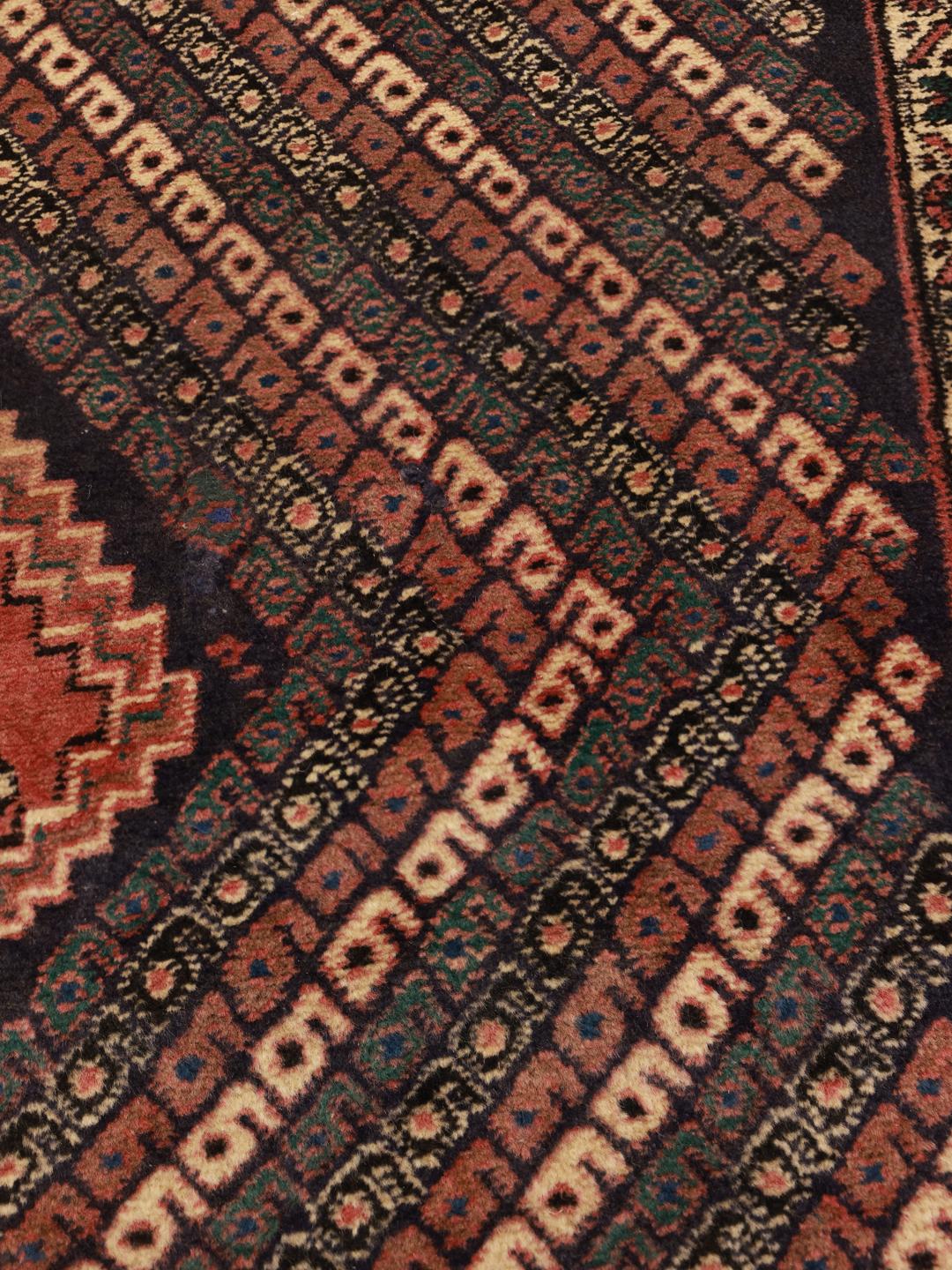
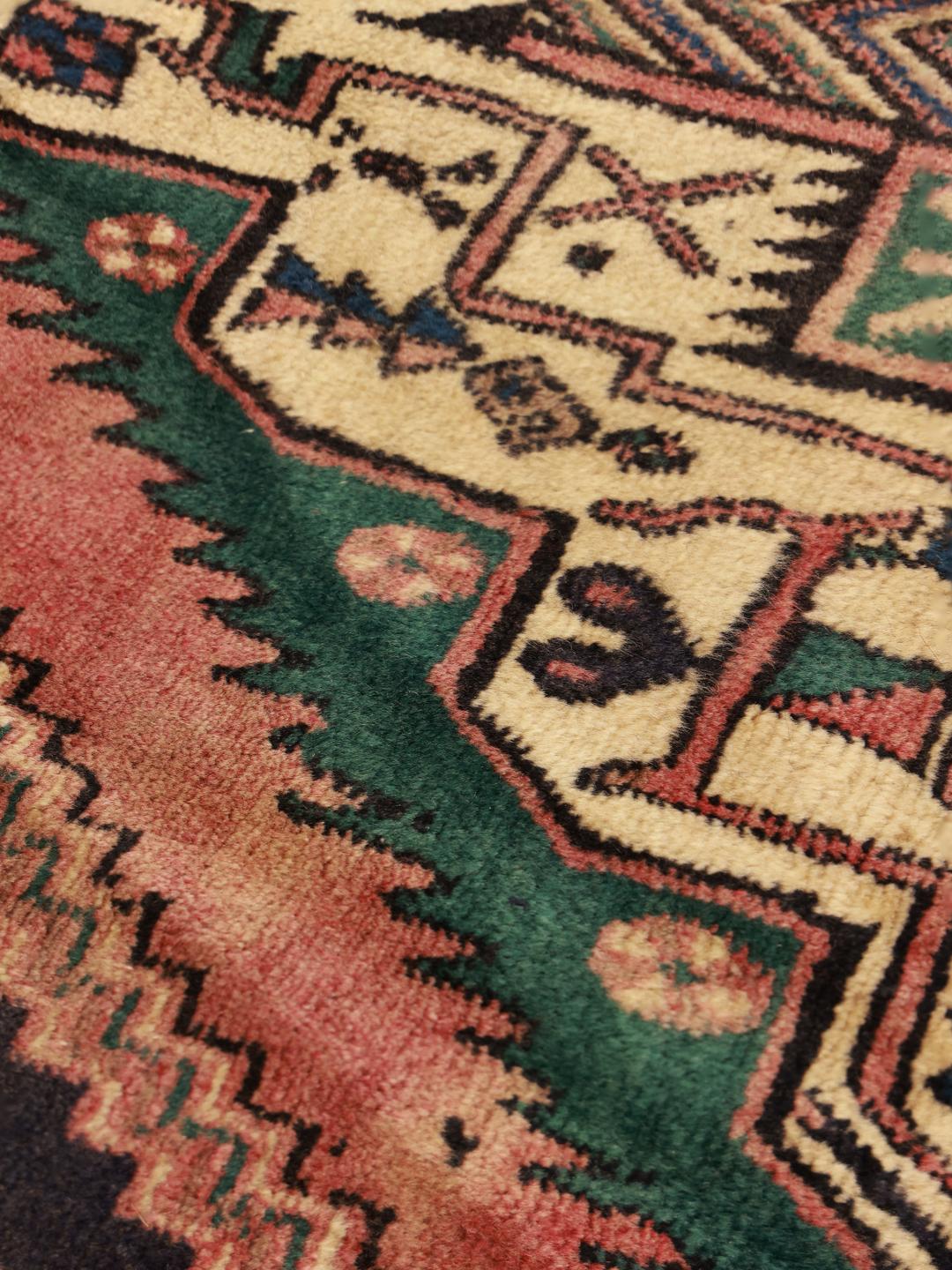
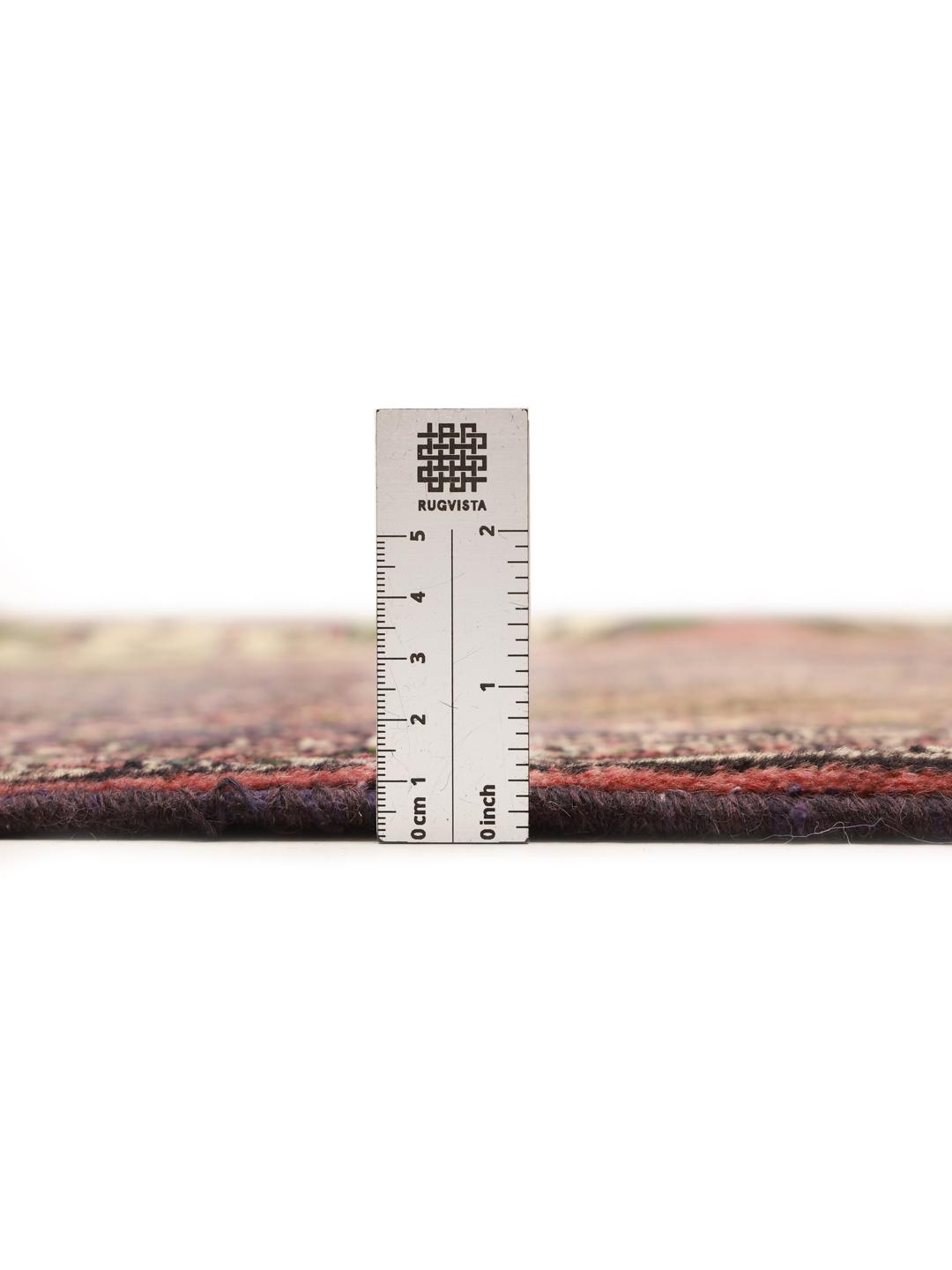
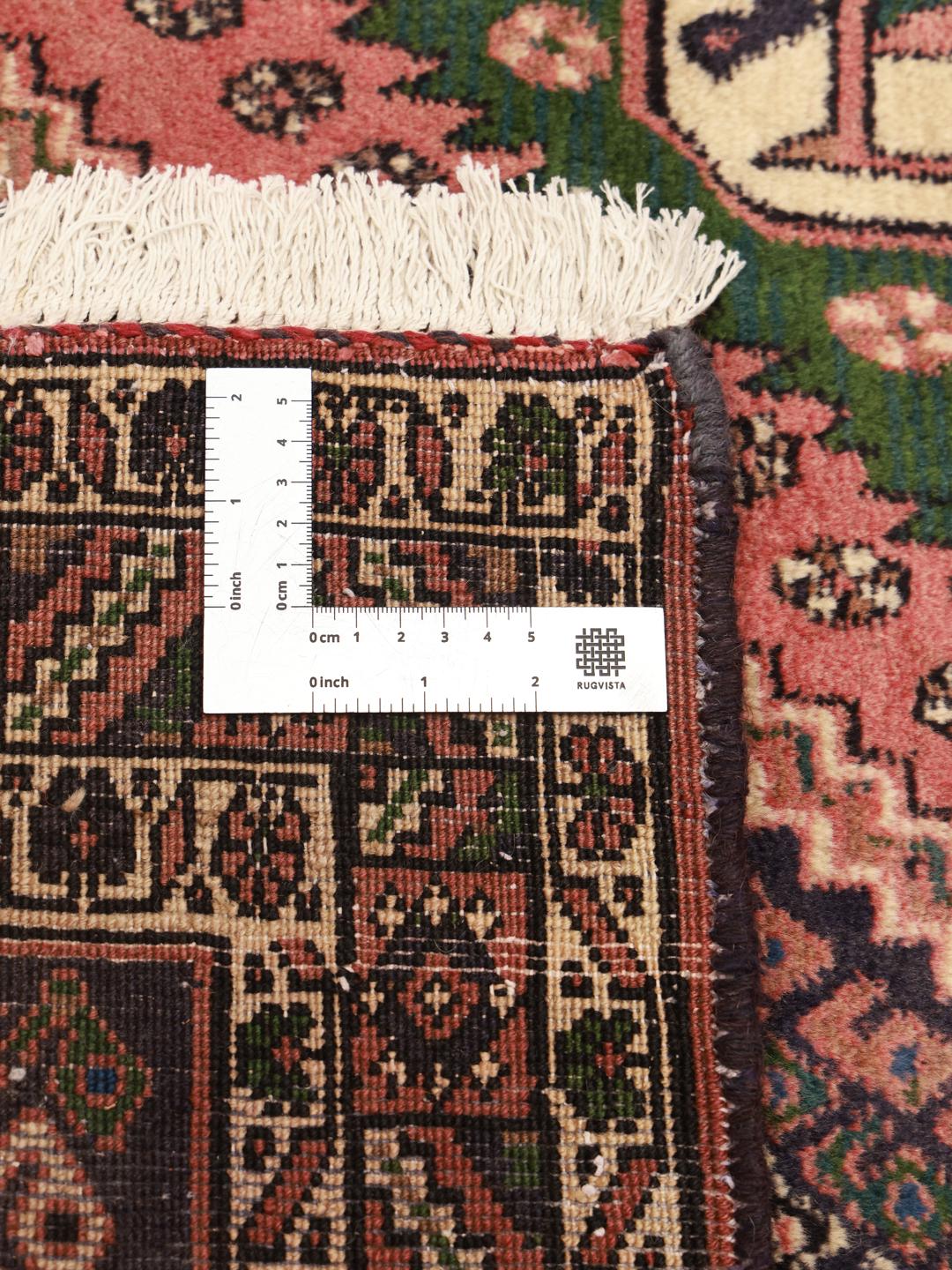
The technical quality of these rugs is defined by their dense, hand-knotted construction. The use of high-quality wool, often sourced from local mountain flocks, provides a natural lustre and strength. The wool is known for being sturdy yet soft, which is why these pieces are so highly regarded for their ability to withstand generations of use.
Visually, Afshar Shahre Babak rugs are celebrated for their bold geometric vocabulary. They often feature large central medallions, angular floral elements, and repeating motifs that tell a story of the weaver's environment. The borders are typically intricate, acting as a frame for the central field, and are characterised by deep, rich colours that have been achieved through traditional dyeing methods.
Collectors value these rugs for their authenticity and the cultural weight they carry. Owning a piece from this tradition is a way to preserve a connection to a long-standing craft history. It is a testament to the skill of the weavers who produce such complex patterns entirely by hand, ensuring that each rug remains a unique cultural artifact.