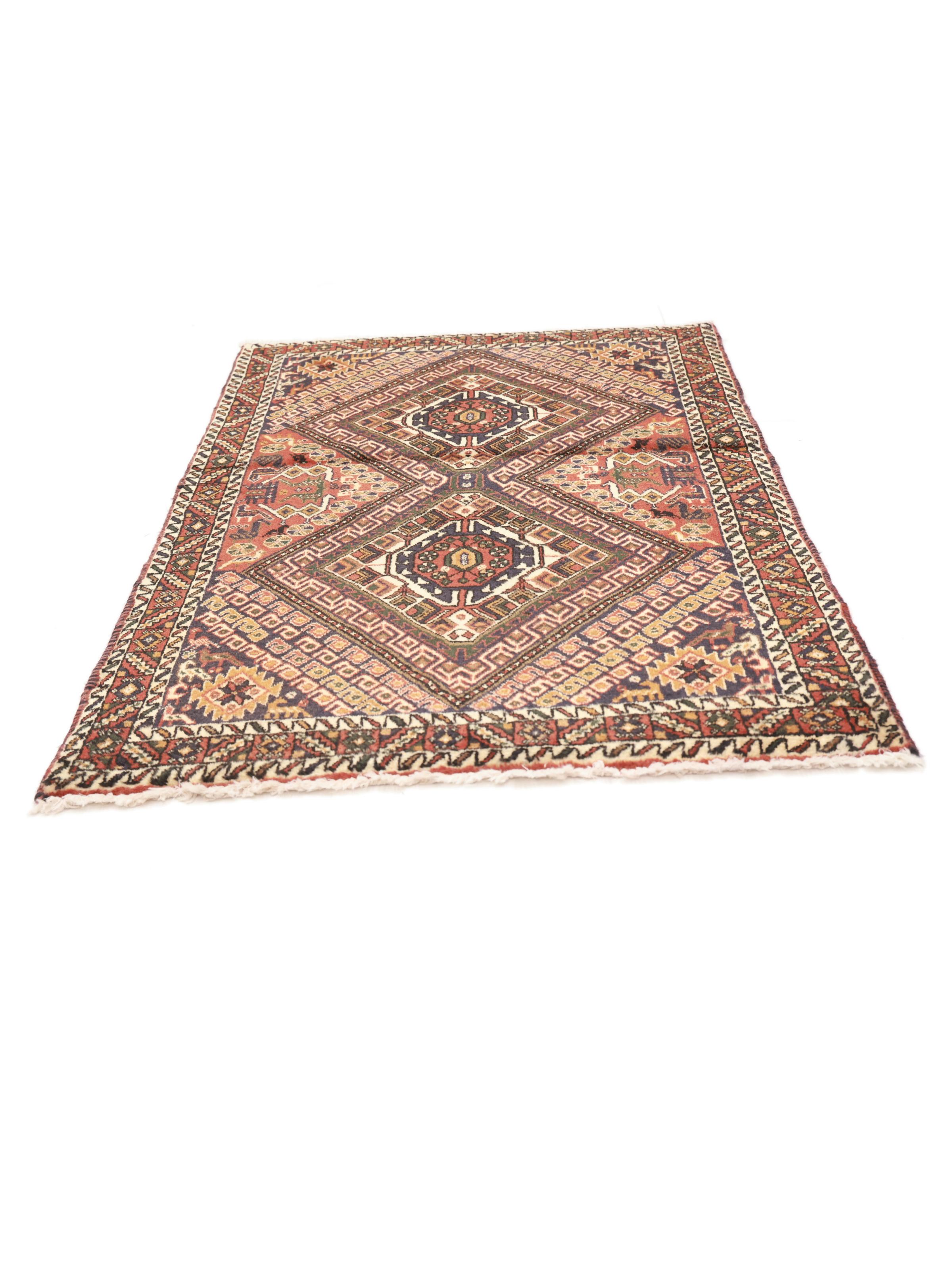
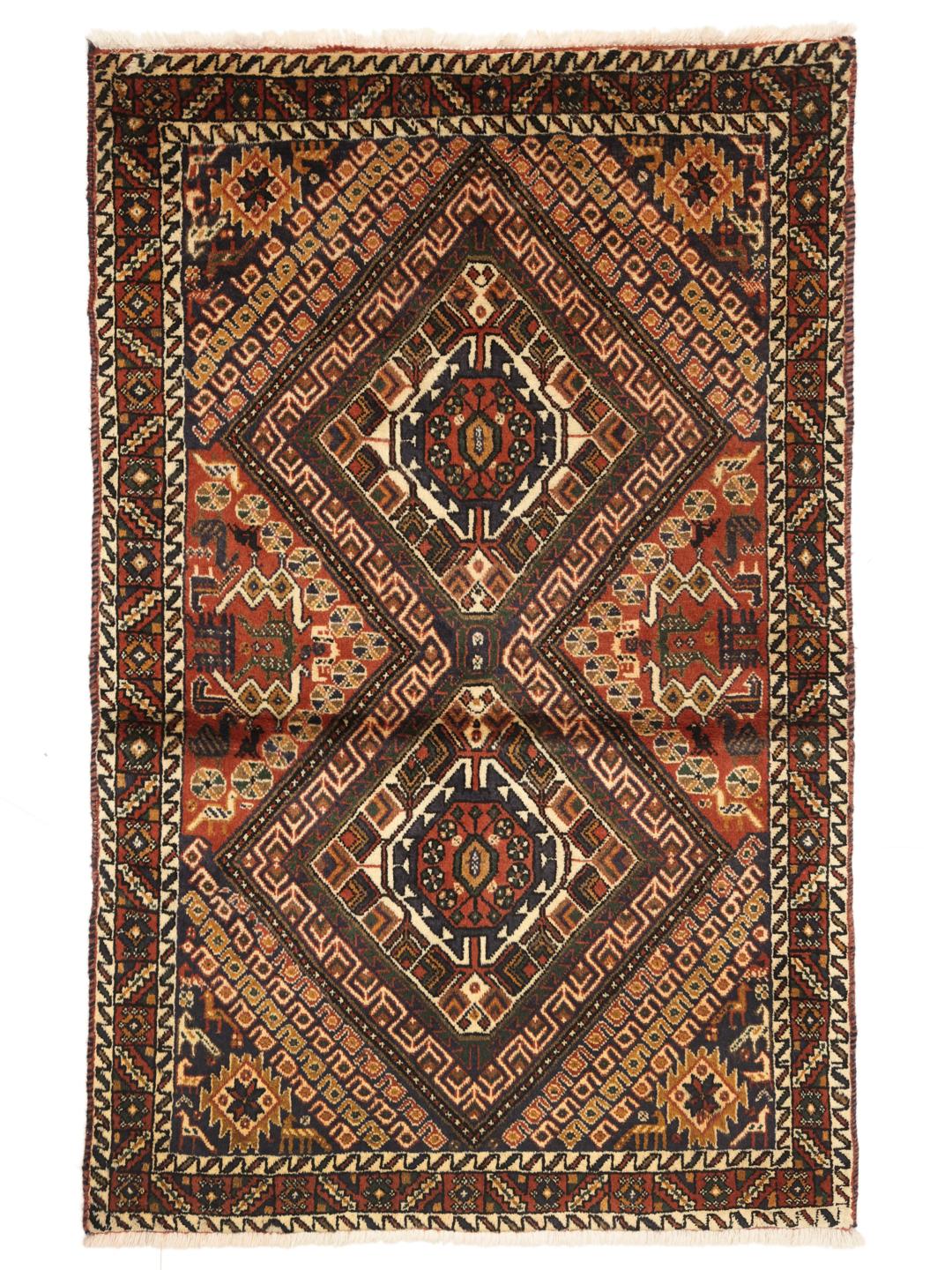
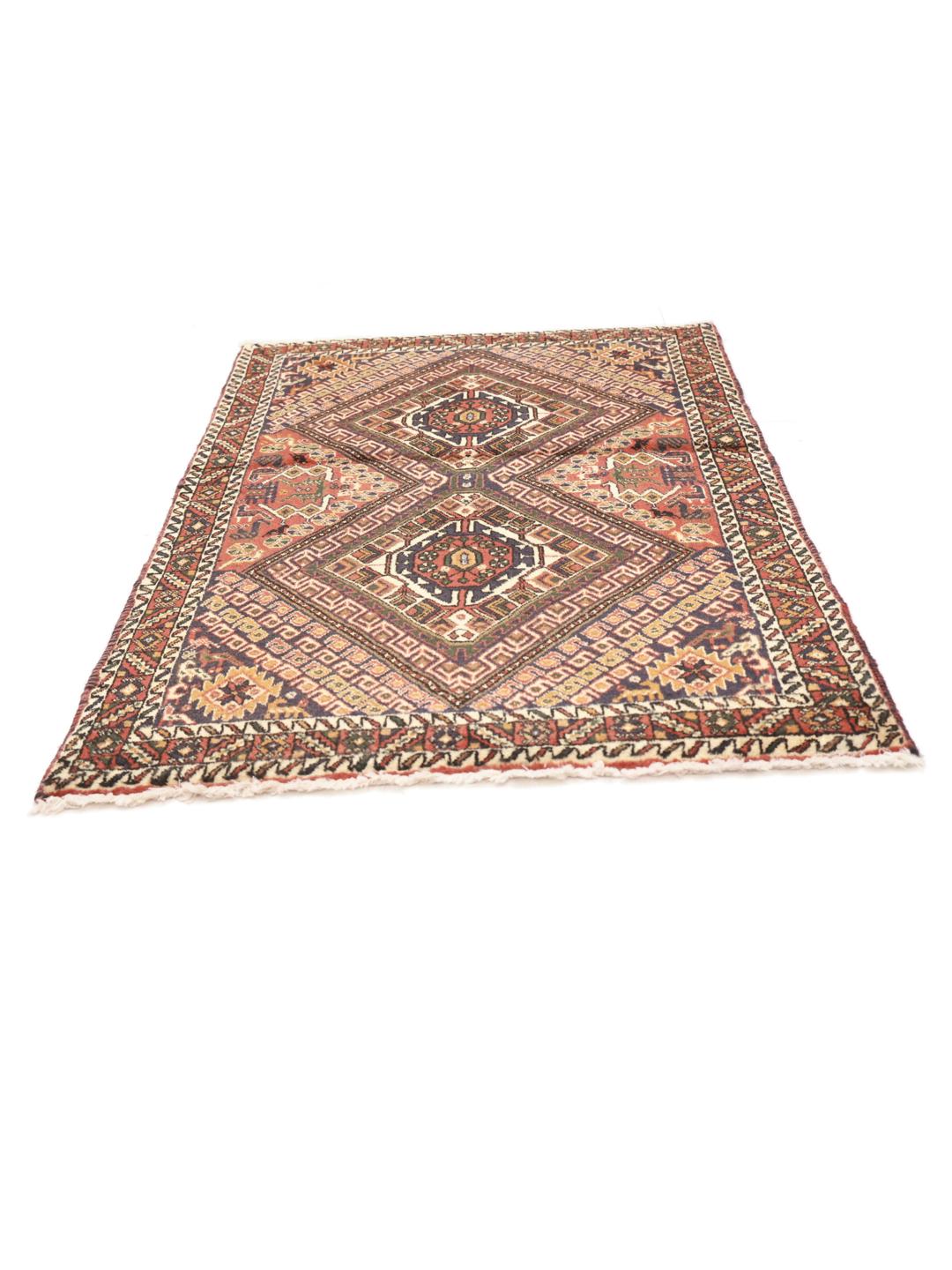
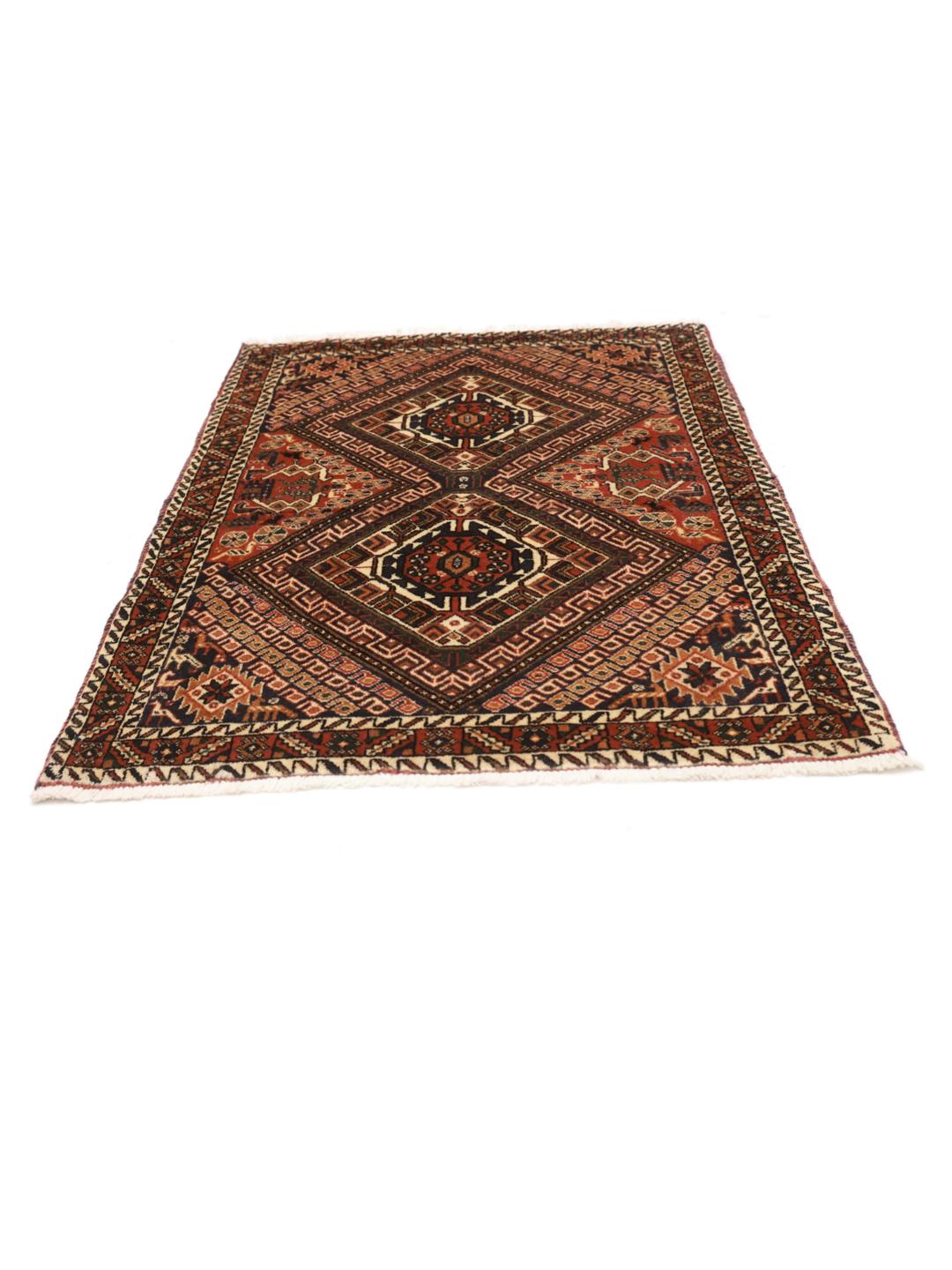
The Afshar Shahre Babak rug originates from the nomadic and semi-nomadic tribes of the Middle East, specifically from the region surrounding the city of Sirjan and the town of Shahre Babak. These rugs are born from a long-standing heritage of tribal weaving, where design motifs are passed down through generations, reflecting the environment, beliefs, and history of the people who create them.
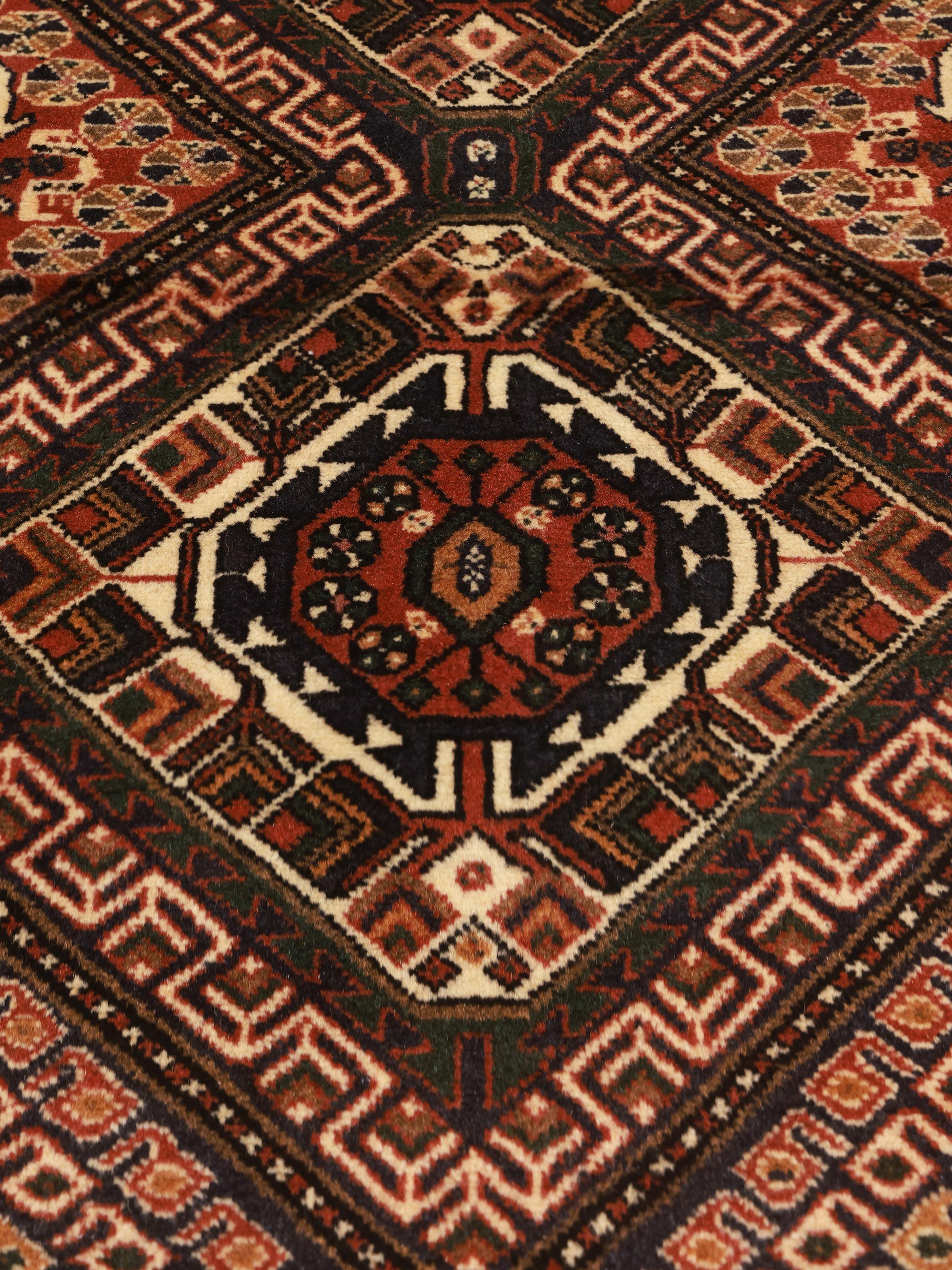
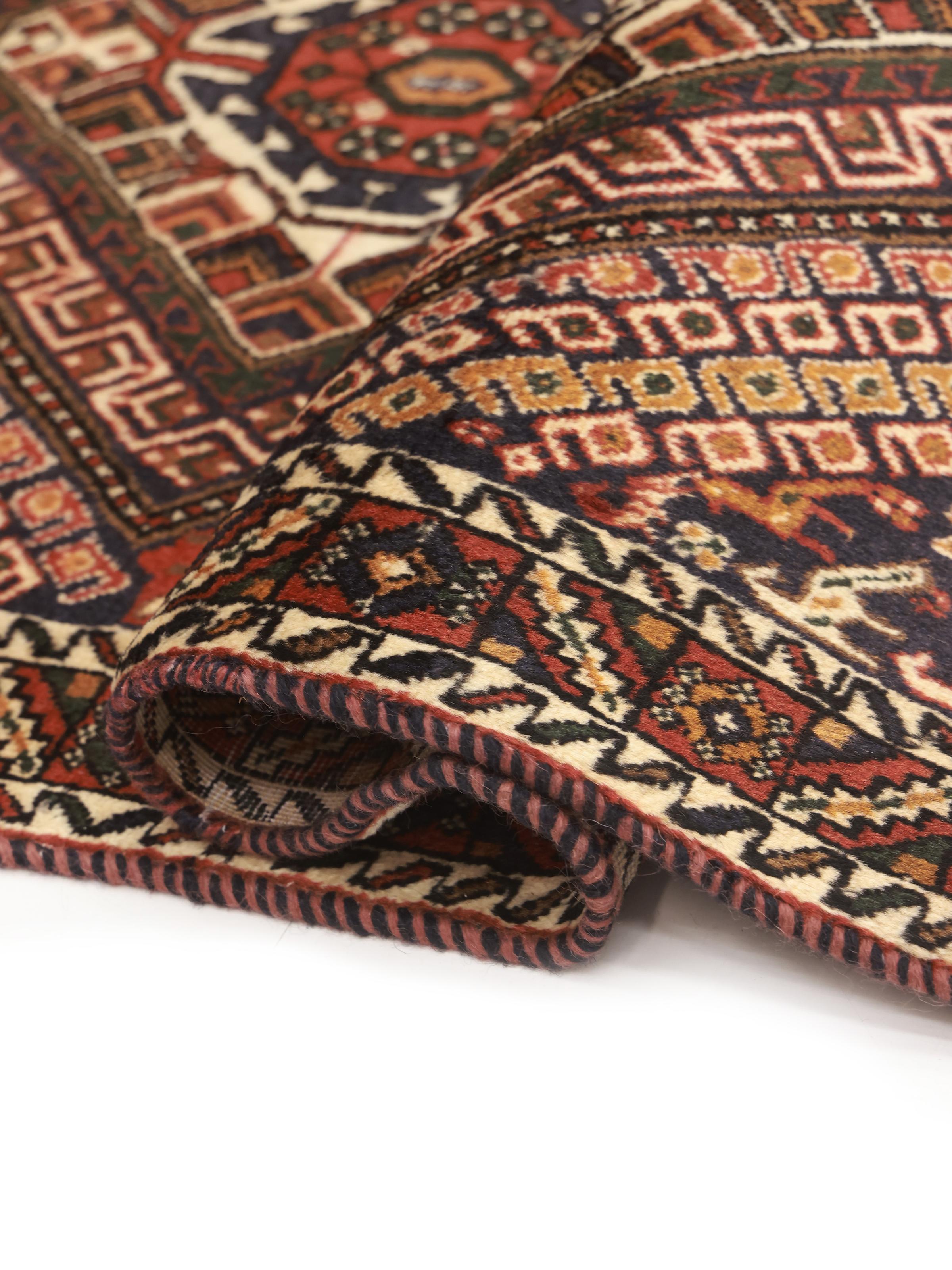
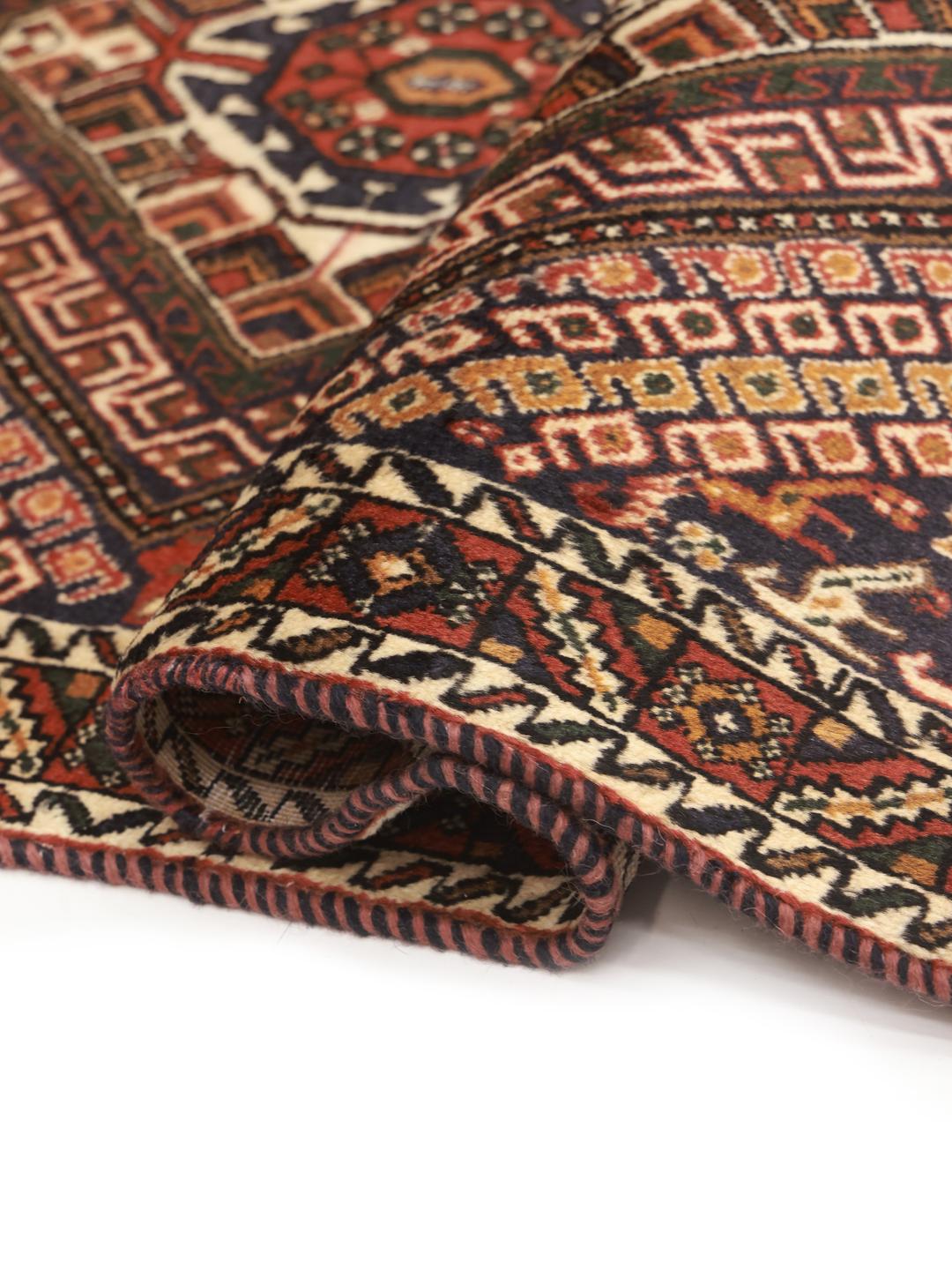
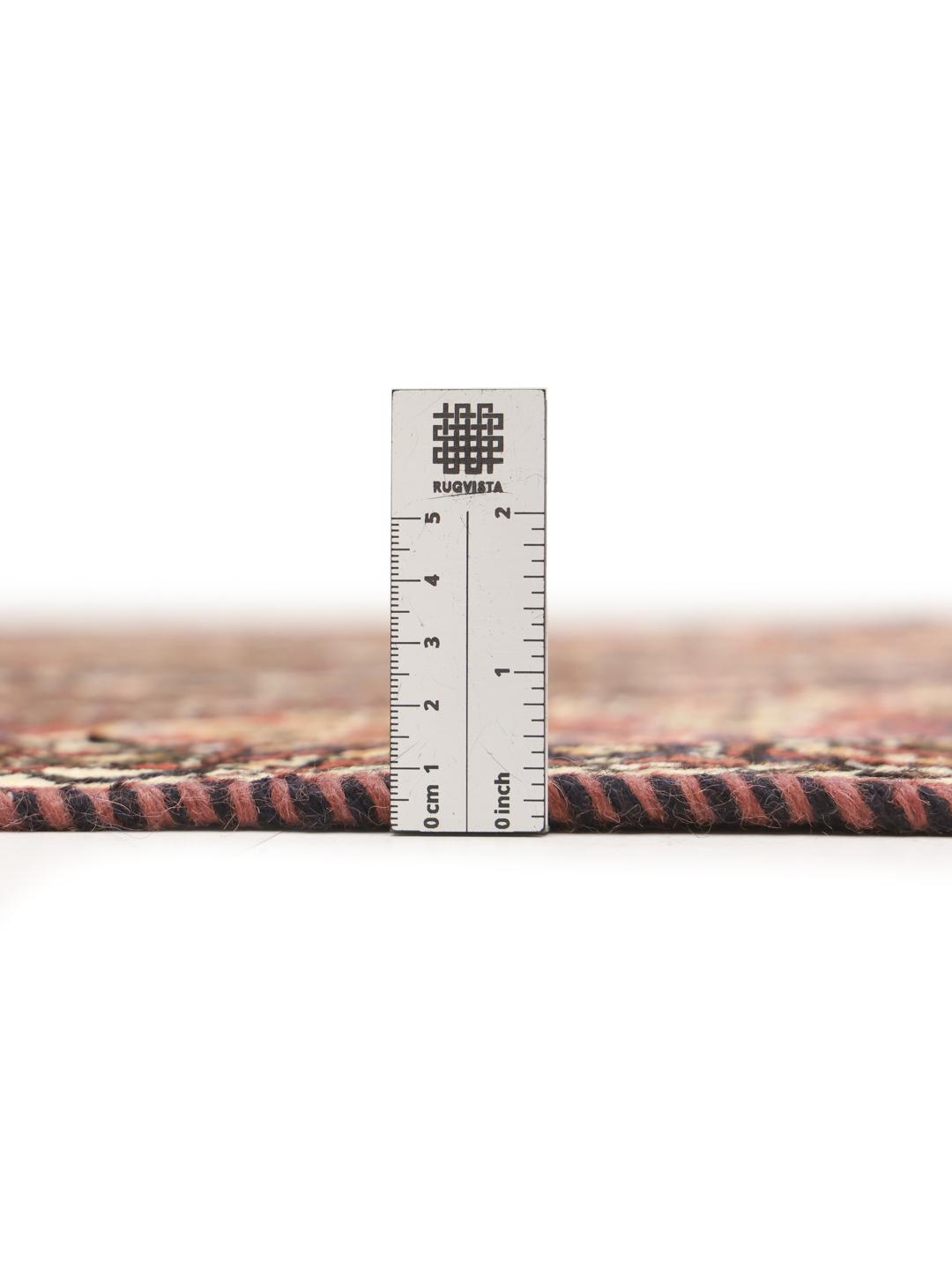
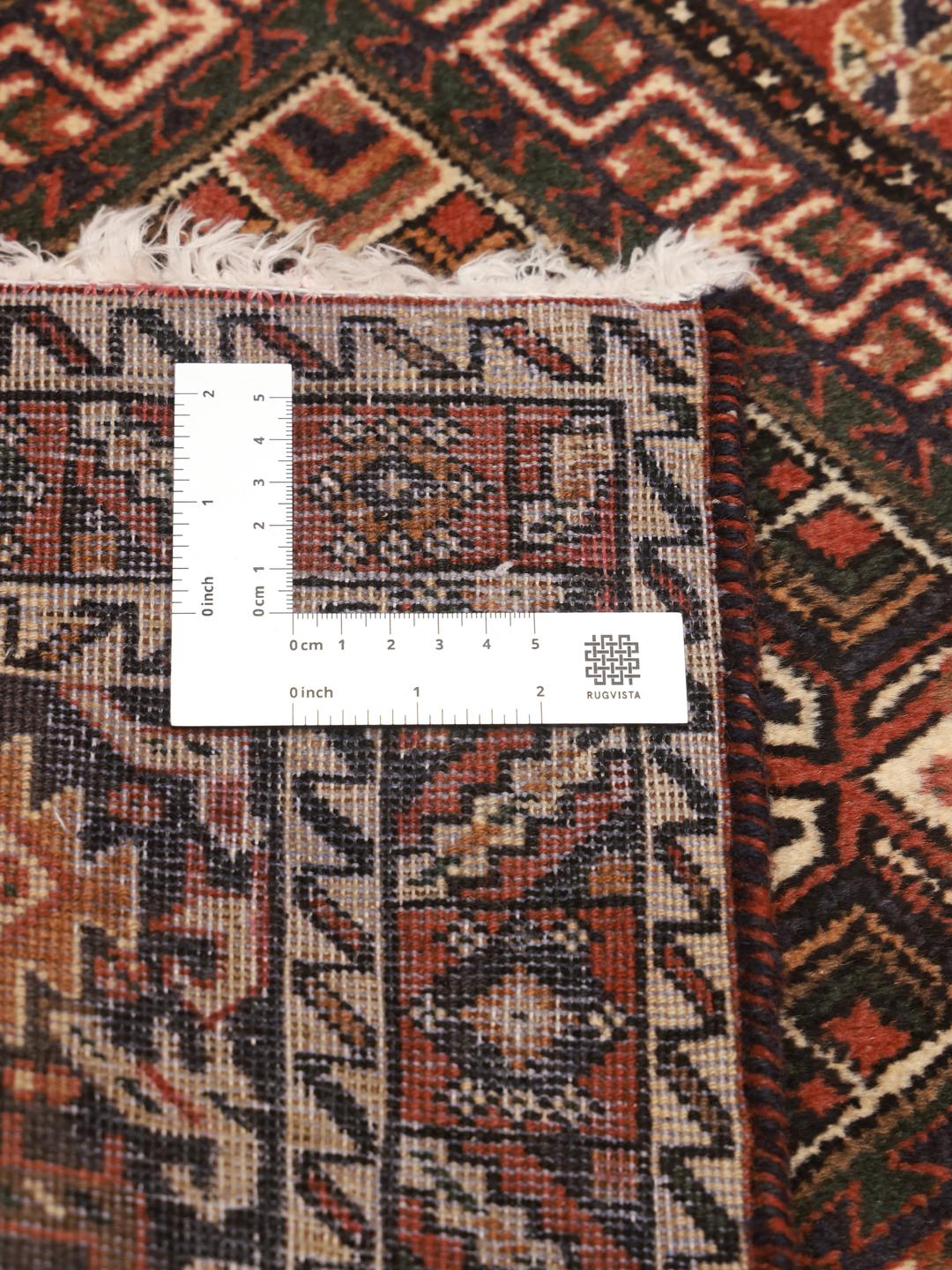
The term Afshar refers to the specific tribal group known for their exceptional weaving skills and distinctive design language. Their technique often involves a unique way of securing the wool pile, which, combined with the traditional wool materials, creates a rug that is both flexible and incredibly resilient. This construction method ensures that the rug can withstand the rigours of nomadic life, a quality that translates perfectly to the demands of a modern home.
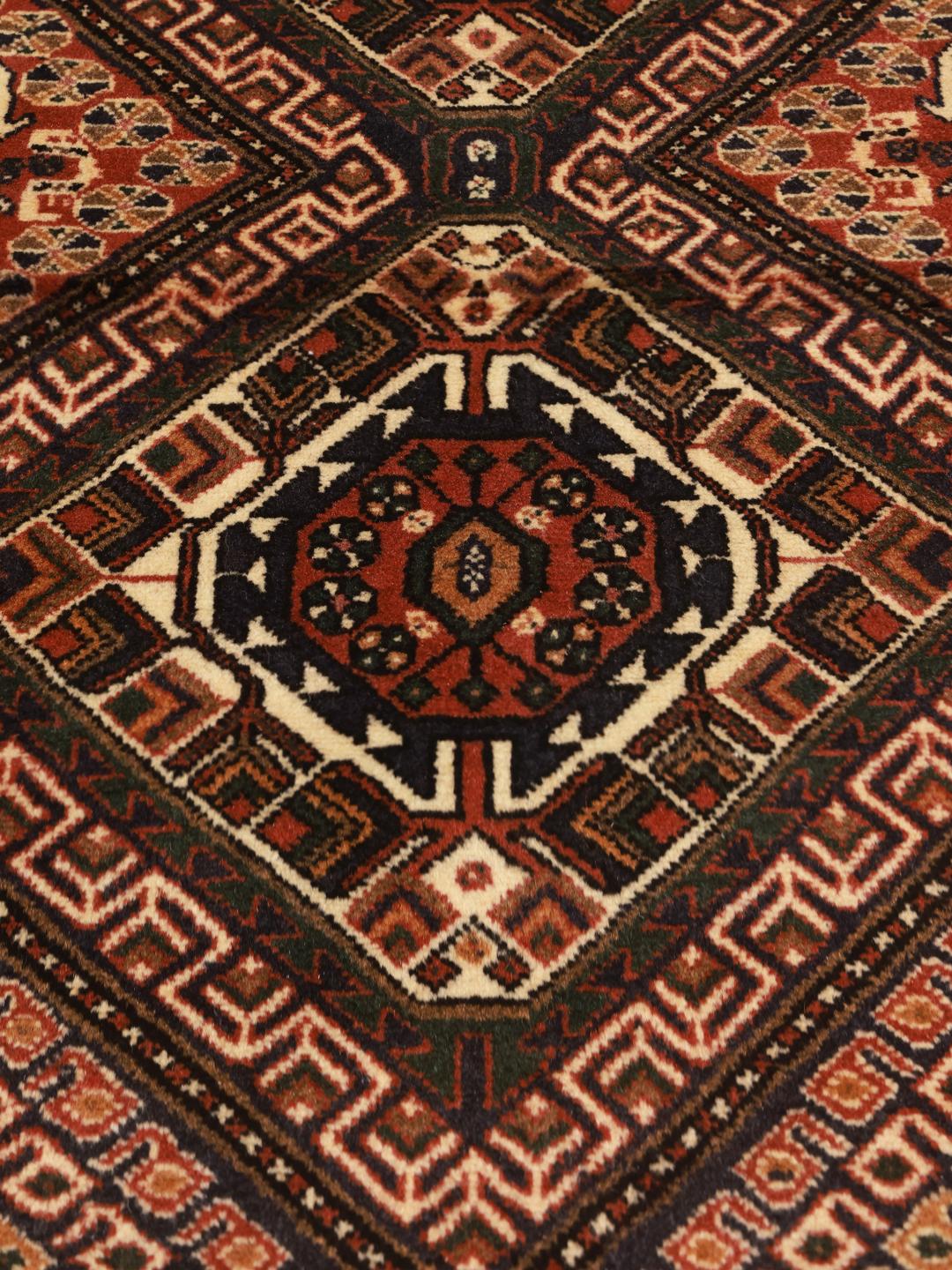
Visually, these rugs are characterised by their bold, geometric designs and a deep, earthy colour palette. The field is typically filled with stylised medallions, tribal symbols, and intricate borders, often showcasing a sophisticated interplay between angular shapes and natural forms. The use of repeating geometric motifs is not just aesthetic, but serves as a visual language, with every pattern telling a story of the weaver's culture and surroundings.
Collecting an Afshar Shahre Babak rug is an investment in cultural heritage and human skill. These pieces are highly valued by collectors for their authenticity and the way they bridge the gap between ancient nomadic art and contemporary interior design. By choosing this rug, you are preserving a craft tradition that has remained largely unchanged for centuries, bringing a piece of living history into your own personal space.