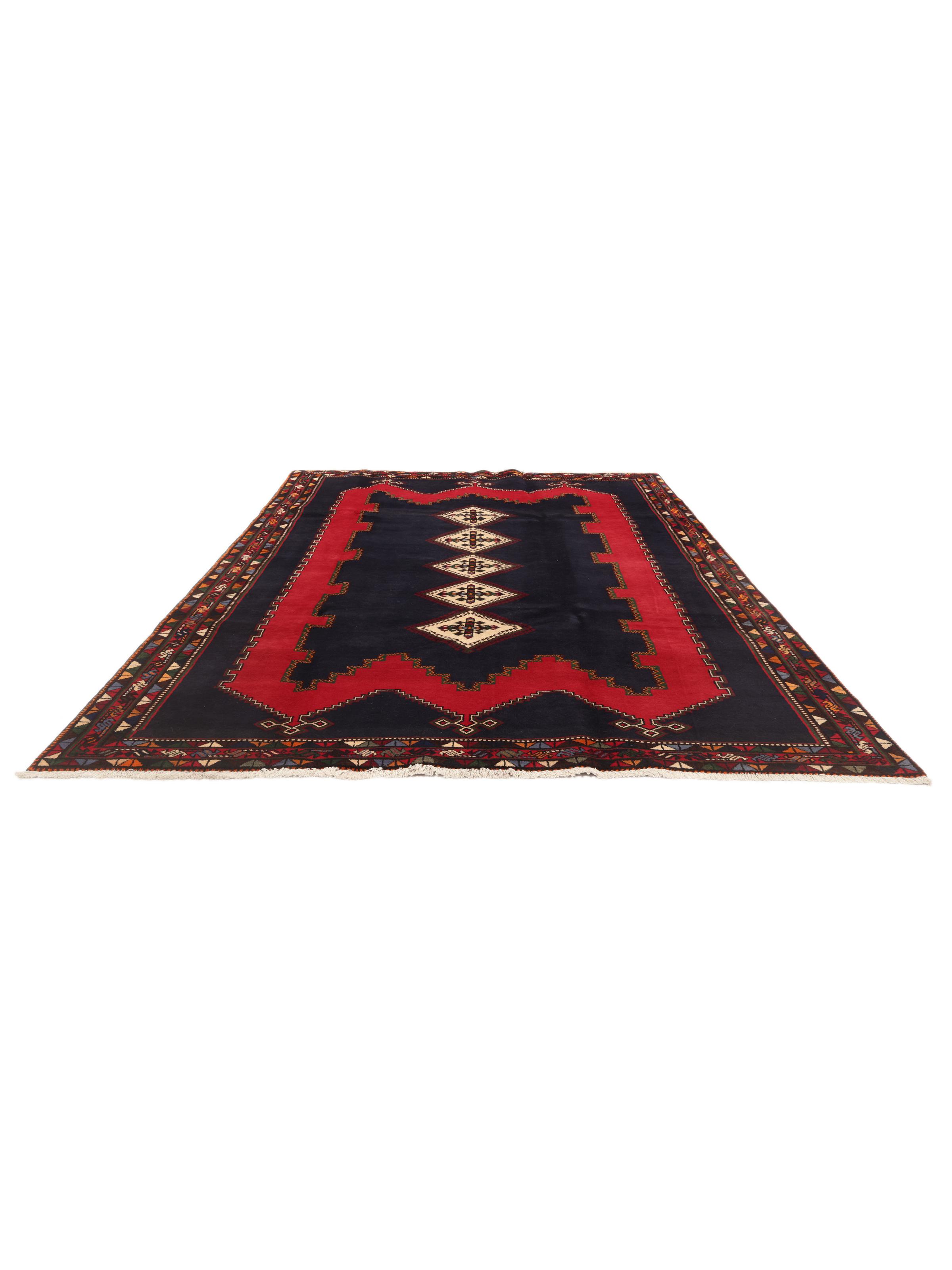
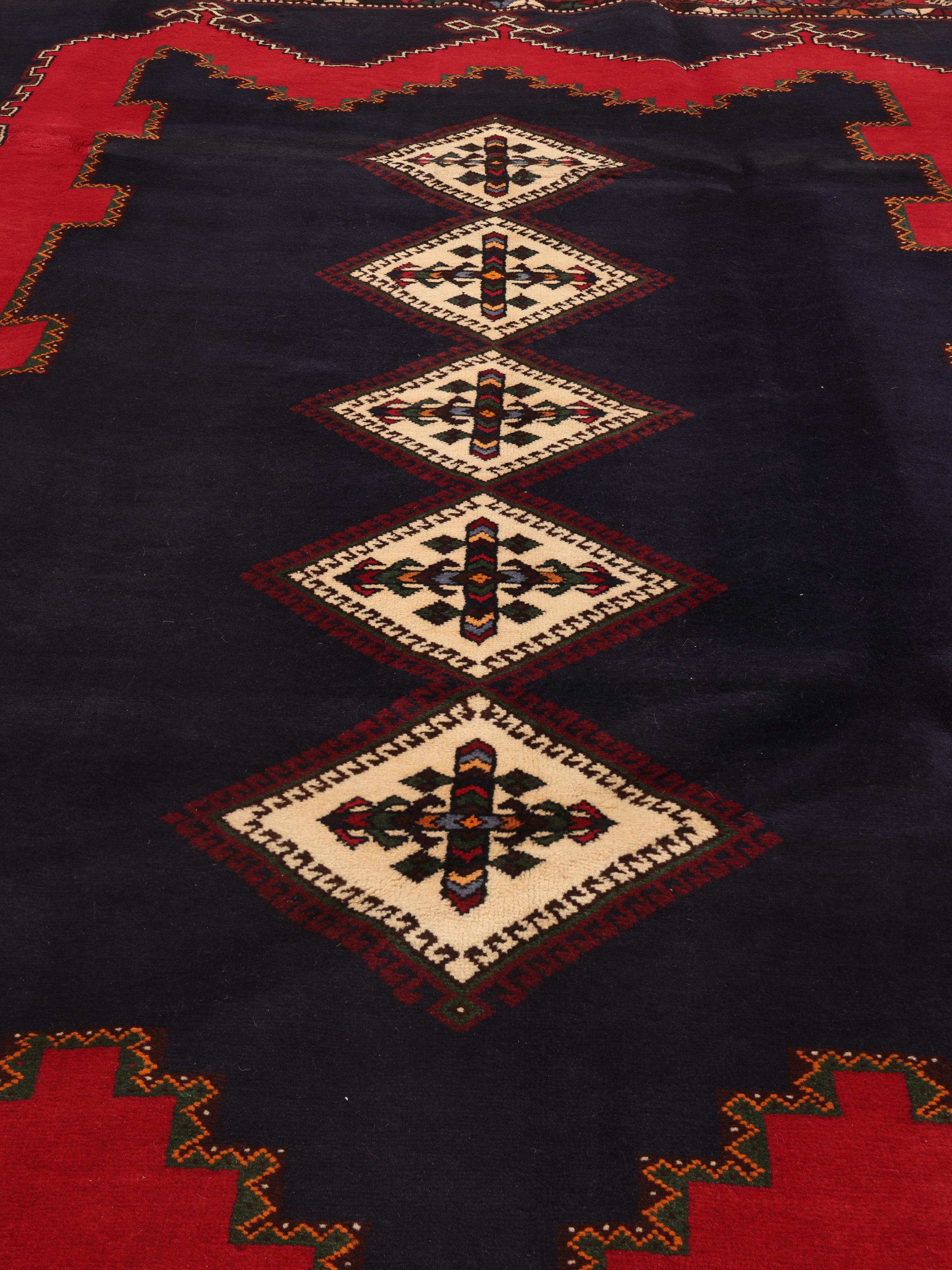
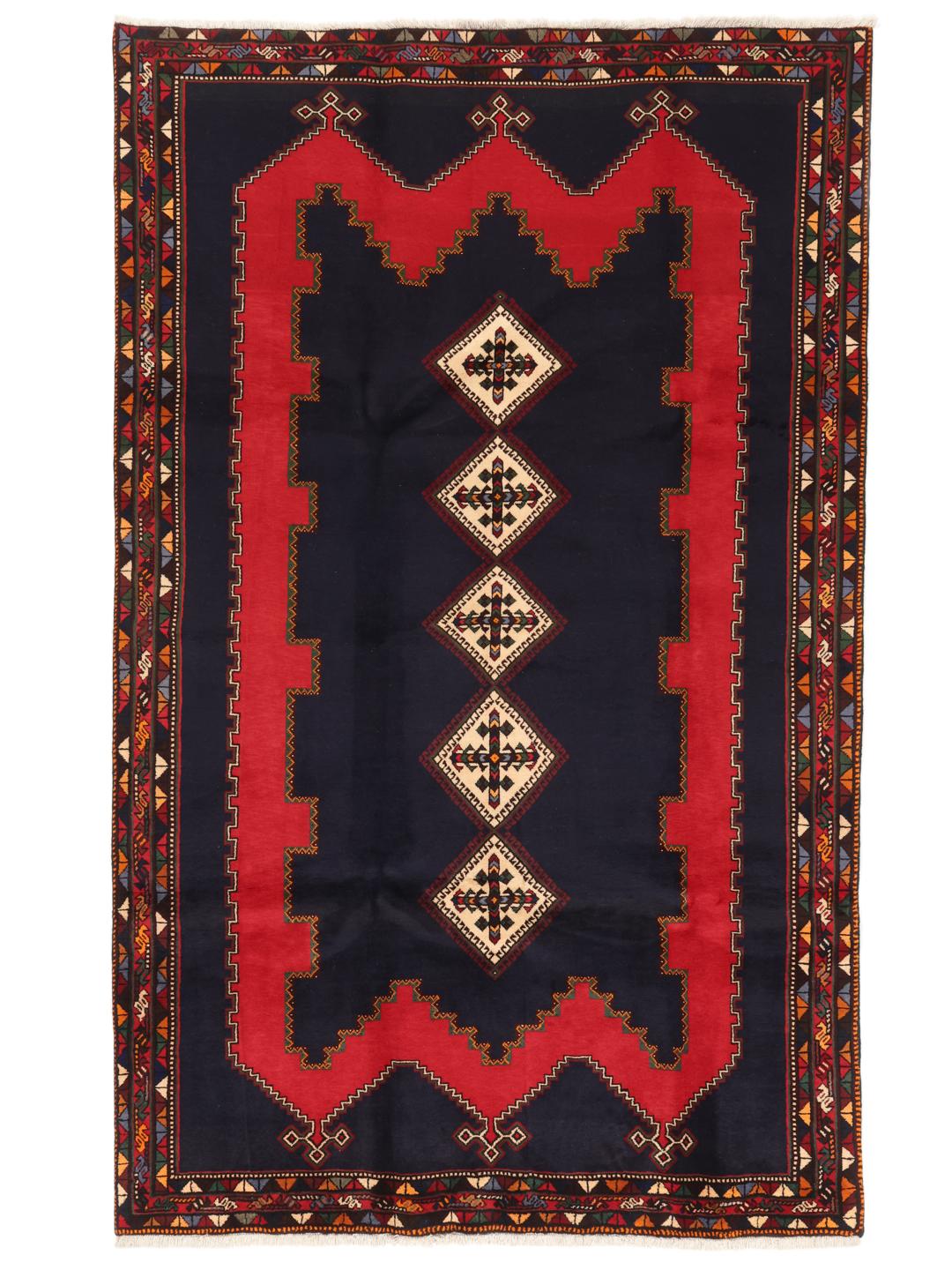
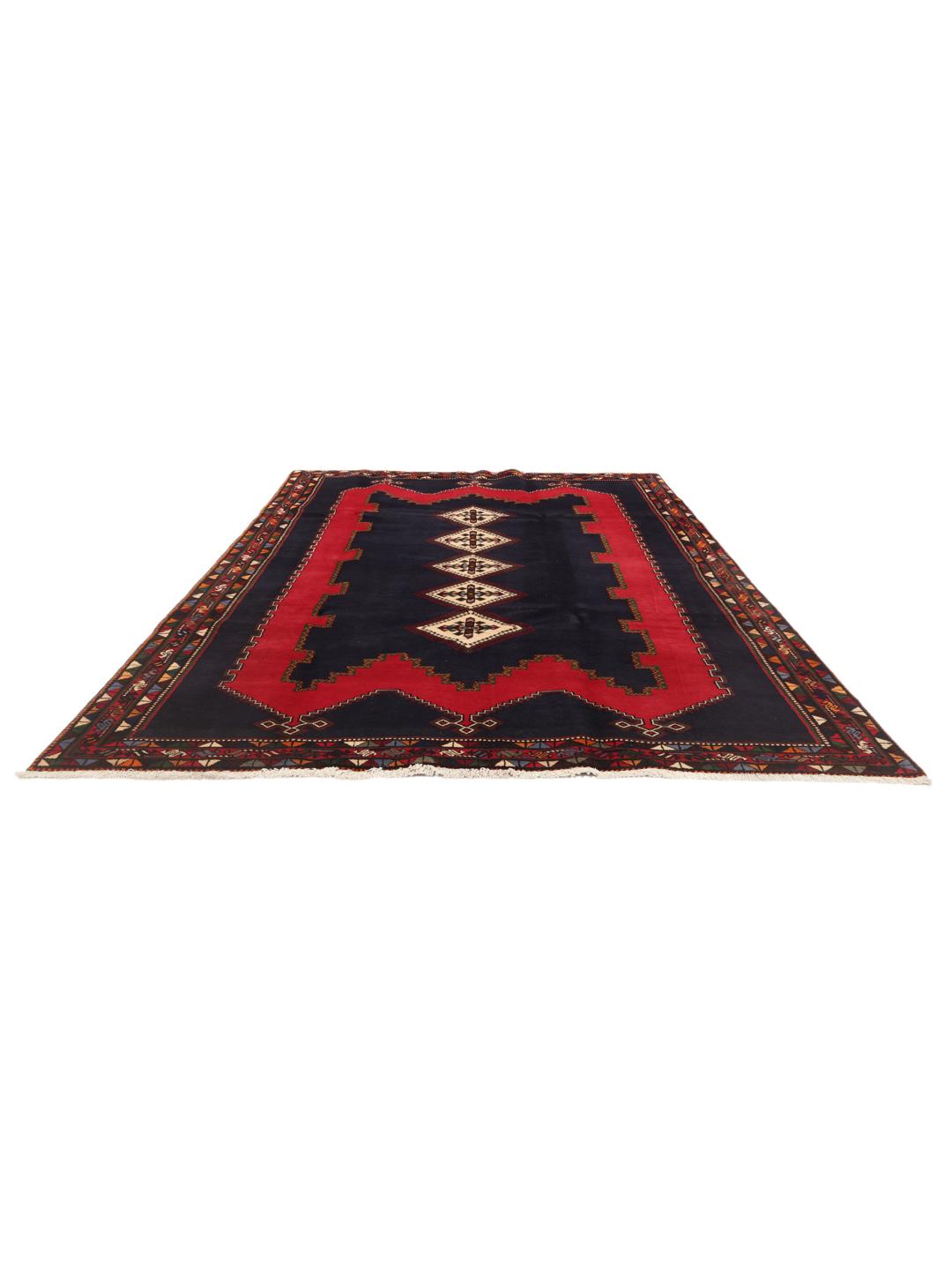
The Afshar rugs originate from the nomadic and semi-nomadic tribes of the Kerman region in the Middle East. Historically, these tribes were known for their resilience and their distinct approach to weaving, which blended tribal traditions with the sophisticated sensibilities of urban workshops. This unique cultural synthesis has resulted in a style that is both rugged and refined, known for its durability and its bold, geometric visual language.
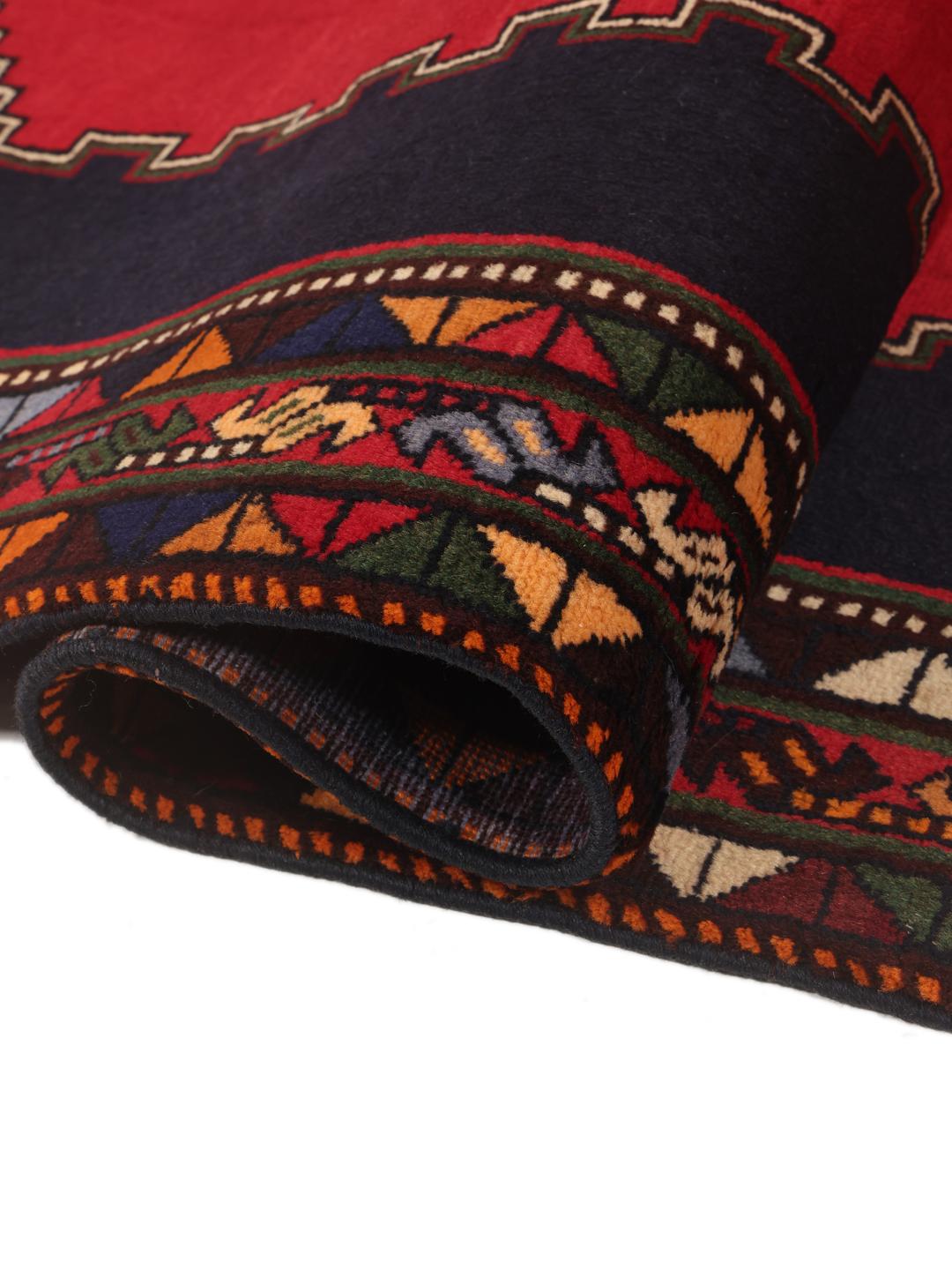
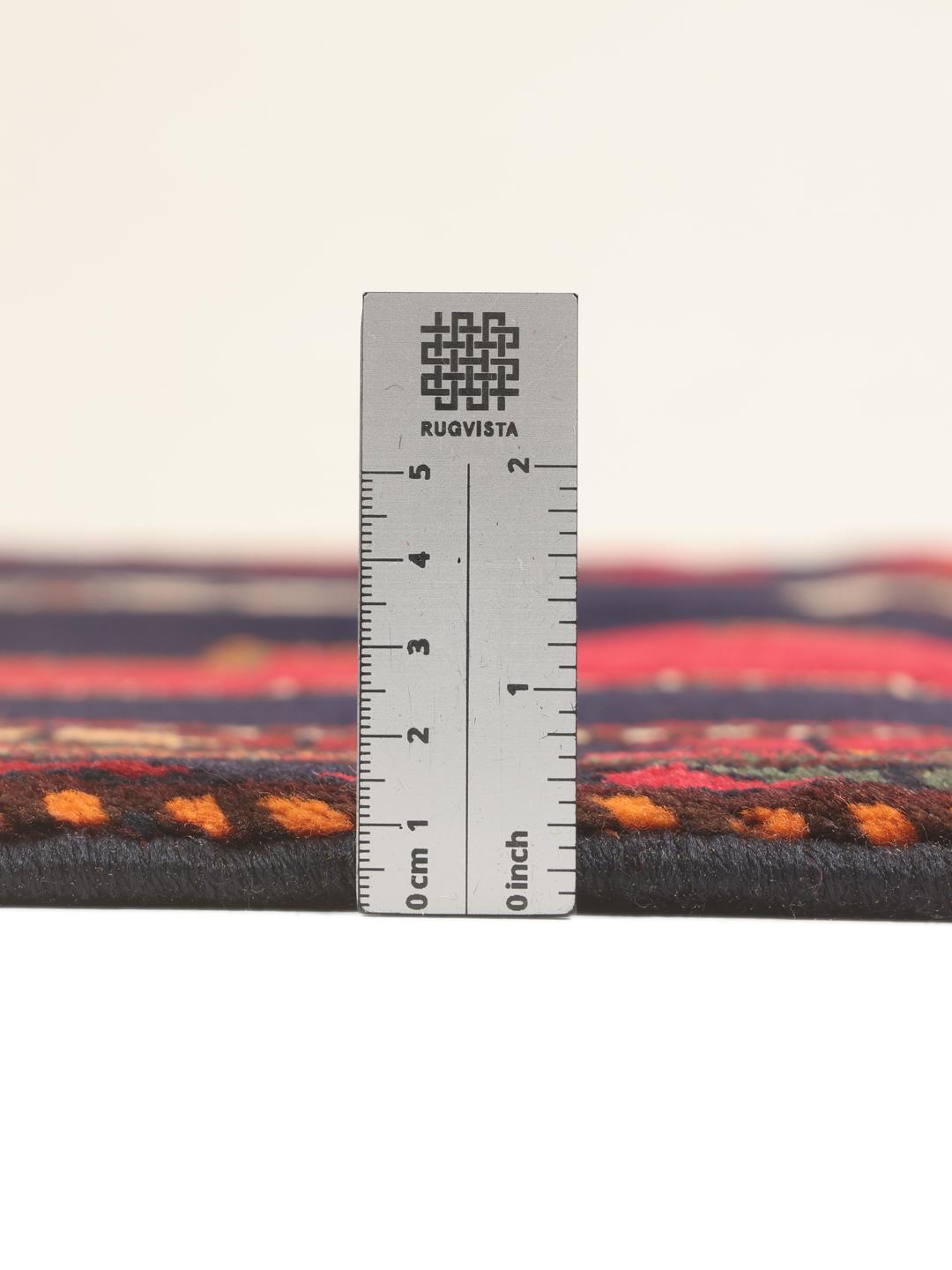
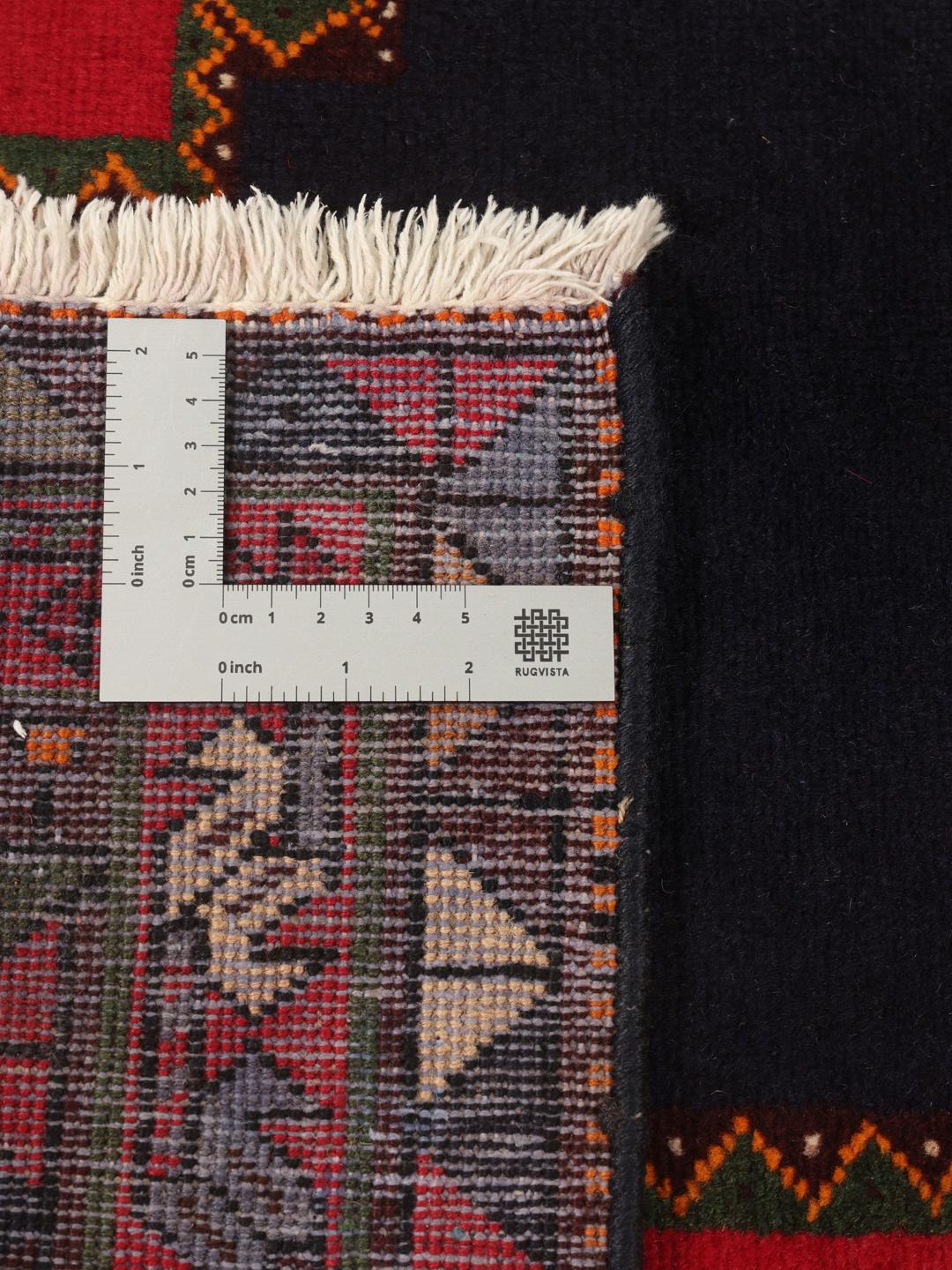
The craftsmanship behind these rugs is defined by a deep understanding of natural materials and traditional techniques. The use of hand-spun wool is central to their quality, as it retains natural lanolin that provides the pile with a soft sheen and a resilient texture. This material choice is vital, as it ensures the rug is not only beautiful but also capable of aging gracefully, developing a richer character over time.
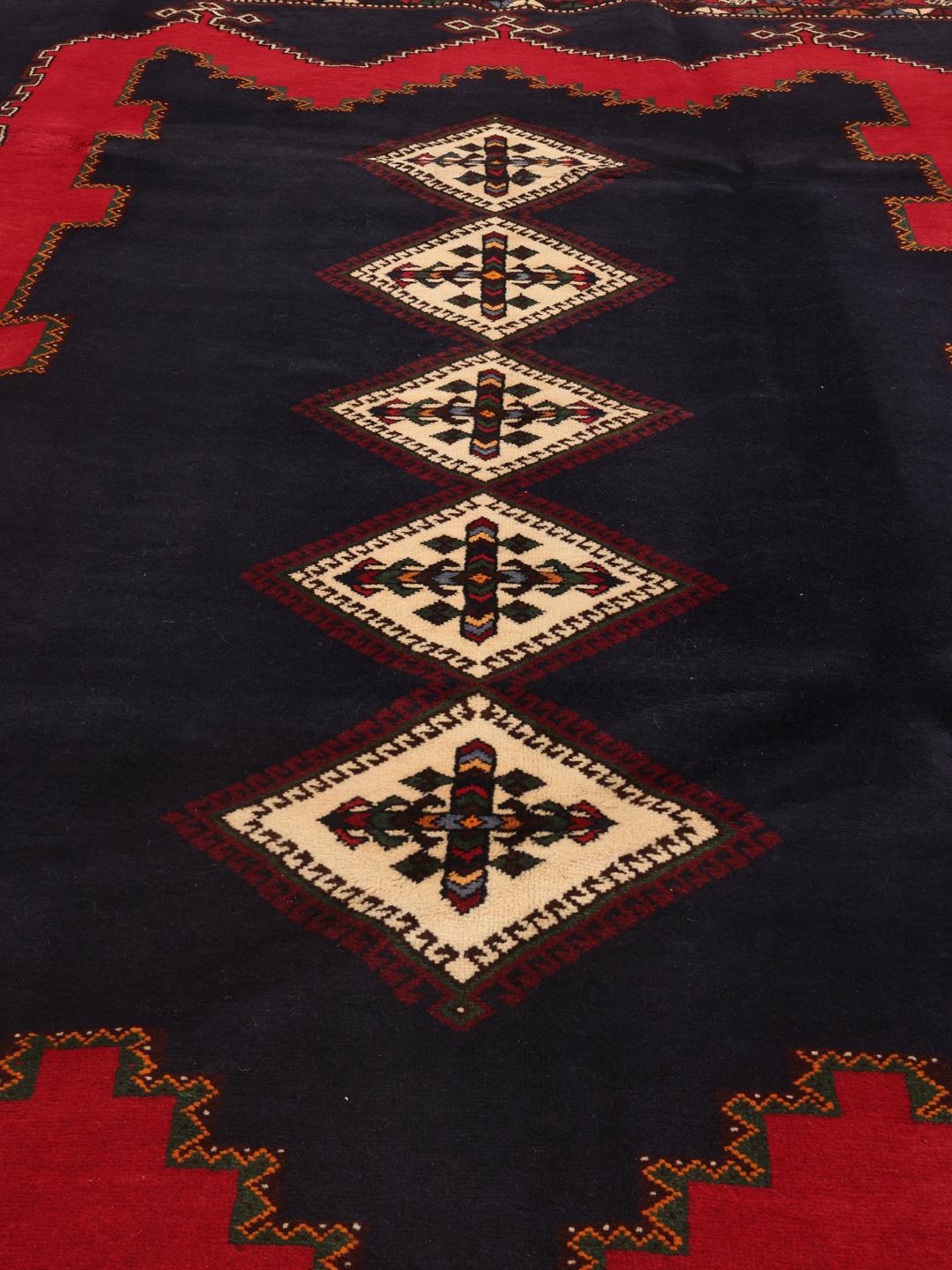
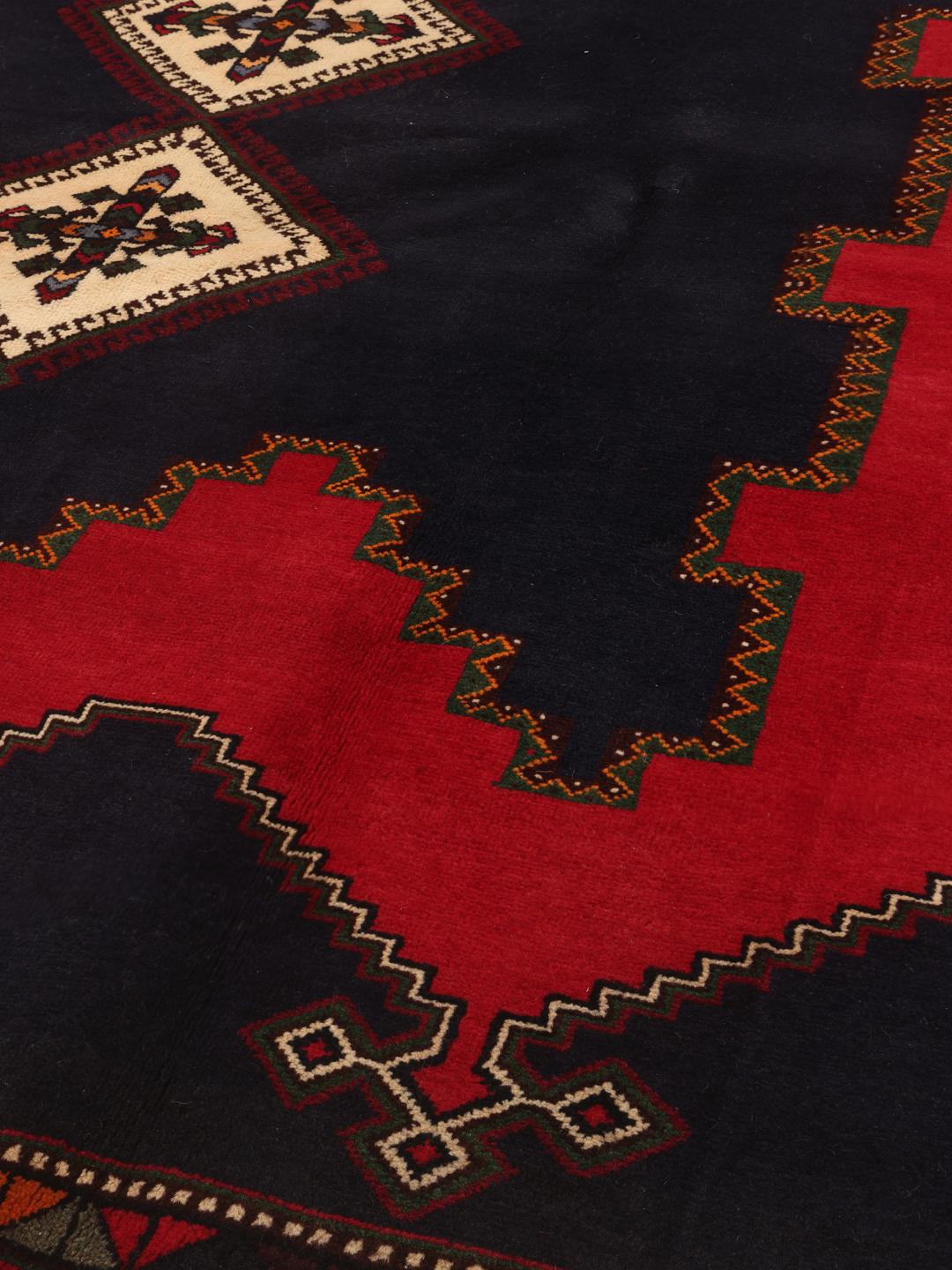
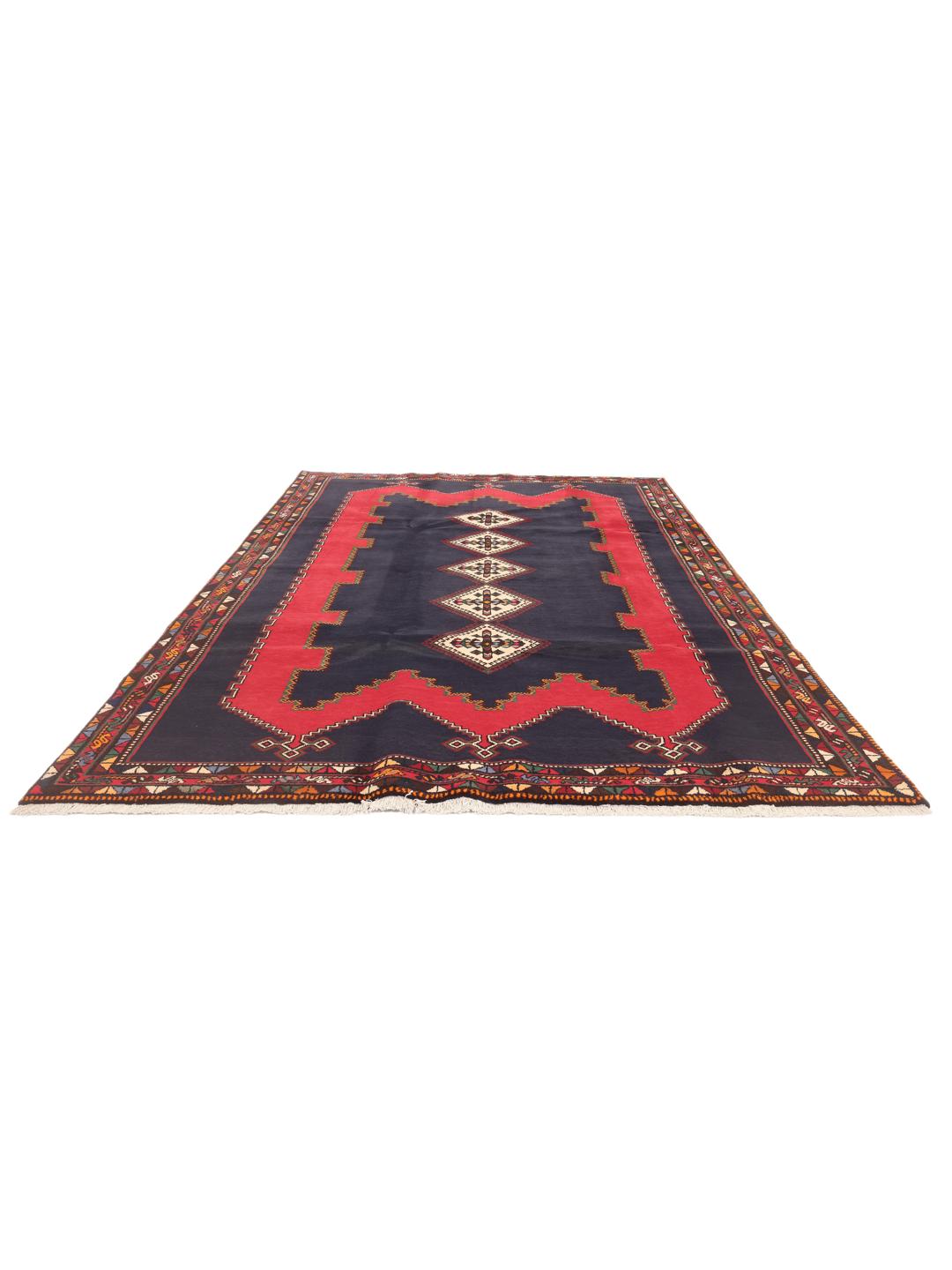
Visually, these rugs are celebrated for their striking use of geometric motifs, often featuring diamonds, latch-hook symbols, and stylized floral elements. The borders are typically complex, framing the central field with repeating patterns that draw the eye inward. It is common to see a dramatic, high-contrast colour palette, where deep blues and vivid reds are balanced against lighter tones to create a sense of depth and movement within the design.
Collecting an Afshar rug is an opportunity to own a piece of living history. These rugs are valued not just for their aesthetic impact, but for the skill and heritage they represent. Because they are rooted in such a specific cultural context, they offer a sense of authenticity that is rarely found in mass-produced items. To own one is to participate in a centuries-old tradition of artistic expression and to bring a piece of that legacy into your modern home.