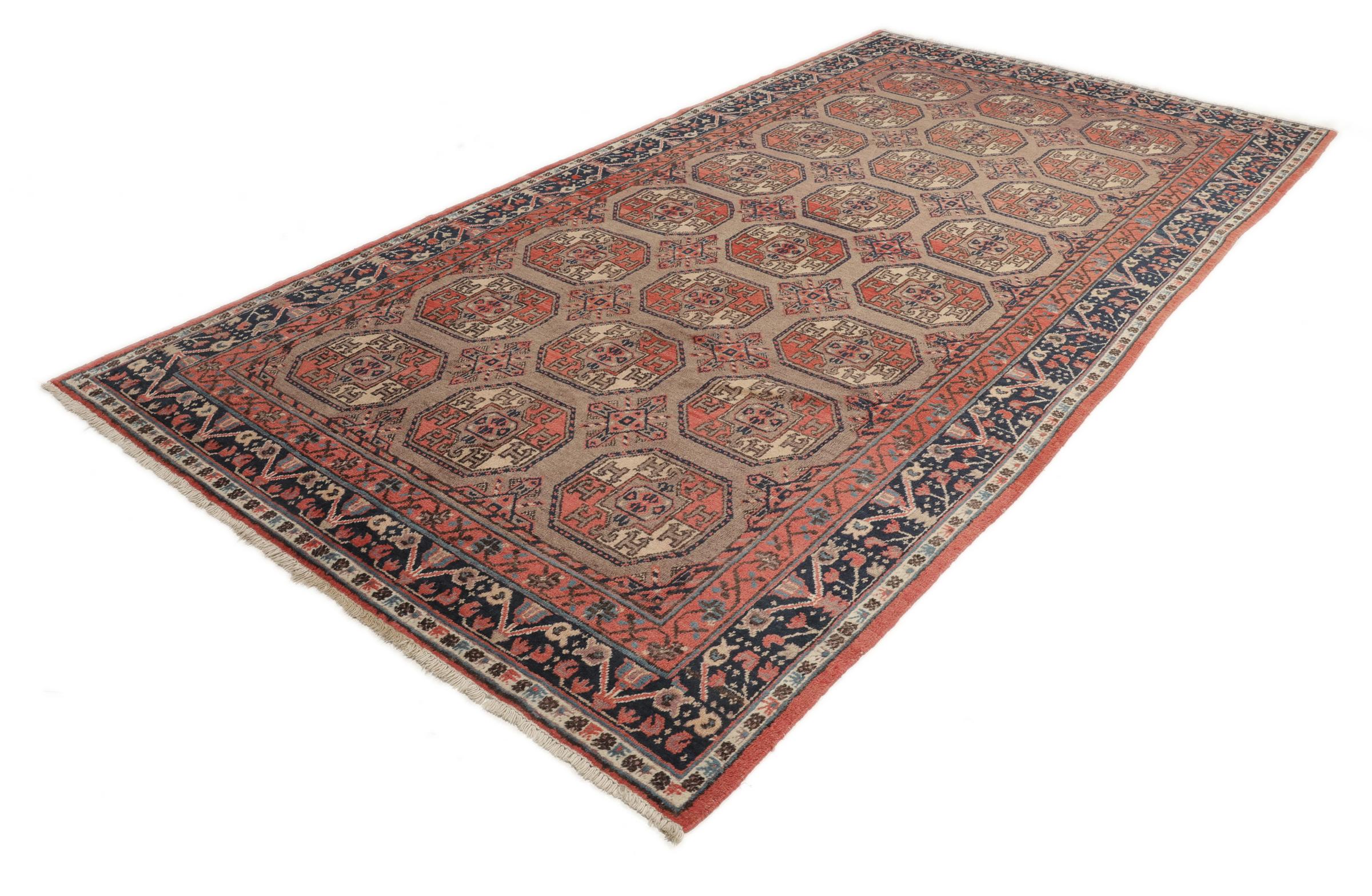
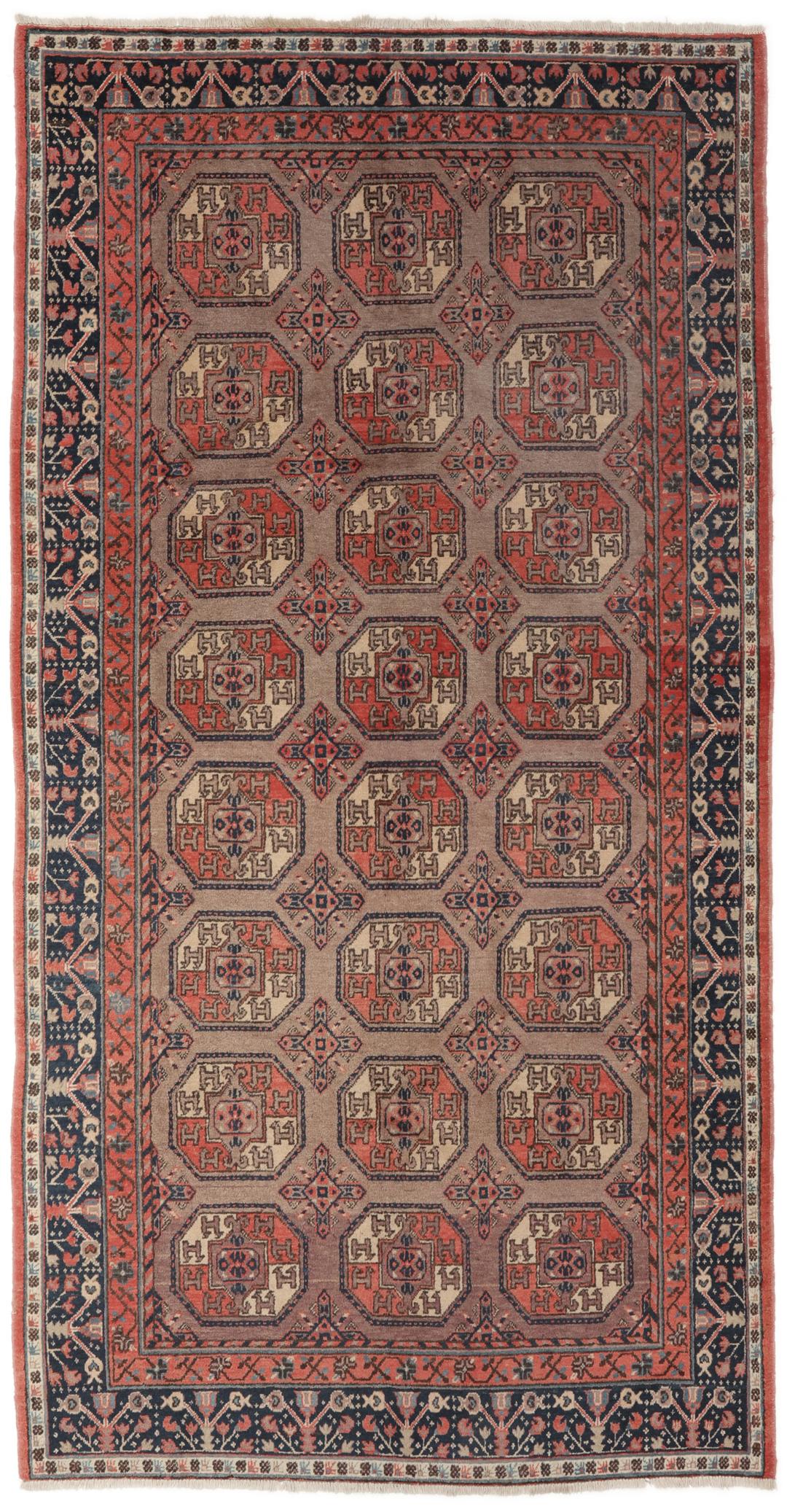
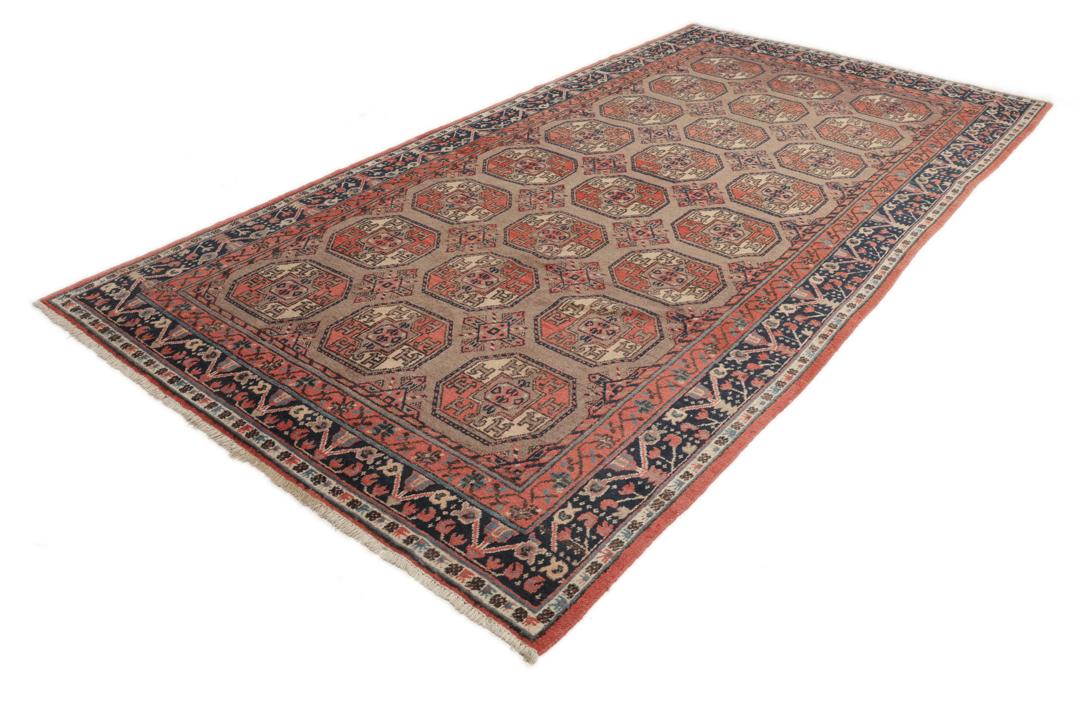
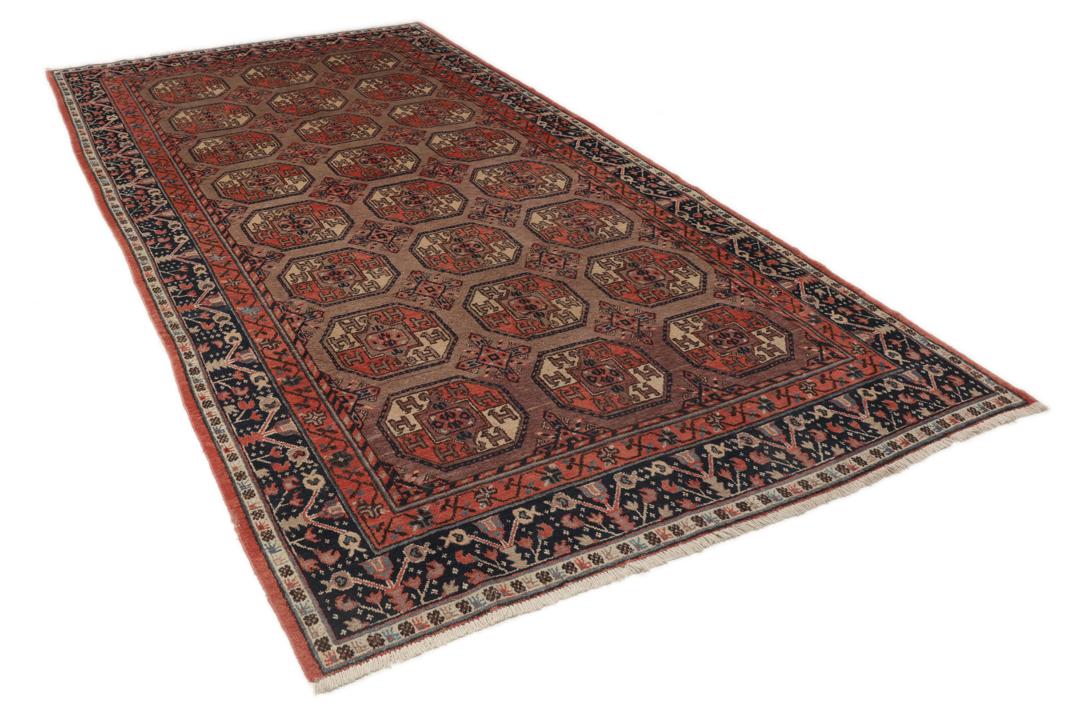
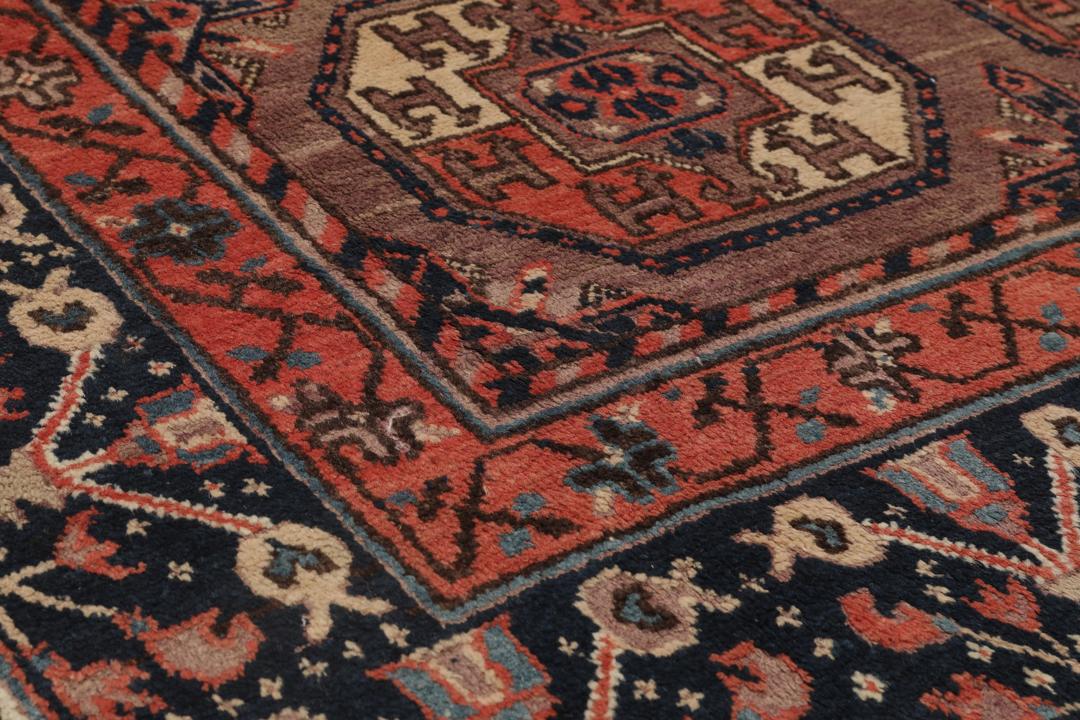
Khotan rugs originate from the oasis towns of the Tarim Basin in Western China, a vital crossroads on the ancient Silk Road. This strategic location allowed for a unique cultural synthesis, blending artistic influences from China, the Middle East, and Central Asia. These rugs were traditionally produced for the local elite and for use in temples, serving as both functional floor coverings and symbols of status.
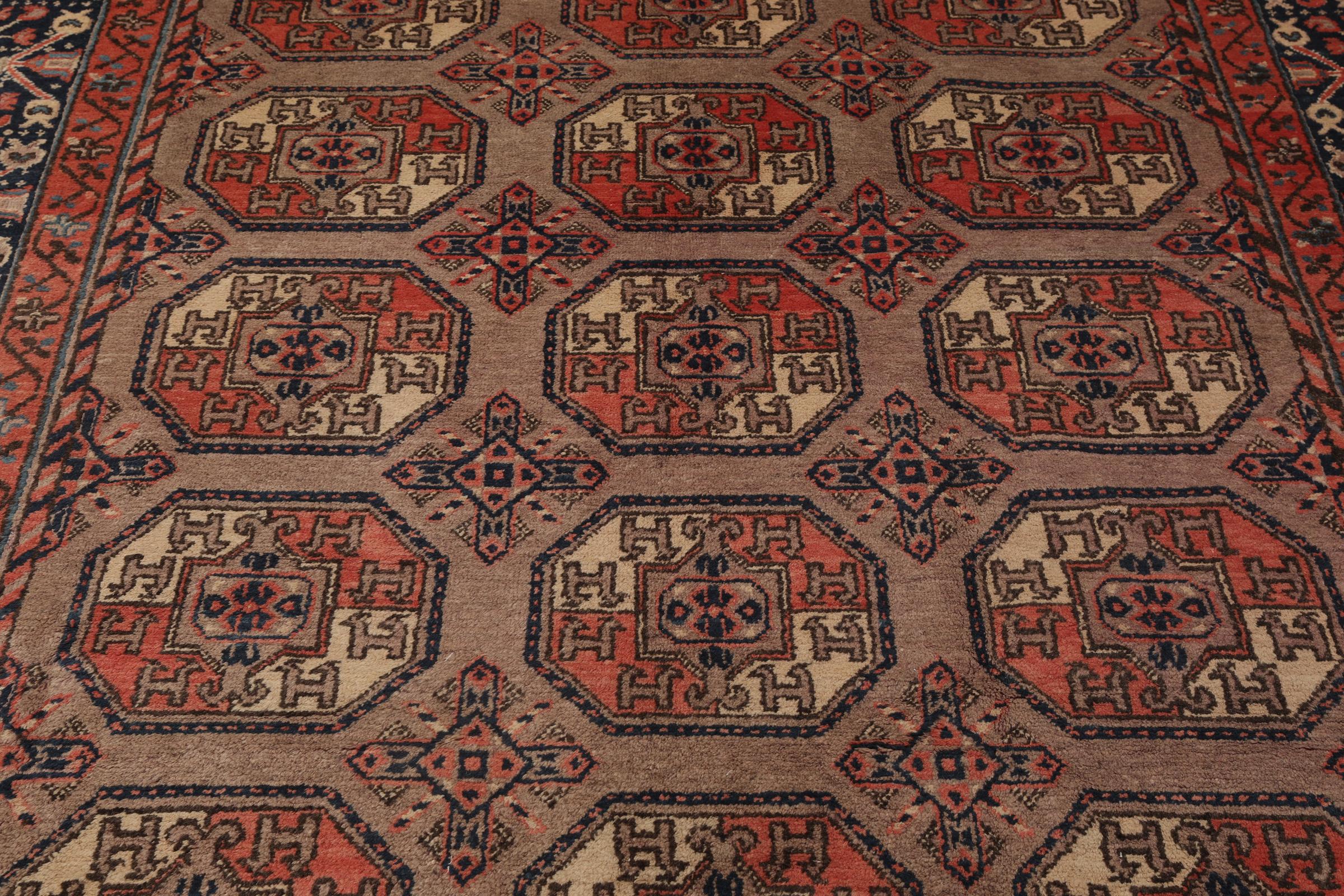
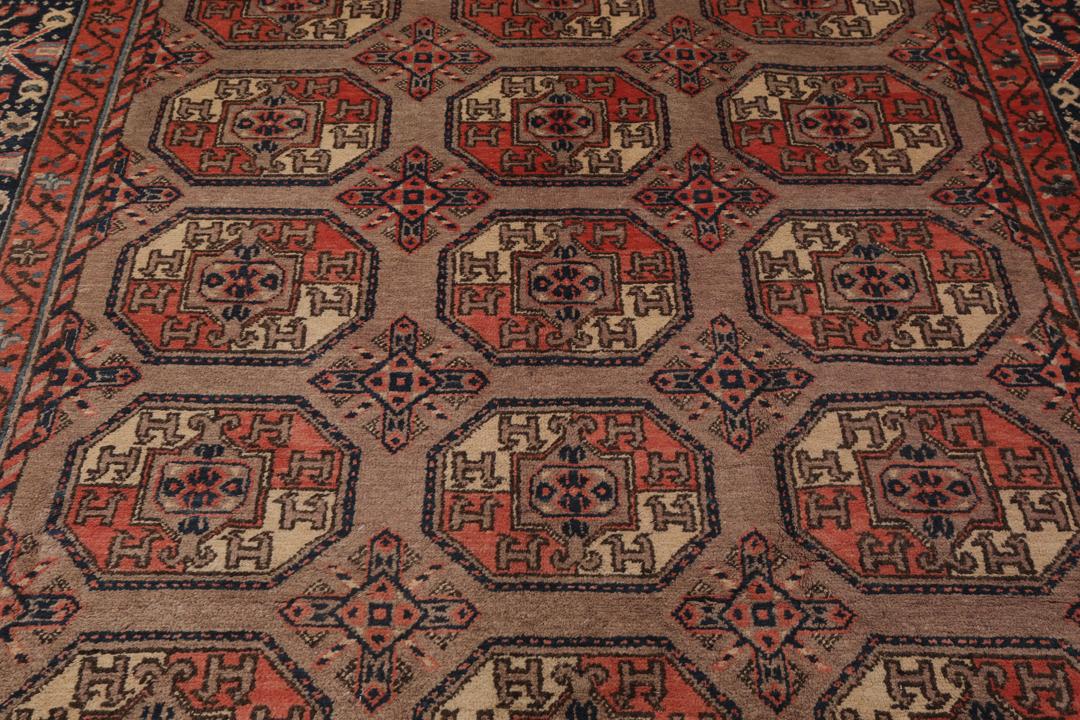
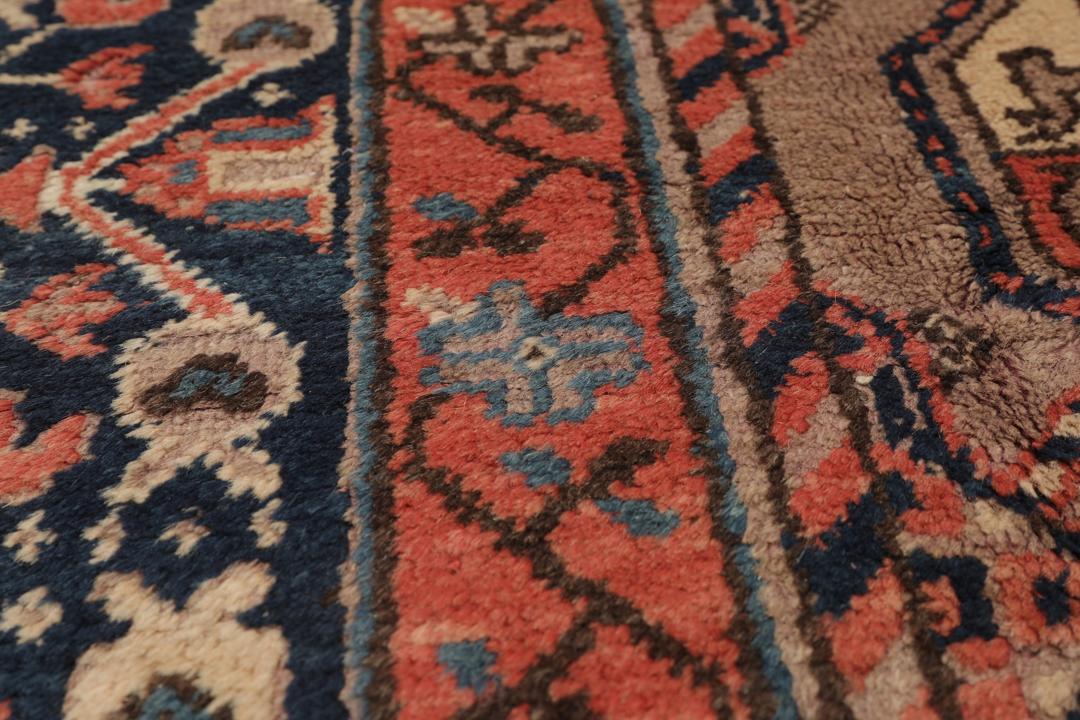
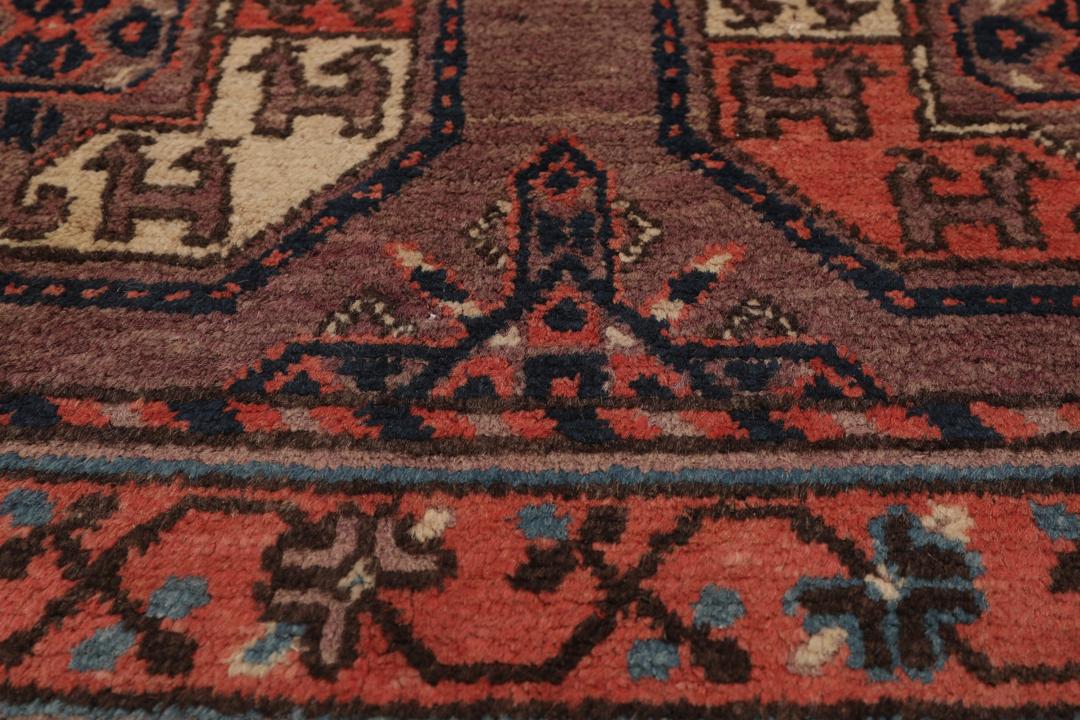
The term Khotan refers to a specific design tradition that often incorporates motifs like the pomegranate, the lotus, and the medallion. These elements are frequently arranged in rows, reflecting a disciplined aesthetic that balances complex geometry with organic, flowing shapes. The use of natural dyes historically gave these rugs their characteristic soft, muted tones that age with grace.
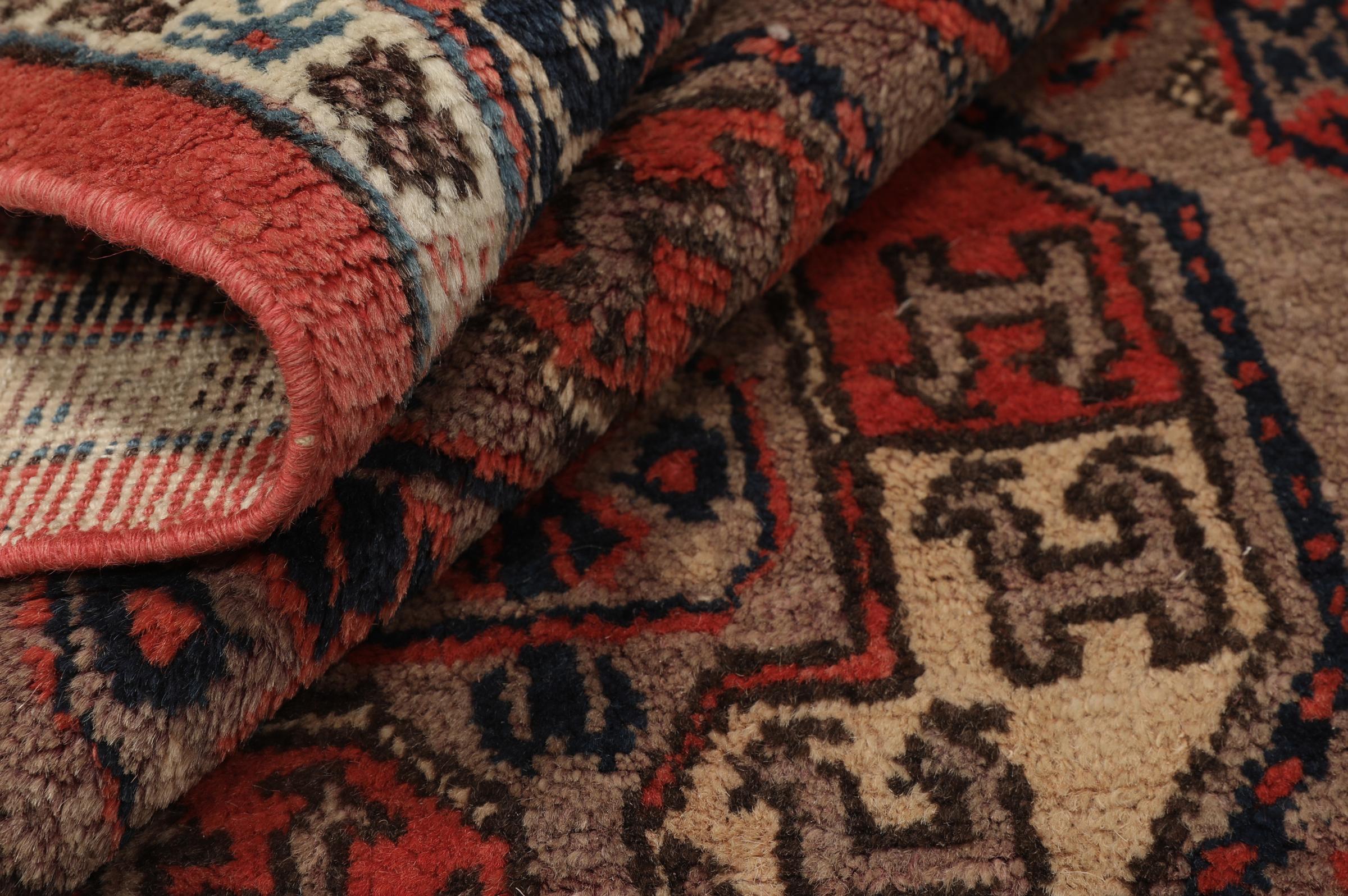
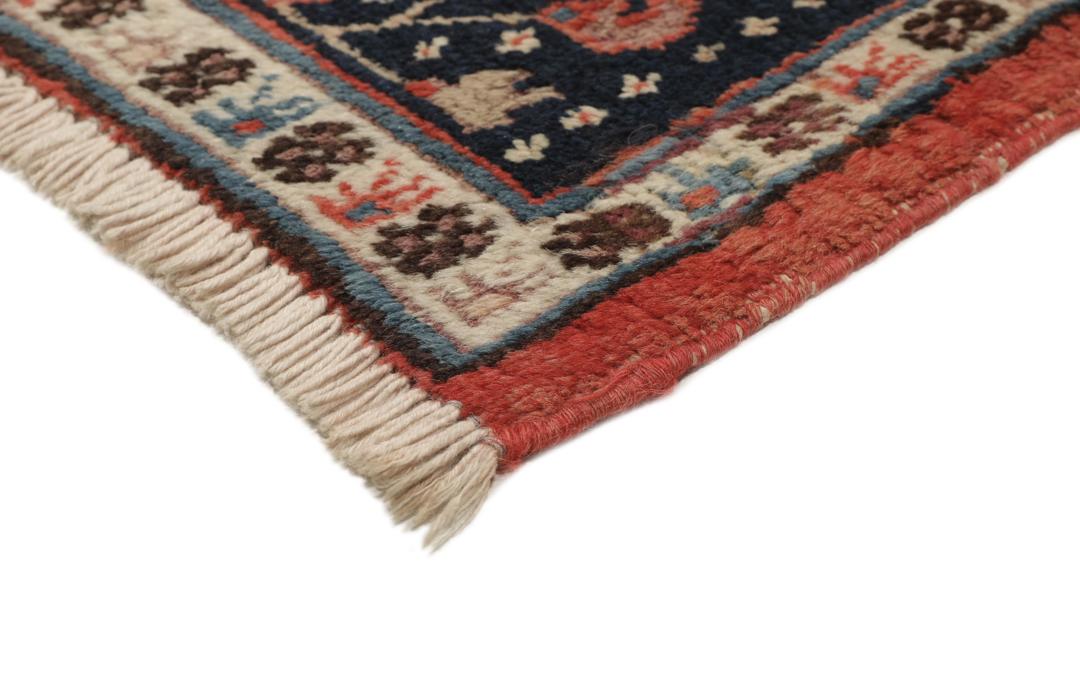
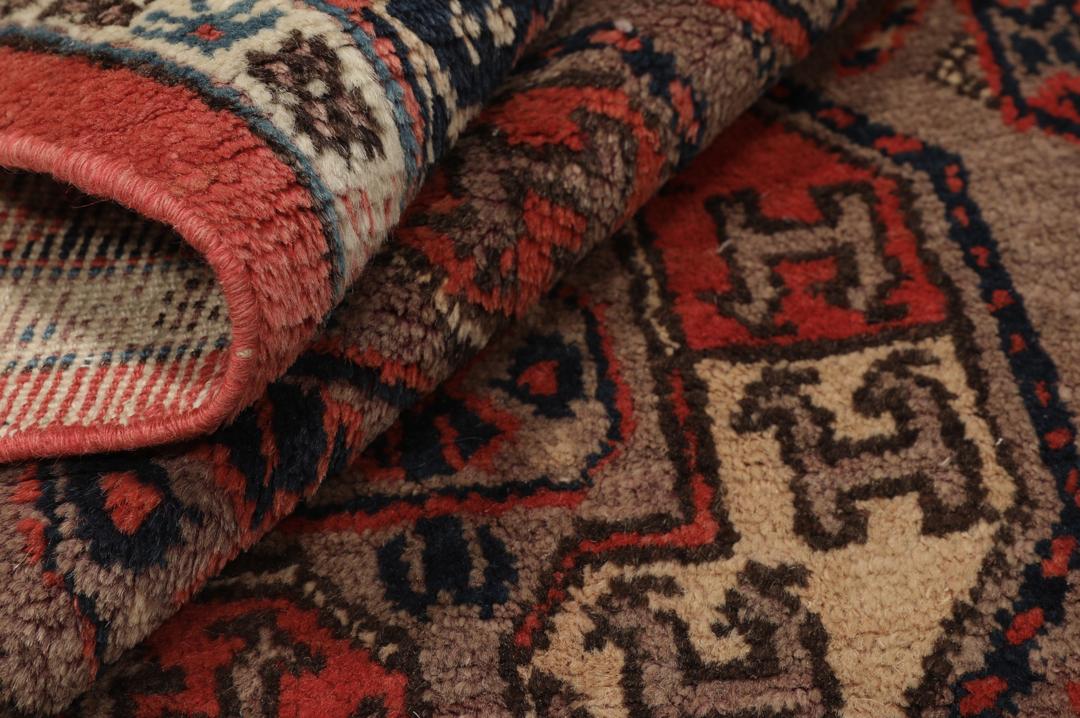
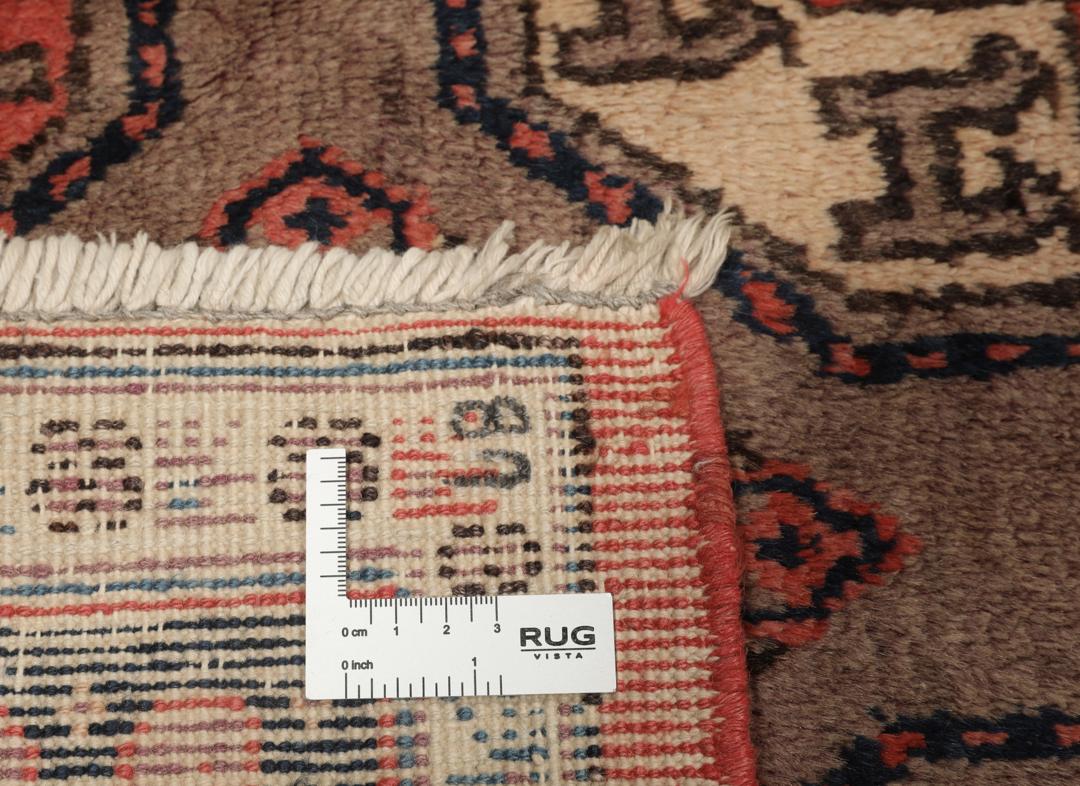
Technical quality in Khotan weaving is defined by the use of distinct knotting styles that prioritise durability and a clear, readable pattern. The wool used in these pieces is chosen for its ability to hold colour and resist wear, making these rugs highly prized among collectors who value the intersection of robust construction and delicate, artistic motifs.
Owning an antique piece like this is a way to preserve a specific thread of history. These rugs are not merely decorative items but are recognised as important cultural artefacts that embody the migration of design ideas across centuries. Their rarity and the human skill required to weave them ensure they remain highly sought after by those who appreciate lasting beauty and heritage.