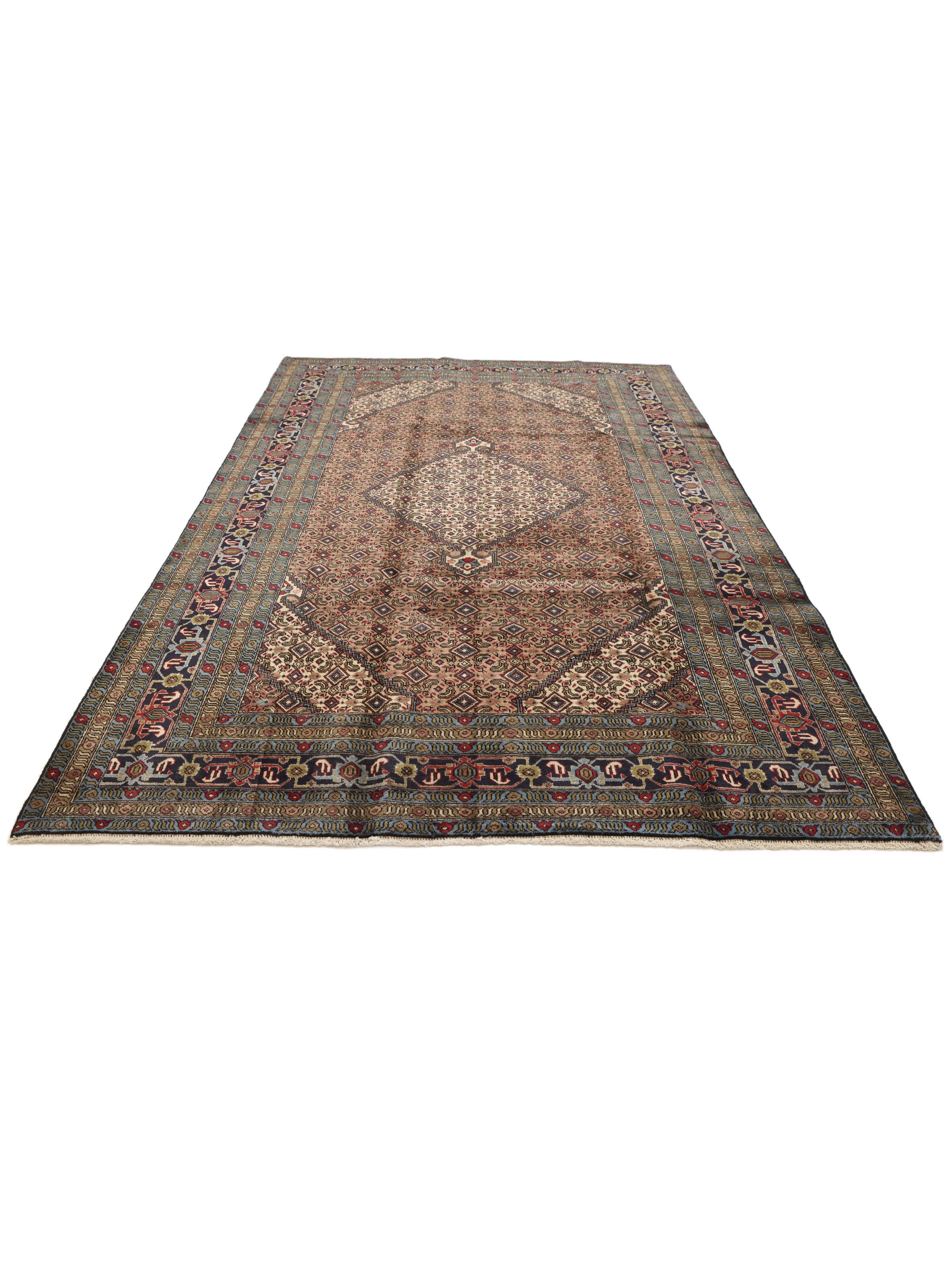
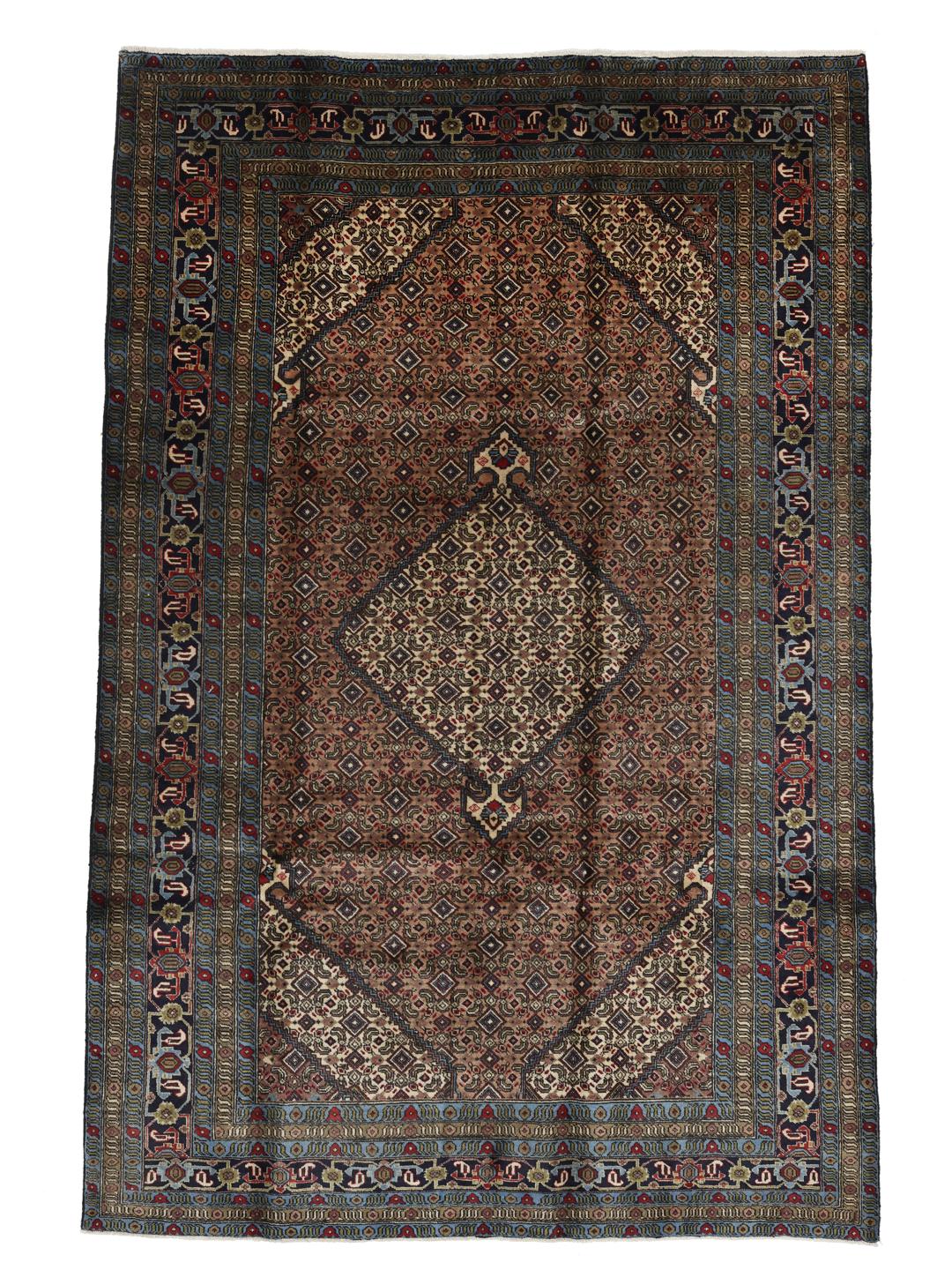
The Ardebil rug tradition originates from the historic city of Ardebil in the Middle East, a region long celebrated for its contributions to textile arts. Historically, these rugs were influenced by the surrounding mountainous terrain and the rich artistic exchanges that occurred along regional trade routes. Today, the name Ardebil remains synonymous with a specific, highly regarded style of weaving that emphasises both aesthetic grandeur and structural longevity.
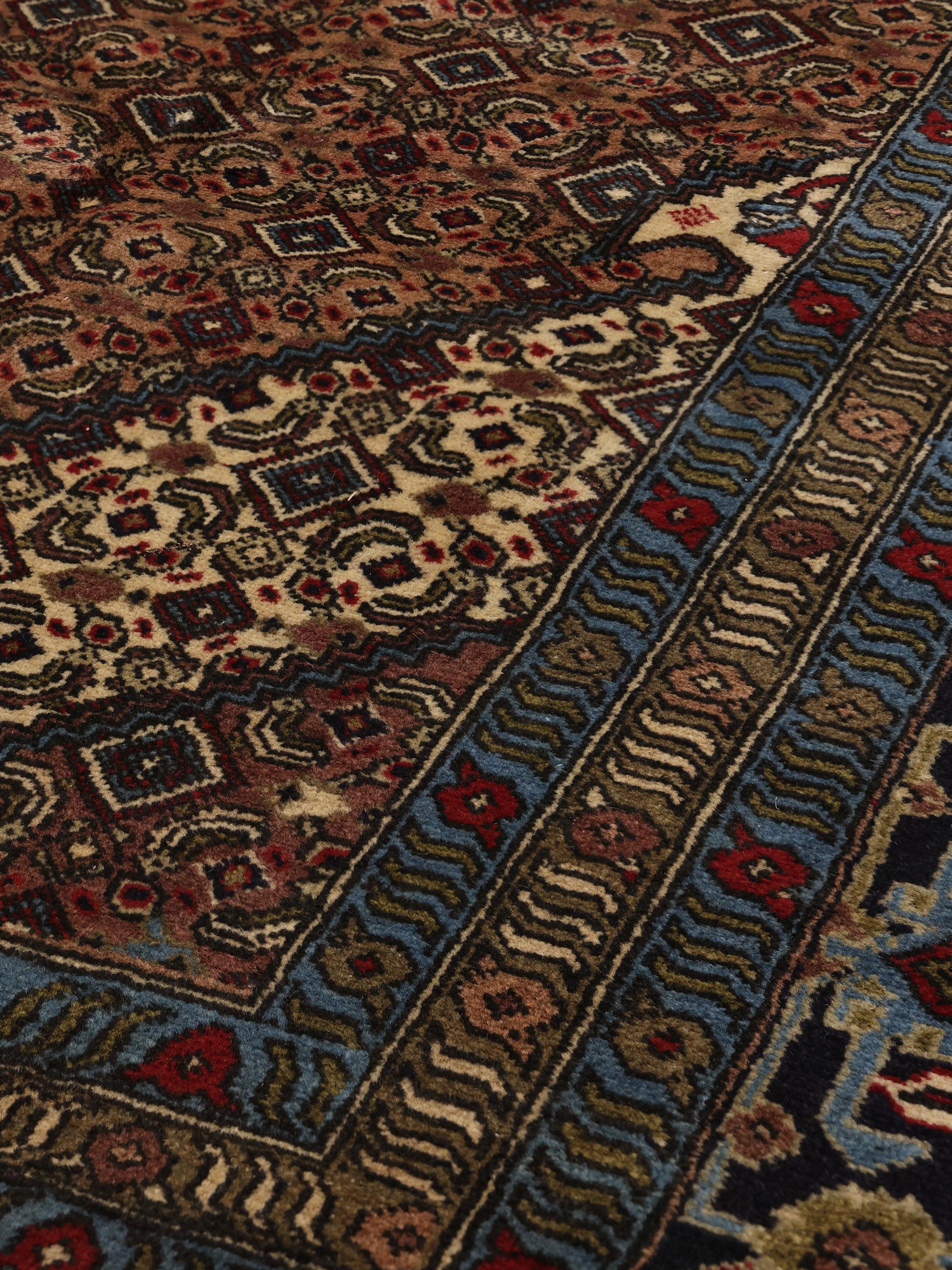
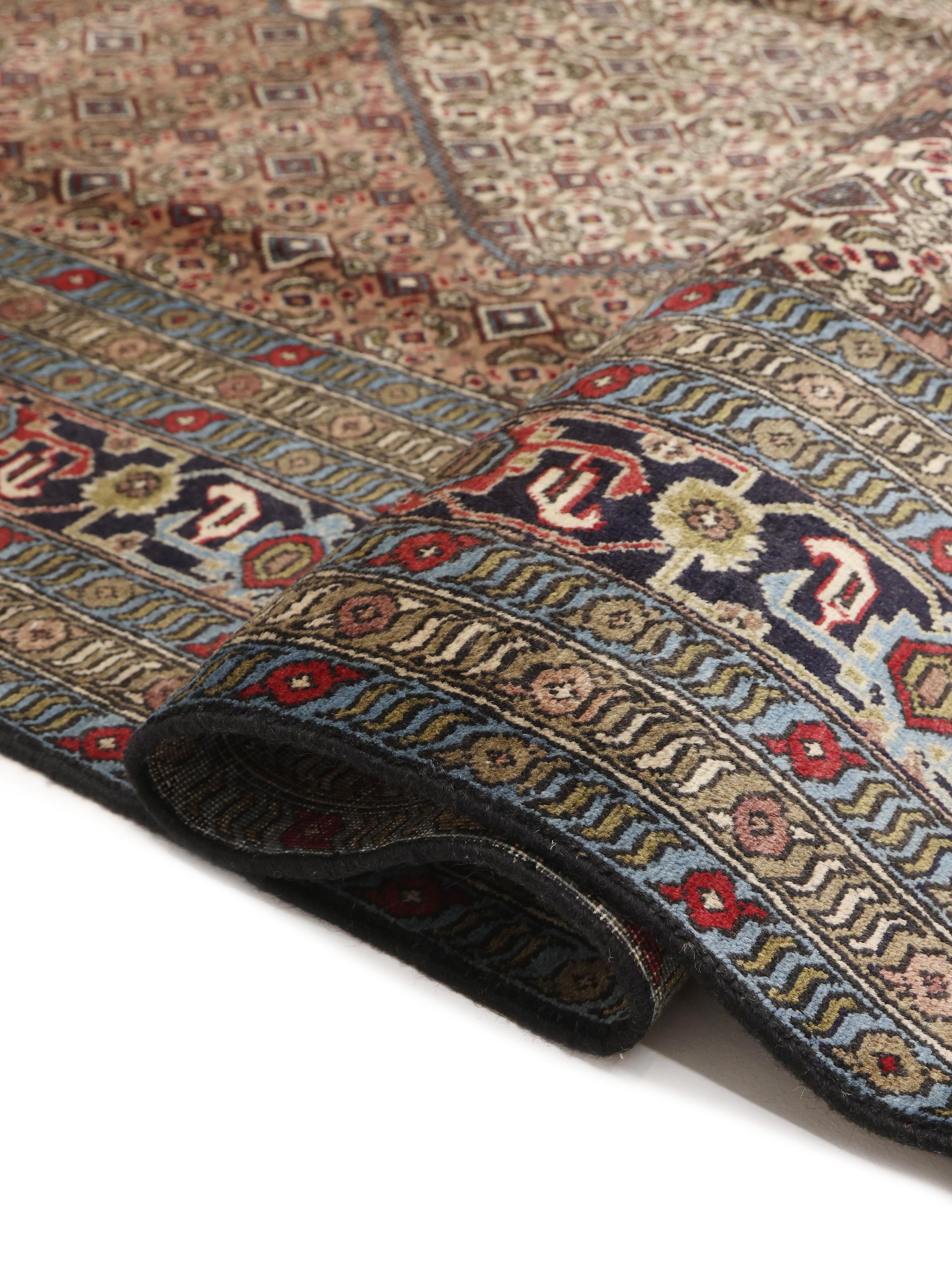
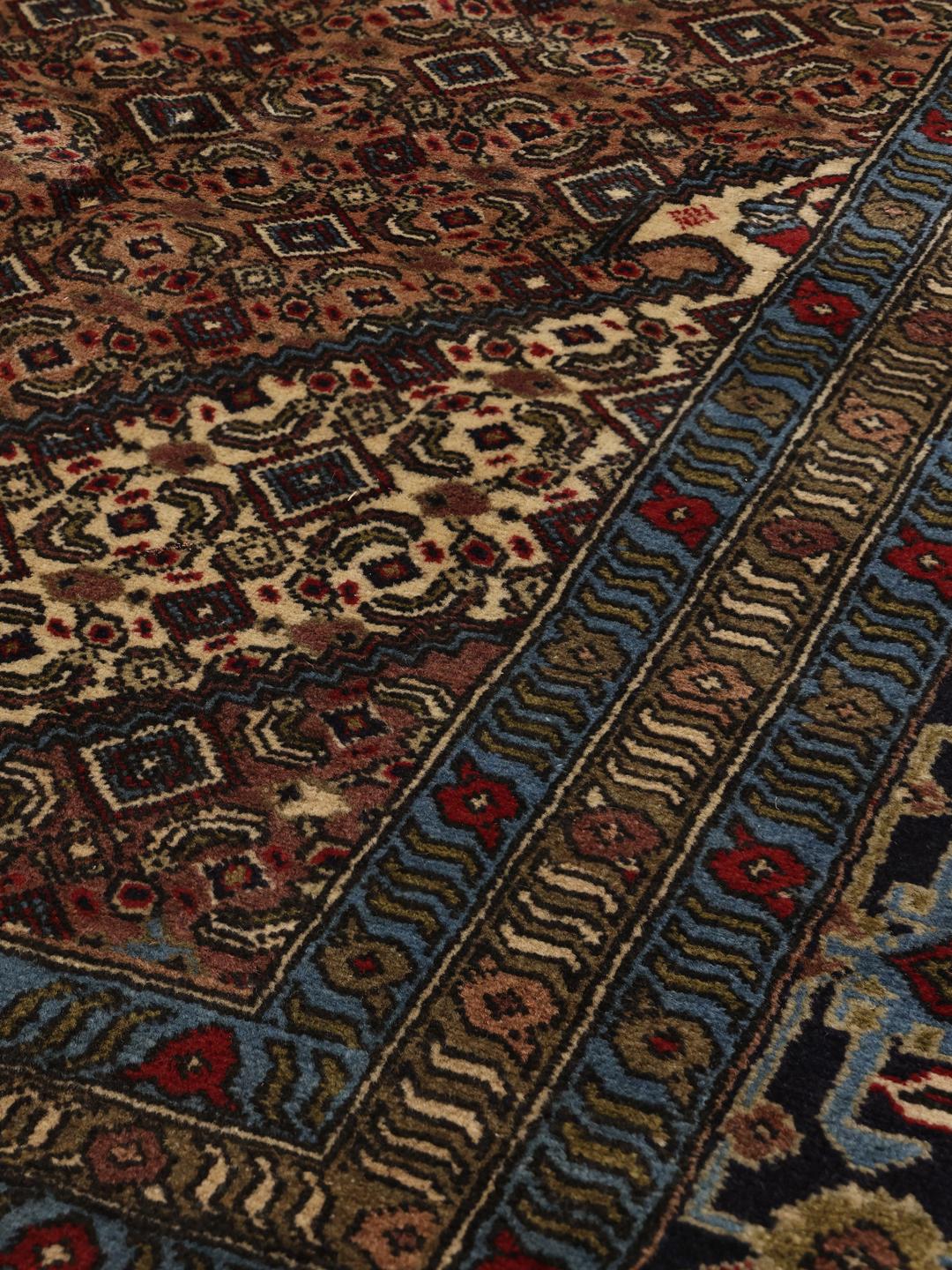
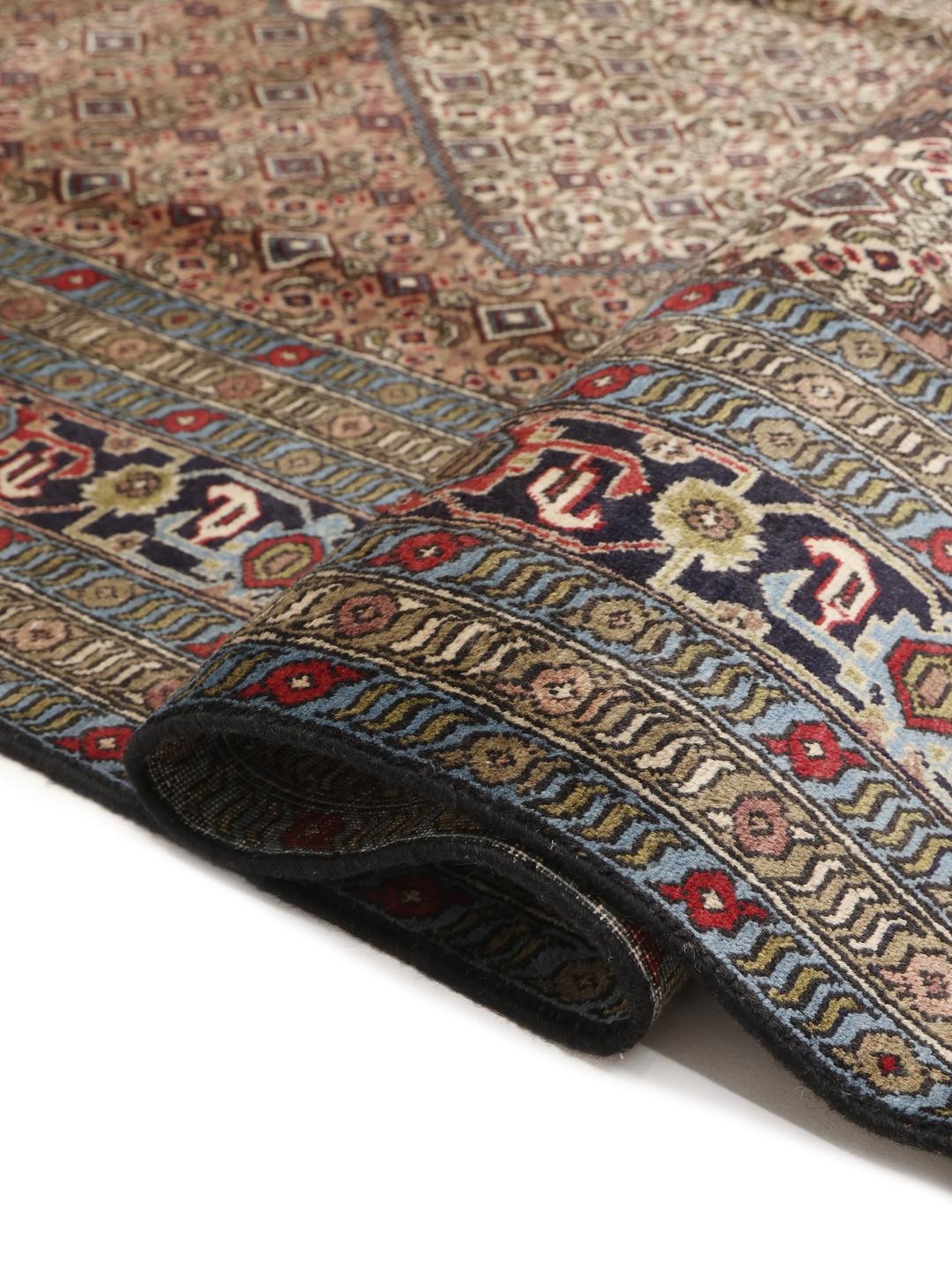
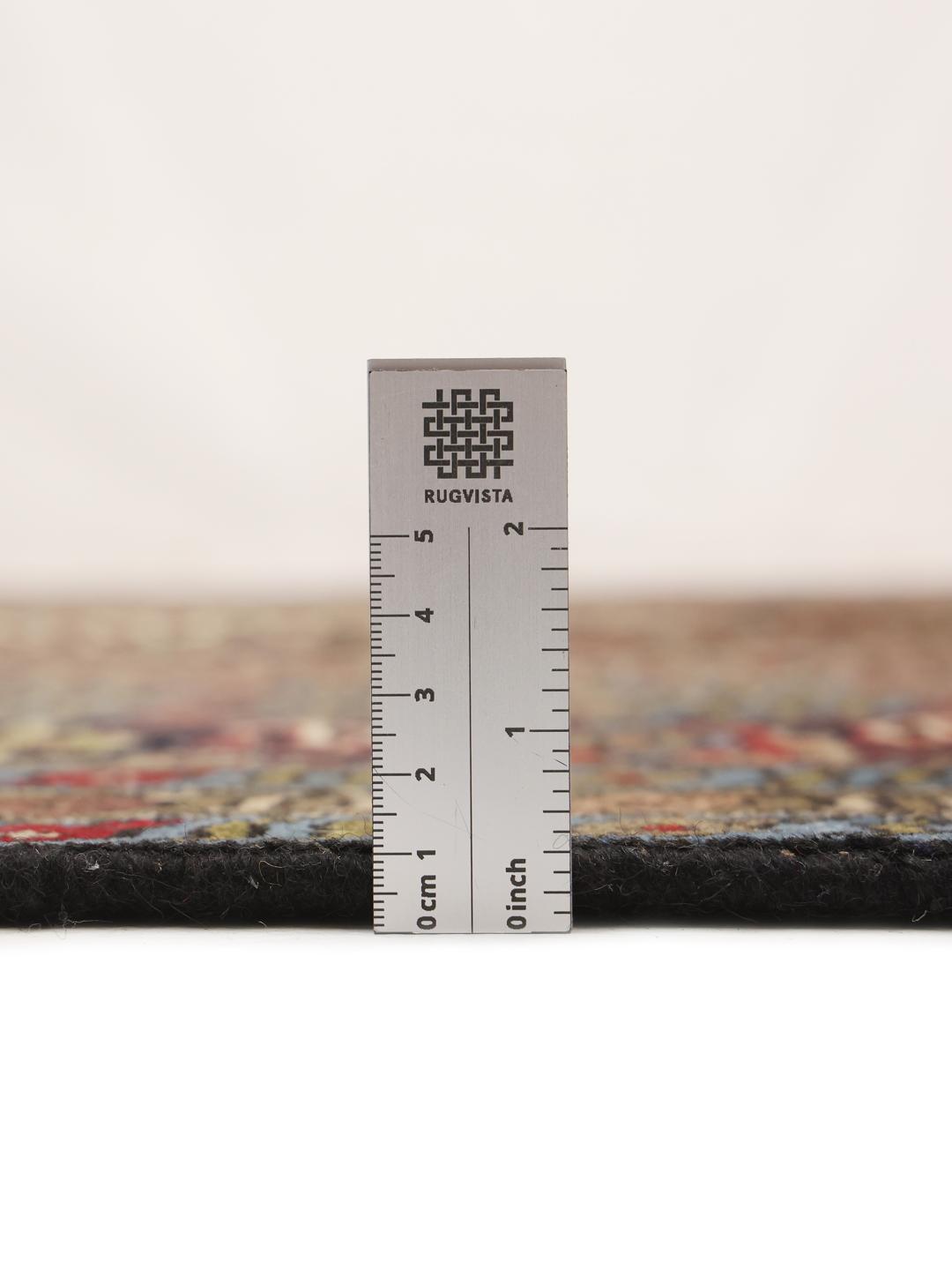
In the context of rug-making, specific technical terms often describe the foundation and pile construction that determine a rug's lifespan. The use of high-quality wool for the pile, combined with a sturdy foundation, is what allows these pieces to stand the test of time. Understanding these construction methods helps one appreciate why these rugs are considered resilient, as the way the fibres are knotted ensures they stay firmly in place even with regular use.
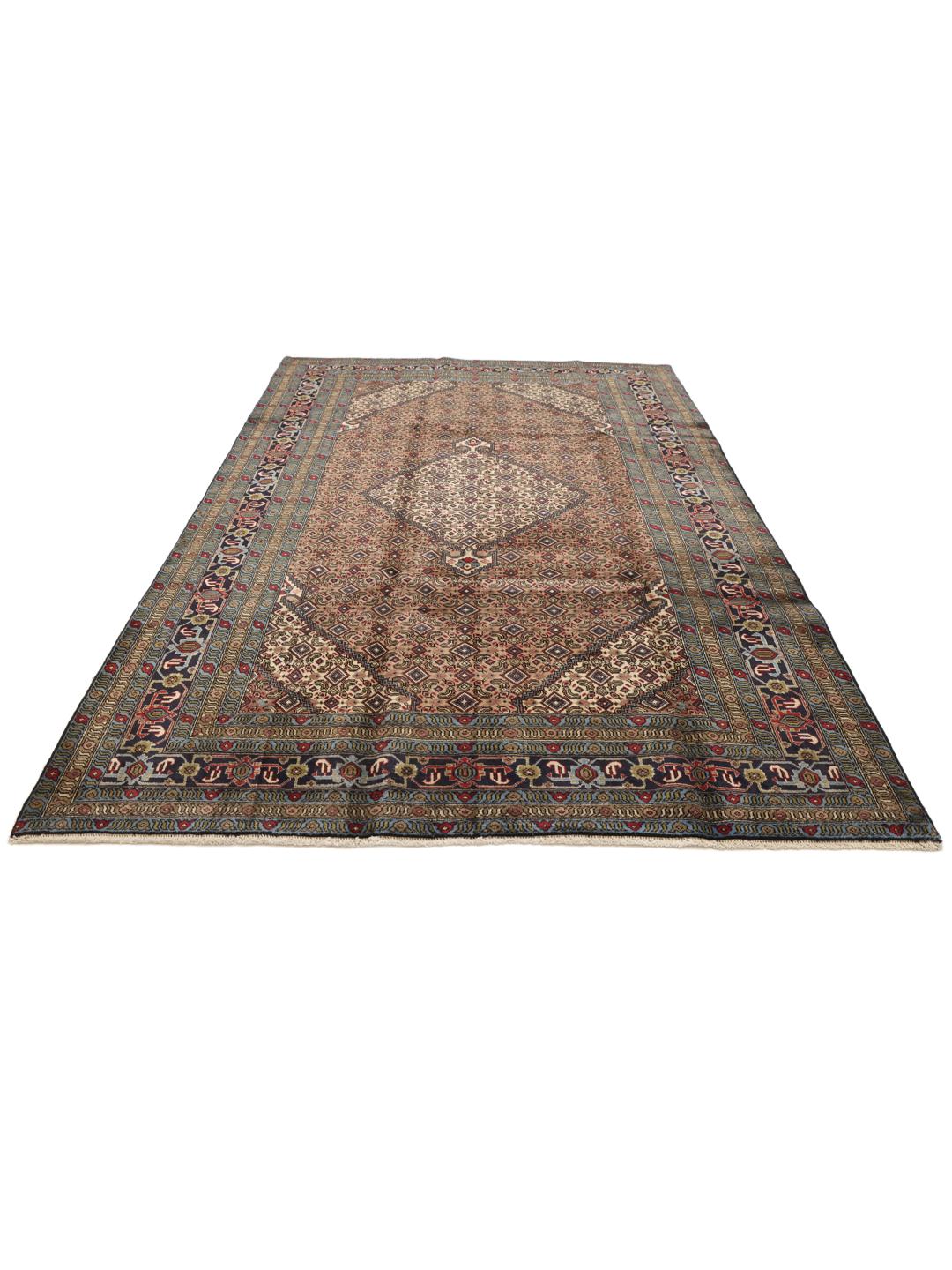
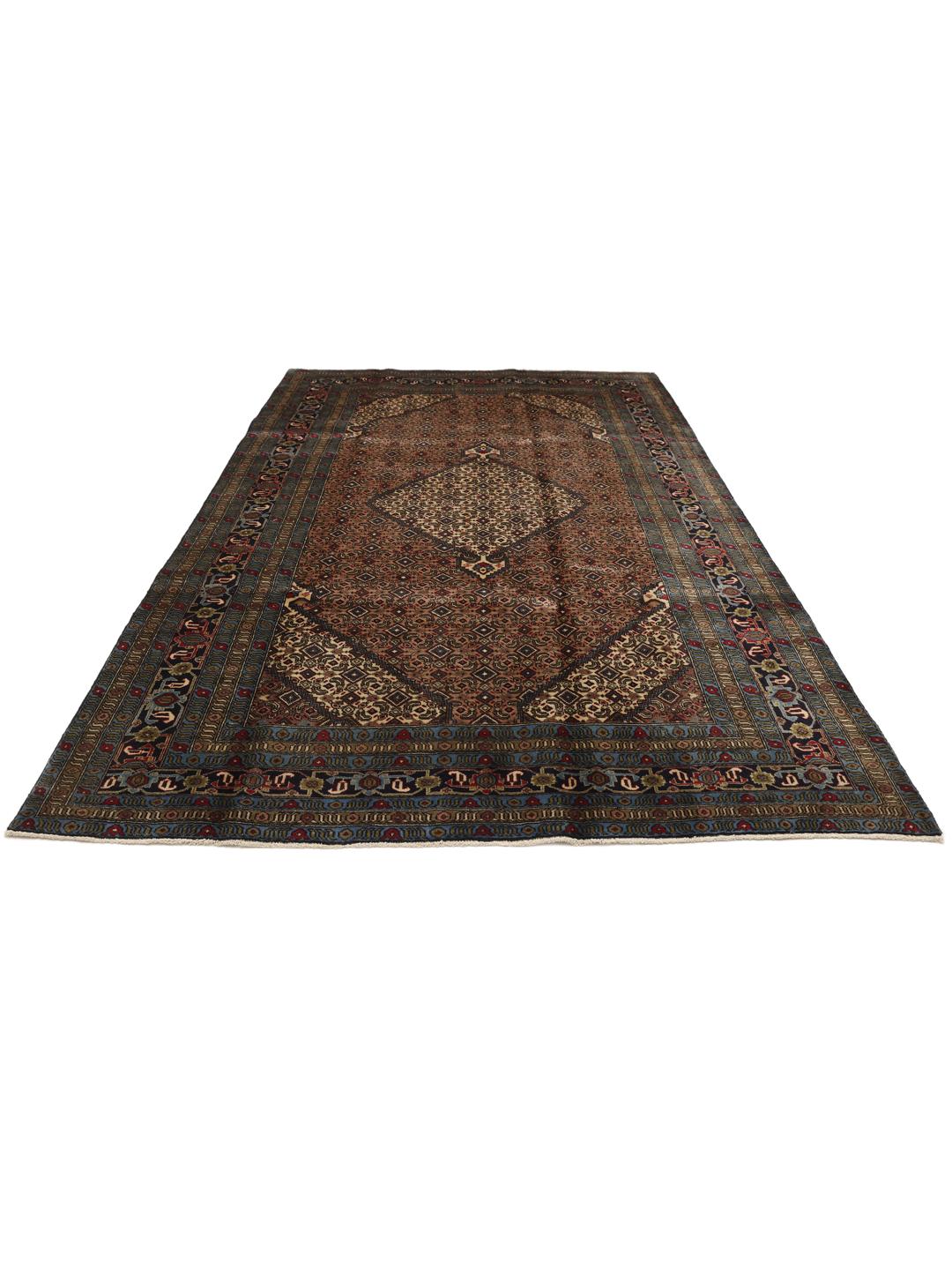
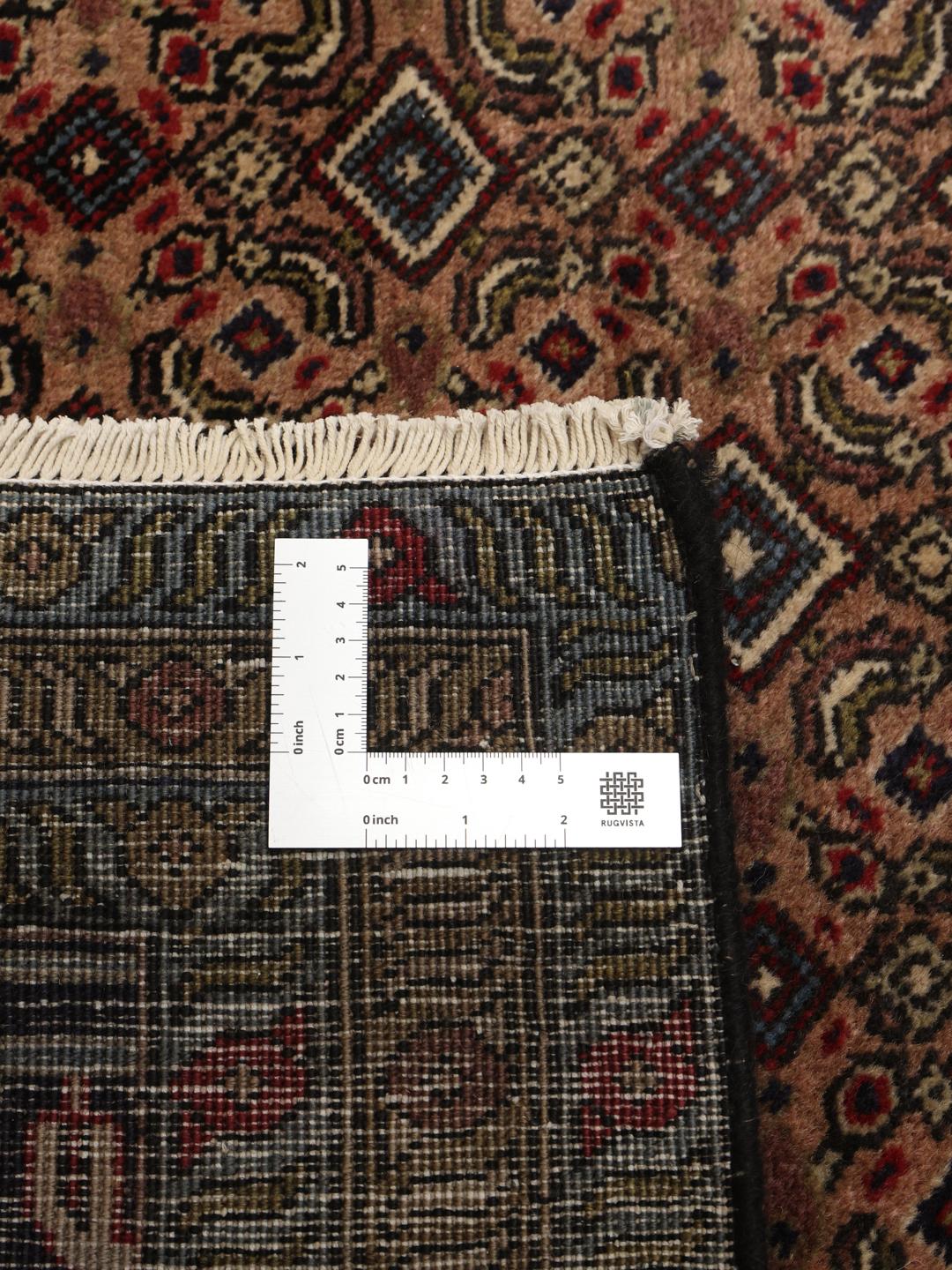
Design-wise, Ardebil rugs are famous for their sophisticated visual language, often featuring central medallions surrounded by elaborate floral and geometric motifs. The borders are typically well-defined, framing the central field with intricate, repetitive patterns that draw the eye inward. This particular piece showcases these classic design elements, utilising a colour palette that feels both traditional and deeply atmospheric, making it a standout example of the genre.
Collecting an Ardebil rug is a way of participating in a centuries-old tradition of skill and artistic expression. These rugs are highly valued not only for their visual beauty but for the human story behind every knot. Owning one is an act of preserving a specific cultural heritage, providing your home with a sense of history that mass-produced items simply cannot offer.