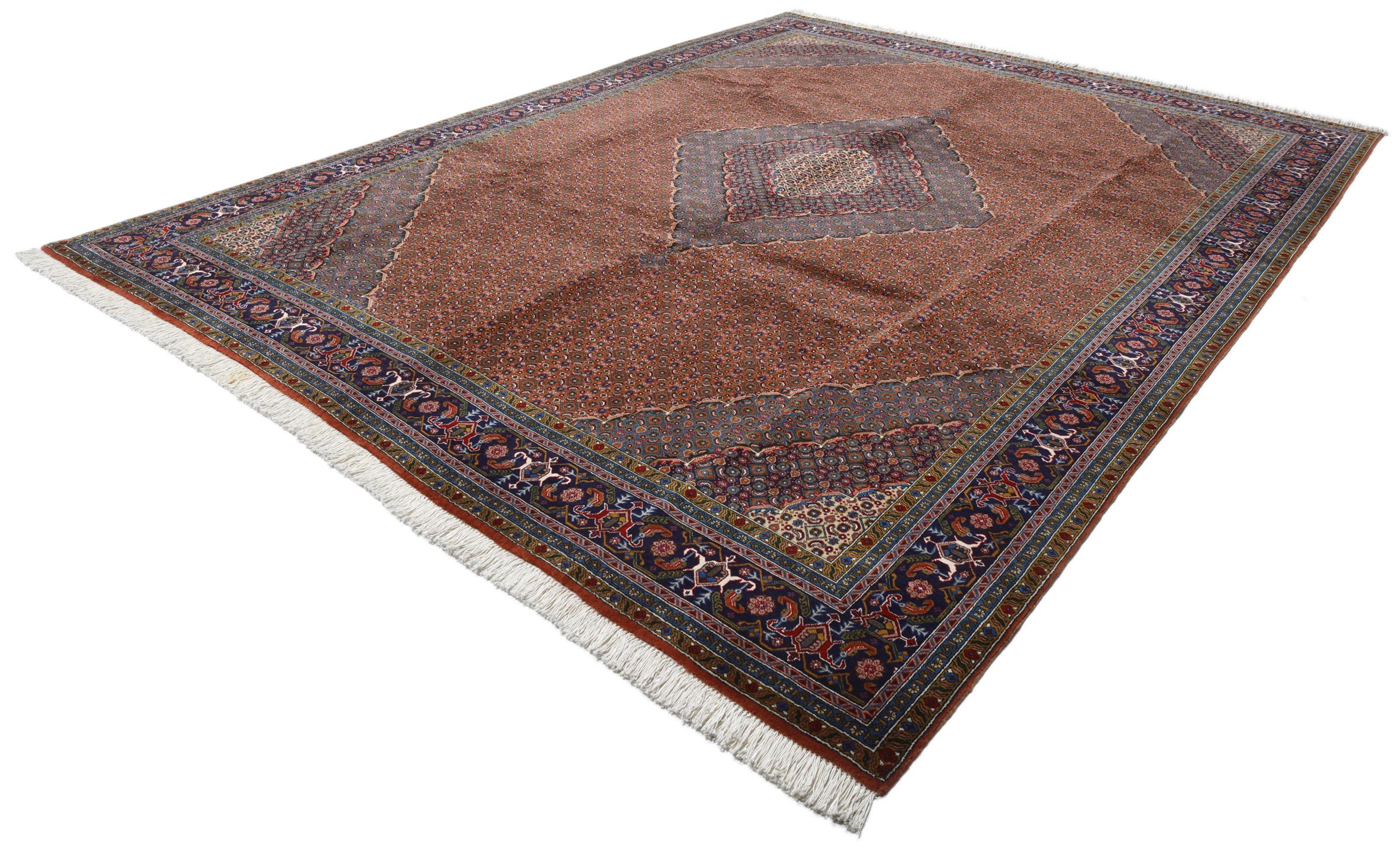
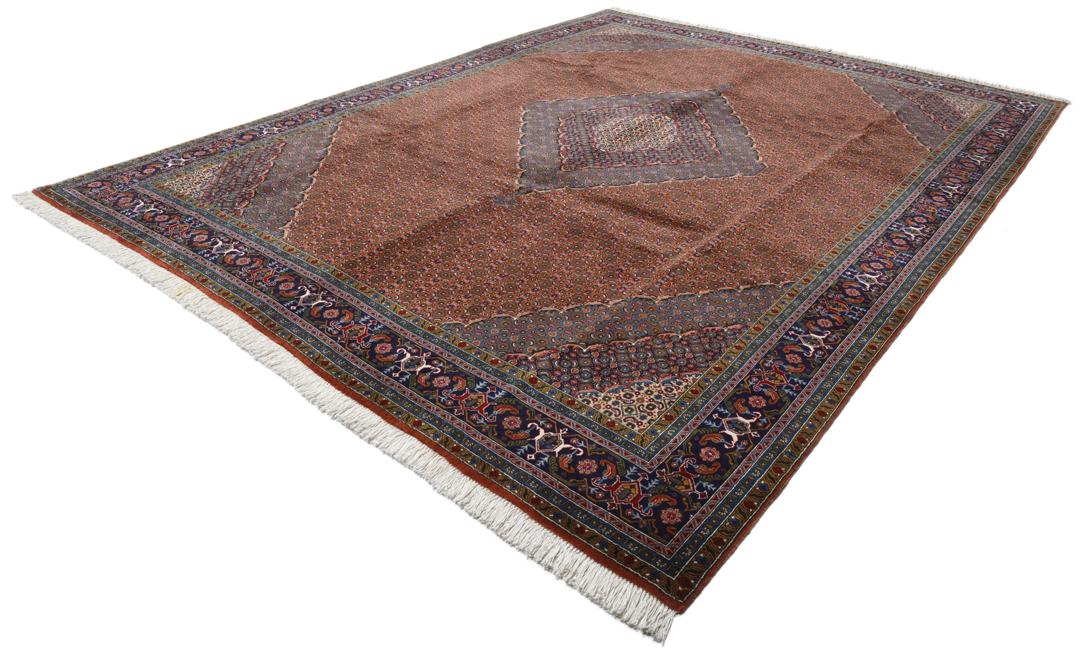
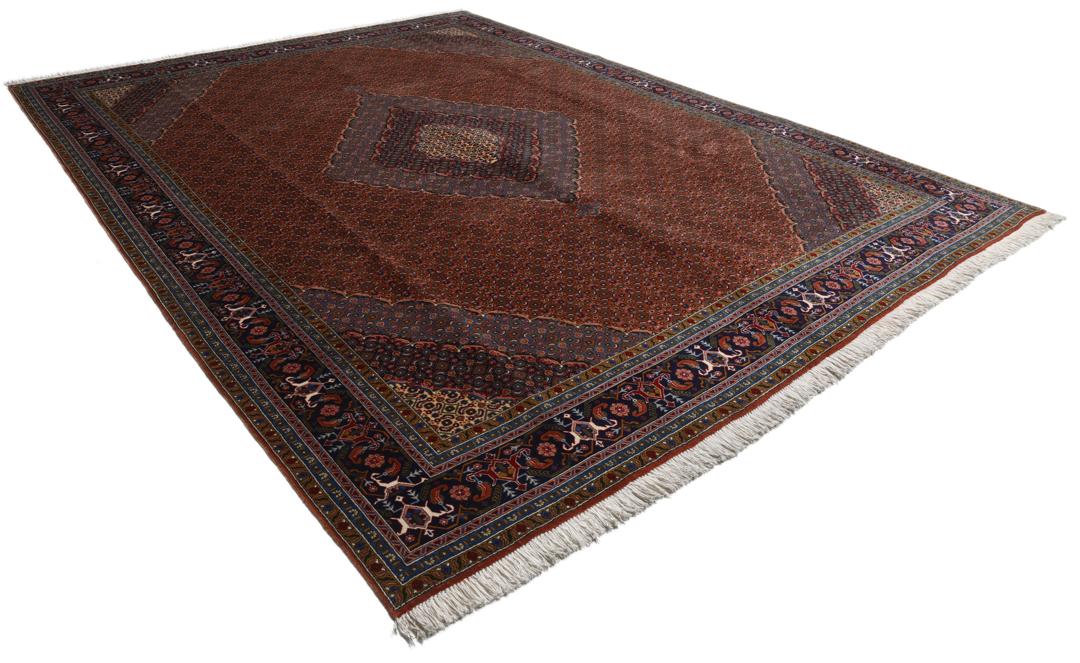
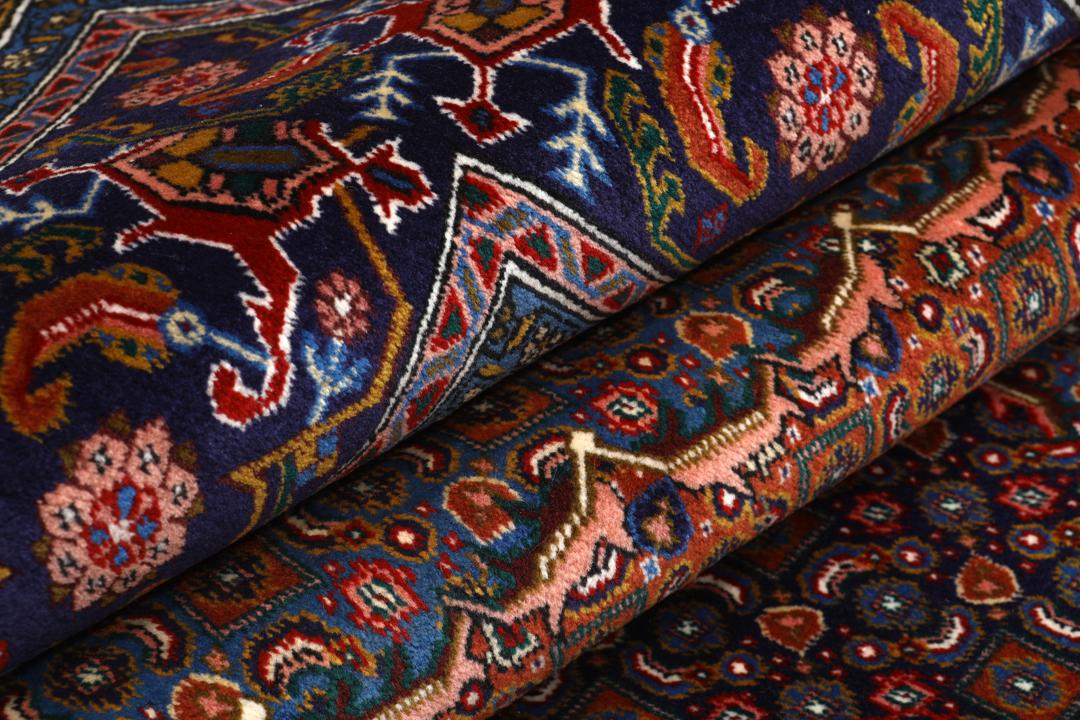
The Ardebil rug takes its name from the historic city in northwestern Middle East, a region famed for its long-standing contribution to the textile arts. These rugs are deeply connected to the cultural landscape of the area, reflecting a tradition that has been refined over centuries of practice and regional exchange.
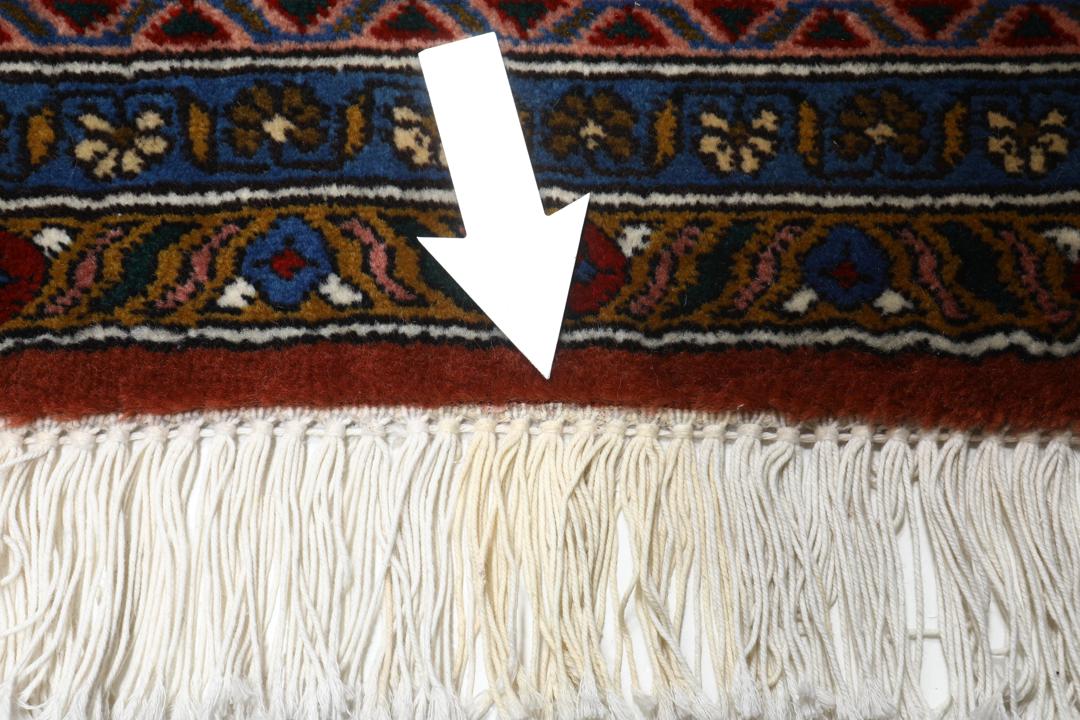
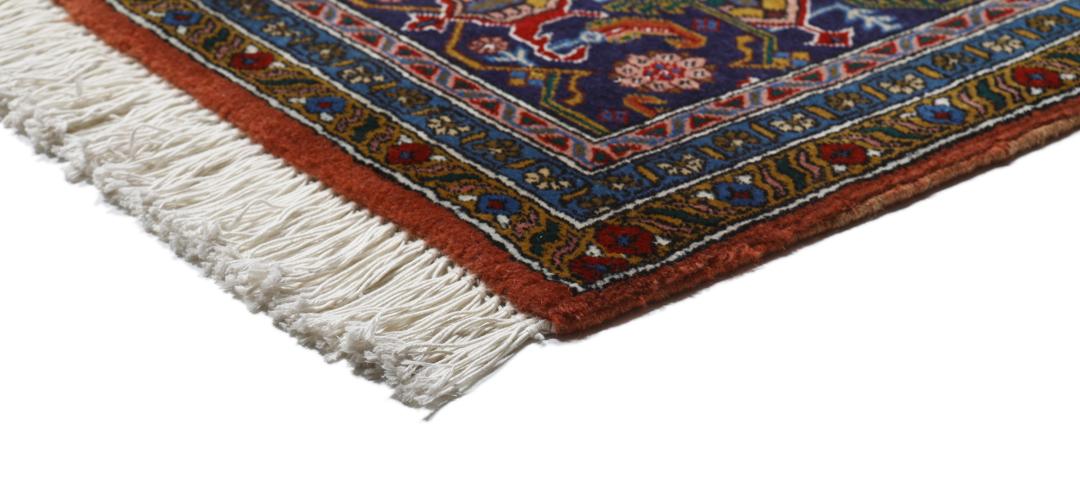
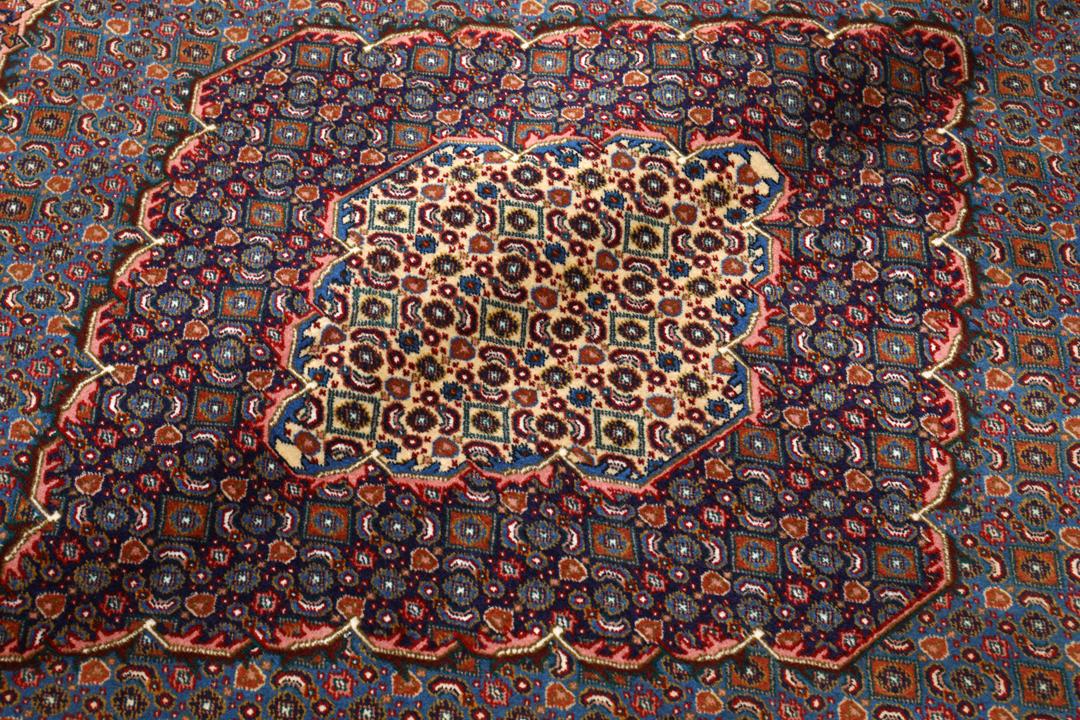
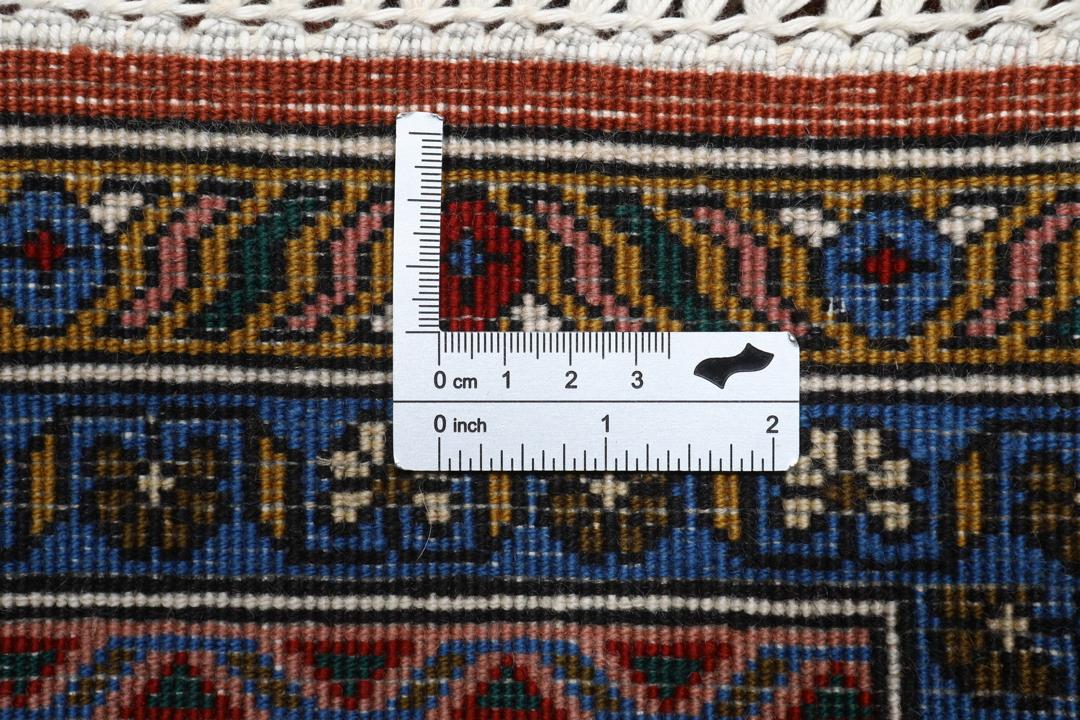
The construction of these rugs is defined by their dense, hand-knotted pile, which allows for intricate pattern work and a long-lasting, lustrous finish. This technique is highly valued because it ensures the rug can withstand generations of use while maintaining the depth of its colours and the clarity of its motifs.
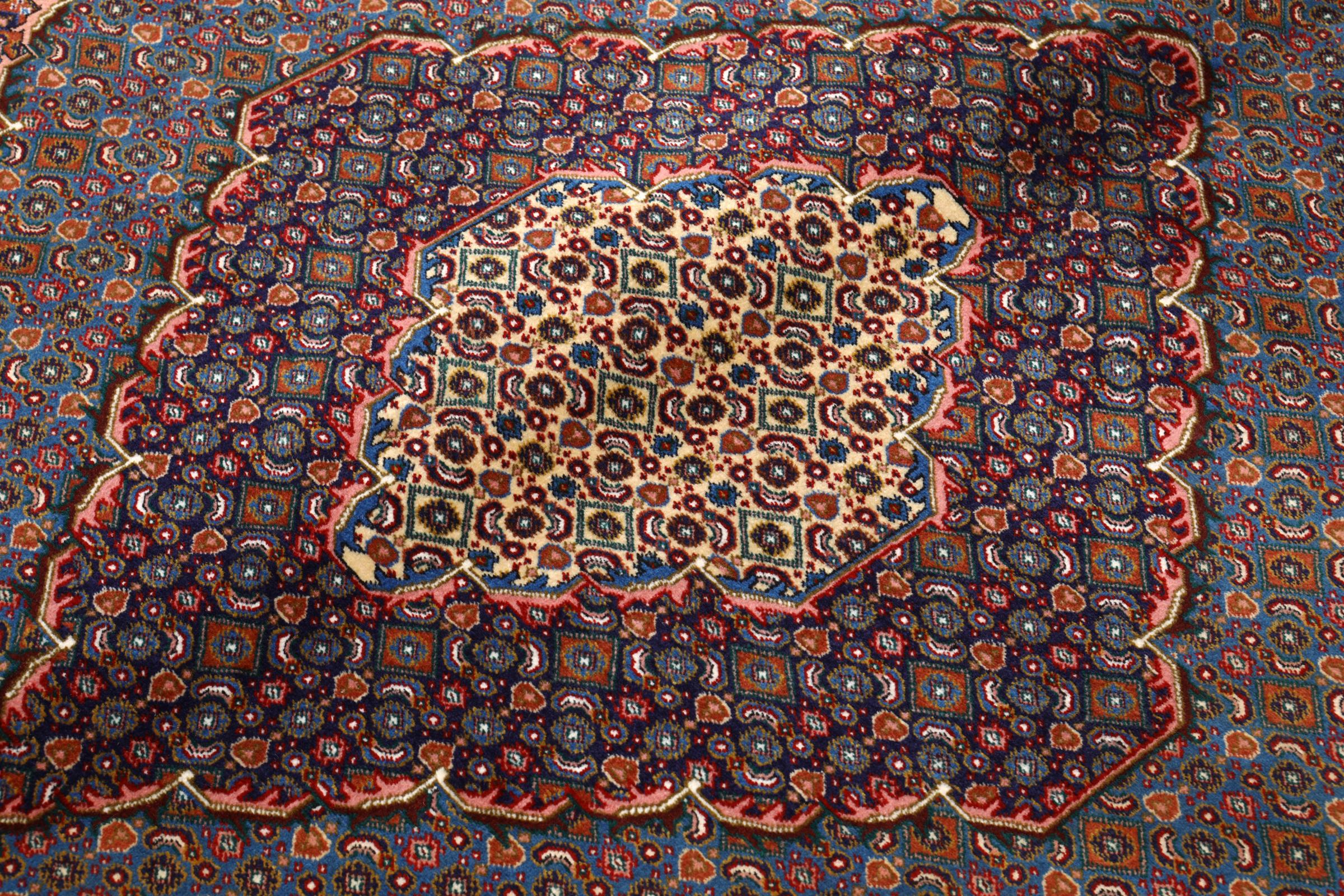
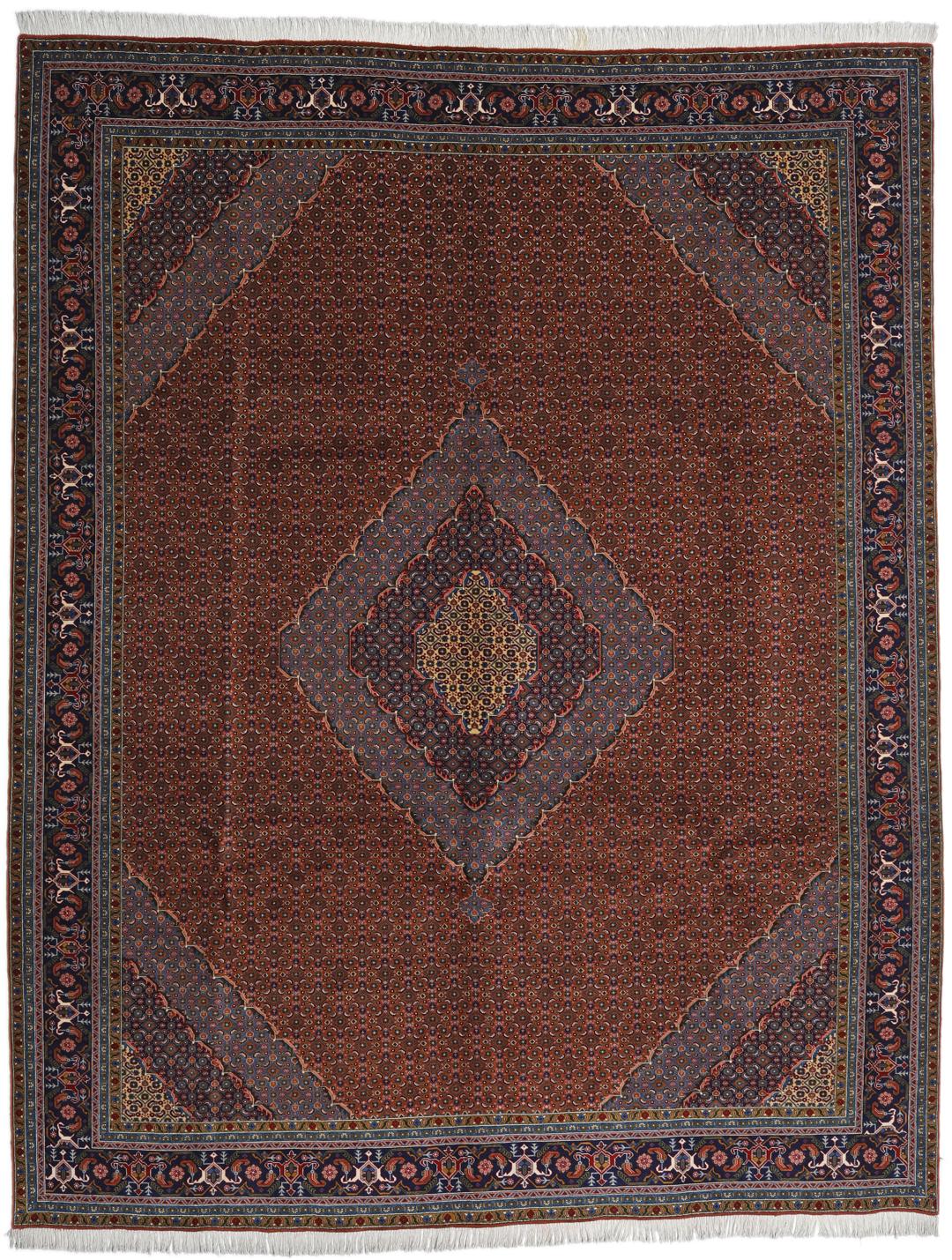
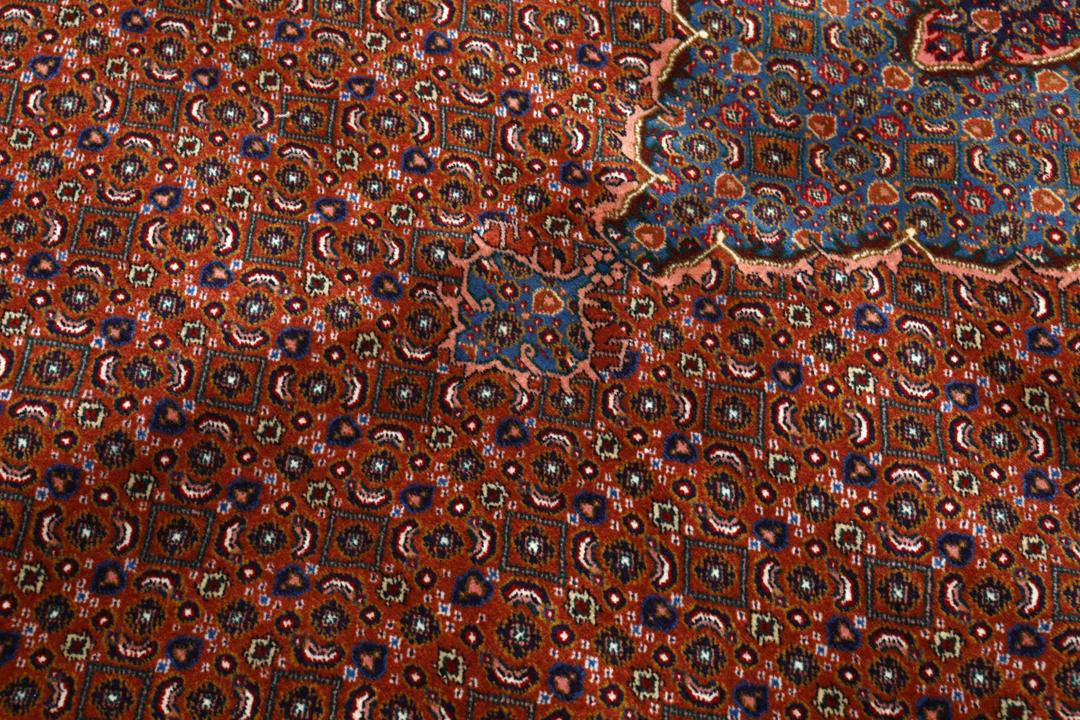
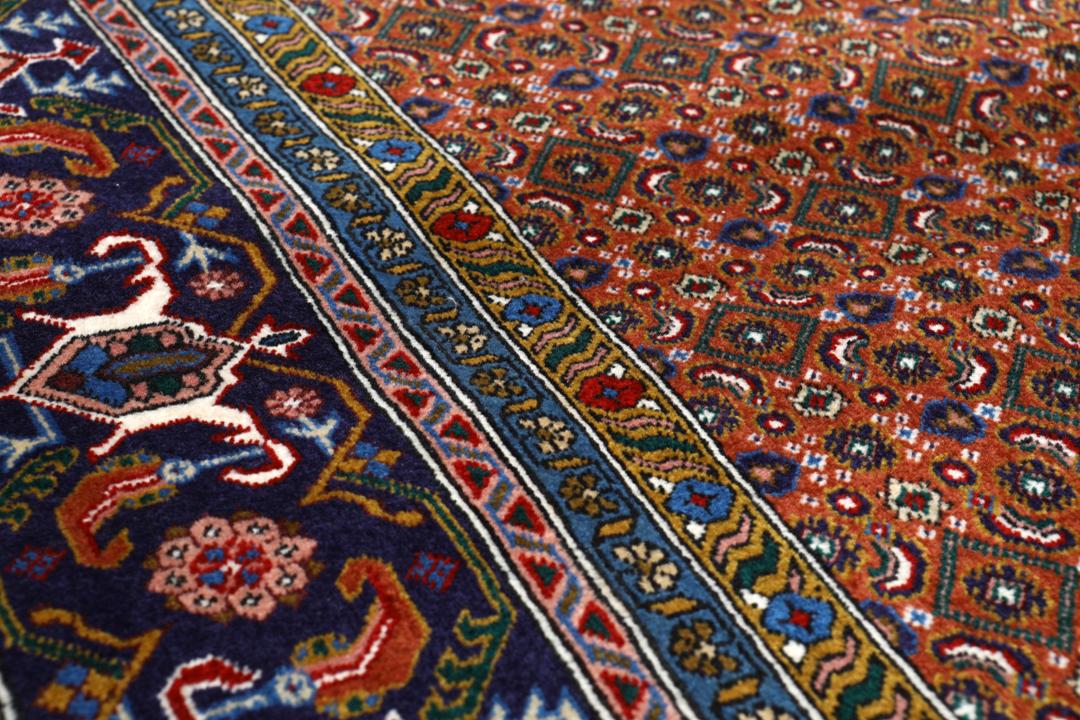
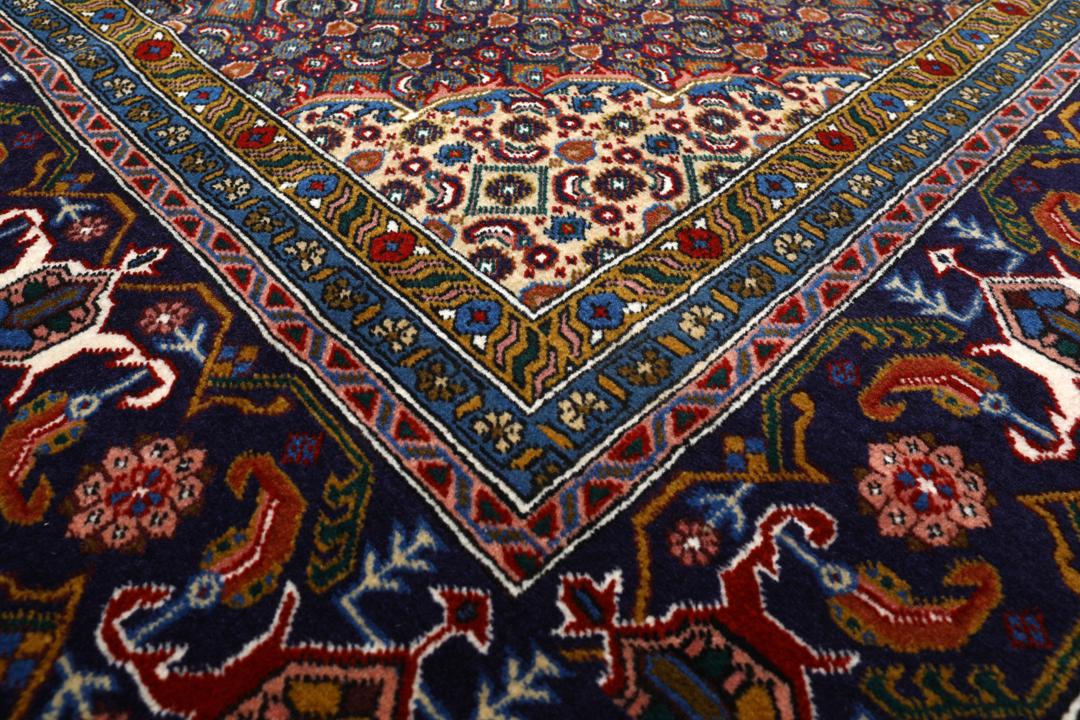
Visually, Ardebil rugs are known for their sophisticated use of space, often featuring a central medallion that draws the eye, surrounded by a field of repeating patterns. The borders are typically elaborate, framing the central design in a way that creates a sense of balance and harmony, a hallmark of the classic Middle Eastern aesthetic.
Collectors value Ardebil rugs for their cultural significance and the high level of skill they represent. Owning one is more than just decorating a floor; it is a commitment to preserving a heritage of artistry, where every thread and knot tells a story of the person who created it and the place from which it originated.