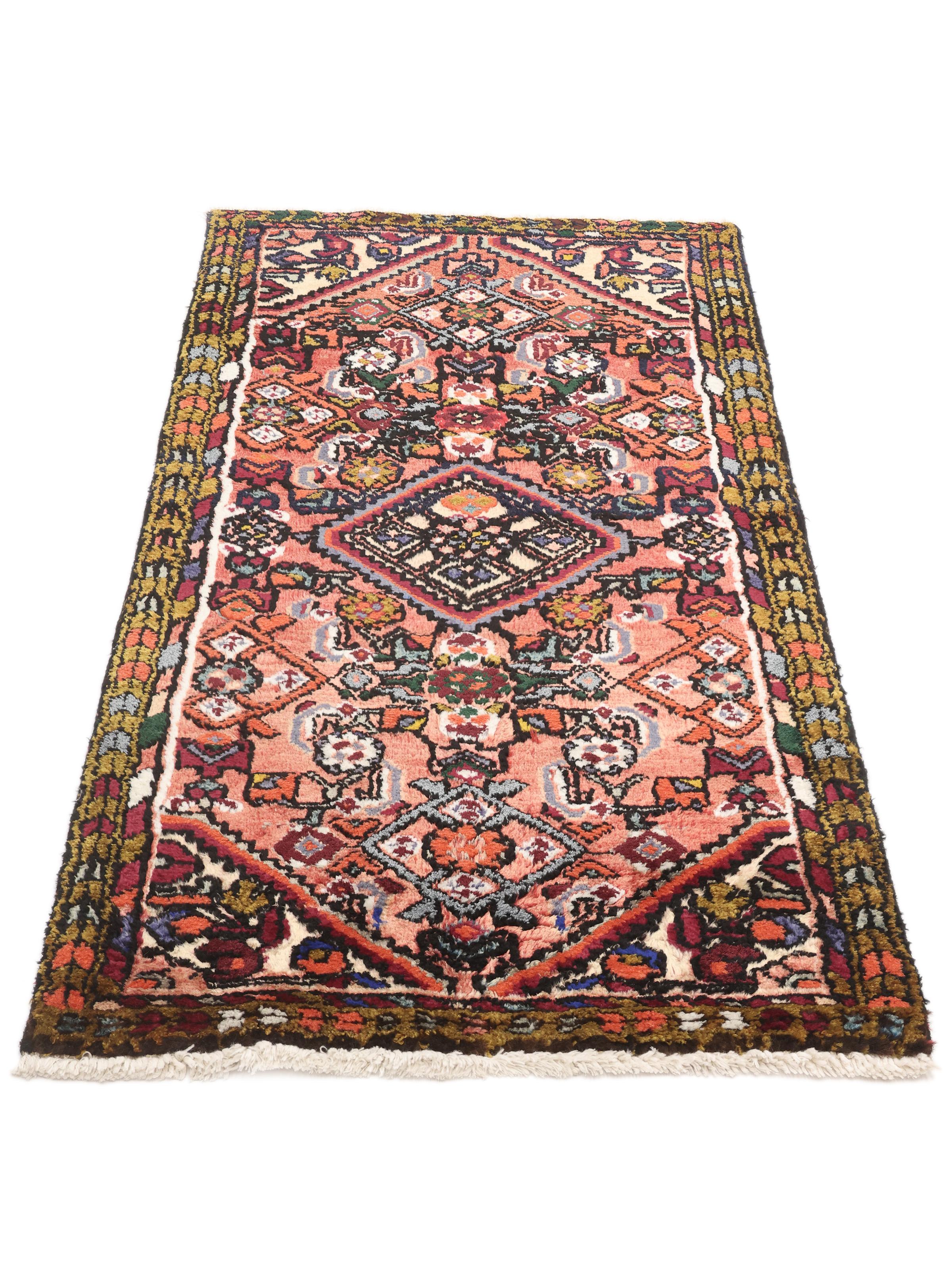
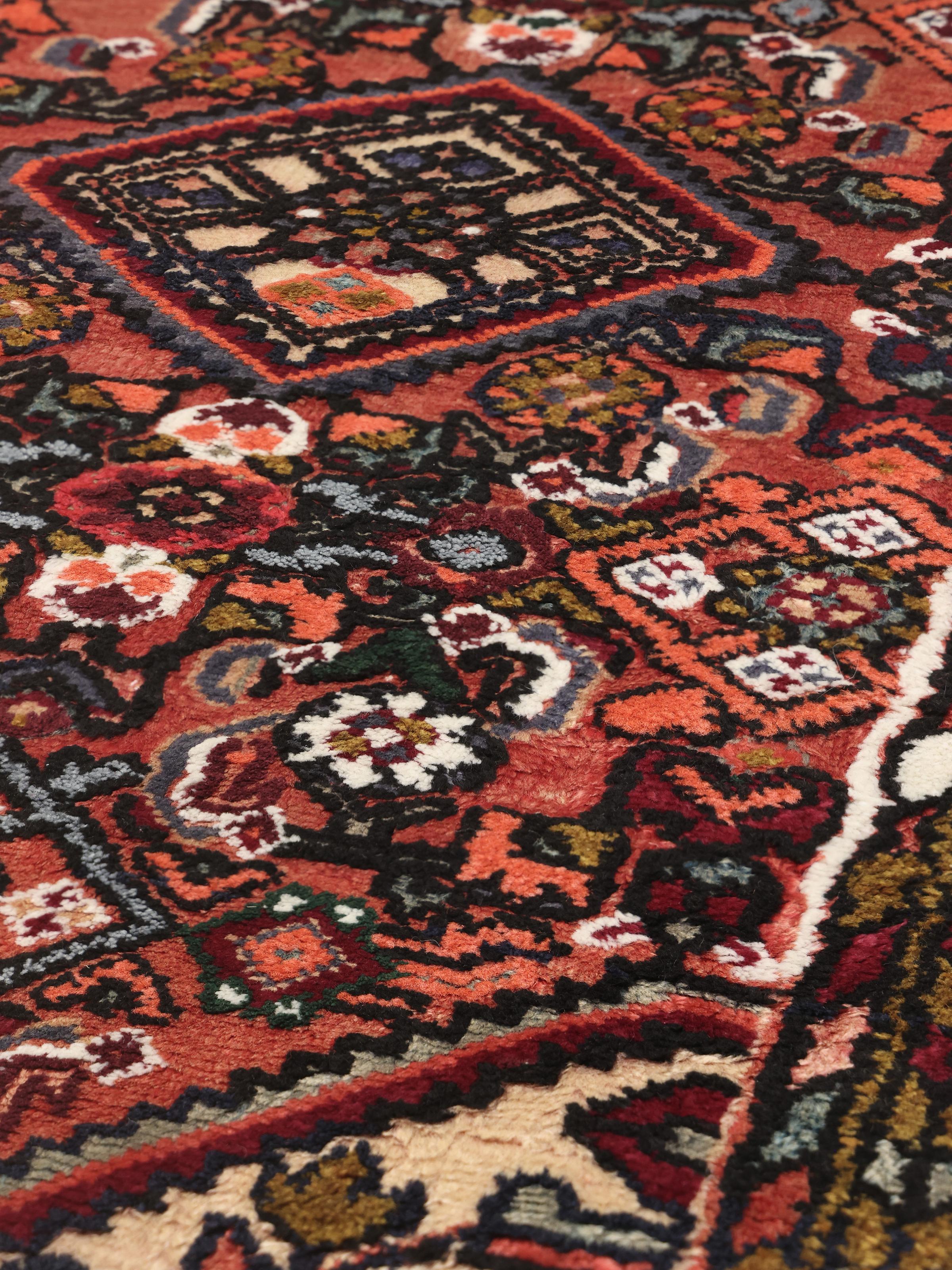
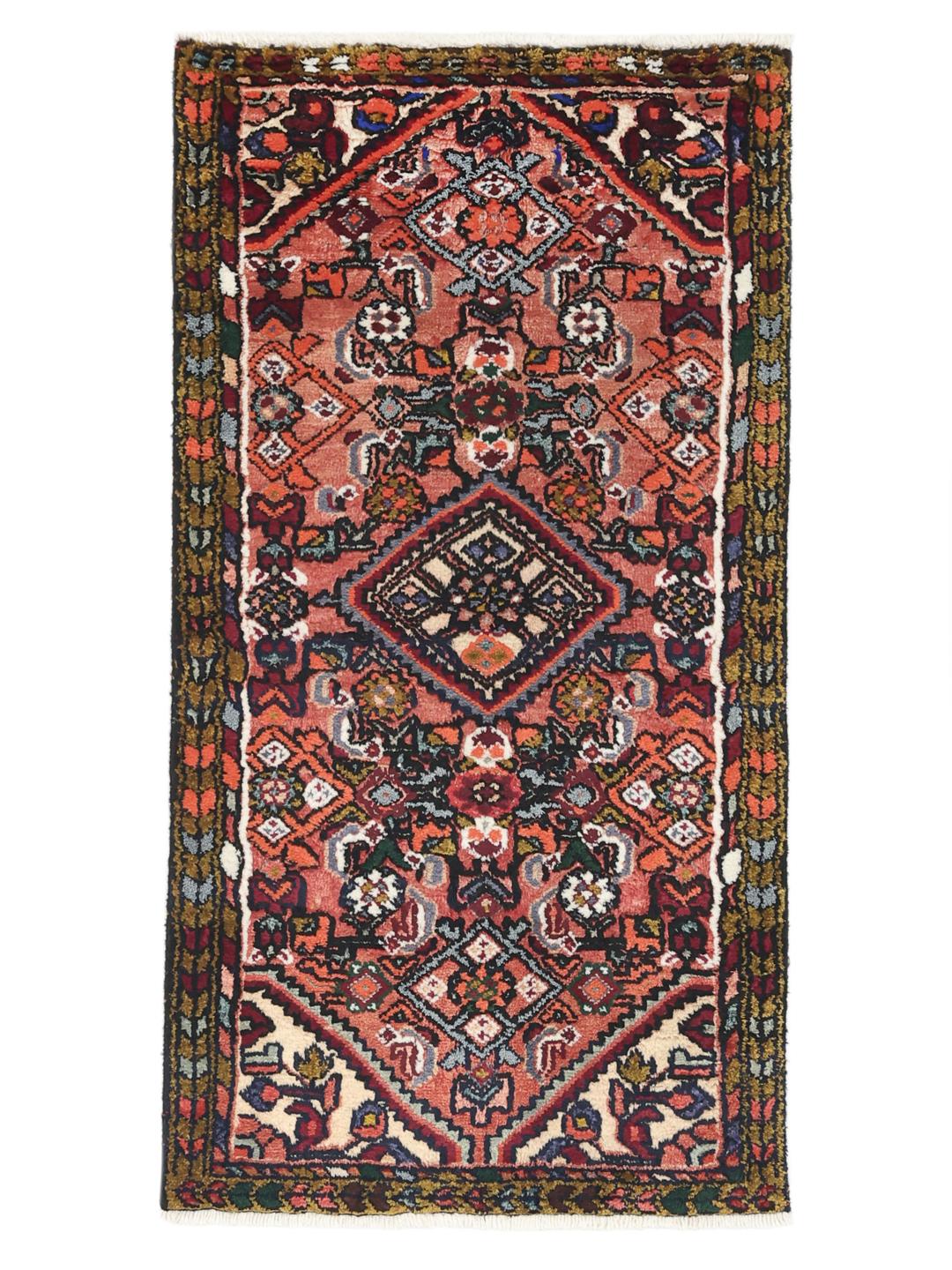
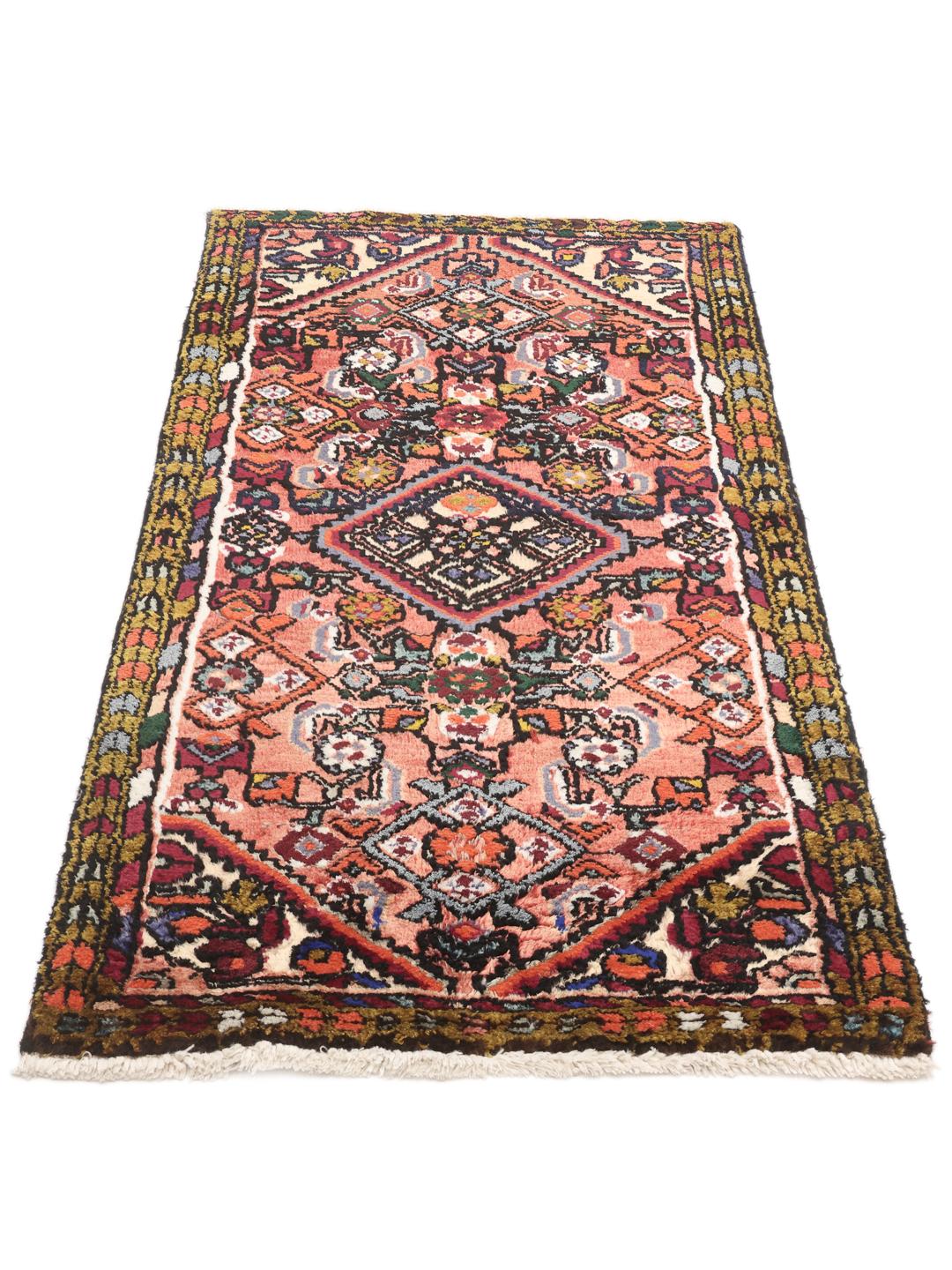
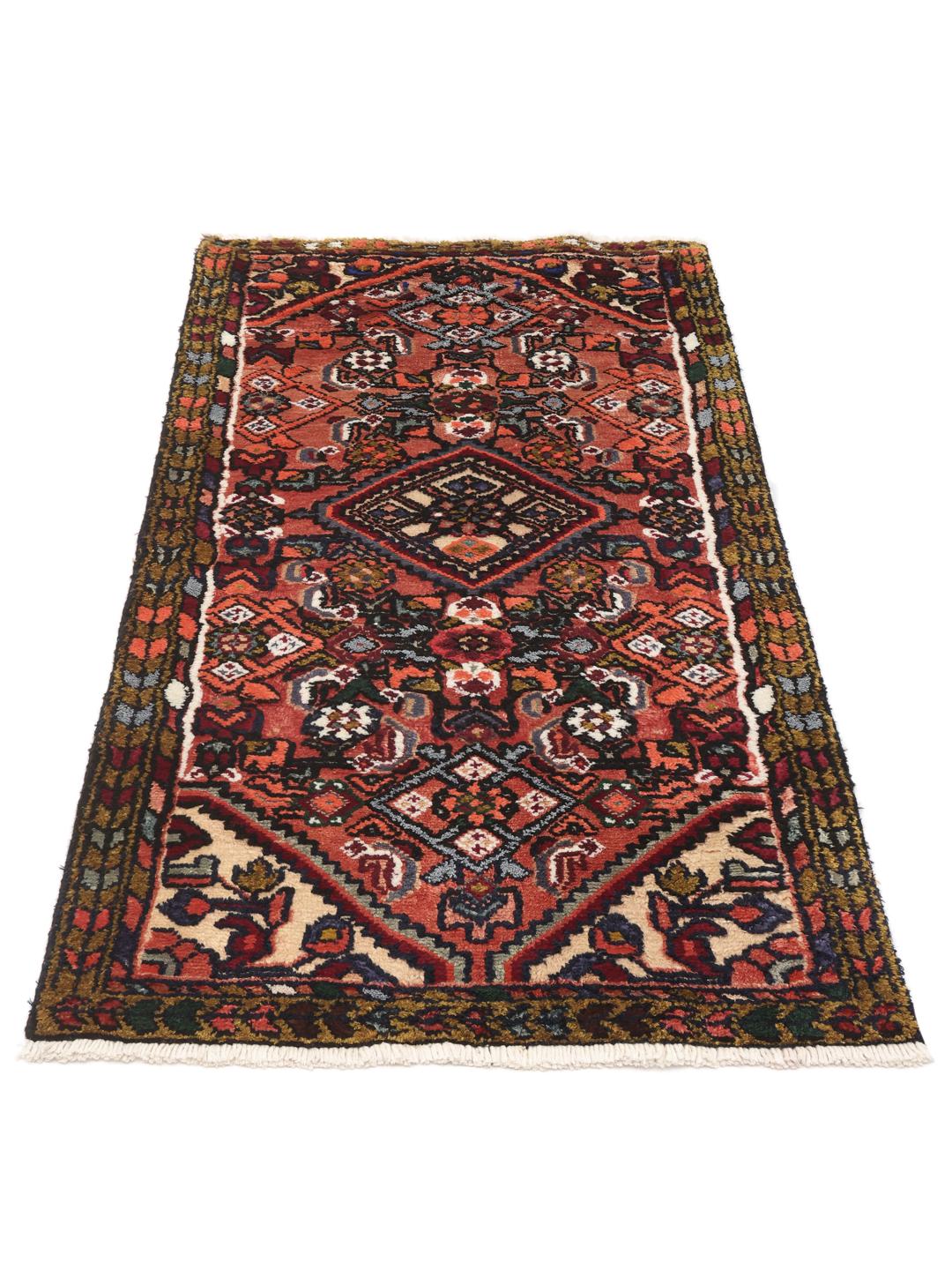
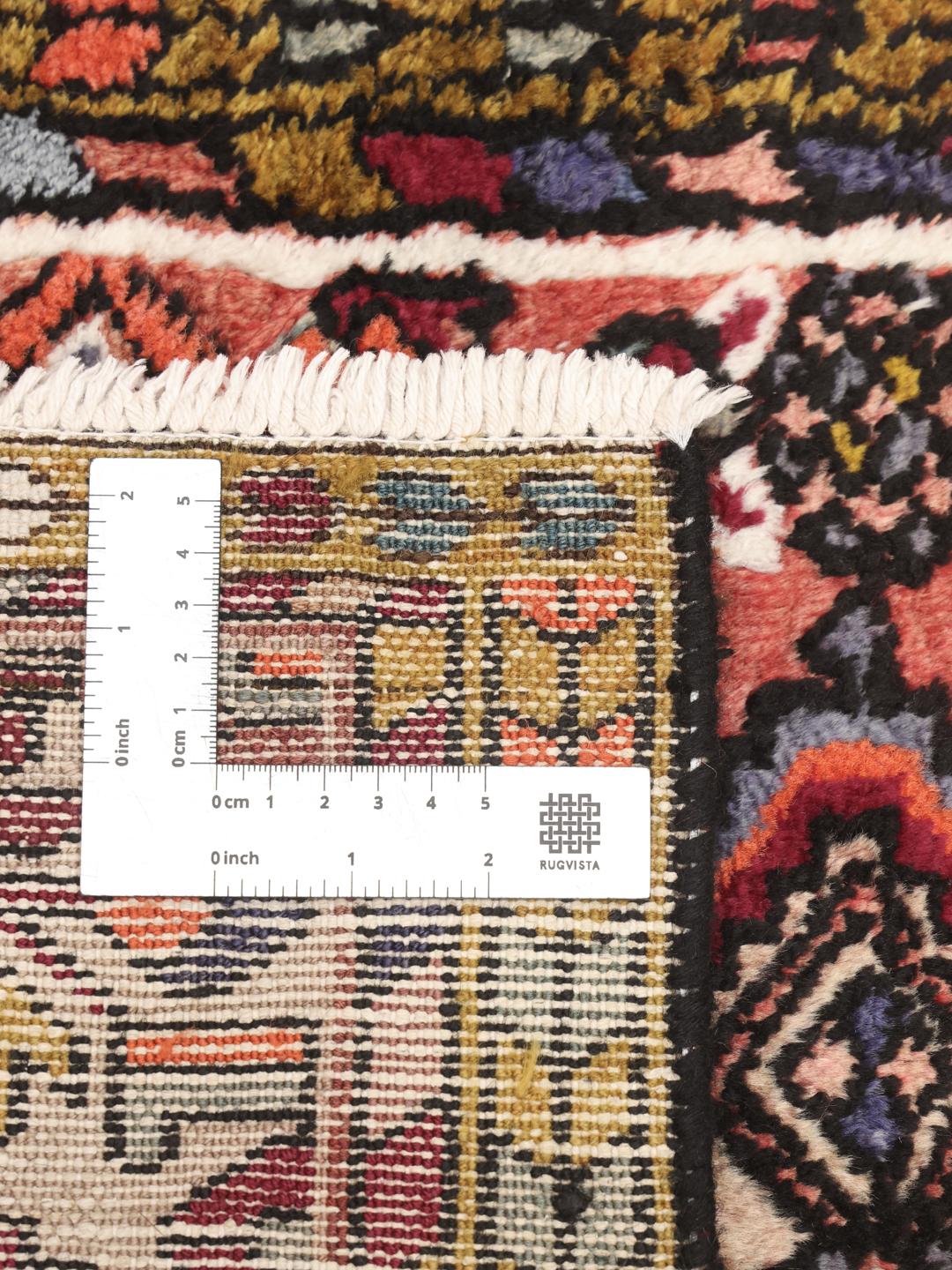
The Asadabad rug takes its name from the historic town in the Hamadan region of the Middle East, an area long celebrated for its prolific and diverse rug-making traditions. These rugs are deeply rooted in the local culture, where weaving has served as both a necessary craft and a vital form of artistic expression for generations.
Hamadan rugs are often distinguished by their robust construction and the use of high-quality, locally sourced materials. The term Hamadan encompasses a wide variety of village-style rugs, each carrying the unique stylistic thumbprint of the community where it was produced. This regional identity is what makes these rugs so sought after by those who appreciate authentic, traditional craft.
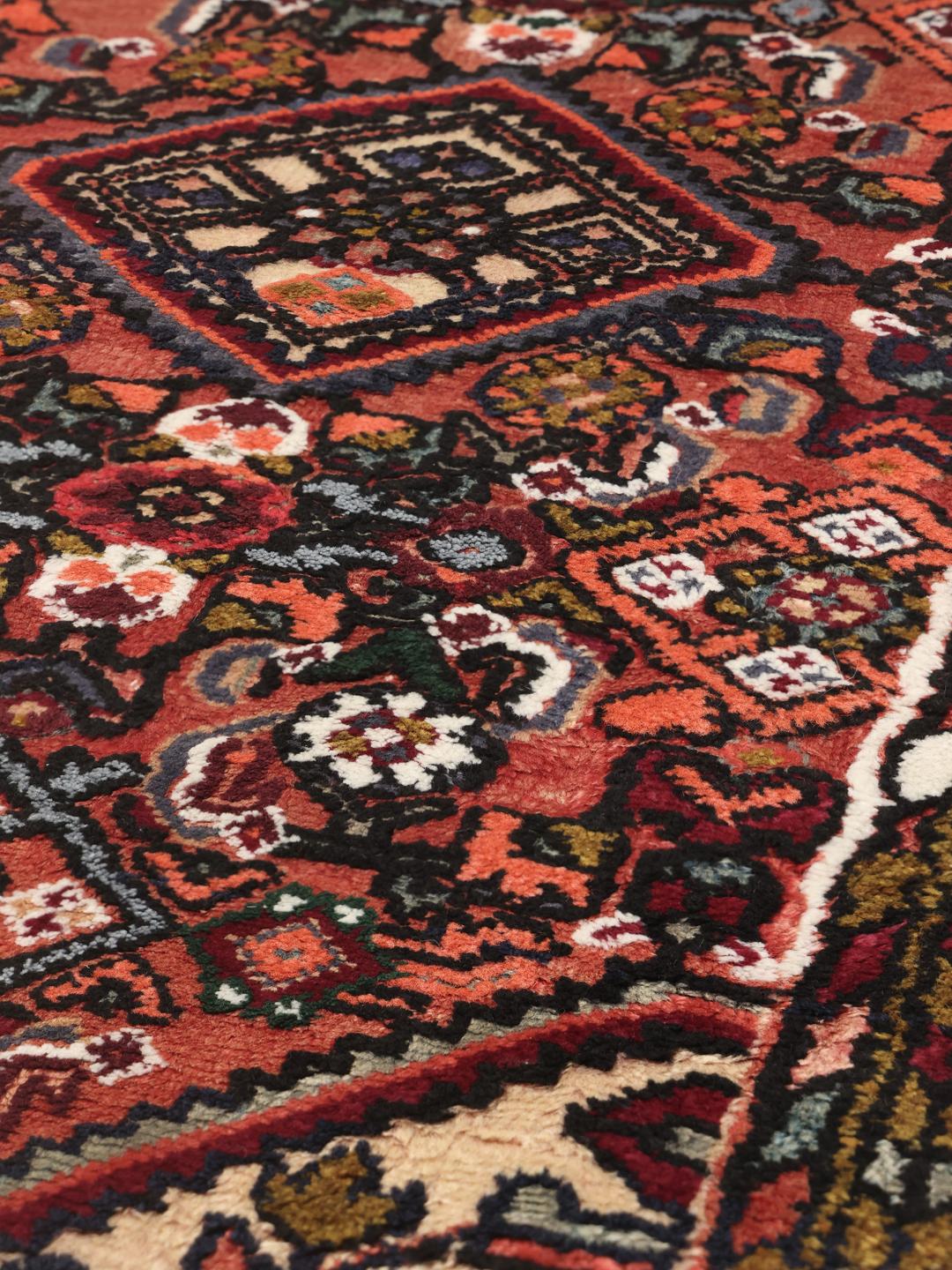
The design language of this region typically features bold, geometric motifs and central medallions, often framed by decorative borders that anchor the composition. The use of vibrant, contrasting colours is a signature element, designed to bring life and energy into the home. Every border and motif is steeped in a long-standing visual vocabulary that has been passed down through families of weavers.
Owning an Asadabad rug is an opportunity to connect with a rich history of craftsmanship that values skill, patience, and tradition over mass production. These pieces are collected not just for their utility, but for the cultural narrative they hold. By bringing one into your home, you are preserving a piece of heritage and supporting a legacy of artistic dedication that remains as relevant today as it was centuries ago.