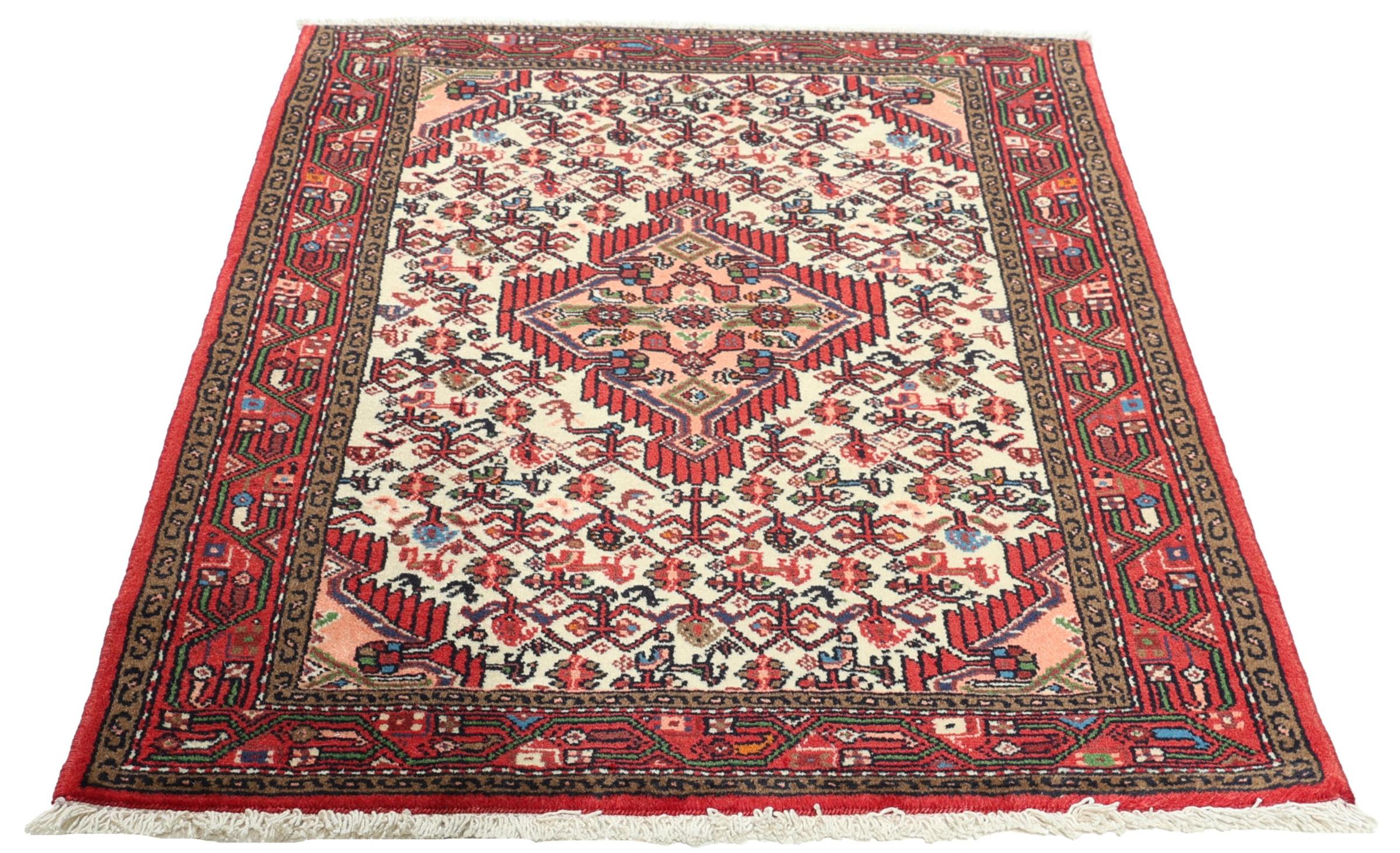
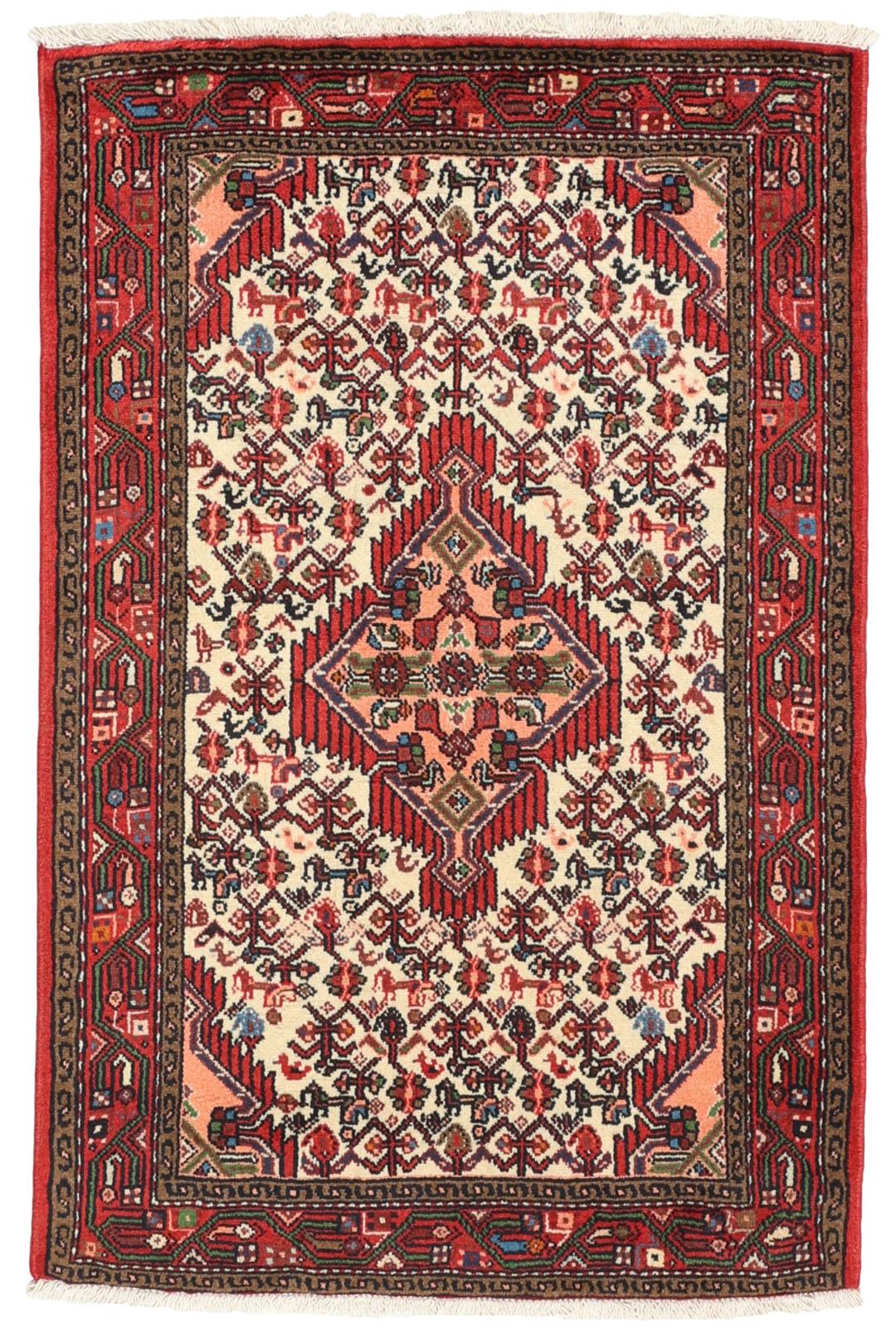
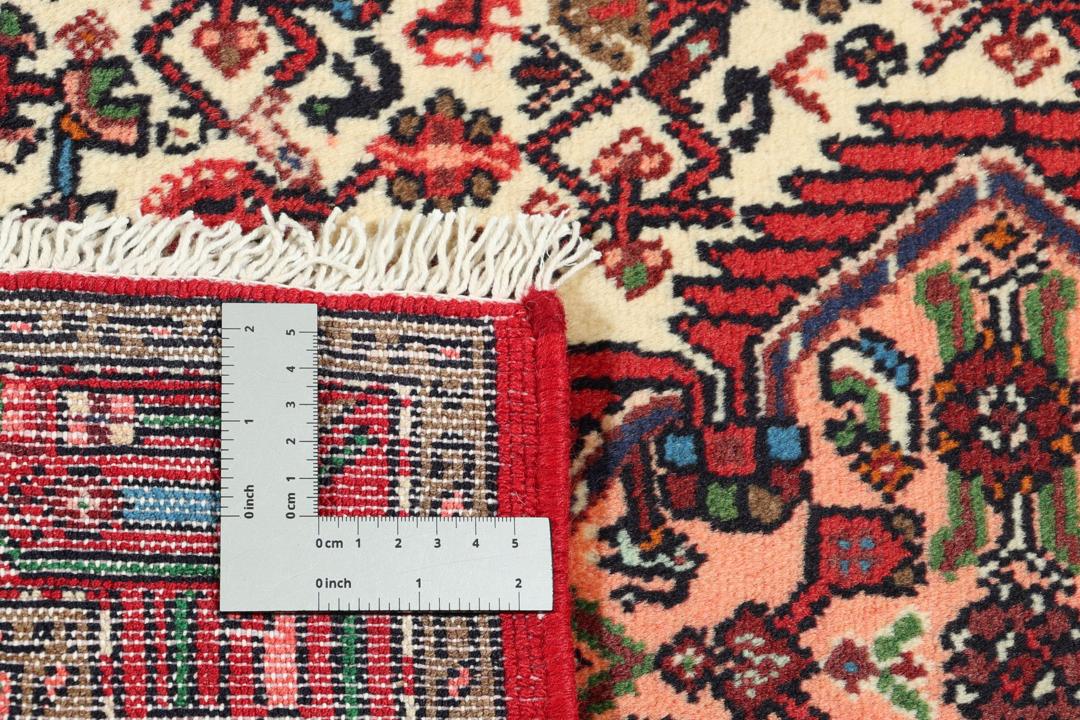
The Hamadan region in the Middle East is renowned for its long-standing tradition of rug weaving, acting as a major commercial centre that gathers the output of hundreds of surrounding villages. Each village, including Asadabad, brings its own distinct aesthetic and design interpretation to the broader Hamadan tradition, resulting in a diverse range of styles that share a common heritage of endurance and quality.
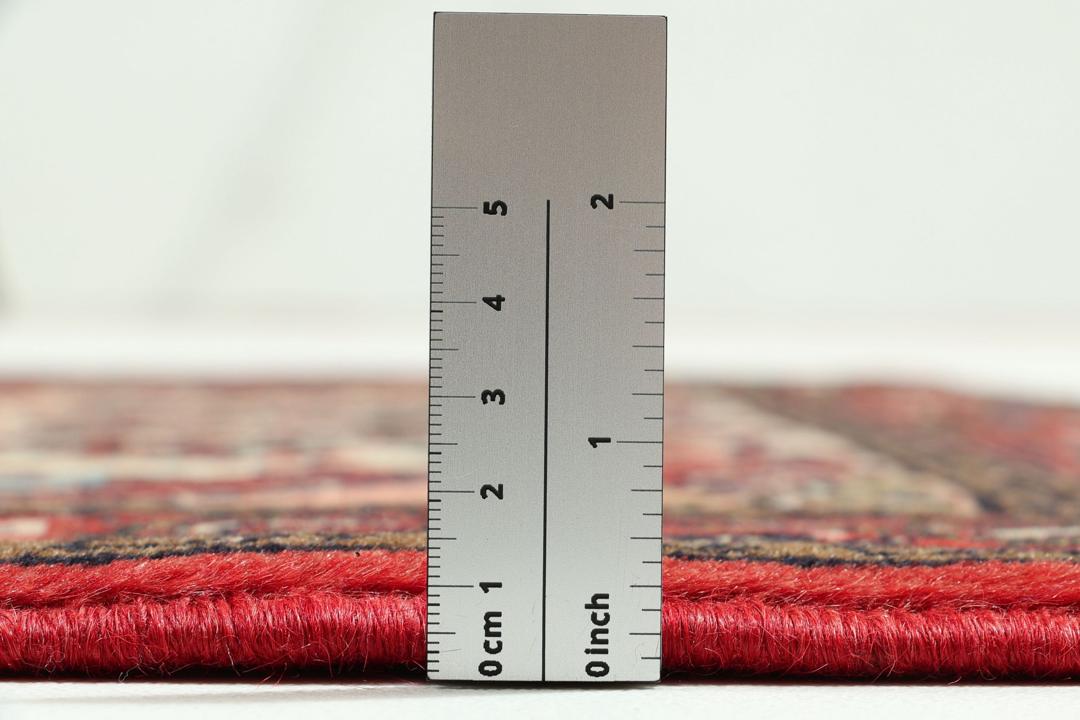
The construction techniques used in these rugs are deeply rooted in local customs, where the focus has always been on creating resilient floor coverings for the home. The use of Wool on a cotton foundation is a hallmark of this region, providing the necessary strength and flexibility to create rugs that can survive generations of use while maintaining their lustre.
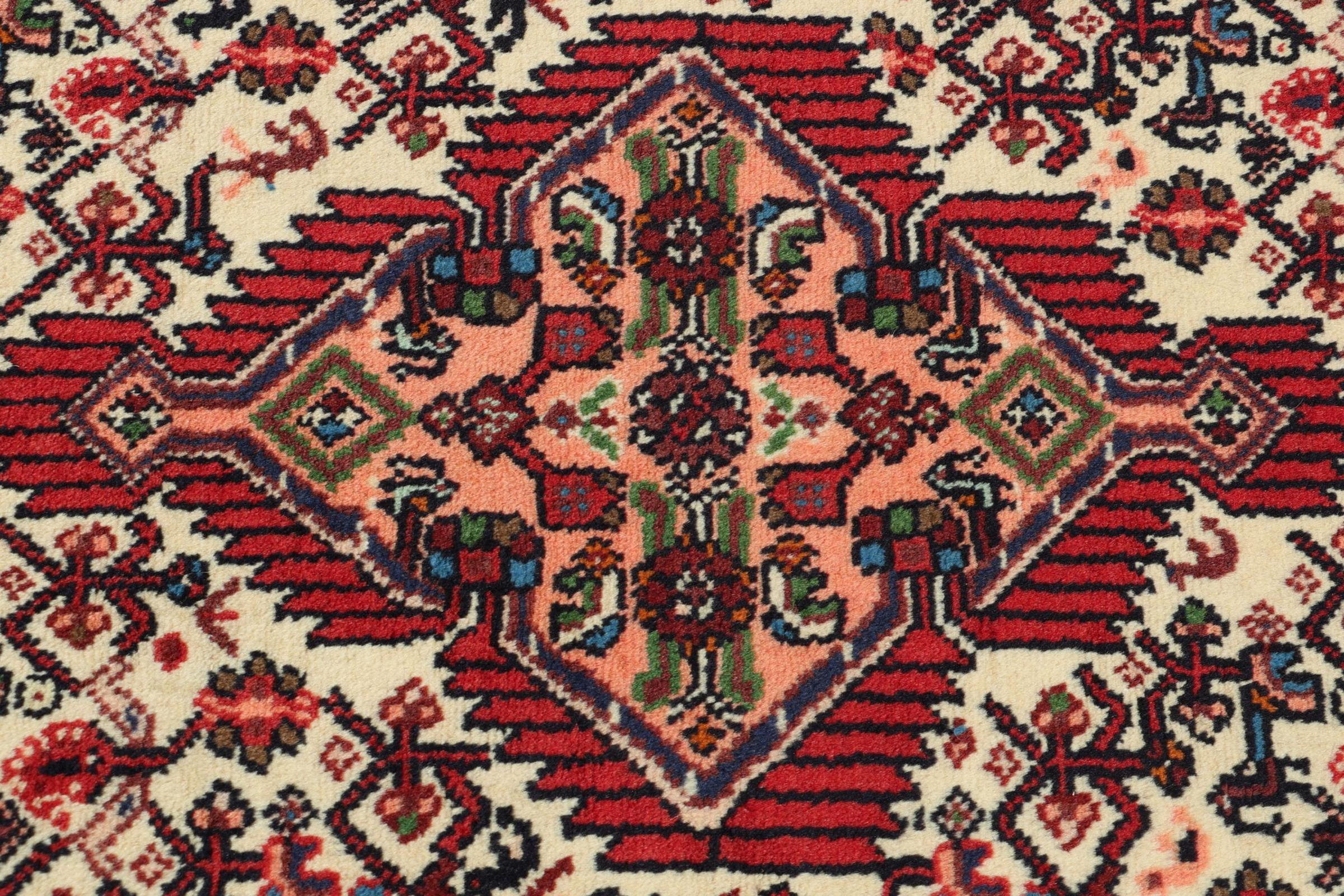
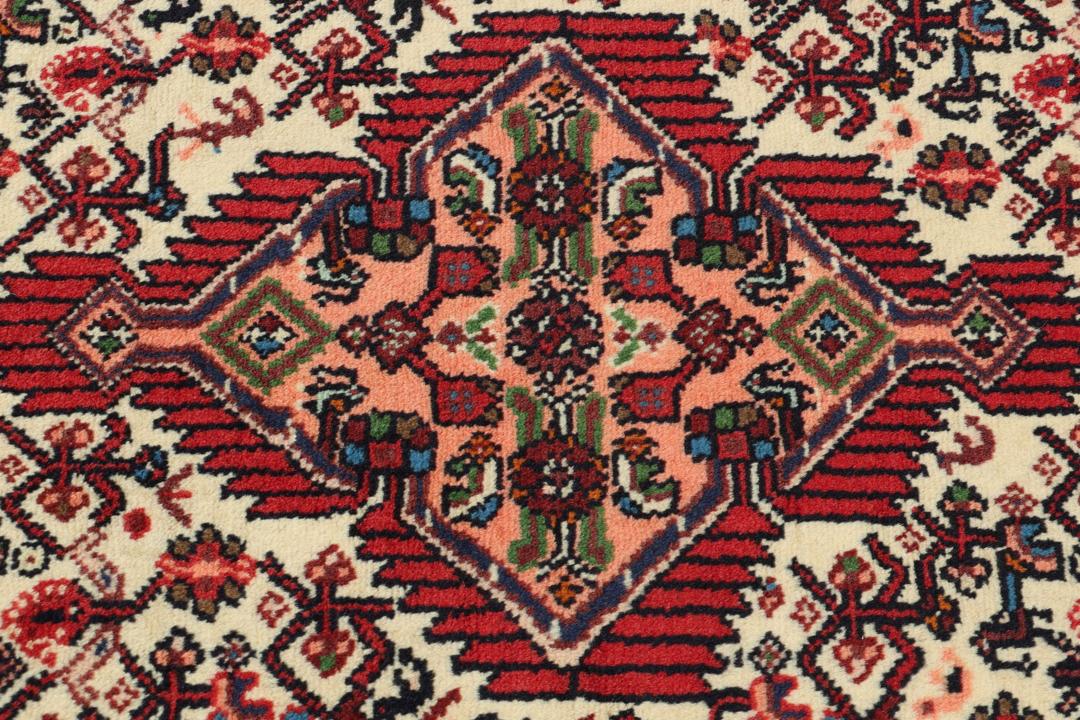
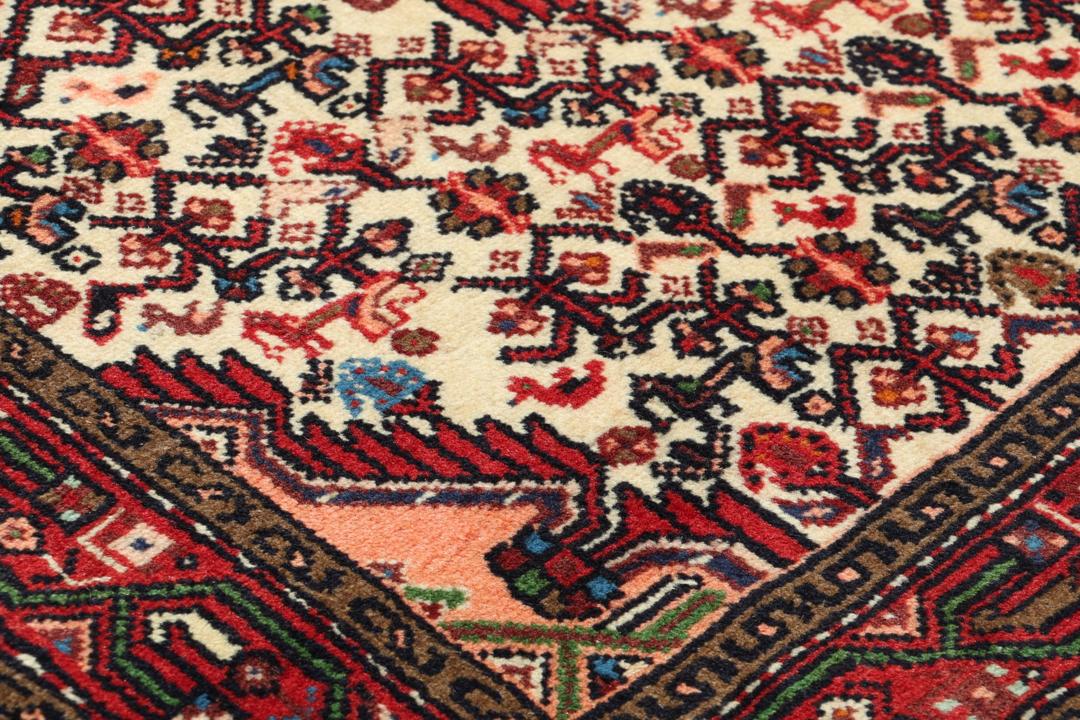
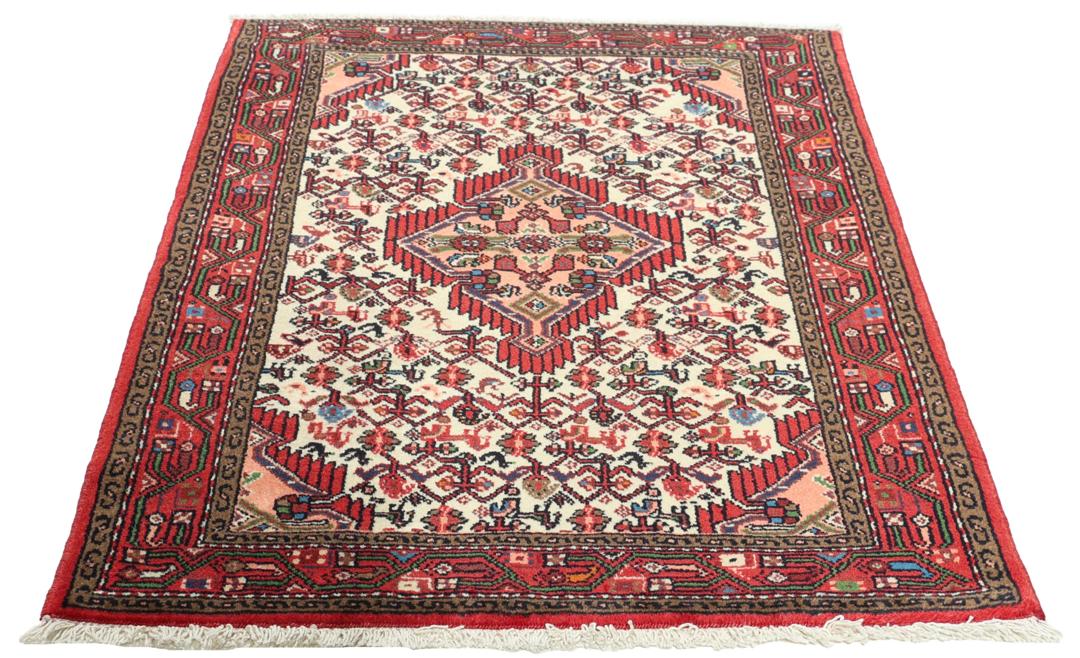
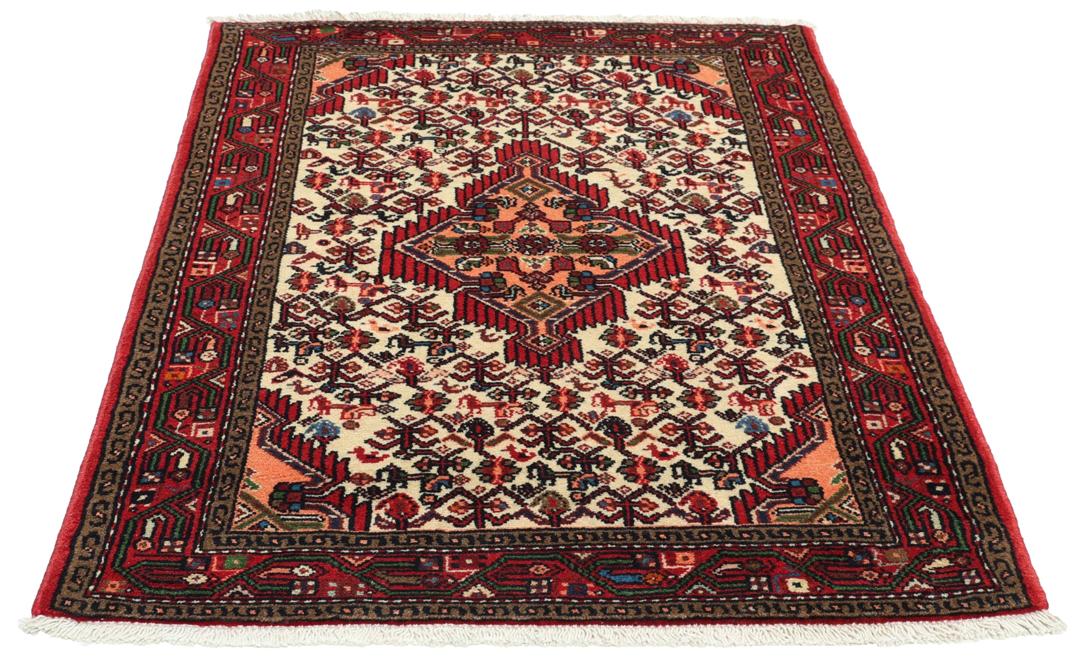
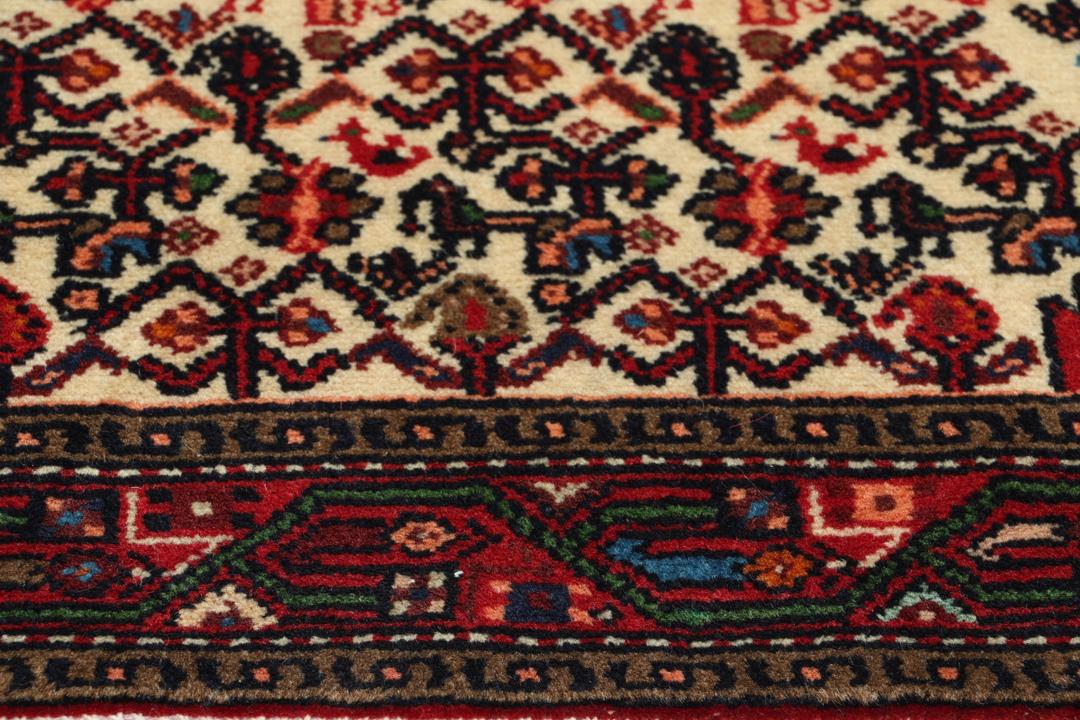
Visually, these rugs often feature geometric medallions at their centre, surrounded by field patterns that can include floral motifs or stylised animals. The borders are typically bold and structured, framing the internal design with rhythmic, repeating patterns that draw the eye inward and create a sense of balance and order.
Collecting a piece from this tradition is an opportunity to own a fragment of Middle Eastern history. These rugs are valued not only for their aesthetic beauty but also for the cultural continuity they represent, offering a tangible connection to the artisans and the ancestral techniques that have defined this region for centuries.