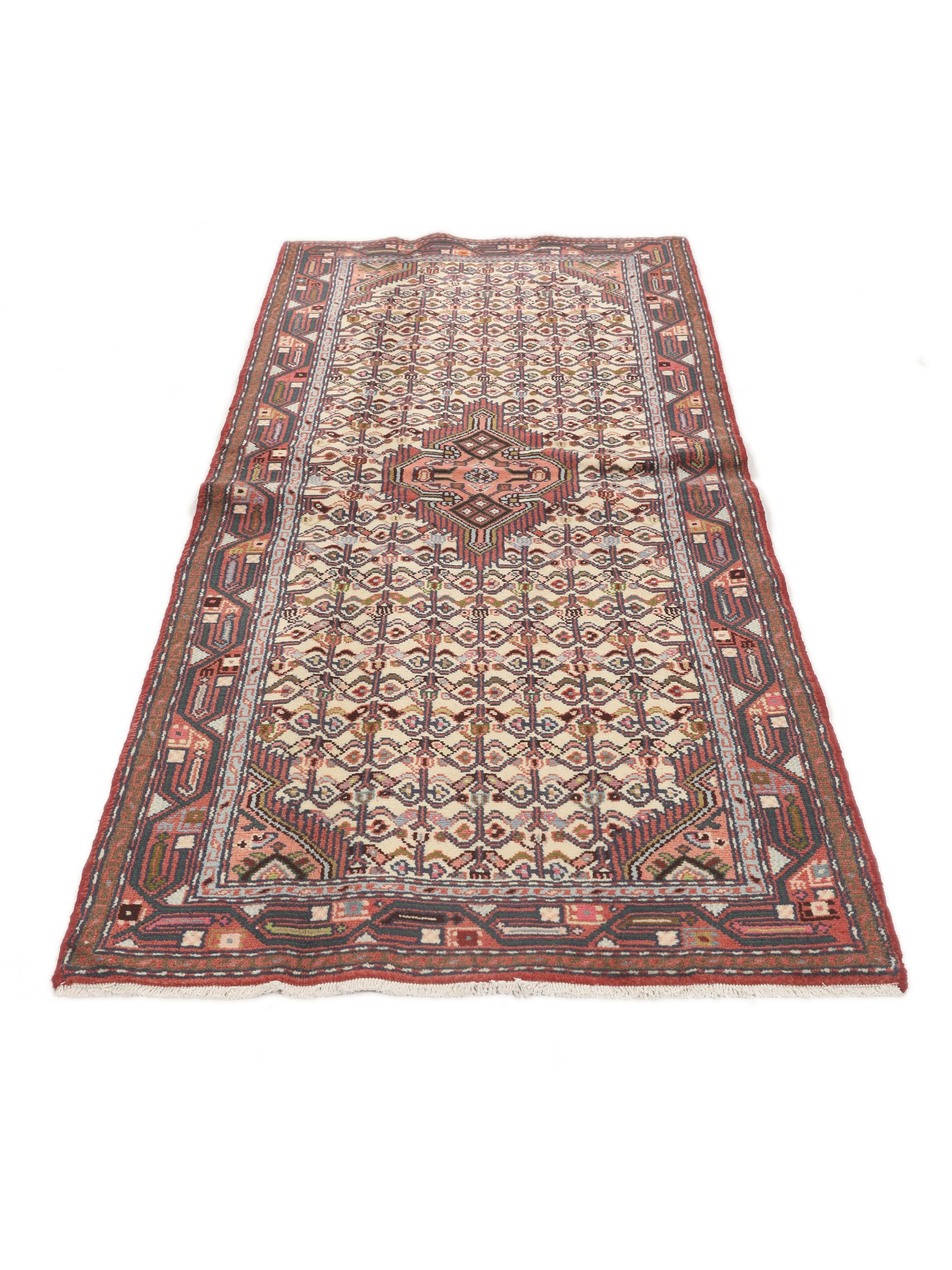
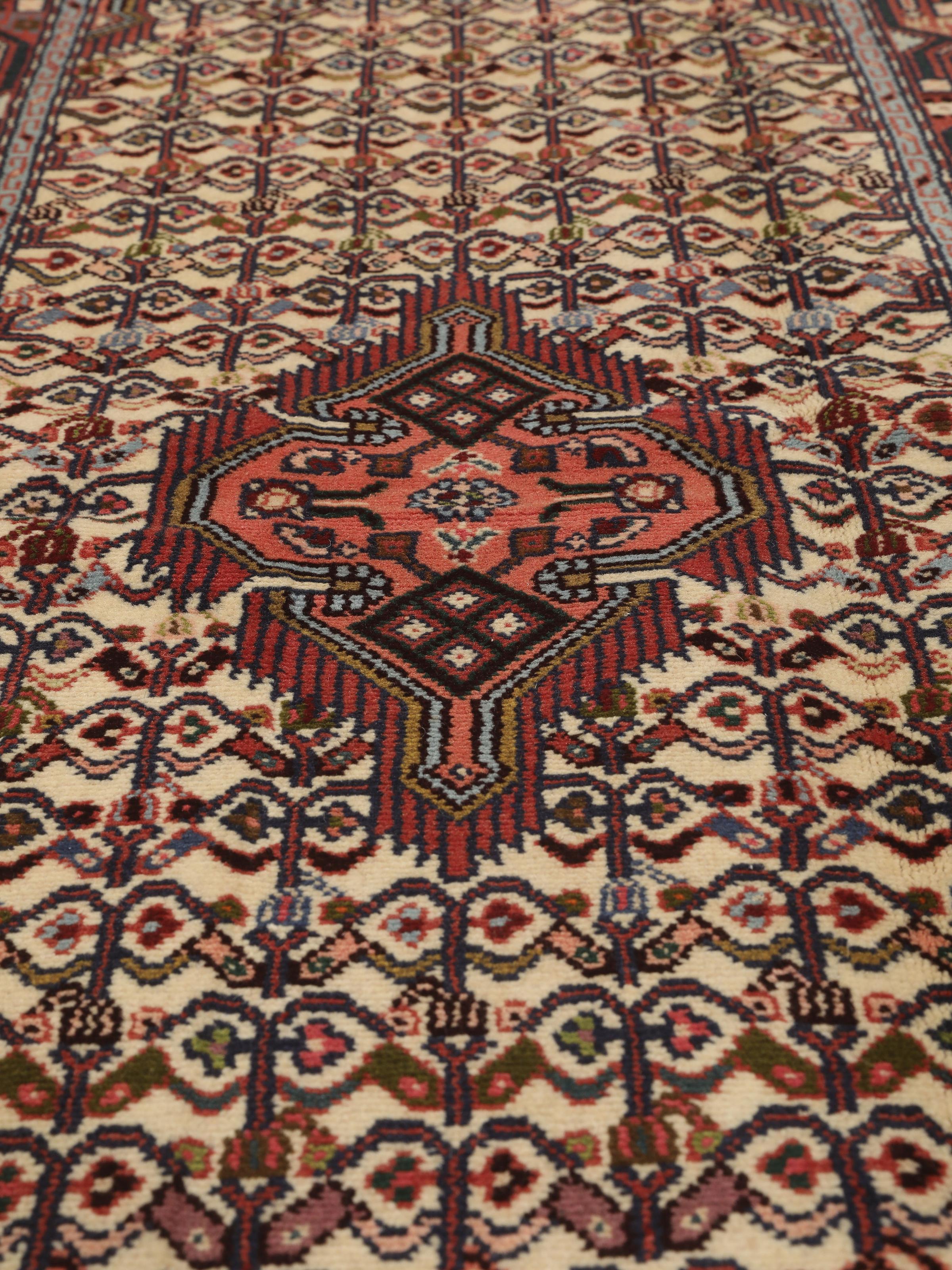
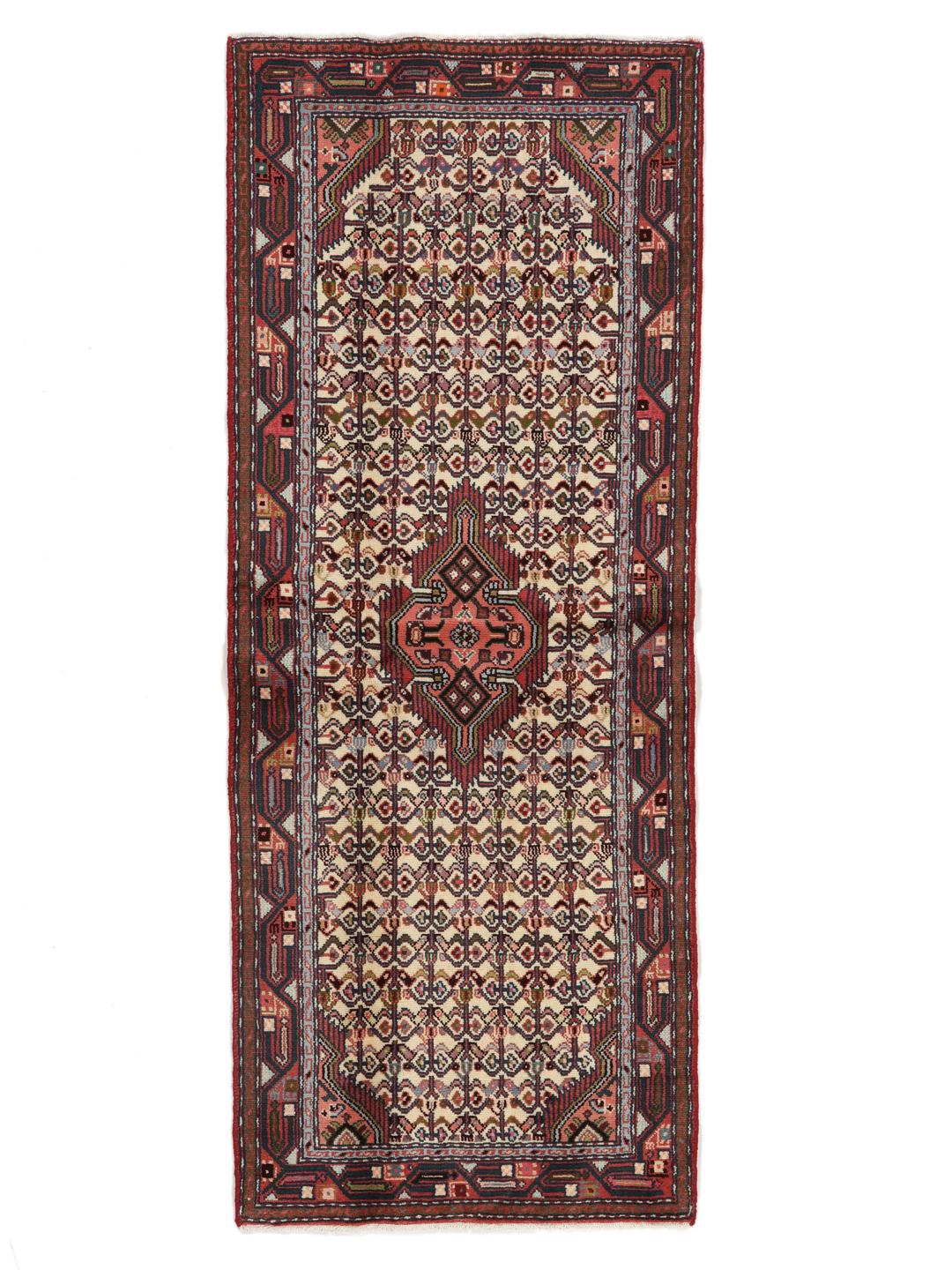
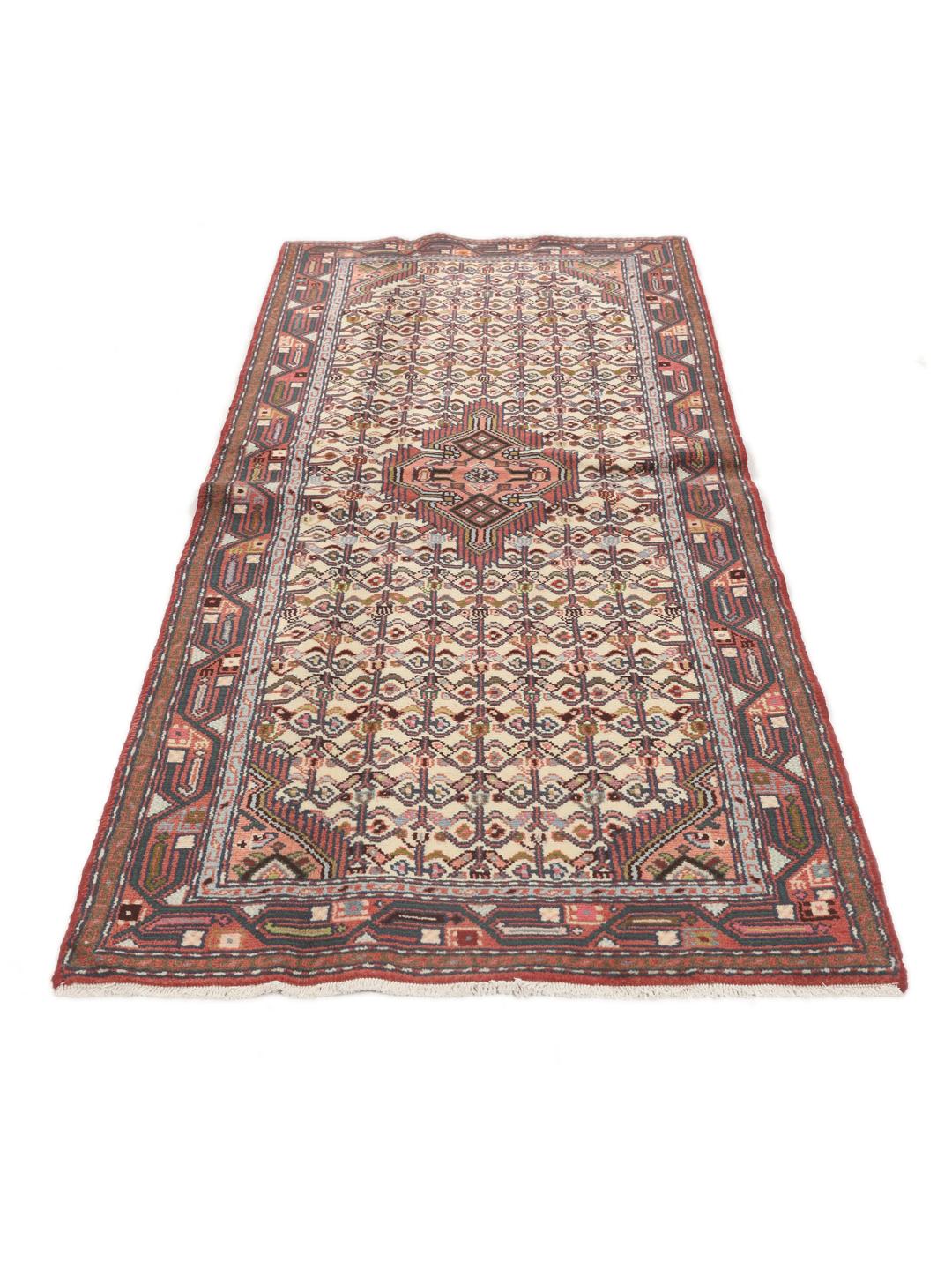
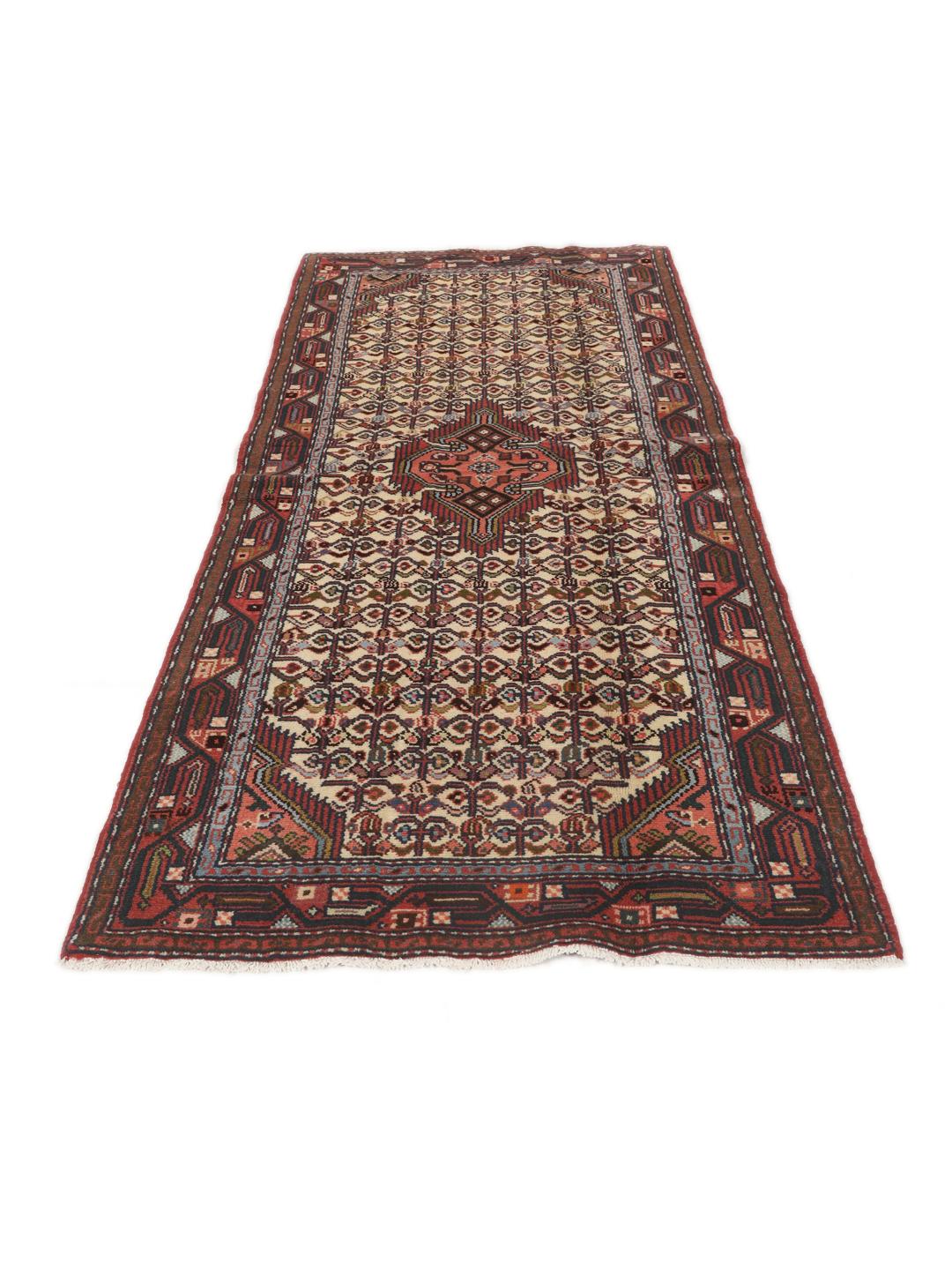
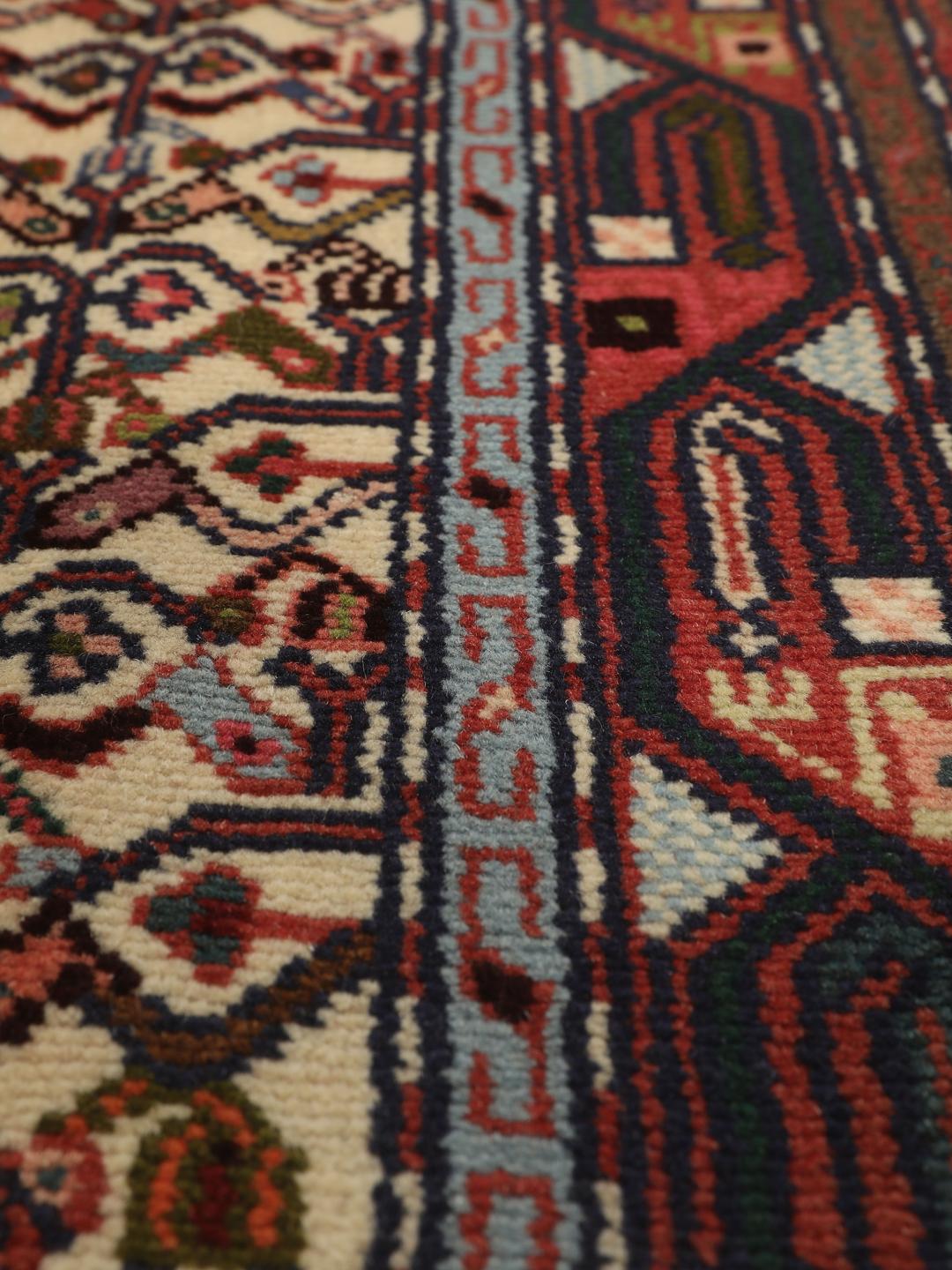
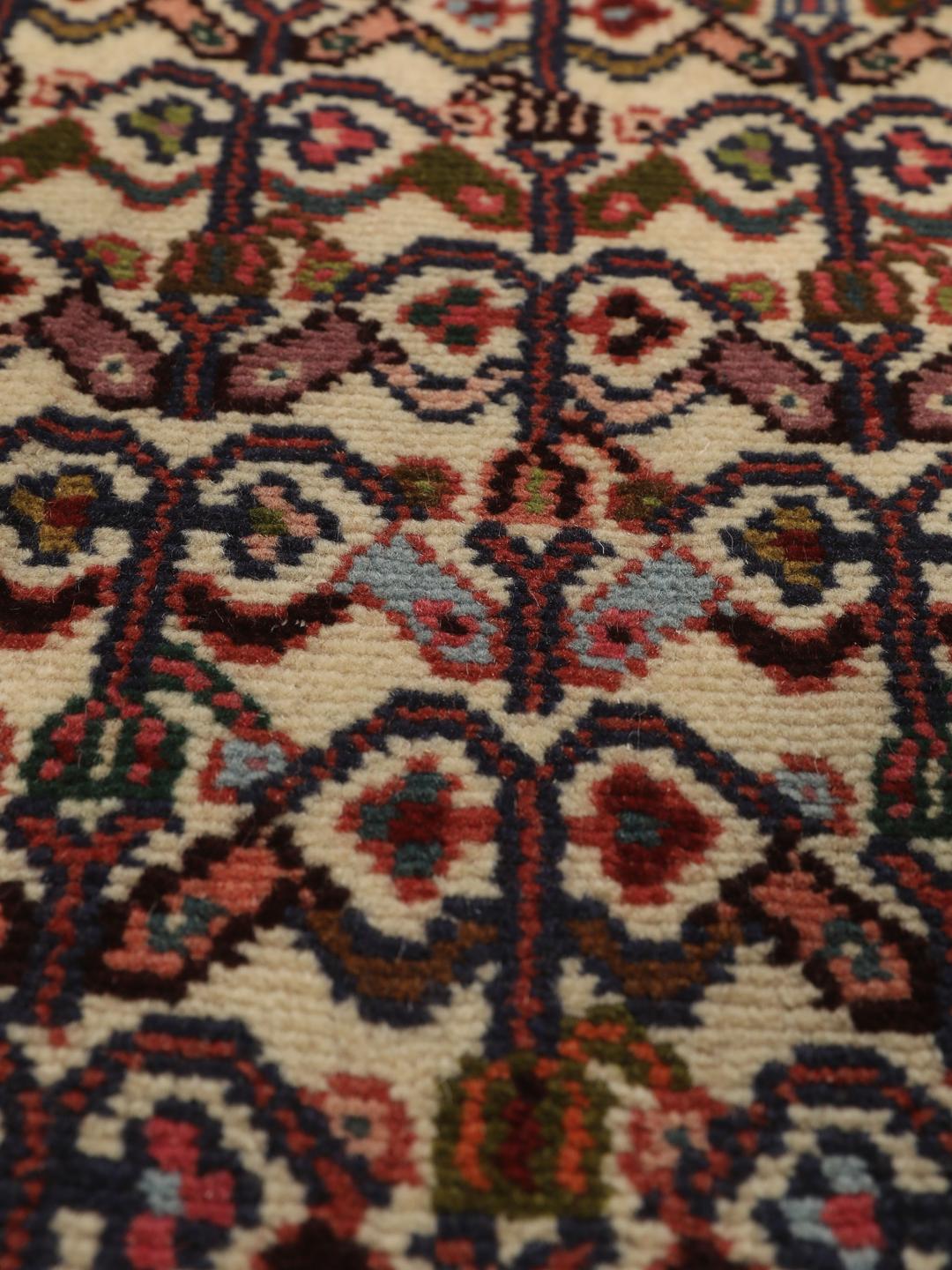
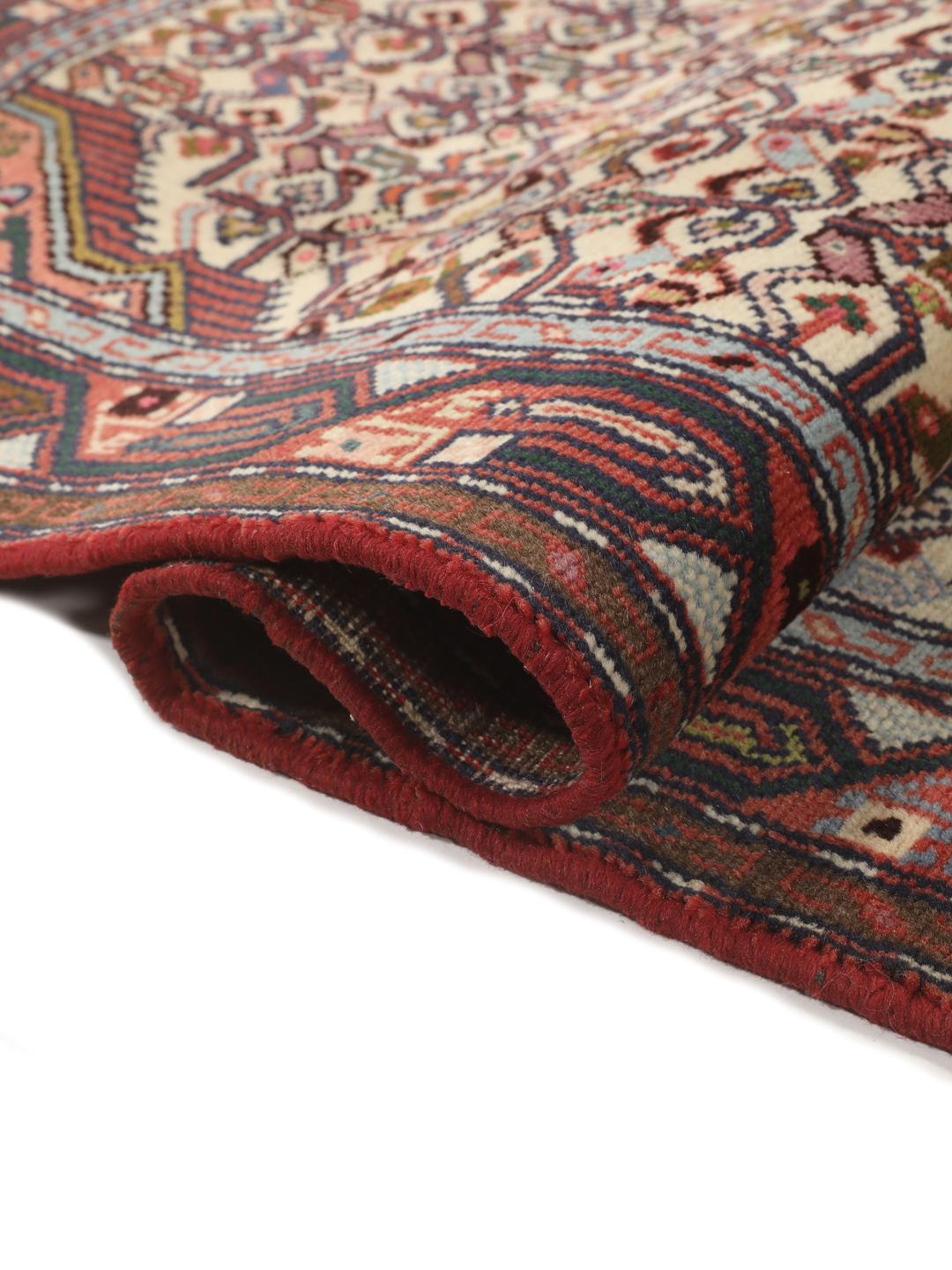
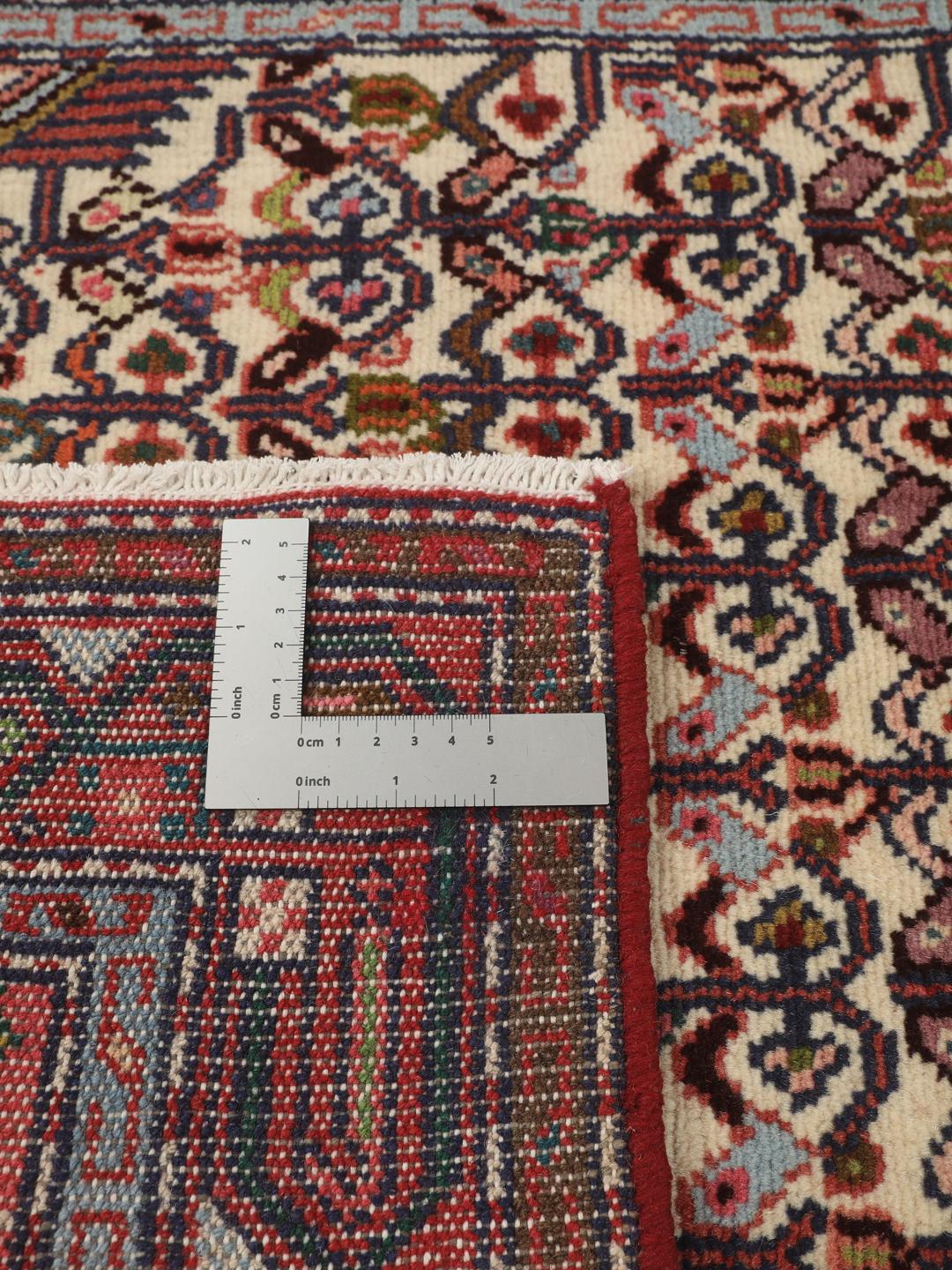
The Asadabad runner belongs to the wider Hamadan family of rugs, originating from the historic, mountainous regions of the Middle East. These rugs are deeply rooted in village traditions, where weaving has served as both a necessary domestic craft and a vital cultural expression for generations. The region is known for producing sturdy, reliable pieces that reflect the rugged beauty of the surrounding landscape.
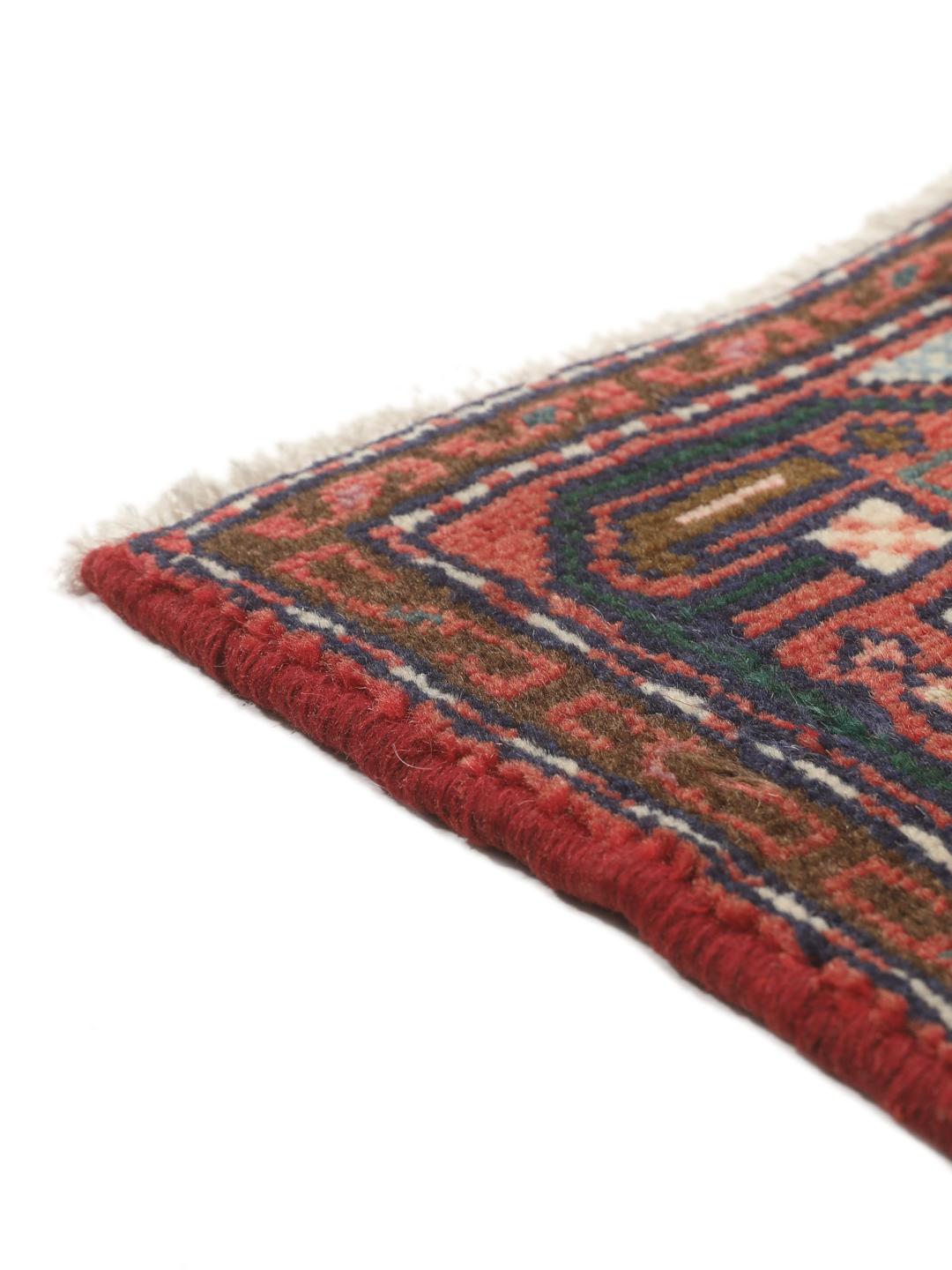
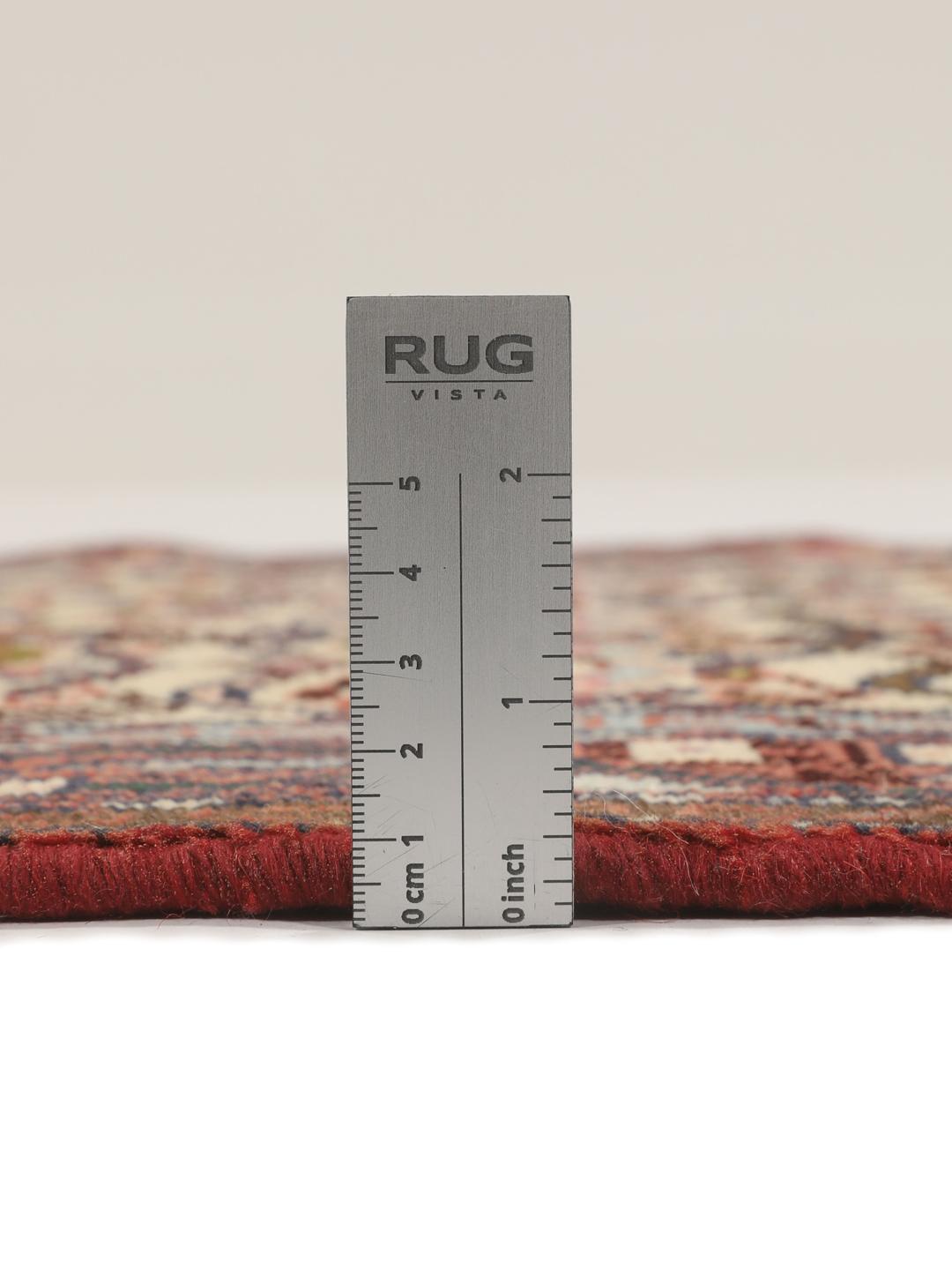
The terminology surrounding these rugs often refers to the specific Wool quality and the foundation materials used. In this tradition, the use of locally sourced, resilient Wool is standard, chosen specifically for its ability to produce a tight, long-wearing pile. This construction style is focused on longevity, ensuring that the rug serves its purpose in the home for decades.
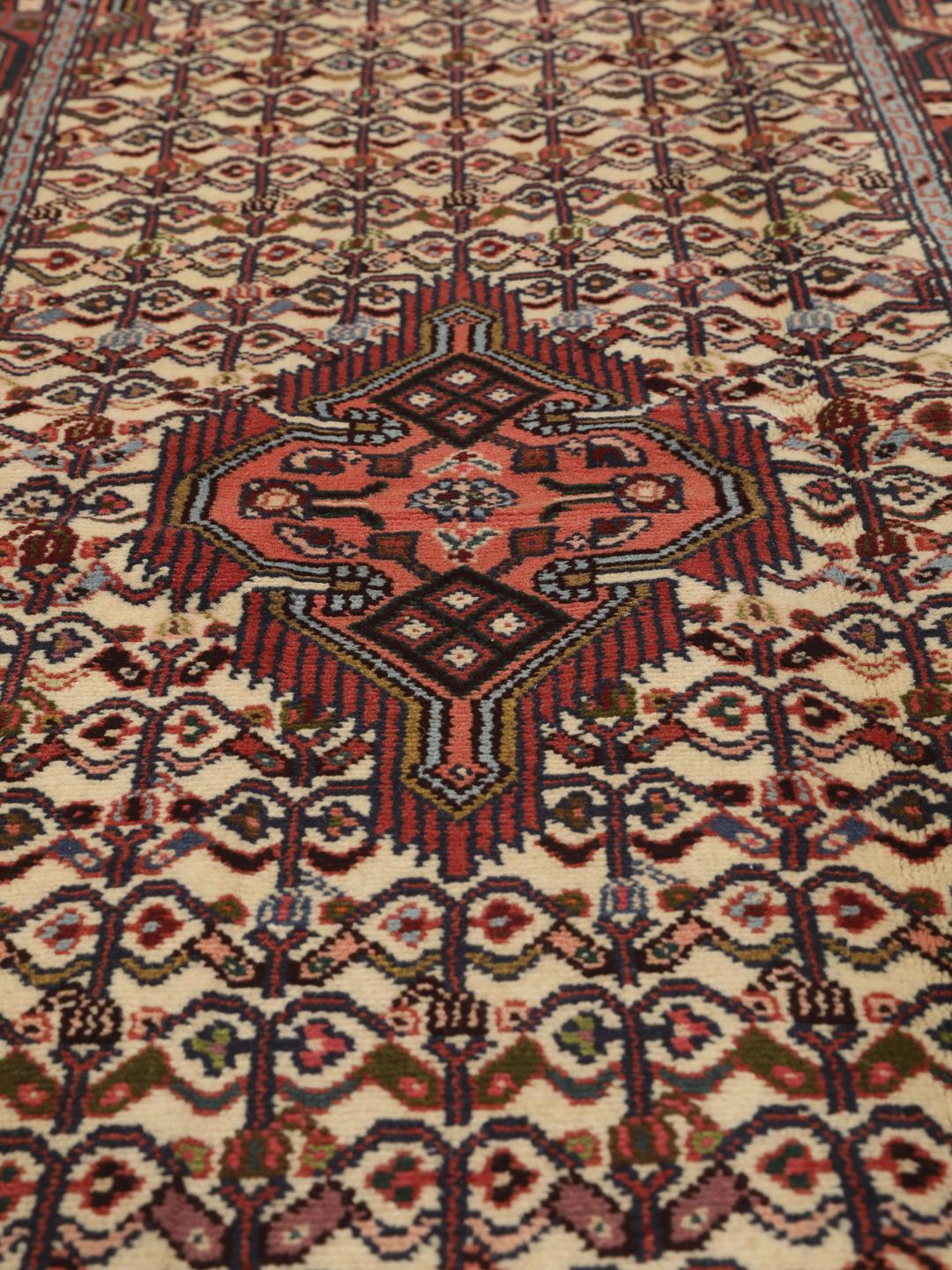
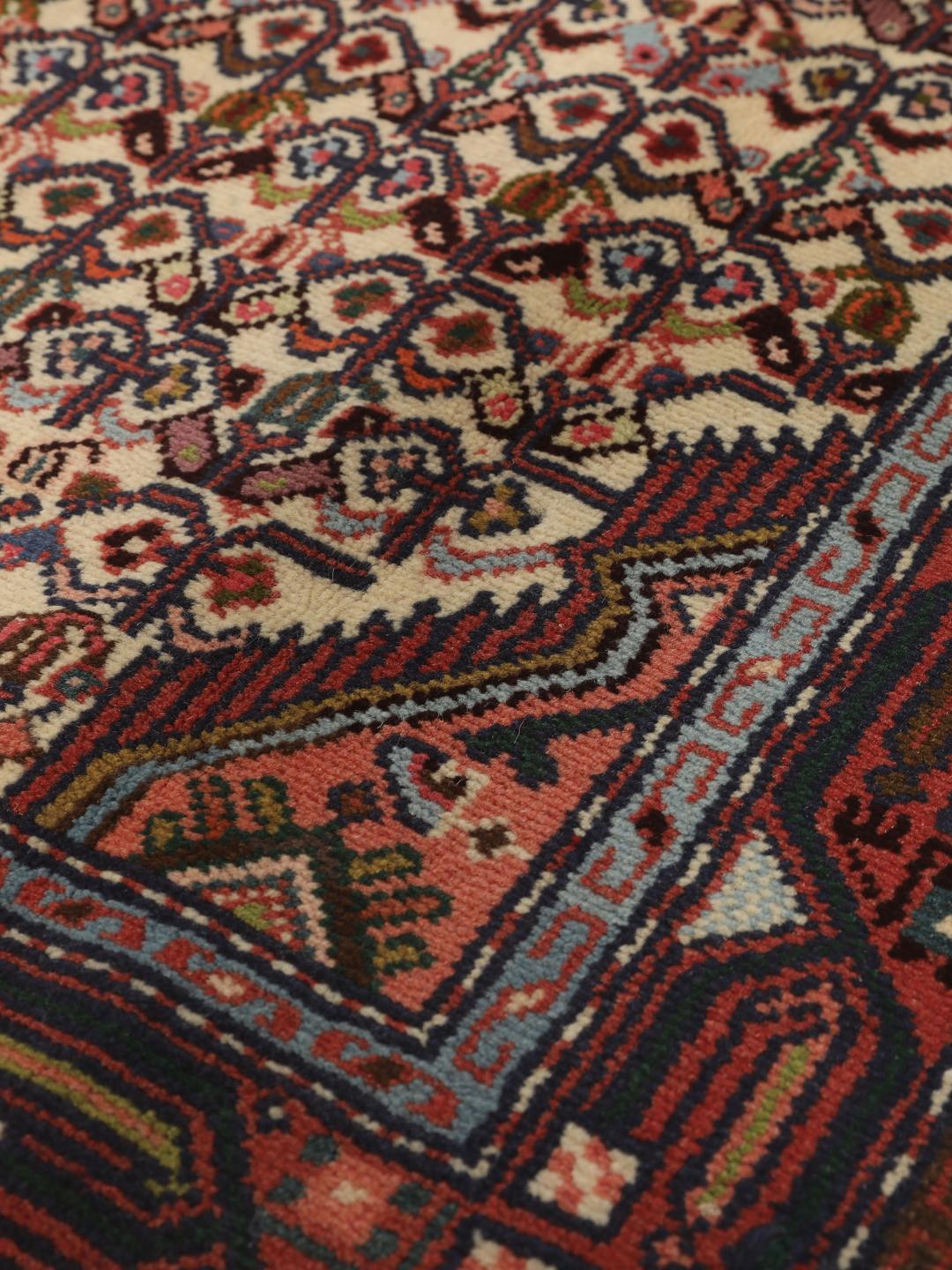
Visually, these runners are defined by their geometric clarity and often feature a central medallion or repeated floral and tribal motifs. The borders are typically formal and structured, acting as a frame that draws the eye toward the intricate details of the field. The use of natural, earthy, and bold tones is a hallmark of this style, creating a balanced and harmonious aesthetic.
Collecting a piece from this tradition is an investment in cultural heritage. Because each weaver brings their own interpretation to the patterns, these rugs are celebrated for their slight imperfections and authentic character. Owning one is an opportunity to appreciate the skill required to maintain such an ancient craft in the modern world.