The Aubusson style of textile art finds its roots in the historic French town of the same name, renowned since the 17th century for its production of fine tapestries and rugs. While originally commissioned by European royalty to decorate grand chateaus and estates, the style evolved over centuries to influence weavers around the globe, including the highly skilled artisans in China who adapted these classic French floral aesthetics into the kilim form.
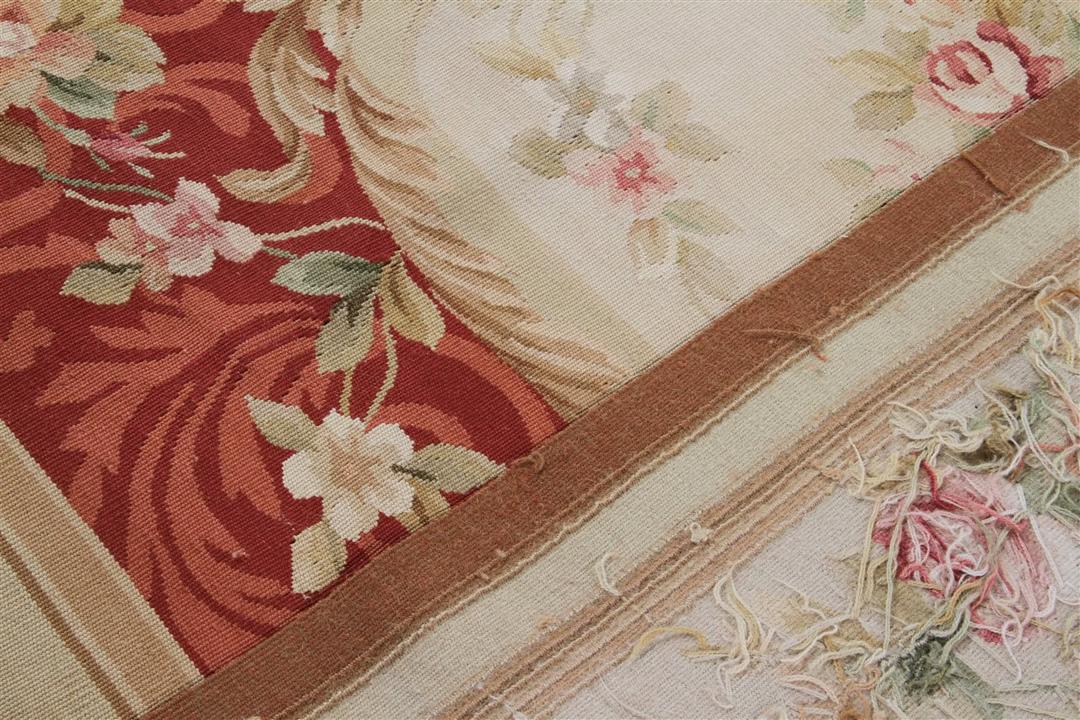
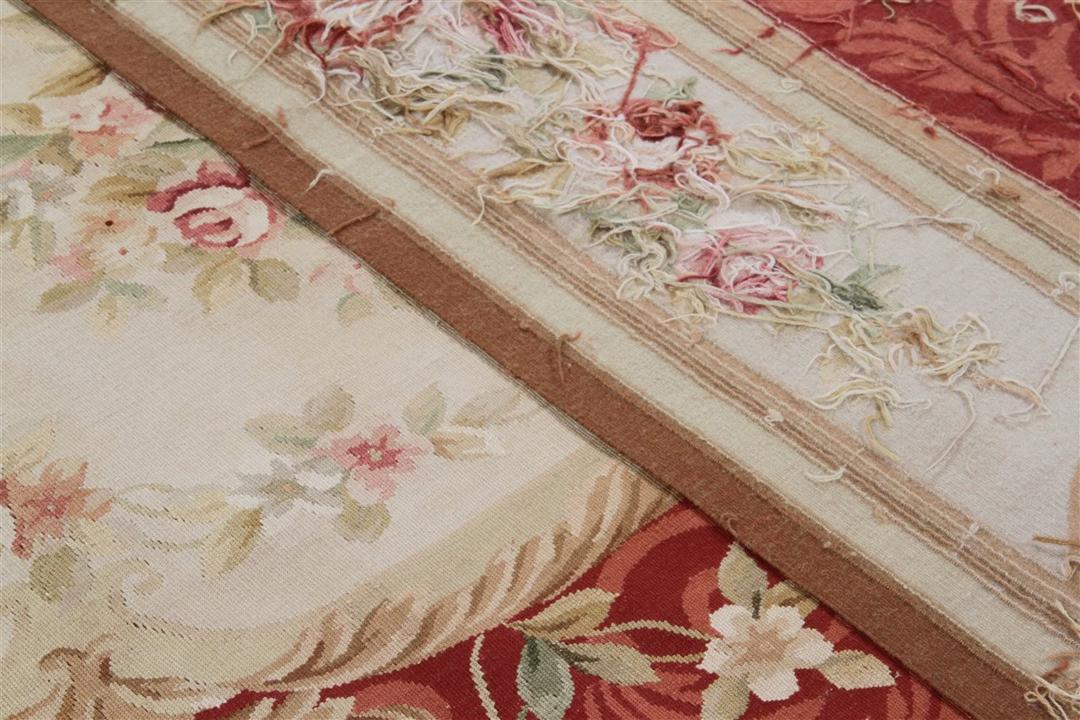
A kilim is defined by its flat-weave construction, where the horizontal threads are tightly packed against the vertical foundation to create a smooth, durable surface. Unlike knotted rugs, the pattern in a kilim is created during the weaving process itself, requiring the artisan to have an intimate understanding of the design to ensure the motifs are crisp and clearly defined without the use of a raised pile.
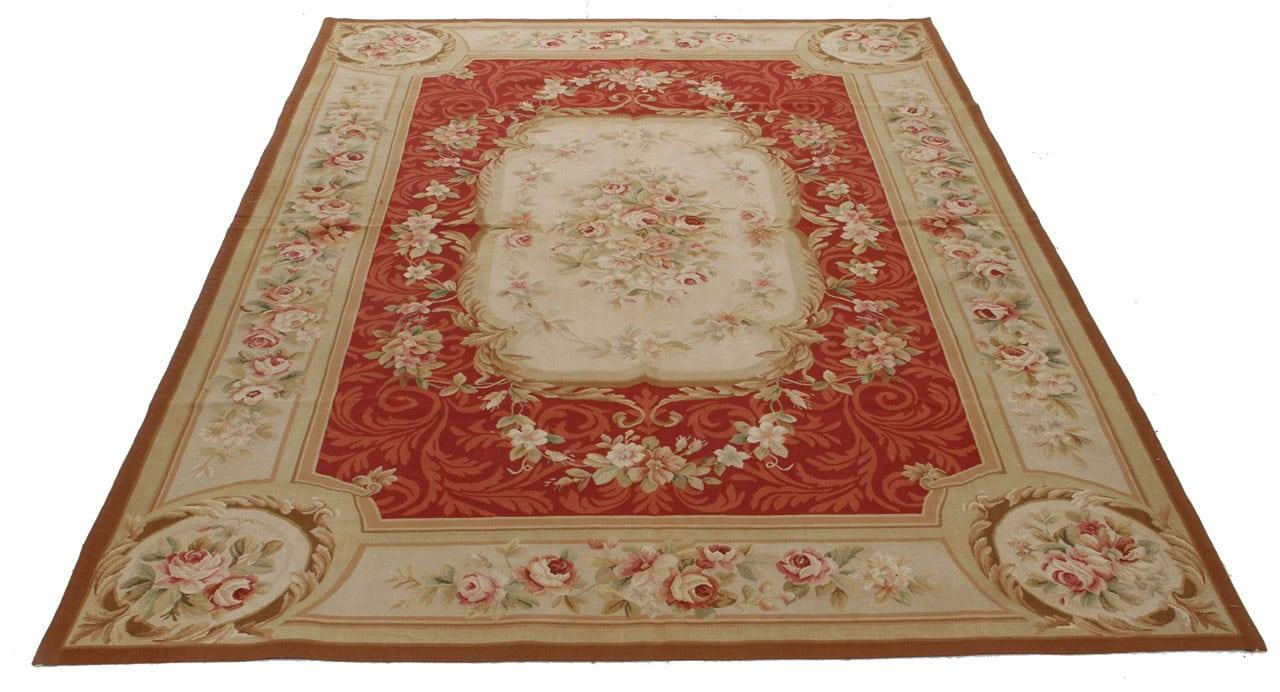
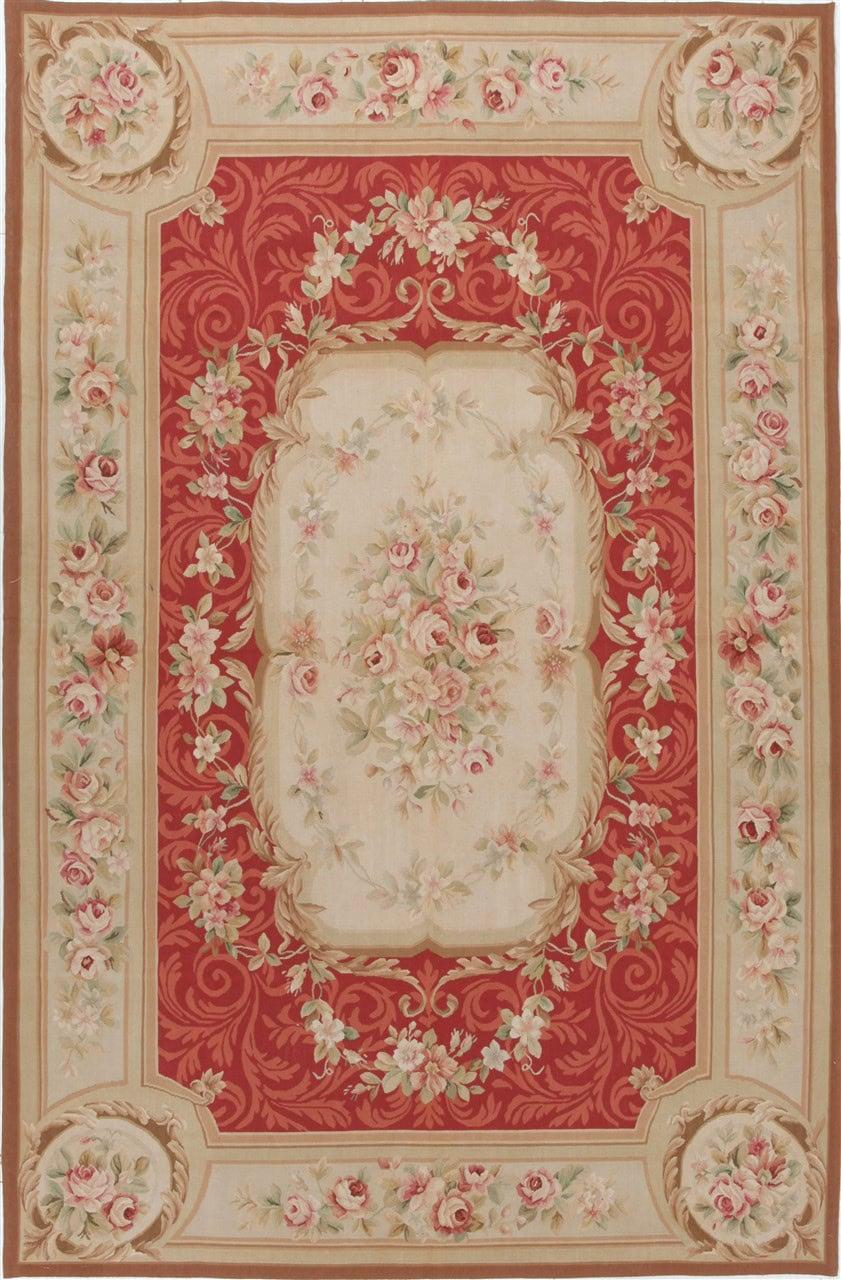
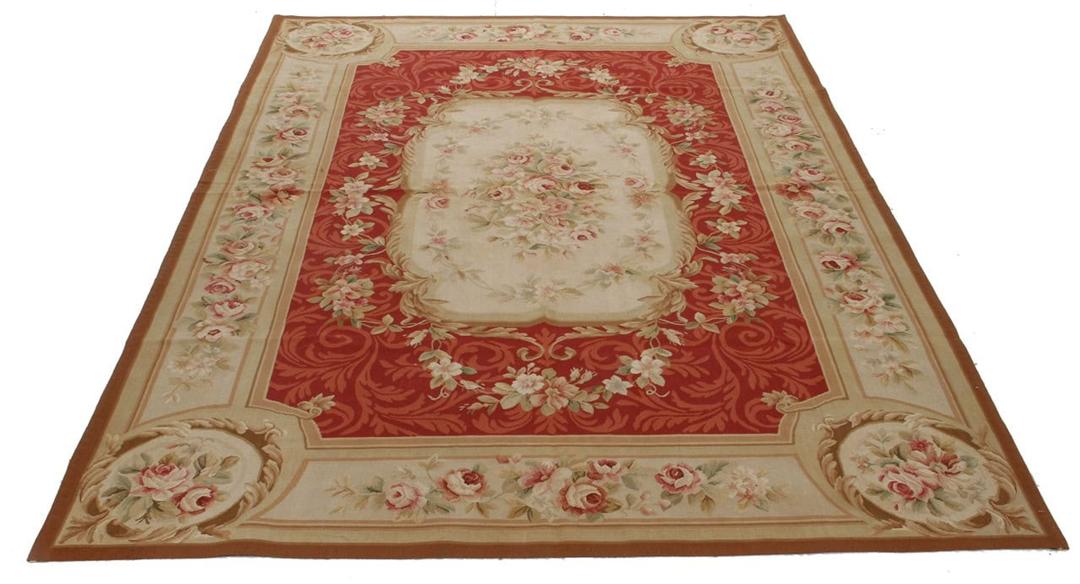
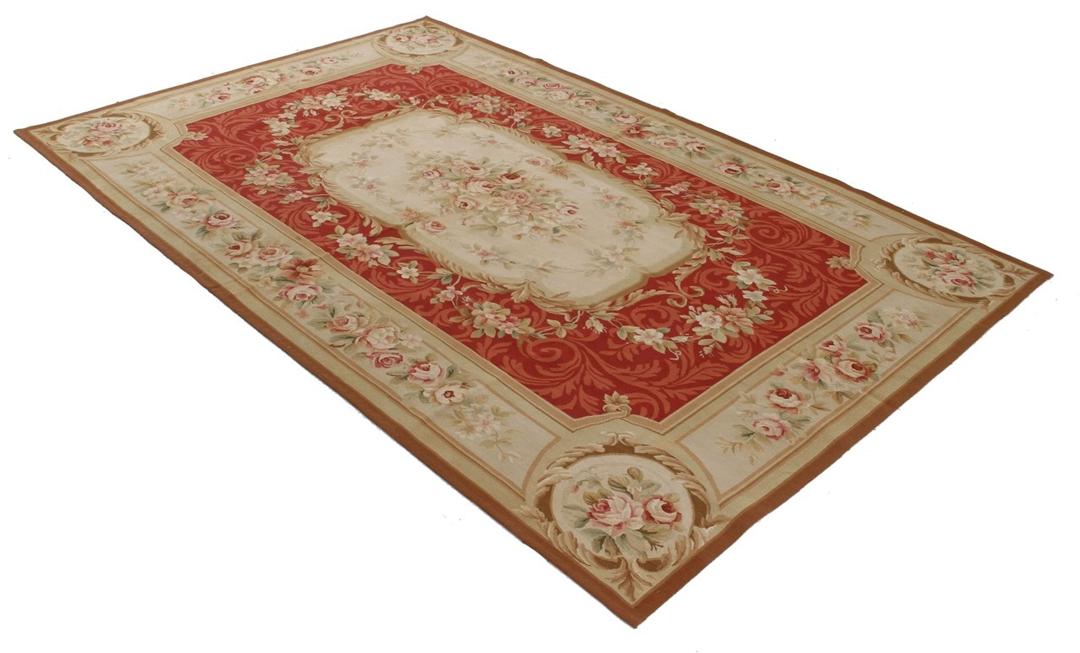
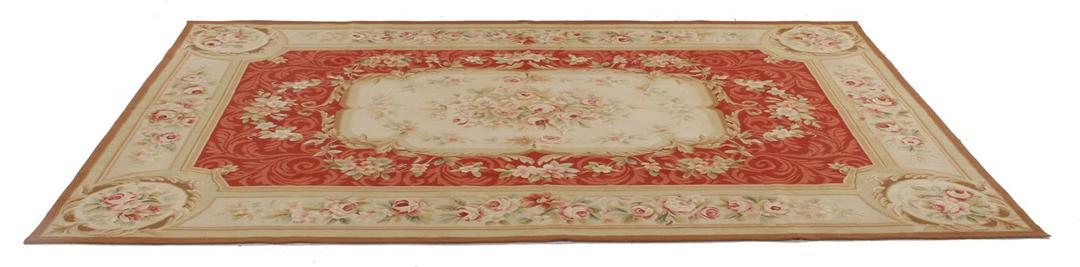
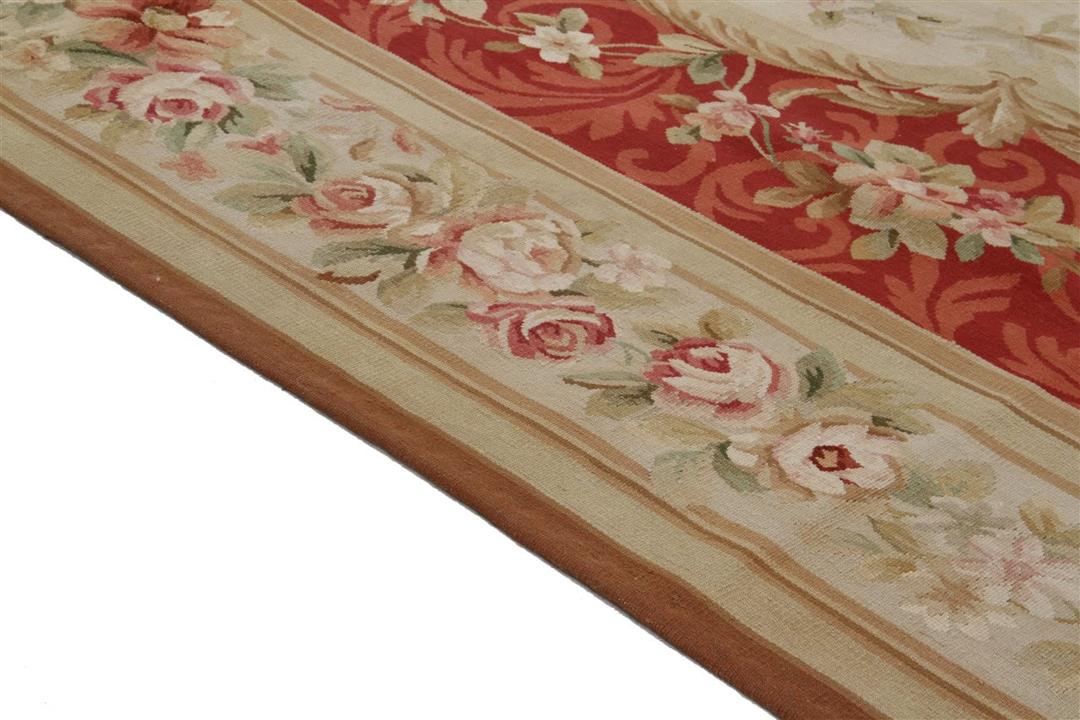
The hallmark of this tradition is its ornate, pictorial approach to design. These rugs often feature central medallions surrounded by lush garlands of roses and botanical motifs, framed by formal, decorative borders. The use of a red field is a classic choice in this tradition, designed to provide a bold, sophisticated contrast to the softer, more muted tones of the floral elements, lending a sense of luxury to any space.
Collectors value these pieces for their ability to bridge the gap between historical craft and modern interior design. Acquiring a piece like this is not merely about floor coverage; it is about preserving a legacy of intricate, hand-woven artistry. The skill required to translate these complex European-inspired patterns into a hand-woven textile makes each piece a significant cultural asset for the discerning home.