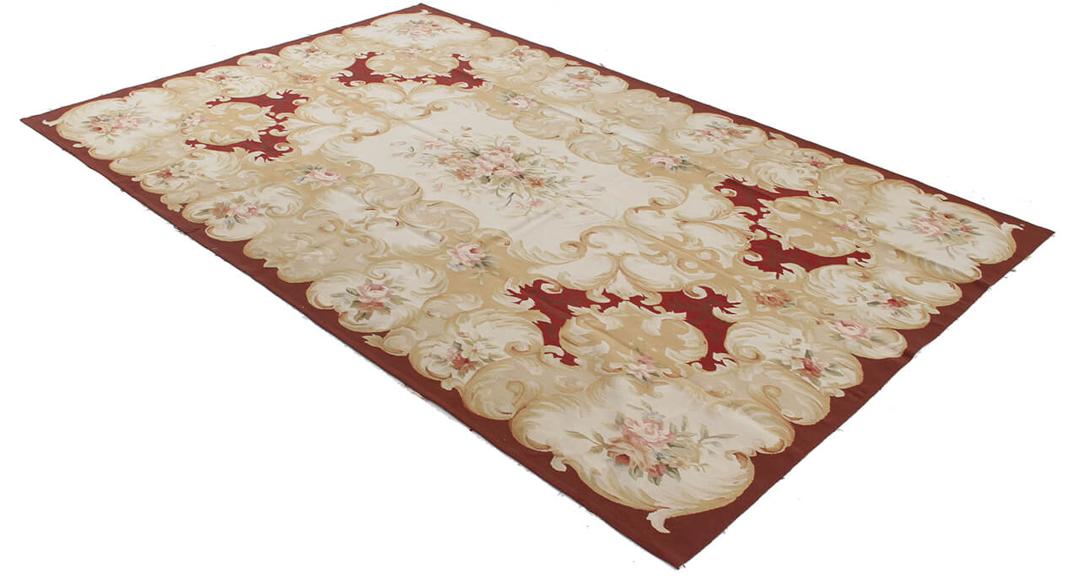
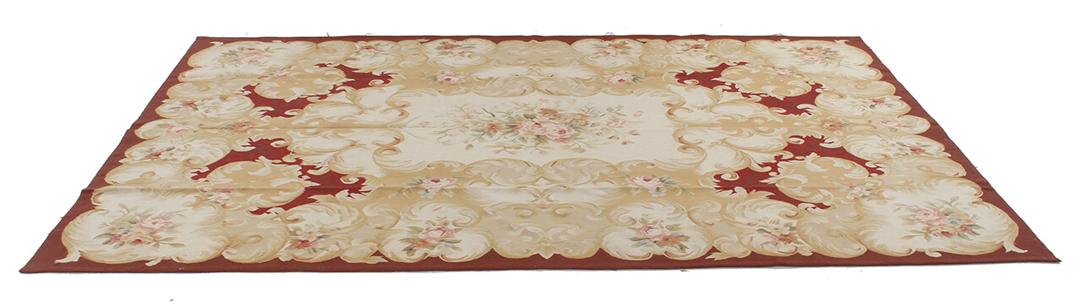
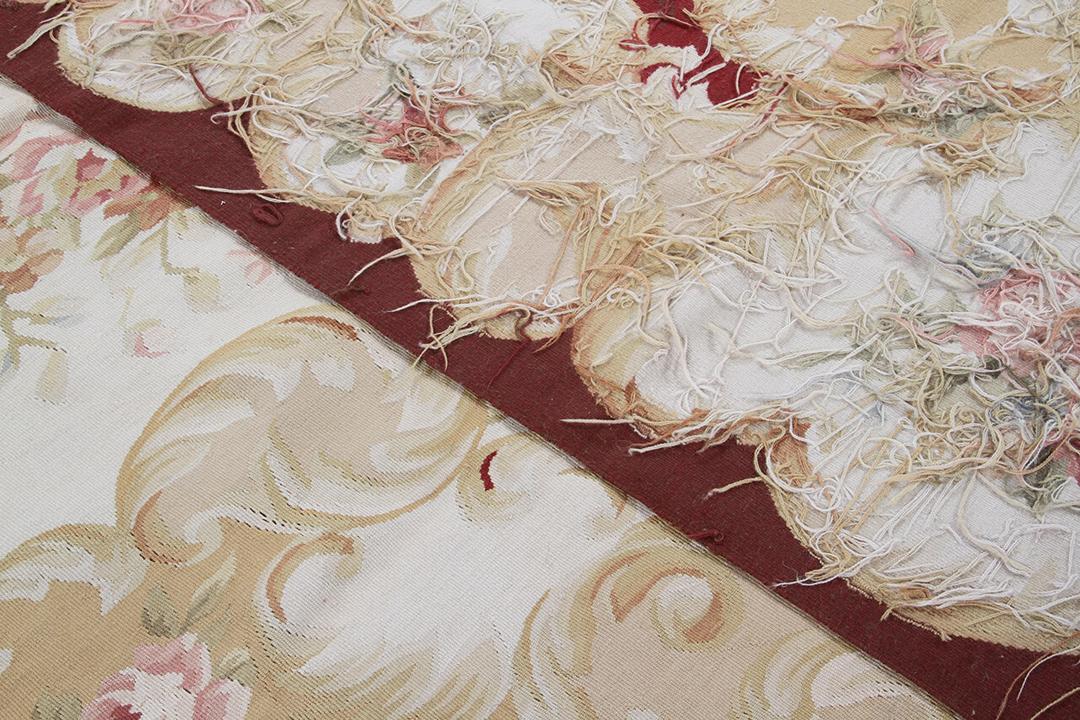
The Aubusson tradition traces its origins back to the town of Aubusson in central France, where weaving workshops flourished from the 15th century onwards. These rugs were originally inspired by the grand tapestries that adorned the walls of European palaces and noble estates, eventually evolving into the flat-woven floor coverings that we recognise today for their elegance and delicate detail.
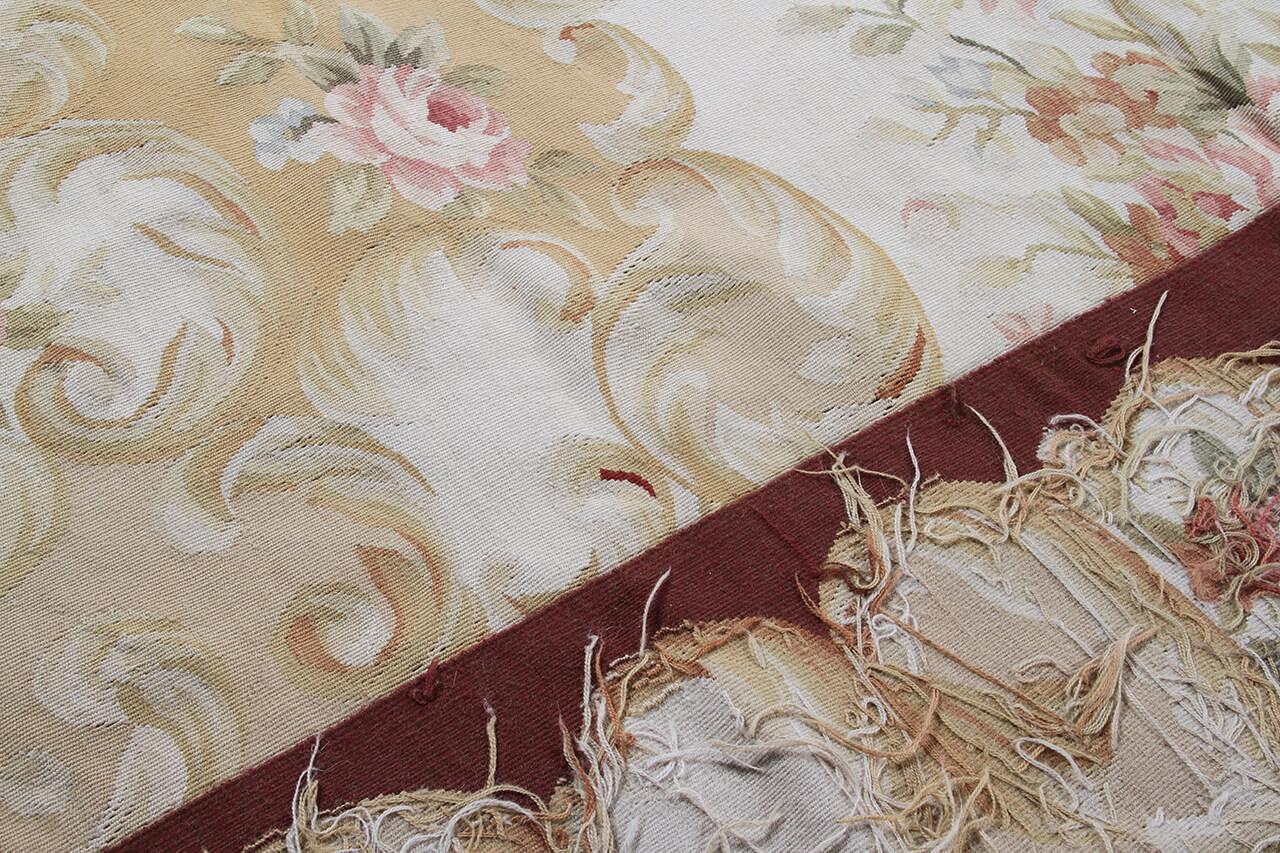
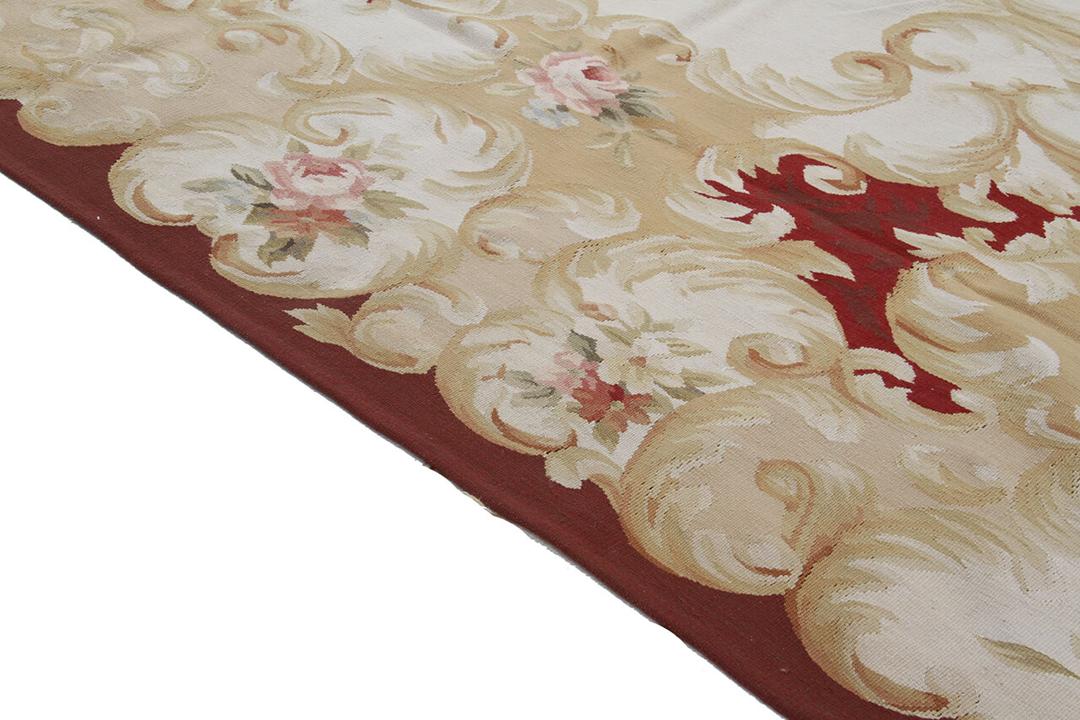
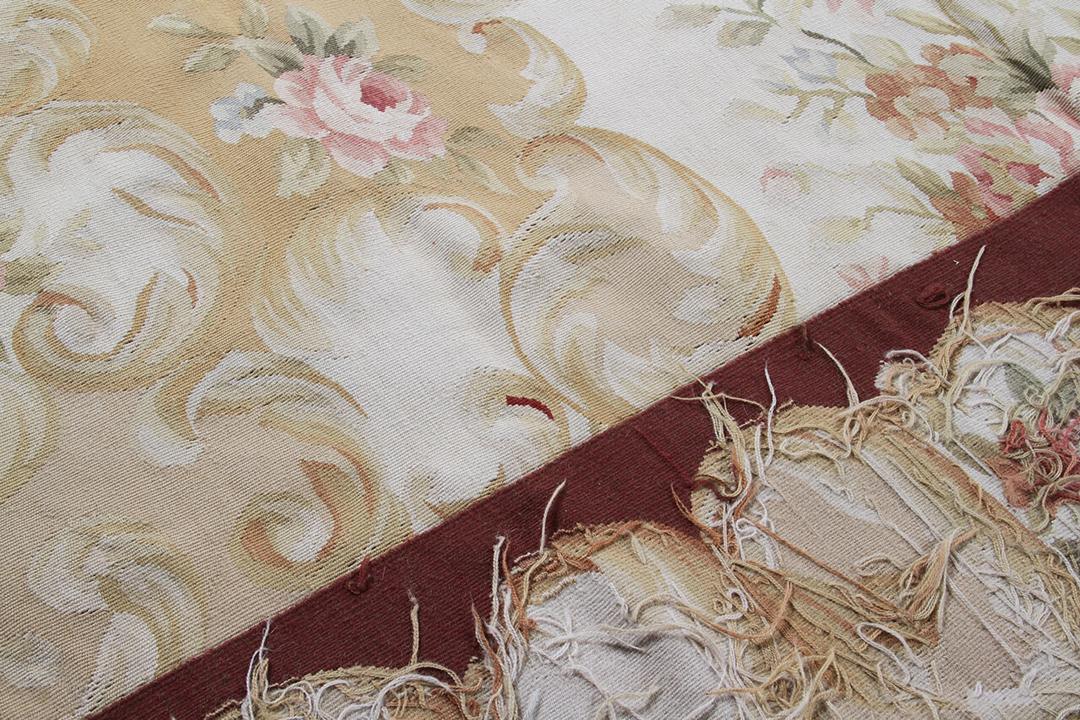
These rugs are defined by their unique flat-weave construction, which distinguishes them from pile rugs. This method allows for a much thinner, more lightweight design that can capture complex, painterly patterns with incredible precision. By utilising traditional hand-weaving techniques, the artisans are able to achieve a smooth, tapestry-like surface that highlights the intricacy of the floral motifs.
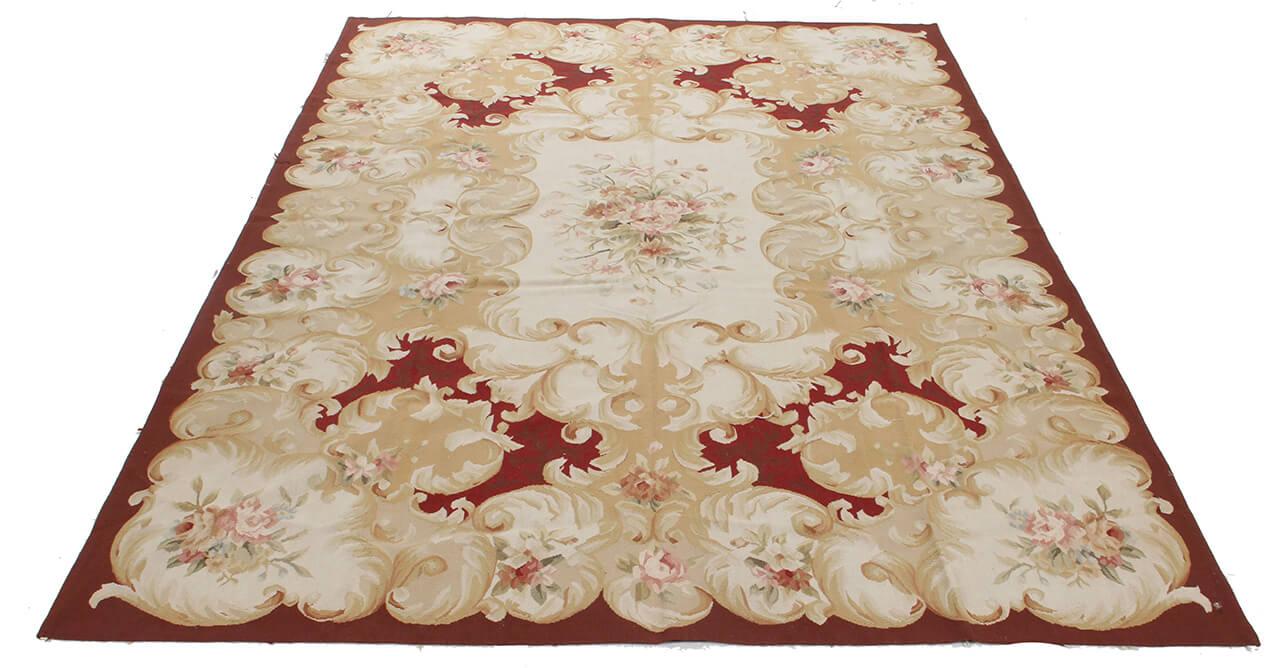
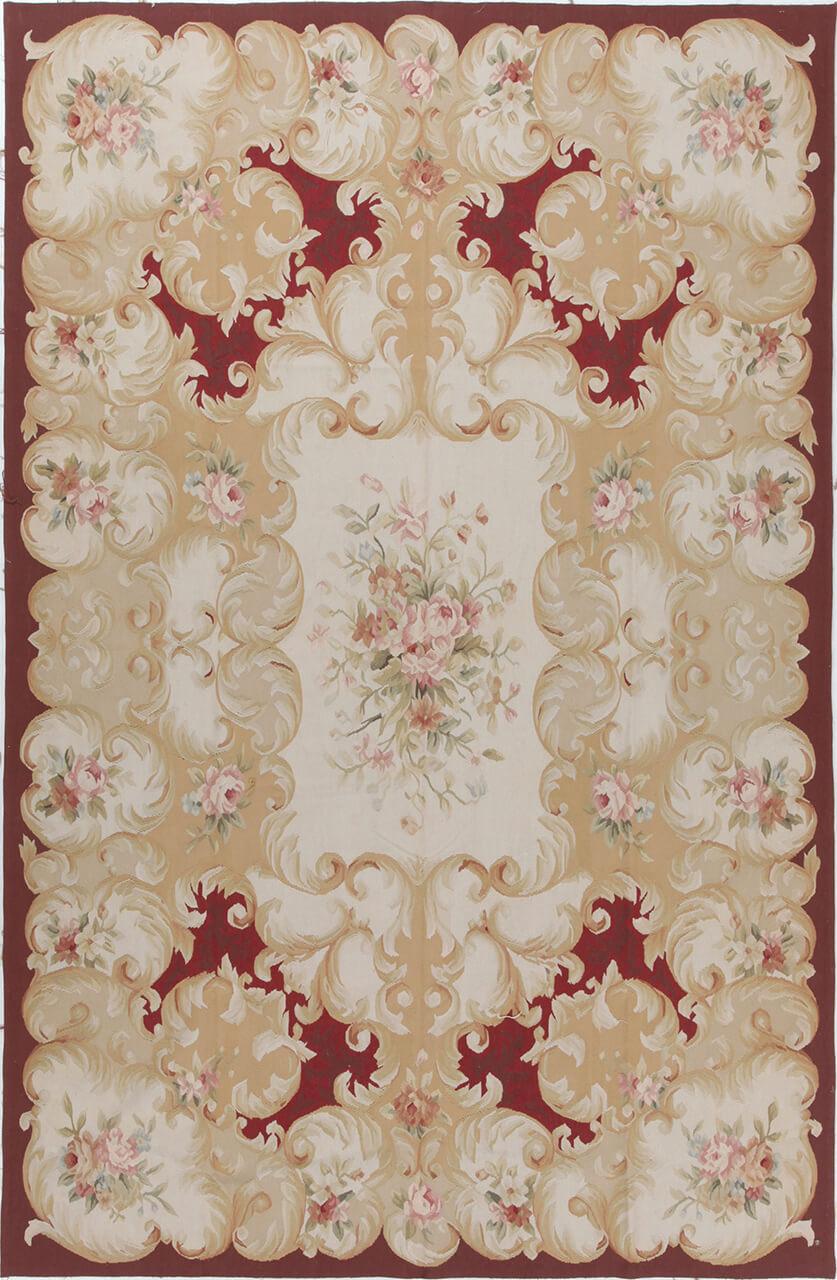
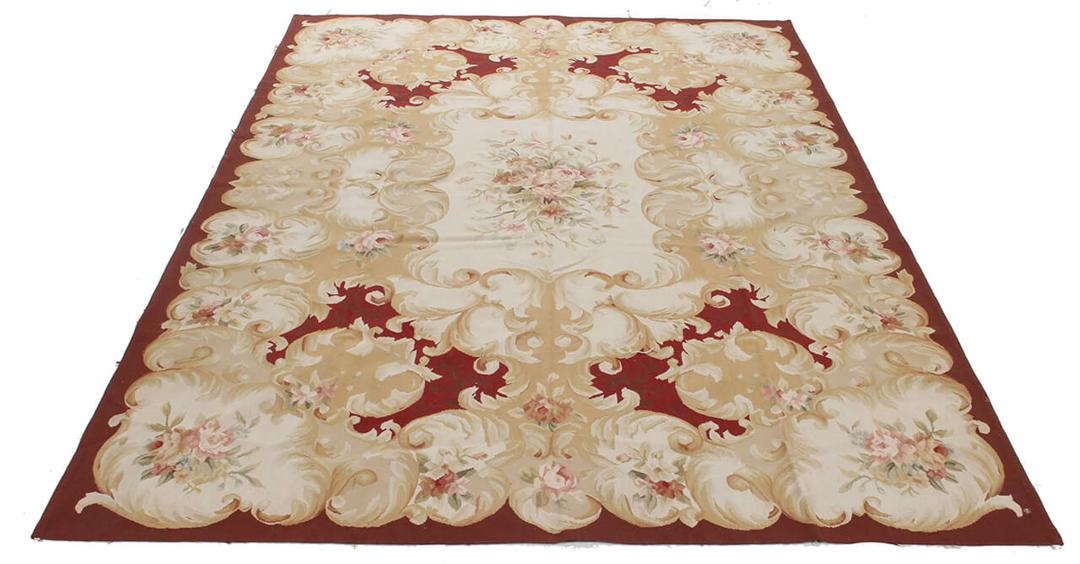
Visually, Aubusson-style rugs are celebrated for their ornate, neoclassical design language. They often feature a central medallion or a dense field of bouquets and garlands, framed by elaborate acanthus leaf borders. The palette is typically soft and sophisticated, focusing on harmonious tones that elevate the surrounding decor without overwhelming it, making them perfect for refined interiors.
Today, these rugs are highly valued by collectors and design enthusiasts for their cultural weight and the undeniable skill required to produce them. Owning an Aubusson-style piece is an investment in a storied craft tradition, offering a sense of heritage and enduring quality that brings a sophisticated, historical narrative into the modern home.