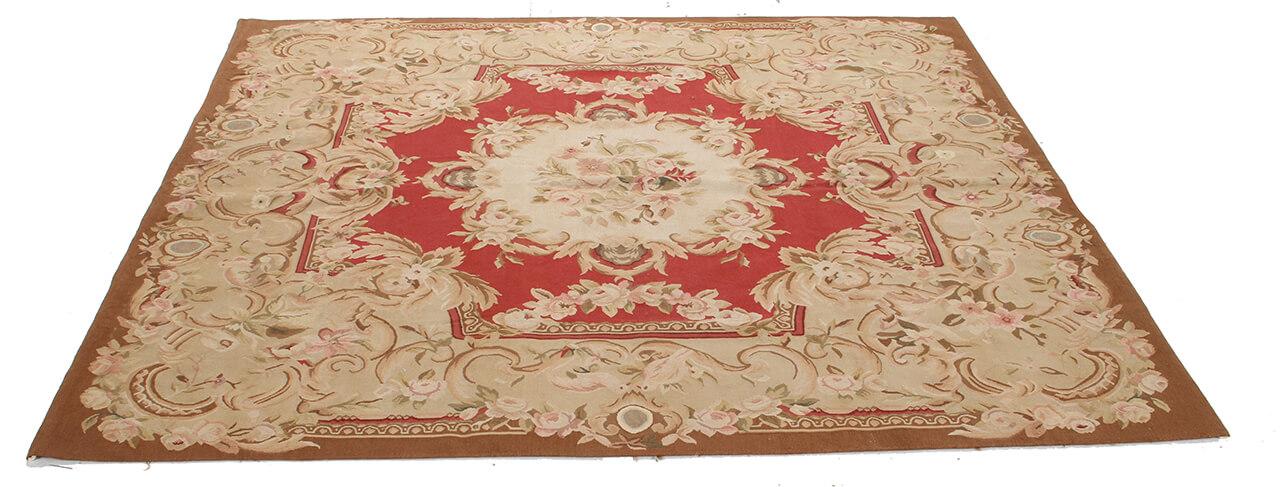
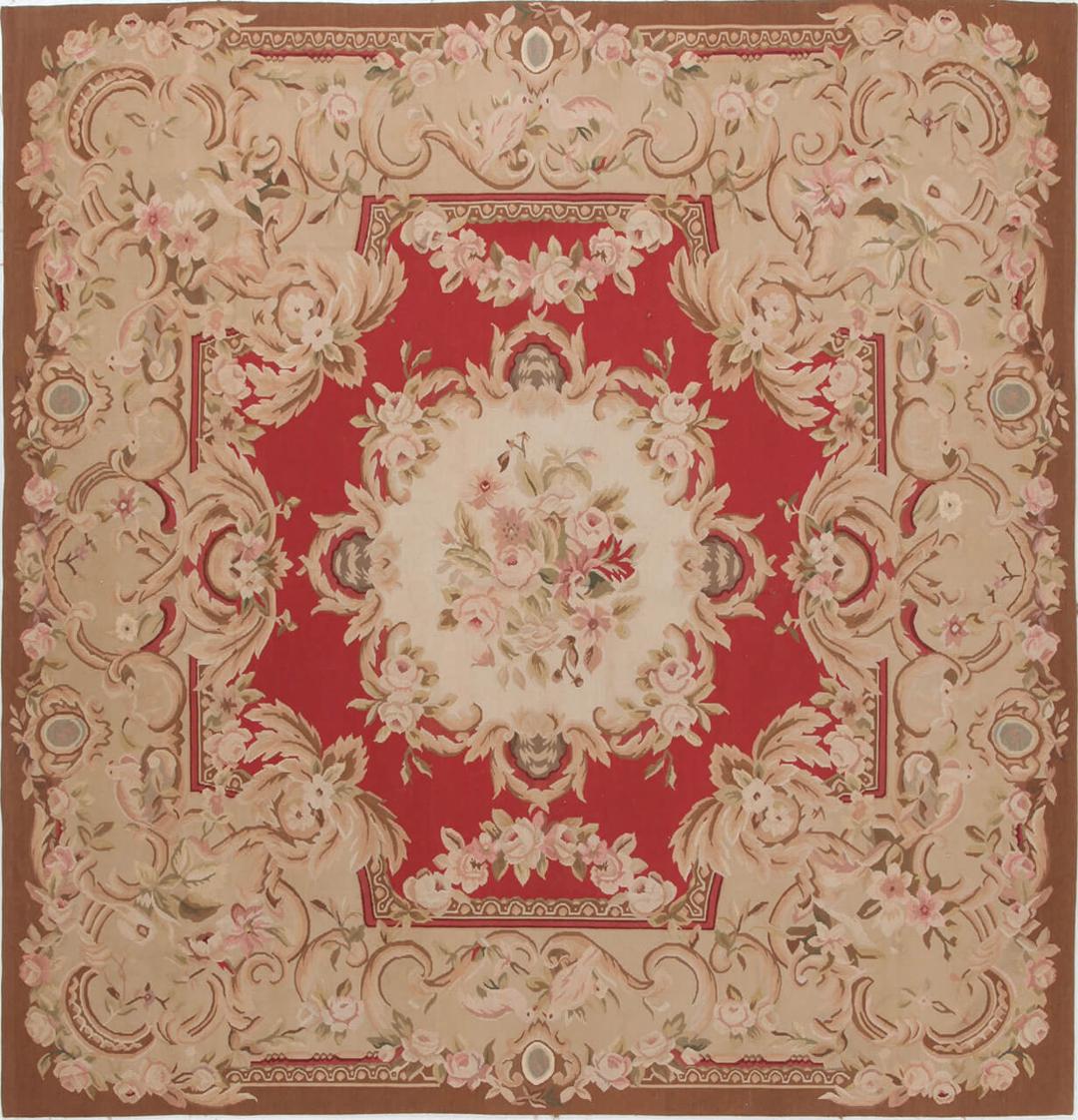
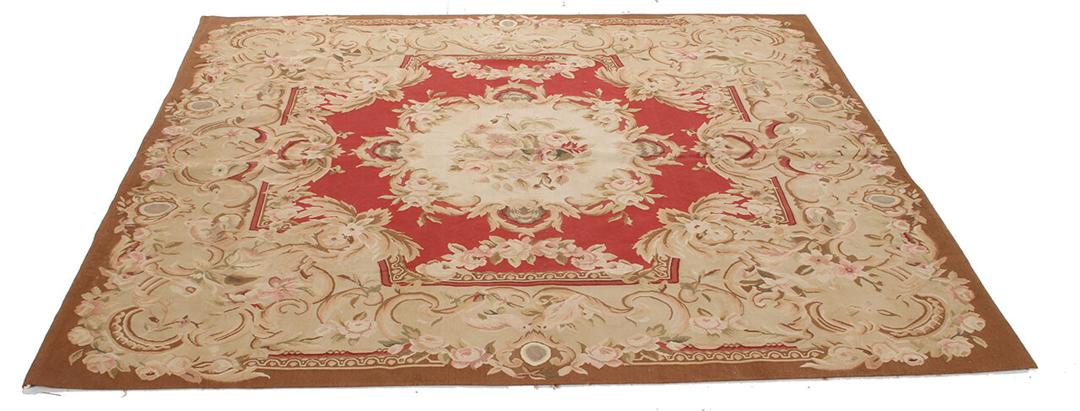
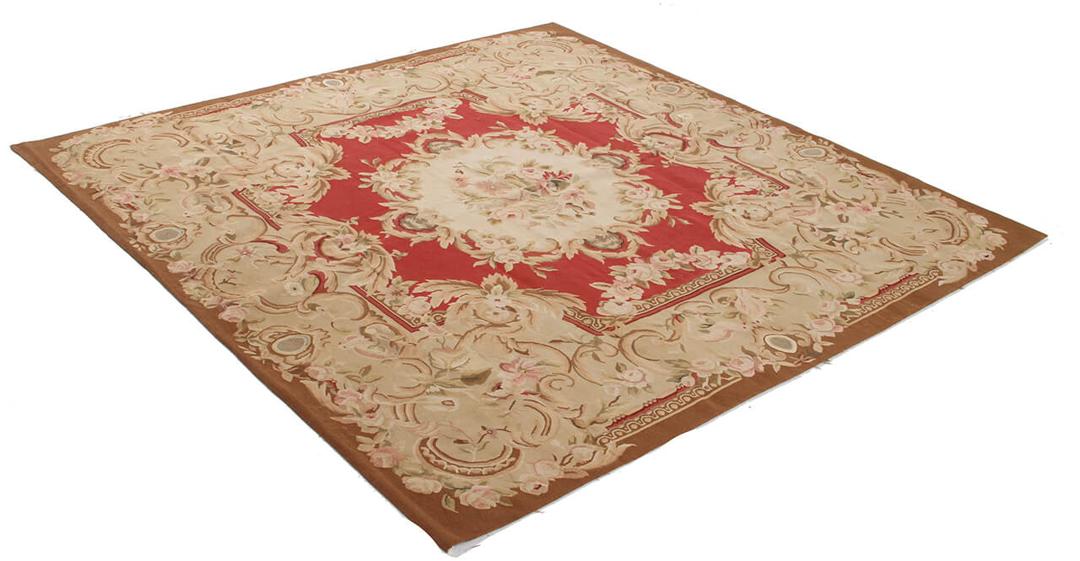
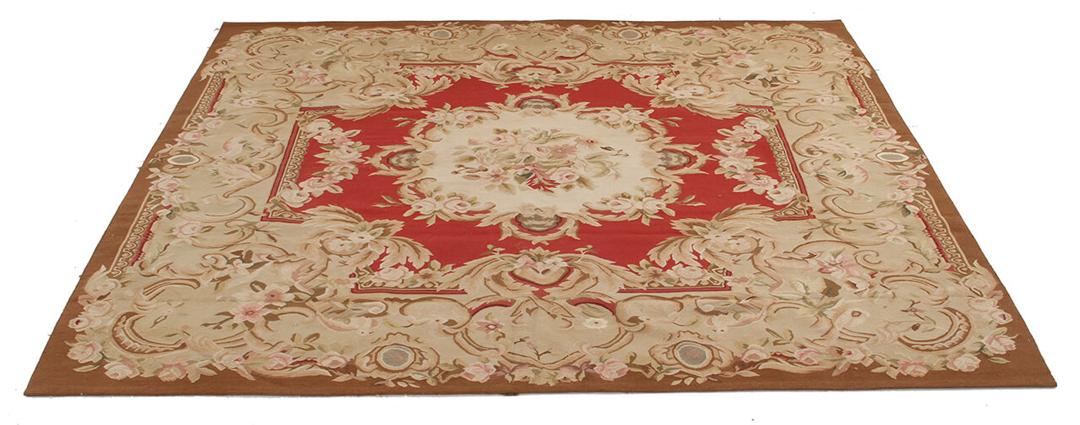
The Aubusson style originates from the French town of the same name, where tapestry weaving became a celebrated art form during the 17th and 18th centuries. Initially, these pieces were designed as wall hangings for royal courts, but their popularity eventually led to the creation of flat-woven floor coverings that mirrored the same intricate, painterly designs.
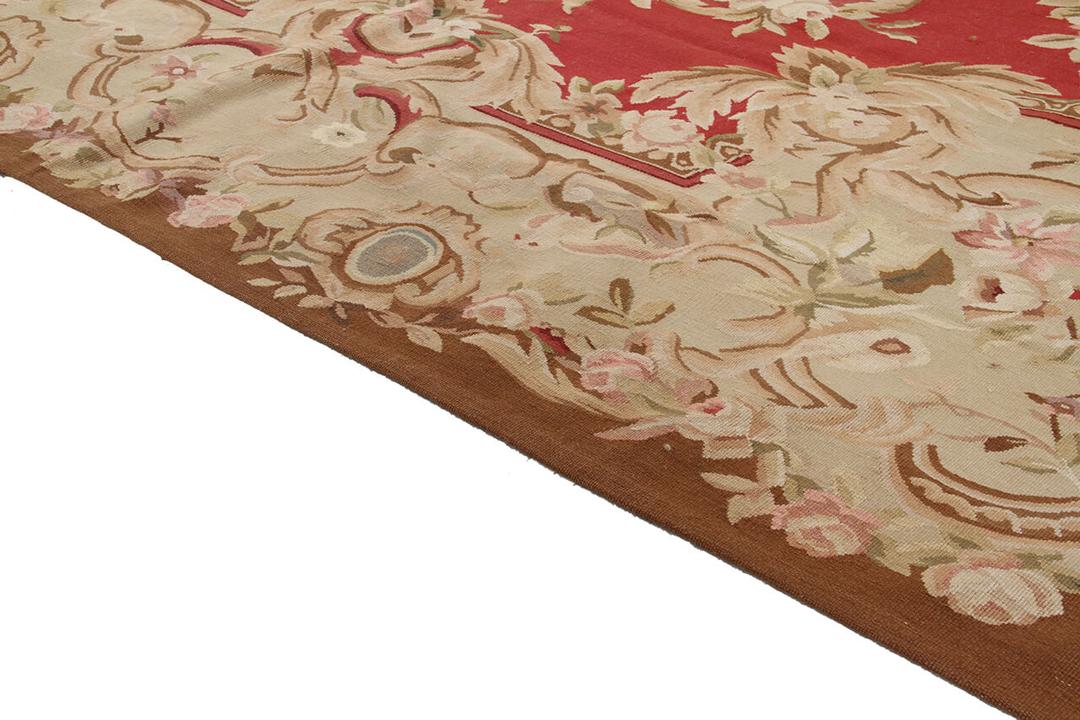
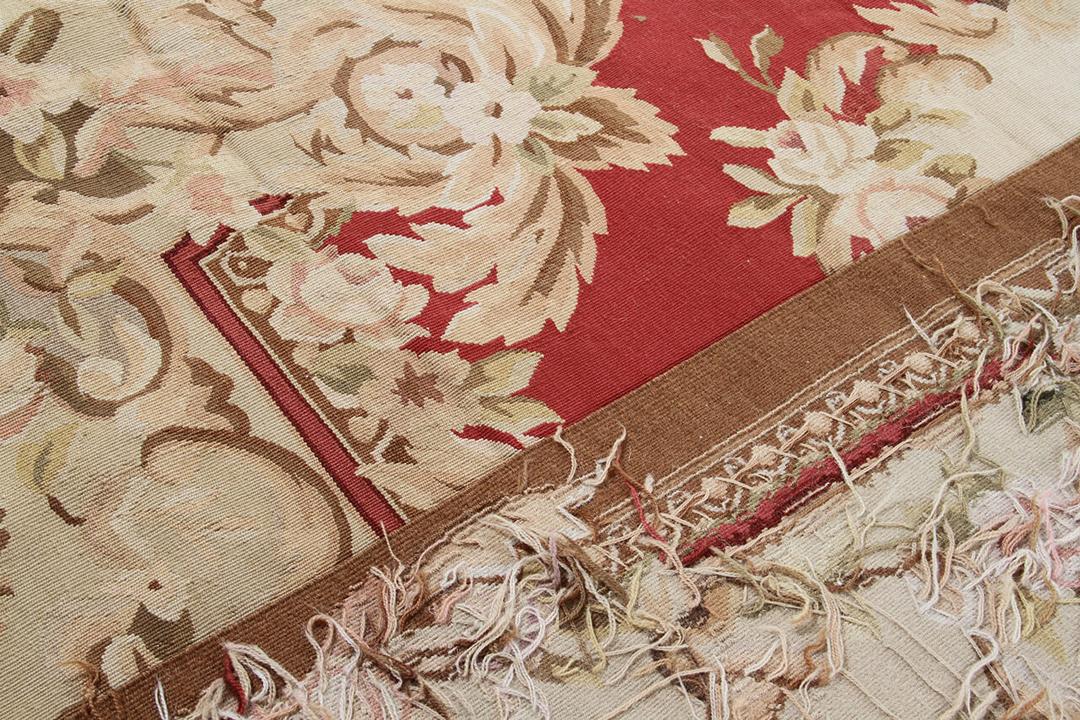
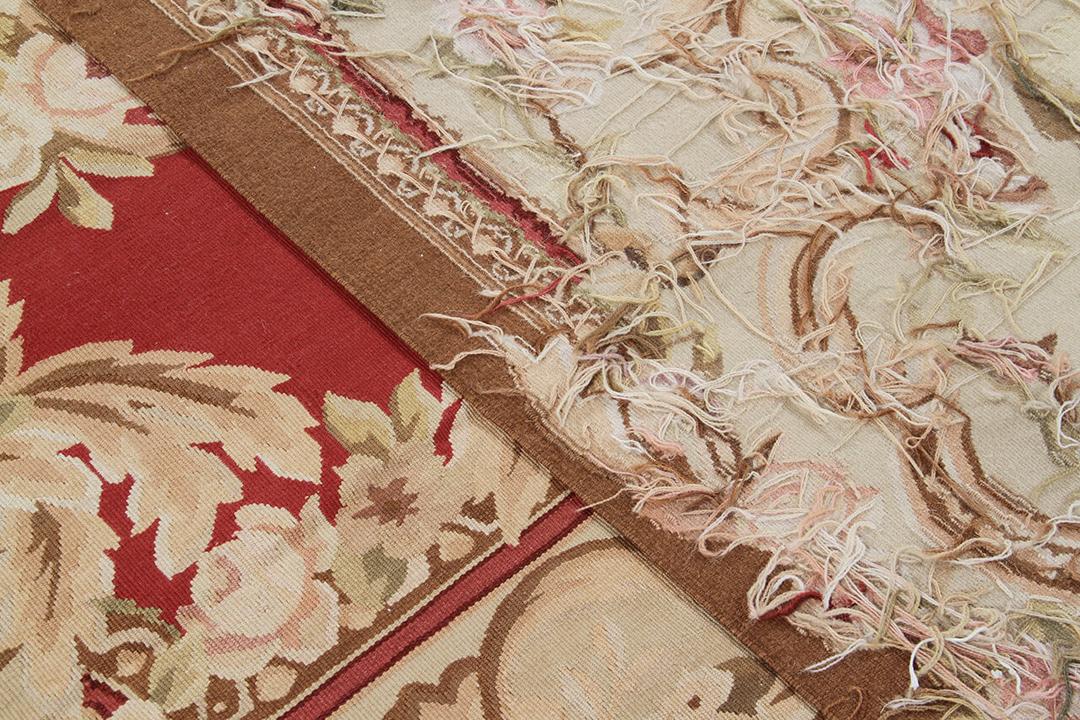
While the tradition is rooted in French history, the style has evolved over centuries to influence weaving centres globally. Today, the term Aubusson refers to a specific aesthetic characterised by flat, pileless weaving techniques and neoclassical motifs. This method results in a durable, thin fabric that highlights the precision of the design rather than the depth of a pile.
The signature design elements of this tradition include elaborate floral garlands, central medallions, and ornate scrollwork, often set against deep, rich colours. These patterns were intended to evoke a sense of grandeur and refinement, making them a staple in classical interiors where elegance and symmetry are prioritised.
Owning an Aubusson-style rug is an investment in a storied design lineage that bridges the gap between textile art and interior decor. Collectors value these pieces for their ability to bring a sense of heritage and cultural depth to a modern home, serving as a testament to the enduring appeal of classical European motifs.