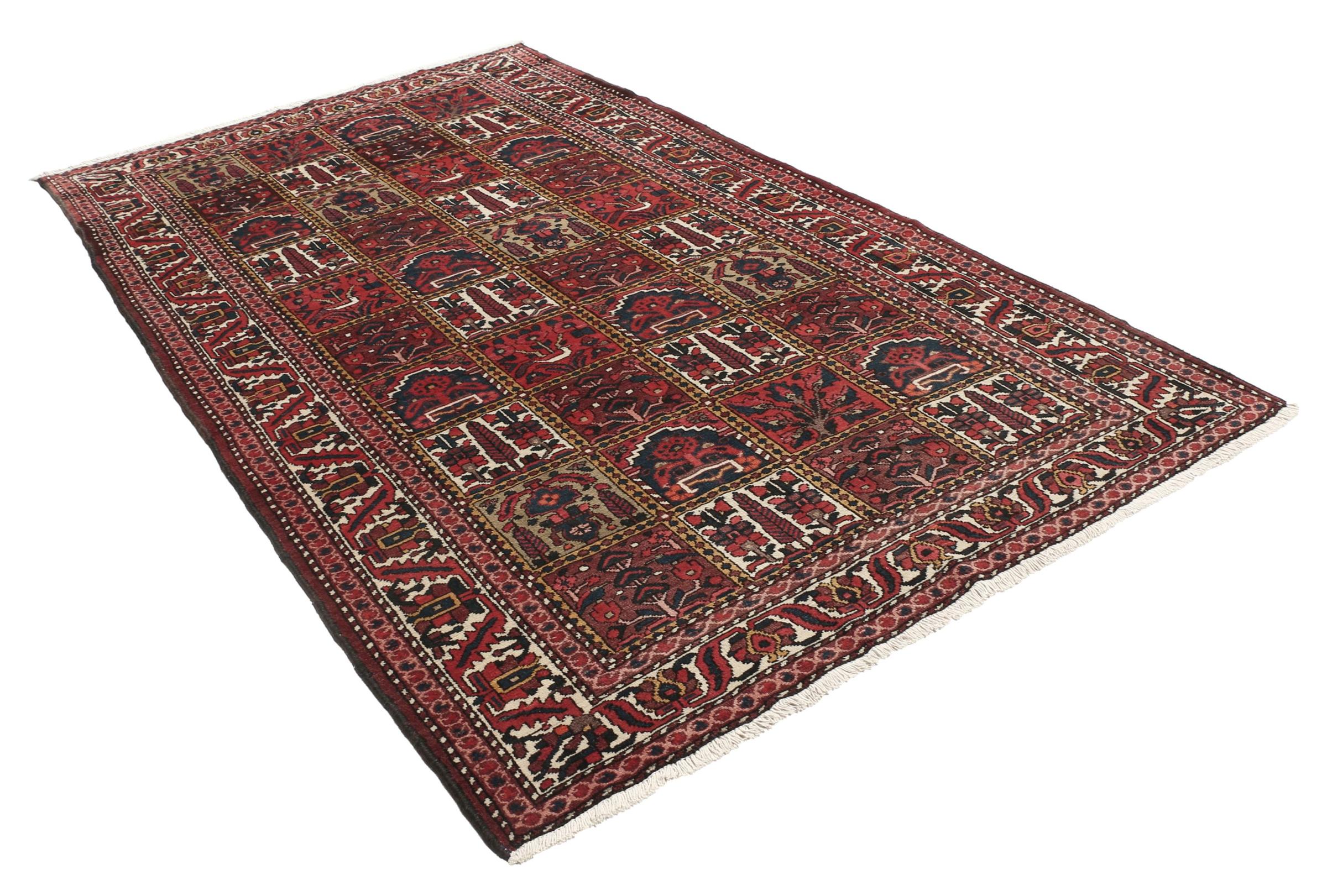
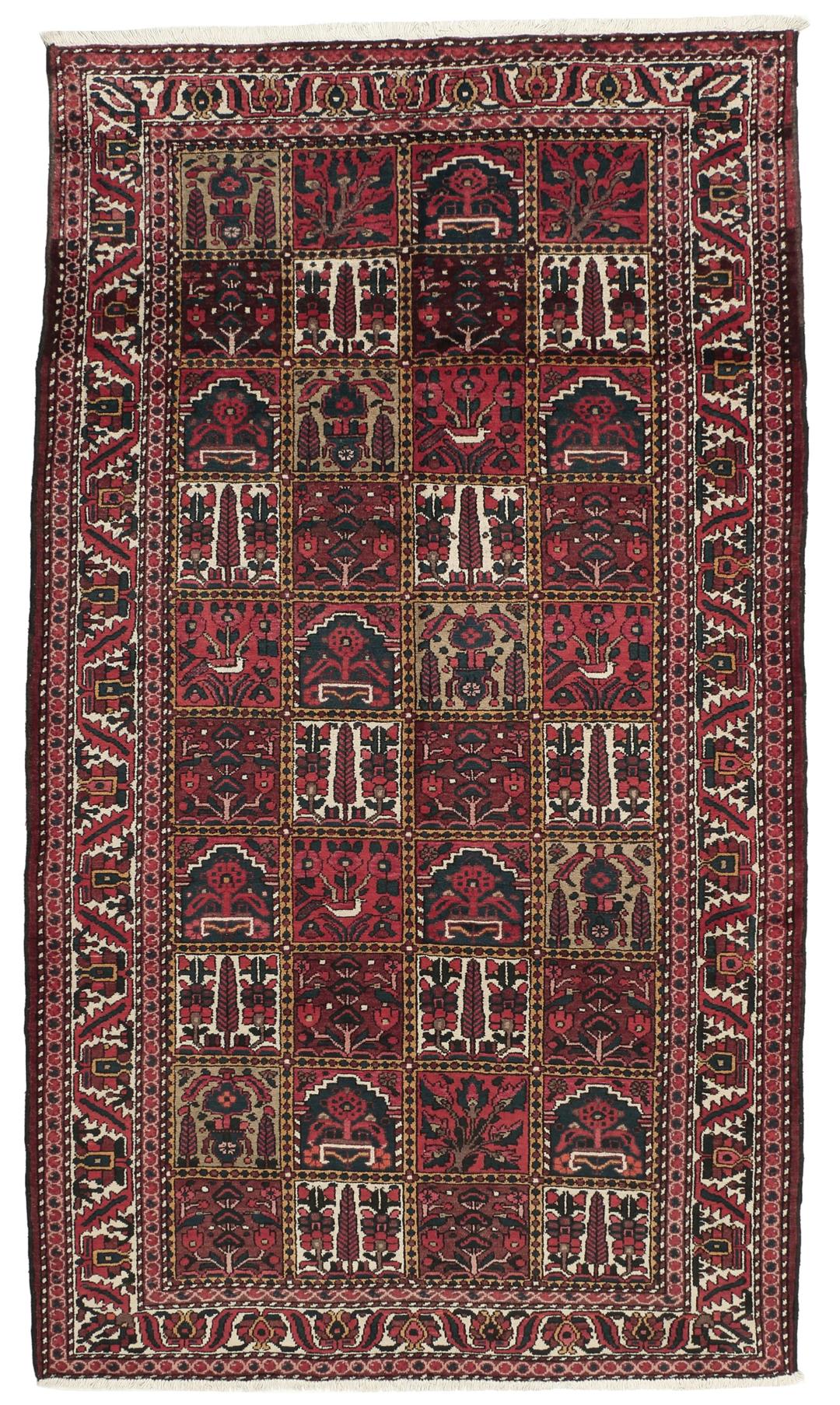
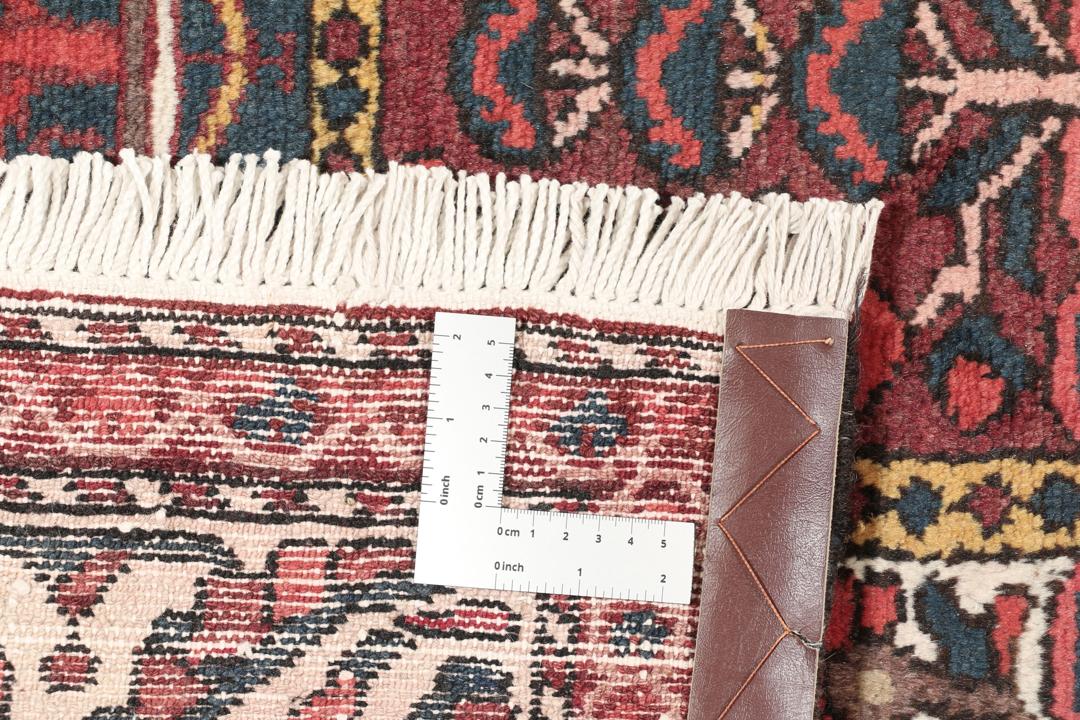
Bakhtiari rugs originate from the mountainous regions of the Middle East, where they have been crafted by the nomadic and semi-nomadic Bakhtiari tribes for generations. These rugs are deeply tied to the landscape and the cultural identity of the region, often drawing inspiration from the environment, local gardens, and ancient textile traditions that have been passed down through families.
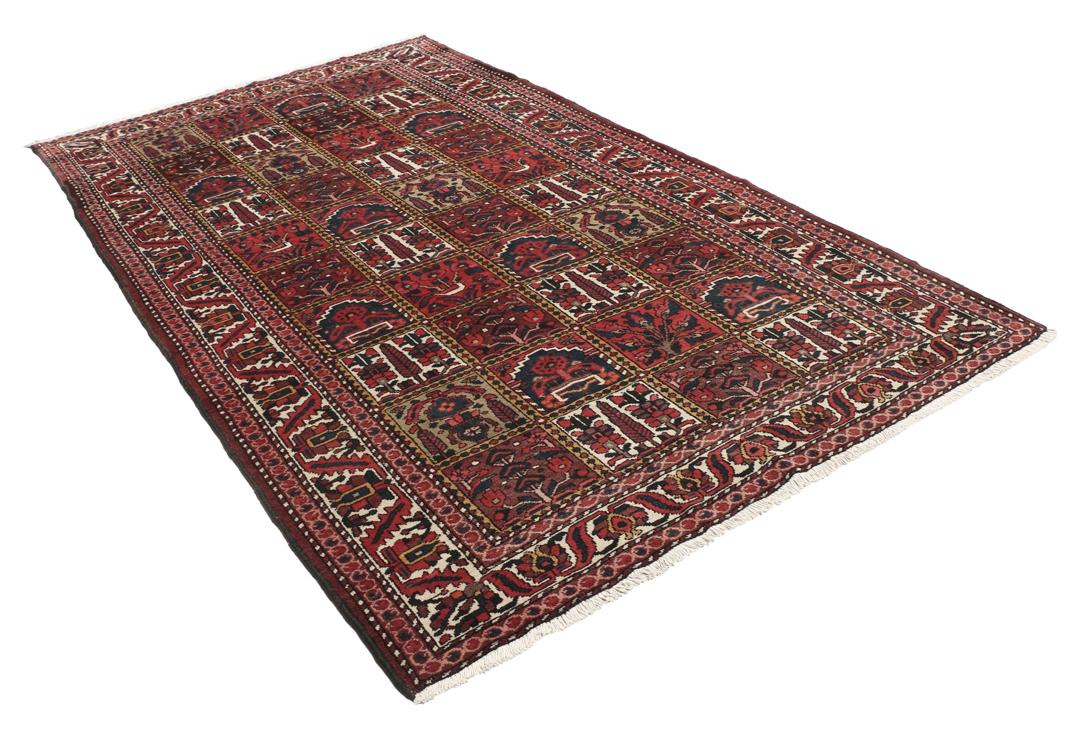
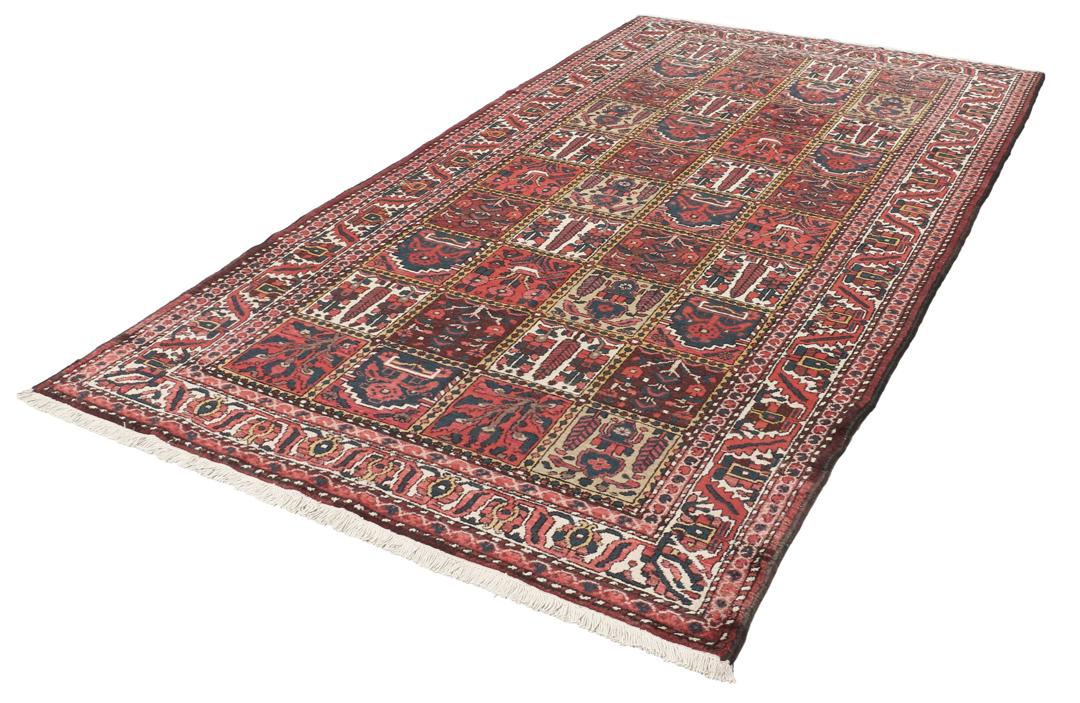
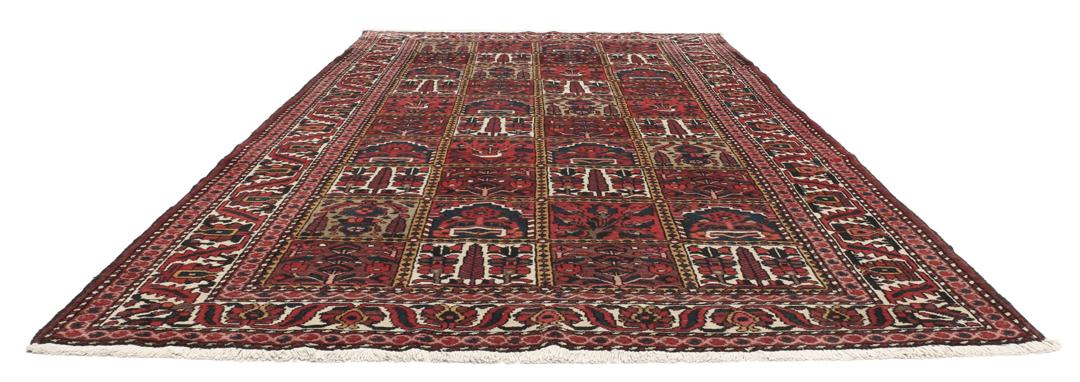
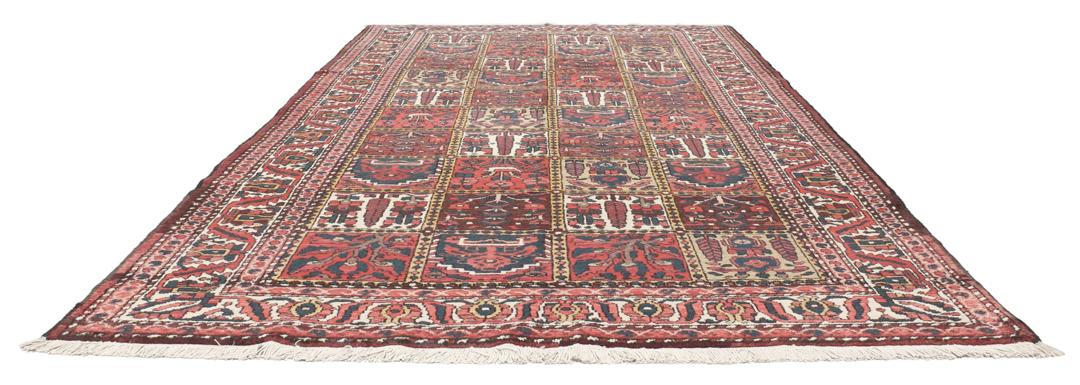
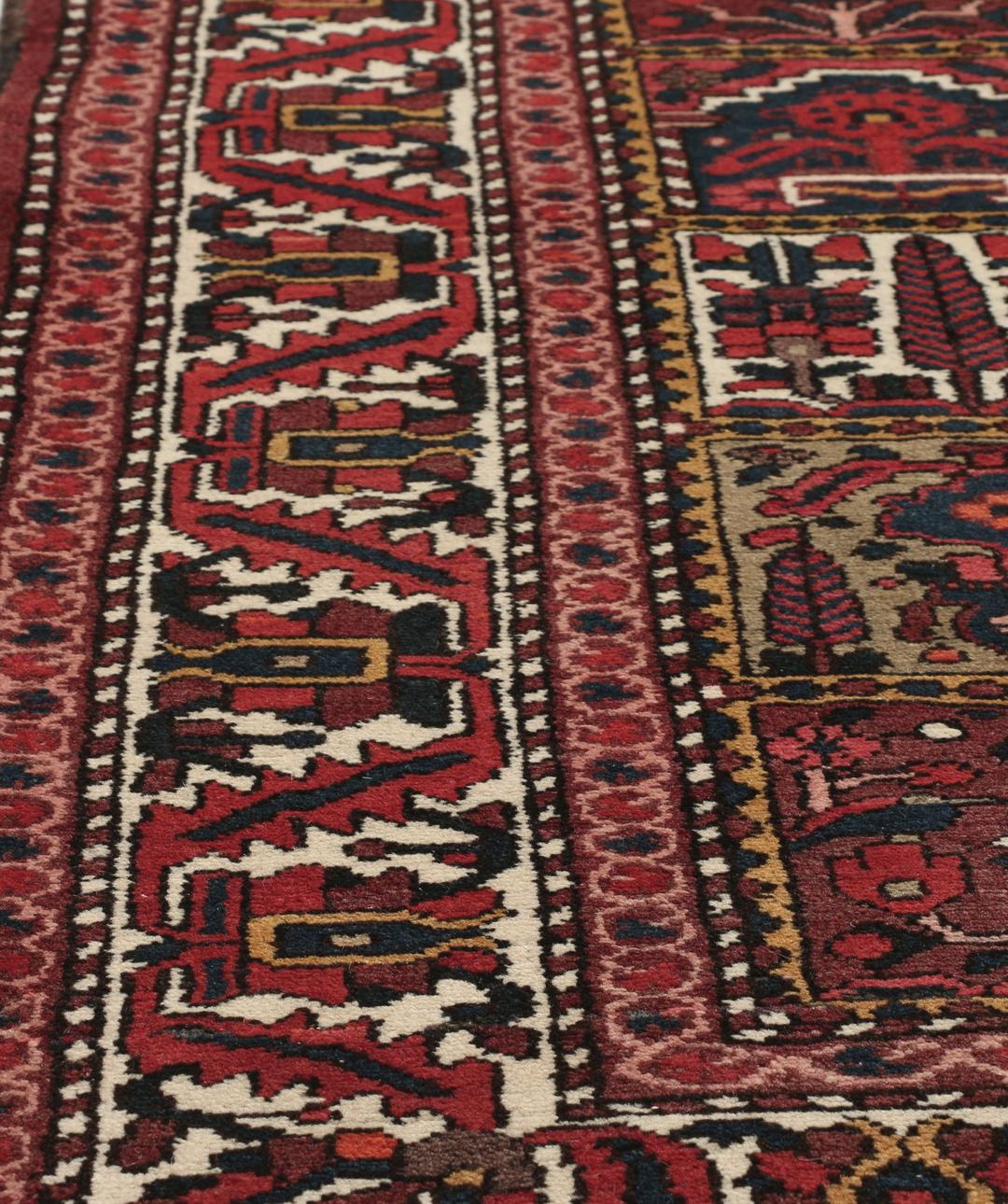
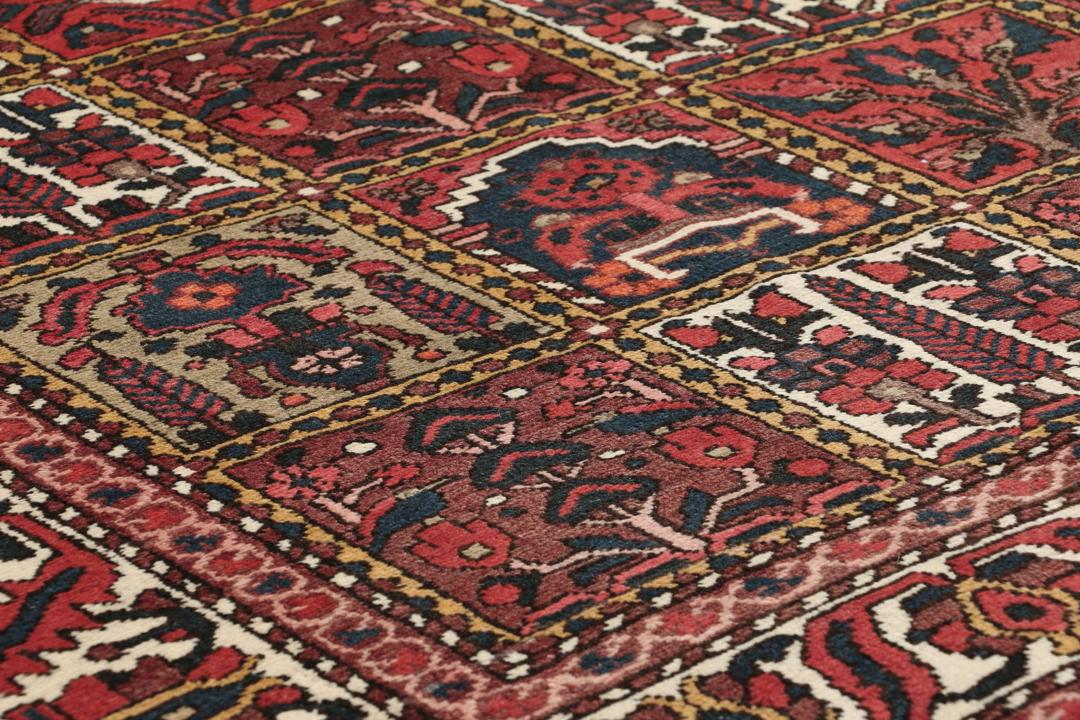
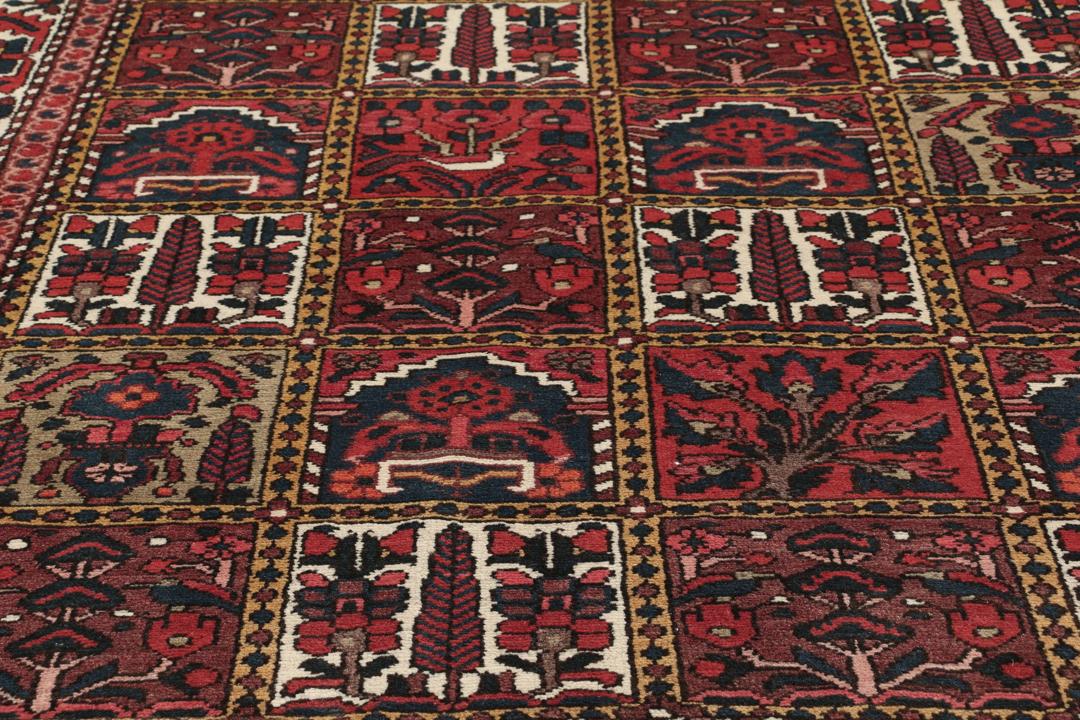
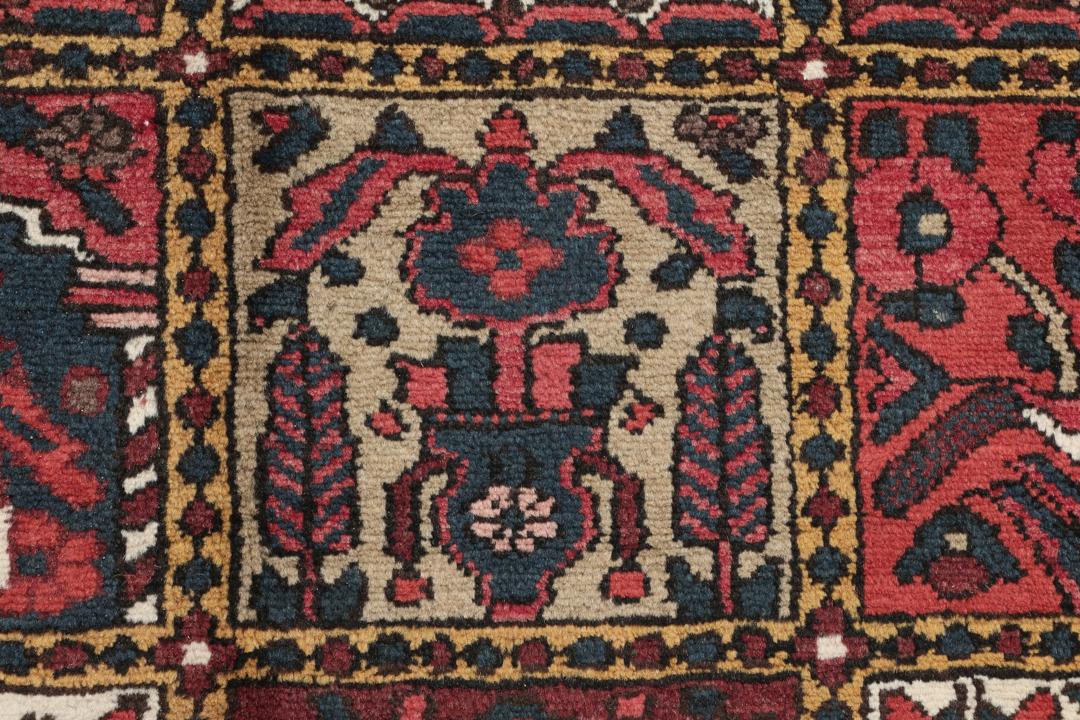
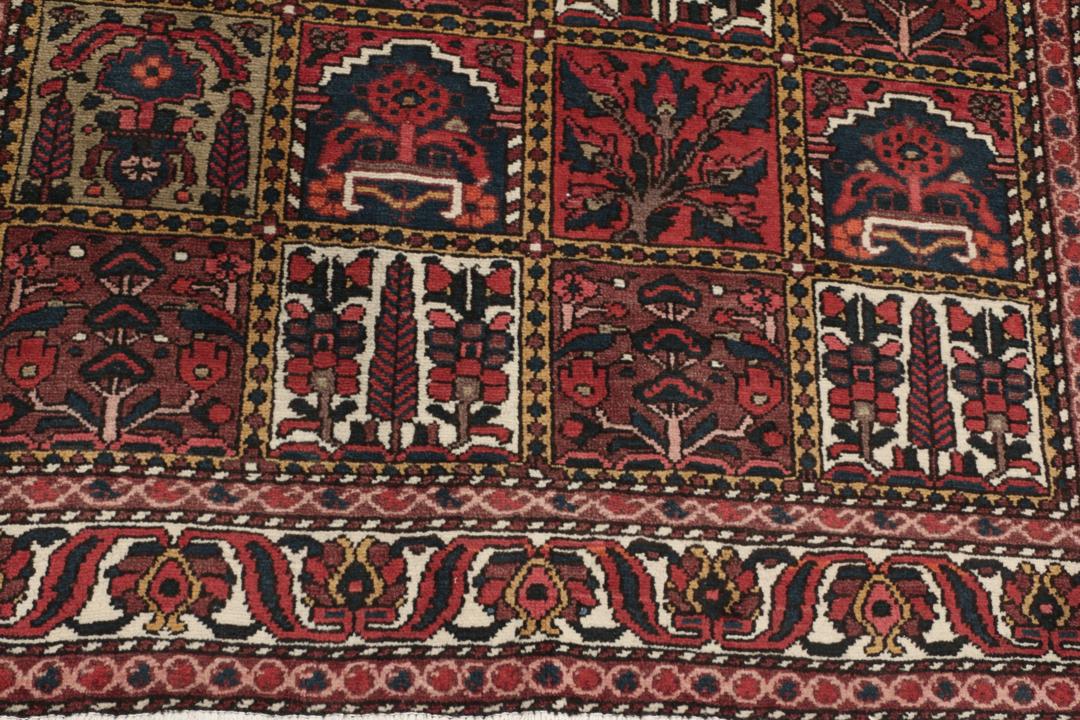
The most iconic feature of this tradition is the 'khesti' or garden panel design seen here. This layout divides the rug into distinct squares or rectangles, each containing a unique motif, such as cypress trees, flowering vases, or stylised animals. This compartmentalised structure is not only visually captivating but also highlights the weaver's ability to balance complex, repeating patterns within a rigid framework, ensuring that each panel remains harmonious with the whole.
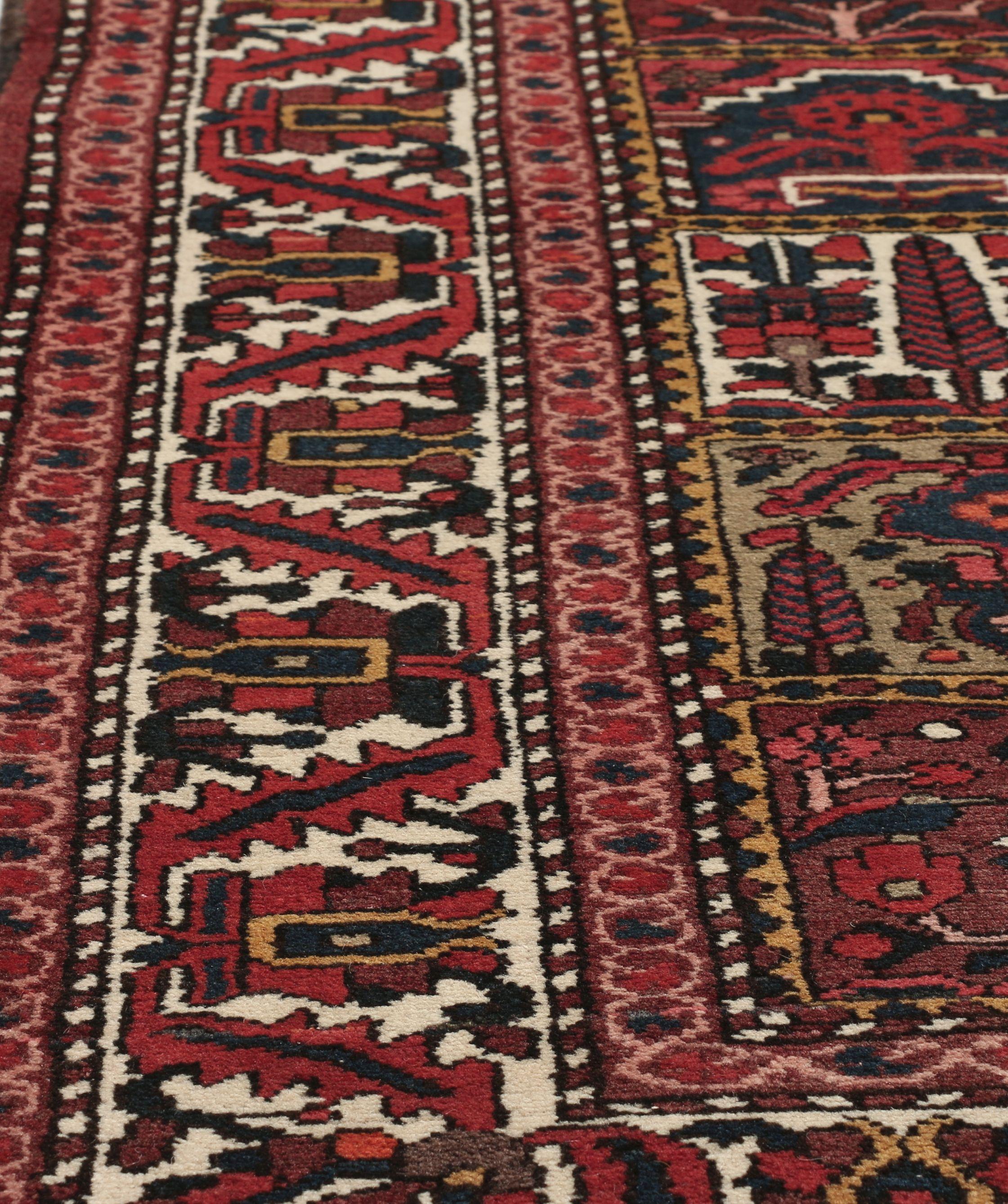
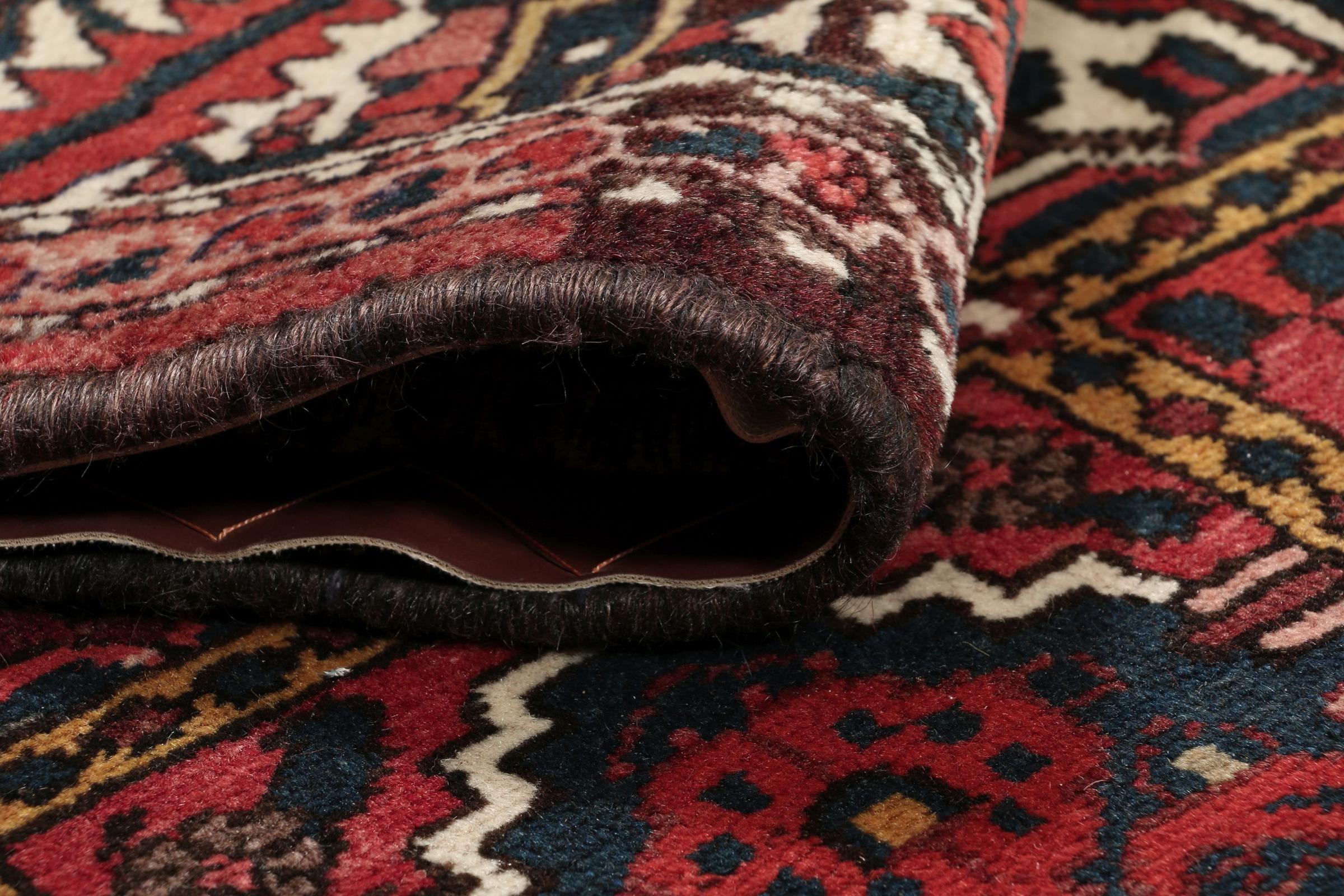
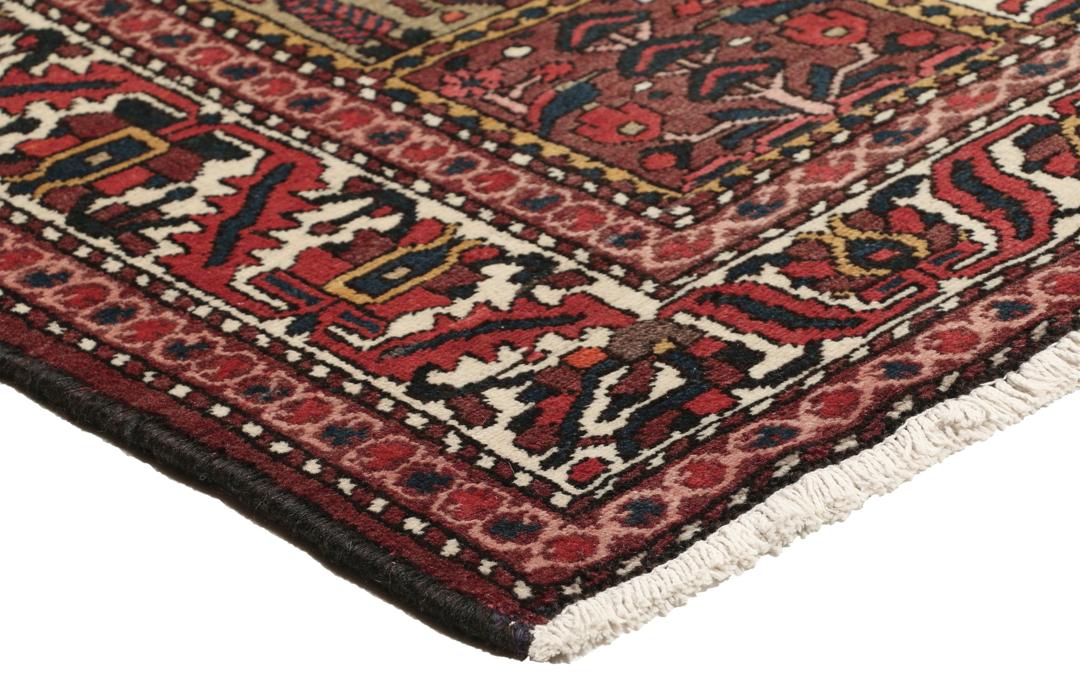
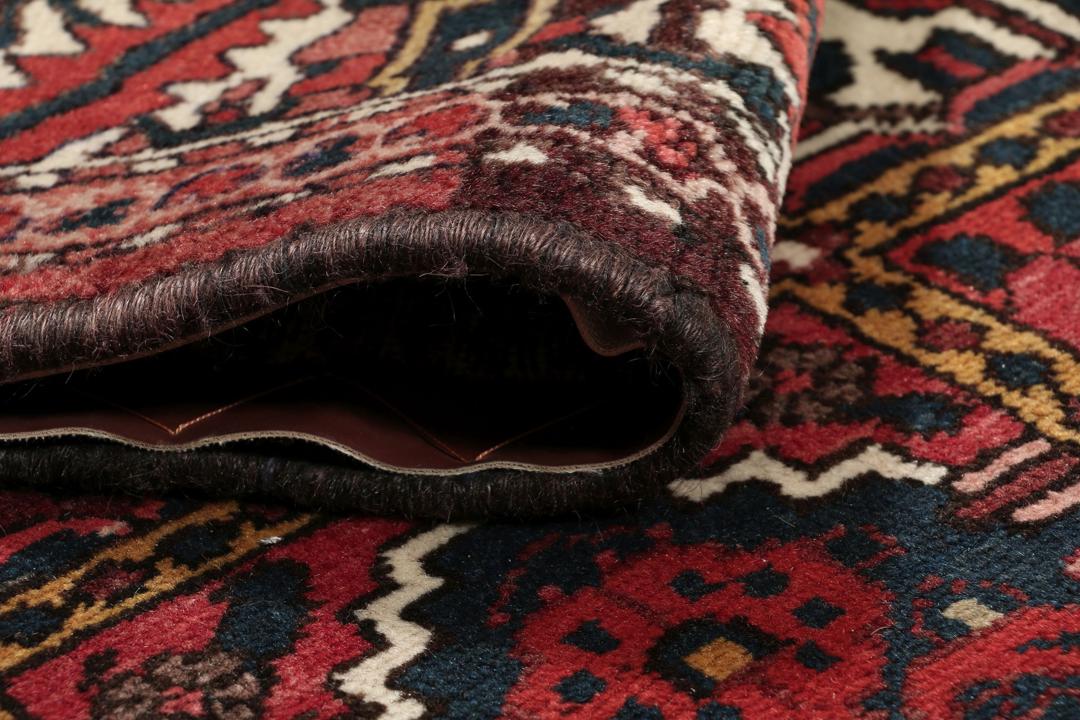
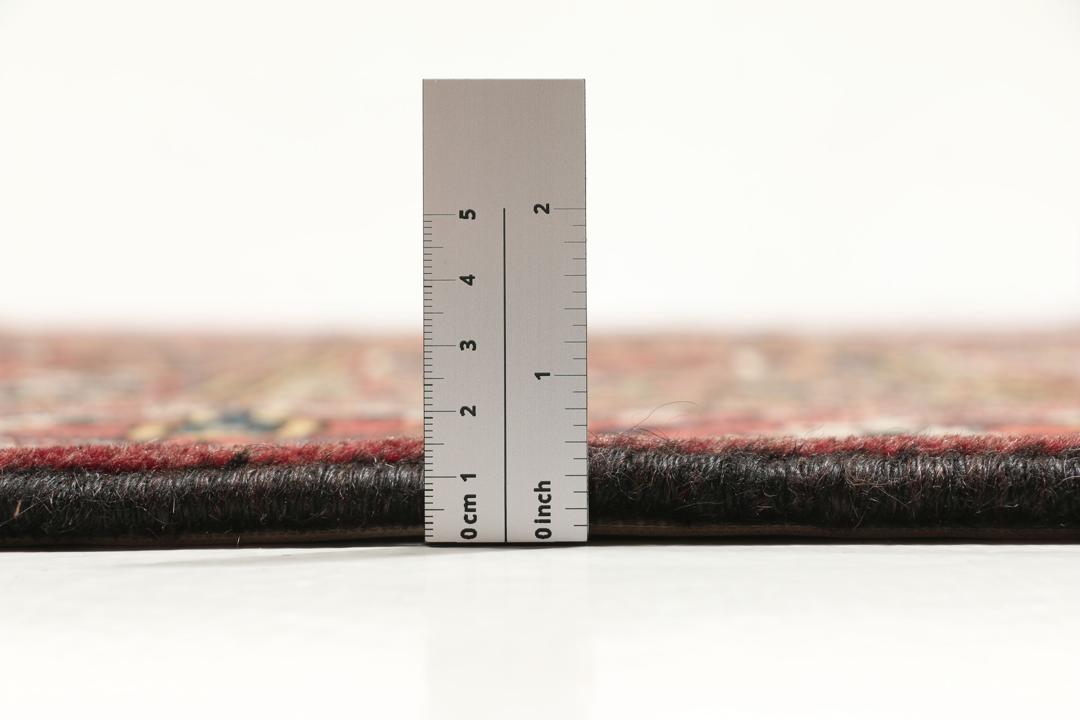
Technically, these rugs are known for their sturdy construction and the use of high-quality wool, which is sourced locally and known for its resilience. The patterns are often symmetrical and bold, utilising a palette of deep reds, blues, and earthy tones that are characteristic of the region's natural dyes and artistic heritage. The inclusion of a formal border acts as a frame, containing the intricate floral displays and lending a sense of balance to the overall composition.
Owning a Bakhtiari rug is a way to connect with a rich, living history of craftsmanship. These pieces are highly valued by collectors for their durability and the narrative quality of their designs. They are more than just functional items; they are expressions of a culture that honours the skill of the individual artisan, making each rug a cherished heirloom that brings a sense of cultural depth and lasting quality to any home.