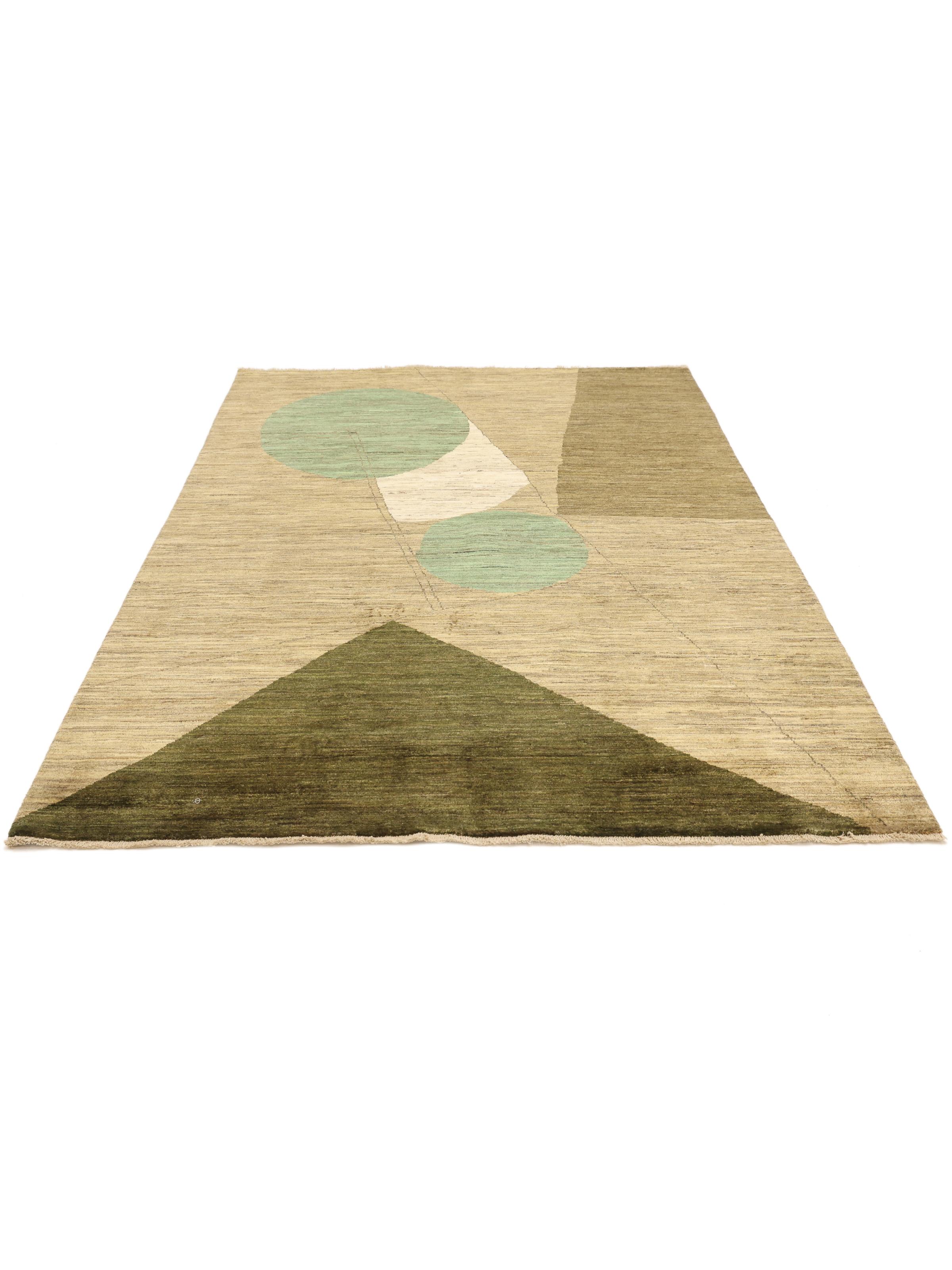
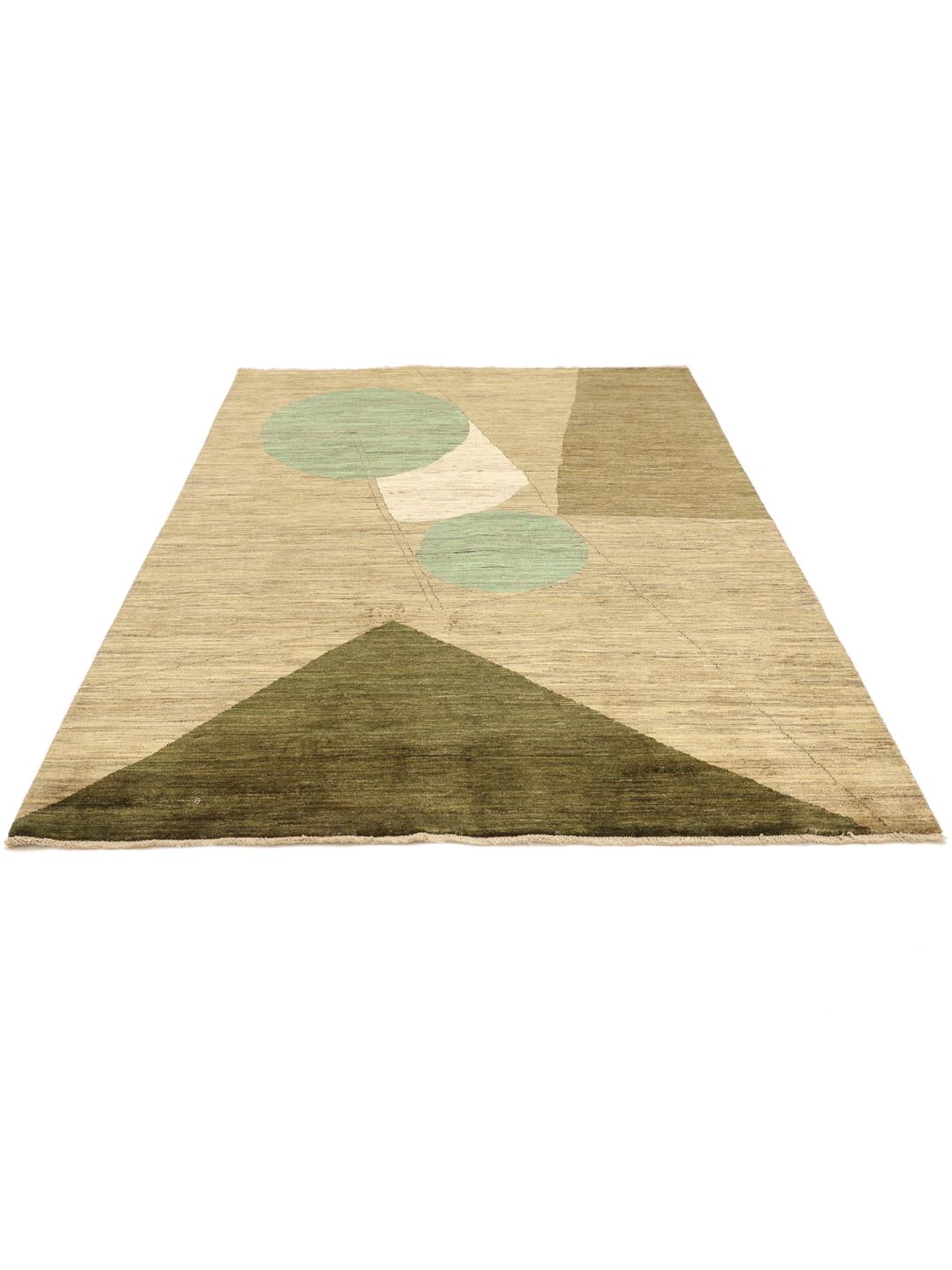
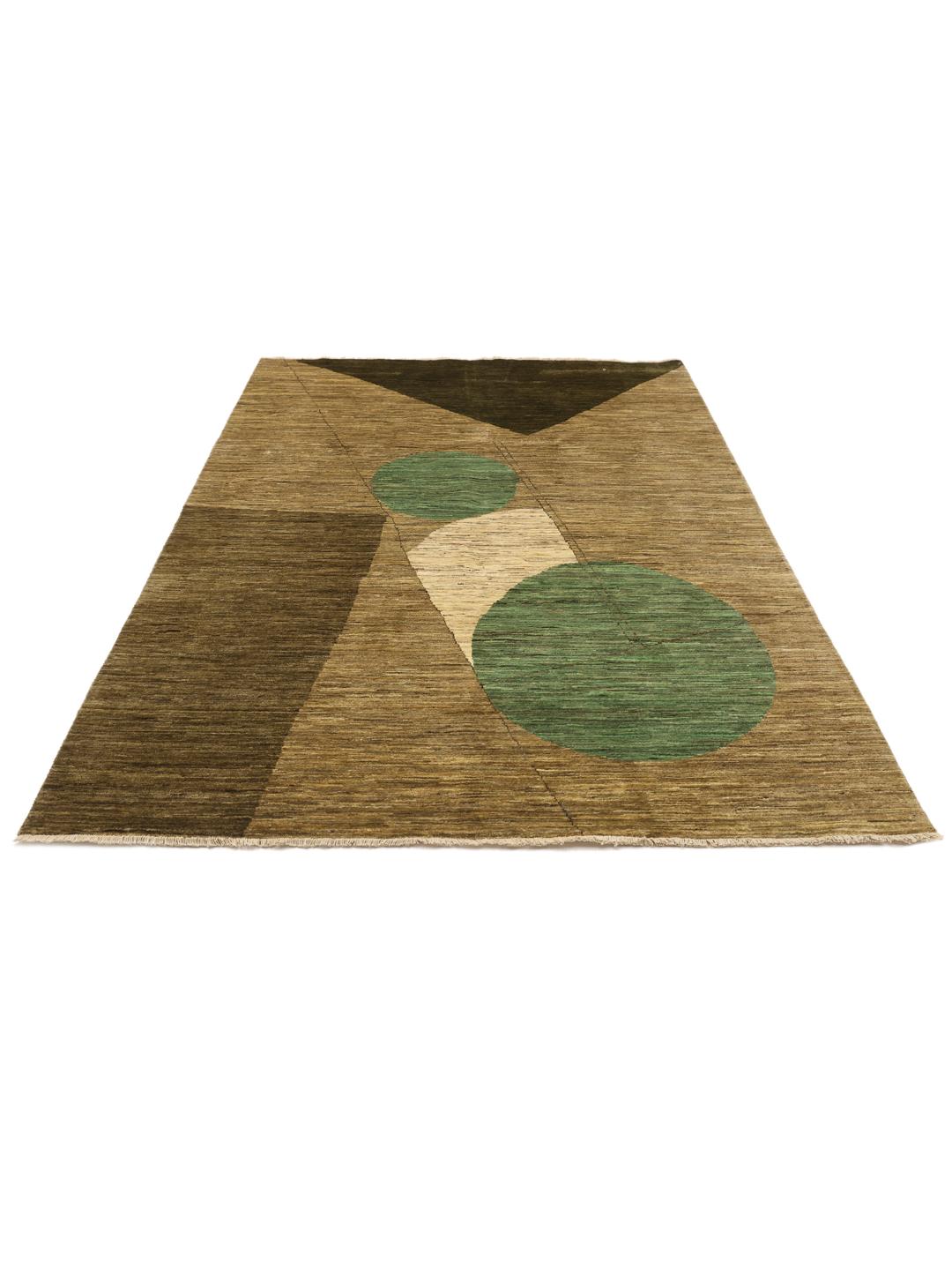
The Gabbeh tradition, deeply rooted in the nomadic cultures of the Middle East, has evolved into a vibrant modern movement. Historically, these rugs were woven by tribal women for personal use, characterised by their thick, heavy pile and simple, often abstract, storytelling motifs. Today, this tradition has flourished in Afghanistan, where weavers blend these ancient, rustic foundations with contemporary design sensibilities to create pieces that feel relevant to modern living.
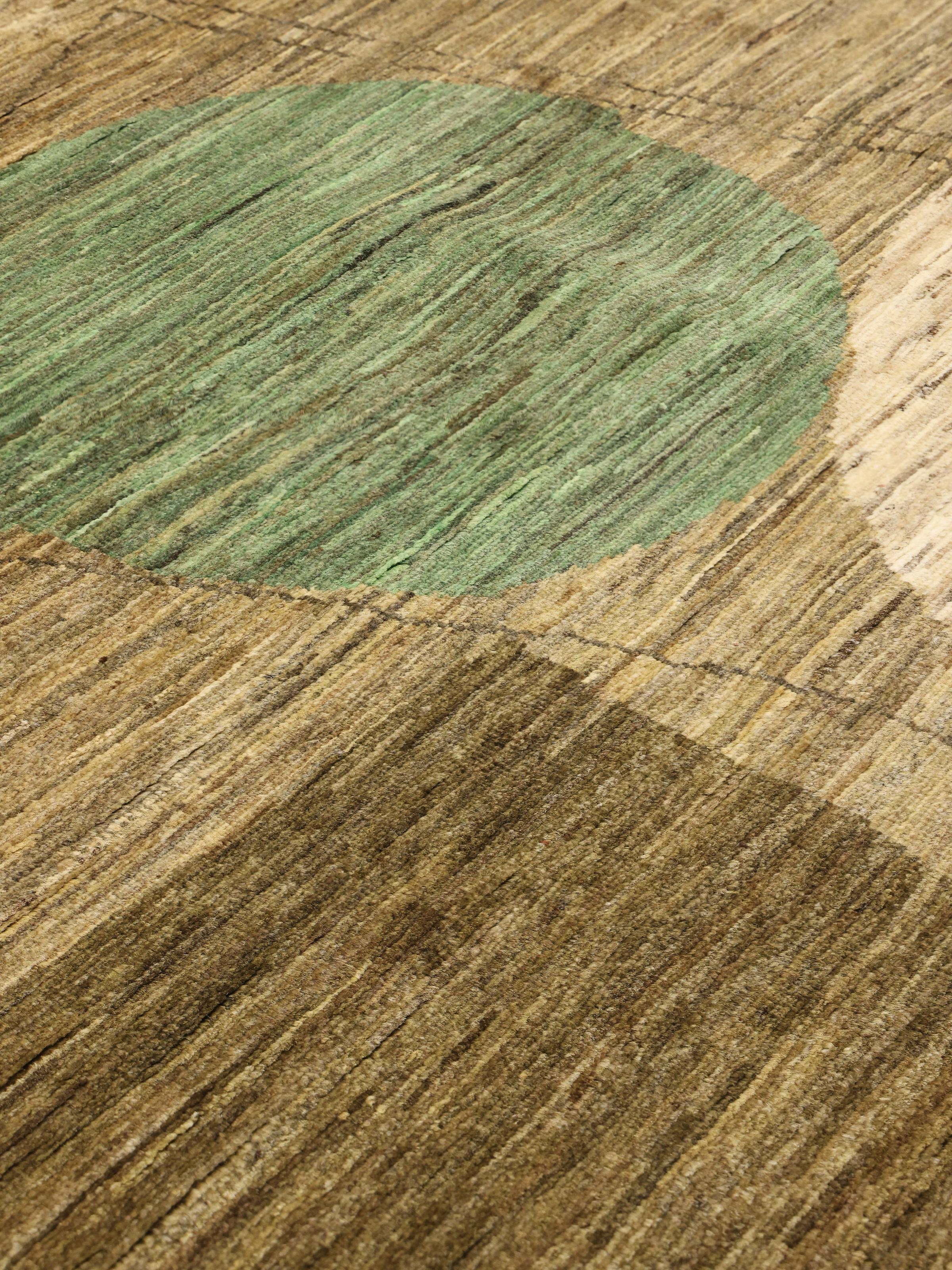
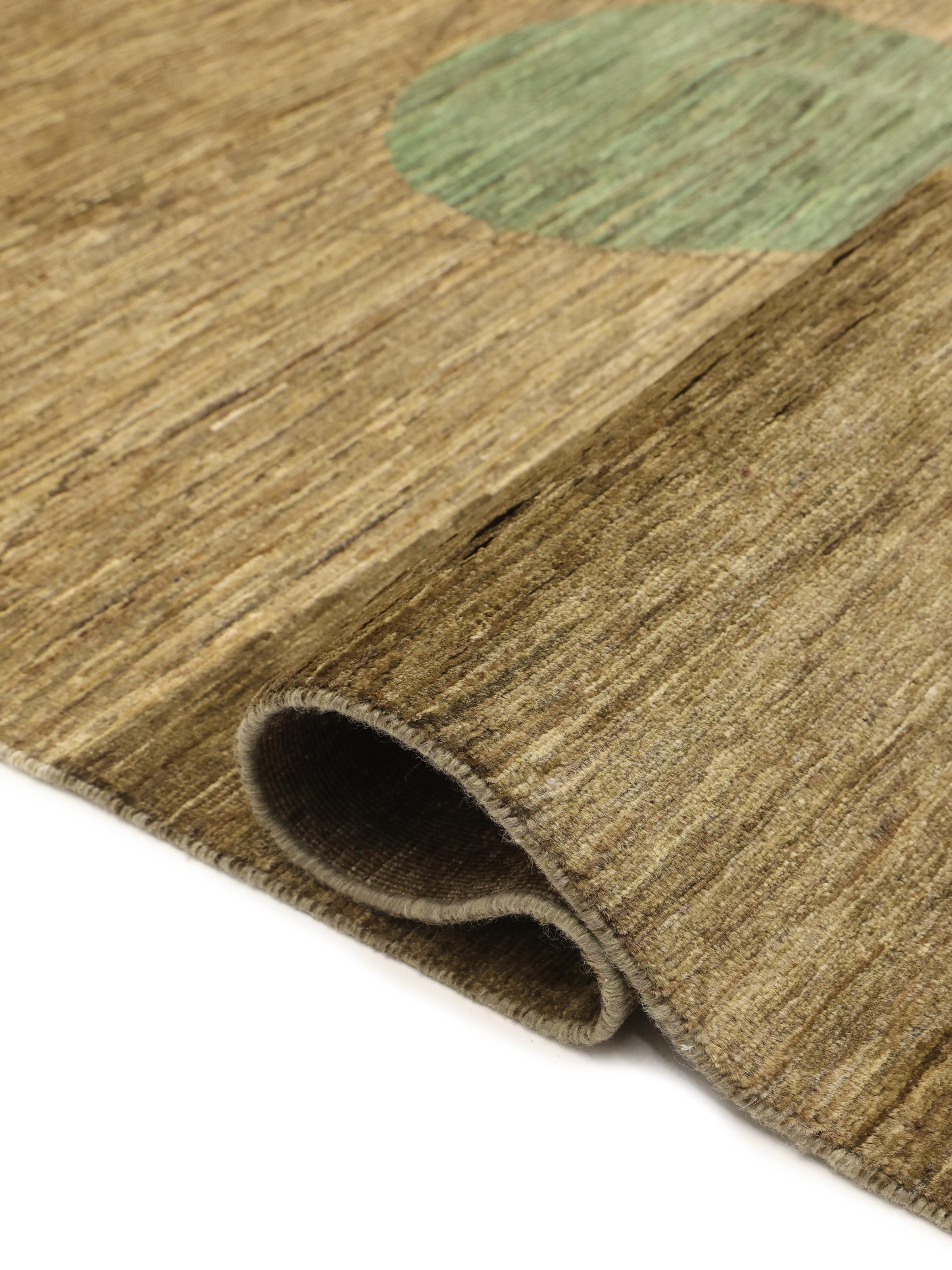
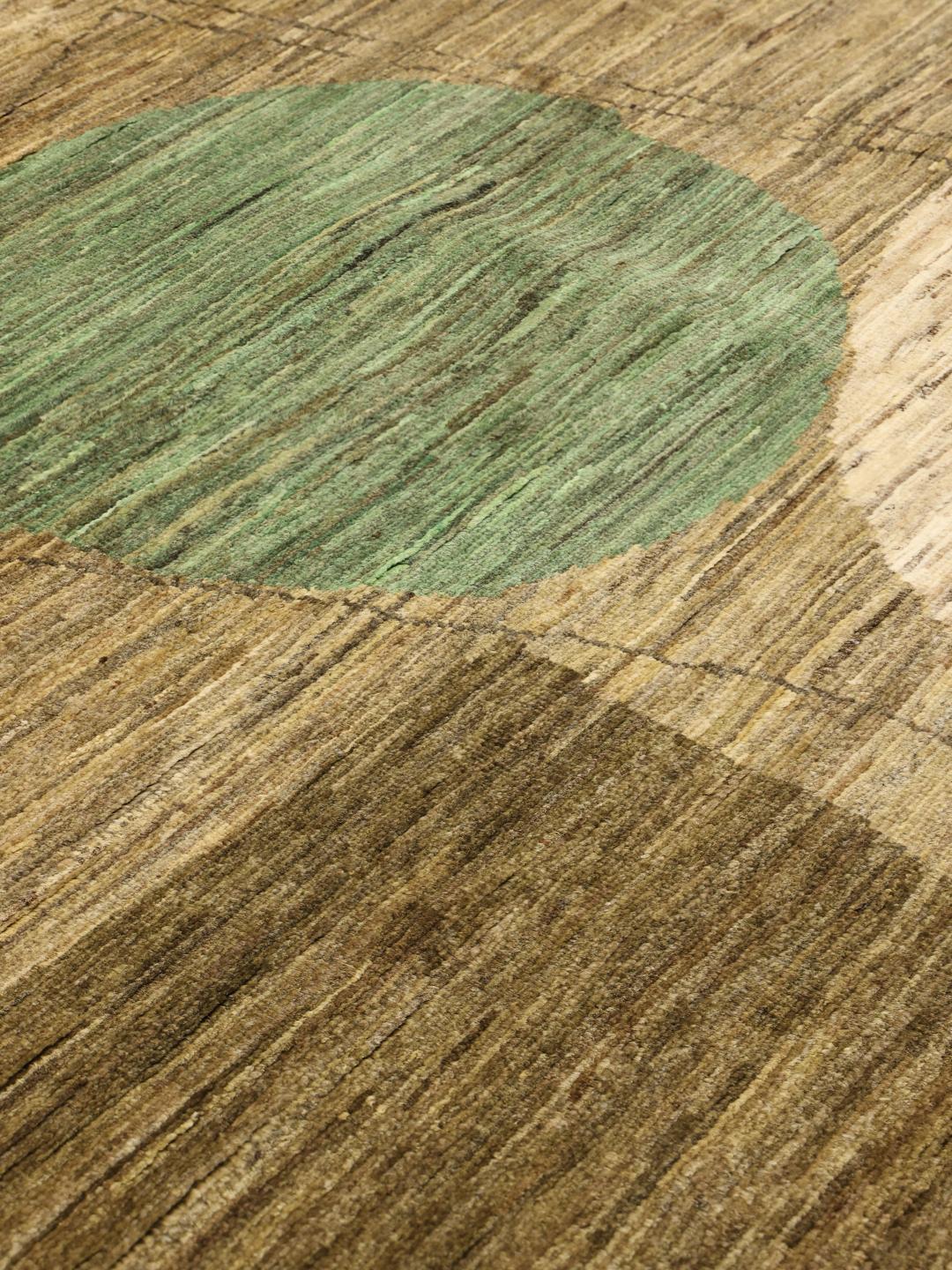
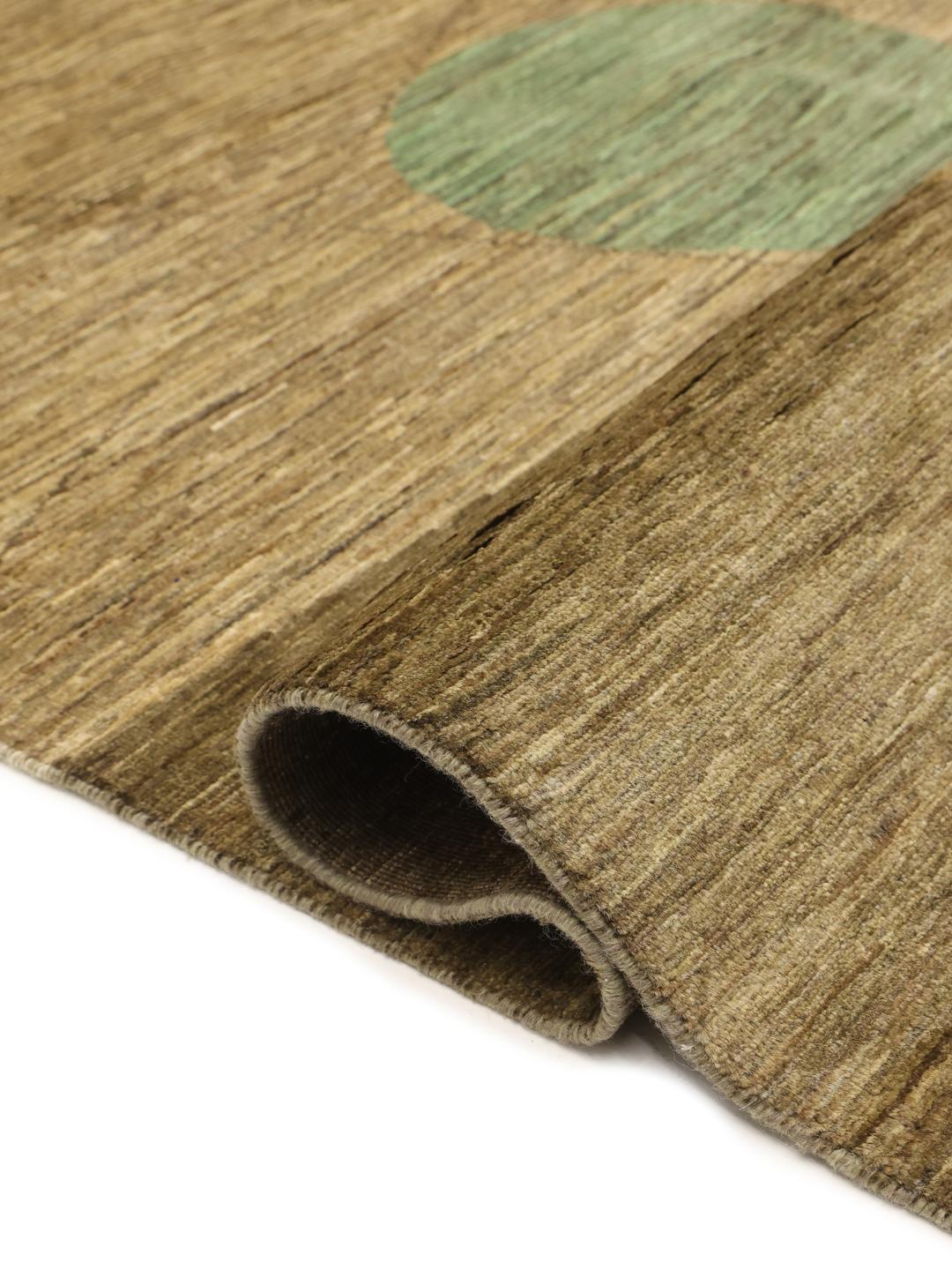
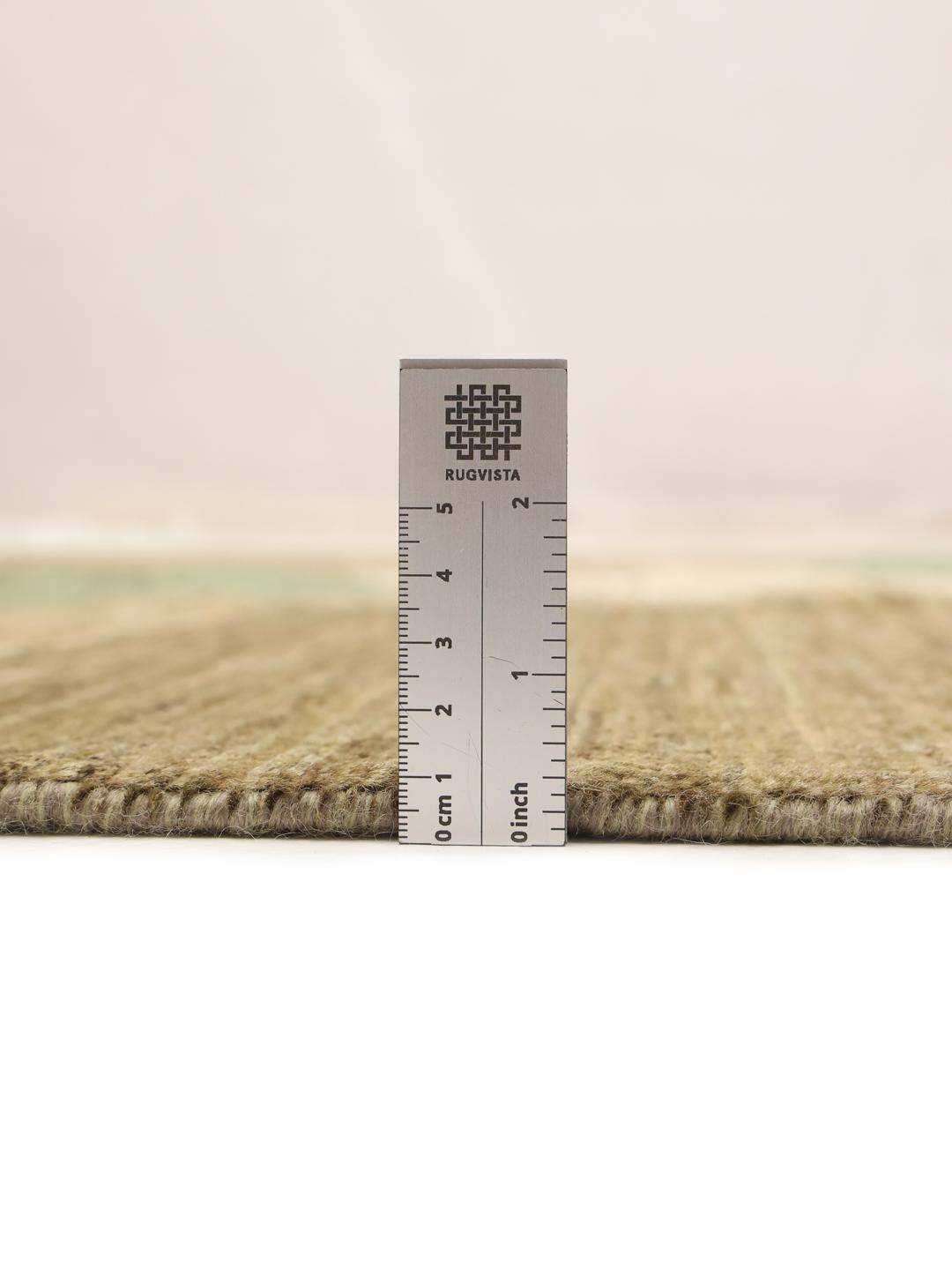
The term Gabbeh itself refers to a rug that is 'raw' or 'natural', reflecting the tradition of using hand-spun wool and natural dyes. A key hallmark of this style is the use of a thicker, more generous pile compared to other rug types. This construction choice is intentional, designed to provide maximum insulation and comfort in the rugged, high-altitude climates where these weaving traditions originated.
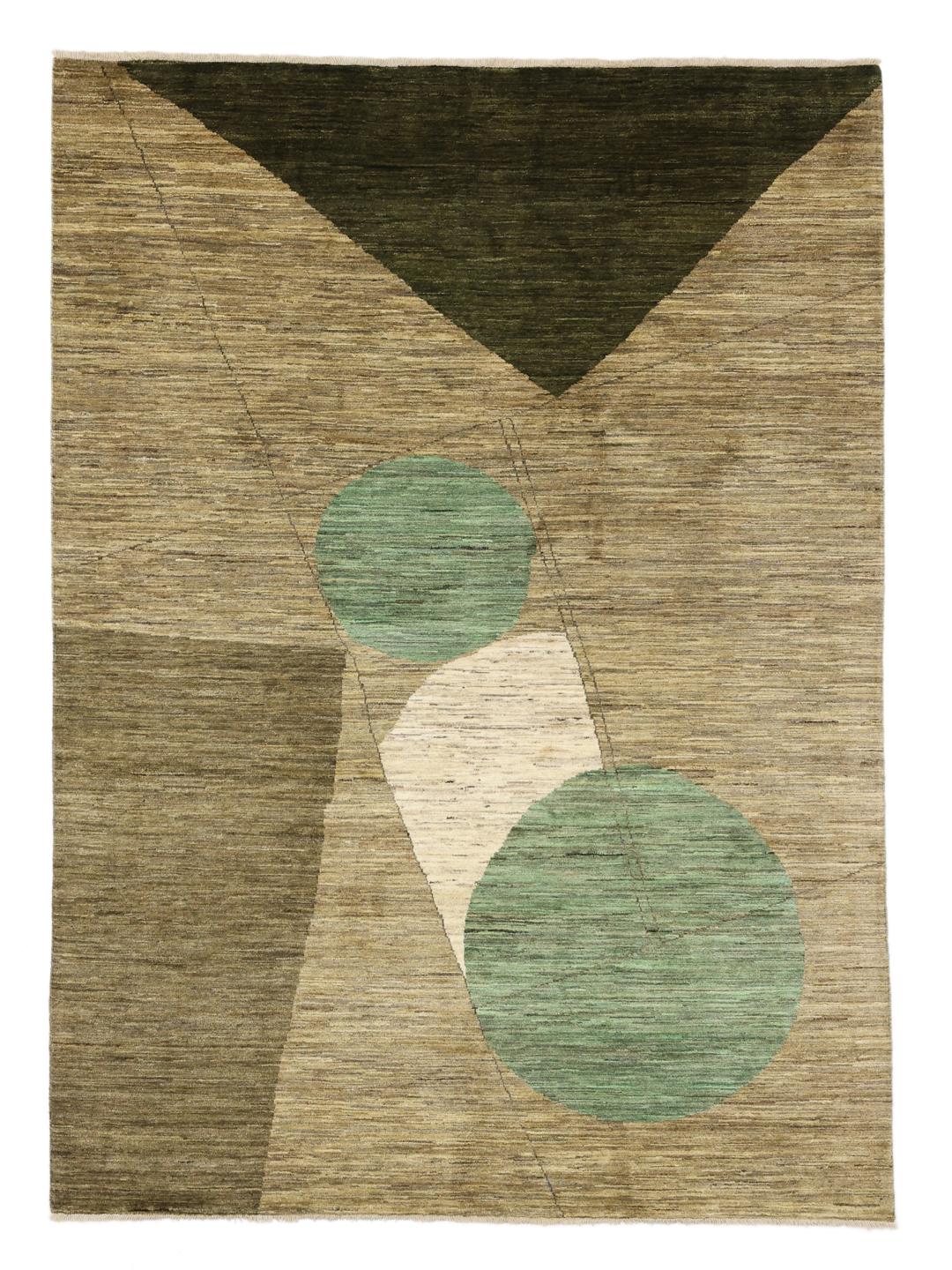
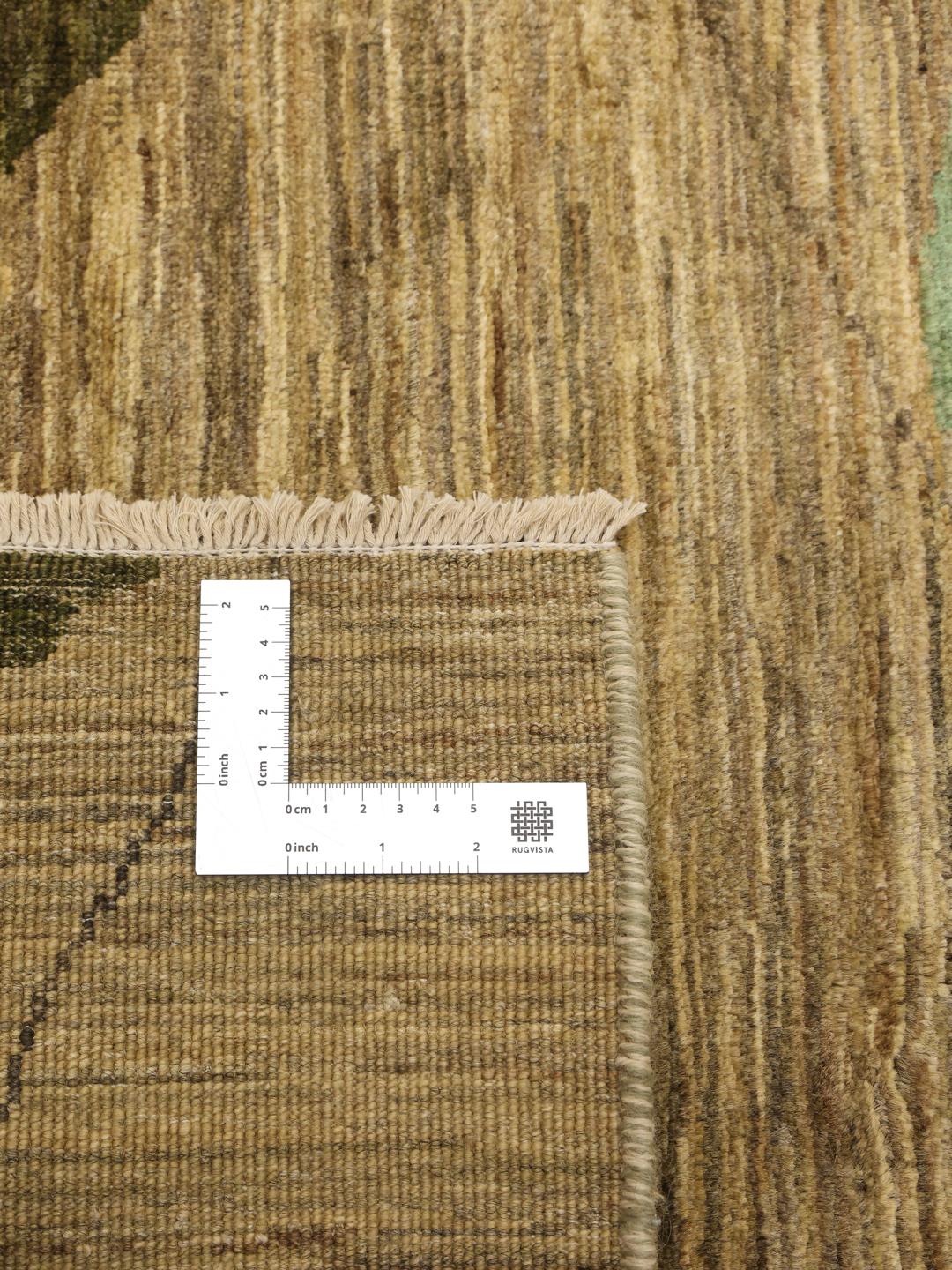
Visually, modern Gabbeh rugs often move away from the intricate, formal patterns of city-made rugs in favour of bold, simplified geometry and open fields of colour. The use of negative space and large-scale, organic motifs allows the natural character of the wool to take centre stage. While traditional versions focused on tribal symbols, modern interpretations like this one embrace abstract, artistic shapes that evoke a sense of calm and structure.
Collecting these rugs is an investment in both artistry and cultural heritage. Because each rug is created without a rigid template, the weaver’s own interpretation and mood become part of the final product. This level of human connection ensures that every piece holds a unique identity, valued by those who appreciate the skill required to translate historical techniques into such fresh, modern visual narratives.