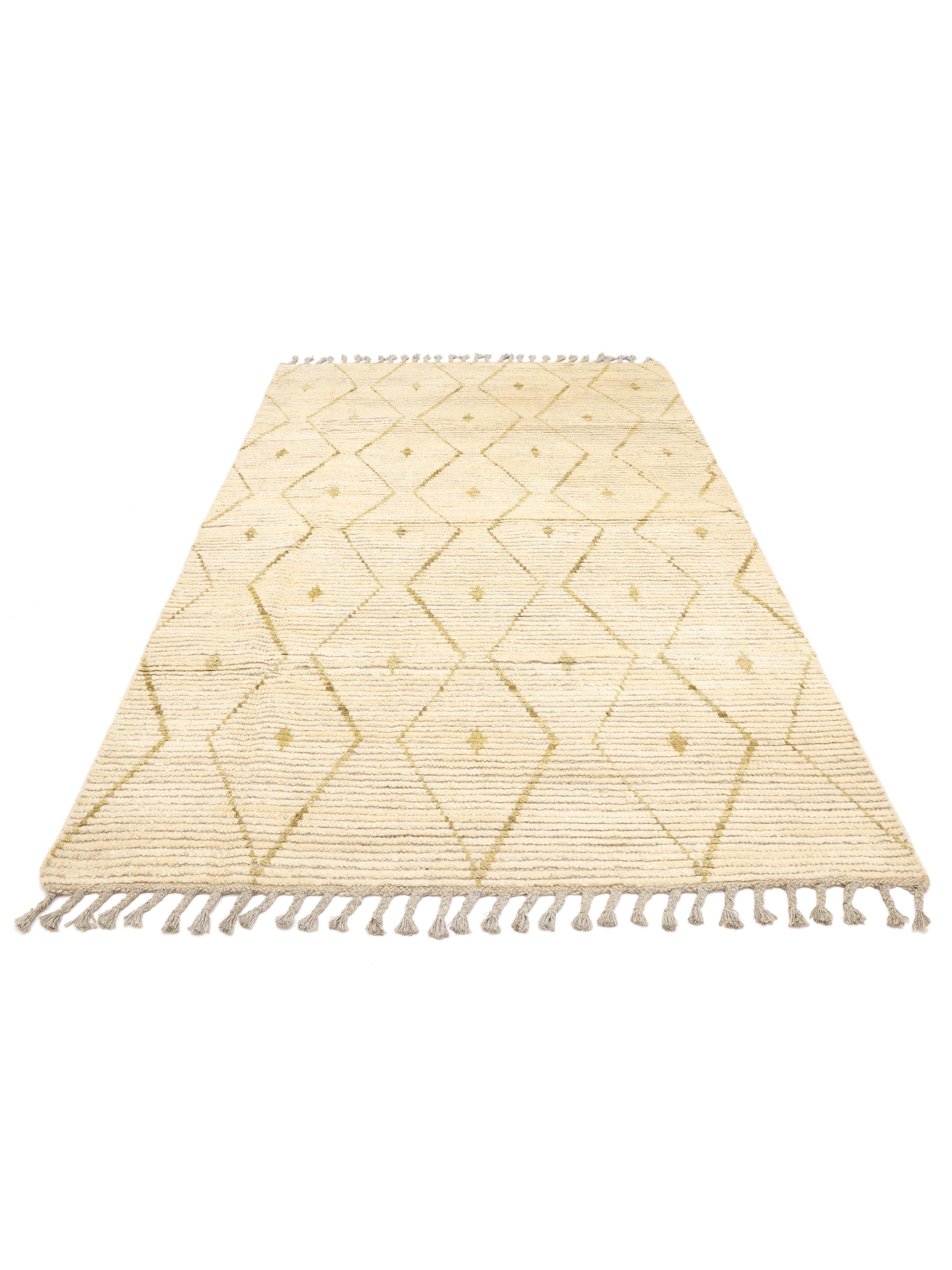
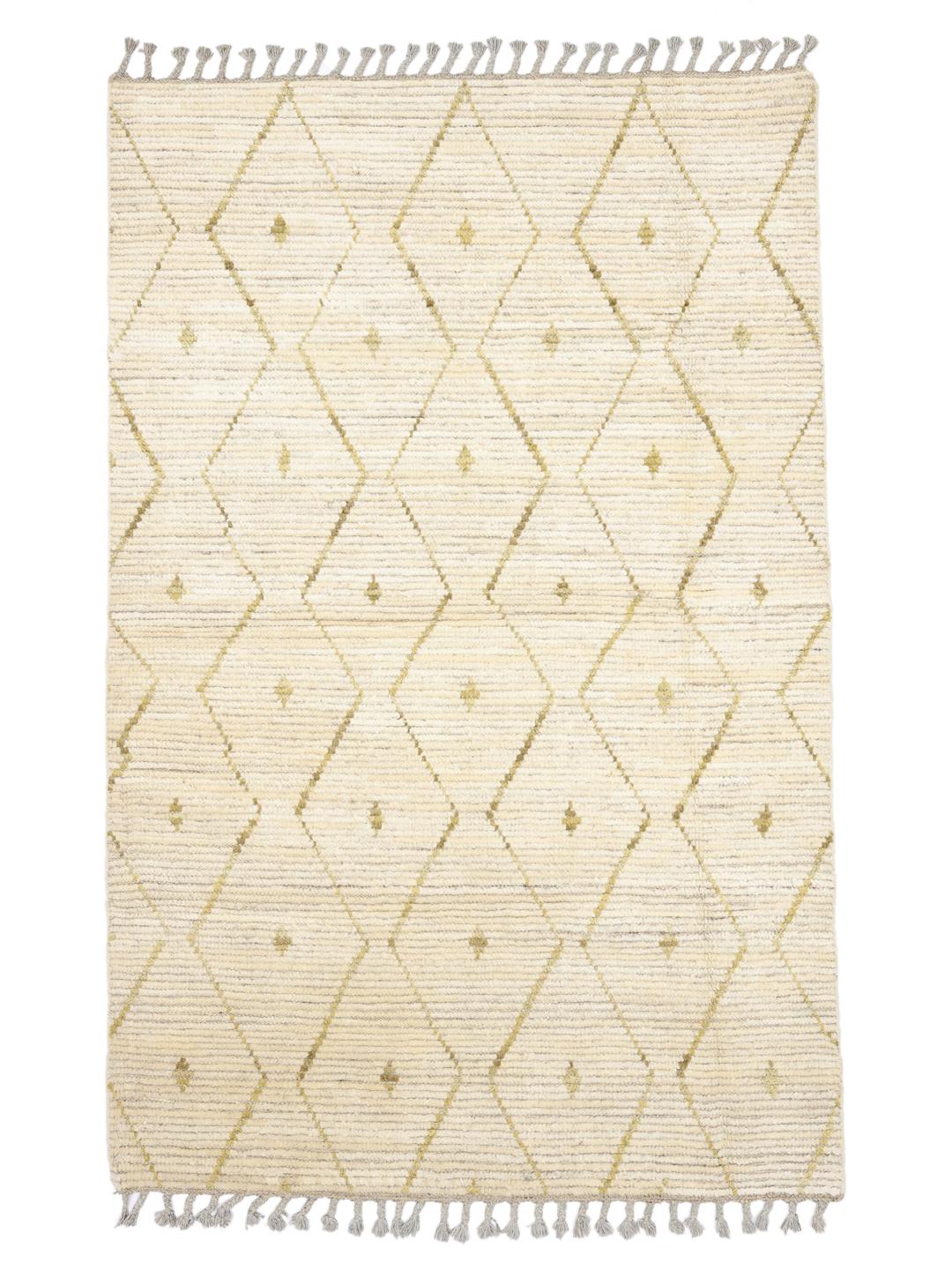
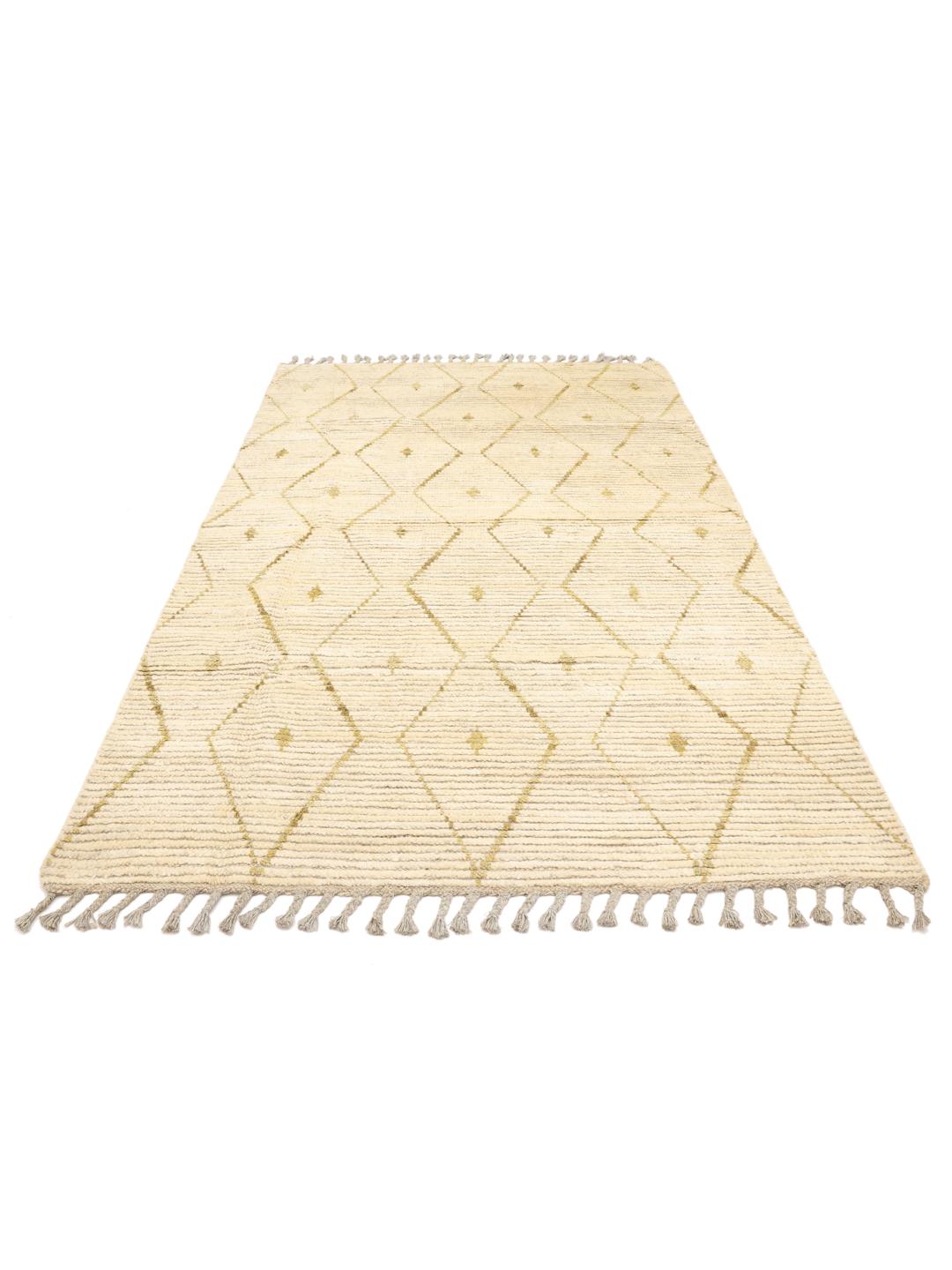
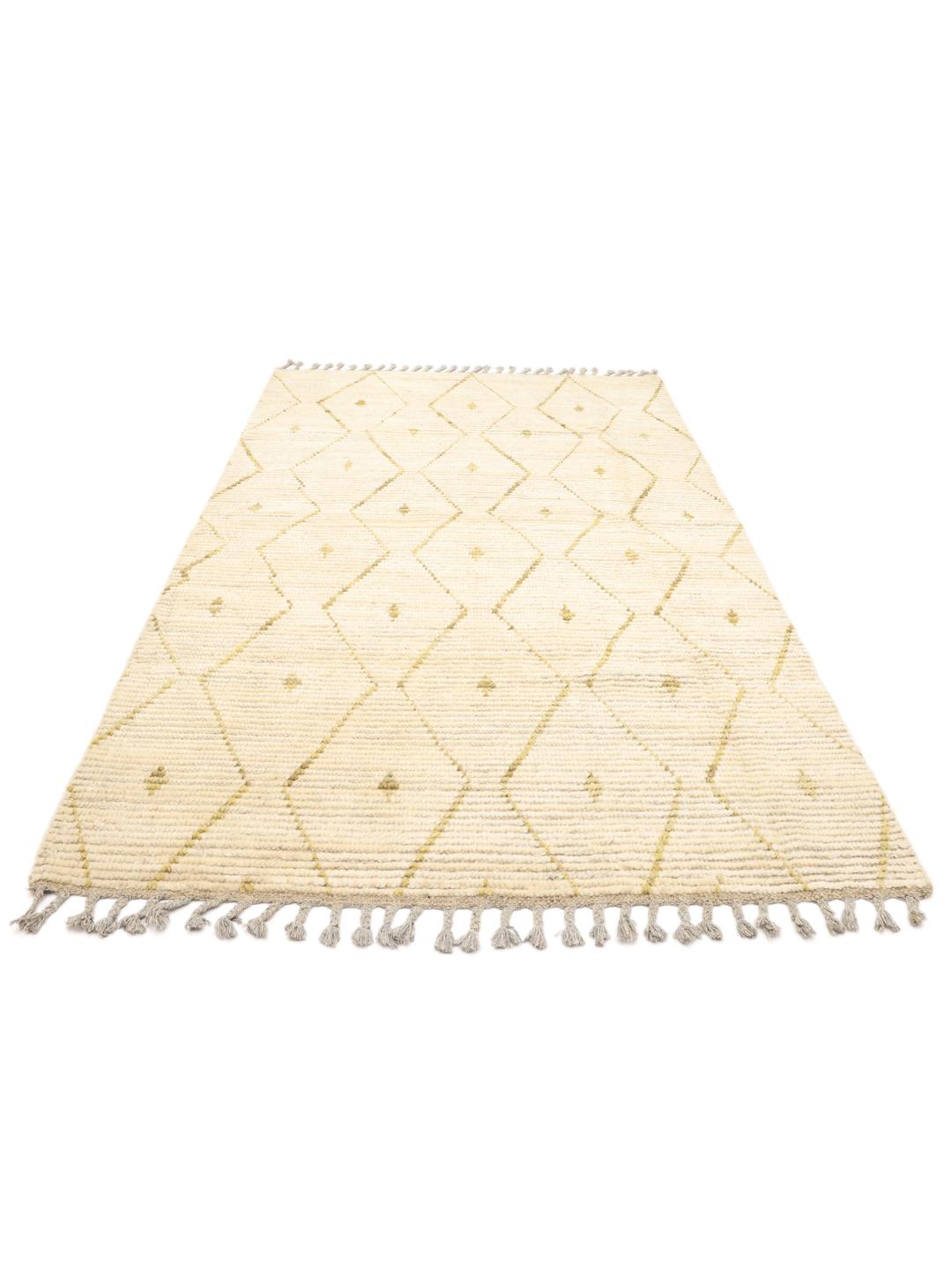
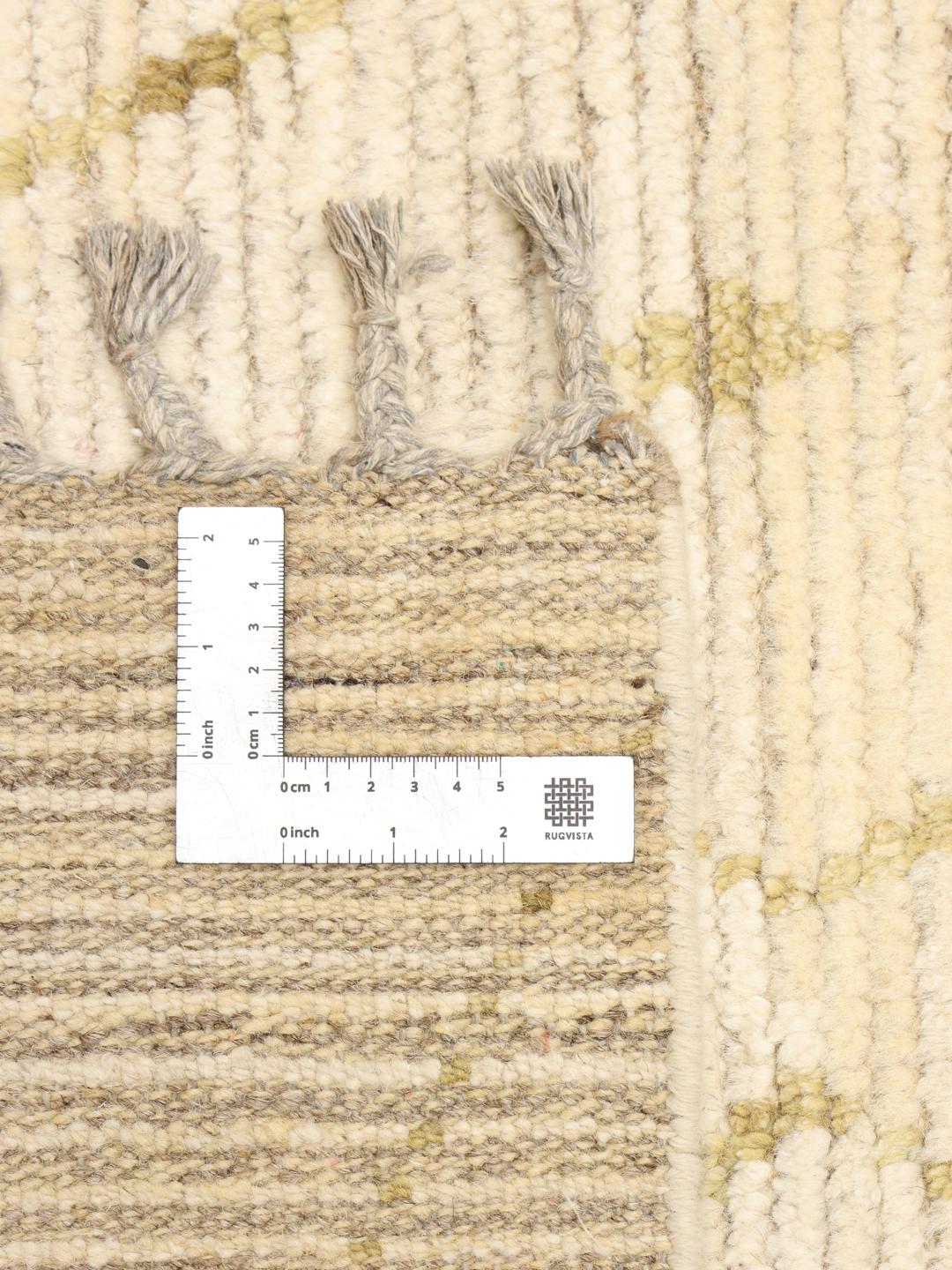
Berber rugs trace their origins back to the indigenous peoples of North Africa, who have woven these iconic textiles for centuries as functional and symbolic items. Over time, these weaving traditions travelled and evolved, finding a new home in the skilled workshops of Afghanistan. This migration has allowed Afghan artisans to adopt and refine the style, blending their own regional expertise with the classic Berber aesthetic.
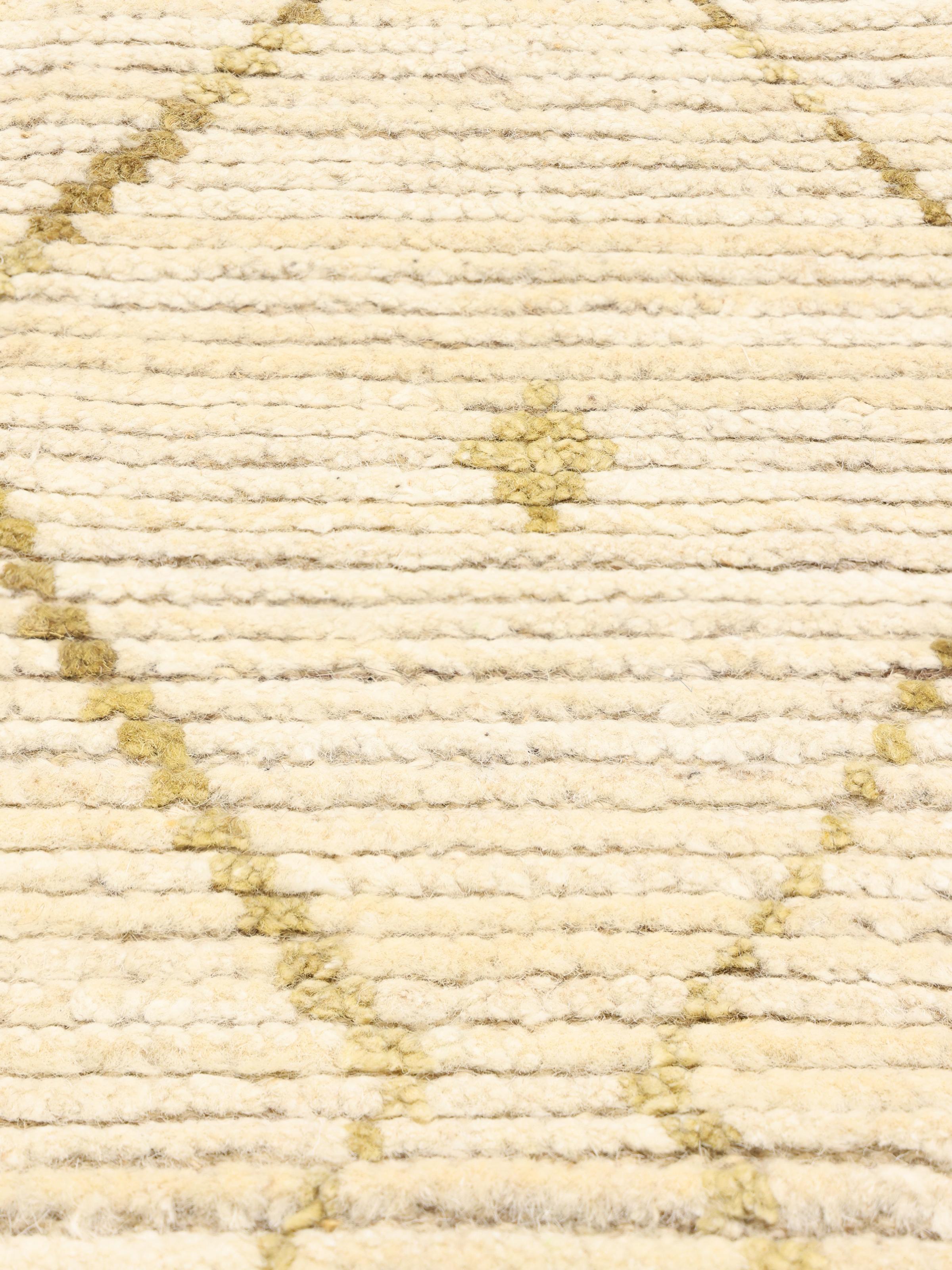
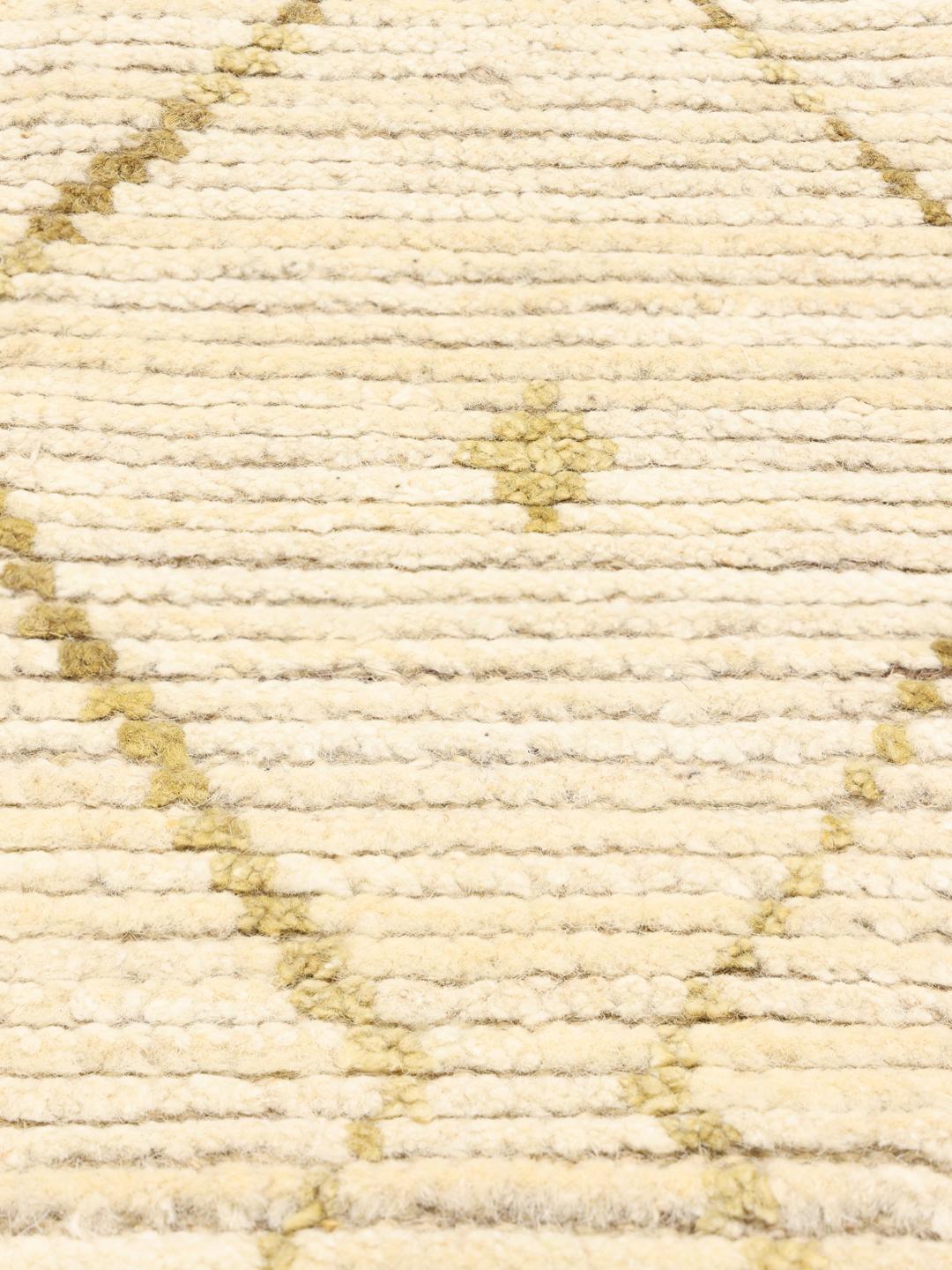
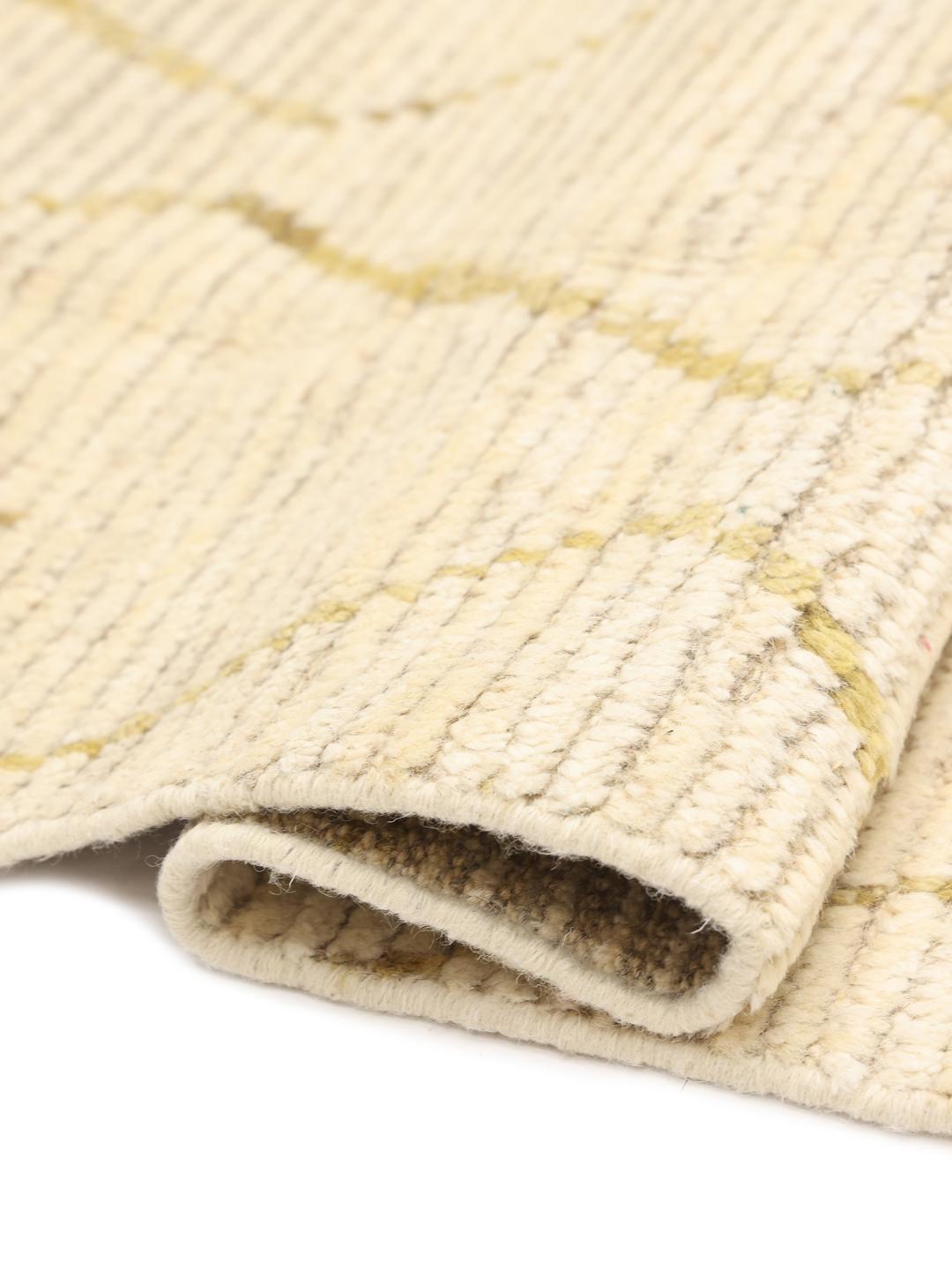
The term Berber refers to a style of weaving that emphasises natural materials and simple, bold geometric motifs. These rugs are highly valued for their tactile quality and their ability to bridge the gap between ancient tradition and modern interior design. The focus is often on the texture of the wool, which provides a natural warmth and a durable, long-lasting surface.
Signature design elements of this tradition include the use of repeating geometric patterns, such as the diamond motifs seen here, which are often set against a neutral, undyed background. These patterns are not merely decorative but often carry cultural significance or reflect the environment of the weaver. The subtle, earthy tones and minimalist approach make these rugs highly sought after for their ability to bring a sense of organic harmony to a space.
Collecting a rug from this tradition is an act of supporting a long-standing craft. These pieces are cherished not just for their visual appeal but for the human effort and skill required to create them. Owning one means connecting your home to a lineage of artistry where quality and heritage are woven into every strand, ensuring that the rug remains a valued part of your home for generations.