Berber rugs trace their origins to the nomadic and semi-nomadic tribes of North Africa, but the style has been interpreted and adapted by weavers across various regions, including Afghanistan. These rugs are deeply rooted in a history of utility and symbolism, where the patterns often served as a visual language for the weaver's life and environment.
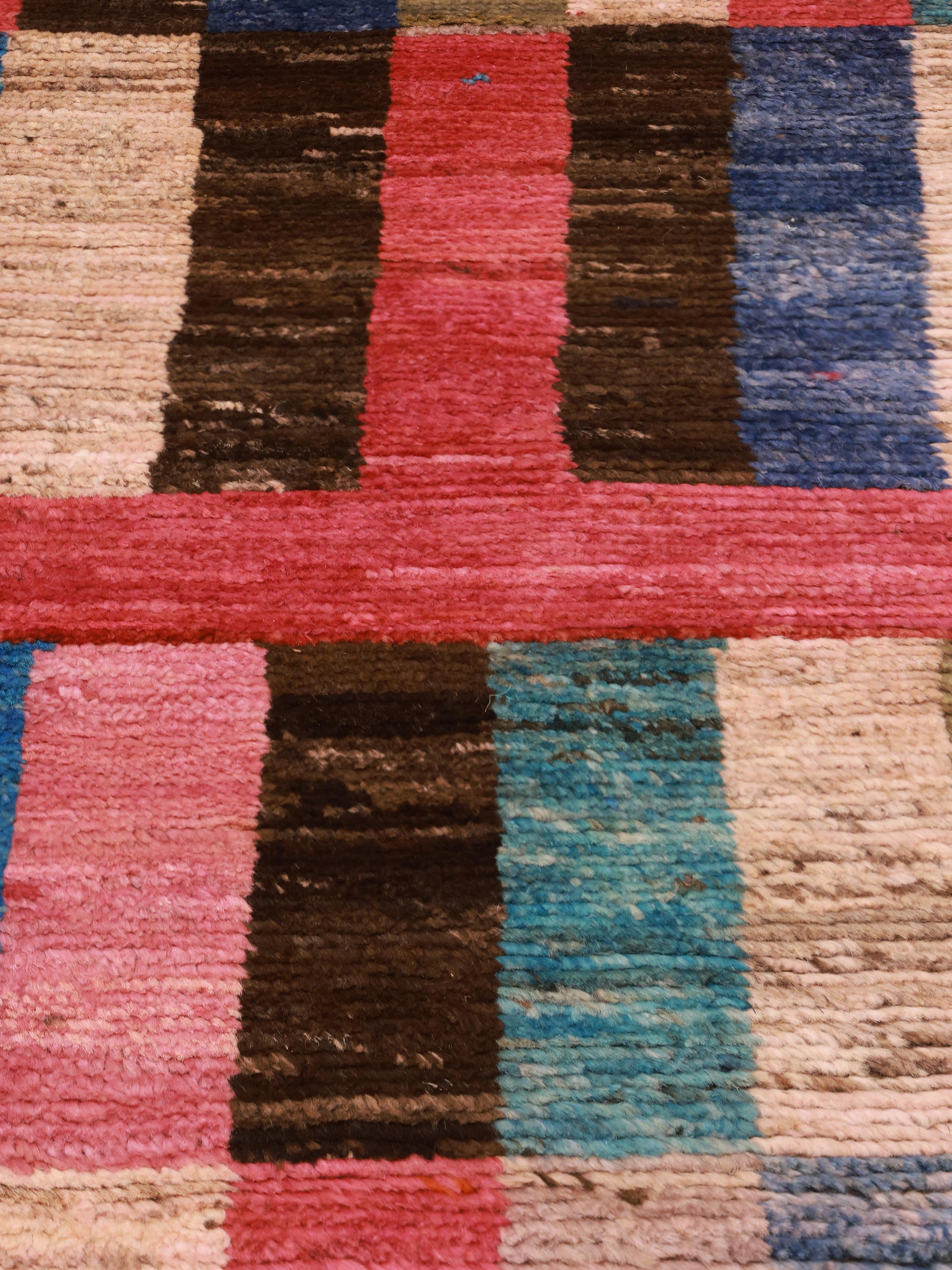
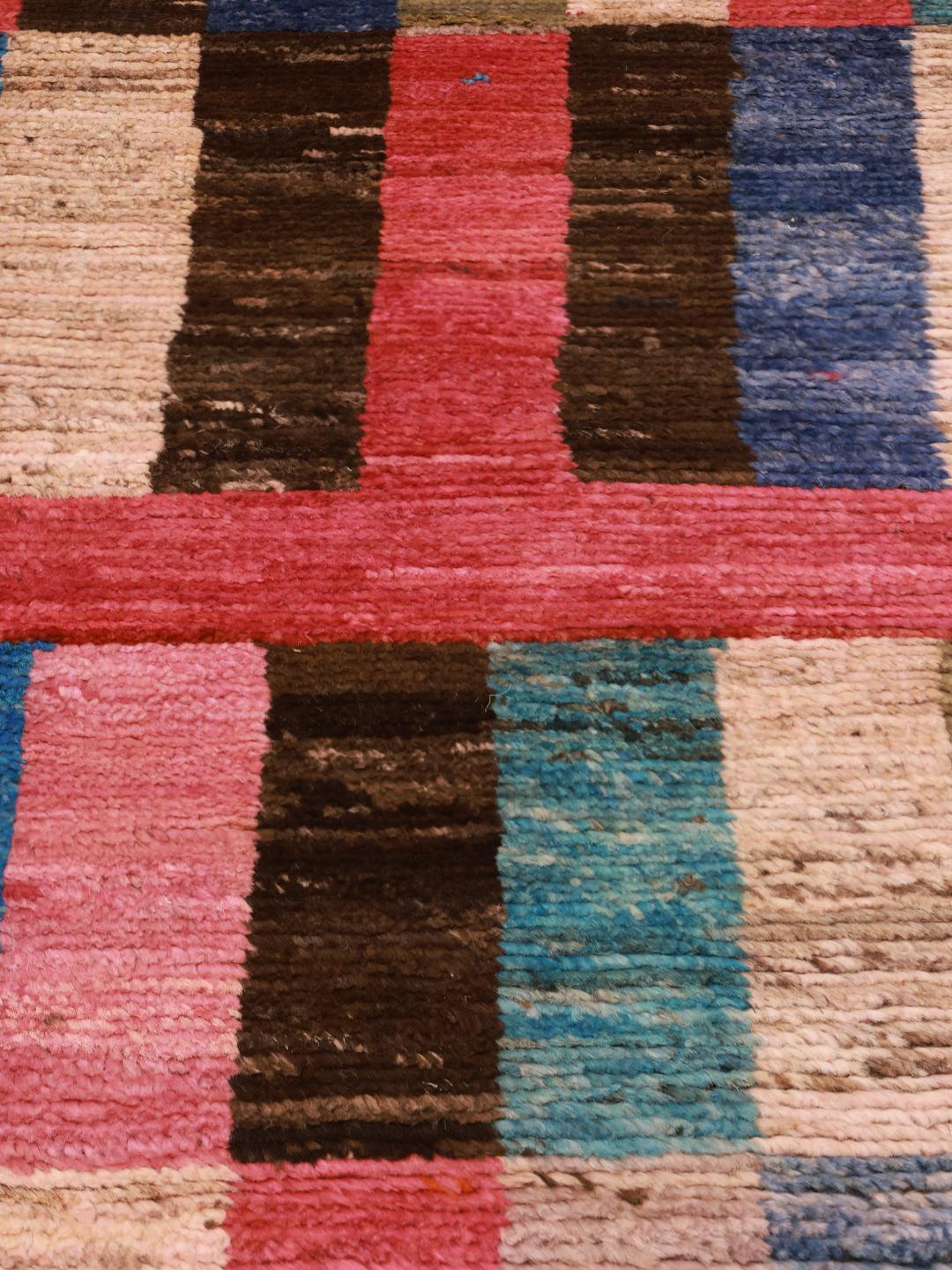
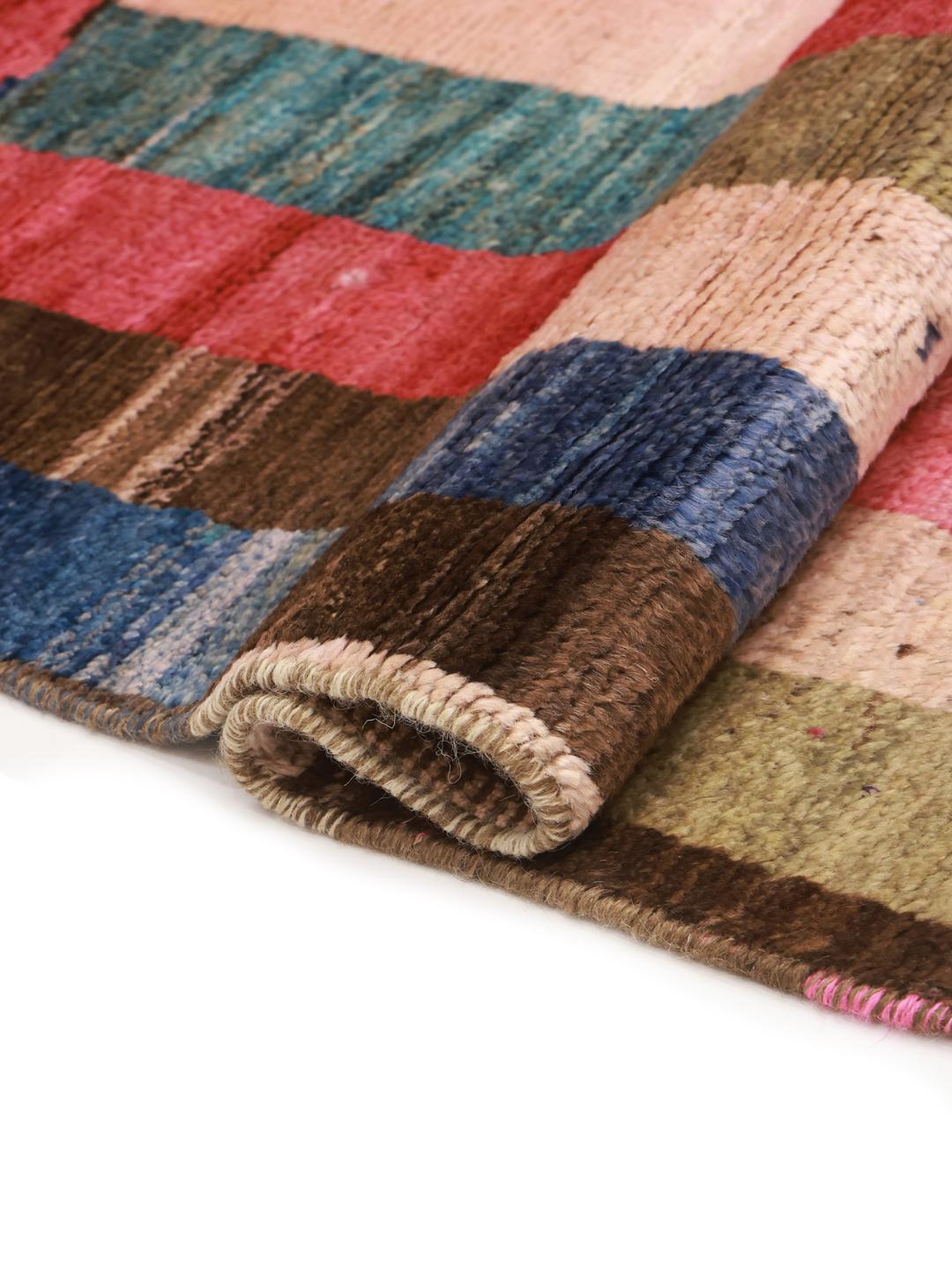
The term 'Berber' originally referred to the specific knotting techniques and long-pile construction characteristic of these tribal traditions. Over time, the style has evolved to incorporate more diverse colour palettes and contemporary designs, while still relying on the same fundamental craft of hand-knotting that ensures a dense, resilient pile.
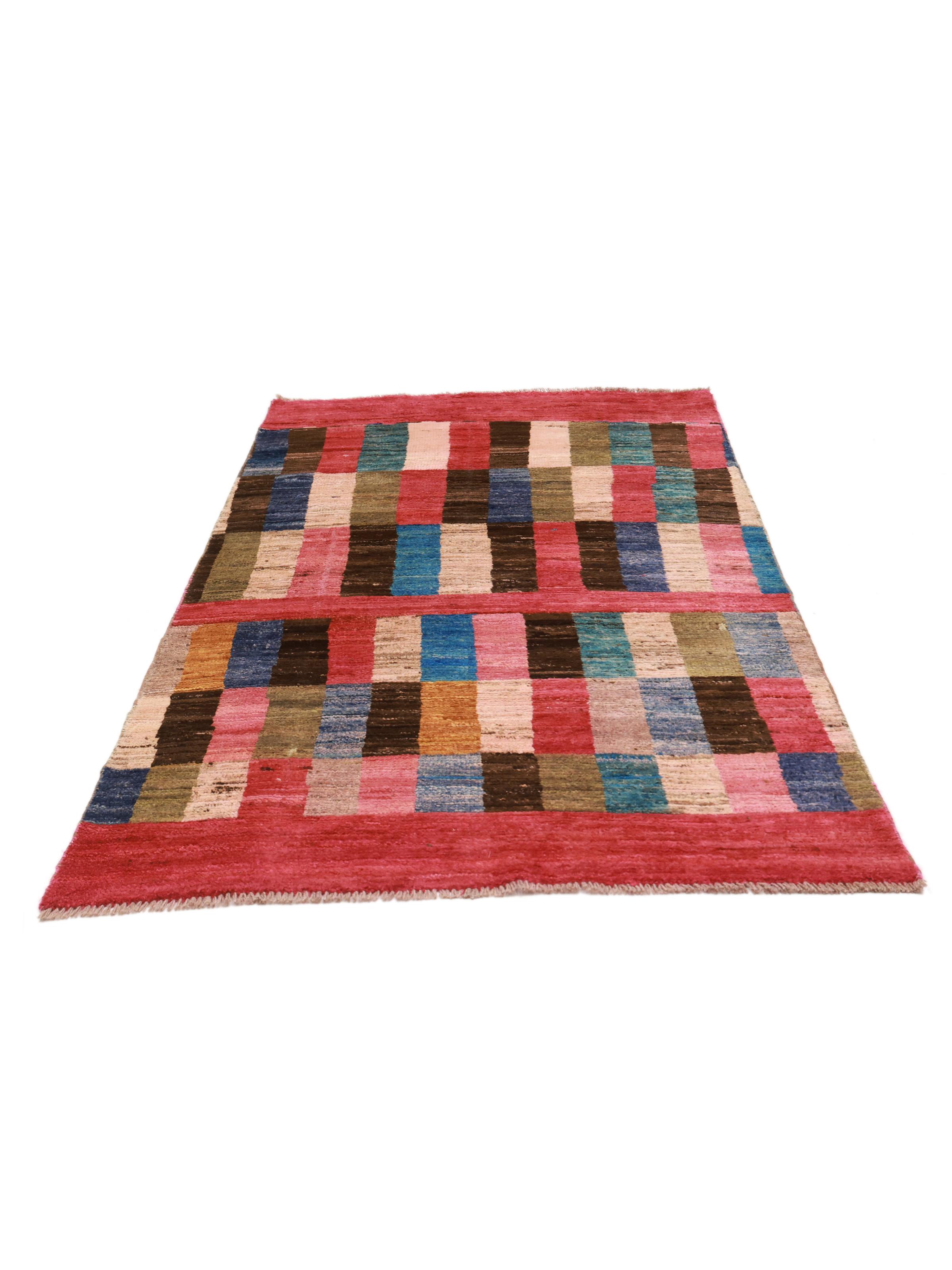
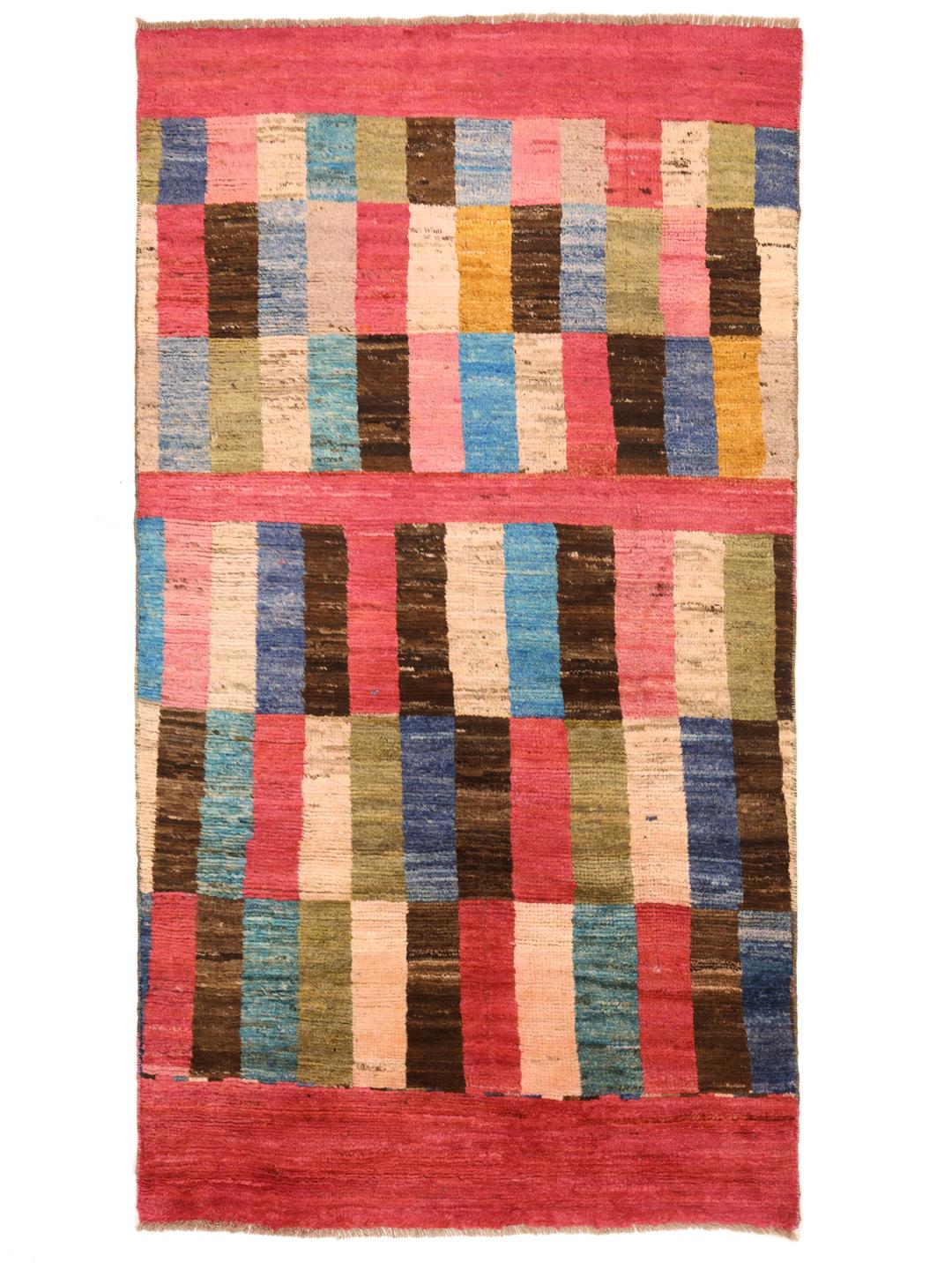
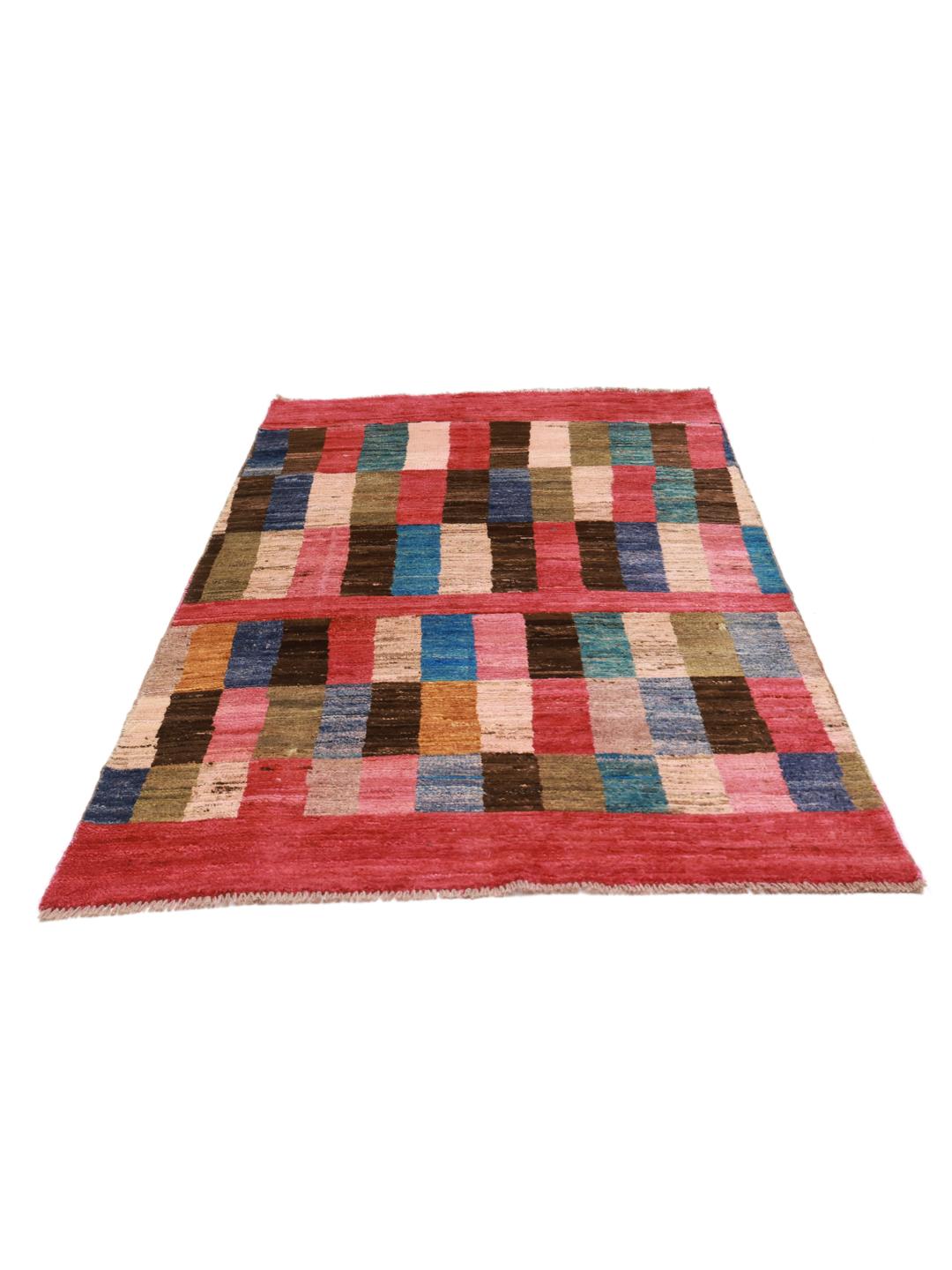
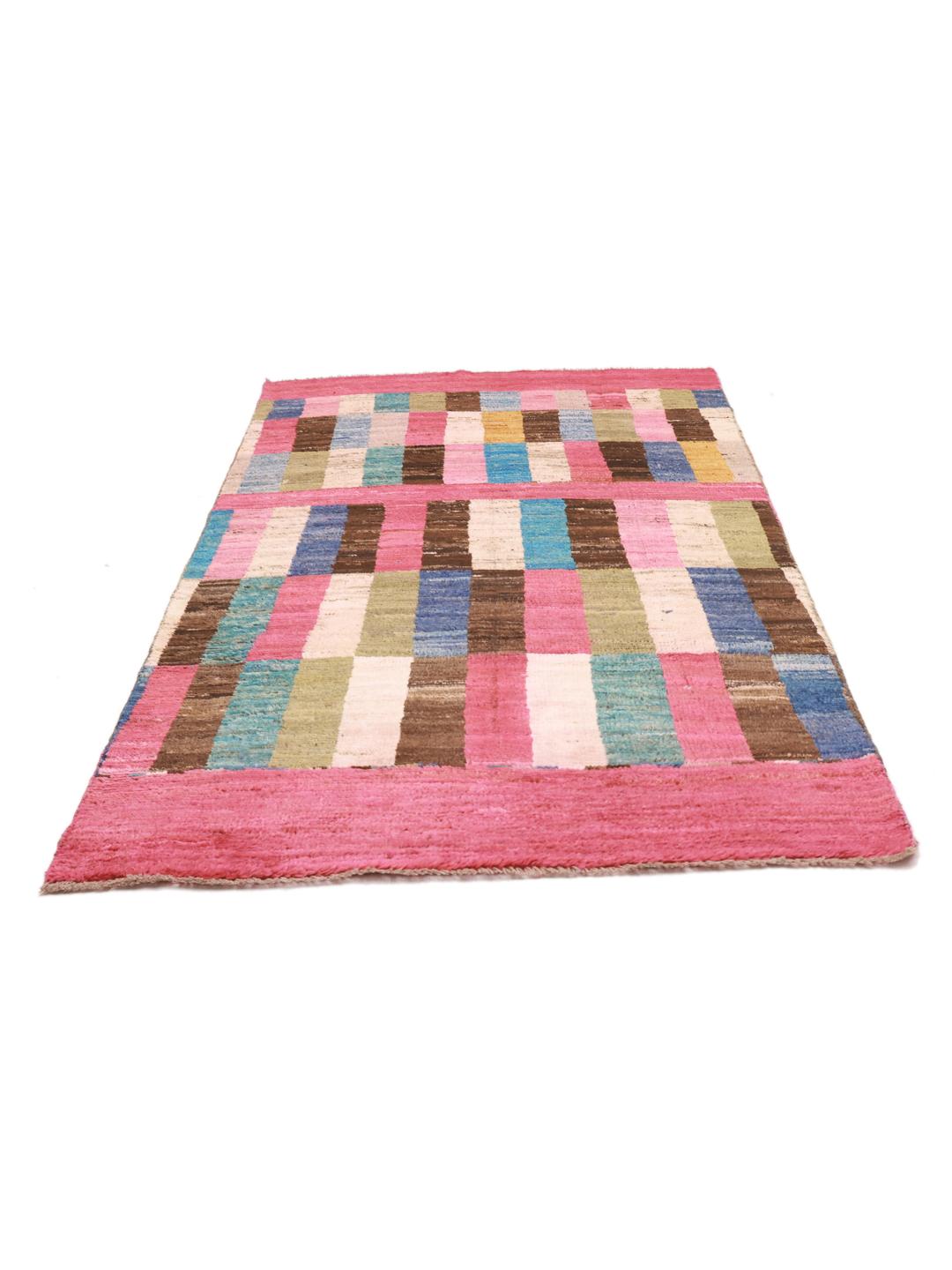
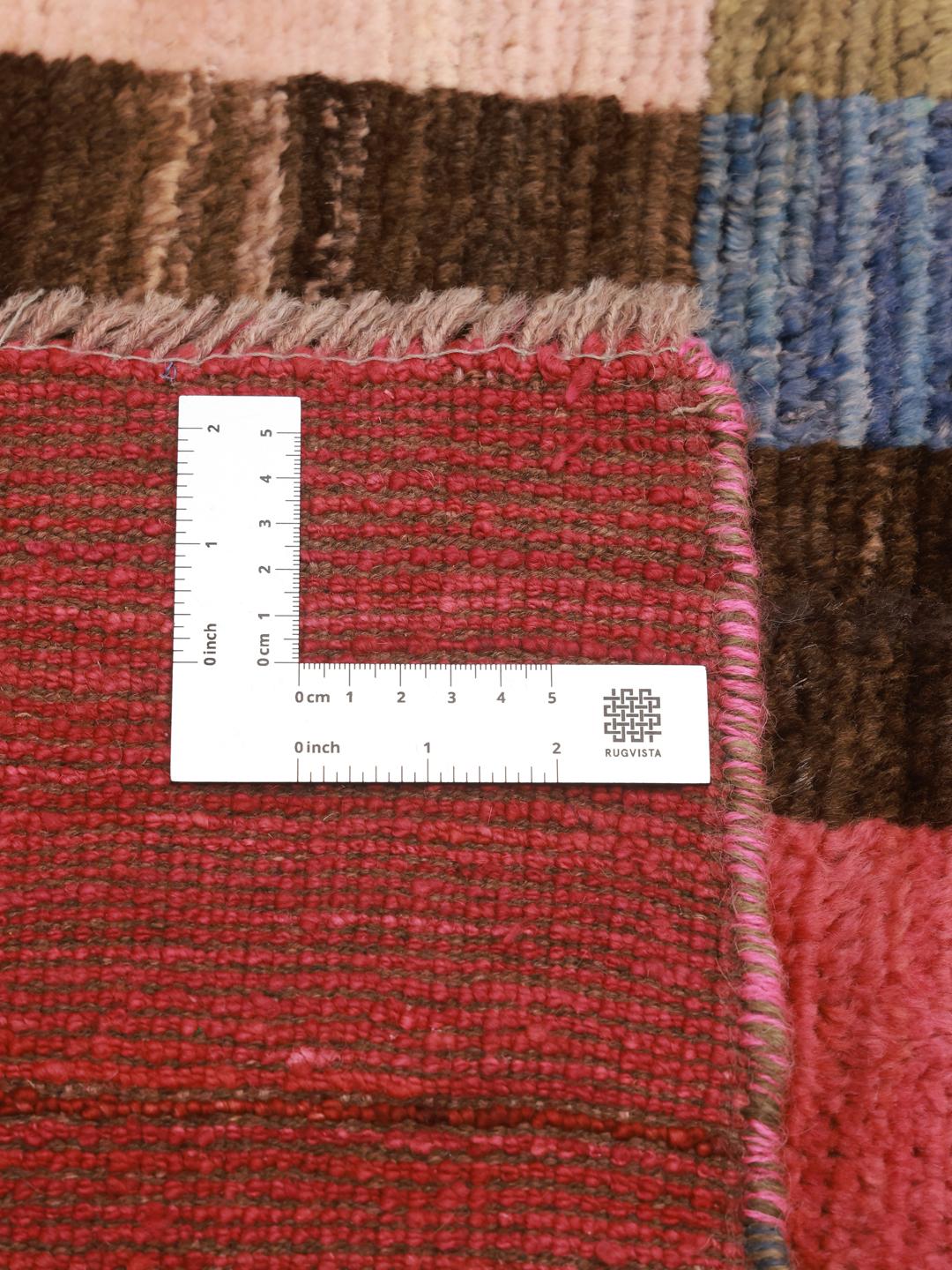
In terms of design, these rugs are celebrated for their bold, often geometric or abstract motifs that break away from the rigid formality found in other traditions. The inclusion of vibrant, varied colours seen in this piece is a nod to the expressive freedom that defines the Berber aesthetic, allowing for a more personal and spontaneous approach to rug making.
Today, these rugs are valued by collectors and homeowners alike for their authenticity and the tangible connection they provide to ancient weaving practices. Owning such a piece is an investment in human skill, preserving a heritage of craft that prioritises individual expression and the natural beauty of the materials used.