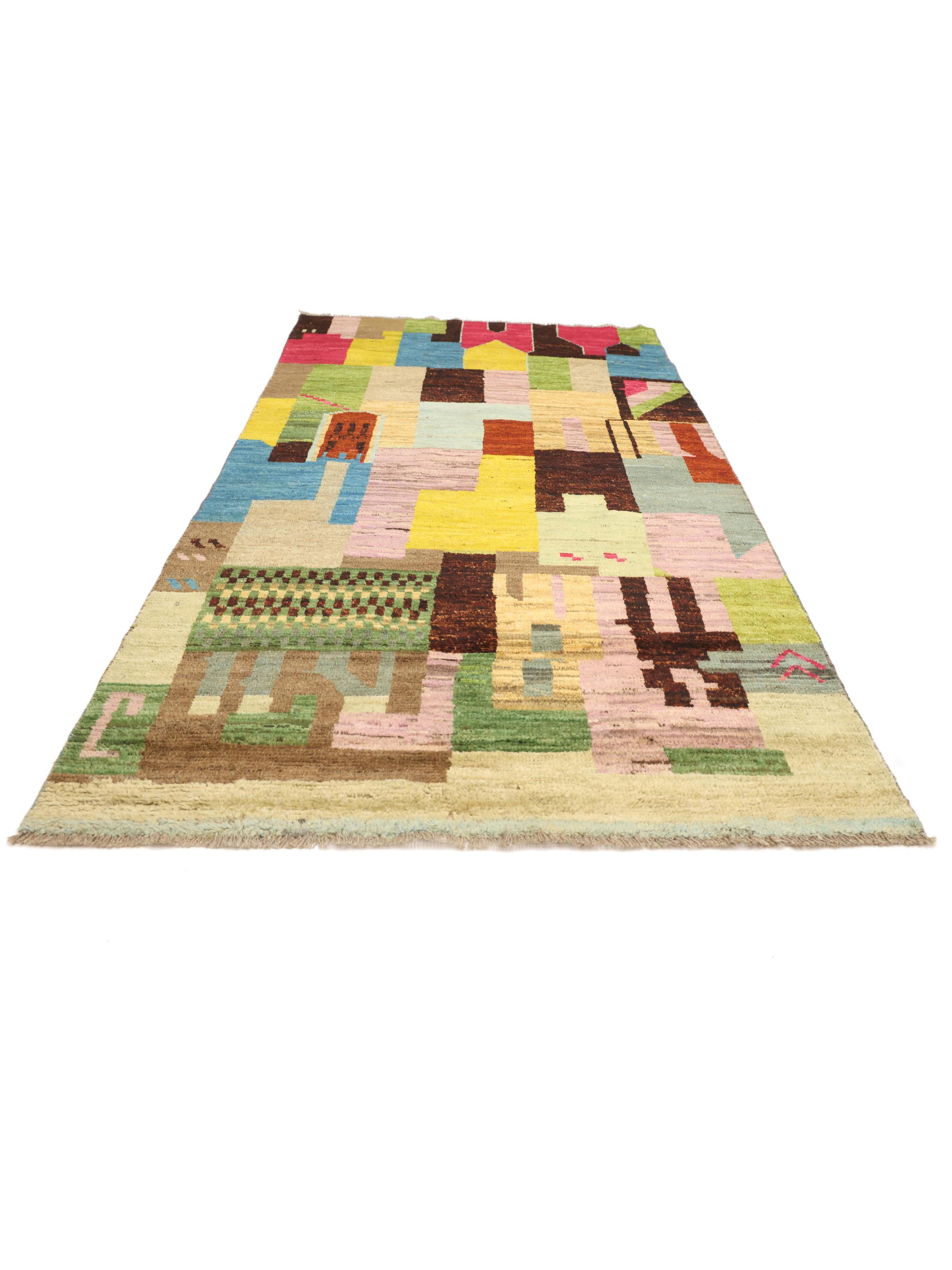
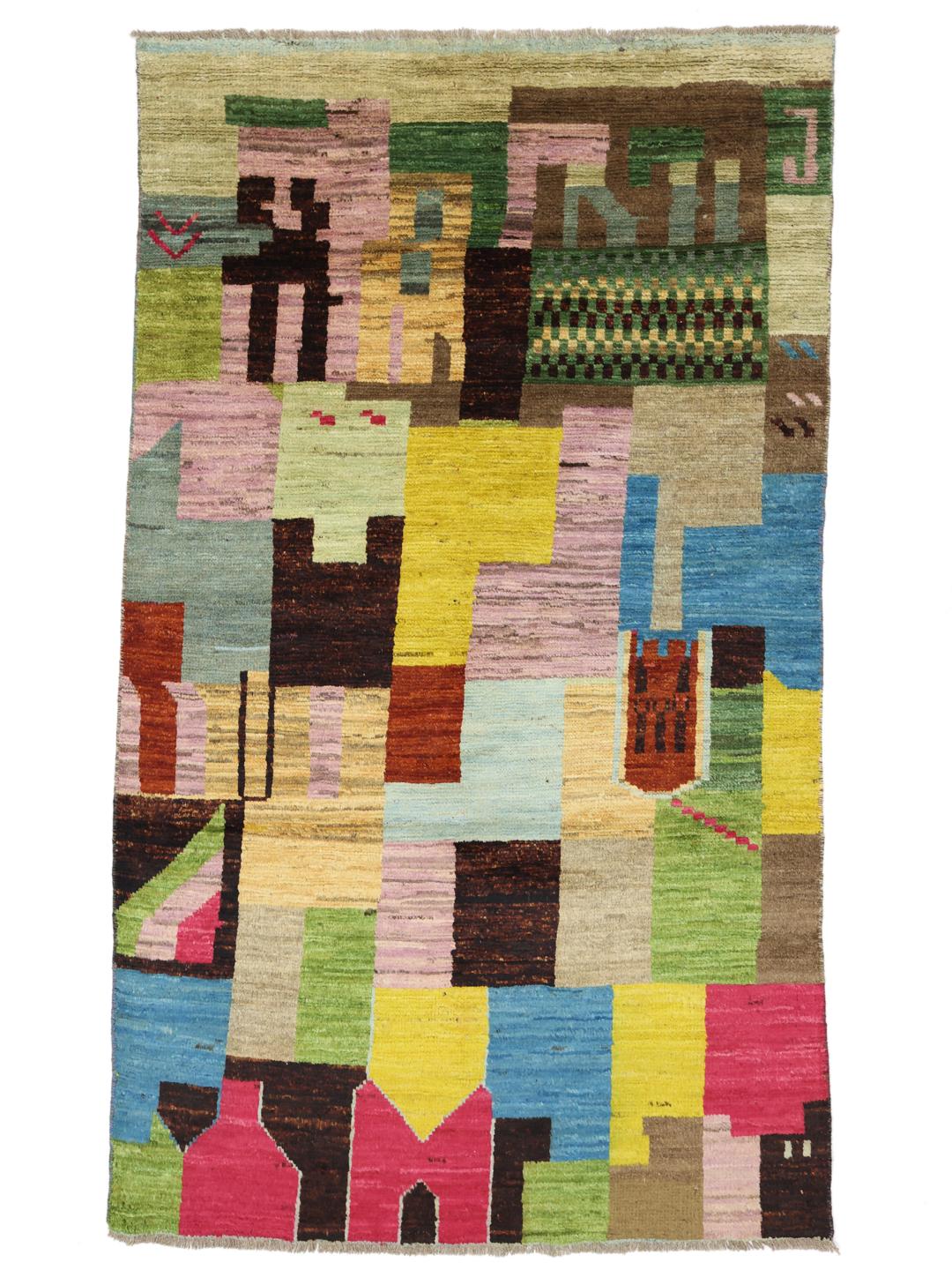
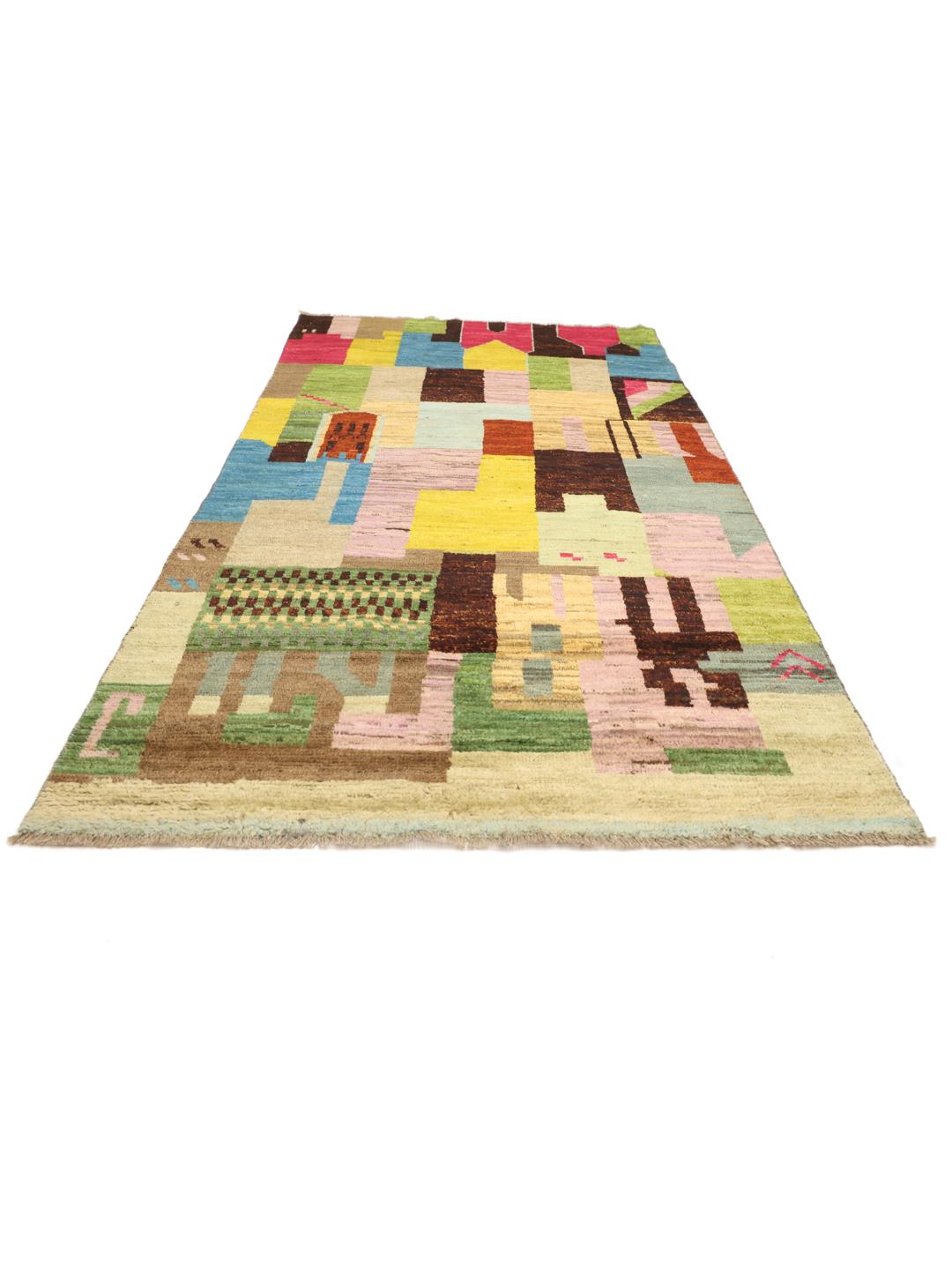
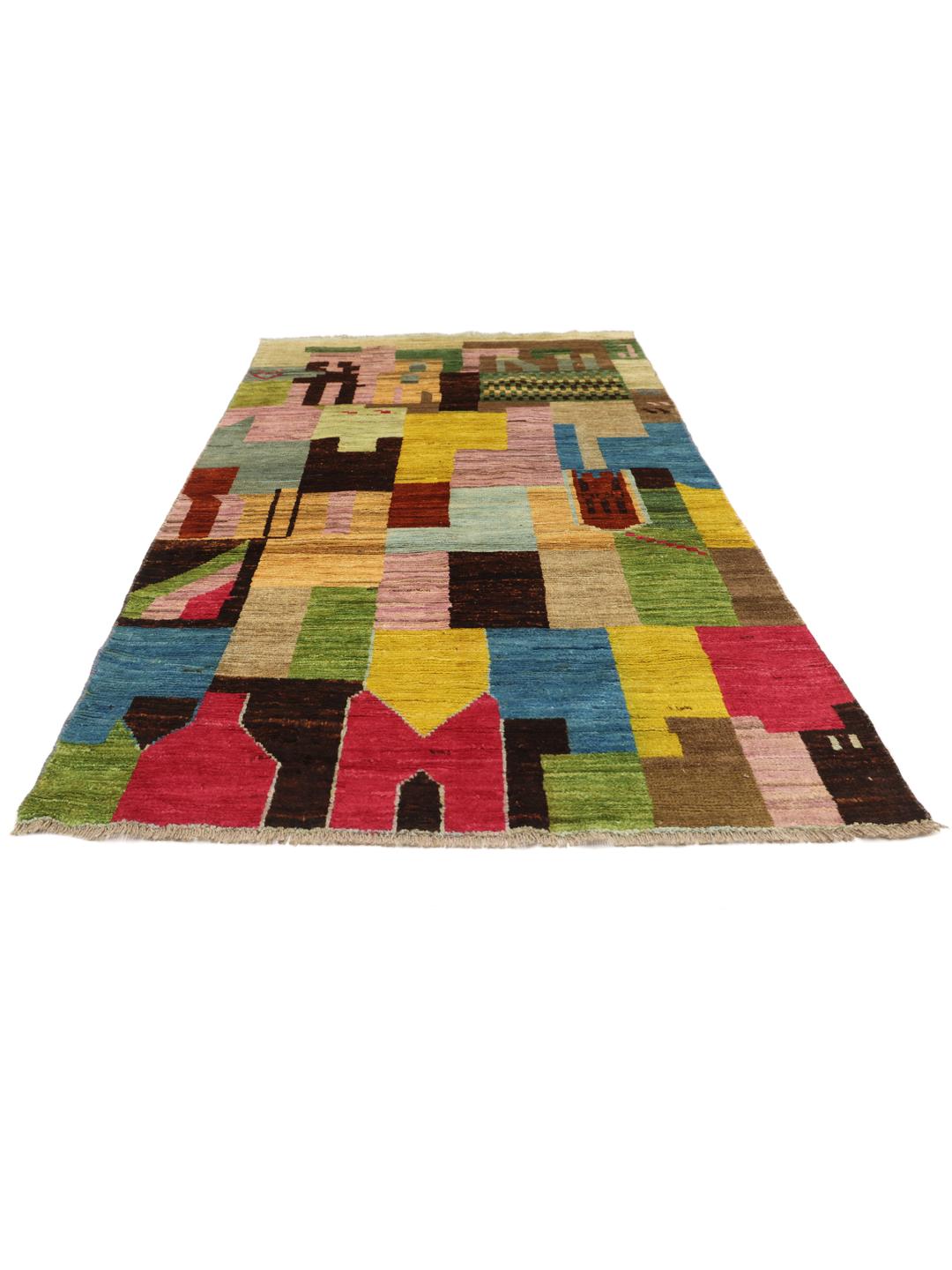
The Berber tradition is deeply rooted in the cultural history of North African and Middle Eastern nomadic peoples. While the term Berber originally refers to the indigenous groups of North Africa, the style has evolved significantly, with Afghan weavers adopting these techniques to create modern, artistic interpretations. These rugs are born from a history of storytelling, where weavers use wool to record their surroundings and traditions through symbolic motifs and bold colour palettes.
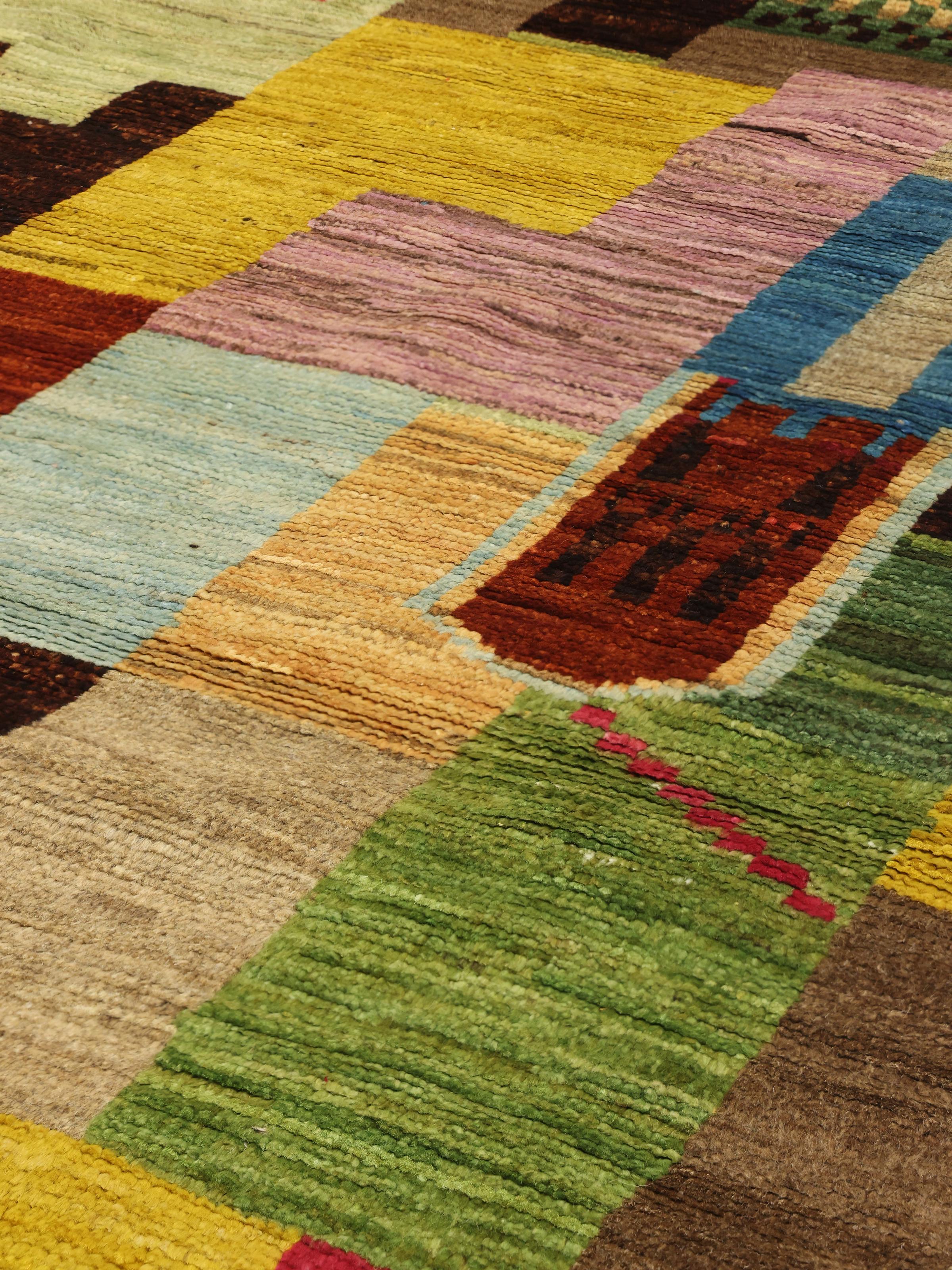
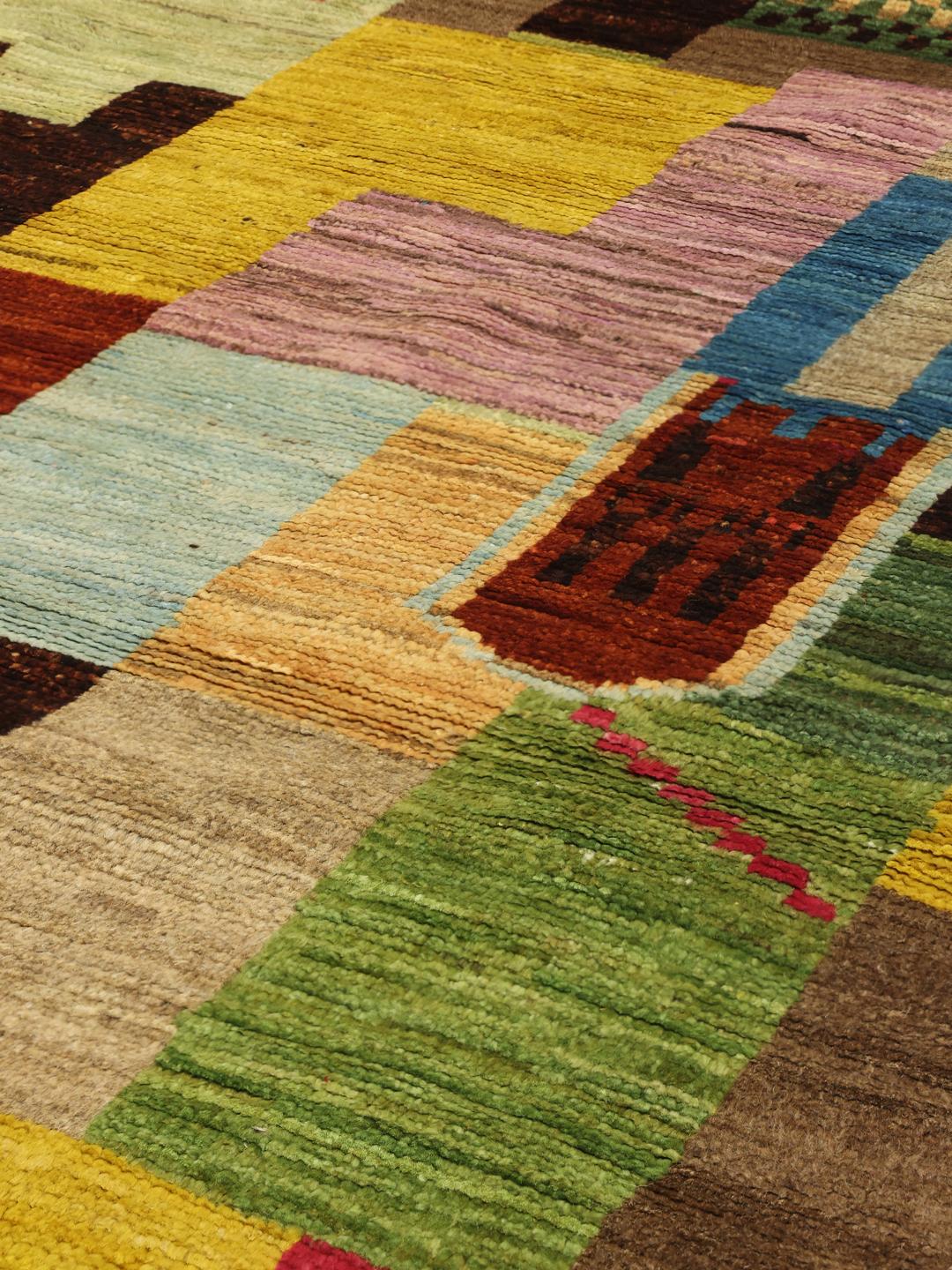
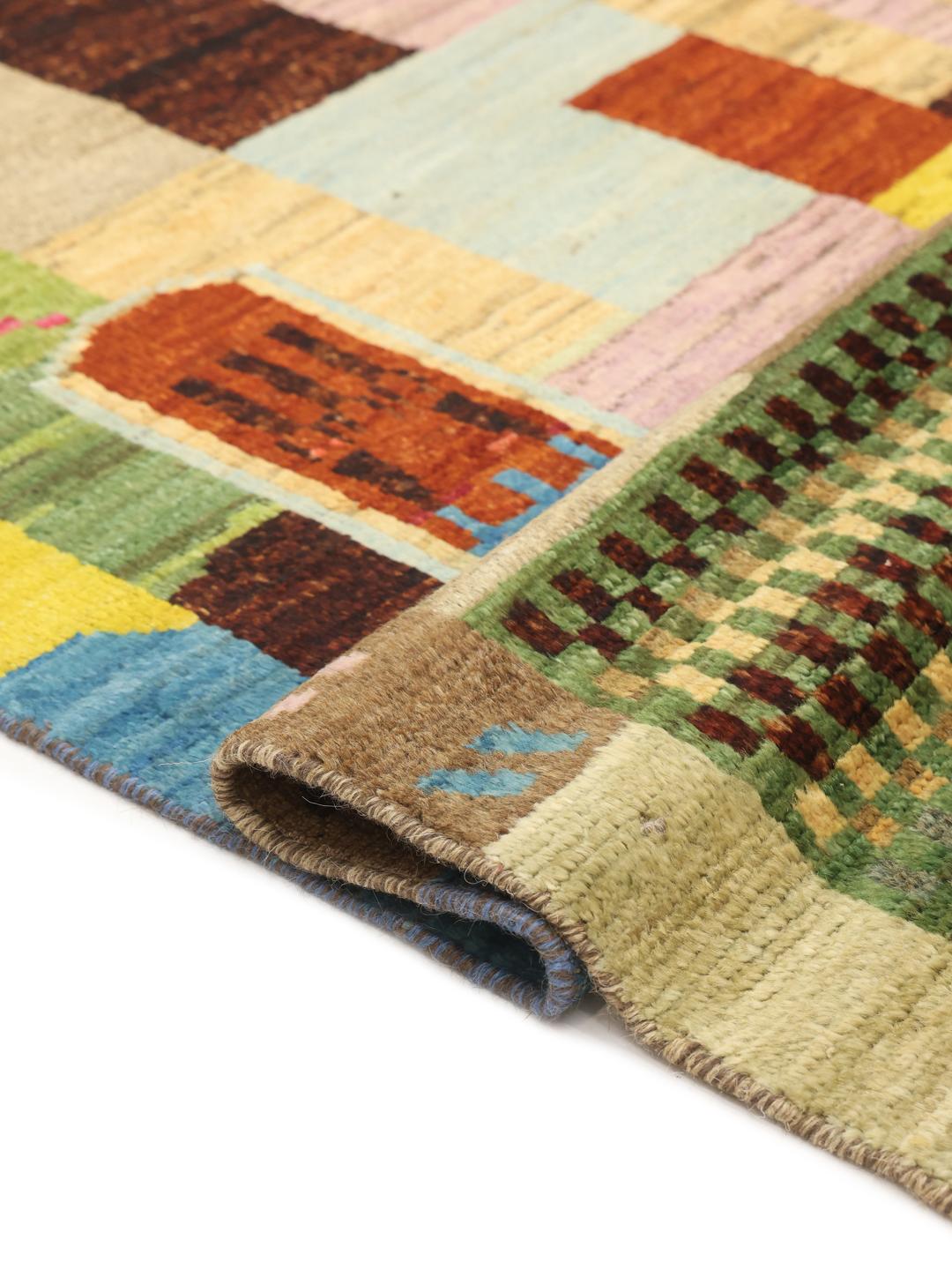
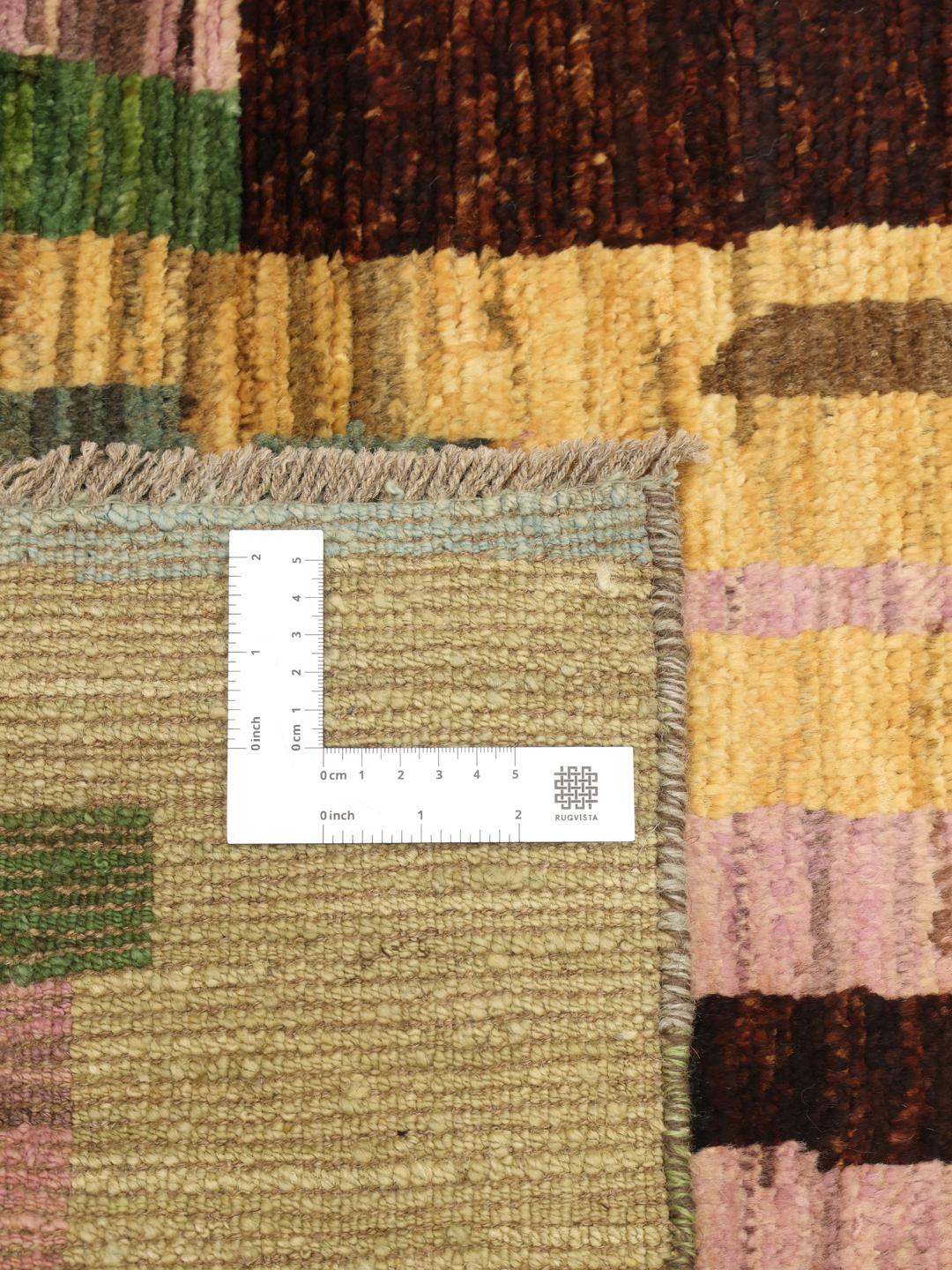
Technical quality in these rugs is defined by their construction and the quality of the wool used. The hand-knotted process involves tying individual strands of wool onto a foundation, a method that requires immense patience and expertise. This technique is what gives the rug its durability and allows for the intricate, spontaneous patterns often found in these colourful, contemporary versions.
Visually, these rugs are celebrated for their expressive, often geometric or abstract designs. Unlike traditional formal carpets, these pieces embrace a more free-form, creative spirit. The use of vibrant, contrasting colours is a hallmark of this style, often drawing from natural dyes or modern palettes to create a piece that serves as the focal point of a room. Every rug tells a different story, with no two designs being identical.
Owning a piece from this tradition is an investment in human skill and cultural heritage. These rugs are highly valued by collectors and enthusiasts who appreciate the authenticity of handmade goods. By choosing this rug, you are supporting a lineage of craft that values individual expression over industrial uniformity, ensuring you have a piece that will remain a cherished part of your home for generations.