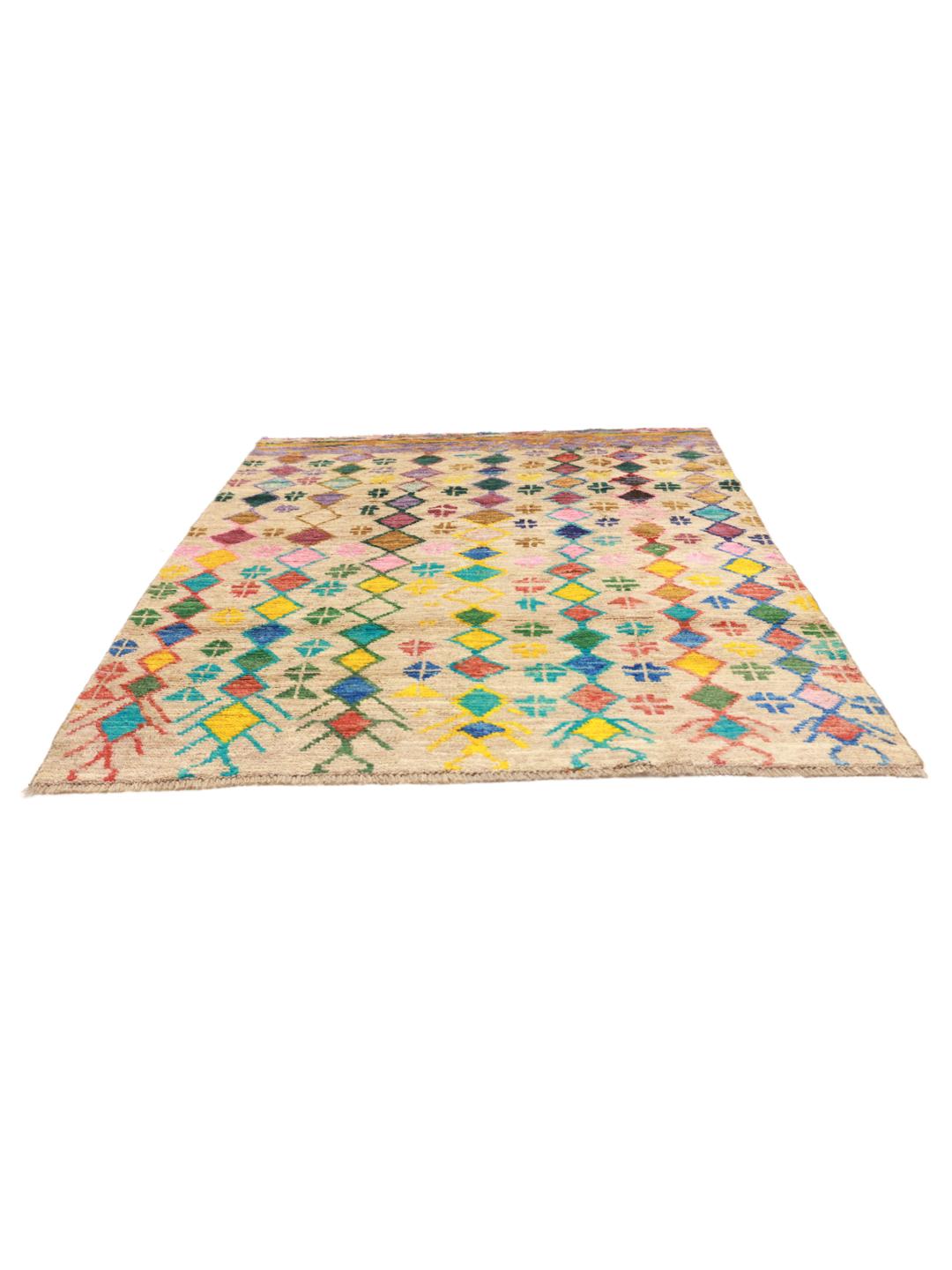
The Berber tradition is deeply rooted in the nomadic history of North Africa, where hand-woven textiles served both functional and artistic purposes. While the style originated with the indigenous peoples of the Atlas Mountains, the techniques and aesthetic sensibilities have travelled and evolved across borders. Today, these traditions are celebrated worldwide for their bold simplicity and deeply human character.
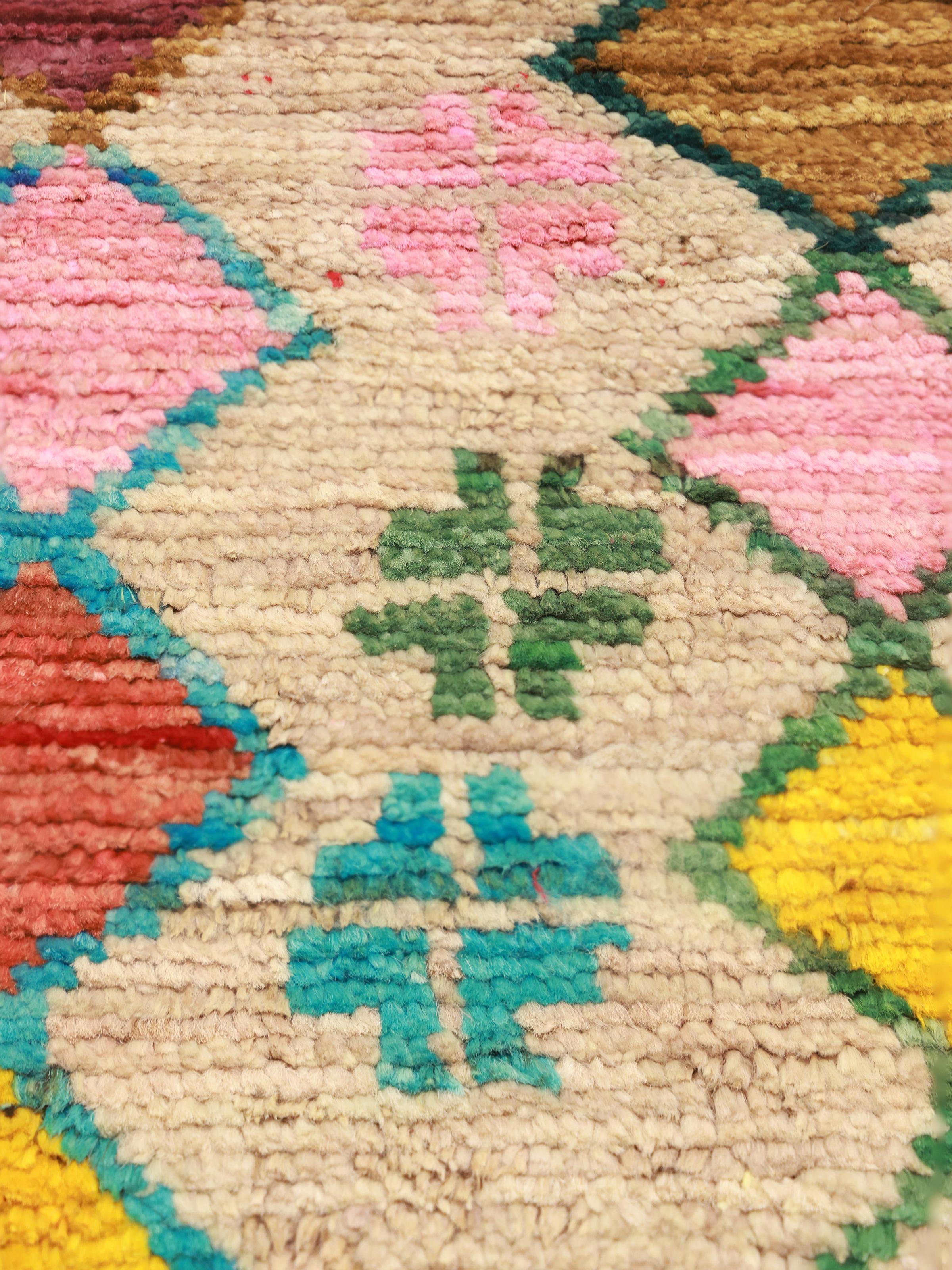
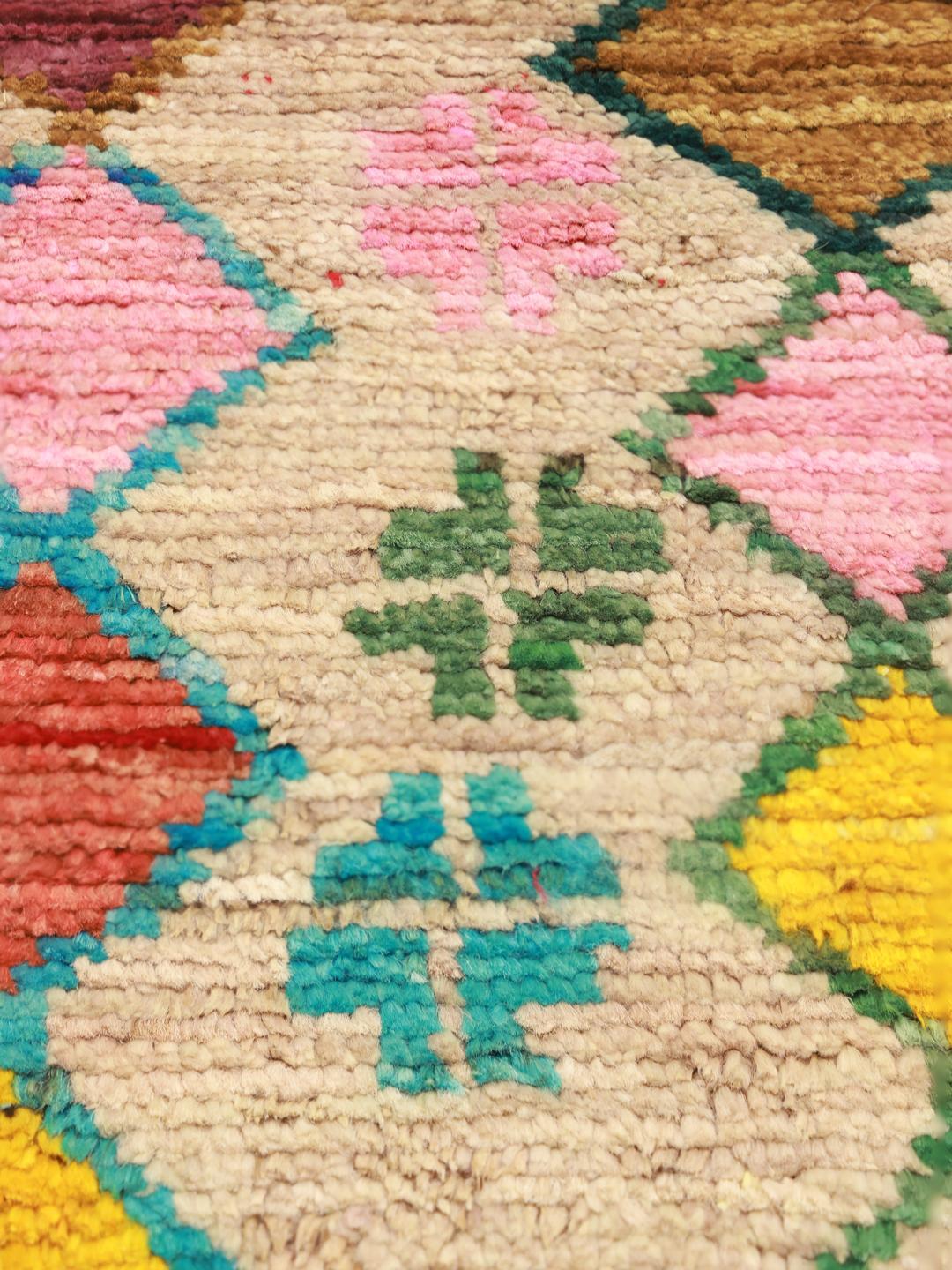
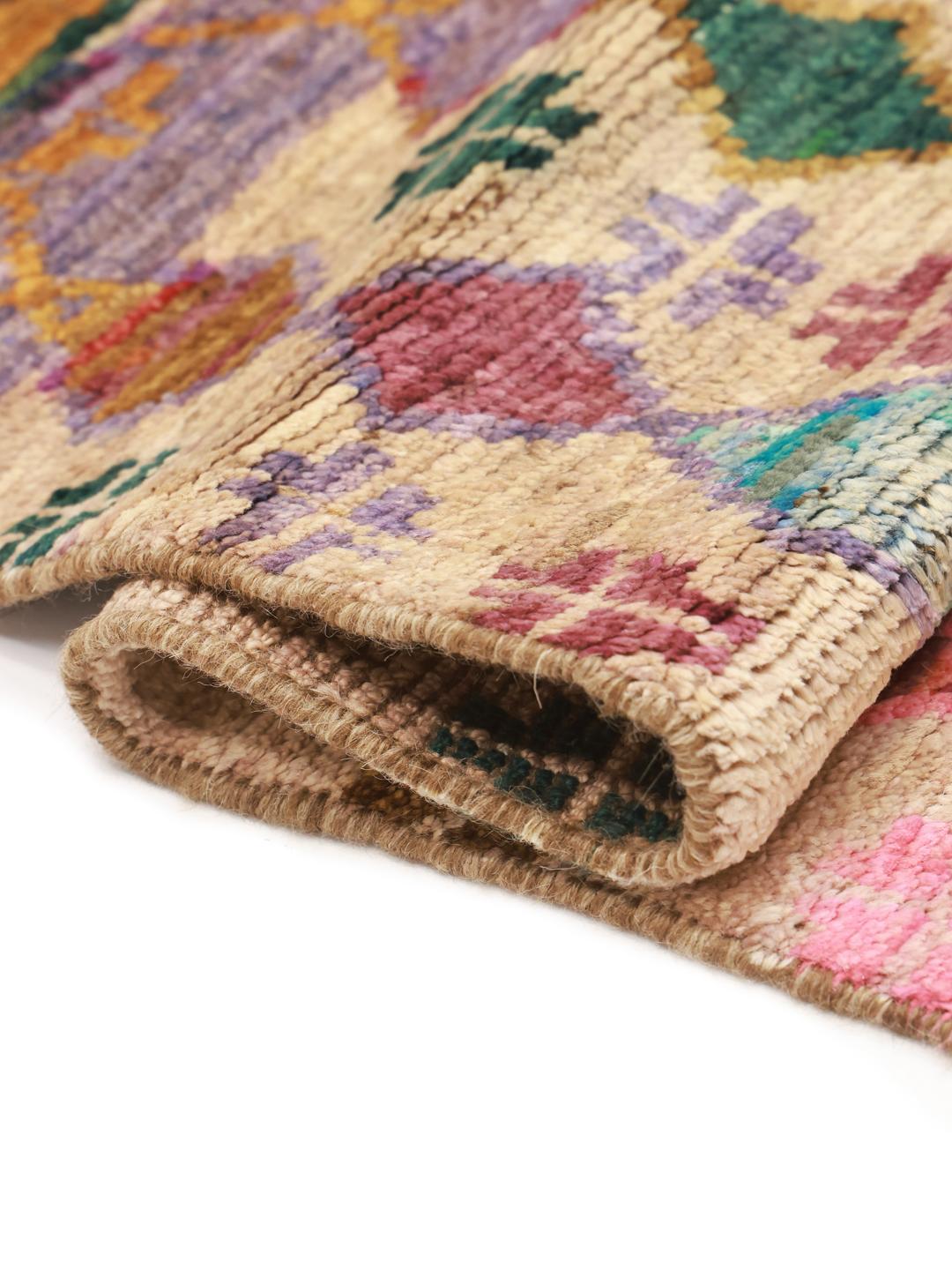
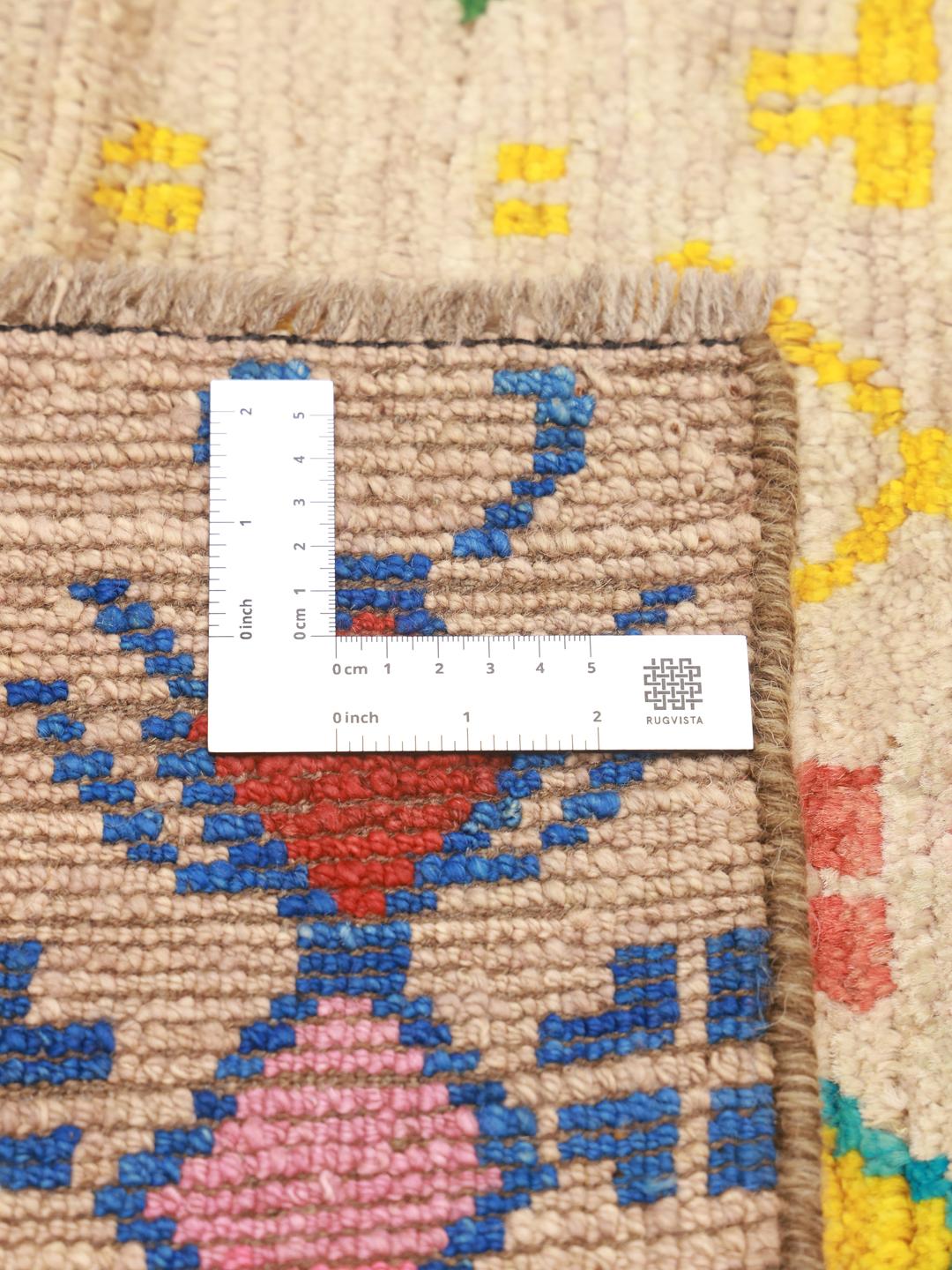
The term hand-knotted refers to the technique of securing individual strands of wool to the foundation using complex knots. This labour-intensive method is essential for creating the dense, long-lasting pile that characterises high-quality rugs. By tying each knot by hand, the weaver ensures a level of control and durability that cannot be replicated by machines, resulting in a product that grows more beautiful with age.
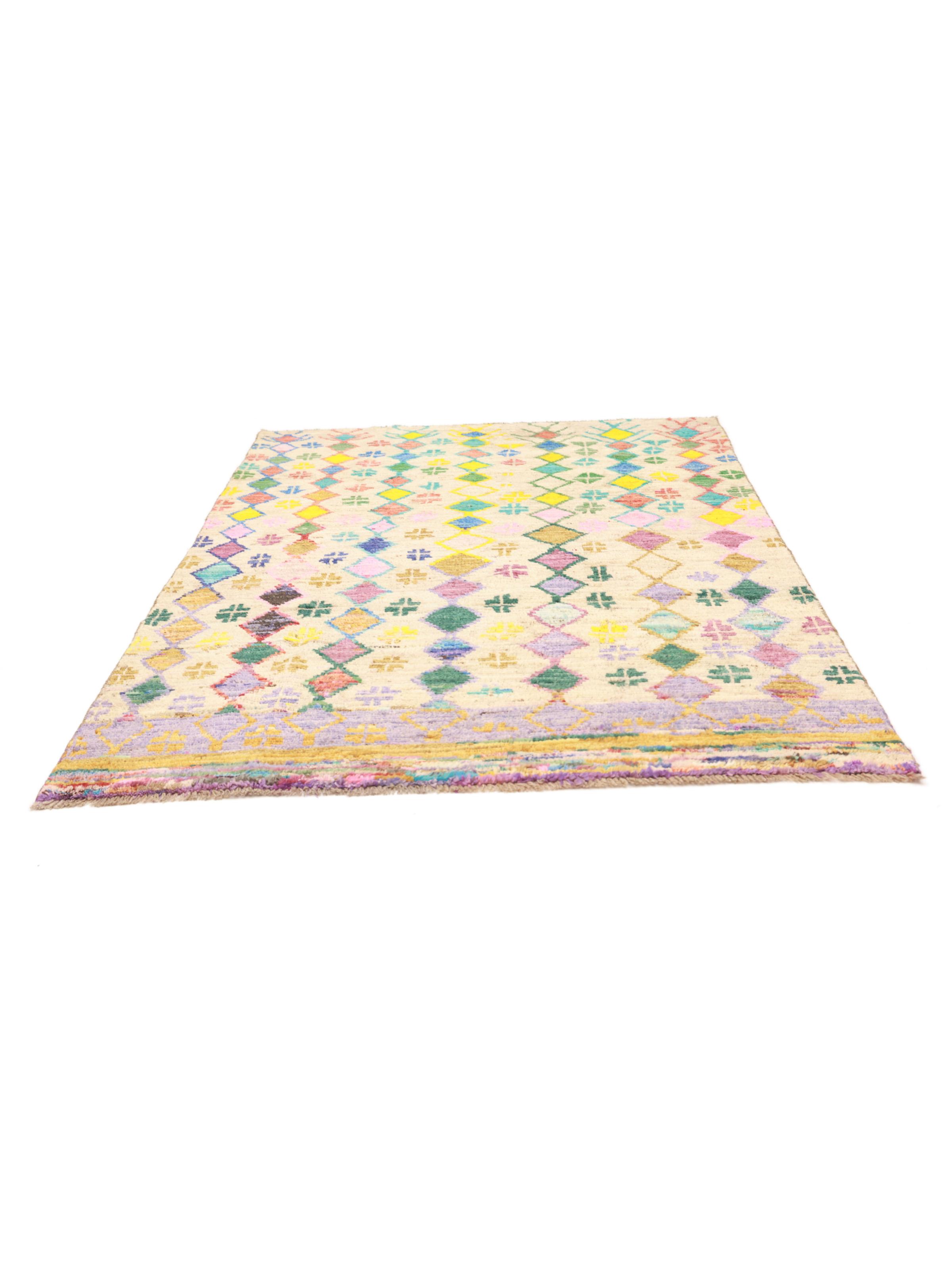
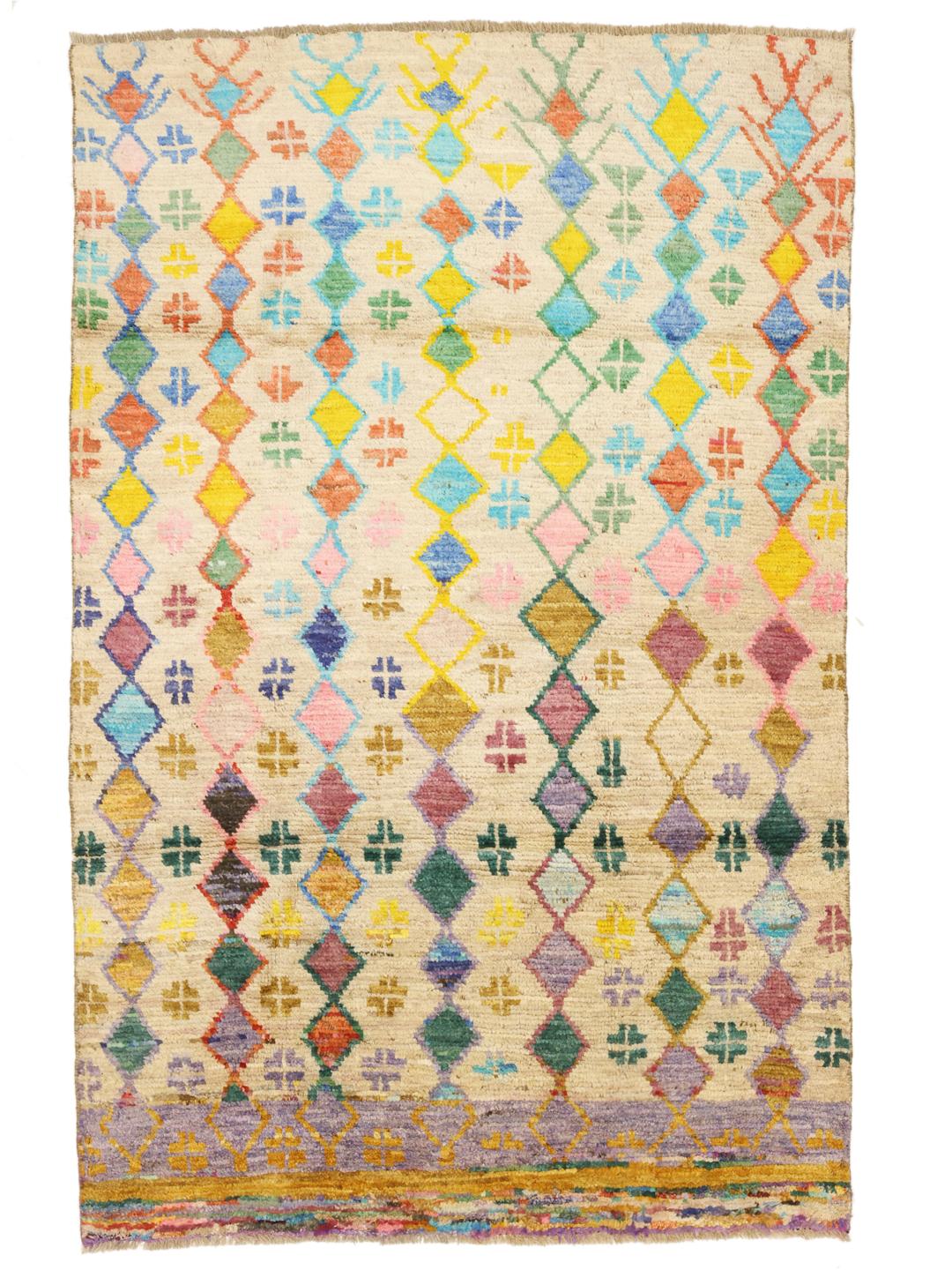
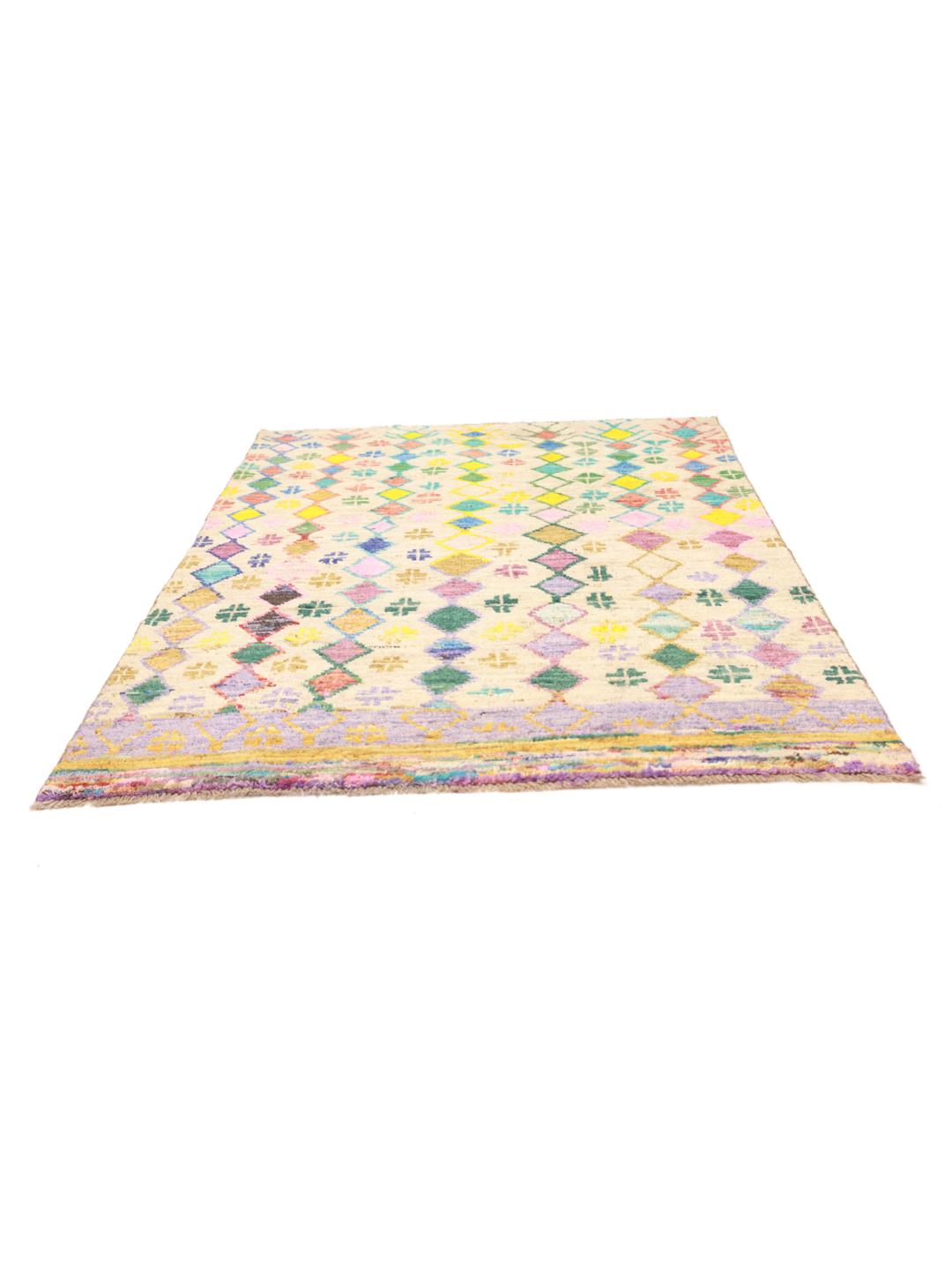
Visual language in these rugs often leans towards geometric abstraction, featuring repeating motifs that tell stories of the weaver's environment and culture. Diamonds, triangles, and stylised symbols are common, often arranged in rhythmic patterns that create a sense of movement across the field. The use of vibrant, contrasting colours is a signature element that transforms these patterns into dynamic works of art.
Owning a hand-knotted rug from this tradition is an act of supporting a living craft. These pieces are highly valued by collectors not only for their visual impact but for the history and skill they represent. When you bring such a rug into your home, you are connecting to a lineage of artisans who have passed down their knowledge through generations, ensuring that these unique, culturally significant textiles continue to thrive.