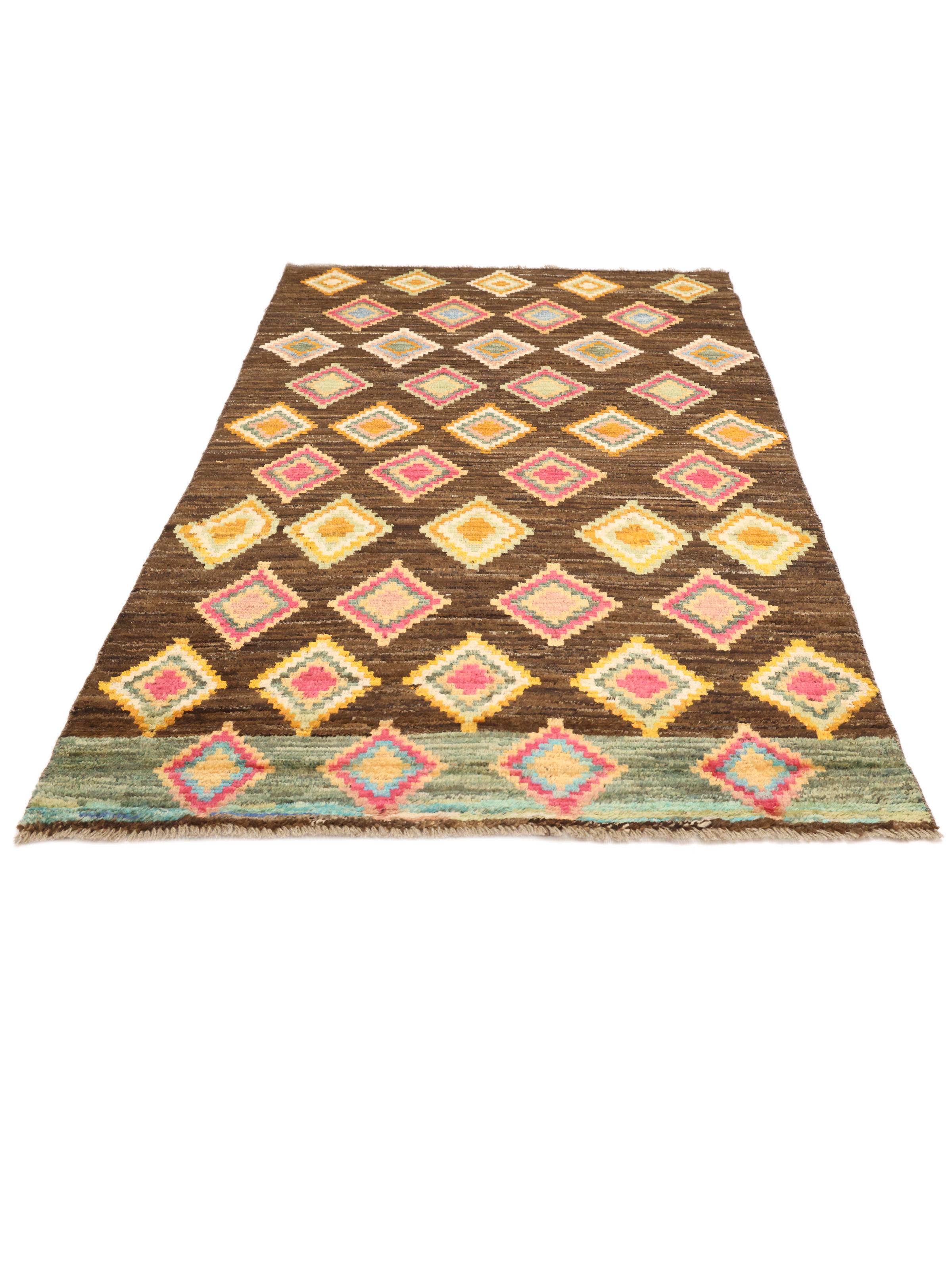
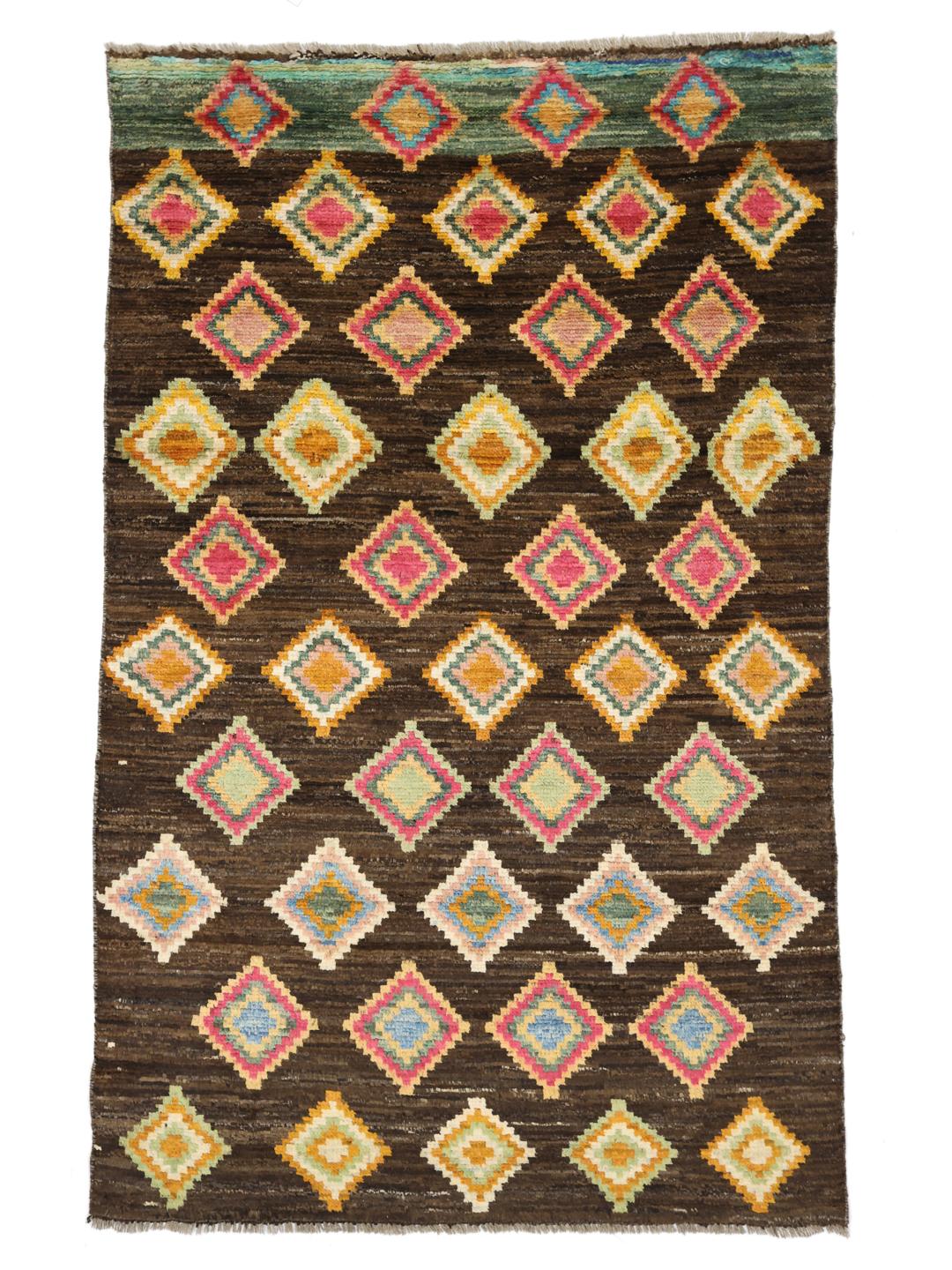
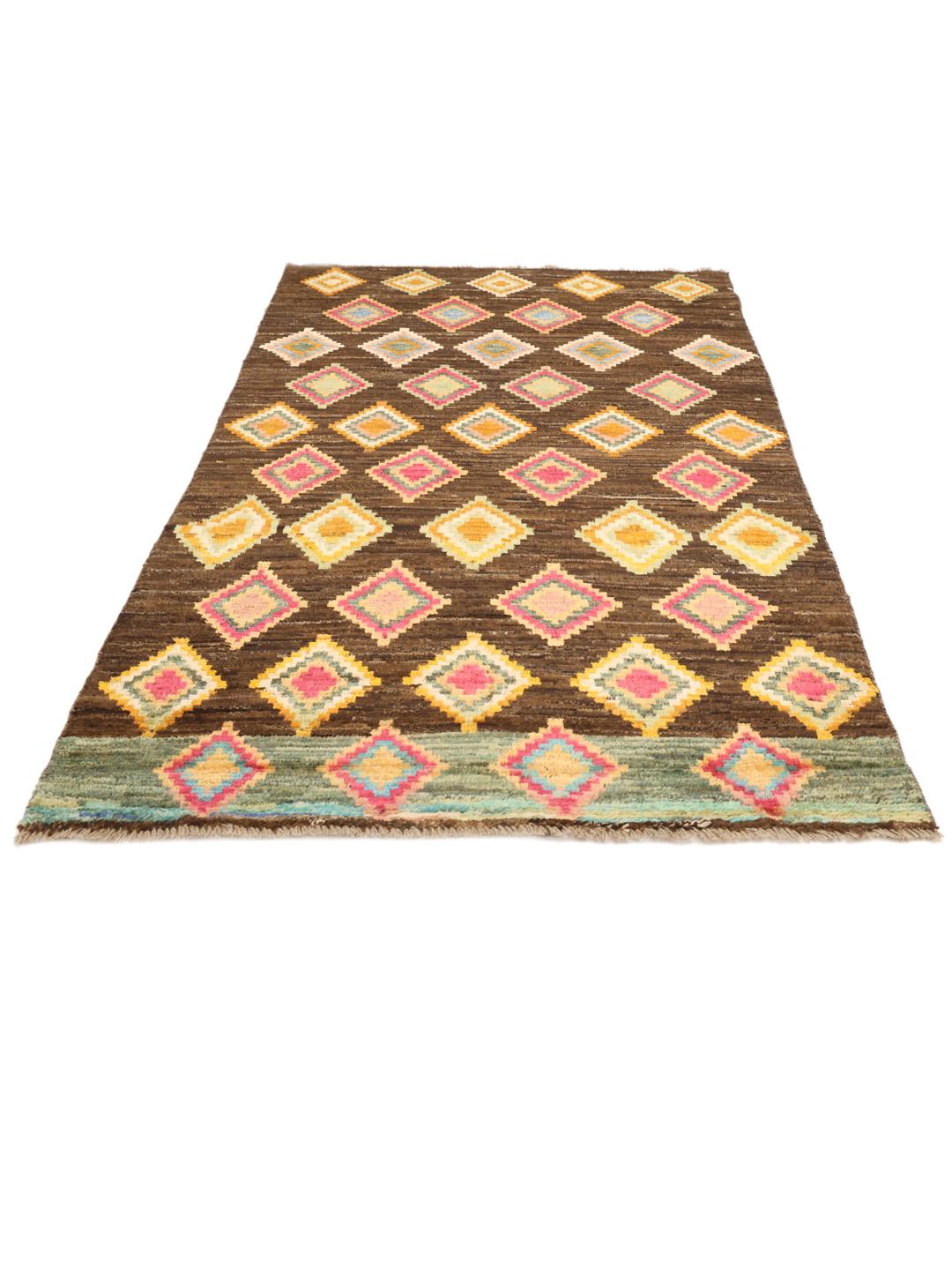
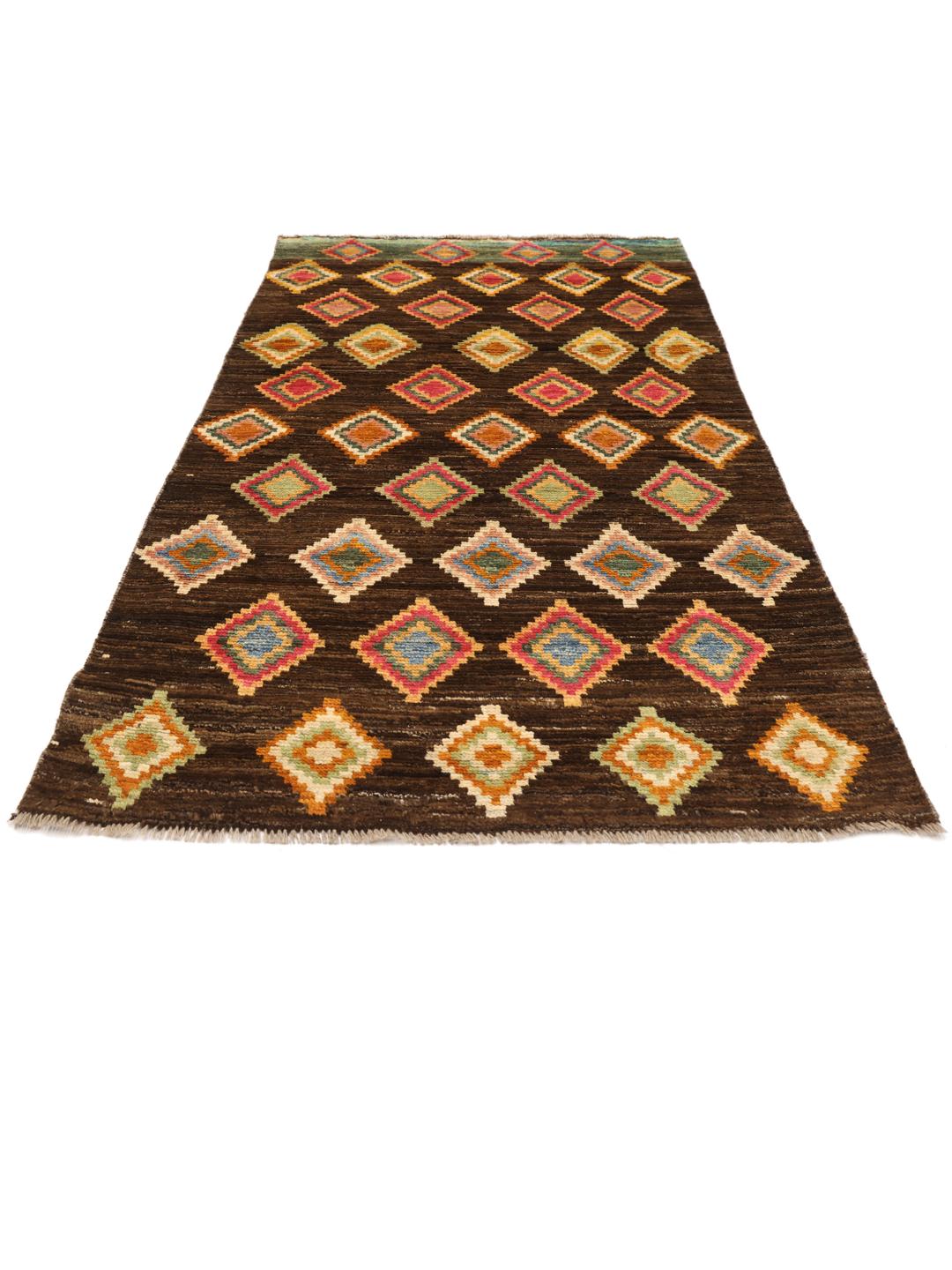
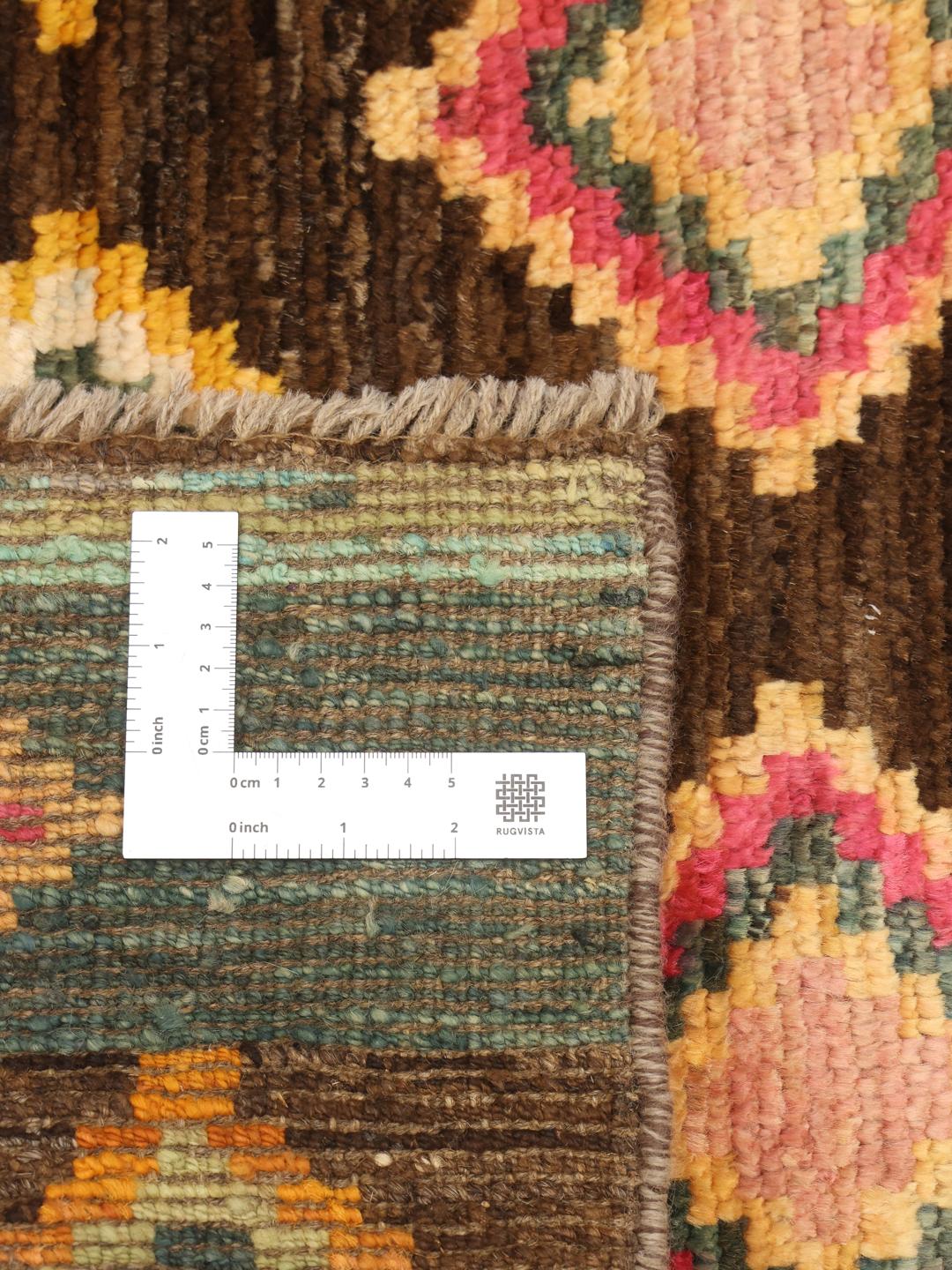
The Berber tradition is deeply rooted in the cultural heritage of indigenous groups across North Africa, known for their distinct, geometric designs and high-quality wool construction. While the style originated in the Atlas Mountains, its influence has spread far beyond its historical borders, inspiring weavers in regions like Afghanistan to adopt and reinterpret these bold, tribal aesthetics.
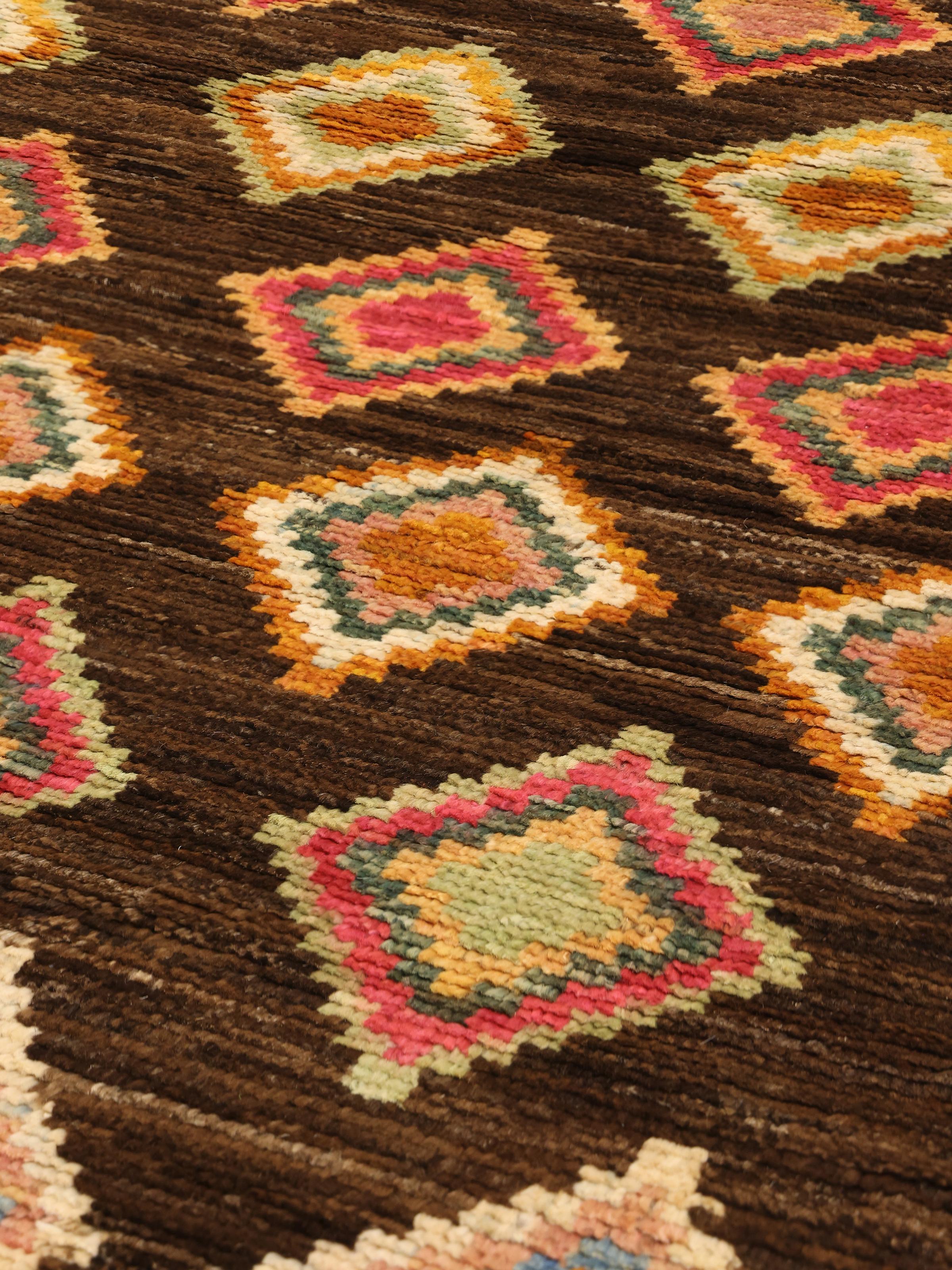
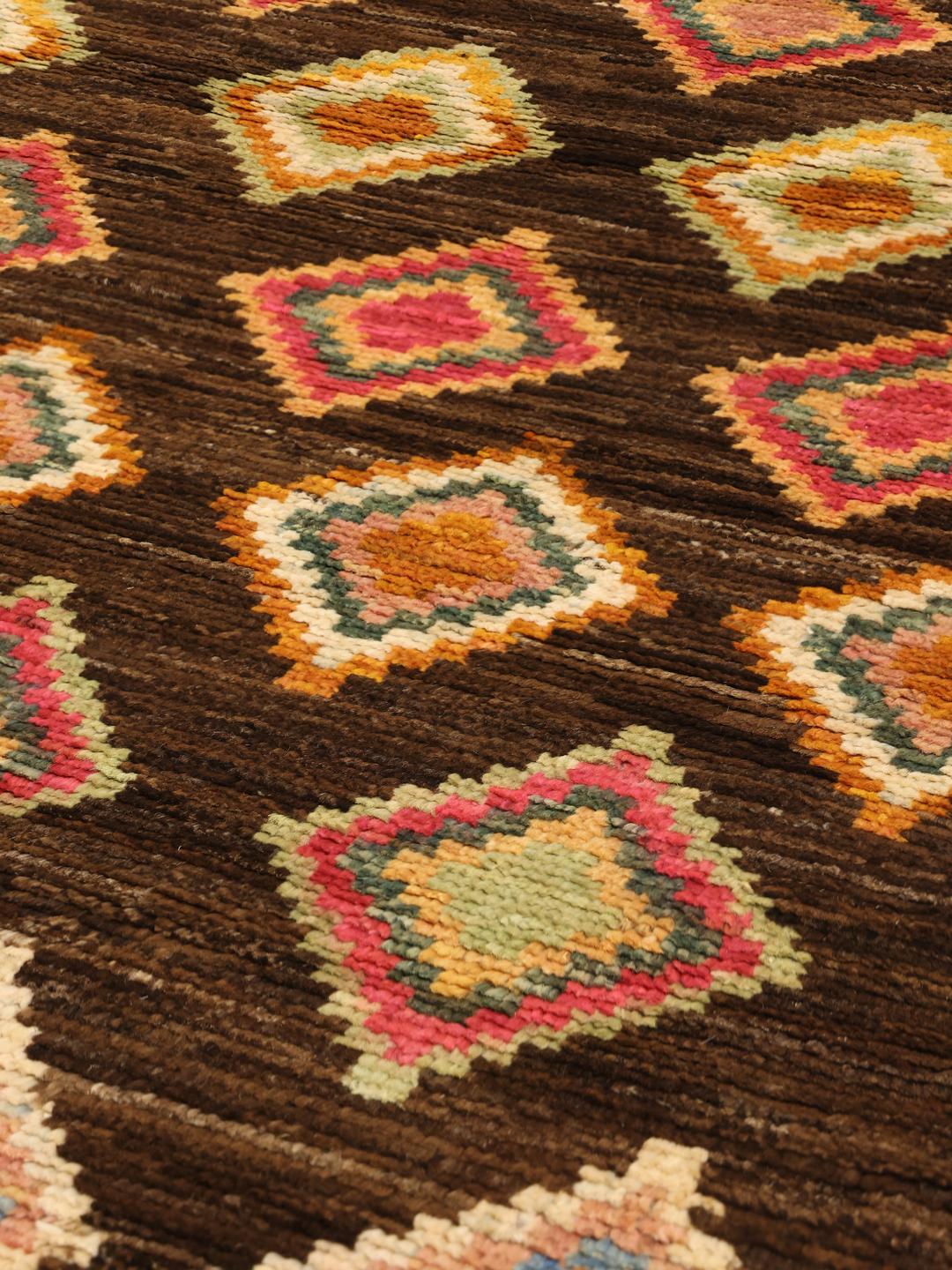
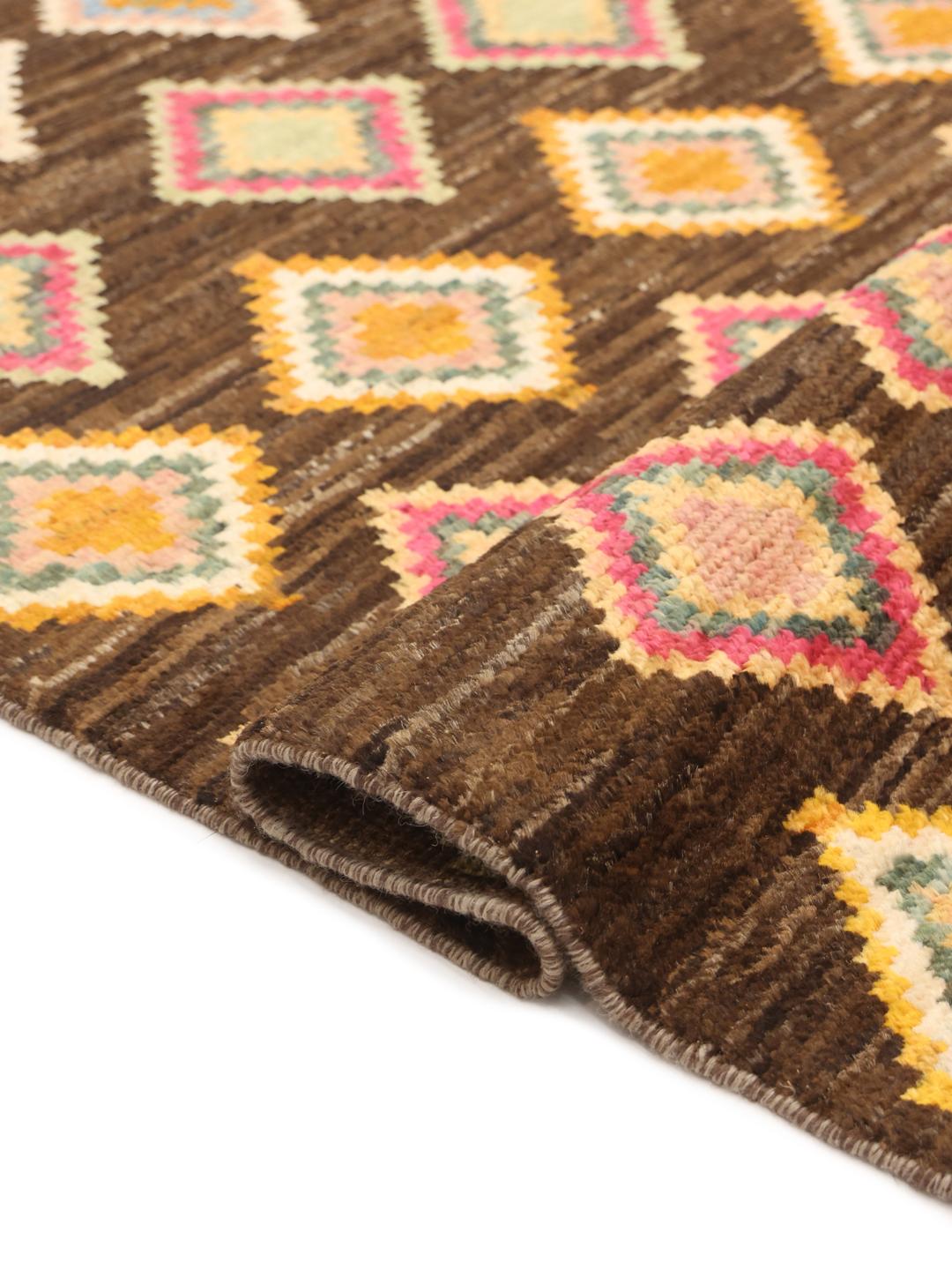
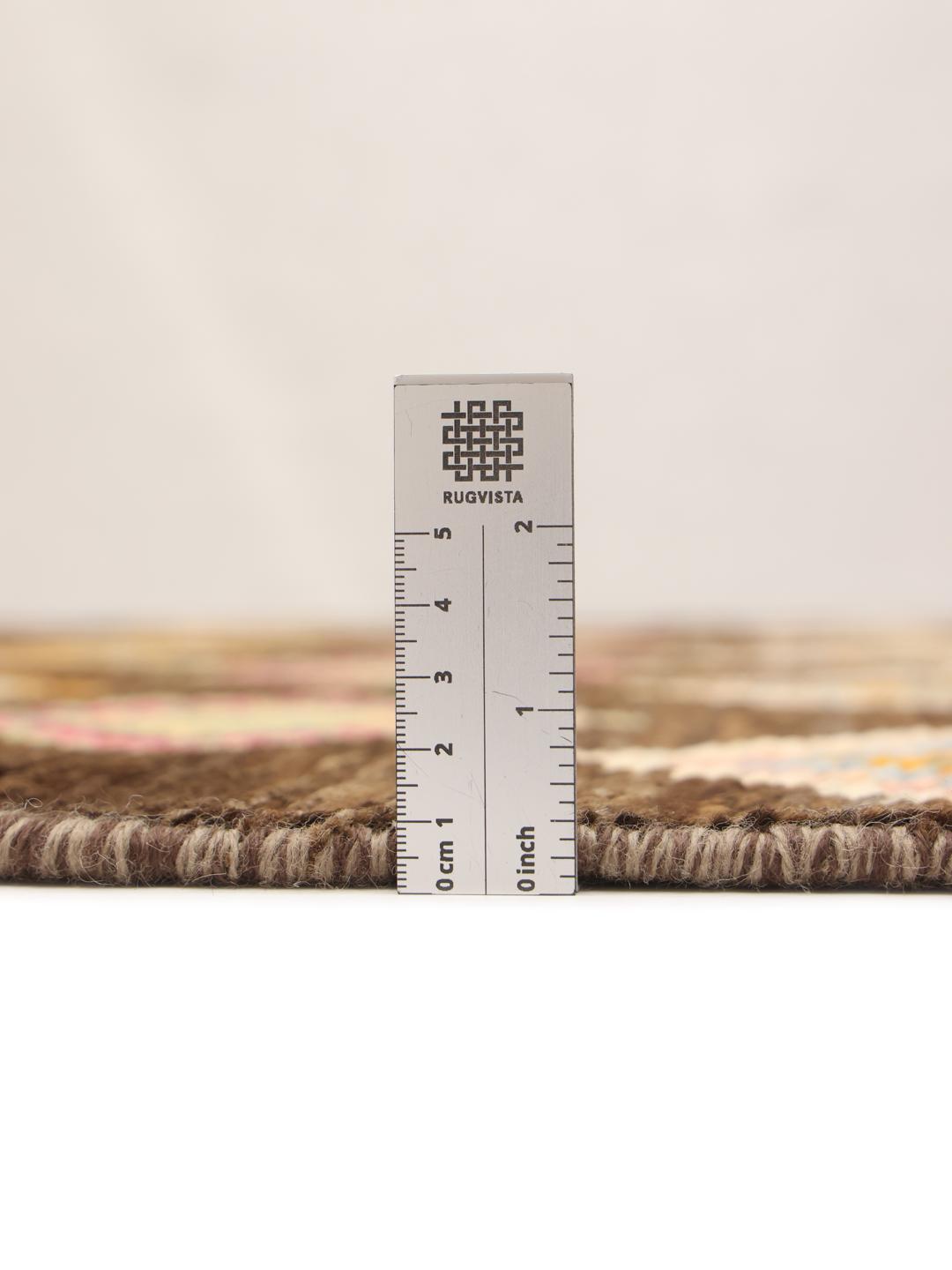
The terminology surrounding these rugs often highlights the material and the construction method, both of which are central to their reputation. In this context, the use of quality wool is essential, as it provides the natural lanolin that gives the pile its characteristic softness and resistance to wear. The hand-knotted technique ensures that the rug is not just a decorative item, but a long-lasting piece of functional art.
Signature design elements of the Berber style typically include repetitive geometric shapes such as diamonds, triangles, and zig-zags. These motifs often carry symbolic meanings, representing protection, fertility, or the natural landscape of the weaver's home. The contrast between a dark, earthy field and vibrant, multi-coloured patterns is a hallmark of this tradition, allowing for a striking visual balance that fits well in various home styles.
Collecting these rugs is an appreciation of the human story behind the craft. Each piece serves as a bridge between ancient techniques and modern living, preserving a legacy of skill that has been passed down through generations. Owning such a rug is a statement of value for traditional handmade work, ensuring that these rich cultural narratives continue to be celebrated and enjoyed in homes around the world.