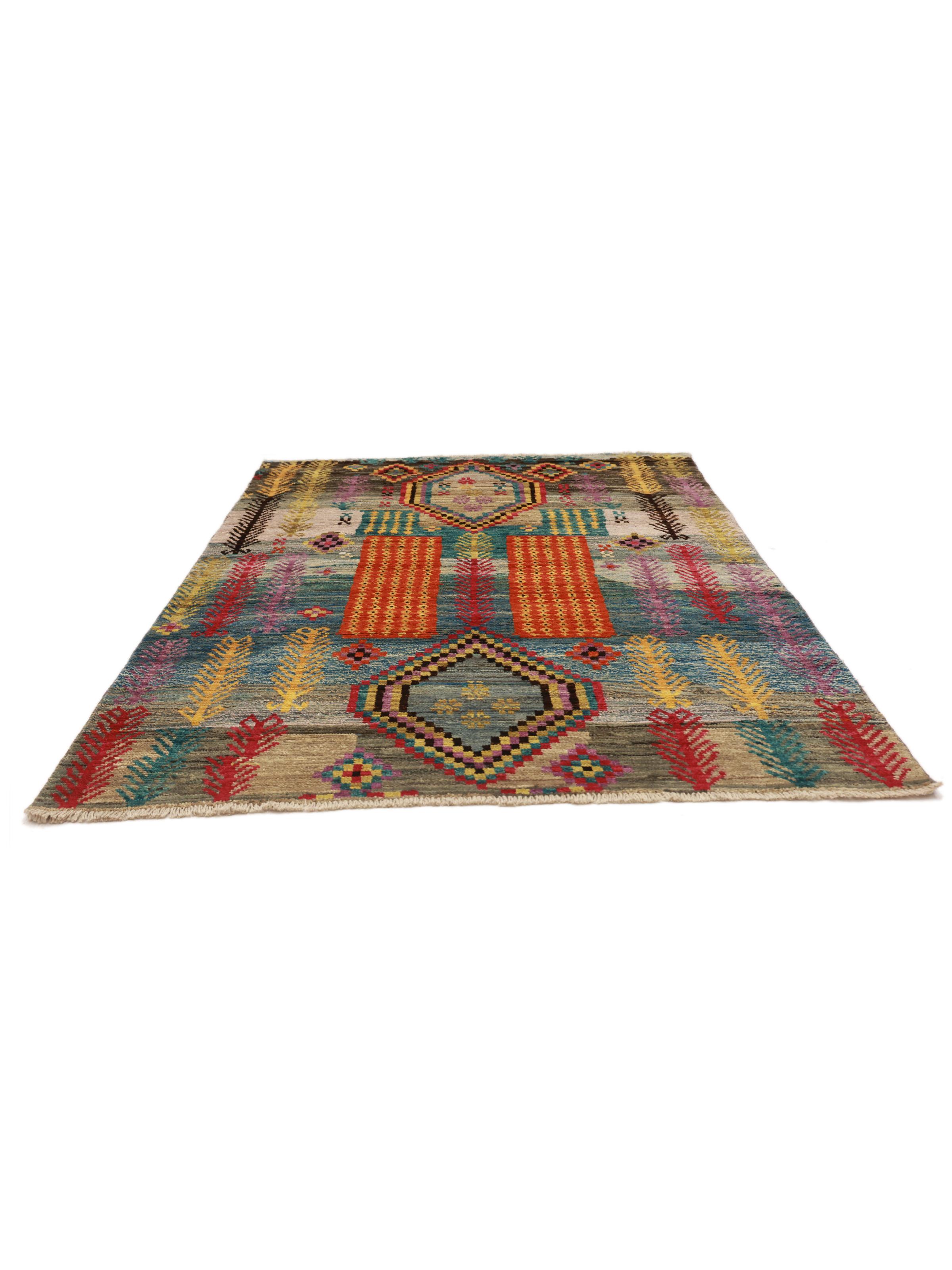
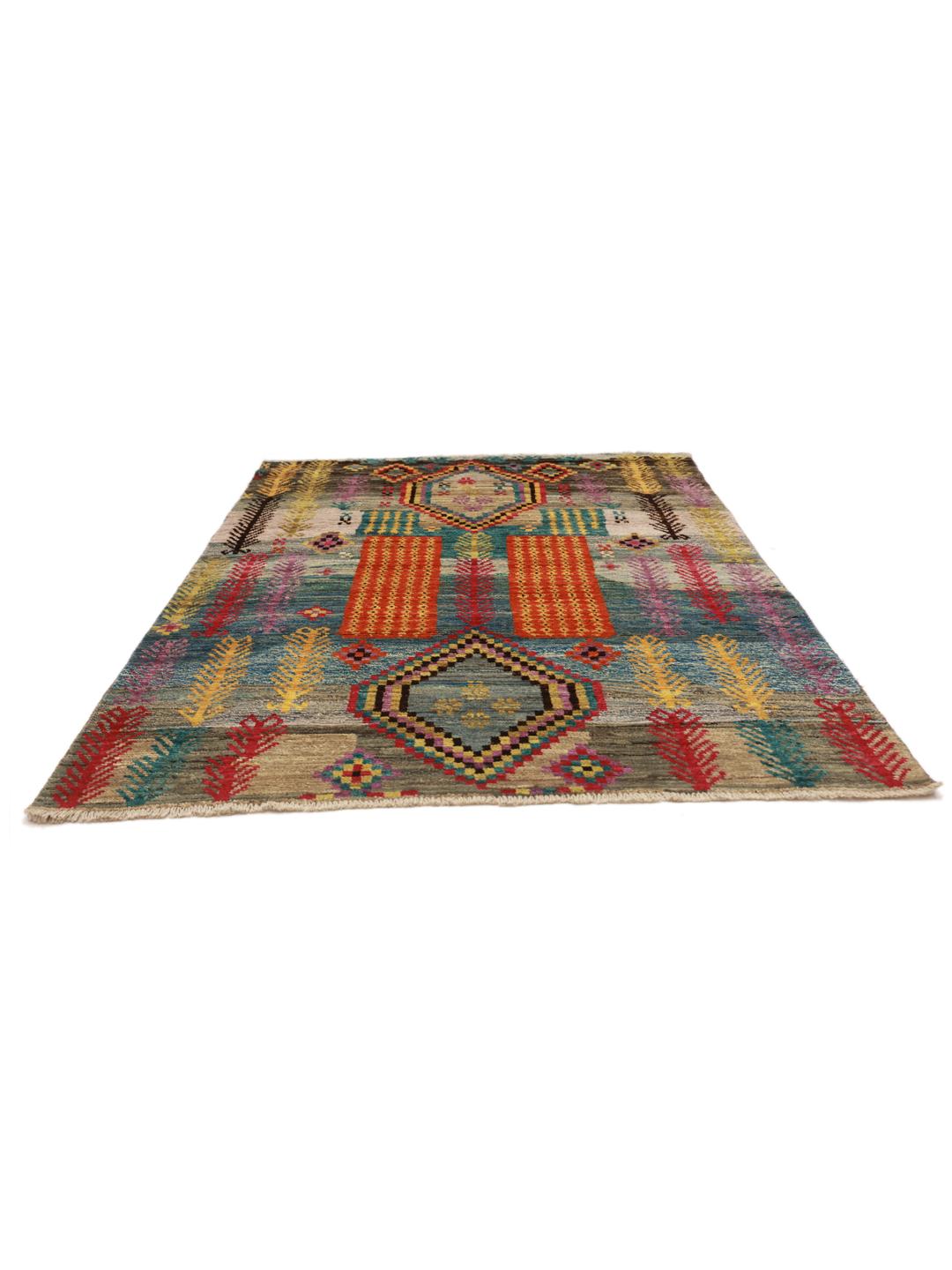
Berber-style rugs are deeply rooted in the traditions of nomadic and village weavers, known for their expressive, often geometric, and highly symbolic designs. While the term Berber historically refers to the indigenous peoples of North Africa, the tradition has evolved and travelled, finding a vibrant new home among the skilled weavers of Afghanistan. This migration of craft has blended ancient techniques with the distinctive aesthetic sensibilities of Central Asian artistry.
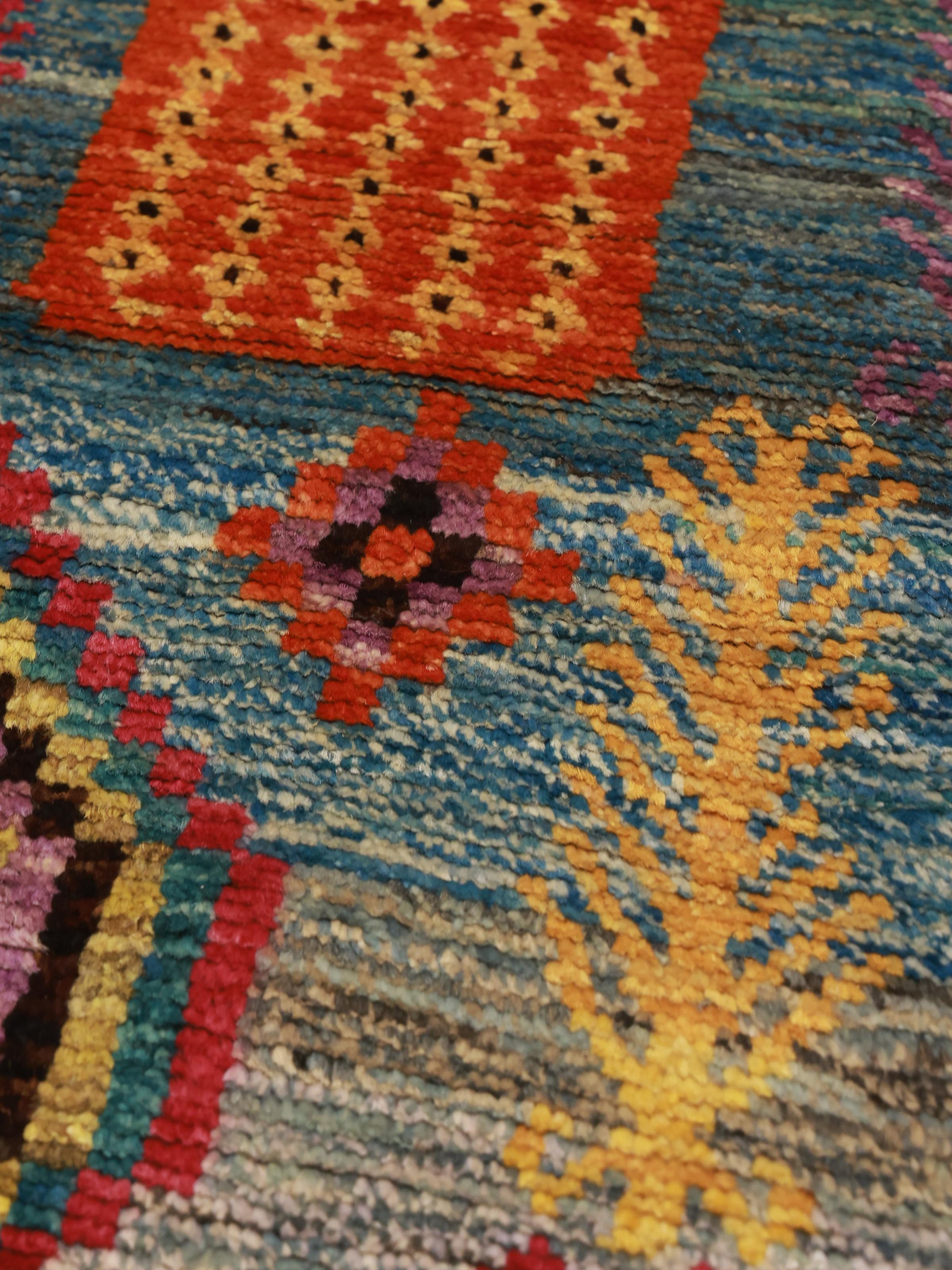
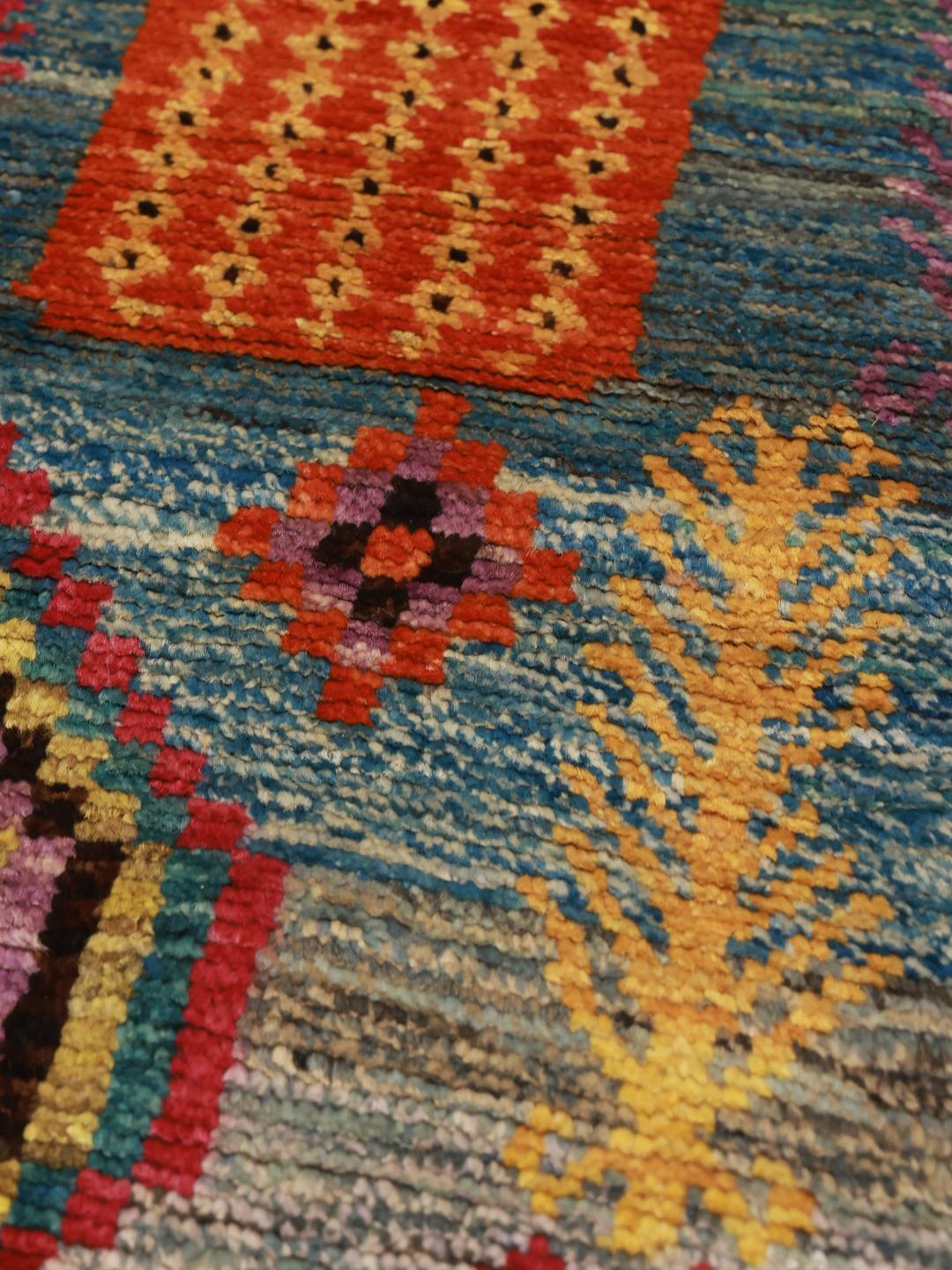
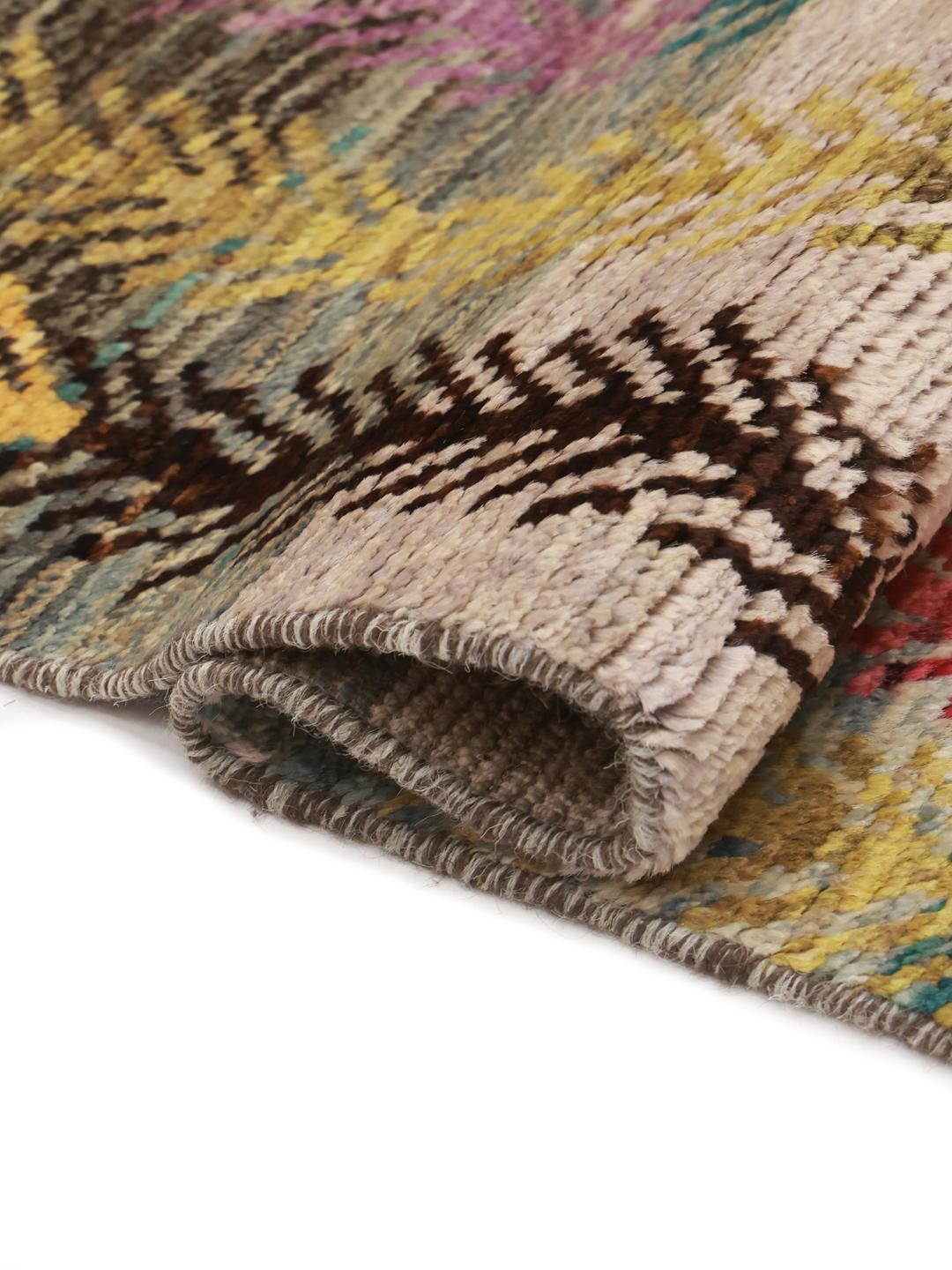
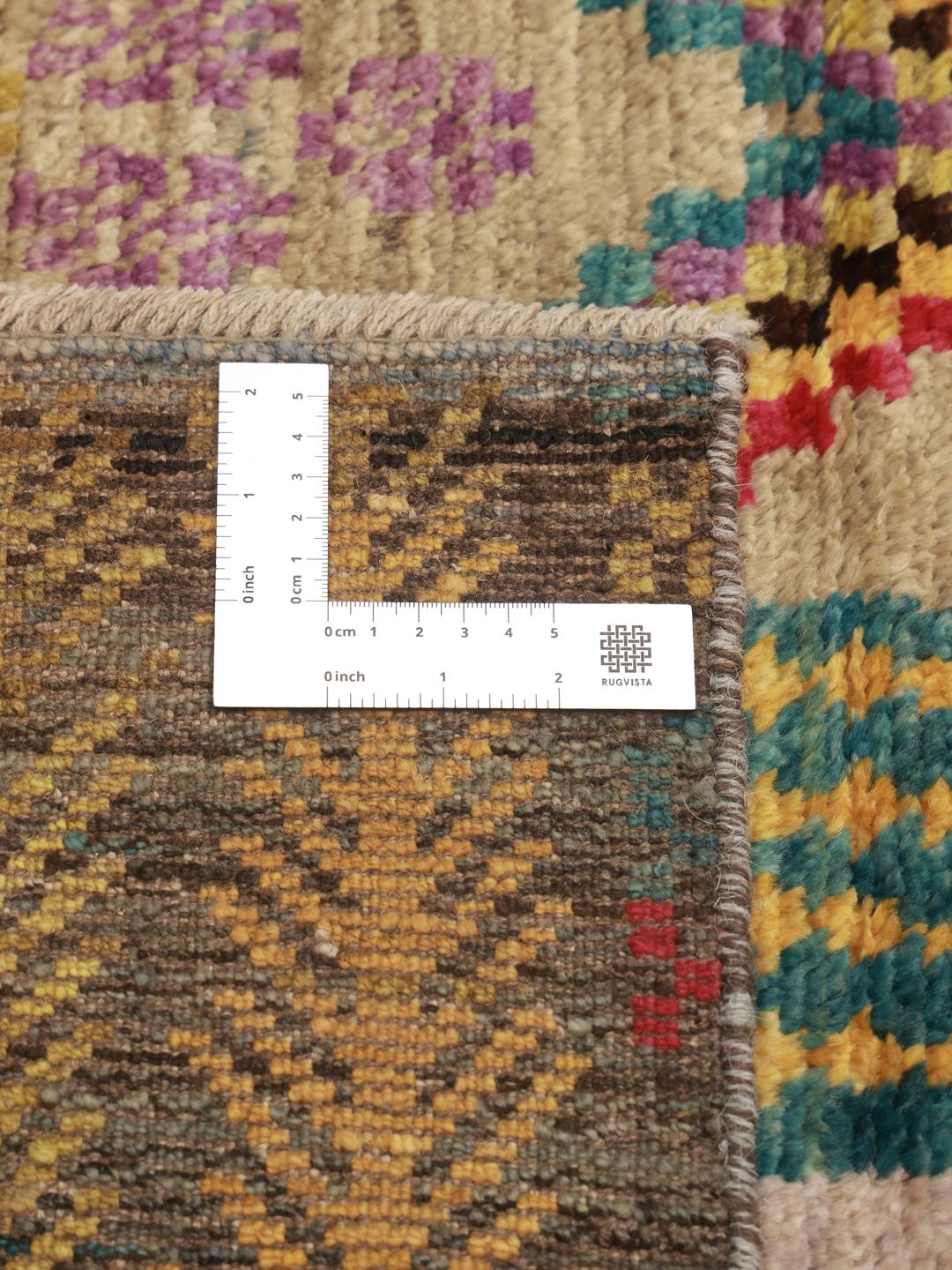
The quality of these rugs is defined by their hand-knotted construction, a technique that has been passed down through generations. Using Wool, artisans create a pile that is known for its resilience and natural lustre. This method of construction is essential to the longevity of the rug, as the density of the knots ensures that the design remains sharp and the pile retains its soft, inviting texture over decades of use.
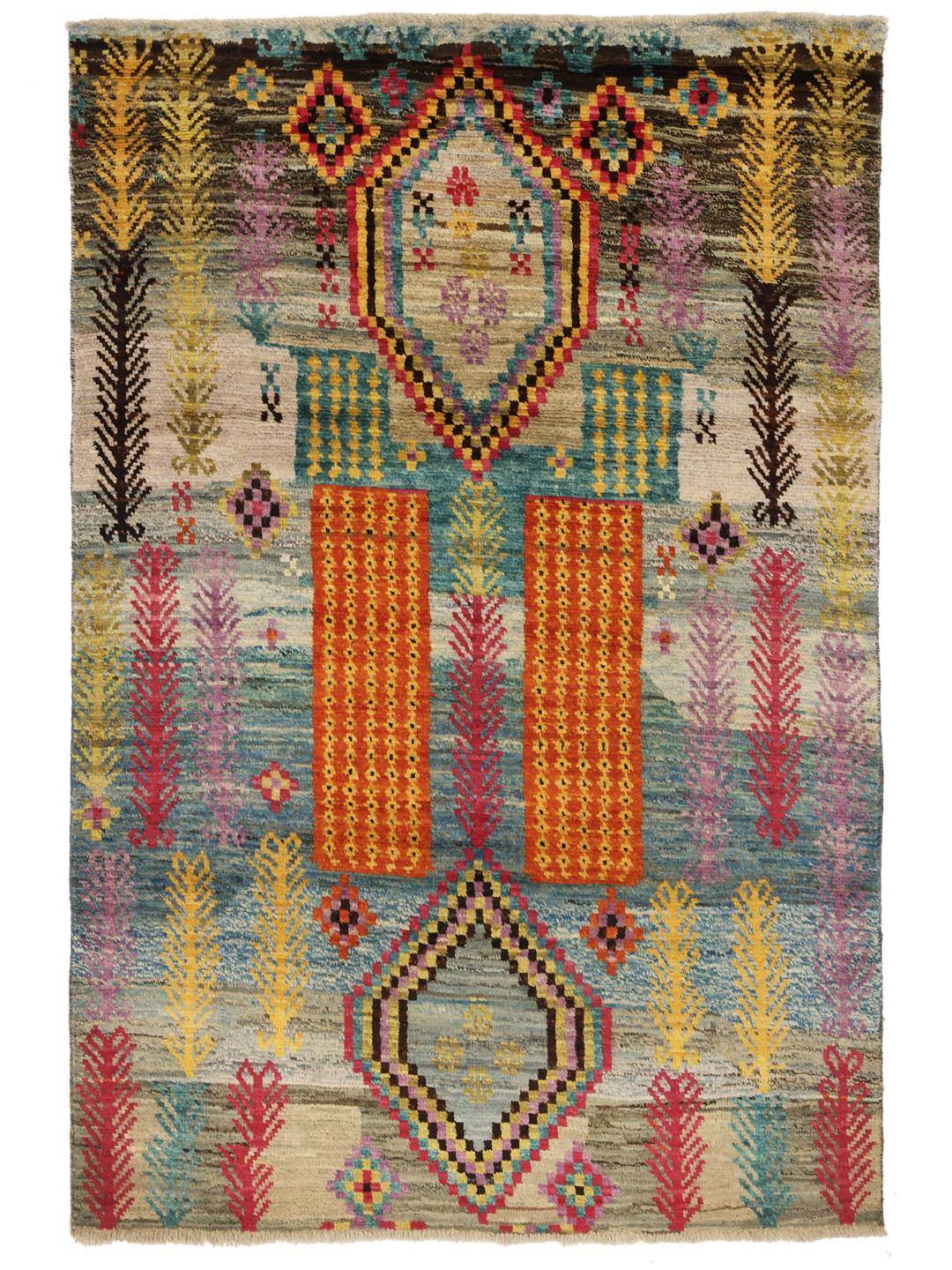
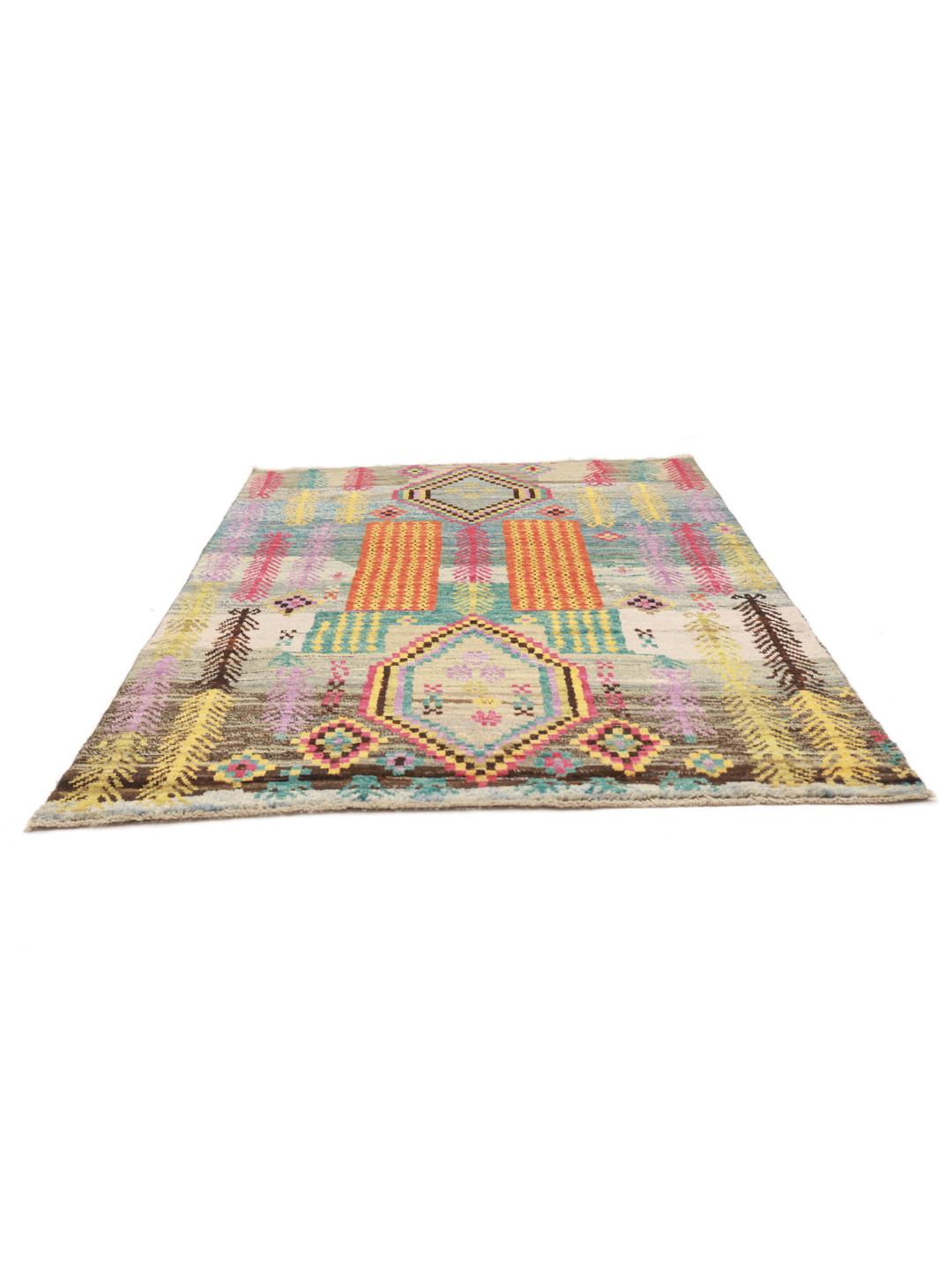
Visually, these rugs are celebrated for their bold use of colour and symbolic motifs. While traditional patterns often feature diamonds, tribal markers, or stylized organic forms, each rug is an individual interpretation of the weaver's heritage and environment. The use of vibrant, contrasting colours in this specific piece highlights a modern, artistic evolution within the tradition, moving beyond muted earth tones to embrace a more playful and striking visual language.
Collecting a rug from this tradition is an investment in cultural heritage and human skill. Because each piece is created by hand without the use of templates, every rug is a singular document of the weaver's vision. Owning one is a way to connect with a long-standing history of textile art, ensuring that these beautiful, time-honoured methods continue to be valued in contemporary homes.