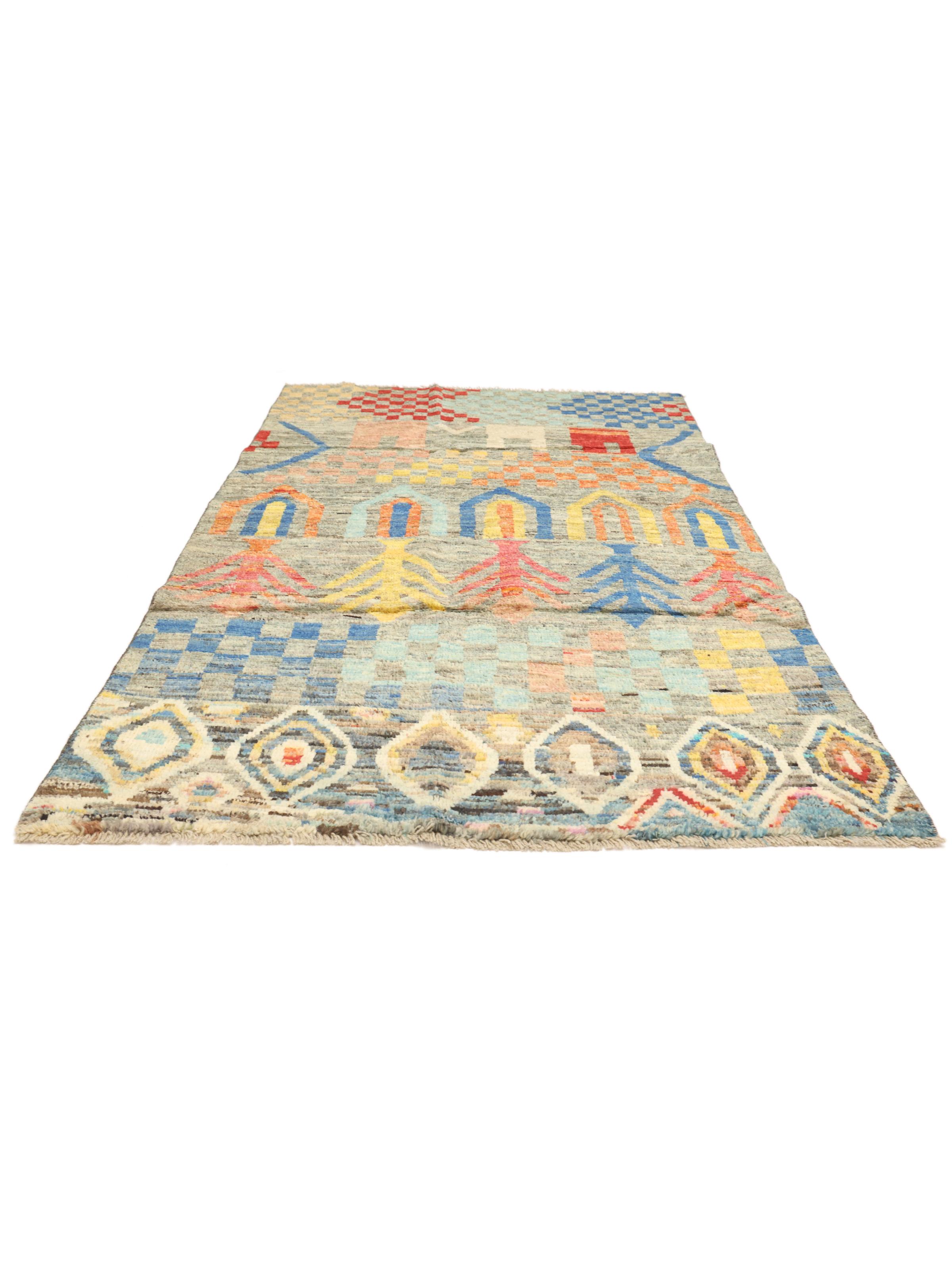
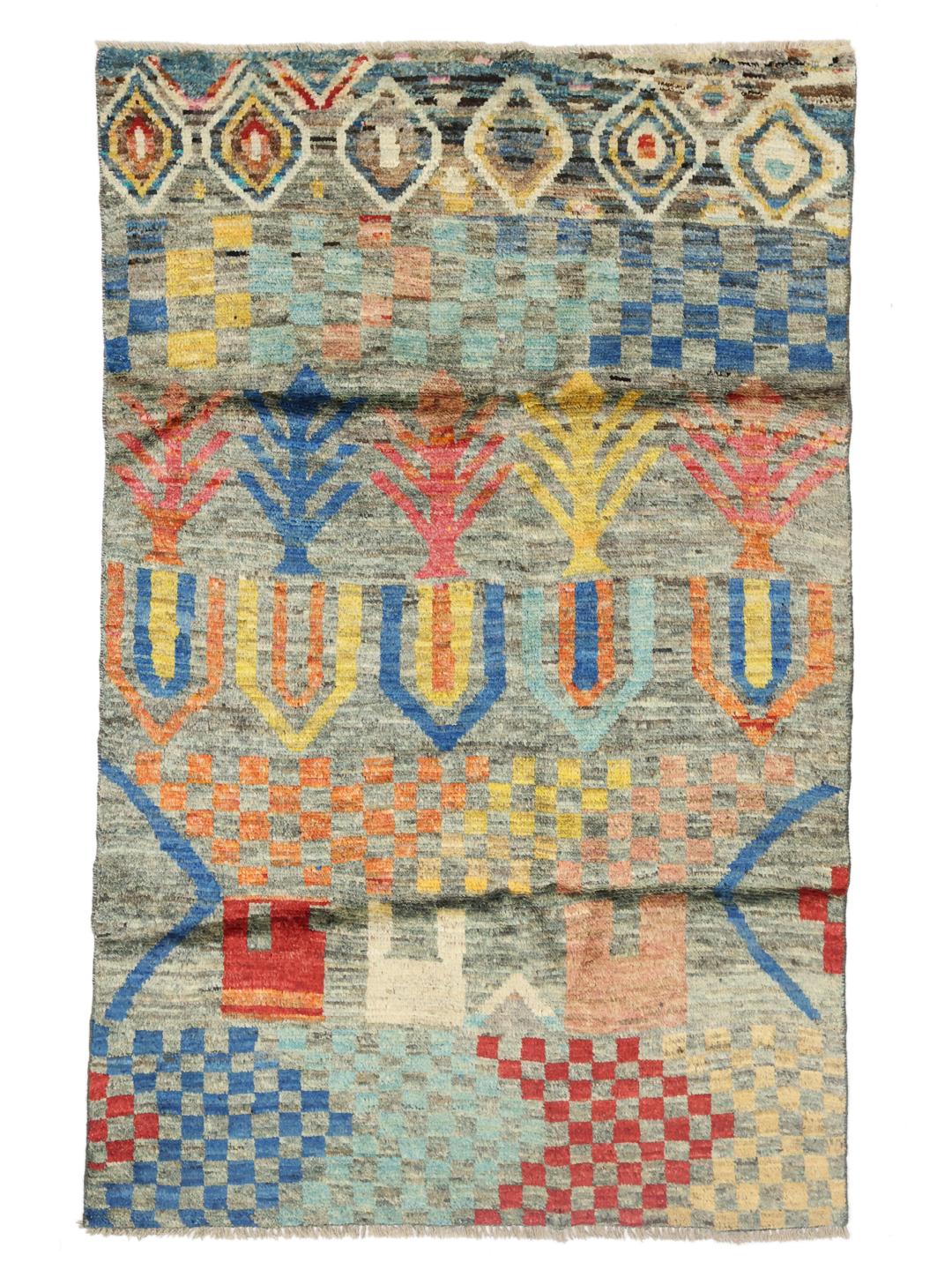
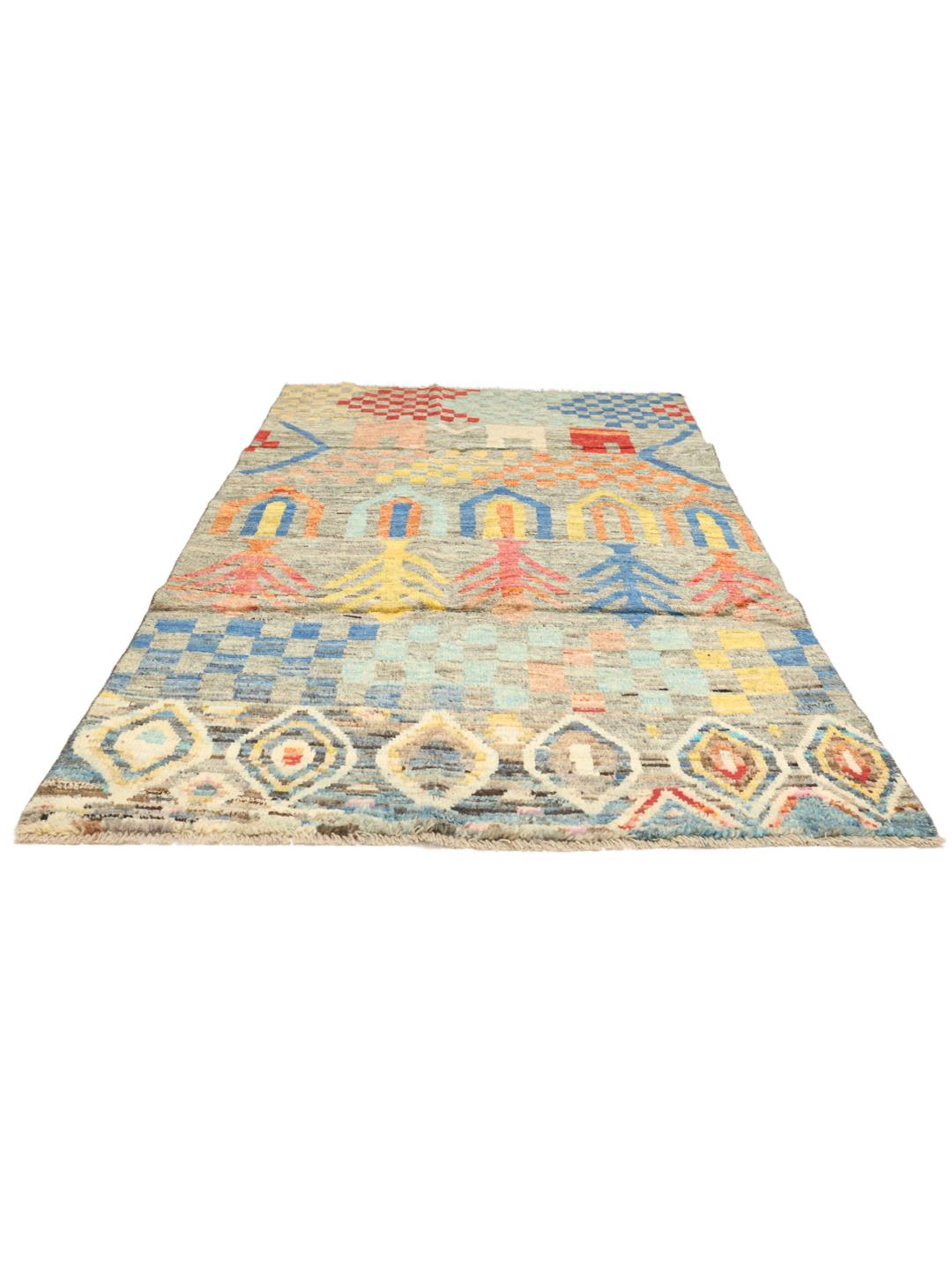
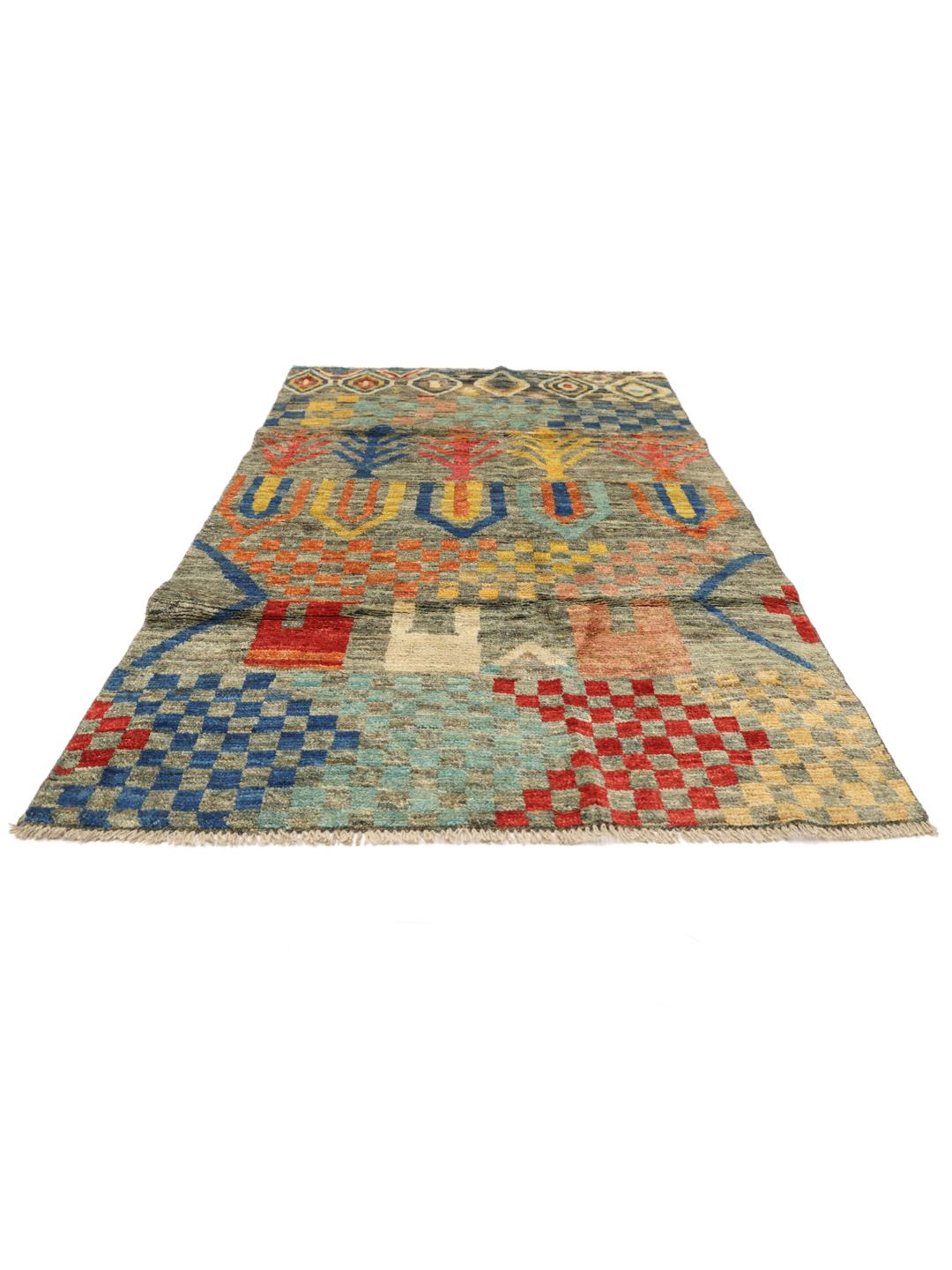
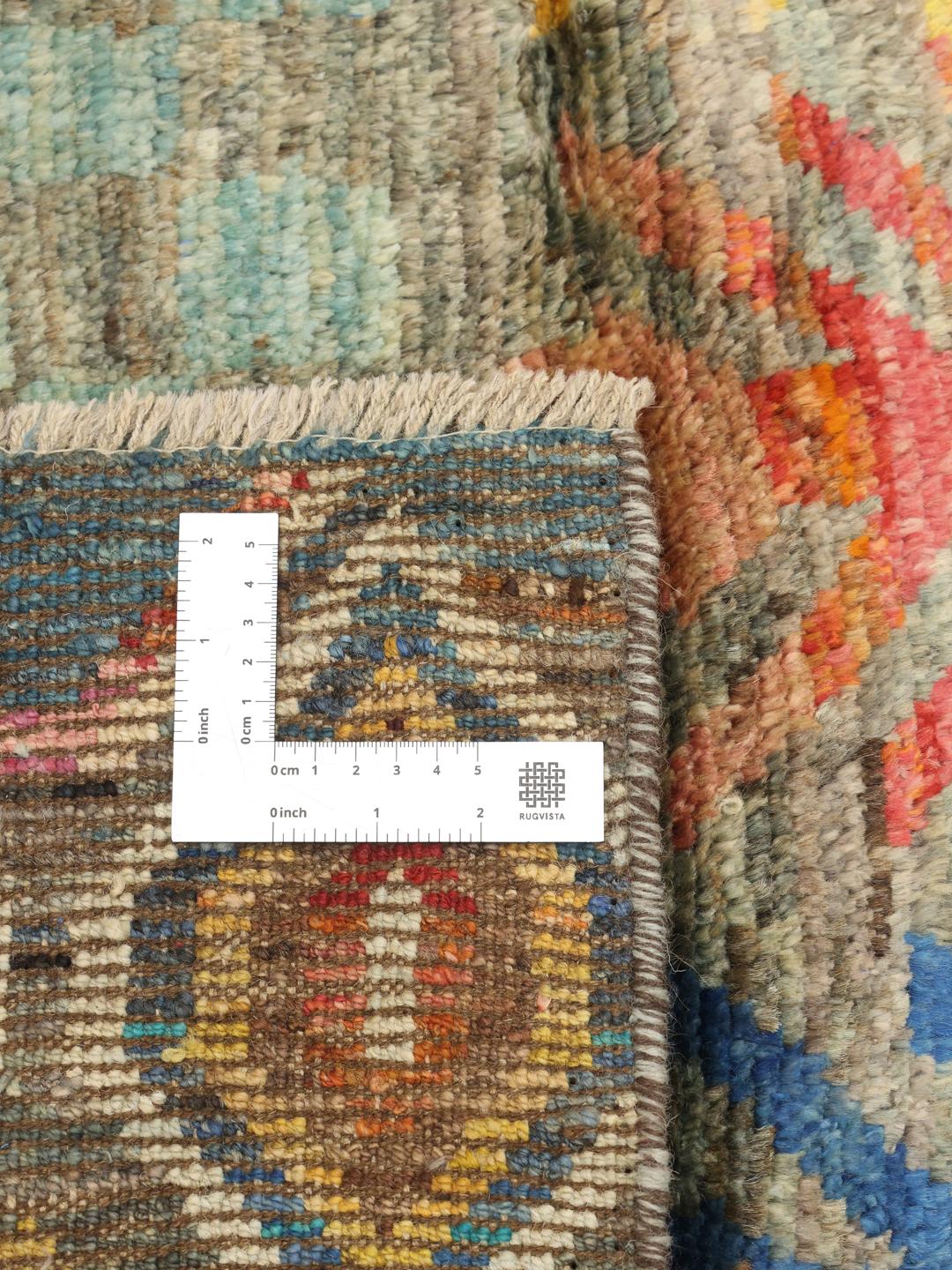
The Berber style, while traditionally associated with the nomadic tribes of North Africa, has inspired a rich tradition of weaving across the Middle East. Afghan weavers have adopted these techniques, blending them with their own regional aesthetic to create rugs that are celebrated for their bold, spontaneous patterns and deep, earthy wool quality. This evolution shows how design traditions travel and transform across borders.
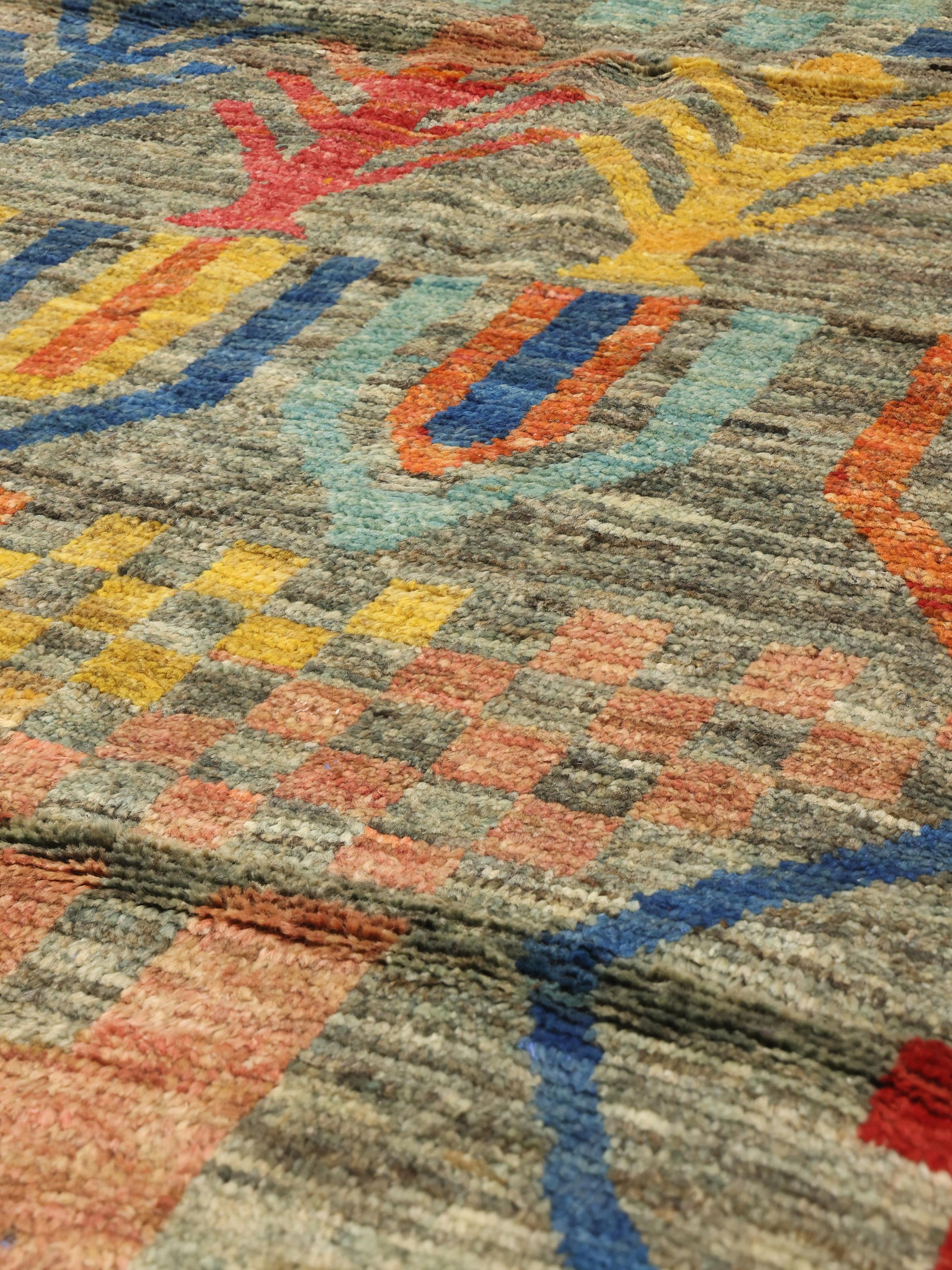
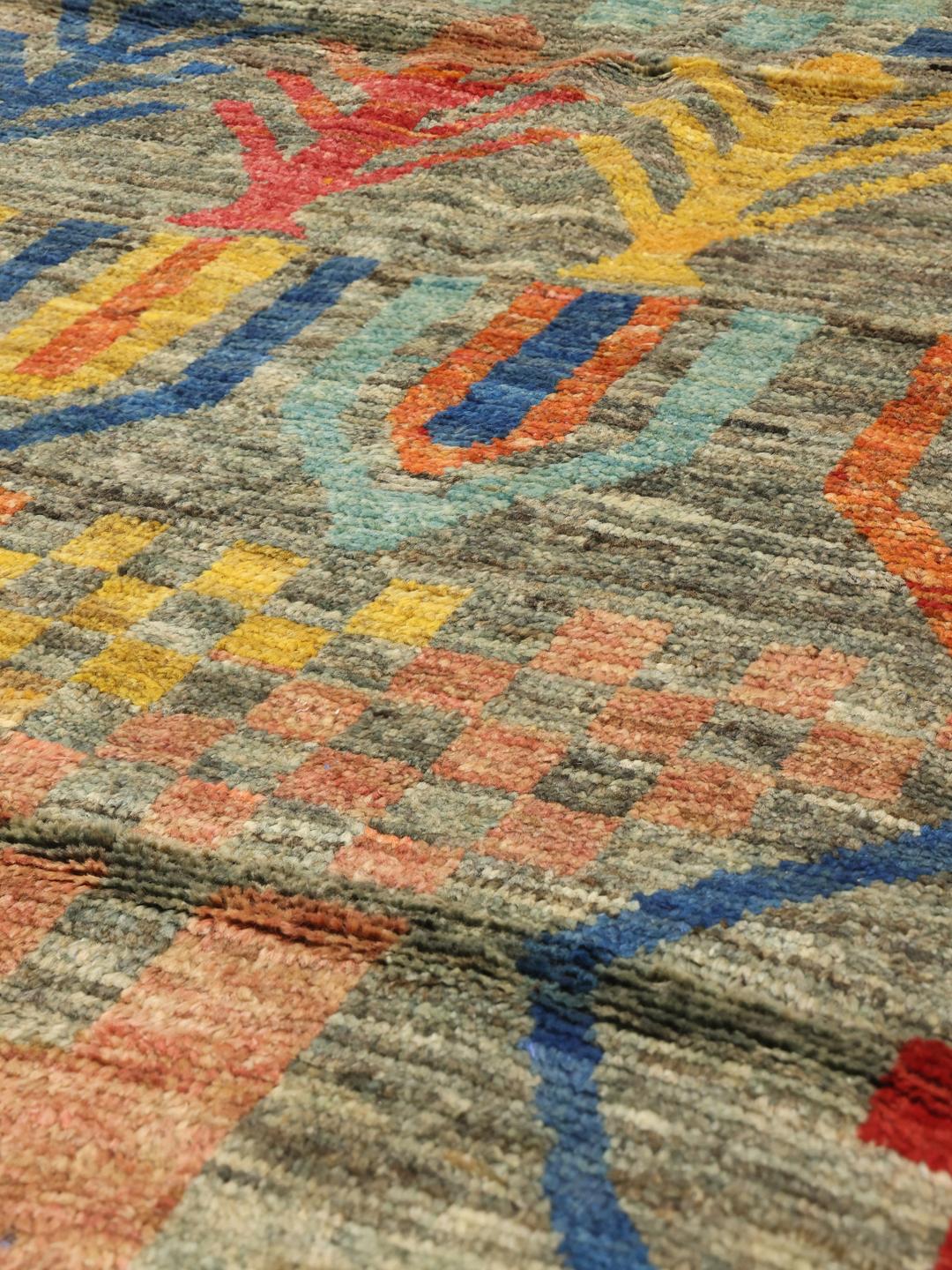
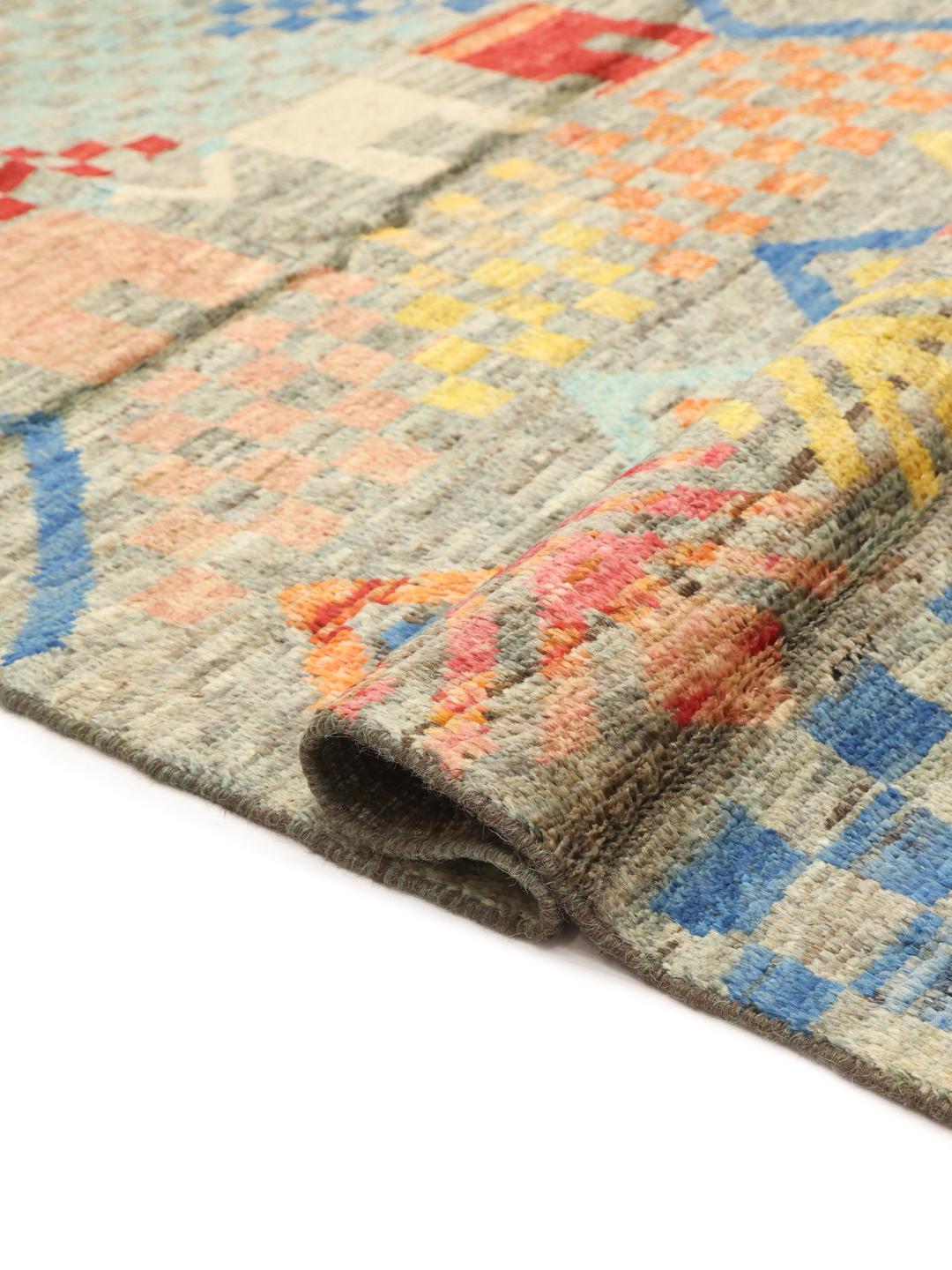
The terminology used to describe these rugs often refers to the specific knotting techniques that provide their characteristic pile. By using high-quality wool, the weavers ensure the resulting texture is both supple and strong. This focus on material quality is essential to the tradition, as it allows the rugs to maintain their vibrancy and structural integrity, even as they age and become cherished family heirlooms.
Visually, these rugs are defined by their expressive use of geometric motifs and an often playful, non-linear approach to design. While classic styles might lean toward formal symmetry, this Berber-inspired tradition celebrates the beauty of the irregular. The use of vibrant, contrasting colours against a muted ground is a hallmark of the style, creating a look that is both grounded in heritage and effortlessly modern.
Owning a hand-knotted rug from this tradition is an act of supporting a long-standing craft that values human skill over industrial speed. Collectors and enthusiasts value these pieces for their authenticity and the stories embedded in every knot. By choosing this rug, you are connecting with a living history of artistry that values the unique spirit of the weaver, ensuring the tradition continues to thrive in homes around the world.