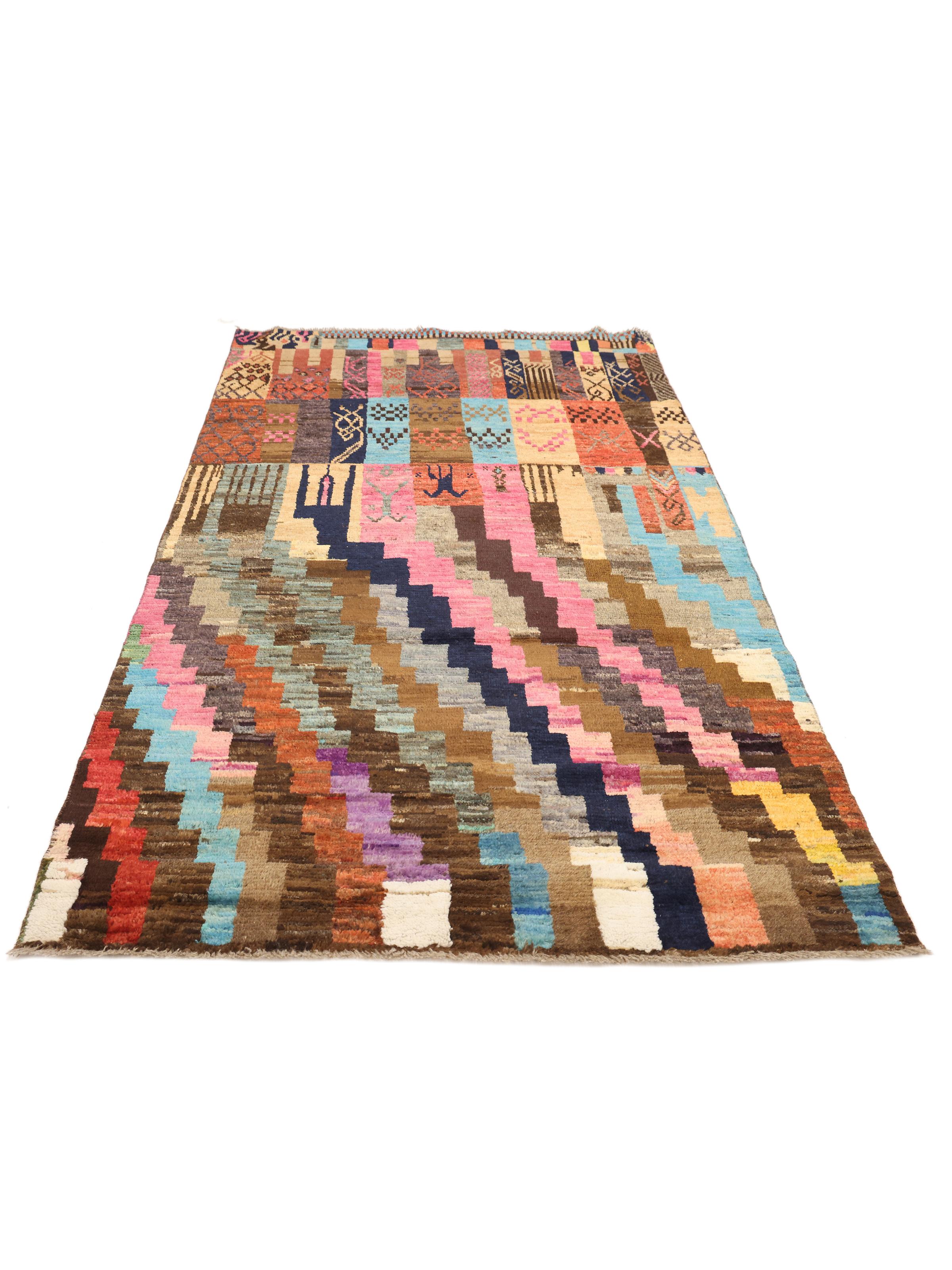
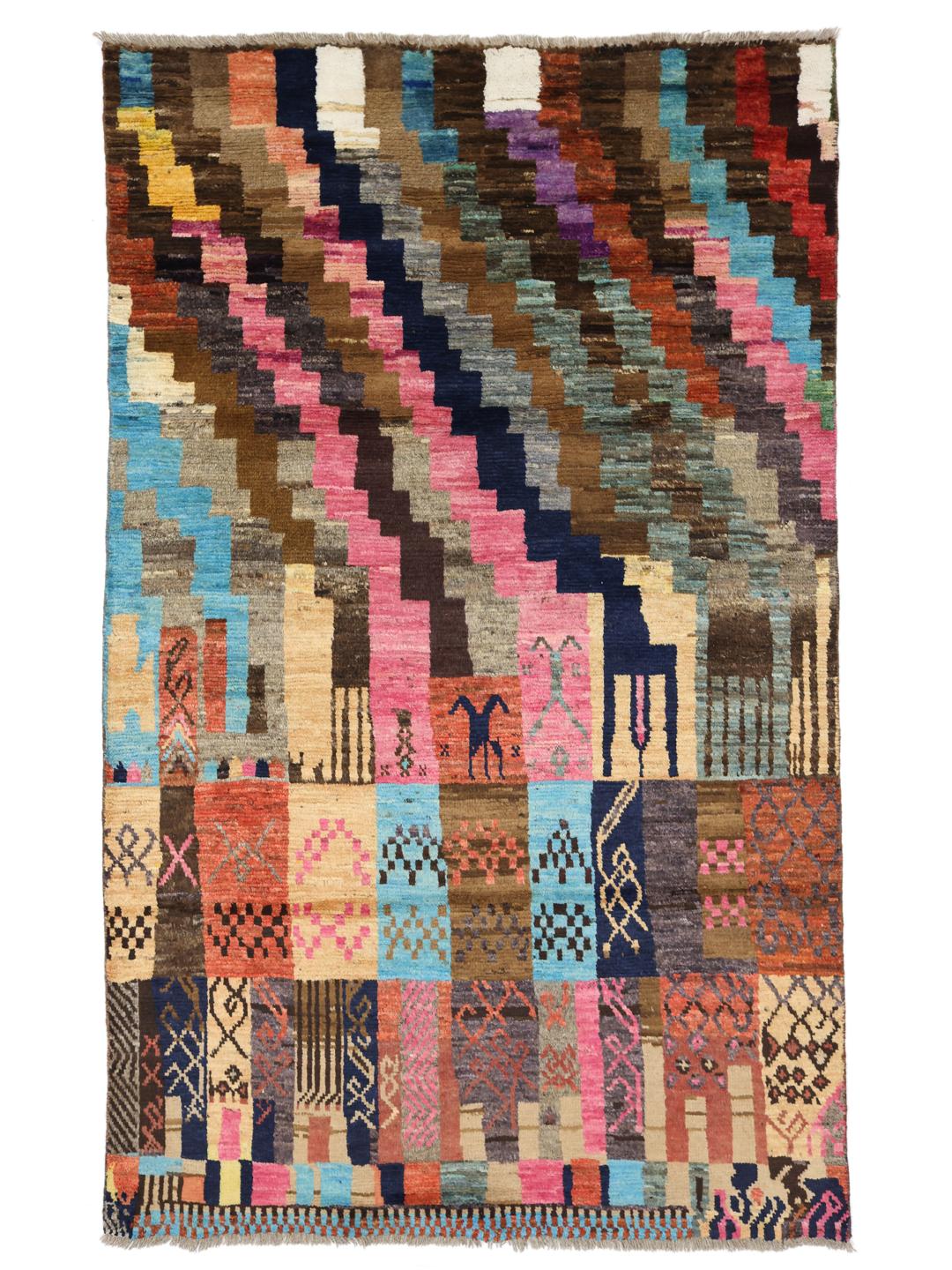
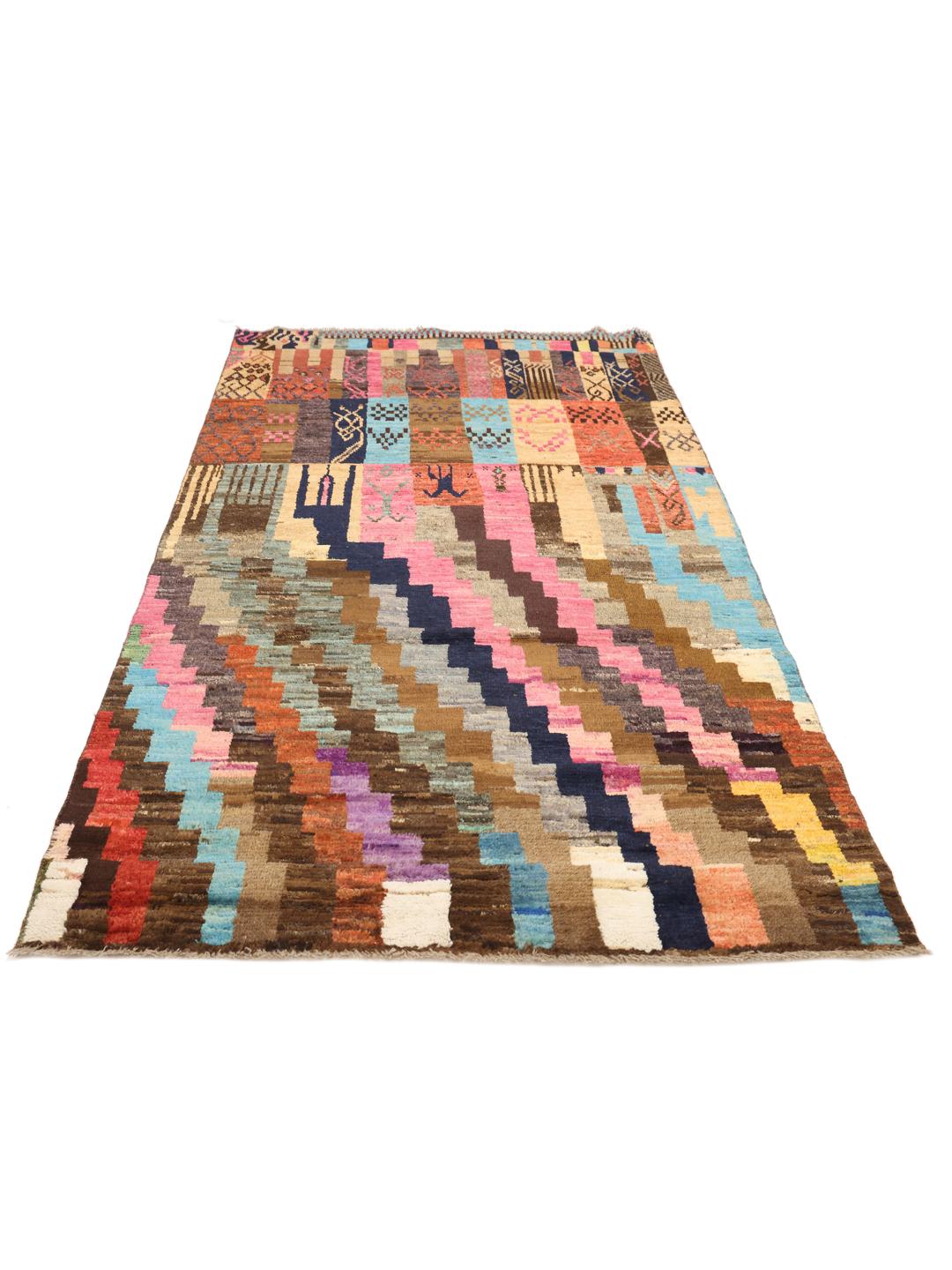
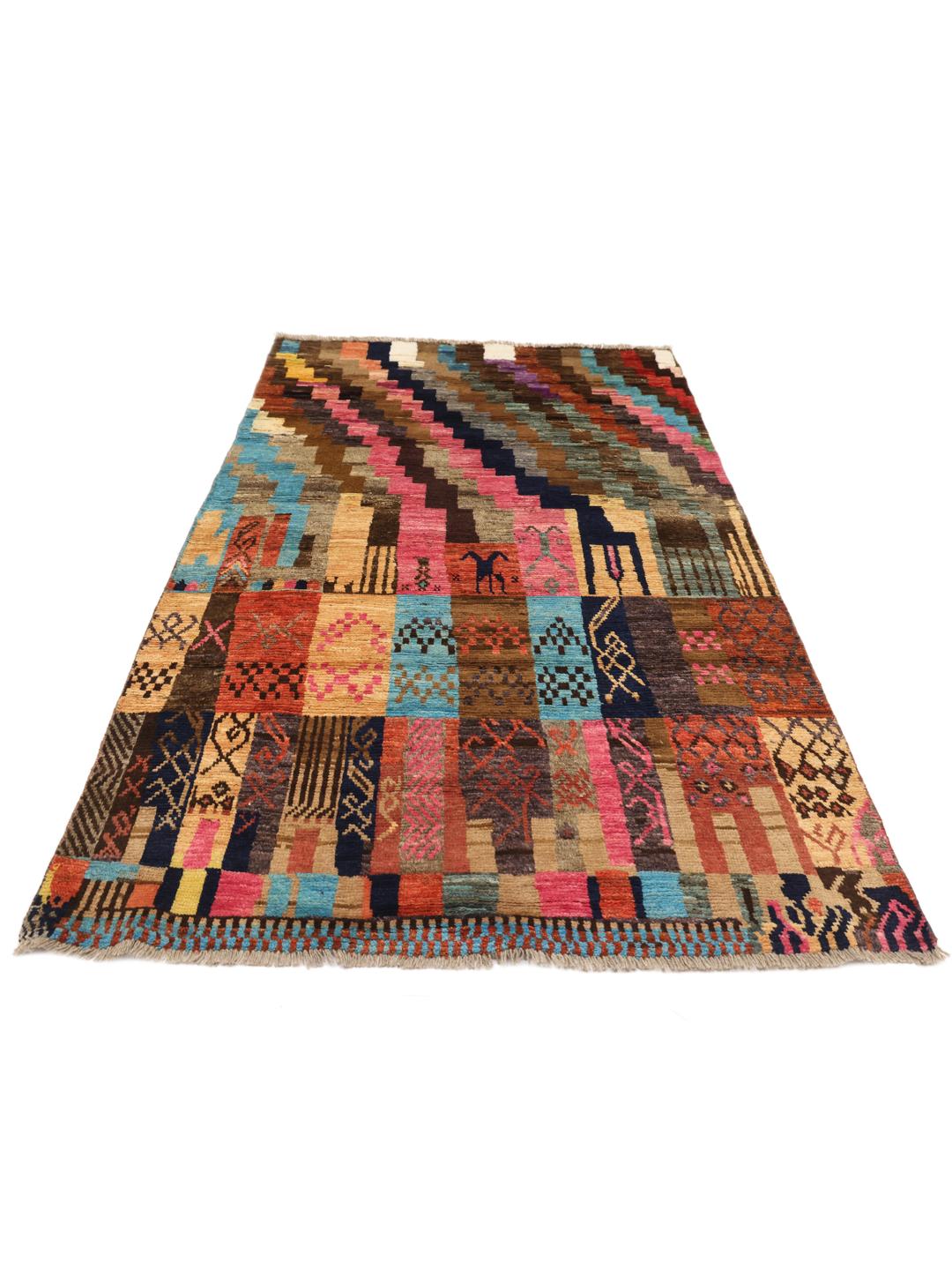
The Berber tradition, while historically rooted in the Atlas Mountains of North Africa, has seen a fascinating evolution as its distinct aesthetic moved across borders. Today, Afghan weavers have embraced these iconic styles, applying their own regional expertise and high-quality wool to create rugs that honour the original spirit of the tradition while introducing new, localised colour palettes and creative interpretations.
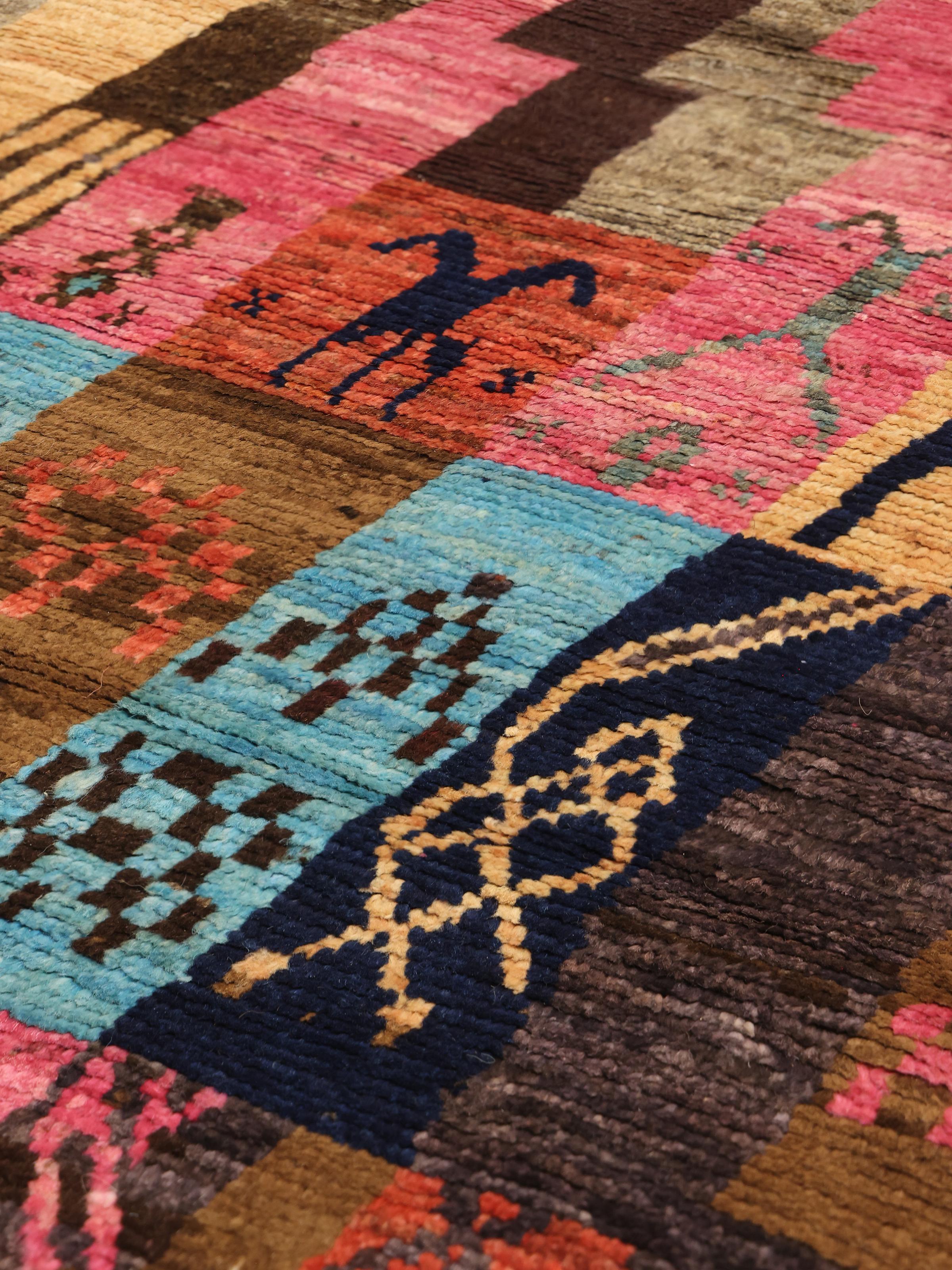
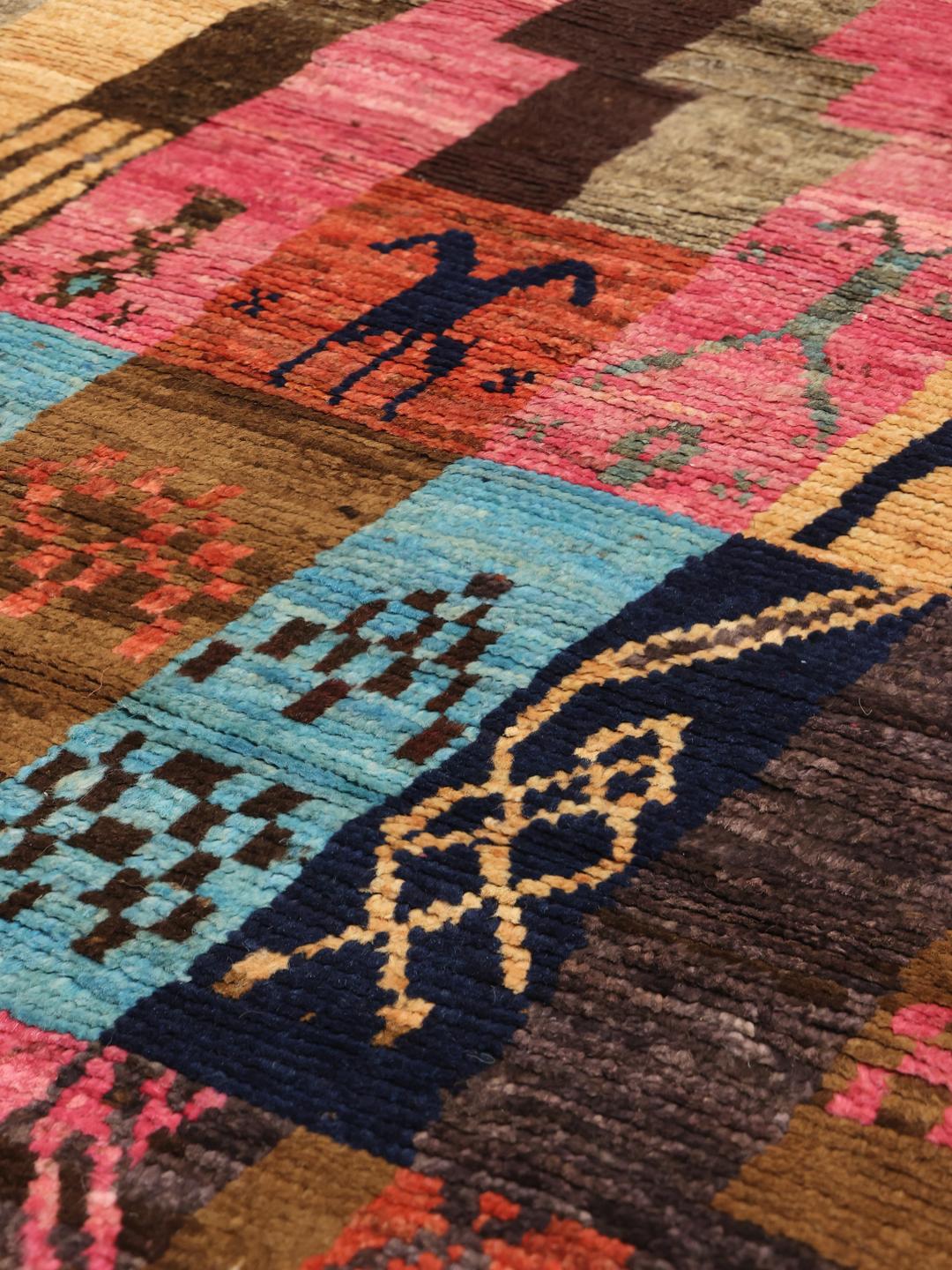
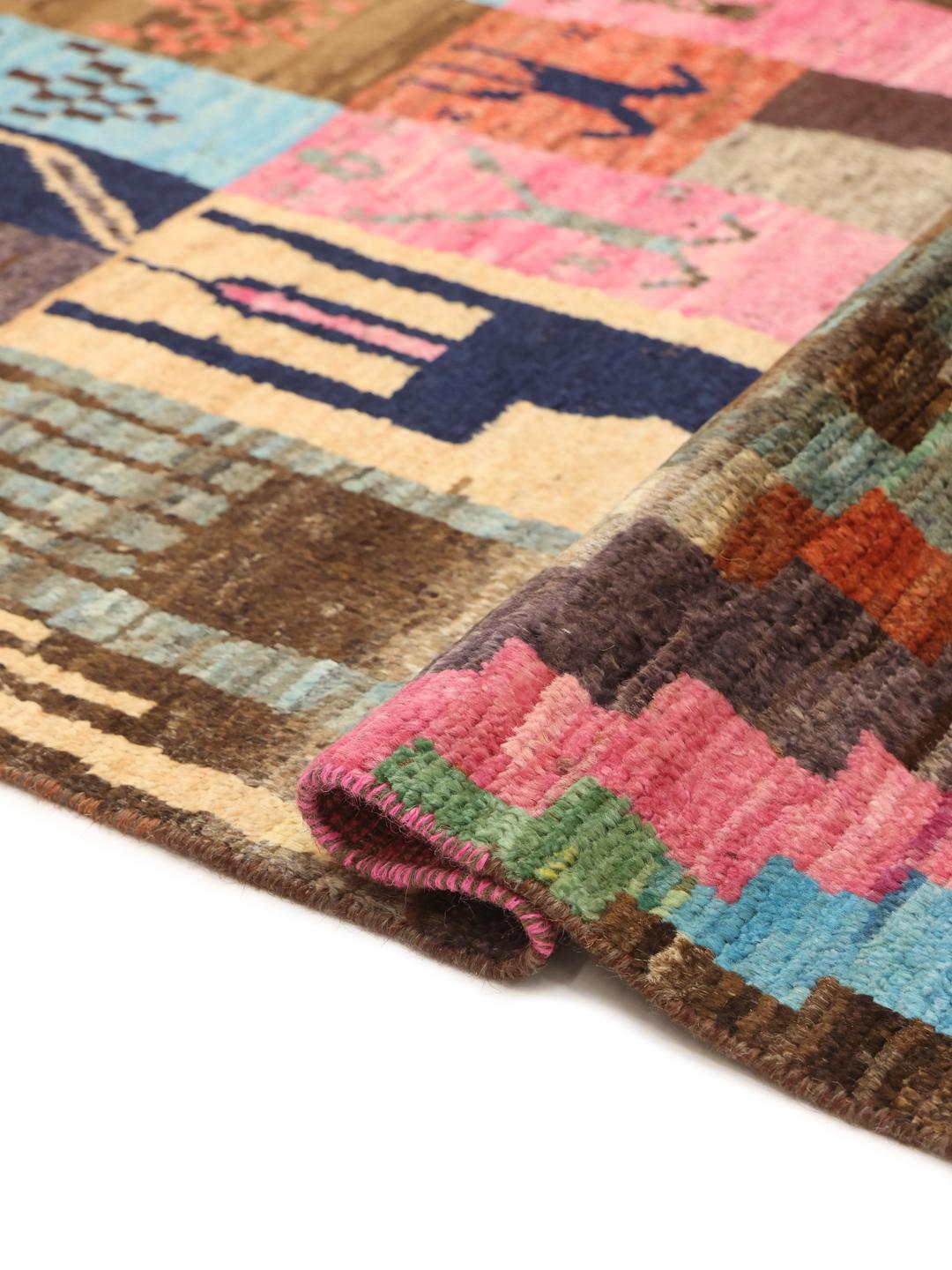
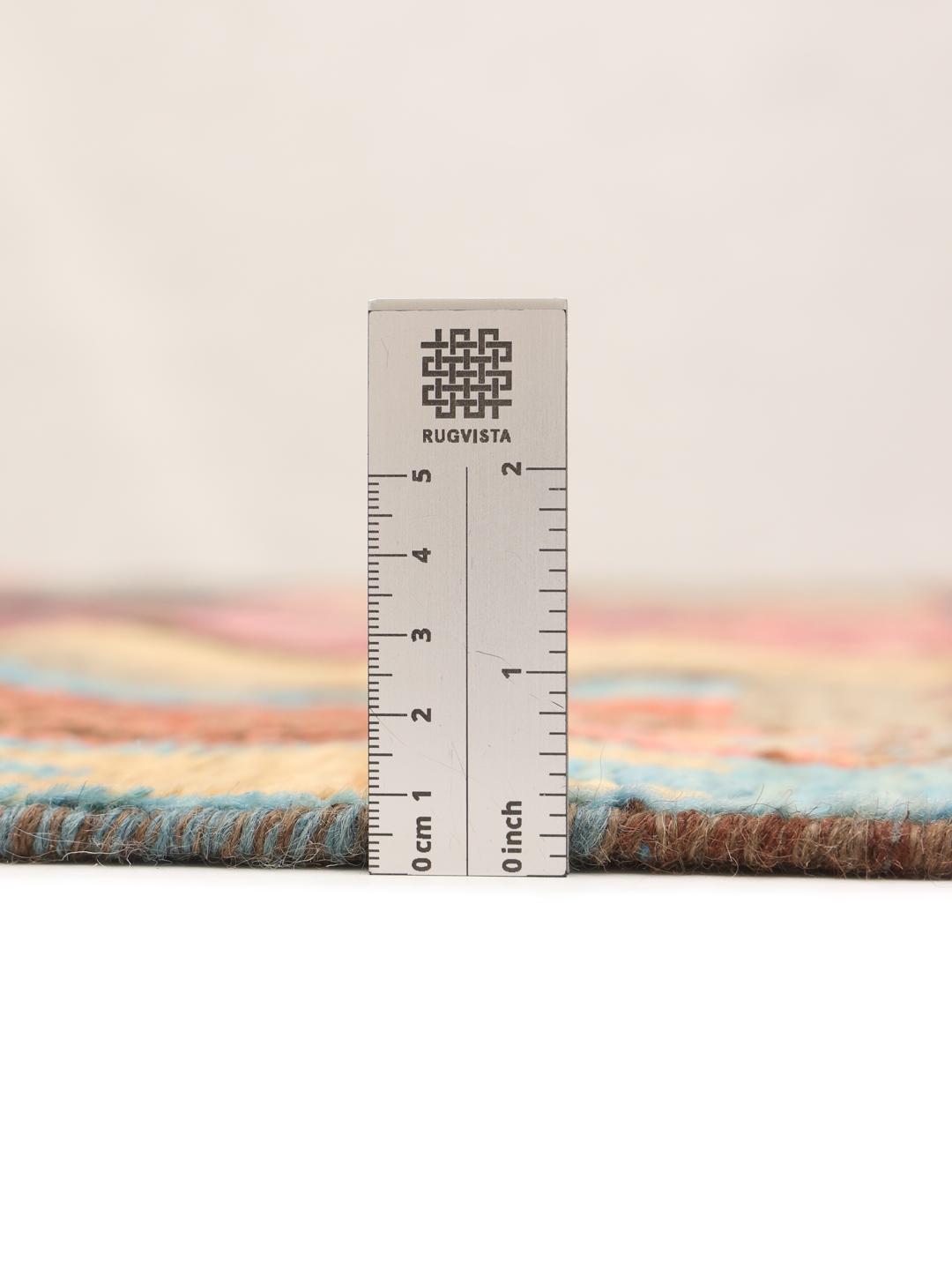
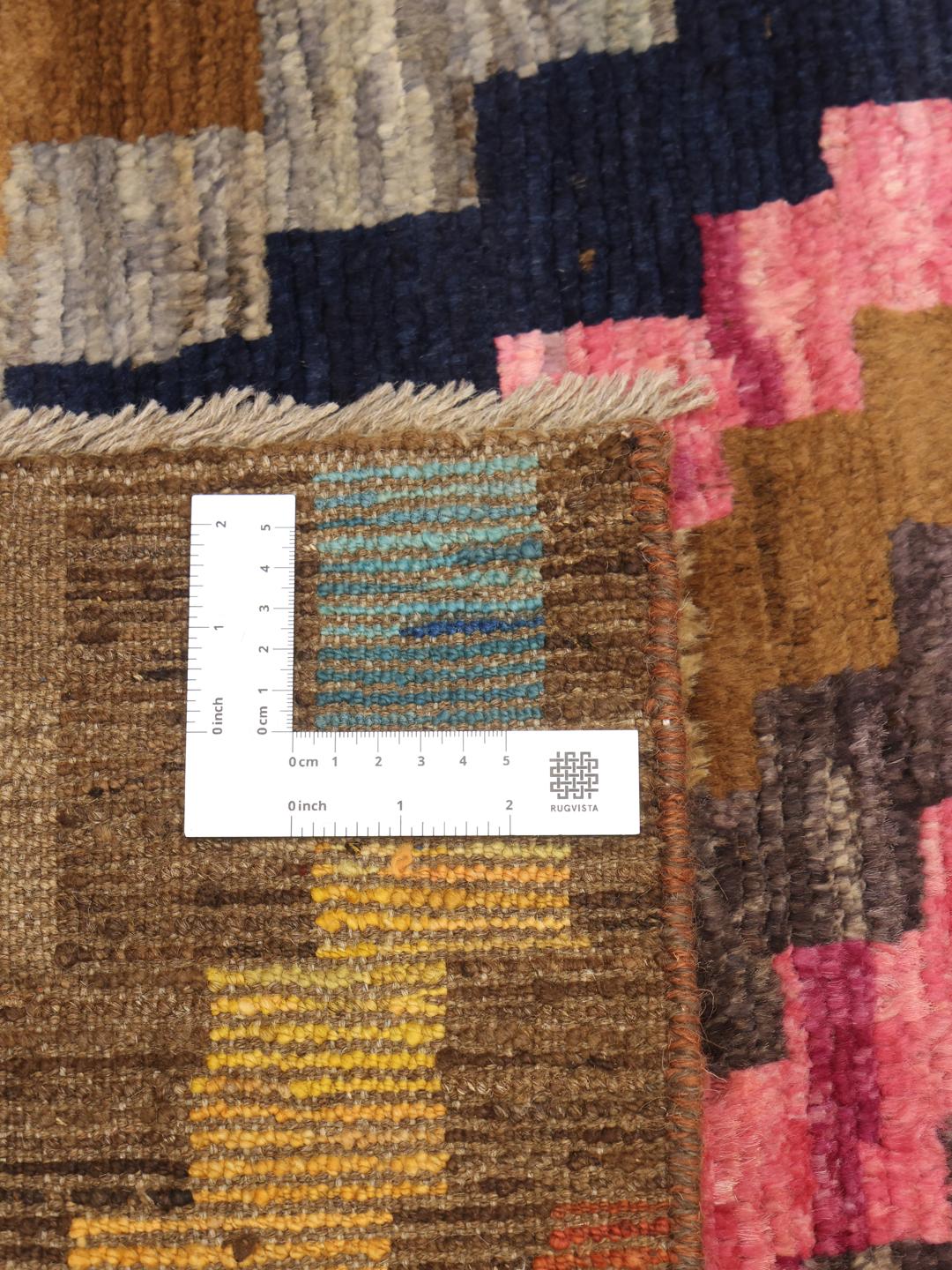
The term hand-knotted refers to the classic technique of wrapping yarn around warp threads and securing each with a knot. This labour-intensive method is what defines the quality of a rug, as it allows for intricate designs and a durable pile that is naturally resistant to wear. This construction method is essentially what allows these rugs to be passed down through generations.
Visually, these rugs are defined by their bold, geometric language and an unapologetic use of colour. You will often find symbols and motifs that have been passed down through generations, each telling a subtle story of the weaver's life and environment. This specific piece stands out for its vivid palette, which breaks from traditional earth tones to offer something contemporary and dynamic.
Collecting a rug from this tradition is an appreciation of both the human hand and the cultural history it carries. Owning one is an act of preserving a craft that relies on intuition and skill rather than automation. It is a way to bring a piece of authentic, storied artistry into a modern home, ensuring that the legacy of these makers continues to thrive.