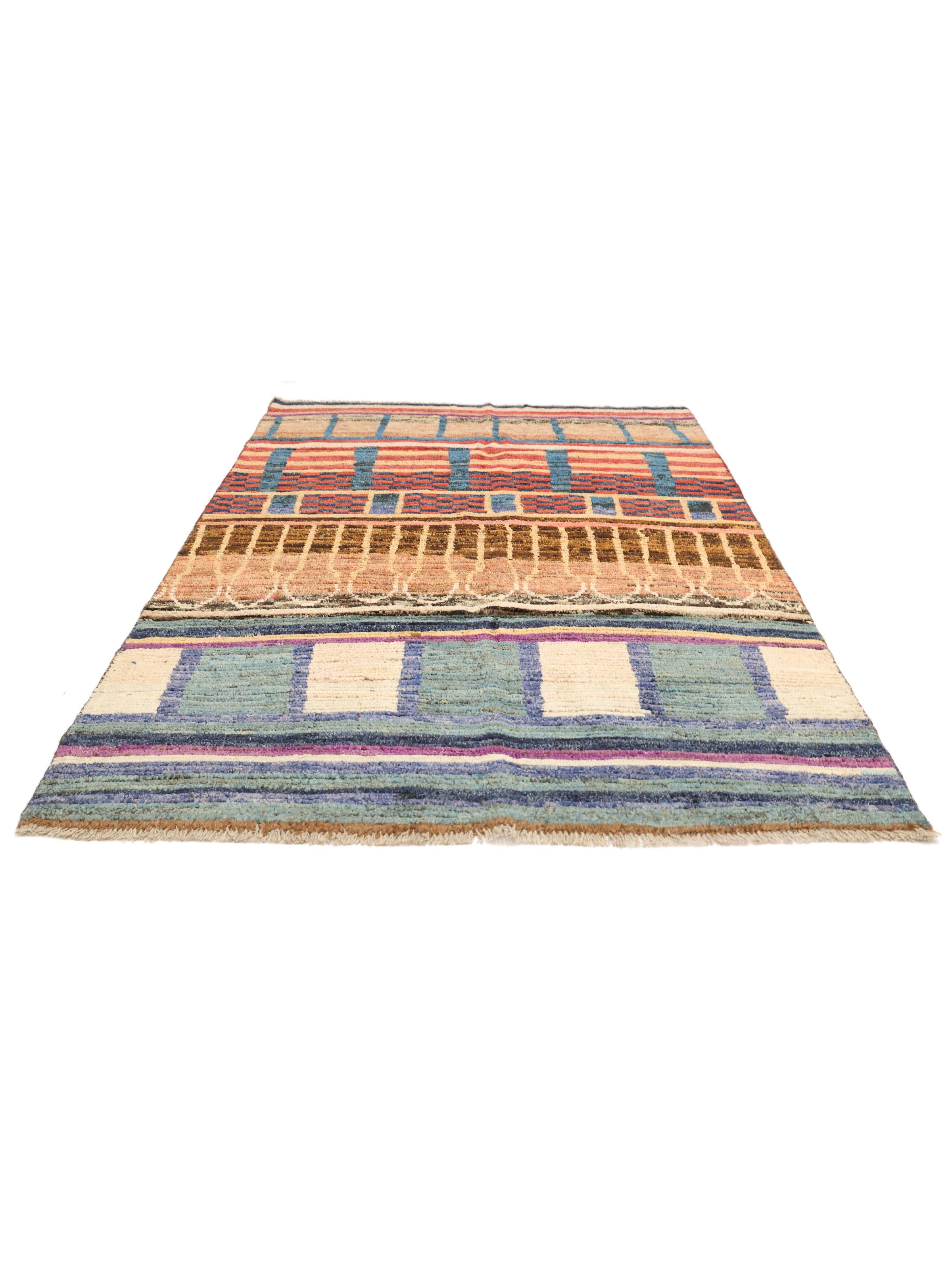
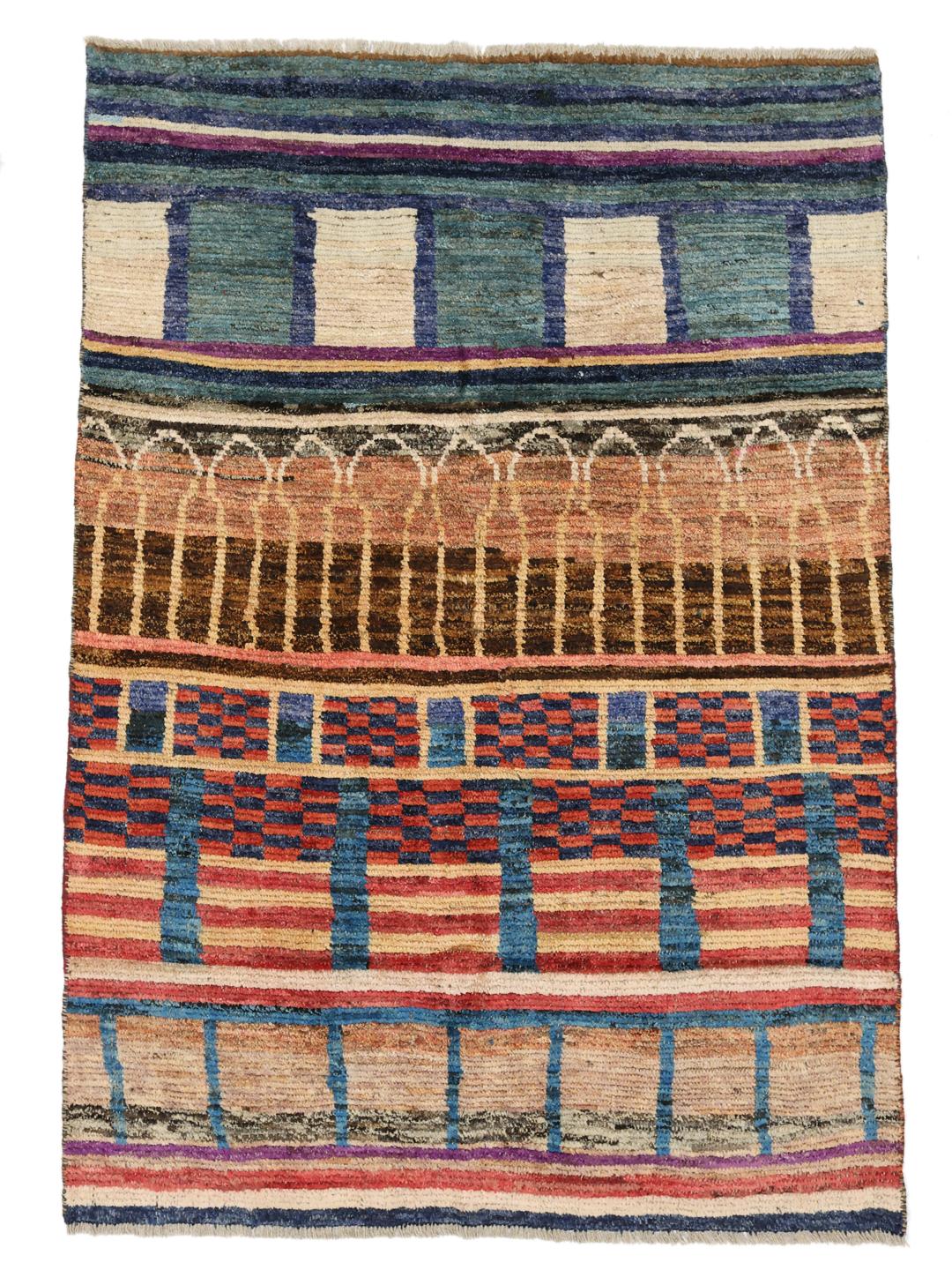
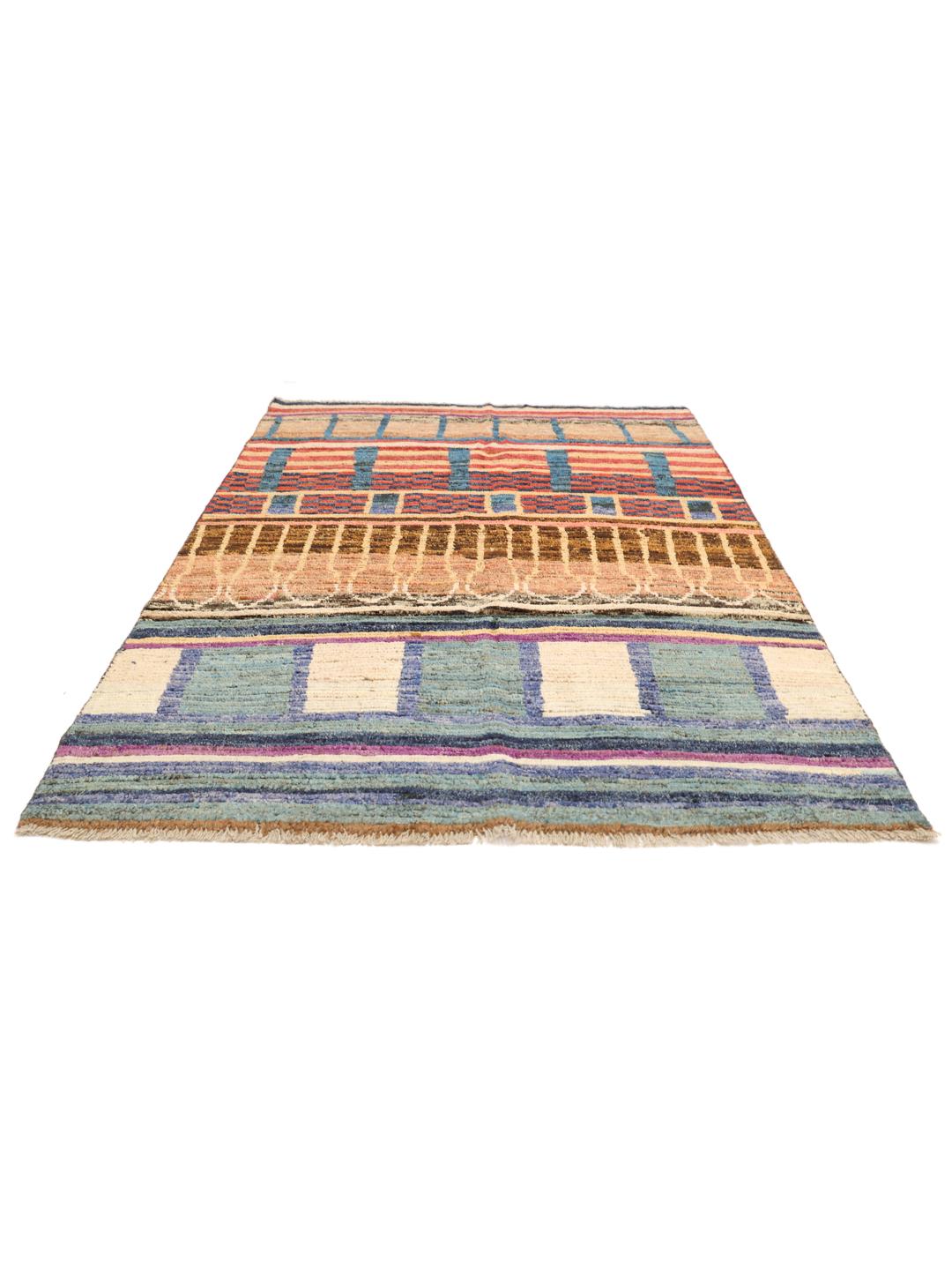
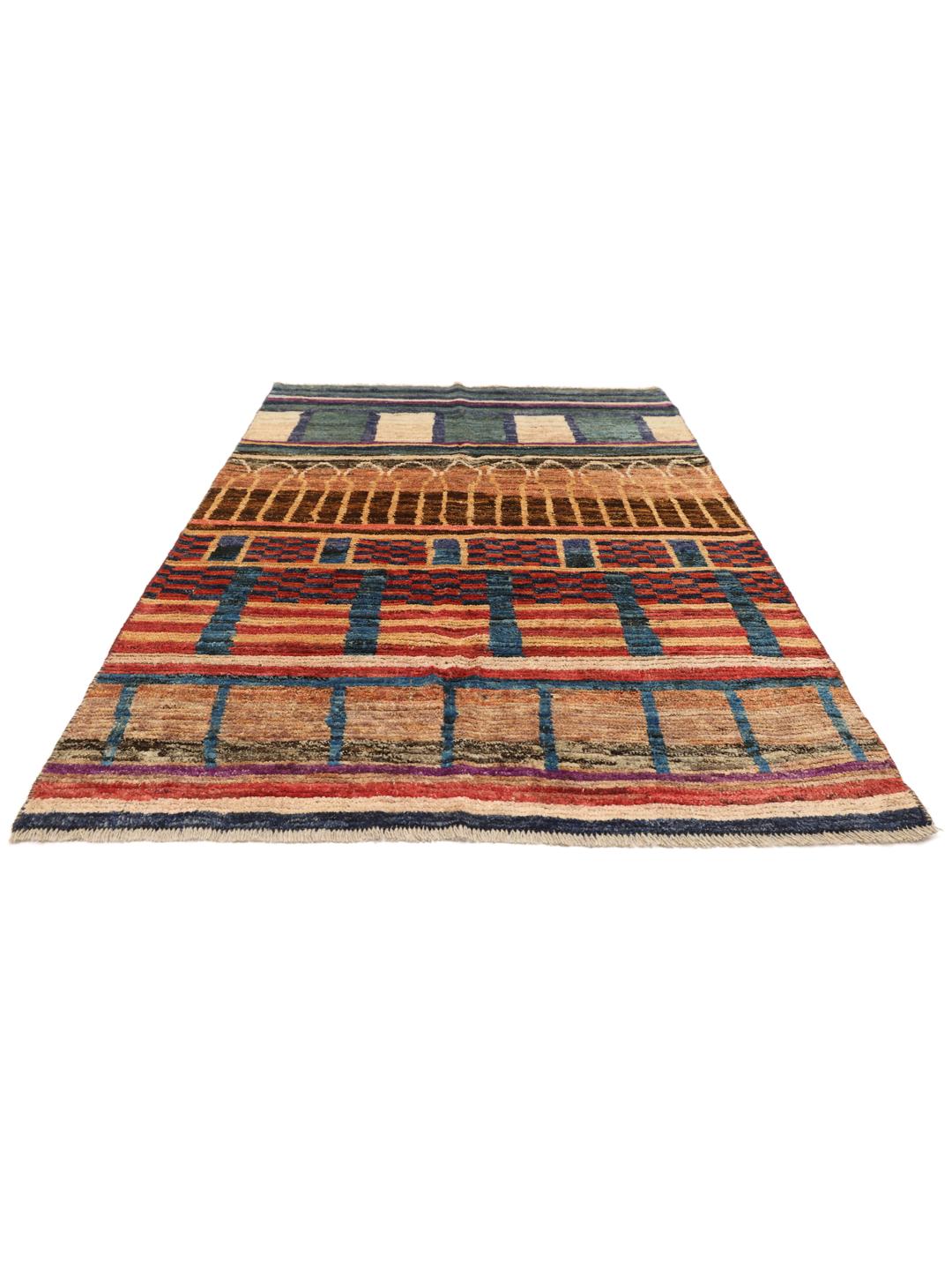
The Berber rug tradition, while most commonly associated with the Atlas Mountains of North Africa, has inspired a diverse range of interpretations across the globe. In Afghanistan, weavers have long adapted these tribal-inspired aesthetics, blending them with their own deep-rooted heritage of rug-making to create pieces that feel both ancient and strikingly contemporary.
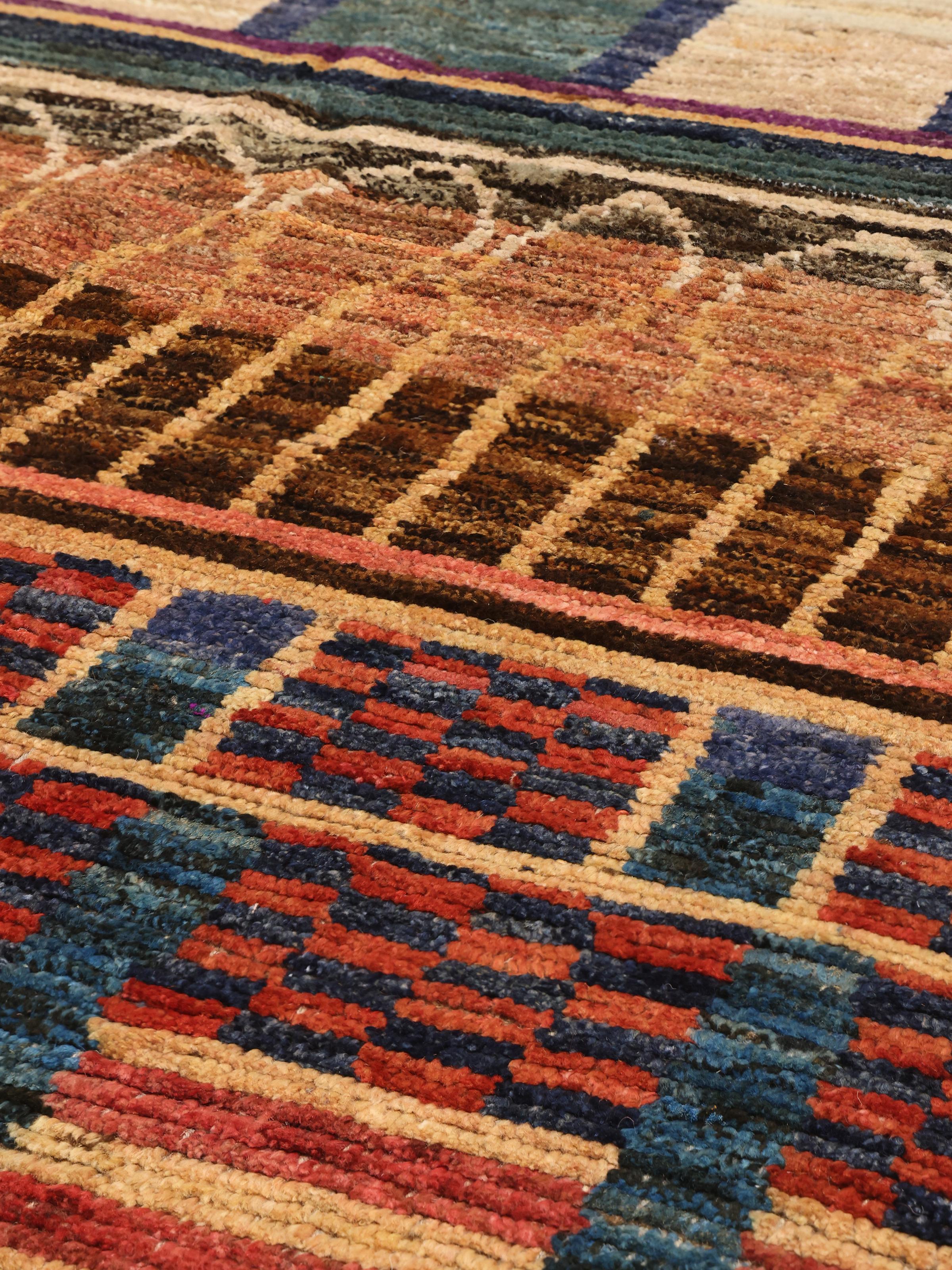
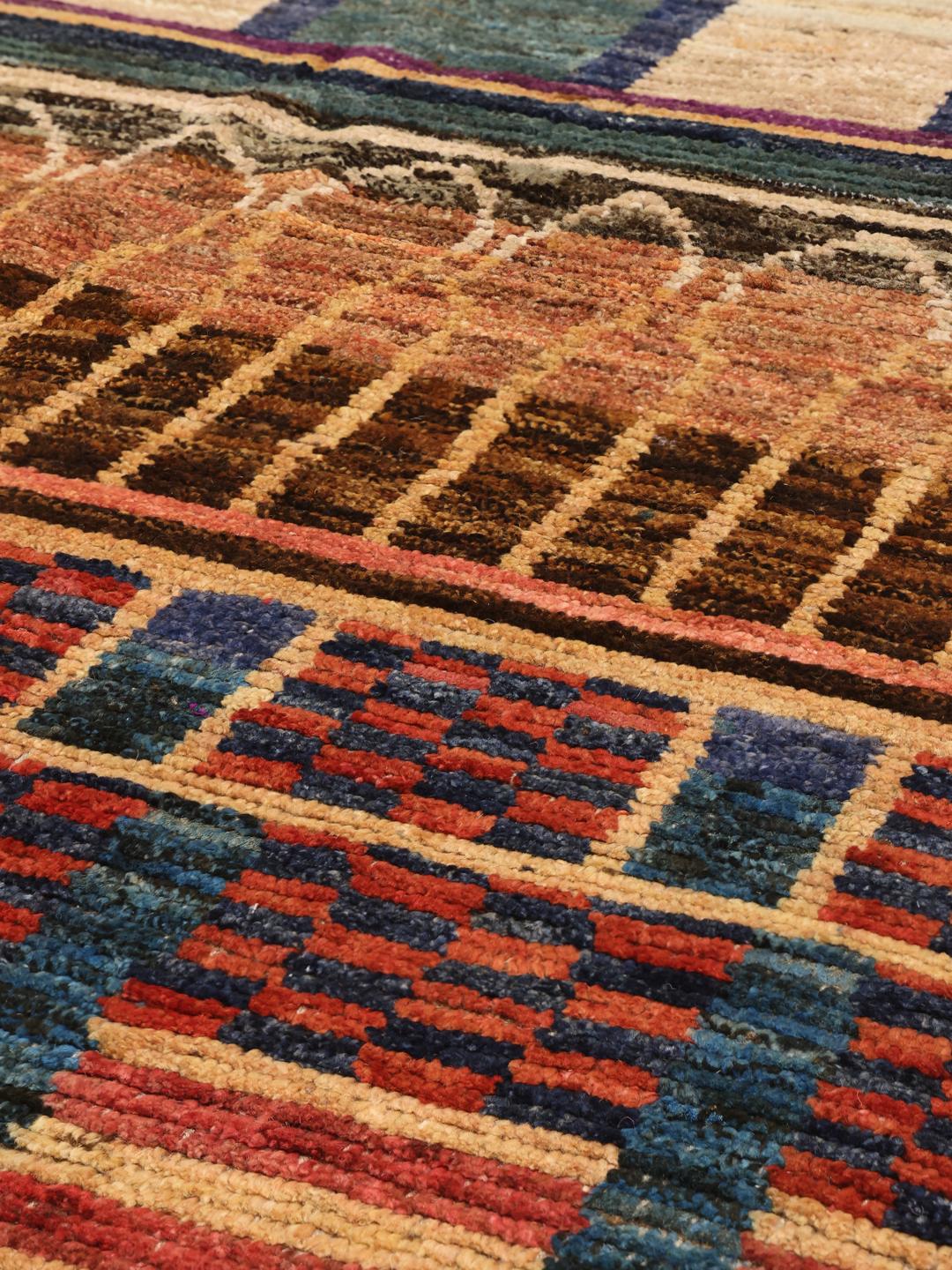
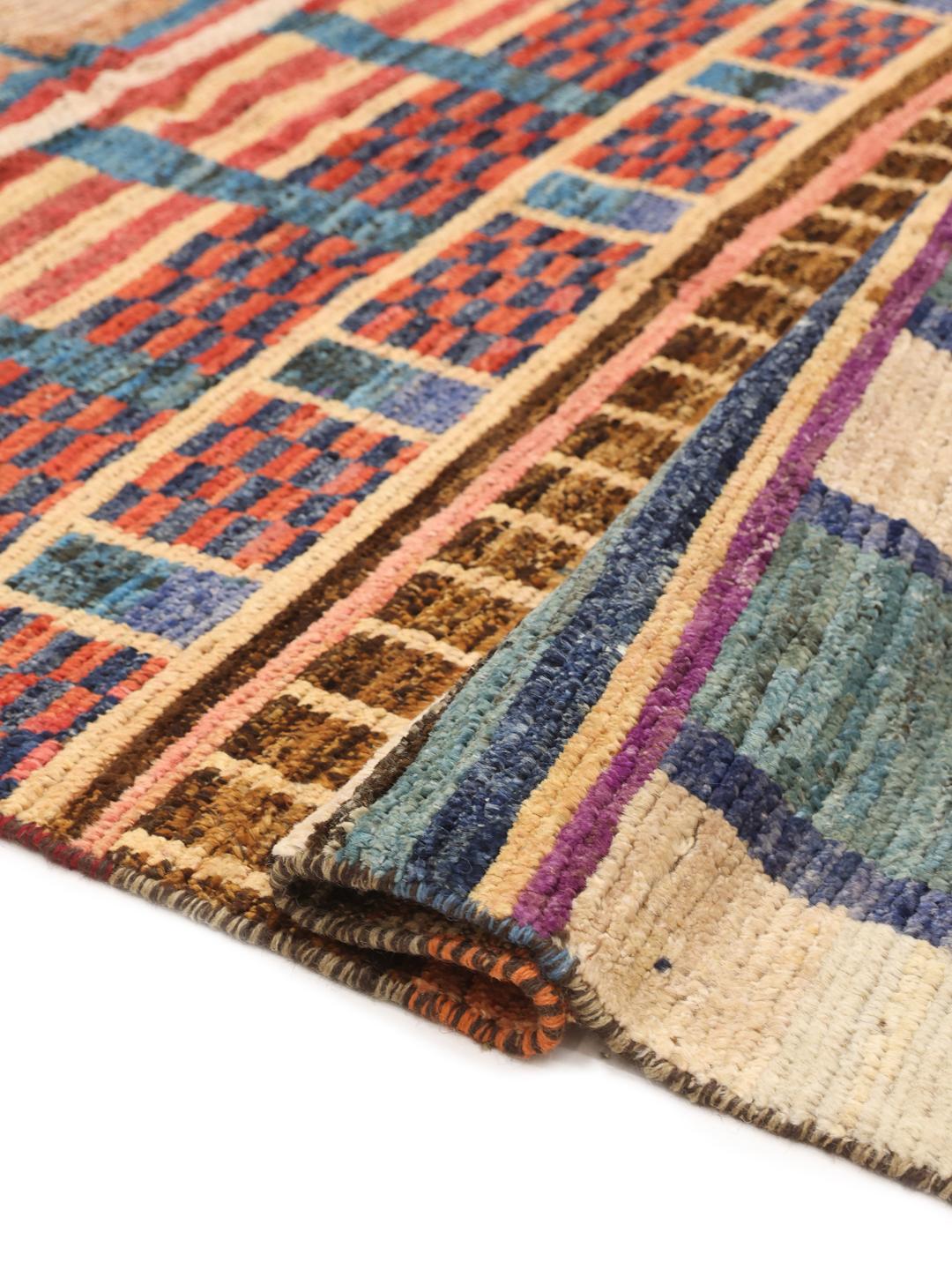
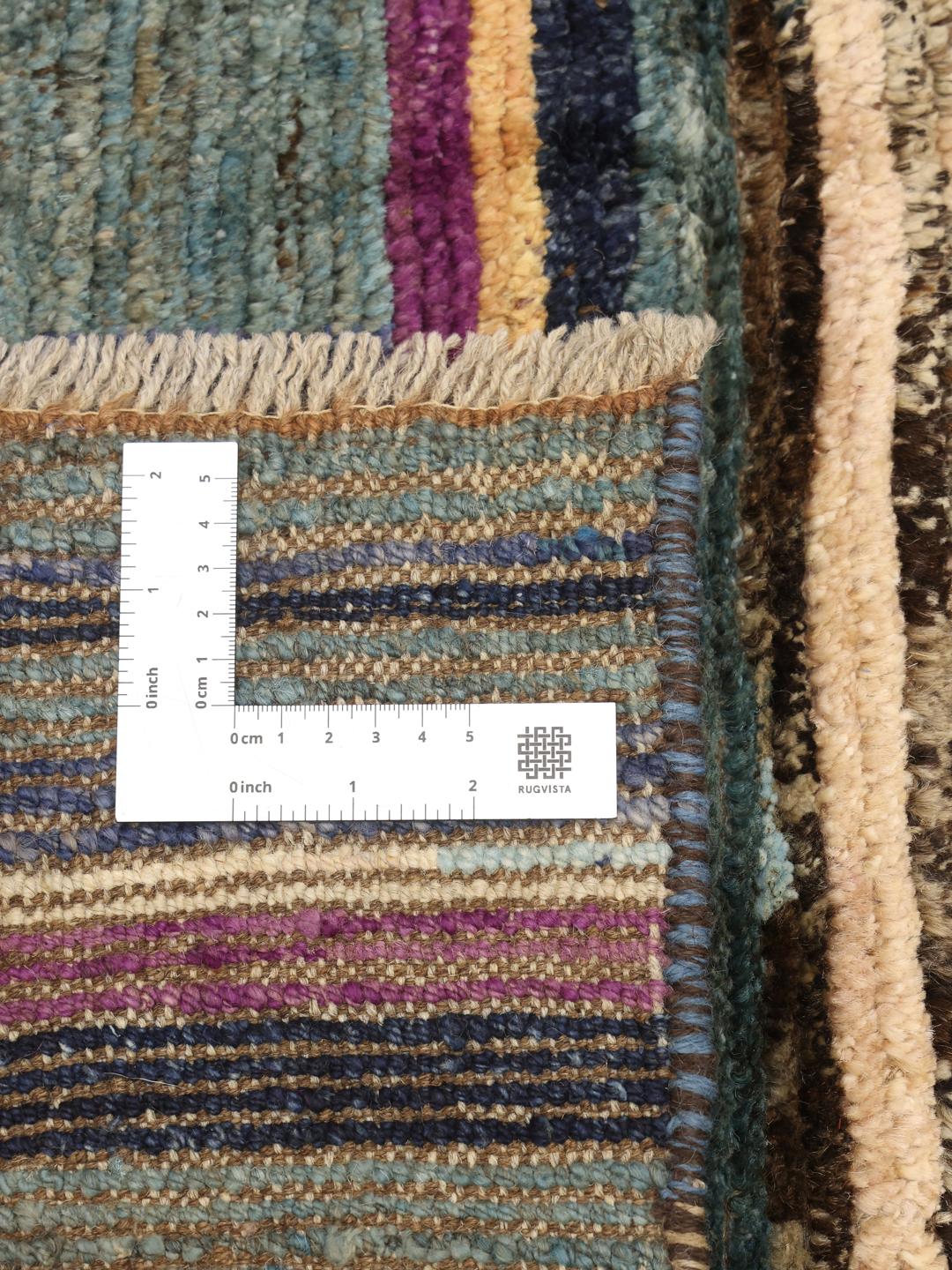
The craftsmanship behind these rugs relies on the use of high-quality wool, a material prized for its natural lanolin content, which provides a soft touch and inherent resistance to wear. By utilising traditional hand-knotting techniques, artisans are able to achieve a level of durability that is simply not possible with mass-produced alternatives.
Signature design elements in this category often include bold geometric motifs and a playful use of colour that deviates from more formal, centralised patterns. The use of stripes, blocks, and abstract forms reflects a desire to celebrate the organic nature of the wool and the creativity of the individual weaver, resulting in a design language that feels personal and unscripted.
Collecting a rug from this tradition is an investment in cultural continuity and human skill. By choosing a hand-knotted piece, you are supporting a craft that has been passed down through generations, ensuring that these techniques continue to thrive. Each rug acts as a bridge between the artisan and your home, carrying with it a story of dedication and artistic expression.