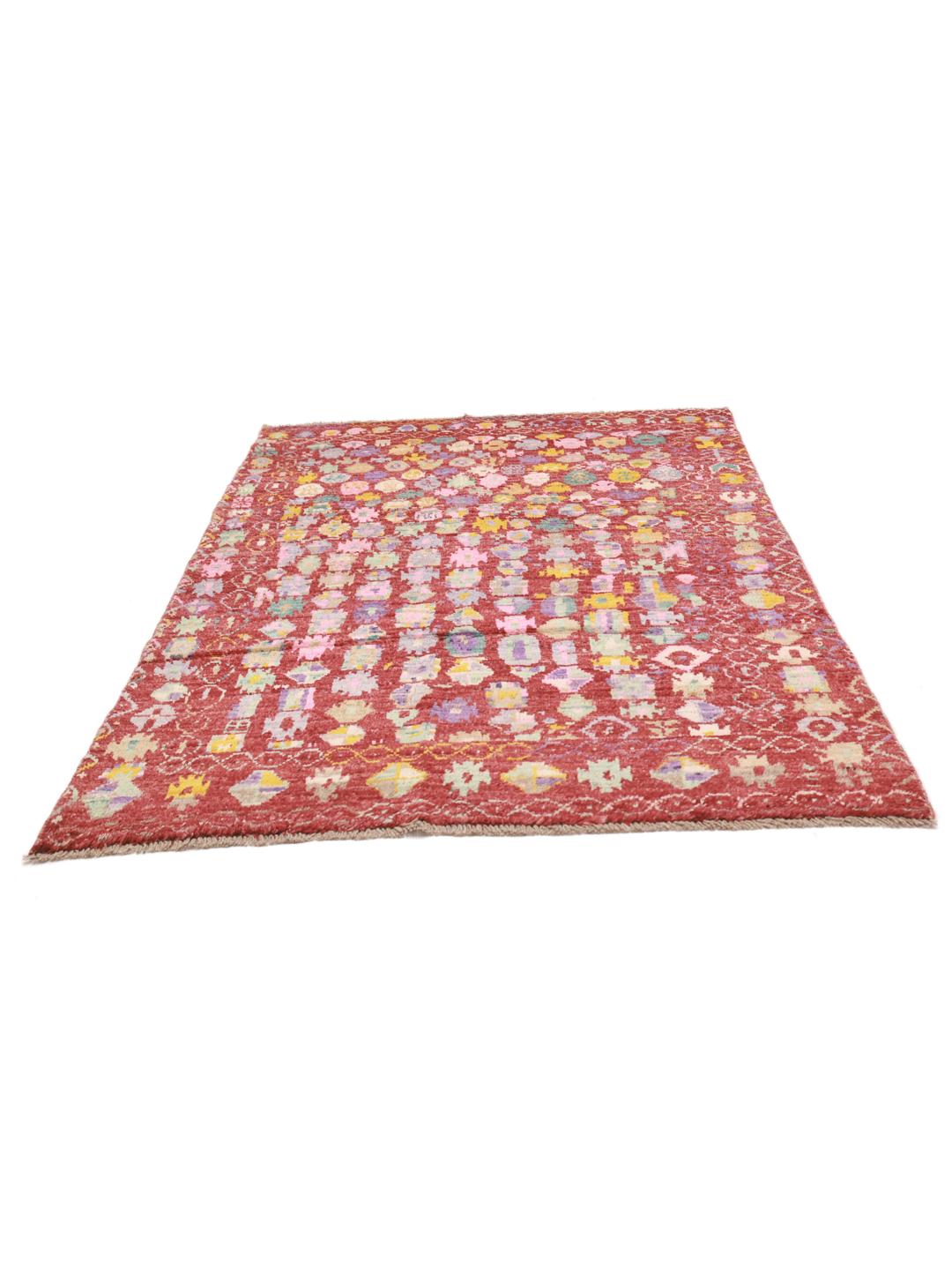
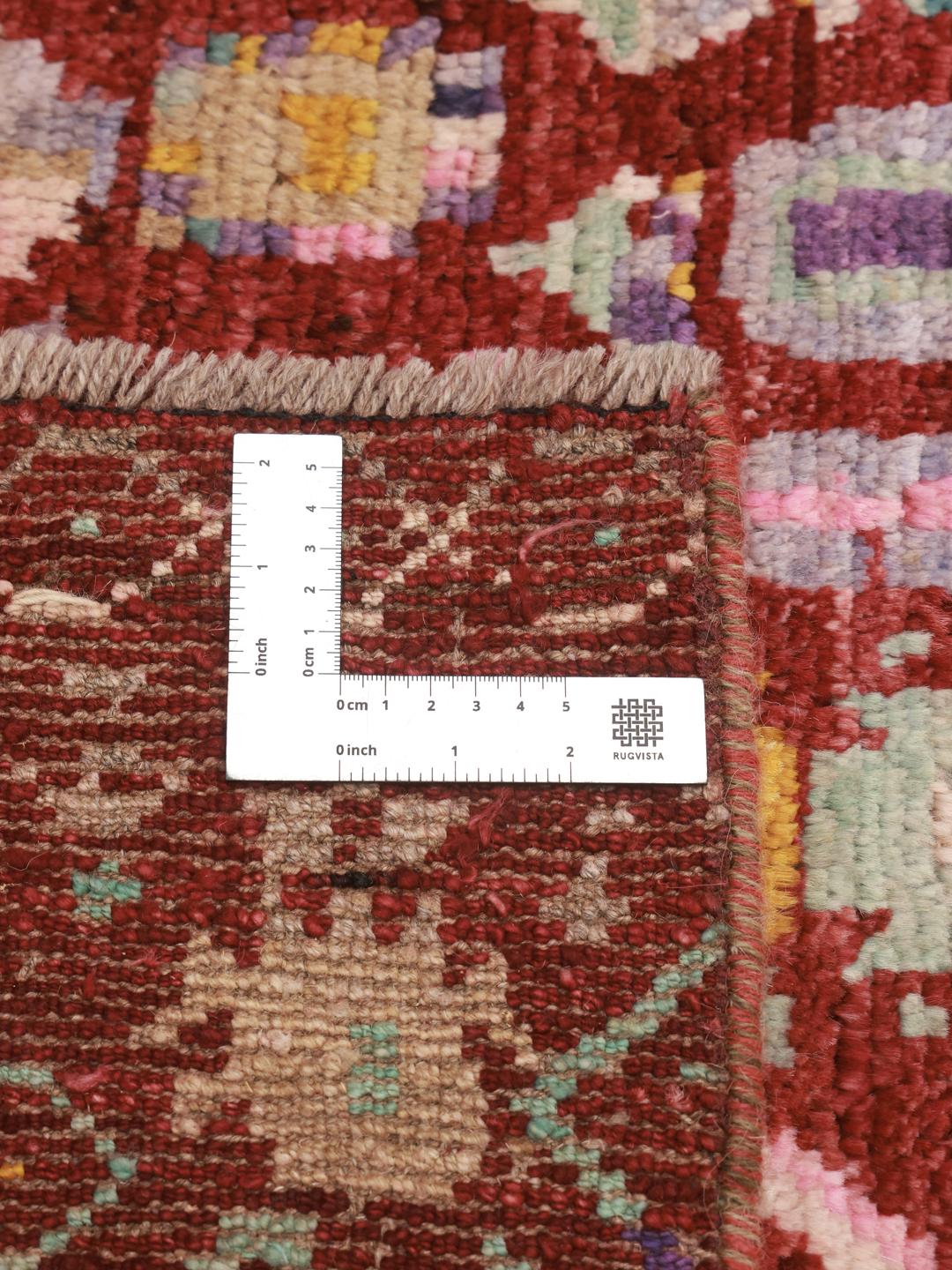
The tradition of rug weaving in Afghanistan is deeply intertwined with the history of the Silk Road, acting as a crossroads for various nomadic and settled cultures. While the term Berber is often associated with North African styles, Afghan weavers have long adapted these iconic, expressive design languages, blending their own local techniques with these widely beloved aesthetic motifs.
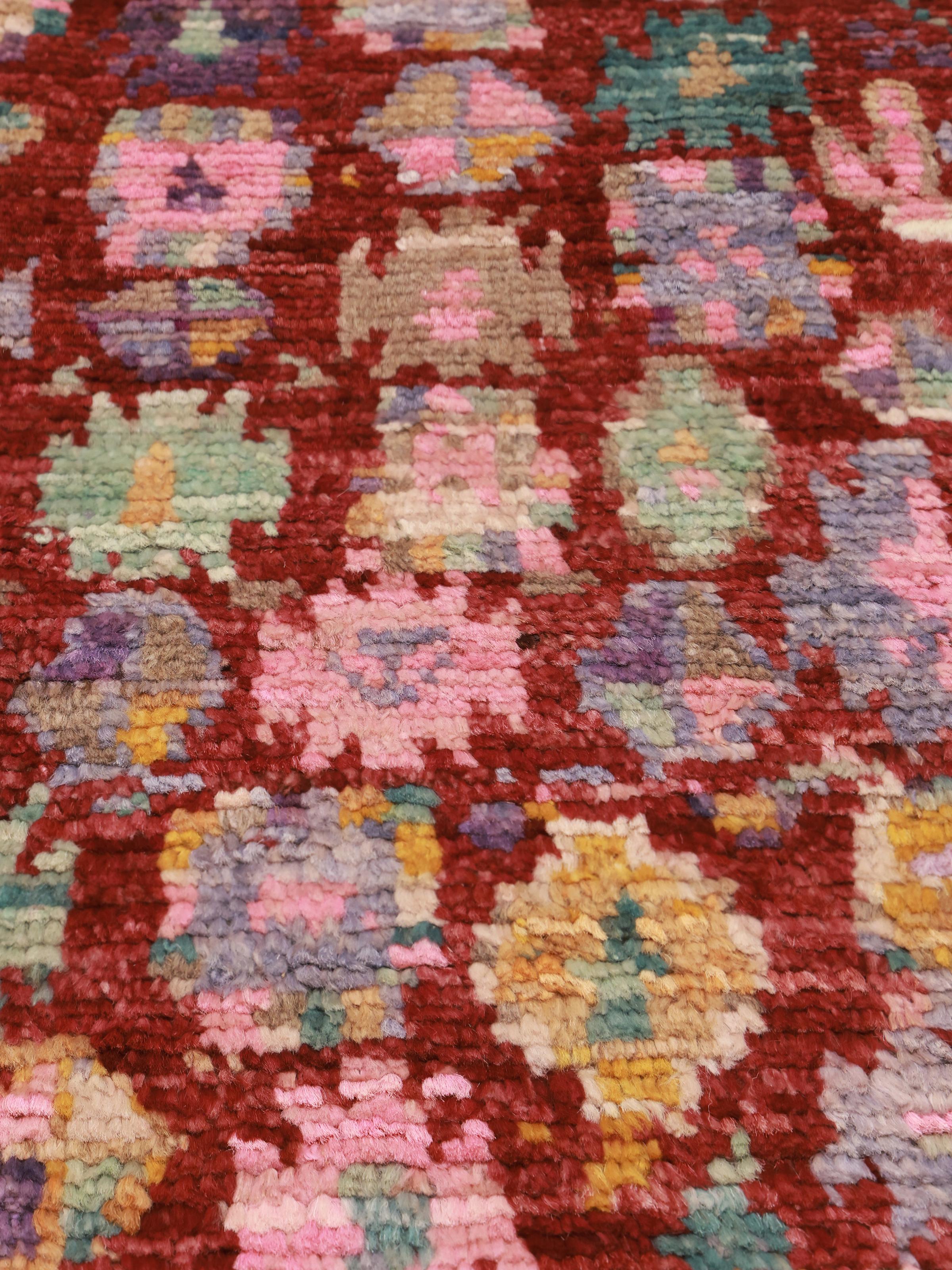
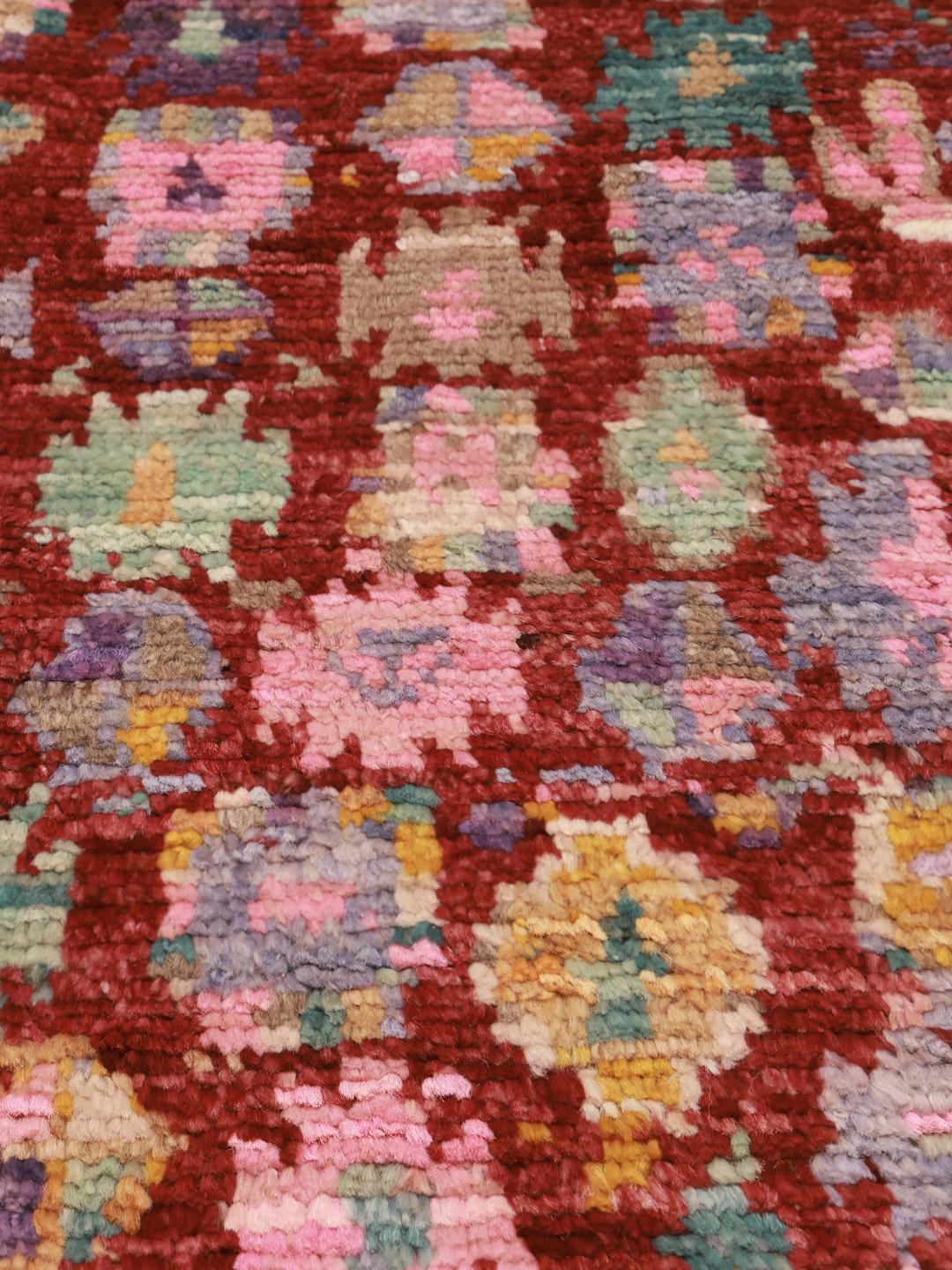
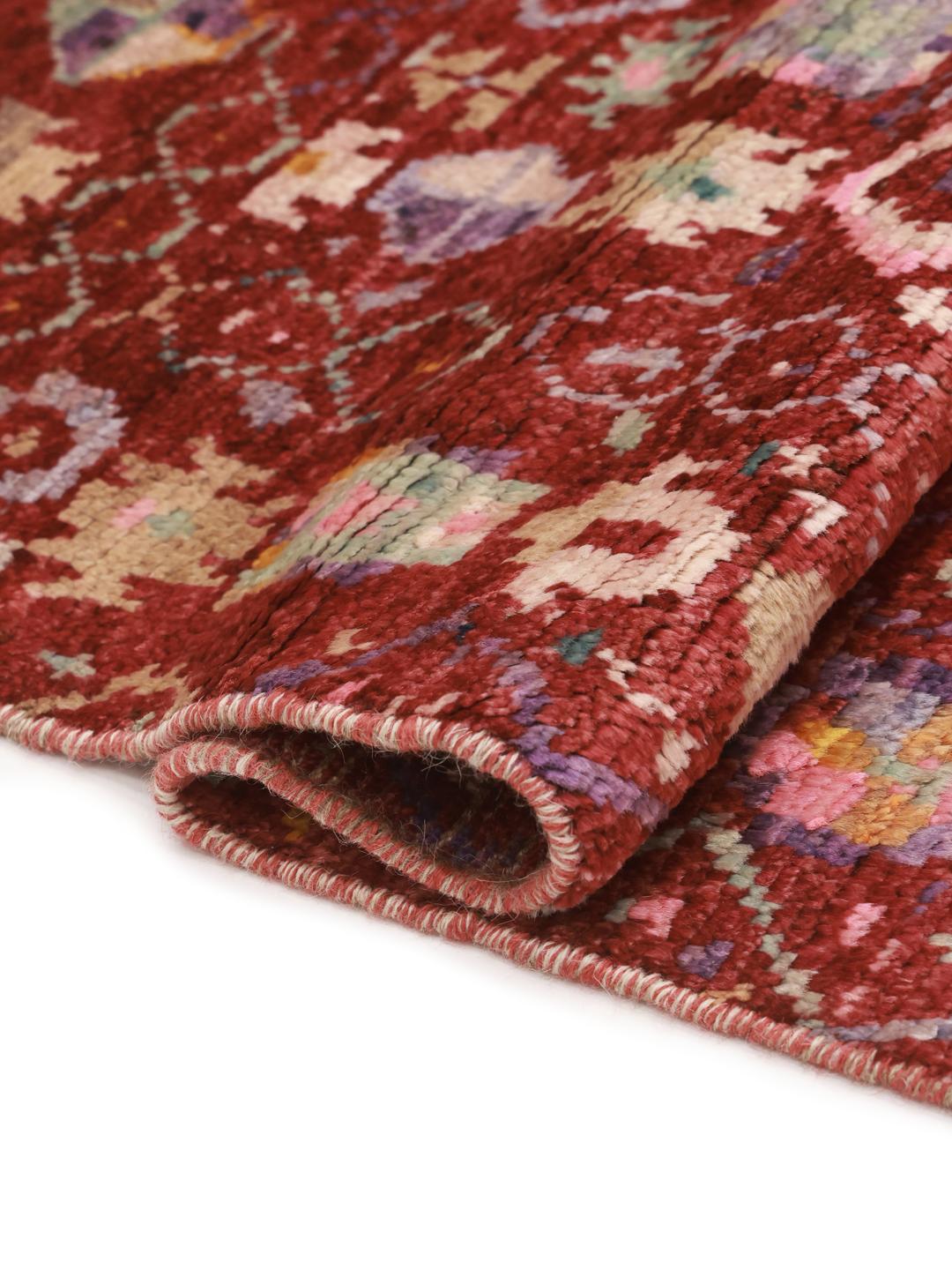
The quality of these rugs is defined by the use of hand-spun wool, which retains natural lanolin for a soft, lustrous finish. This choice of material is not merely for comfort but for longevity; wool is naturally resilient, fire-resistant, and capable of repelling dirt, making it the ideal fibre for a piece intended to be passed down through generations.
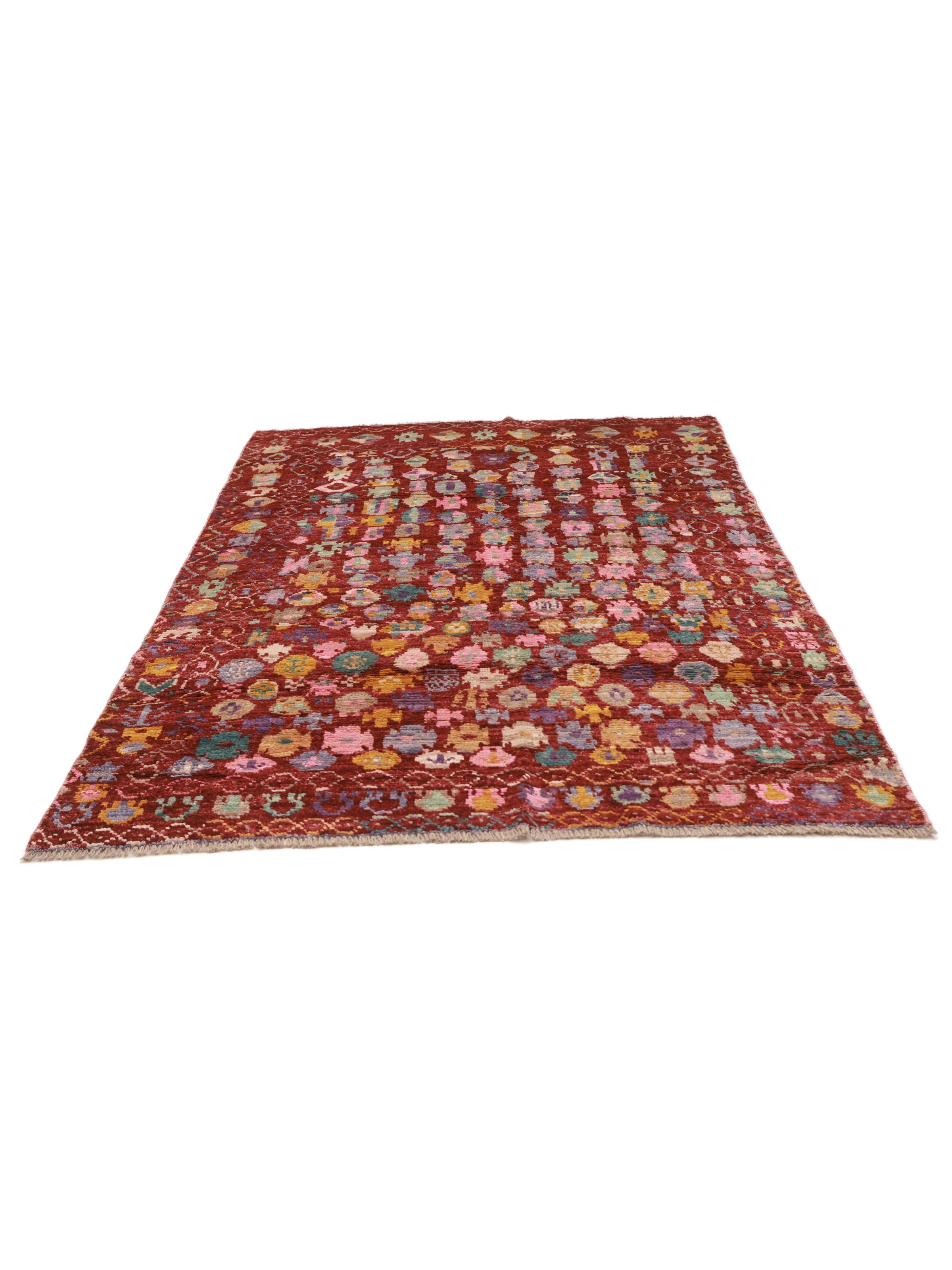
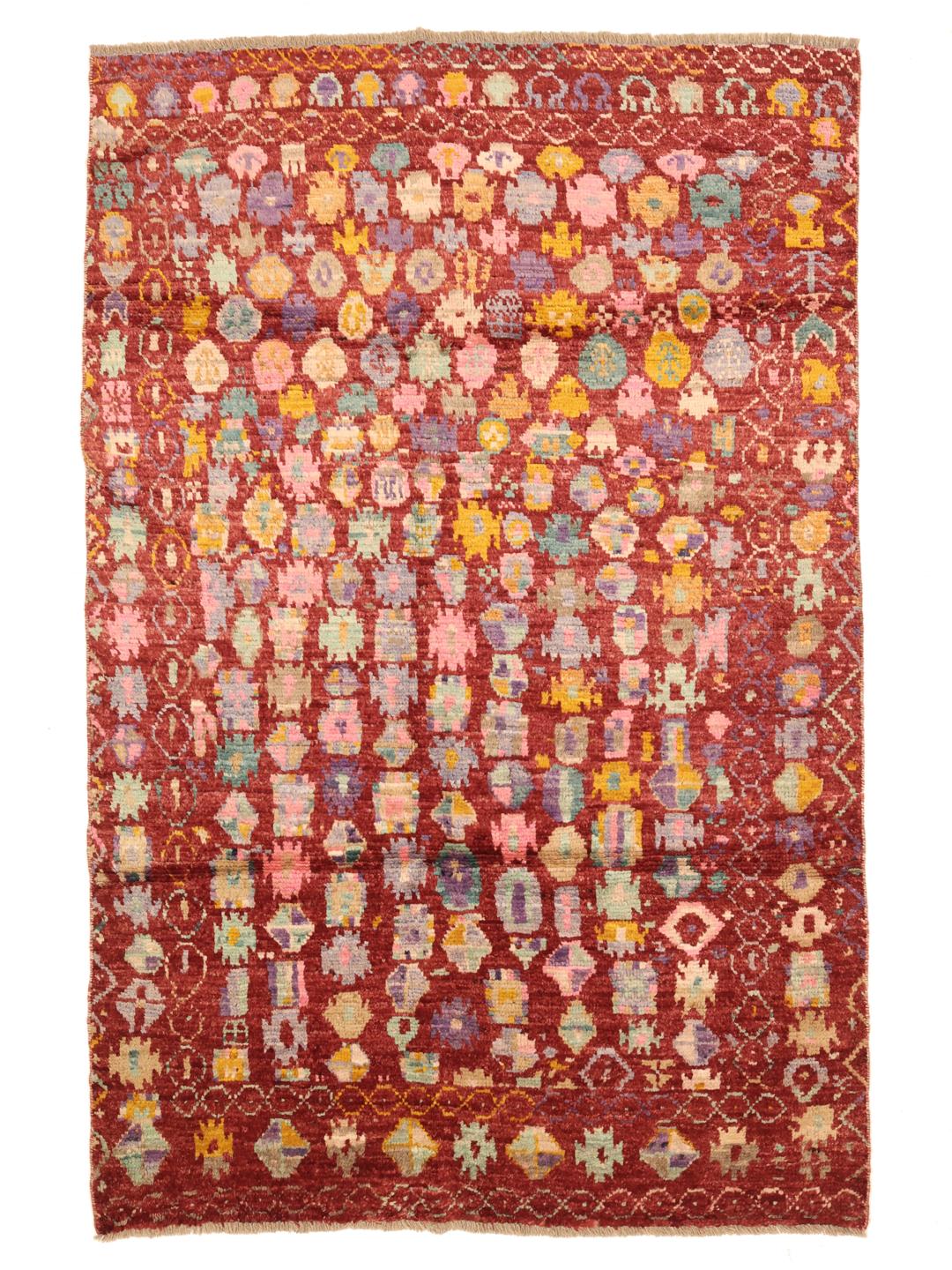
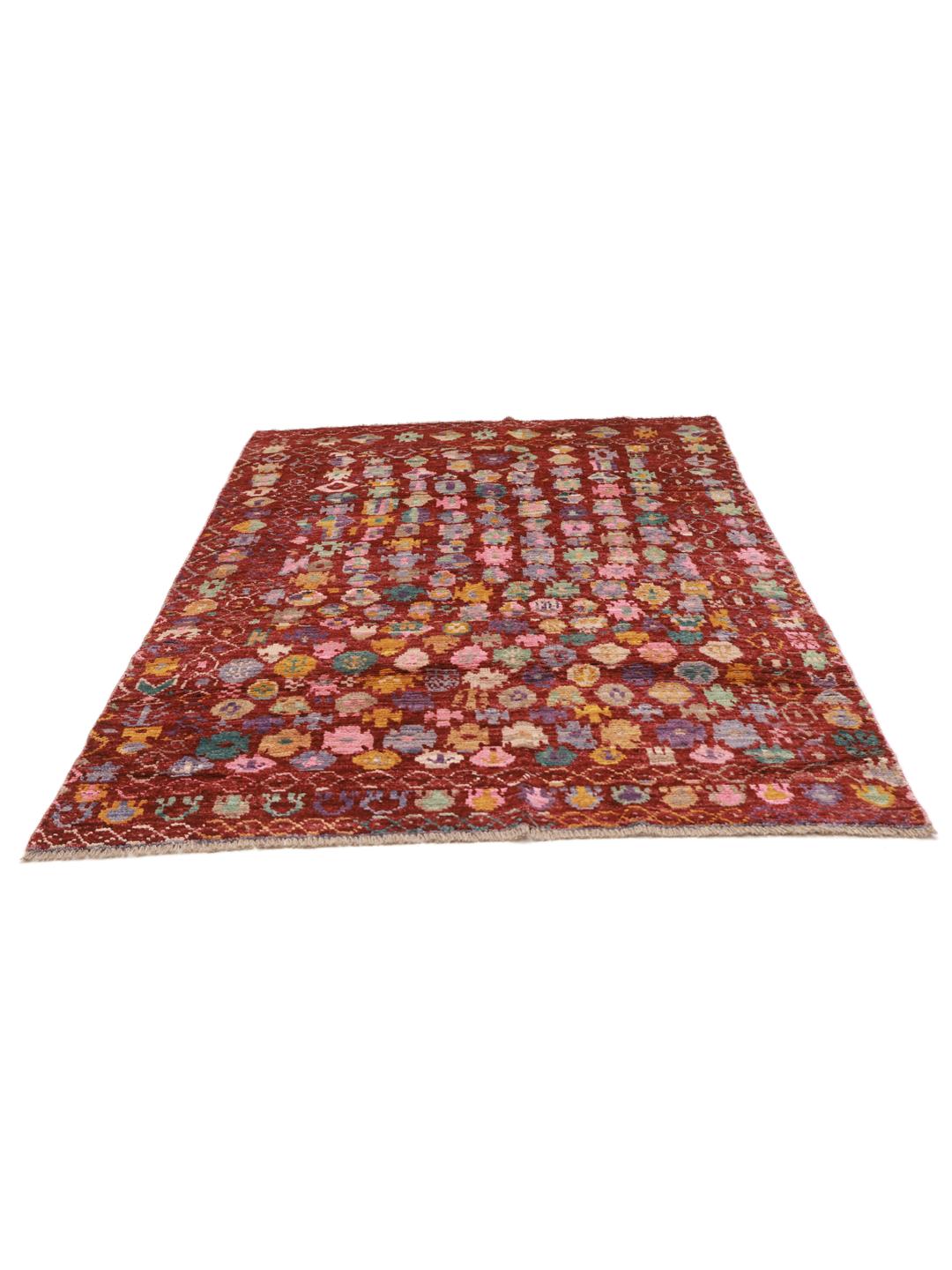
Visually, these rugs are known for their lively and often spontaneous patterns. Instead of rigid, geometric formality, they often feature a more organic arrangement of motifs, allowing for a creative freedom that makes every rug a unique narrative. The bold use of colour, often derived from natural dyes, reflects the vibrant landscapes and cultural spirit of the region.
Collecting a rug from this tradition is an act of supporting a living craft. These pieces are valued for their authenticity and the human story behind every knot. Owning one means you are preserving a piece of cultural history while enjoying a functional object that brings warmth, colour, and a sense of belonging to your home.