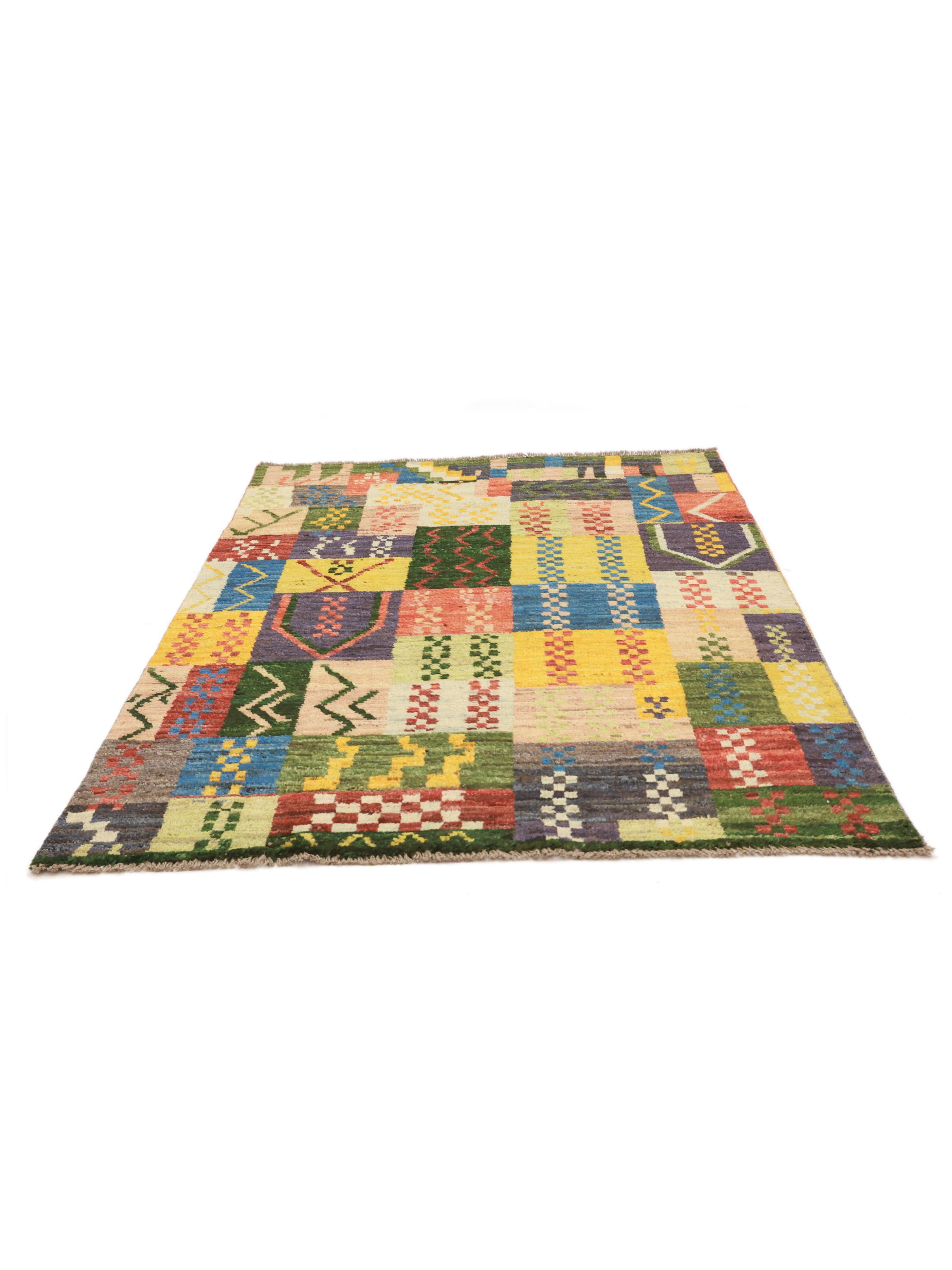
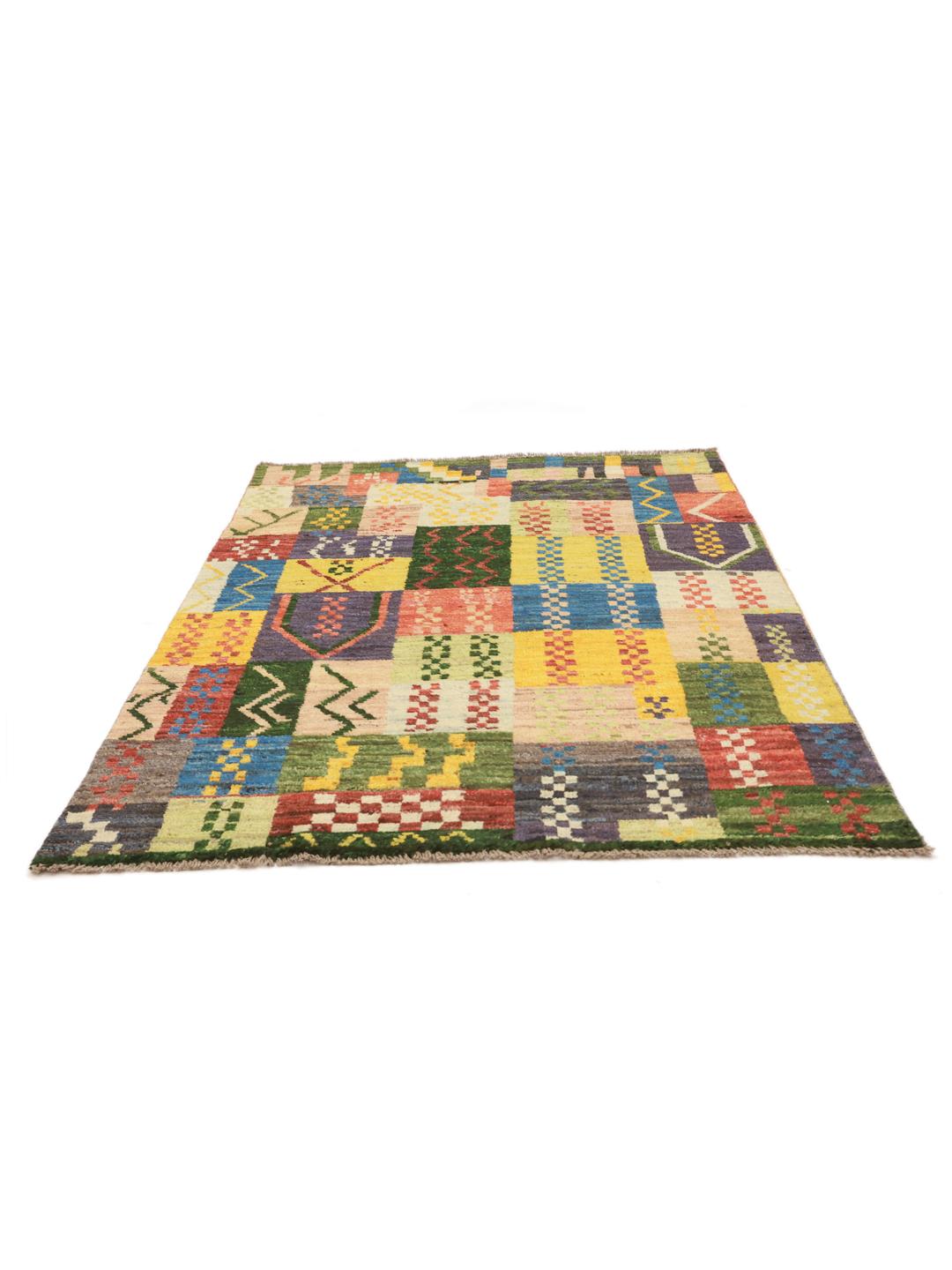
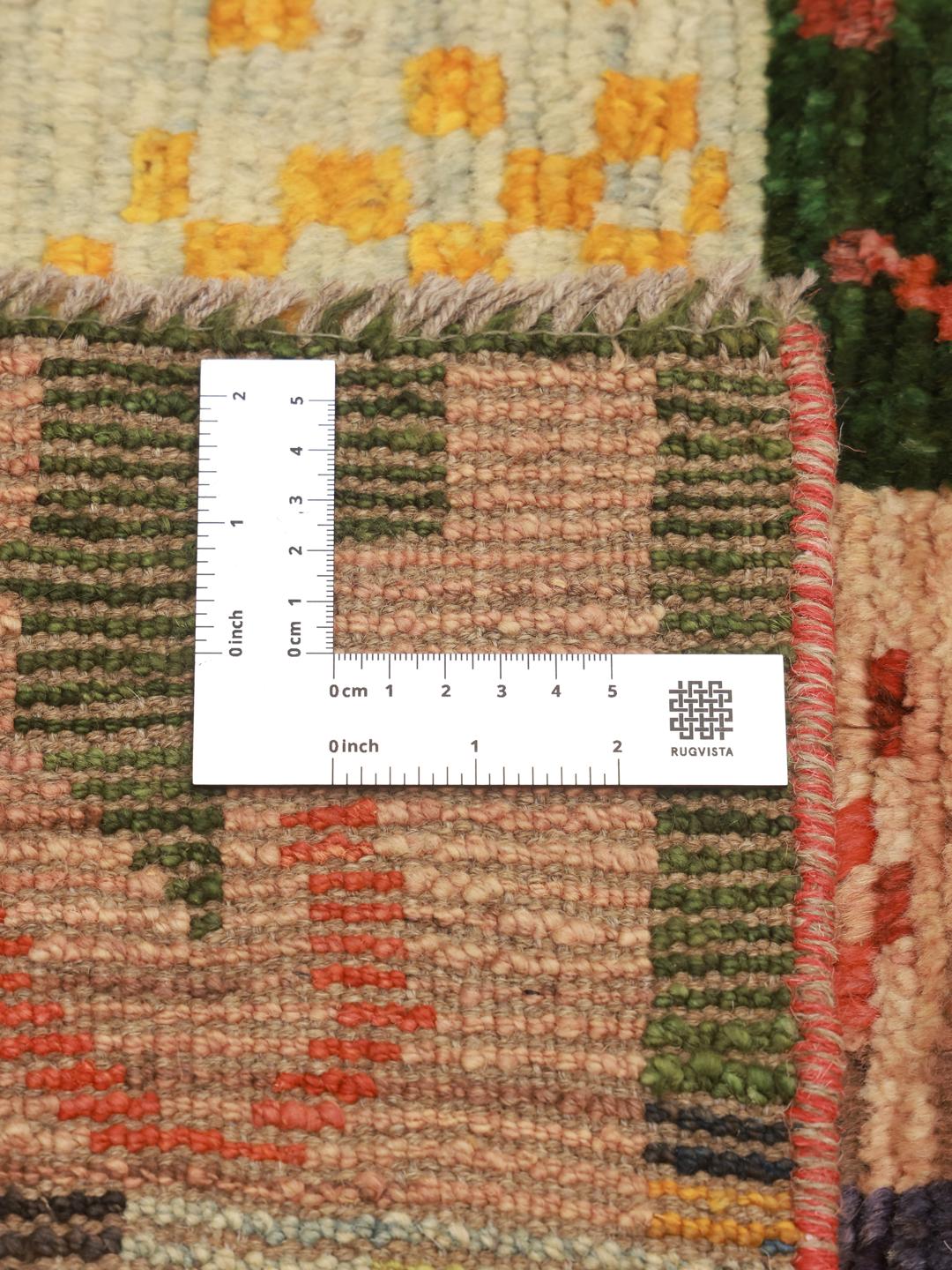
The Berber tradition, while historically rooted in the Atlas Mountains of North Africa, has inspired weaving communities across the globe, including those in Afghanistan. These weavers have adopted the aesthetic principles of high-pile, geometric, and tribal-inspired designs, blending them with their own regional techniques to create a unique evolution of the style.
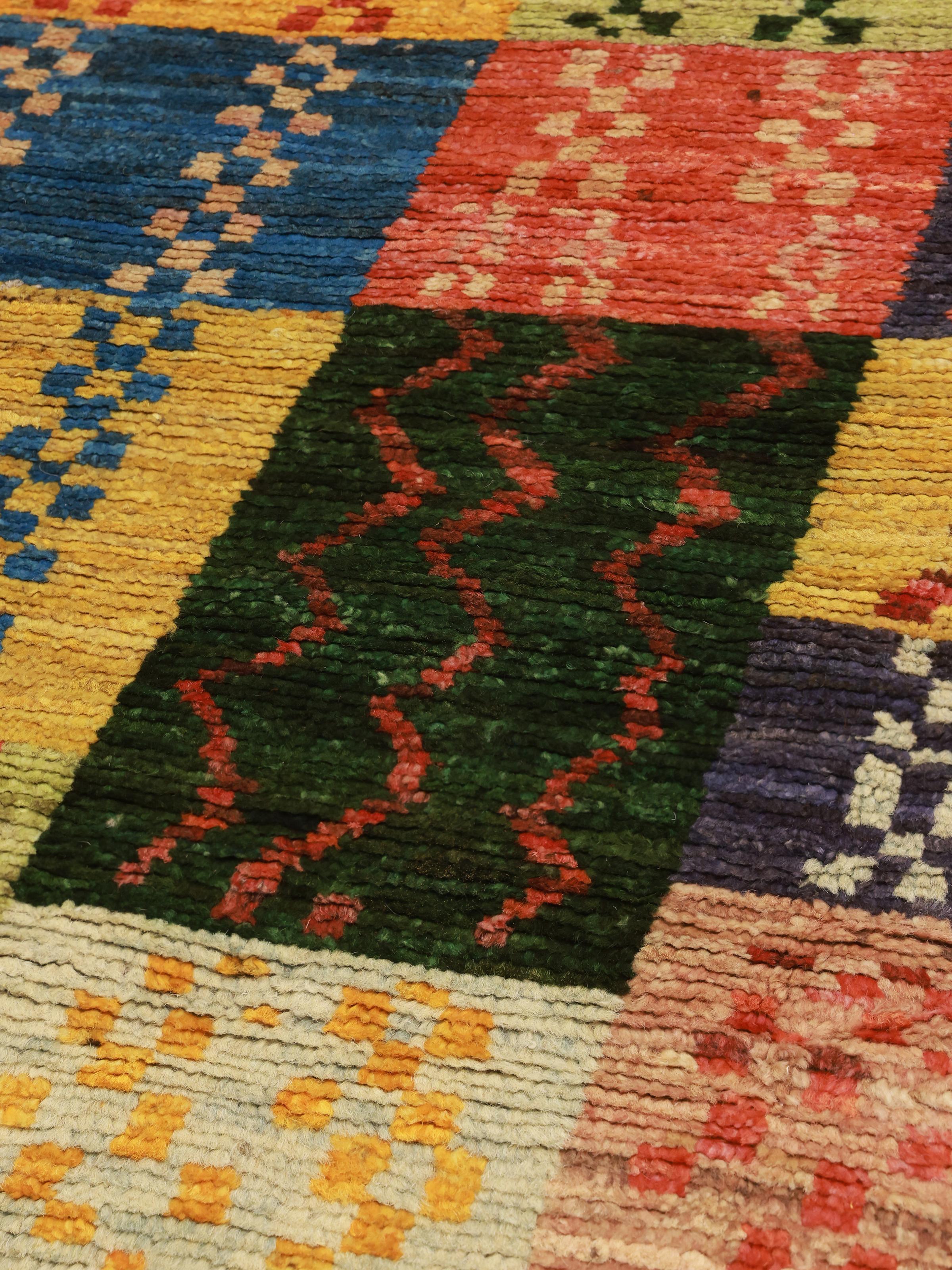
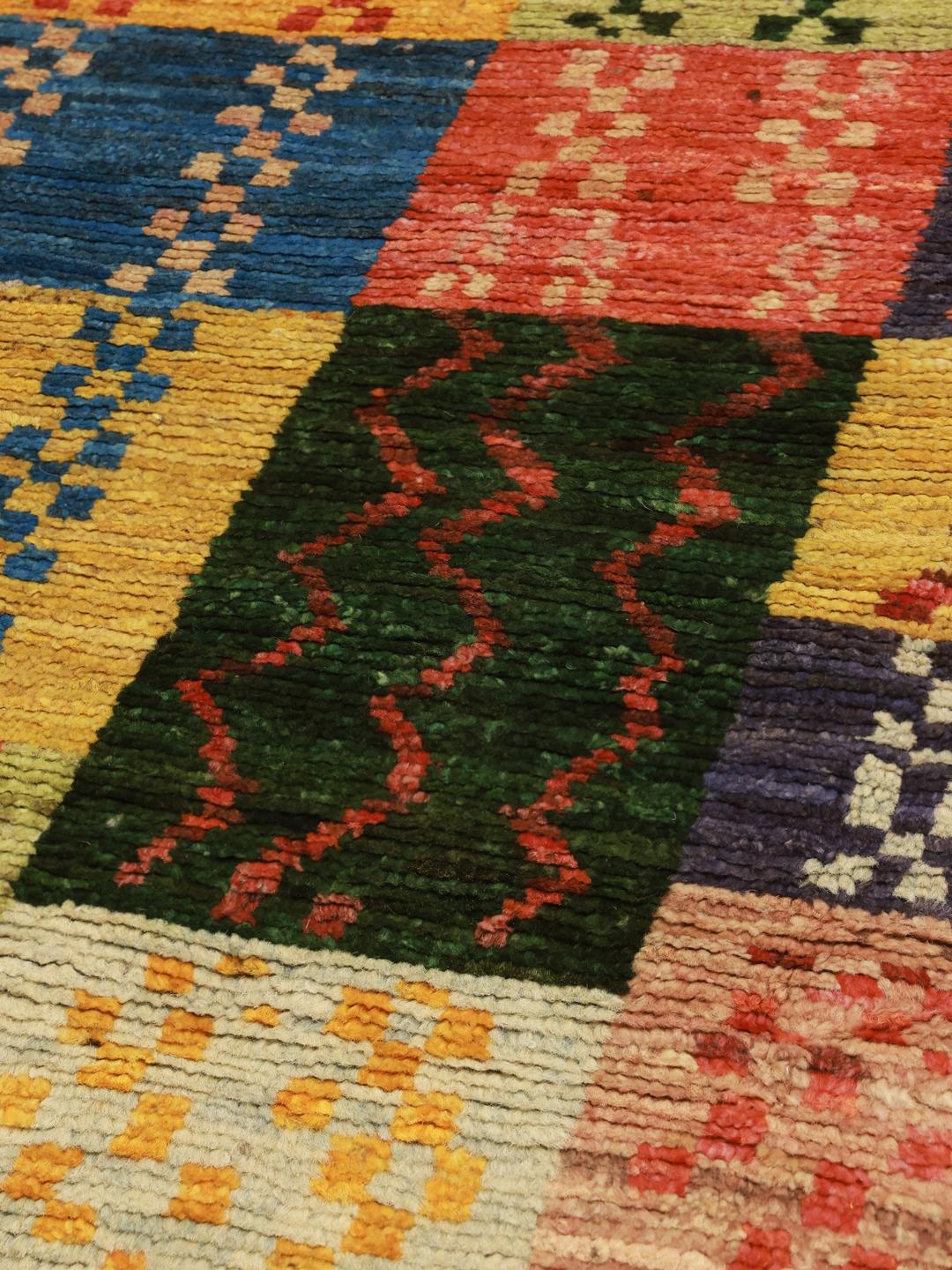
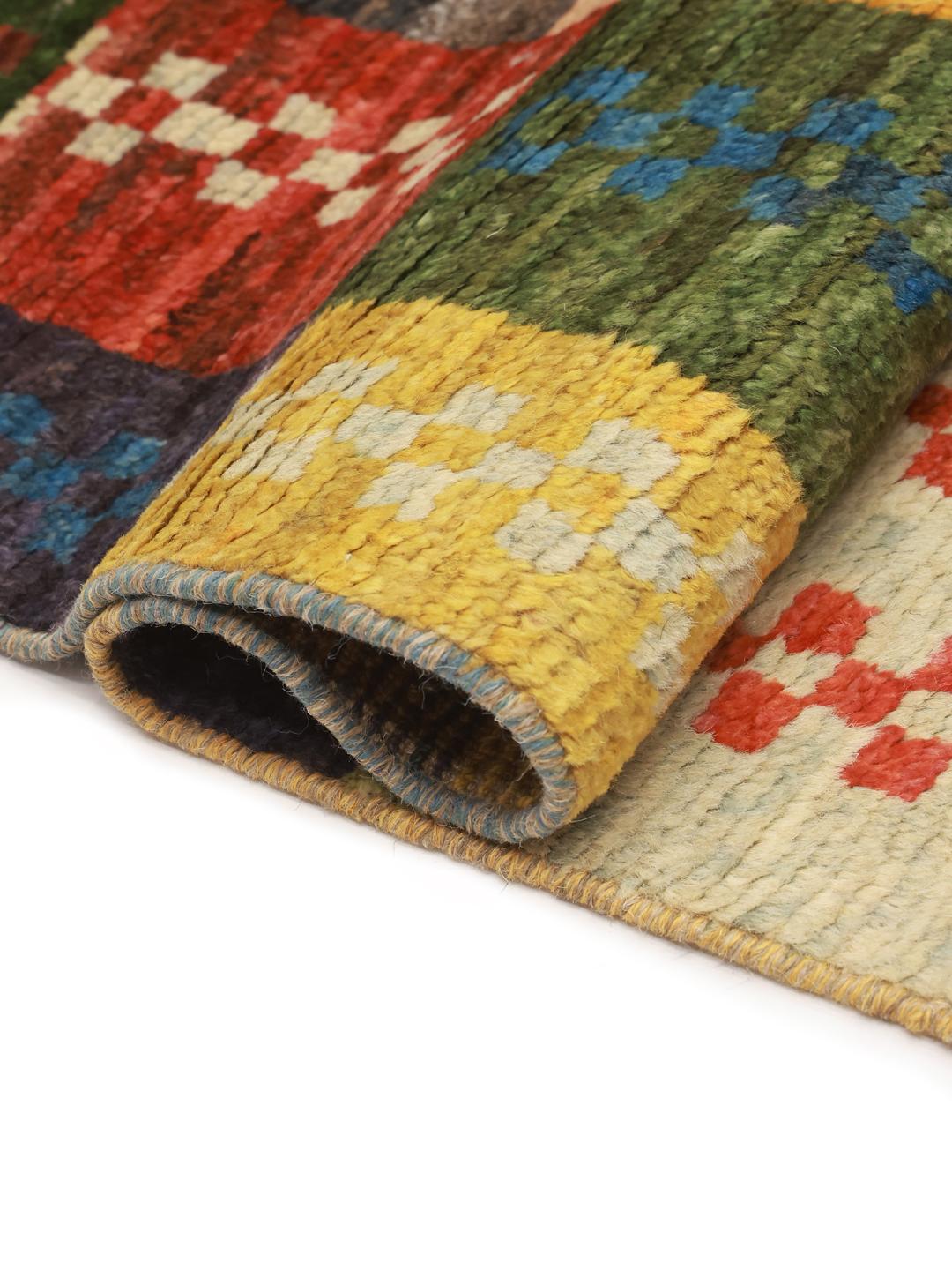
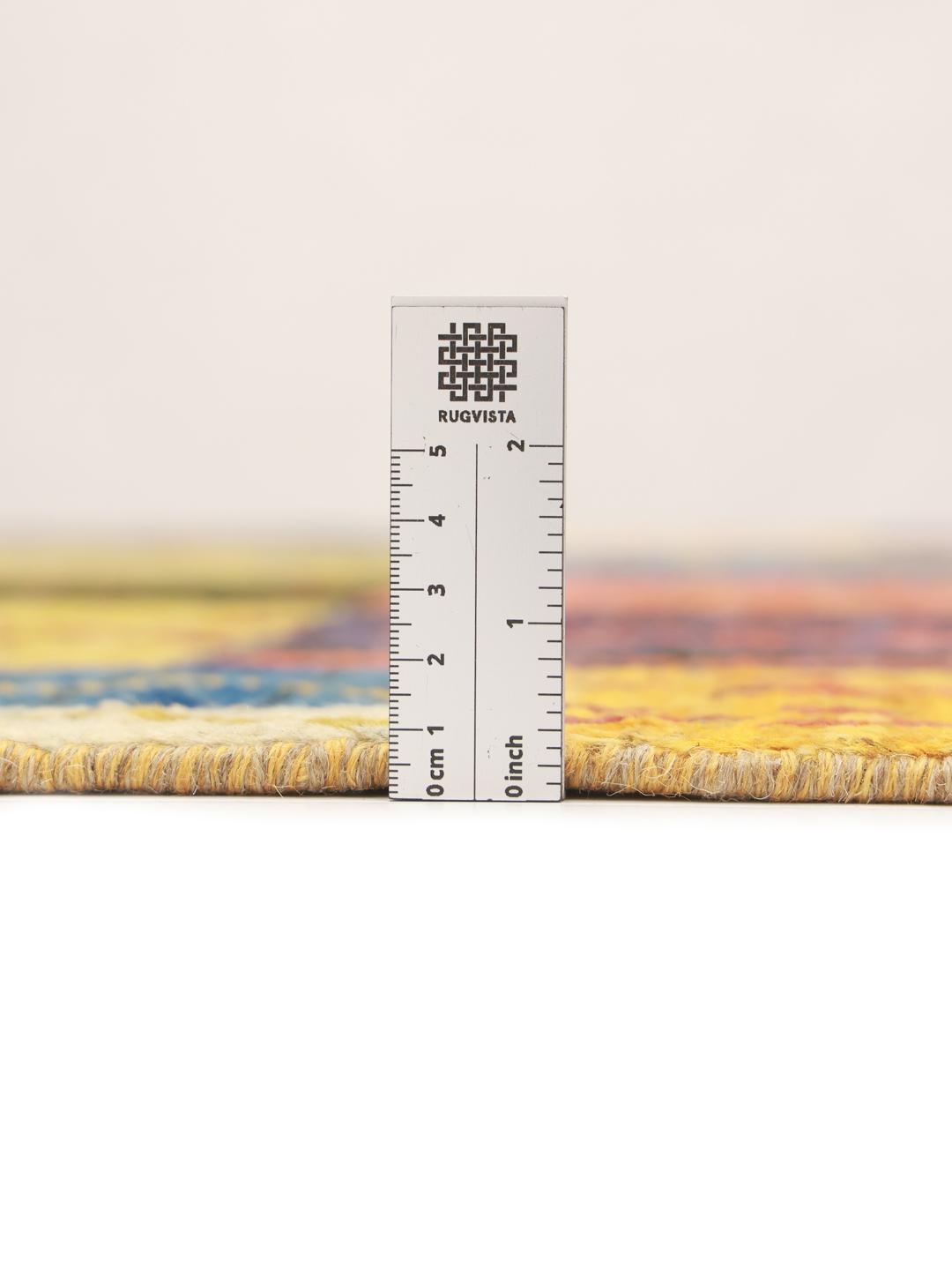
In the context of Afghan craftsmanship, these rugs are often created with a focus on durability and warmth. The use of high-quality wool for both the pile and the foundation is central to this tradition, ensuring that the finished product is resilient enough to handle years of use while retaining its soft, plush texture.
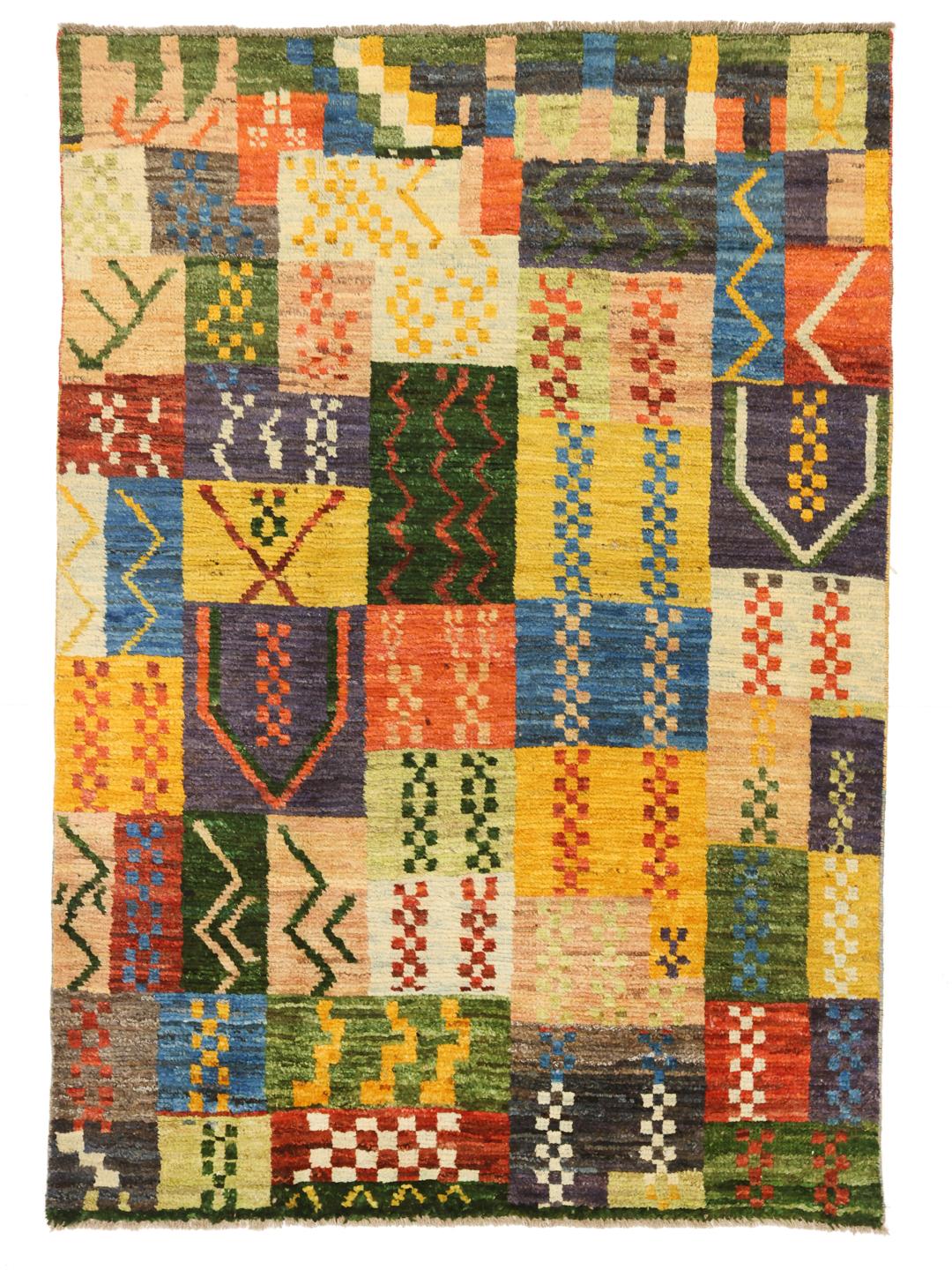
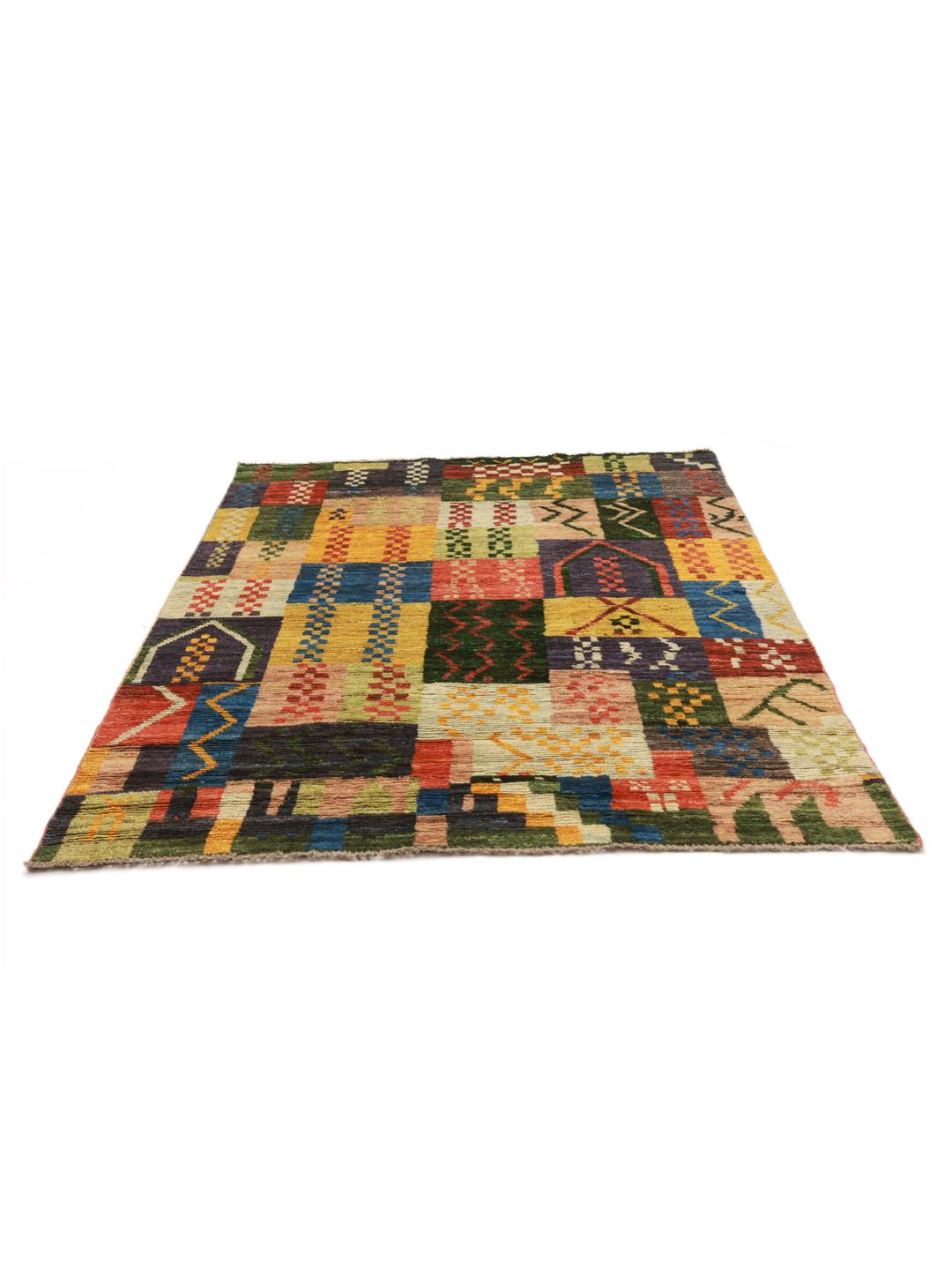
The visual language of this rug is characterised by its bold, modular approach to pattern. While traditional nomadic rugs often feature repeating medallions or central motifs, this style breaks the field into smaller, distinct panels. Each panel acts as a canvas for various symbols and zig-zag motifs, reflecting a creative freedom that is highly prized by collectors of contemporary folk art.
Collectors value these rugs for their ability to bridge the gap between ancient craft and modern design. Owning one is an investment in cultural heritage and human skill, representing a commitment to supporting traditional livelihoods. It is a piece that carries history in its threads, designed to age gracefully alongside your home.