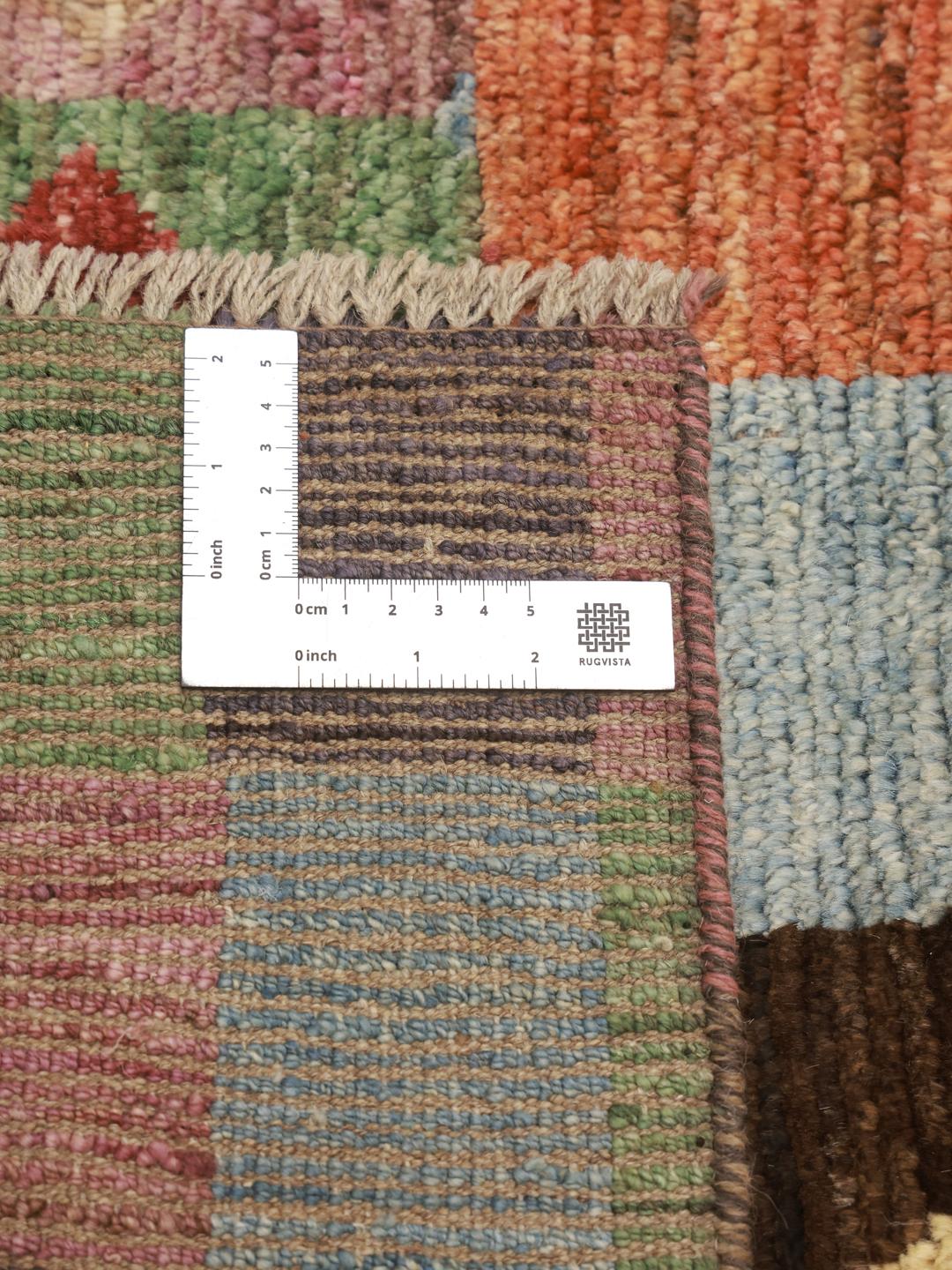
The tradition of rug weaving in Afghanistan is deeply rooted in the cultural fabric of the region, drawing on centuries of nomadic and settled craft practices. These rugs are often inspired by the rugged landscapes and rich artistic heritage of the Middle East, where weaving has served as both a practical necessity and a vital form of self-expression for generations.
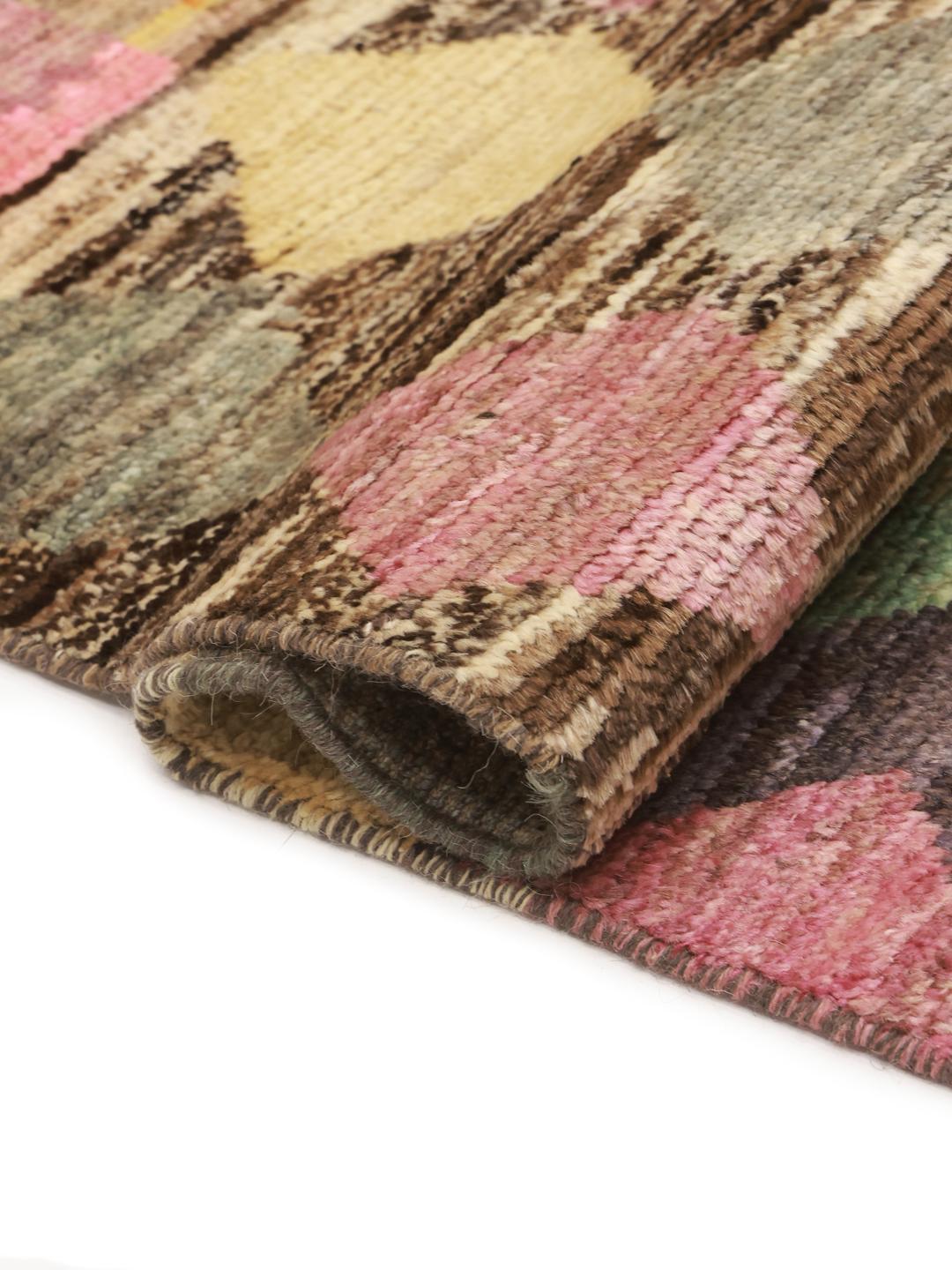
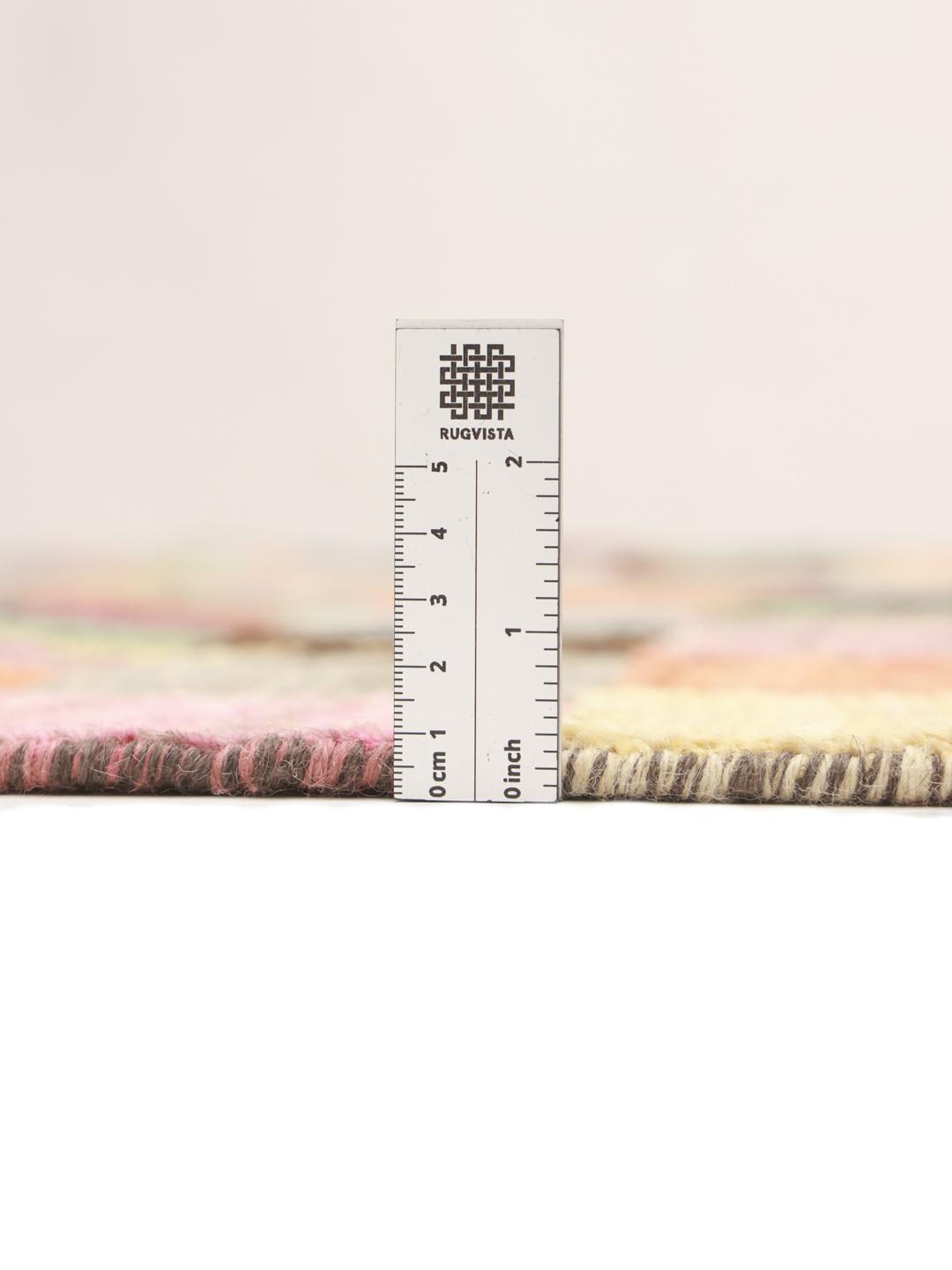
Berber-style rugs are known for their thick, plush piles and bold, often improvisational designs. While the term originates from North African weaving traditions, the Afghan interpretation brings a distinct flavour, often combining traditional geometric motifs with a more spontaneous, modern colour palette that reflects the weaver's personal vision and local aesthetic trends.
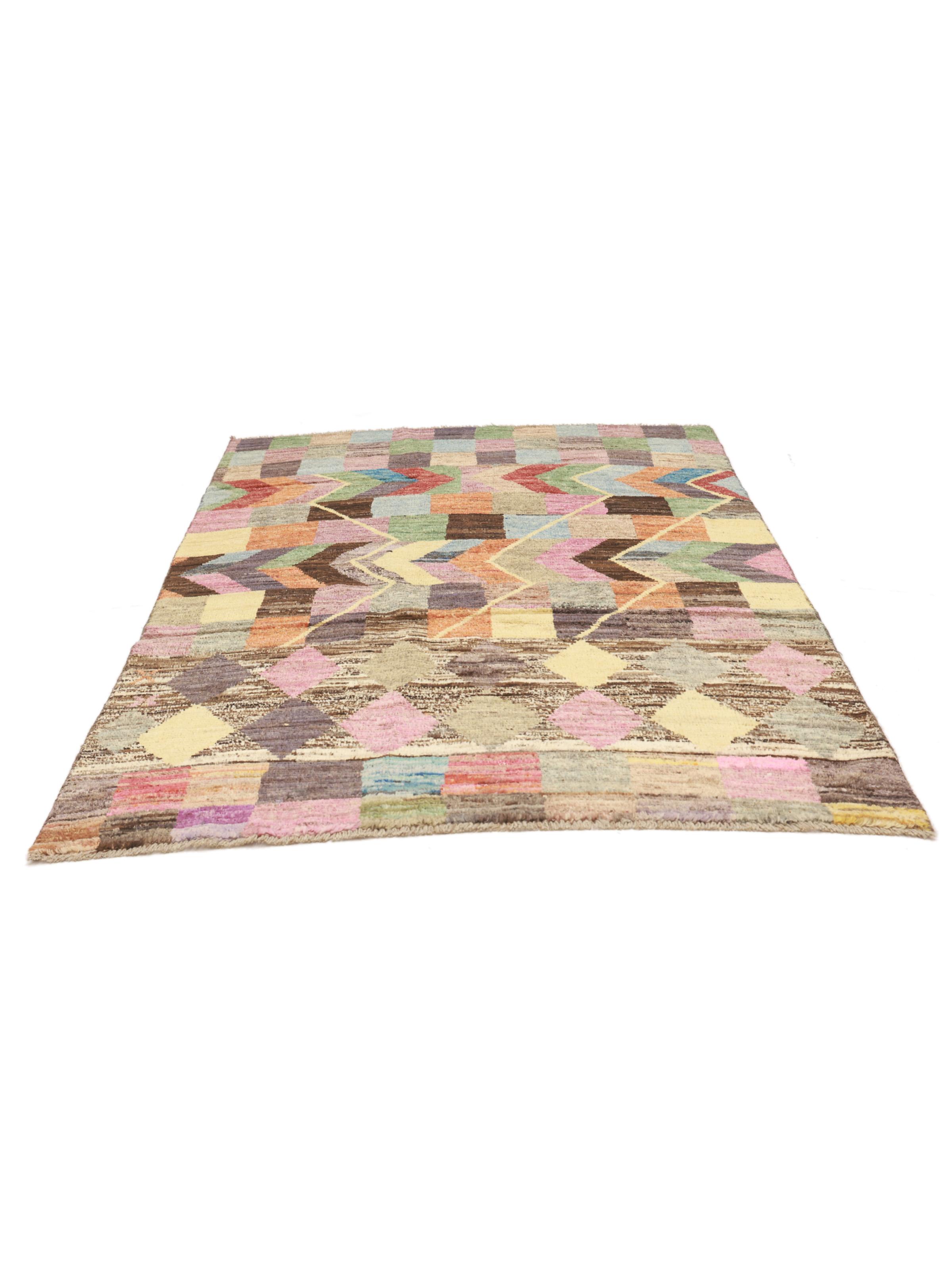
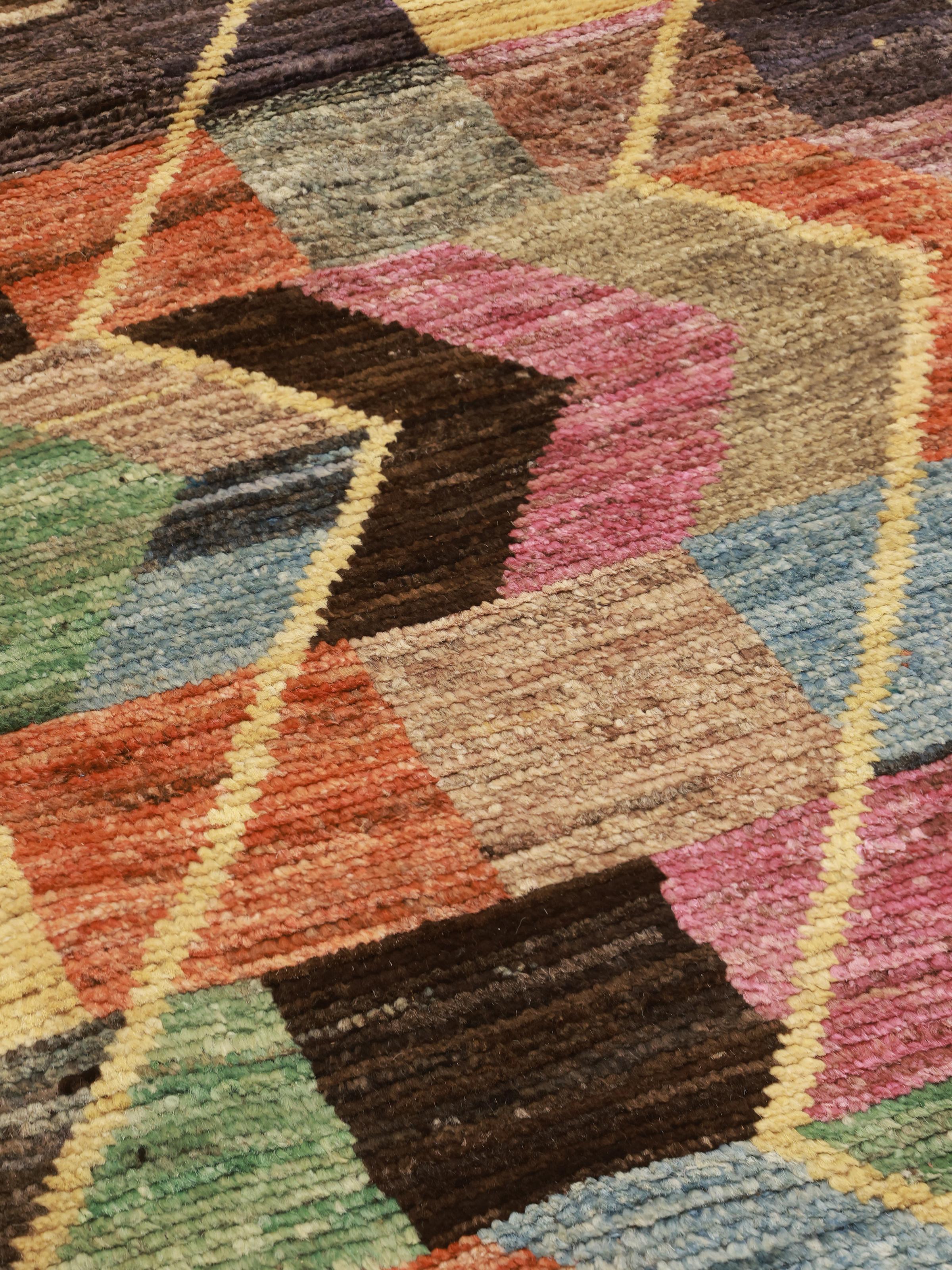
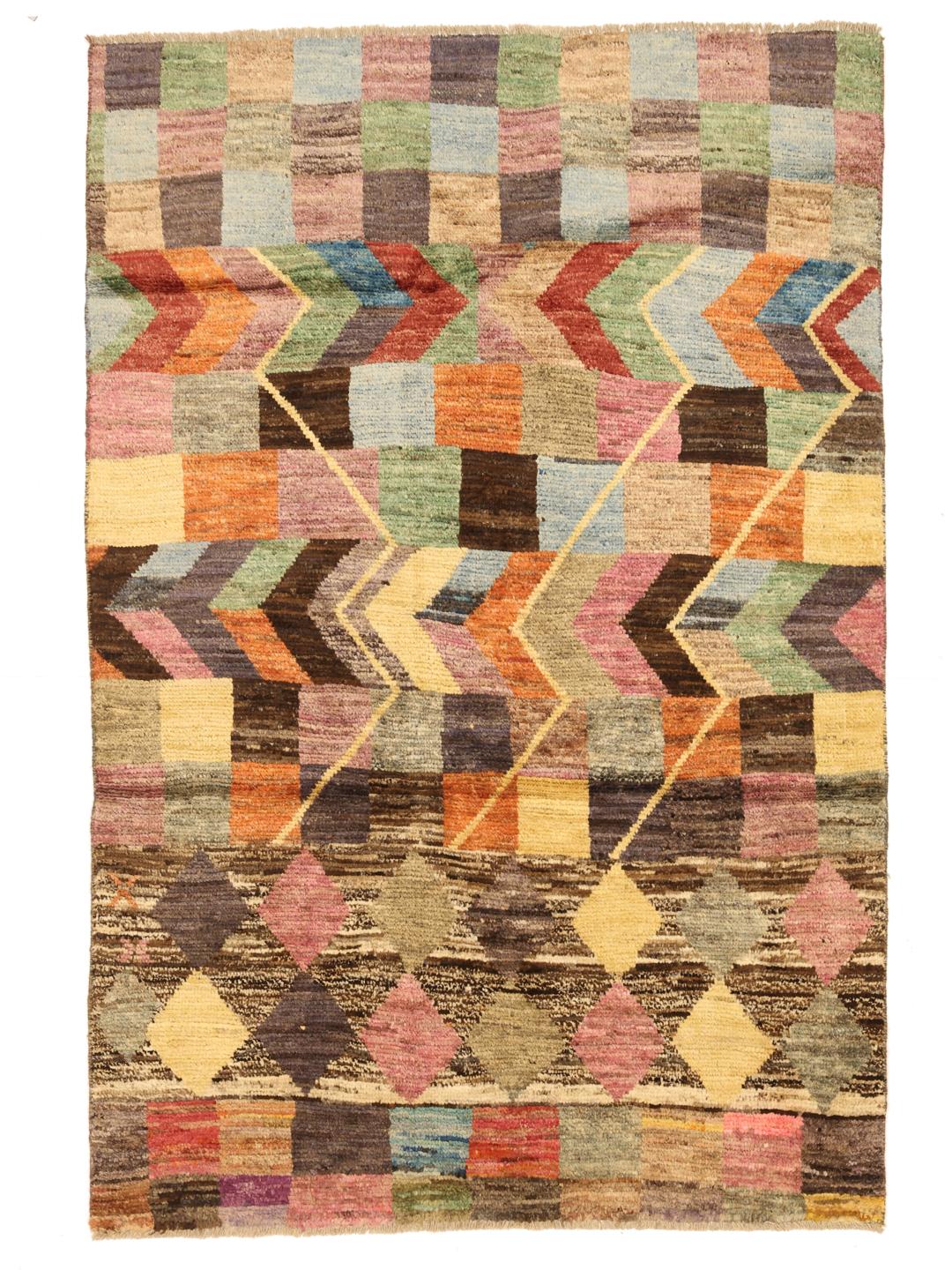
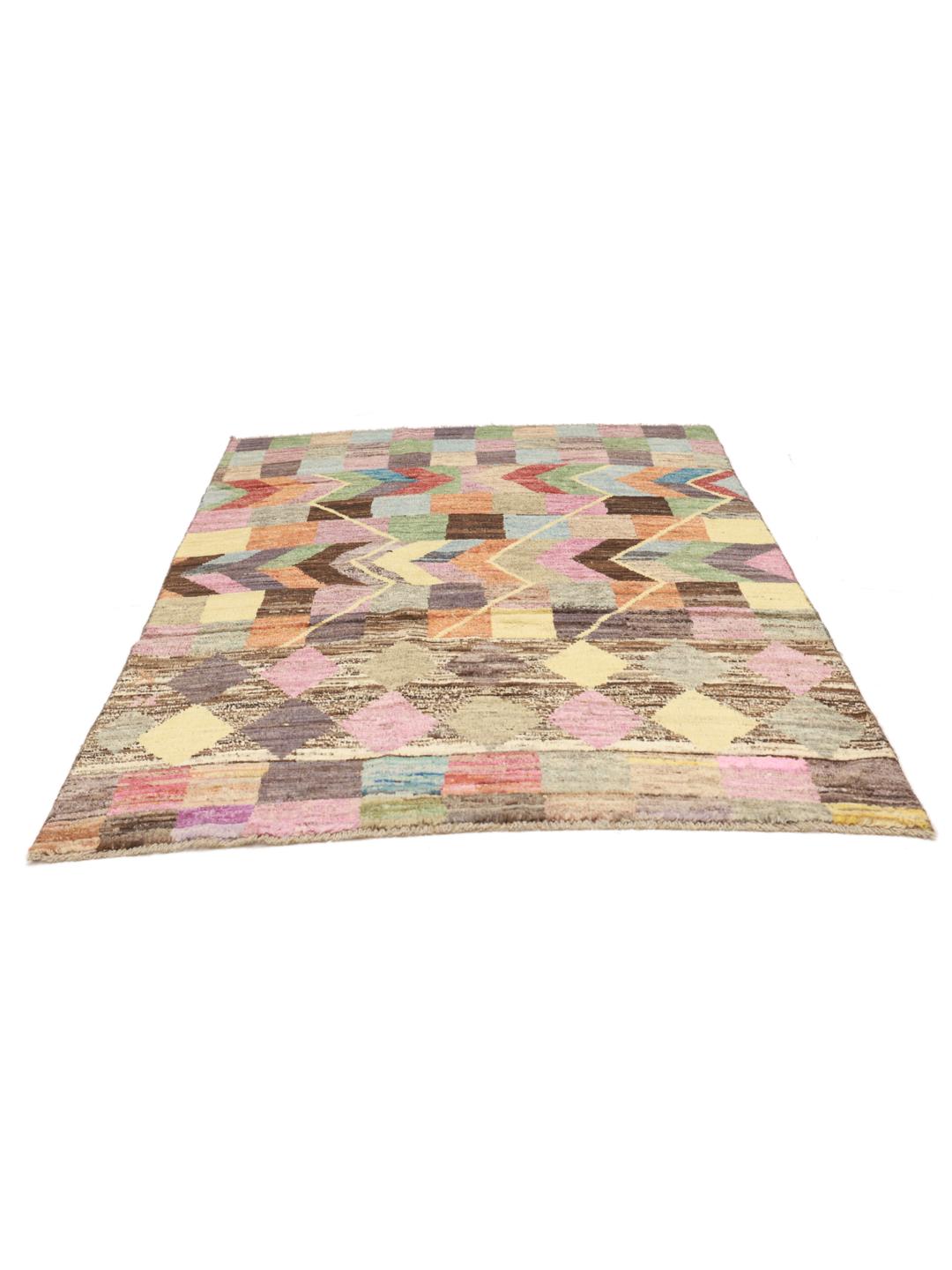
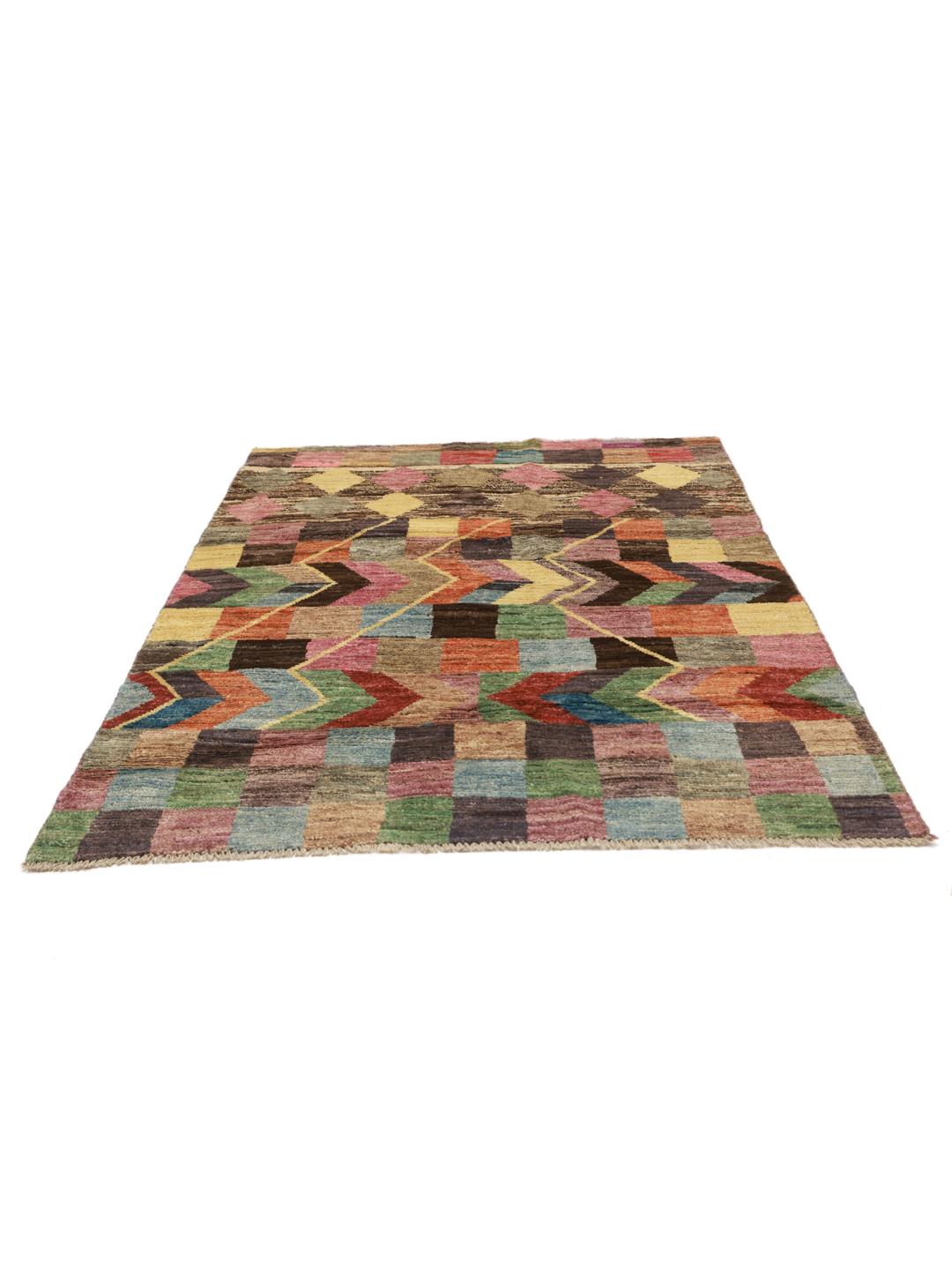
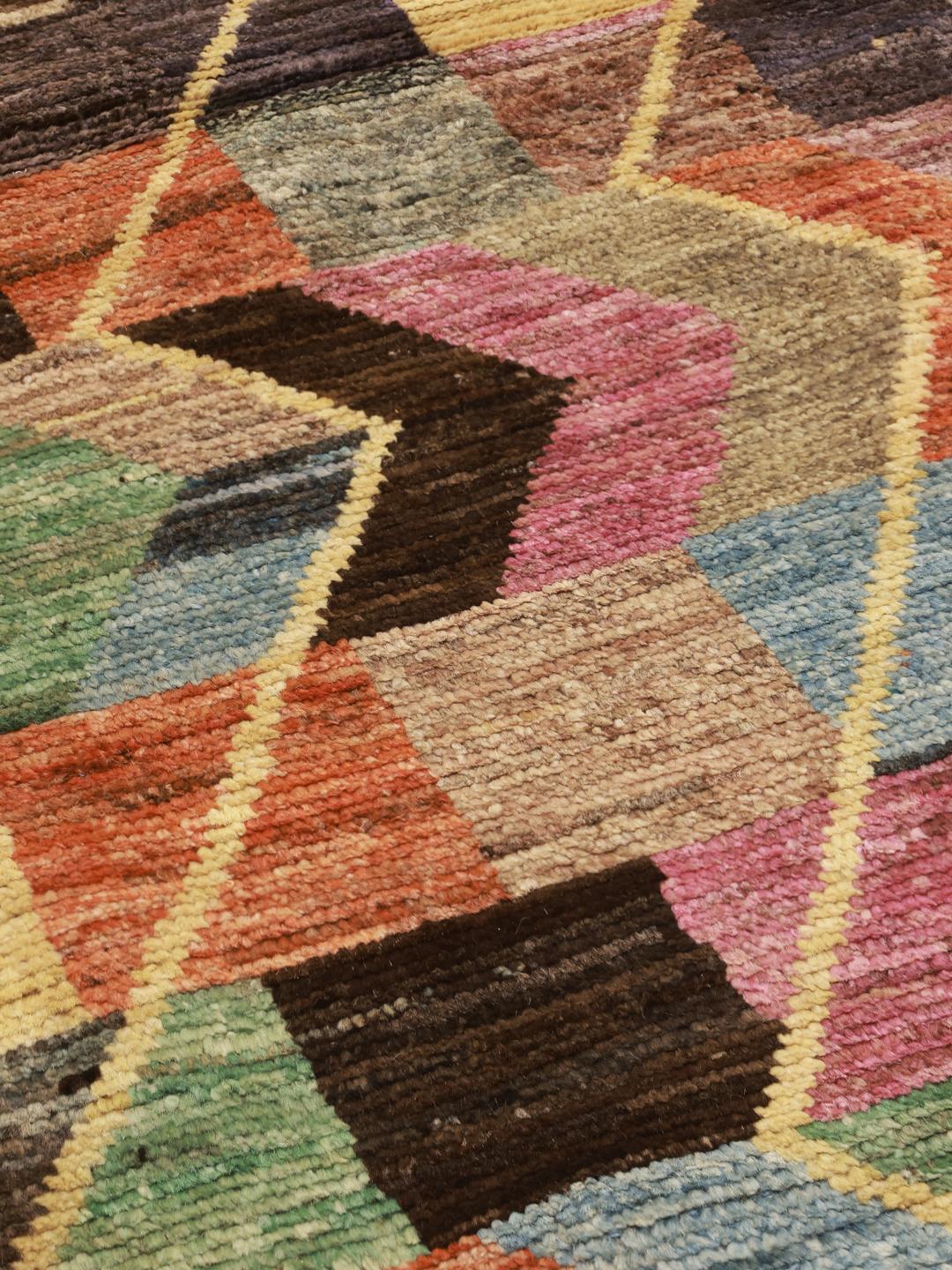
The visual language of this rug features a striking mix of checkerboard layouts, chevron-like arrows, and diamond motifs. These patterns are not merely decorative but are symbolic elements often passed down through families, representing protection, fertility, or the natural world. The use of vibrant, contrasting colours is a hallmark of this style, intended to bring light and energy into the home.
Owning a hand-knotted Afghan rug is an investment in cultural heritage and human skill. These pieces are highly valued by collectors for their authenticity and the palpable sense of history they bring to a modern home. Choosing such a rug means supporting a craft that prioritises quality and artistic integrity over mass production.