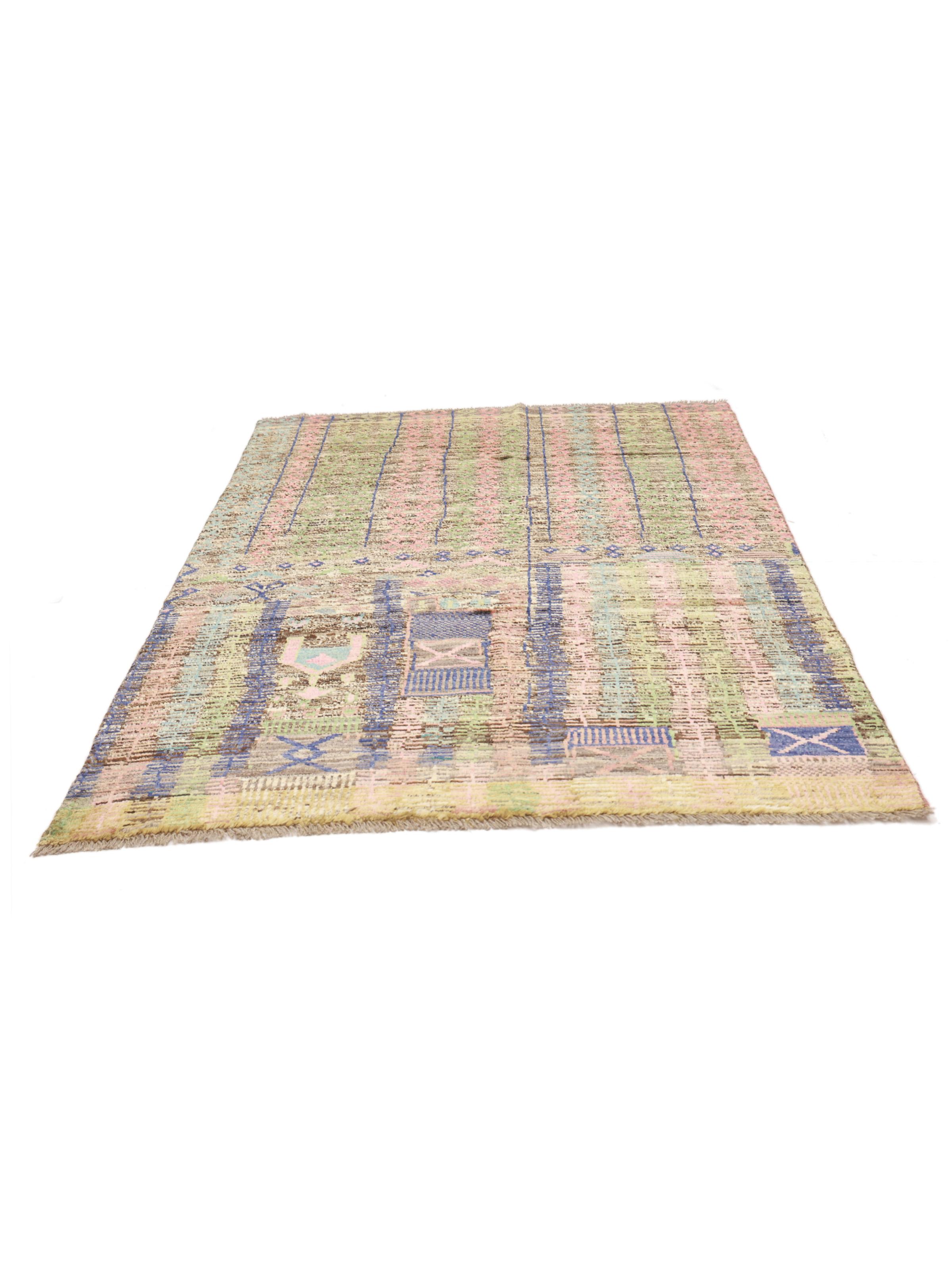
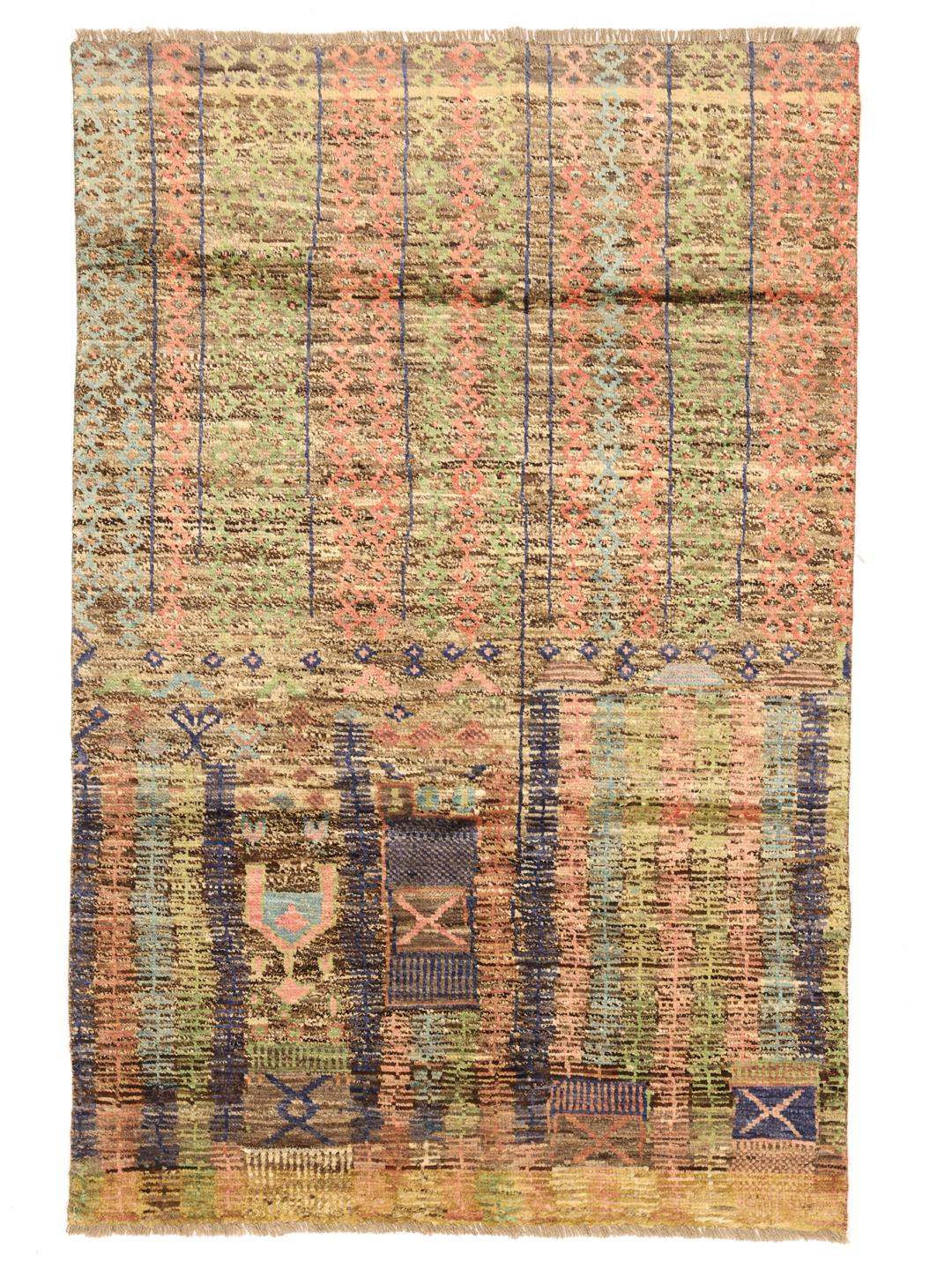
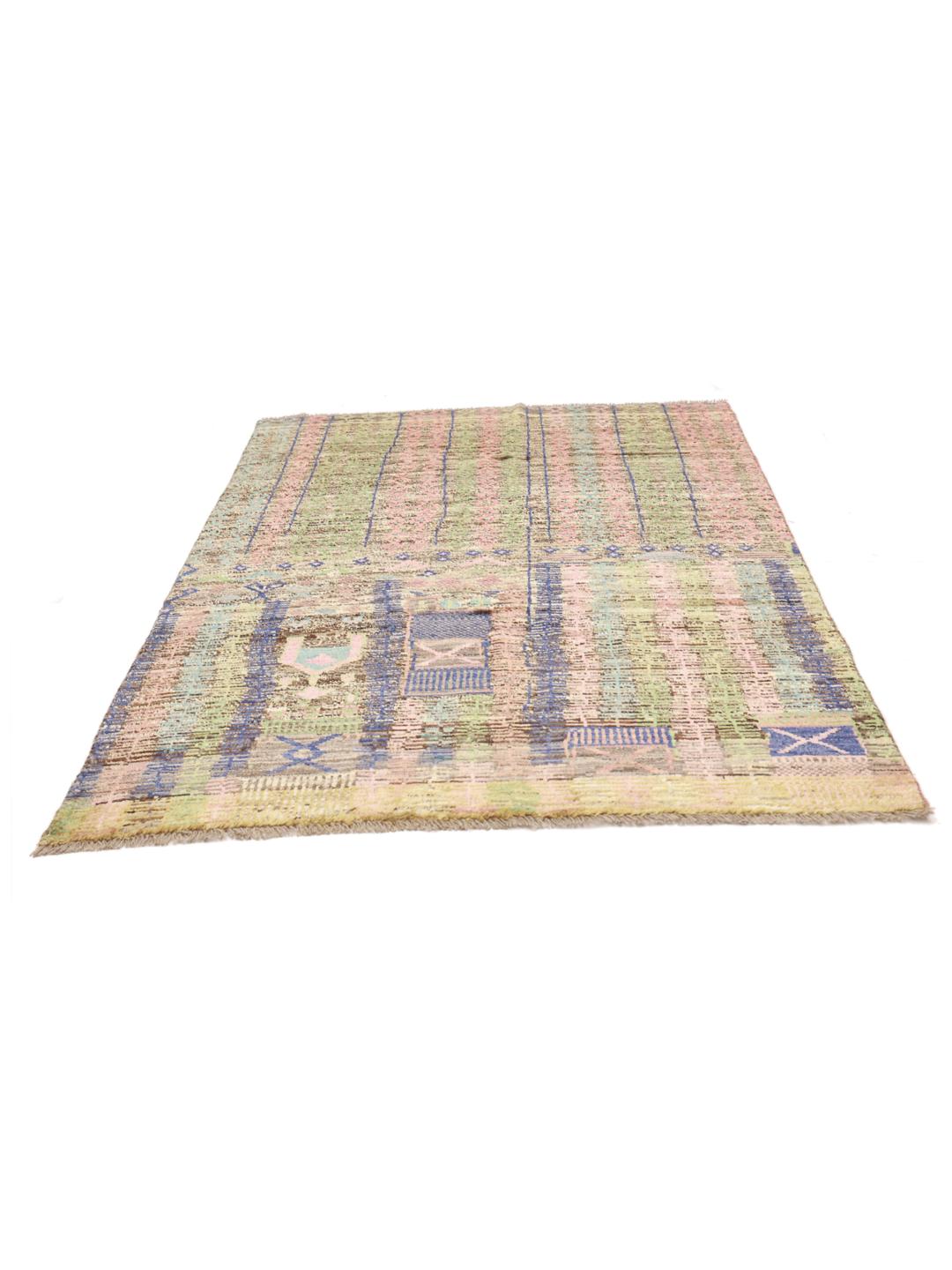
The Berber tradition, while deeply rooted in the Atlas Mountains of North Africa, has inspired a rich evolution of rug-making across various regions, including the skilled workshops of Afghanistan. This migration of style shows how cultural techniques are adapted and reinterpreted by local artisans, blending traditional methods with regional aesthetic sensibilities to create something fresh yet deeply connected to the past.
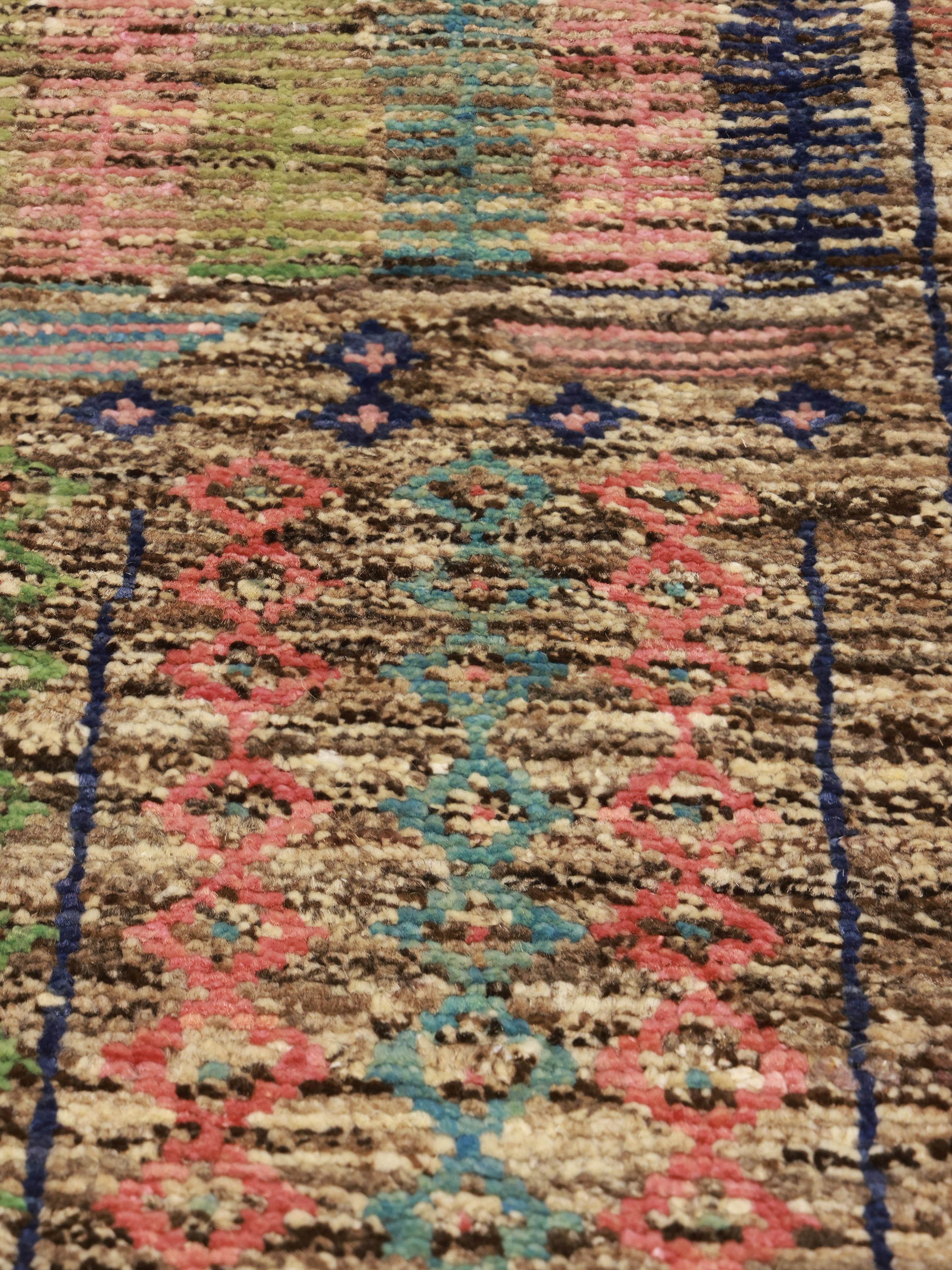
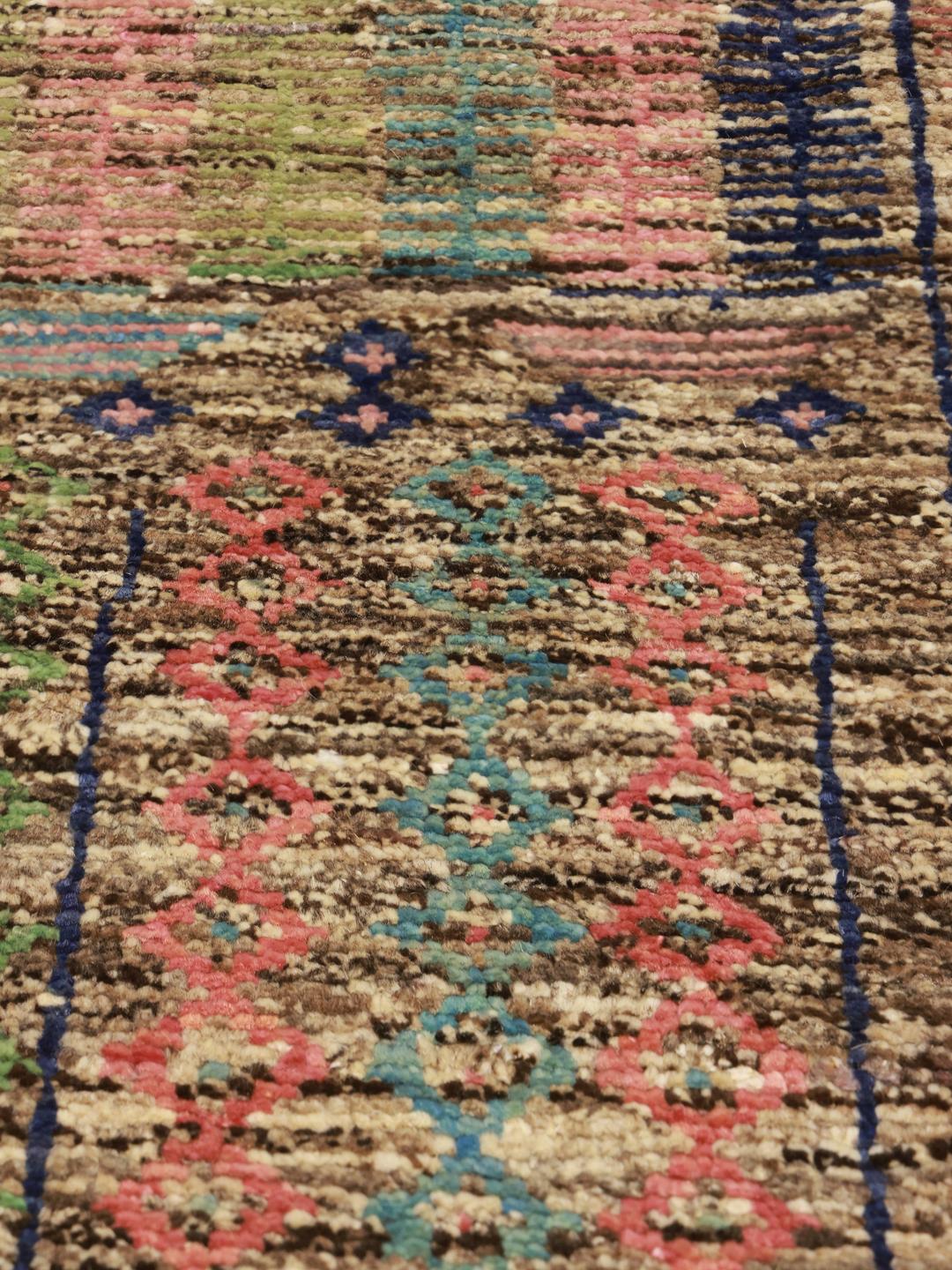
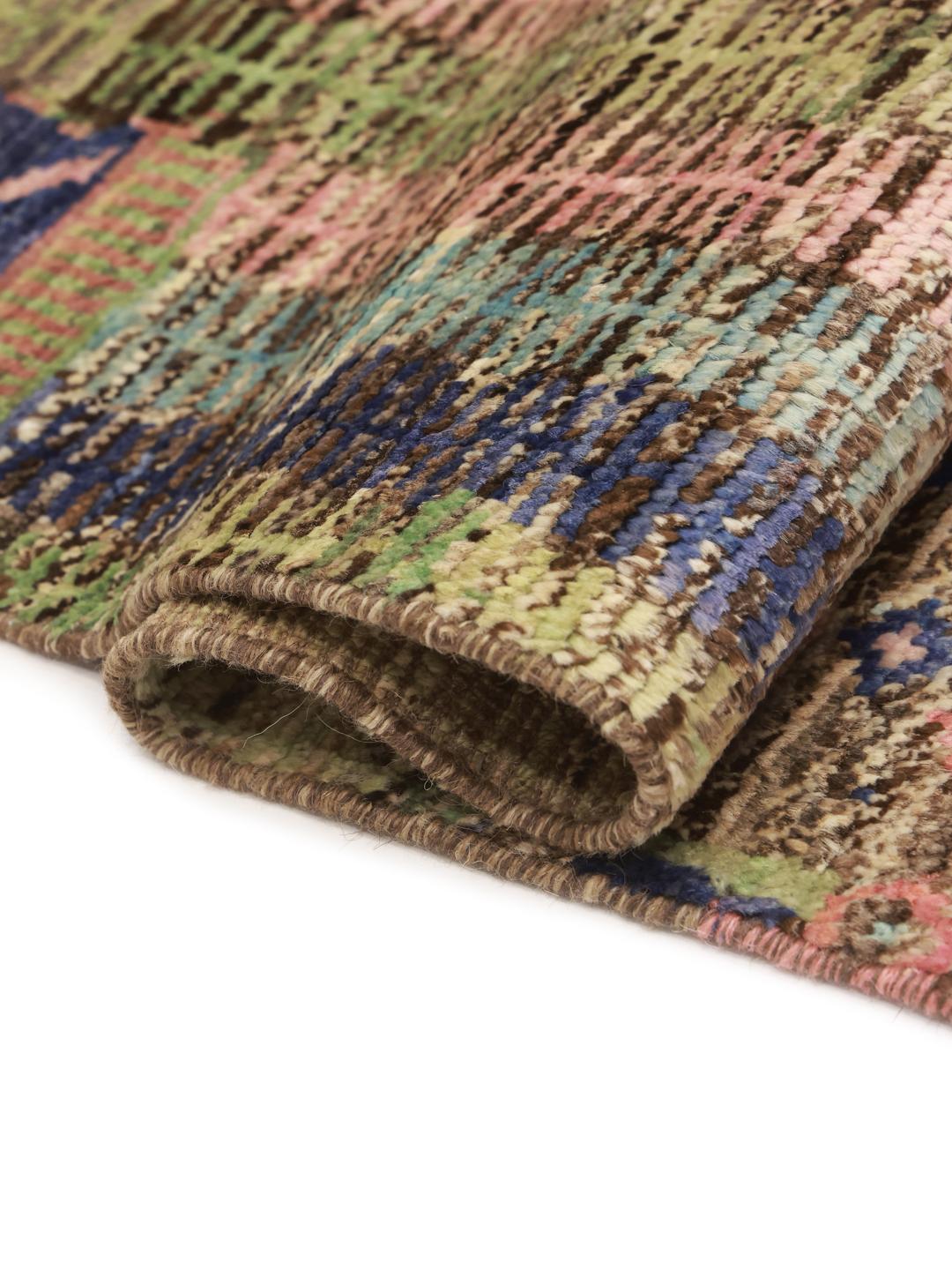
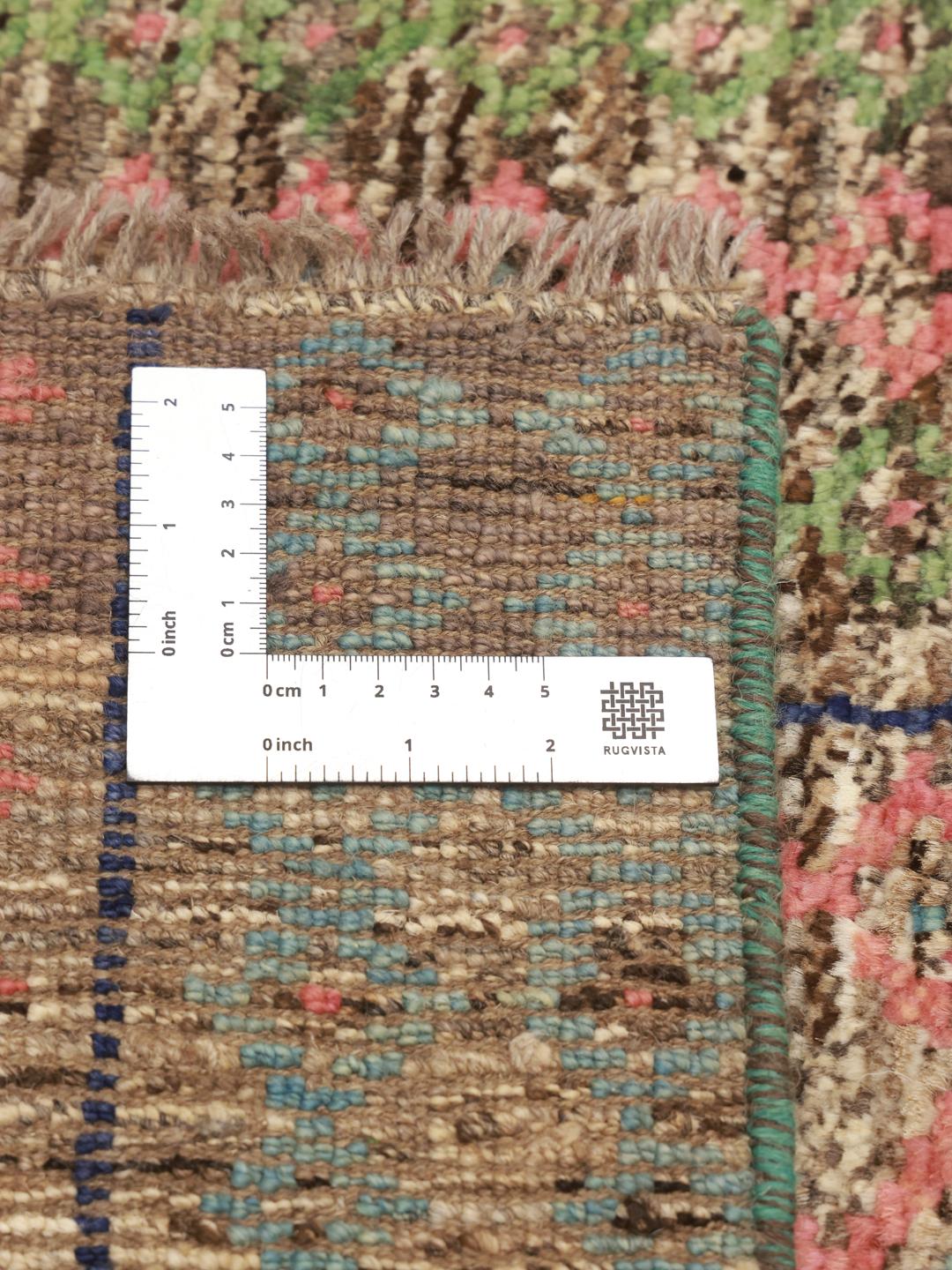
The term 'hand-knotted' refers to the foundational technique where individual knots are tied by hand onto the warp and weft. This is the hallmark of true rug craftsmanship, allowing for the creation of intricate designs that are physically part of the rug's structure, rather than just printed on the surface. This method ensures that the design remains crisp and clear for decades.
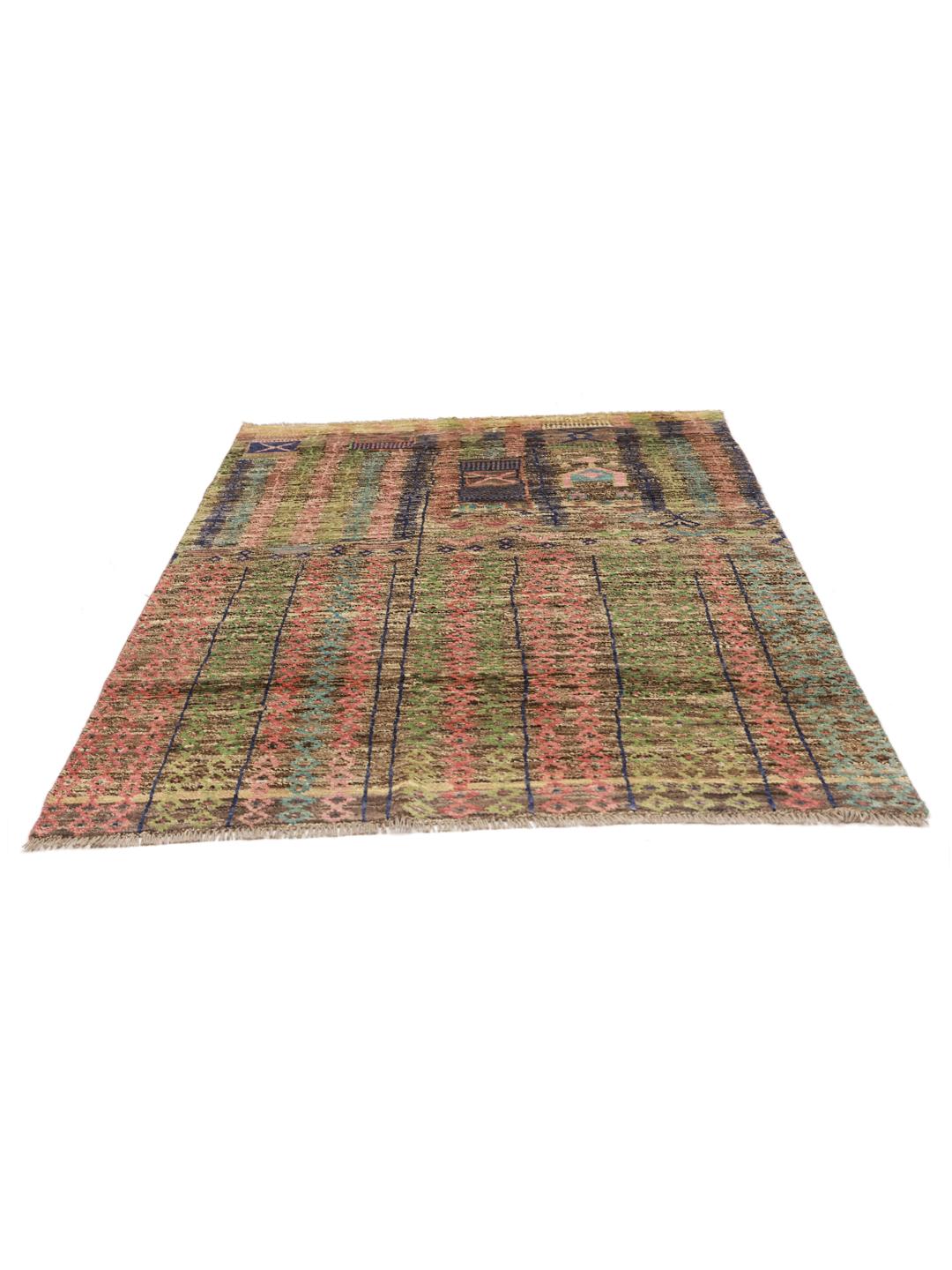
The design of this rug features a compelling mix of geometric motifs and organic, free-flowing patterns. In the tradition of these rugs, such designs are often spontaneous, reflecting the weaver's mood and local environment. The interplay of vibrant colours against a neutral, earthy base is a signature look, designed to bring life and visual interest to an interior without overwhelming it.
Collecting a rug from this tradition is about more than just decor. It represents an appreciation for the human element in production and the preservation of craft skills that have been passed down through generations. By bringing such a piece into your home, you are participating in a long lineage of art and utility, securing a functional heirloom that carries cultural weight and lasting value.