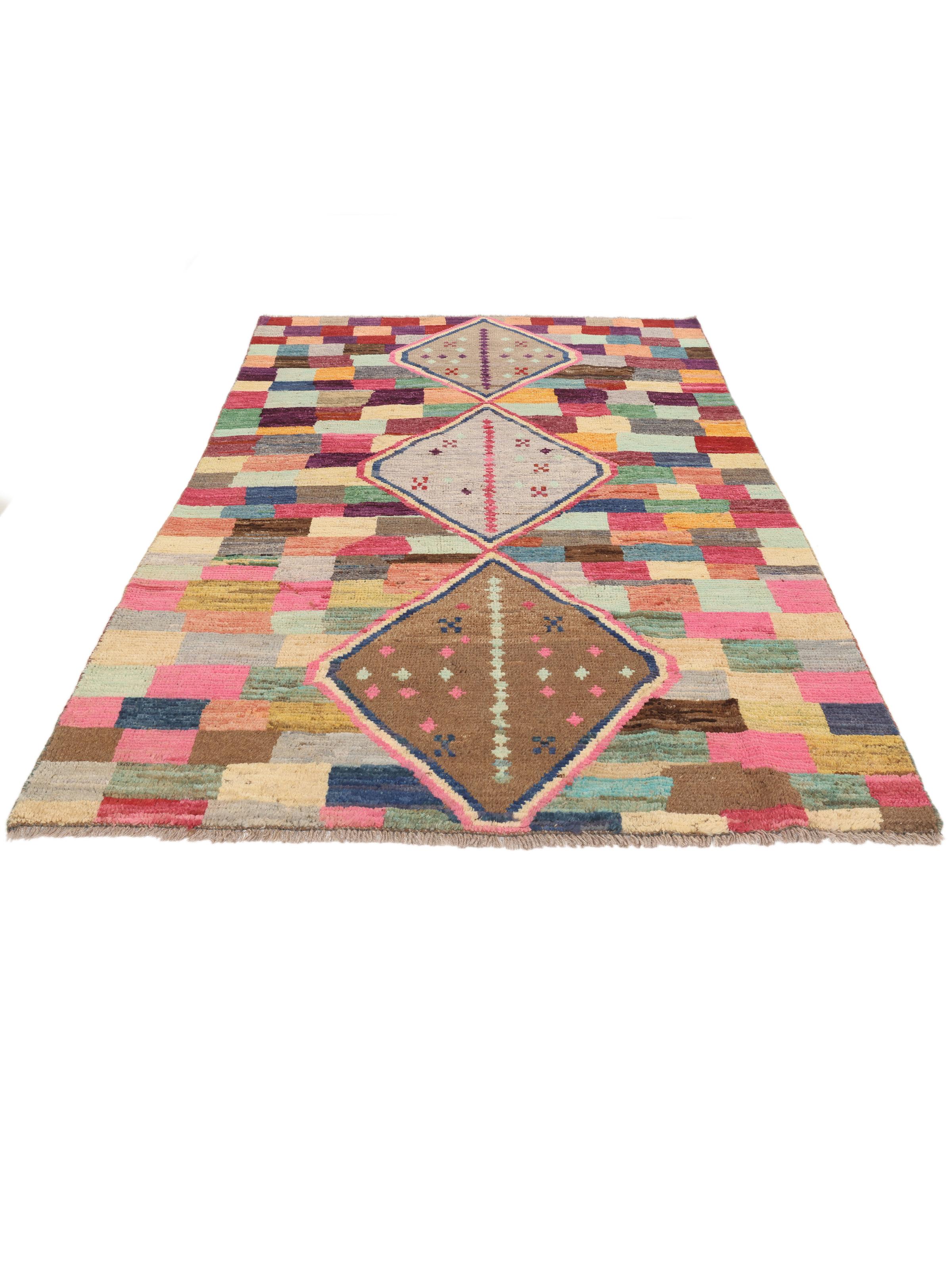
Berber rugs are deeply rooted in the traditions of North African and Central Asian nomadic cultures, where weaving has served as both a practical necessity and a form of artistic storytelling for centuries. While the term Berber is historically associated with the indigenous peoples of North Africa, the migration of these weaving techniques has led to beautiful evolutions in regions such as Afghanistan, where local artisans have adopted and adapted these styles with their own unique cultural flair.
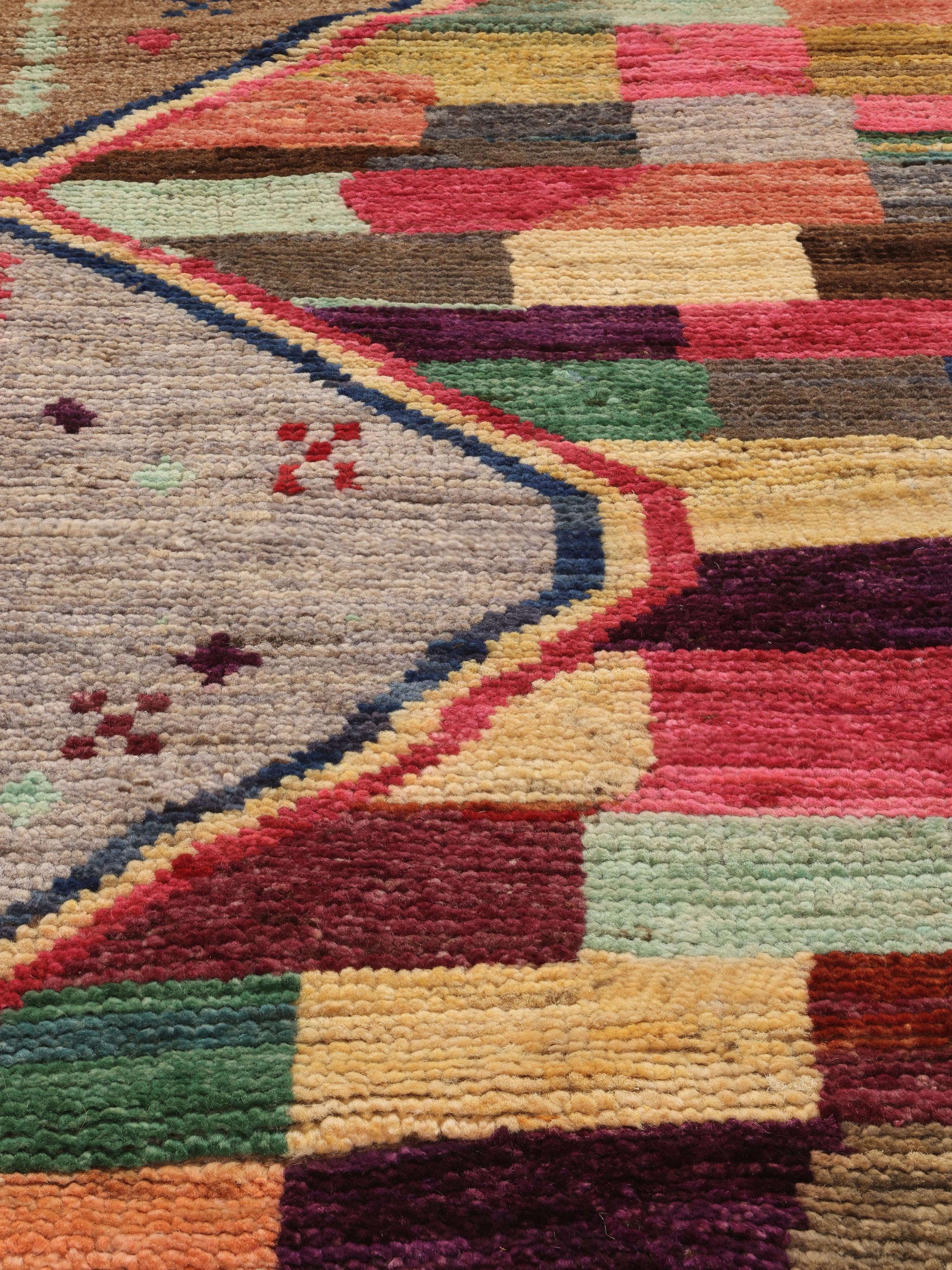
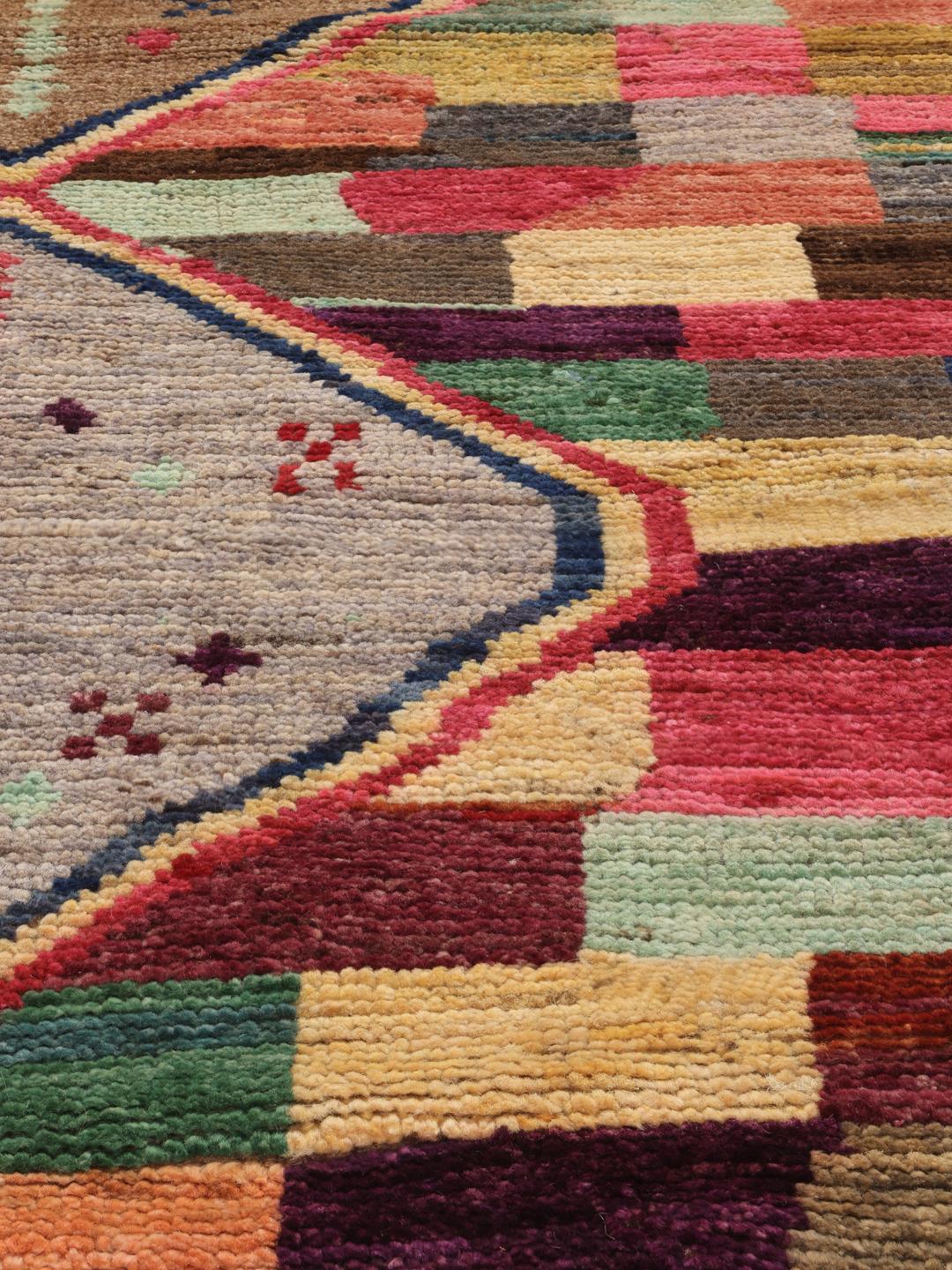
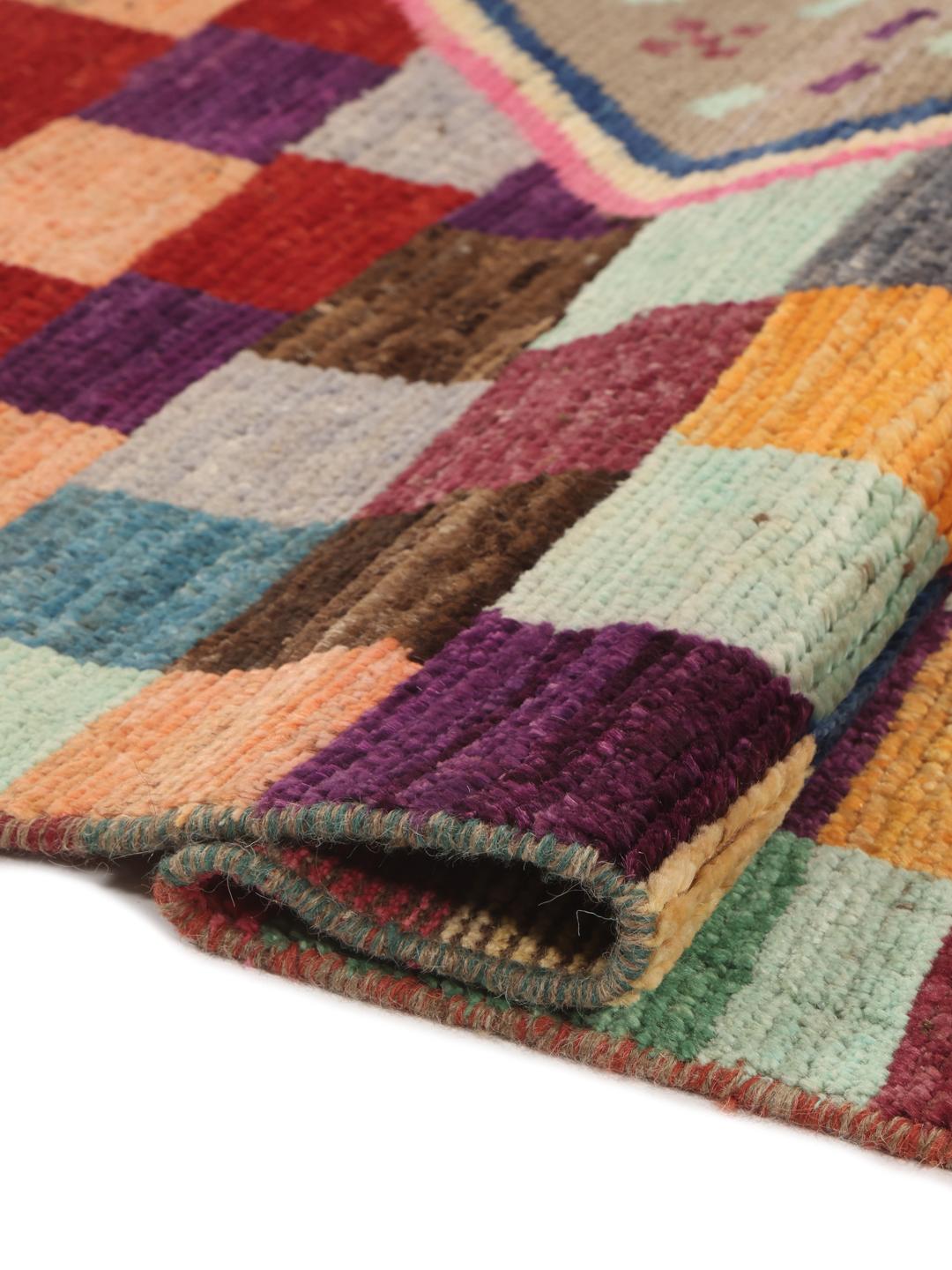
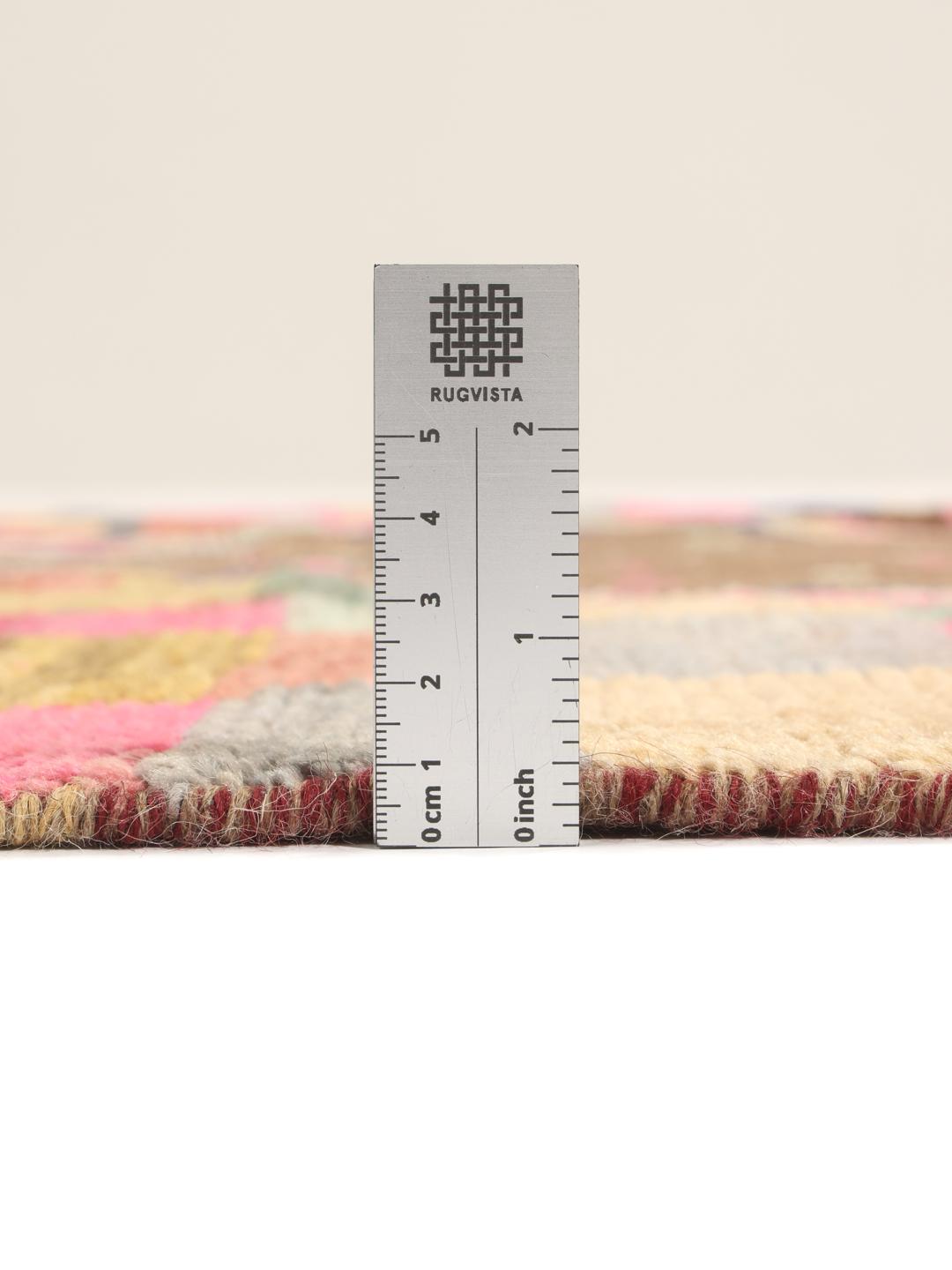
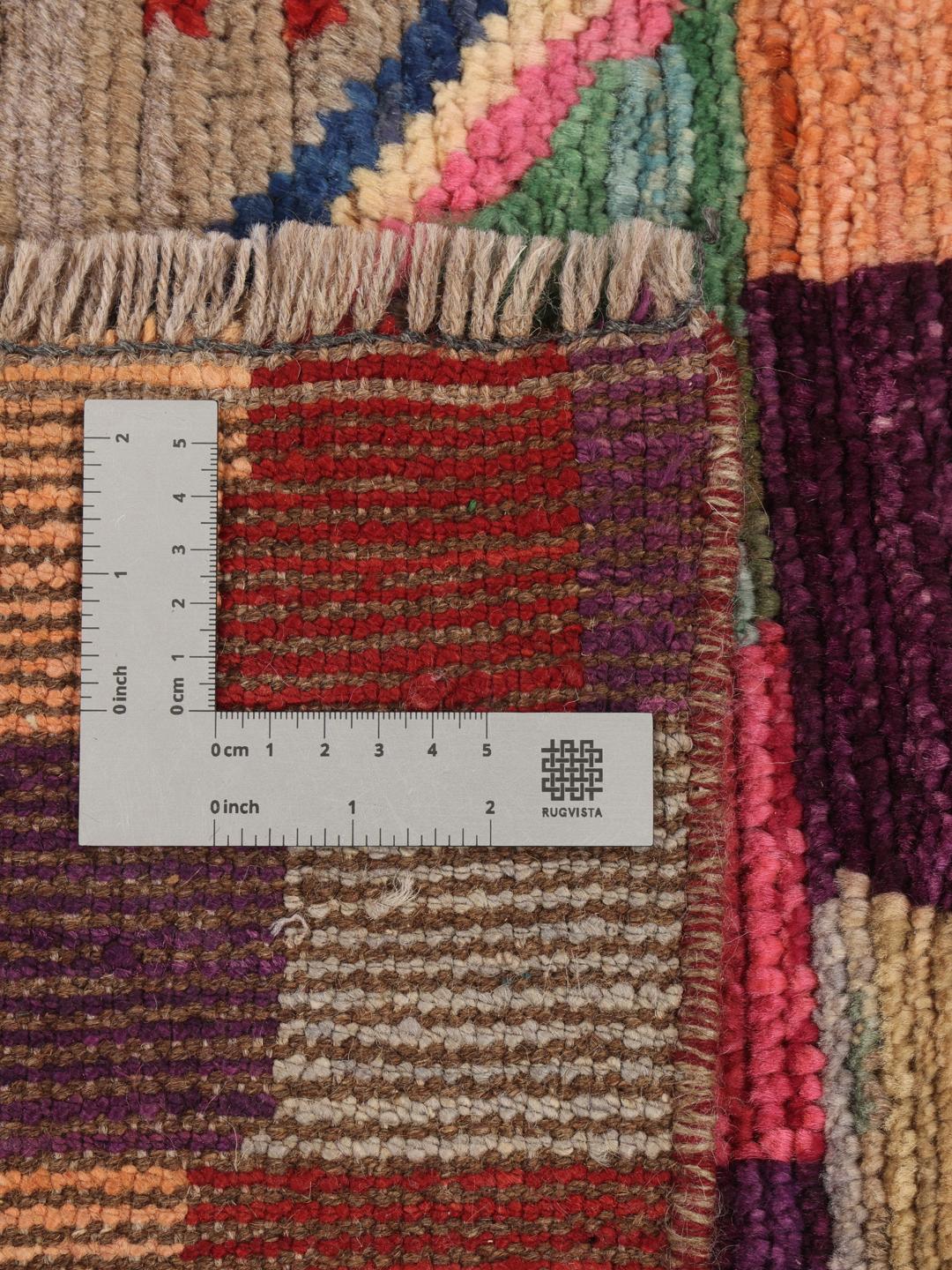
The technical quality of these rugs is defined by their construction, which relies on the use of high-quality wool. The wool is known for its natural lanolin content, which makes the pile soft, durable, and naturally resistant to dirt. In a hand-knotted rug, the quality of the knots is paramount, as they determine the longevity and the clarity of the pattern. A denser knot count not only improves the definition of the design but also ensures the rug stays plush and comfortable over time.
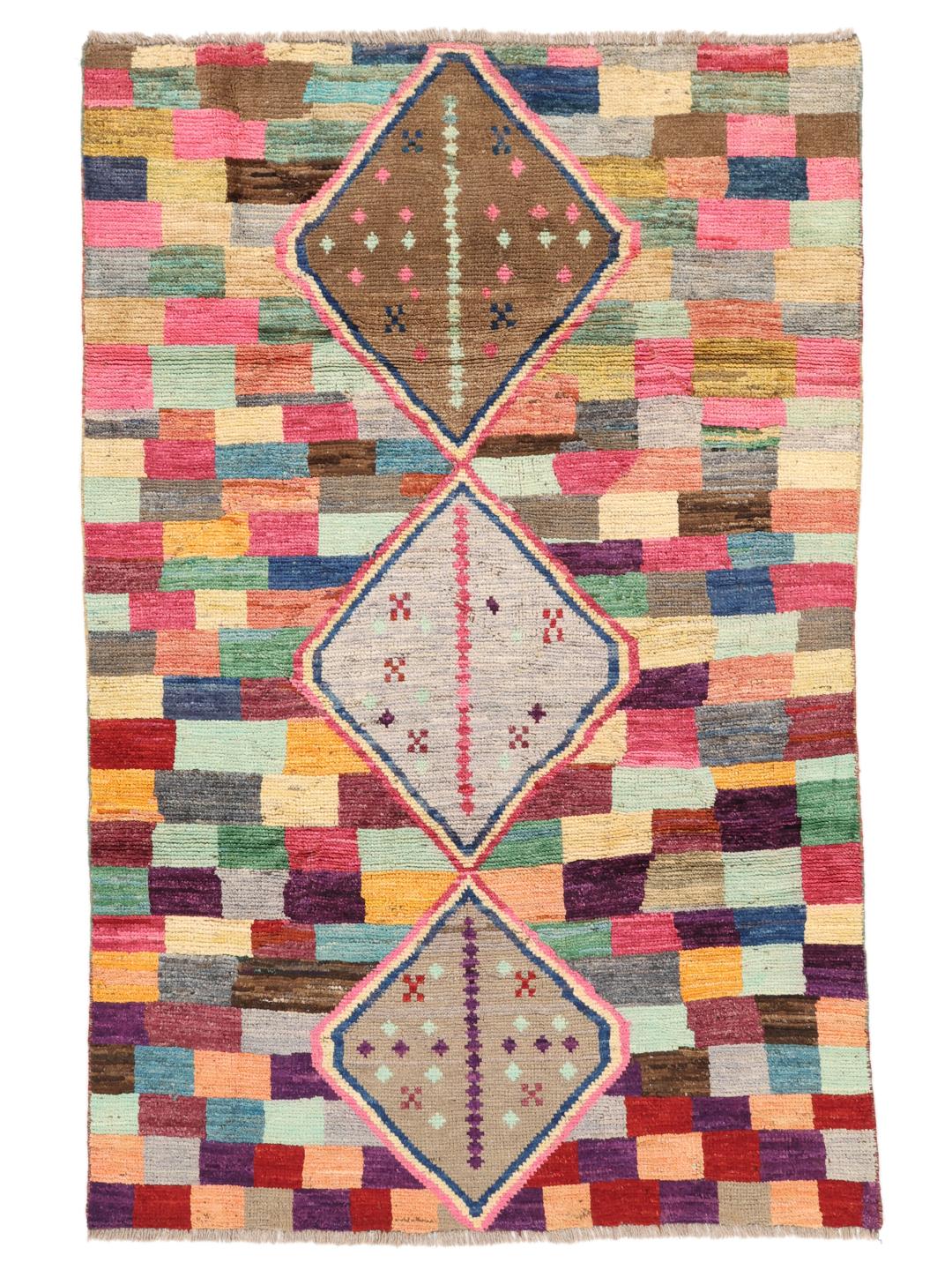
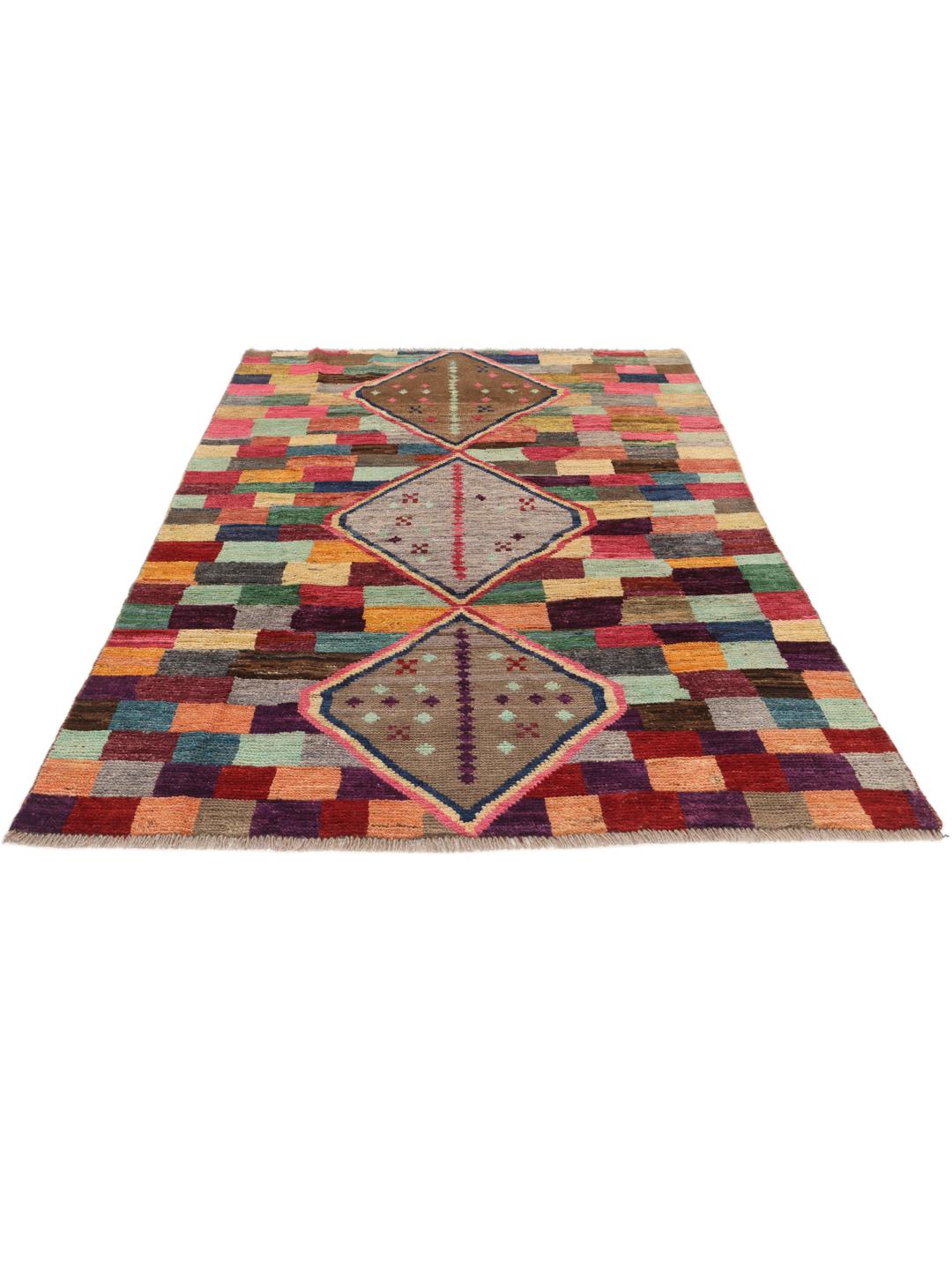
Signature design elements for this style often include geometric shapes and symbolic motifs that have been passed down through generations. Diamonds, in particular, are frequently used as protective symbols or representations of the weaver's environment. The use of vibrant, contrasting colours in this specific piece is a modern interpretation of these classic traditions, allowing the rug to serve as a focal point that reflects a sense of creative freedom.
Collecting a hand-knotted rug is an act of preserving a heritage of skill and human effort. These rugs are valued not just for their aesthetic beauty, but for the story they tell of the artisan who created them. By choosing a piece with this provenance, you are connecting your home to a long-standing tradition of craft that values individual expression and the slow, deliberate process of making something that will endure for generations.