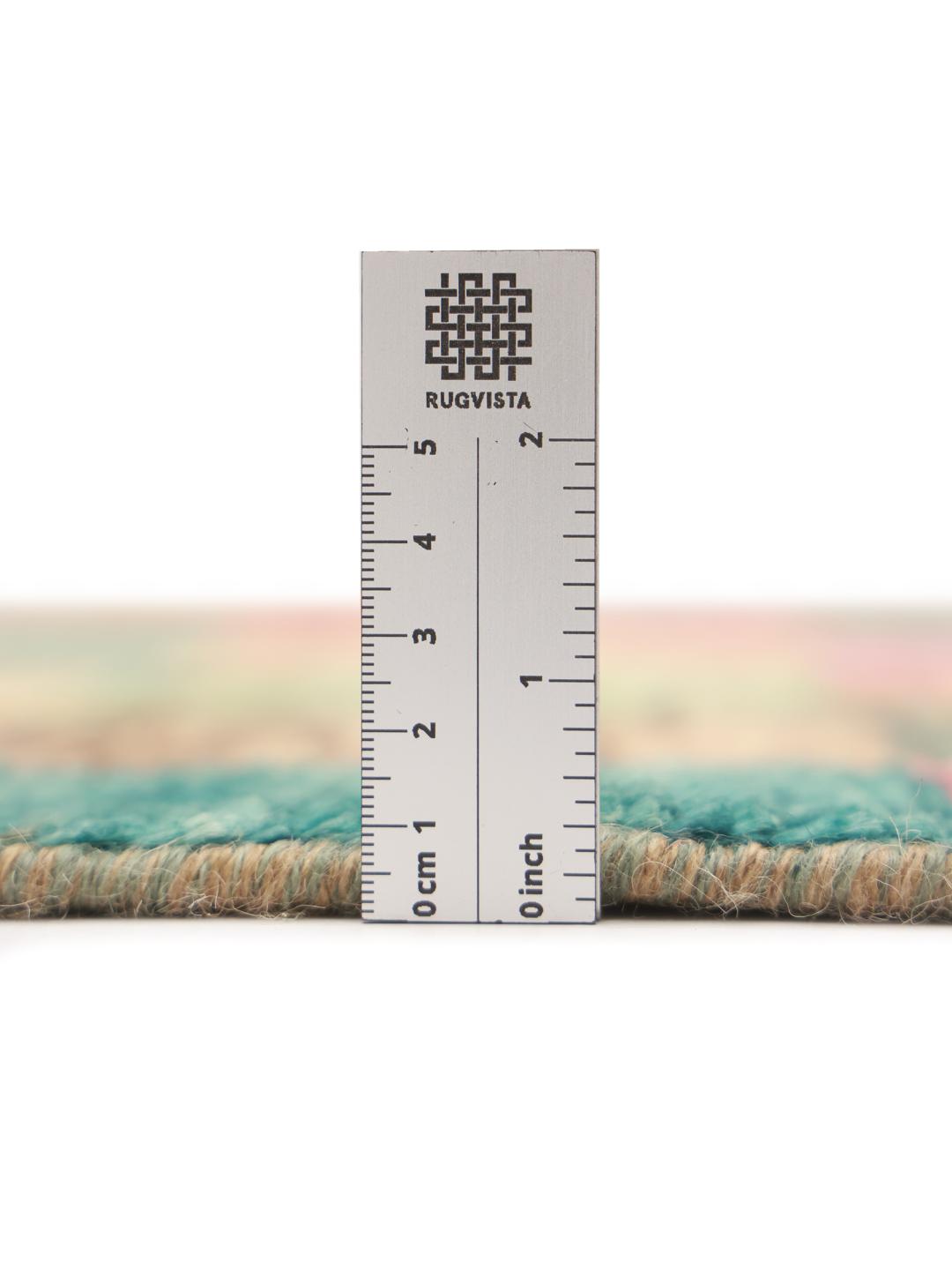
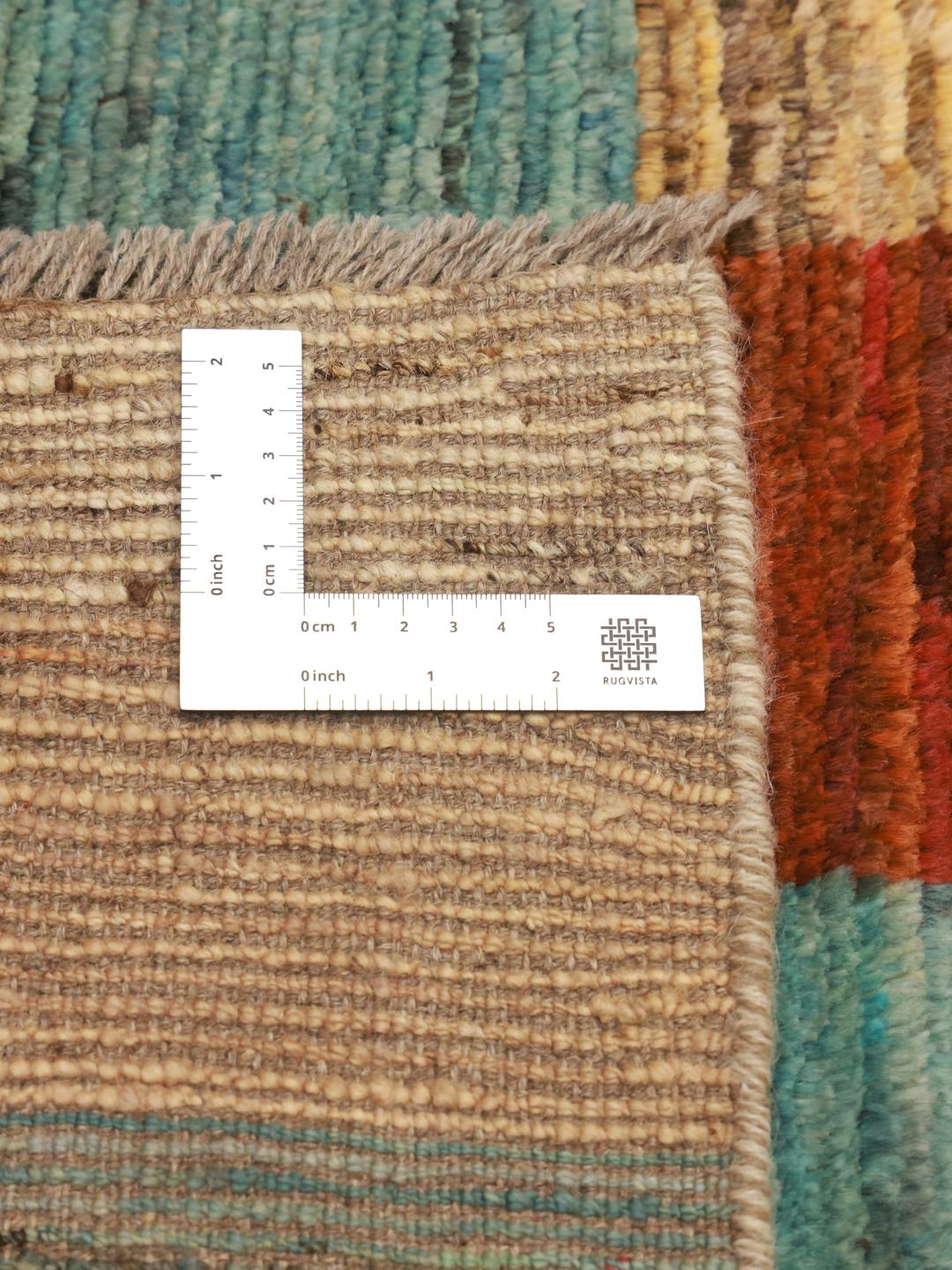
Berber rugs carry a legacy that stretches across the rugged landscapes of the Middle East and North Africa, where weaving has long been a vital form of cultural expression. Historically, these rugs were created by nomadic and semi-nomadic tribes, serving both as essential household items and as canvases for storytelling. The evolution of these traditions has seen them adapt to modern interiors while retaining their deeply rooted heritage.
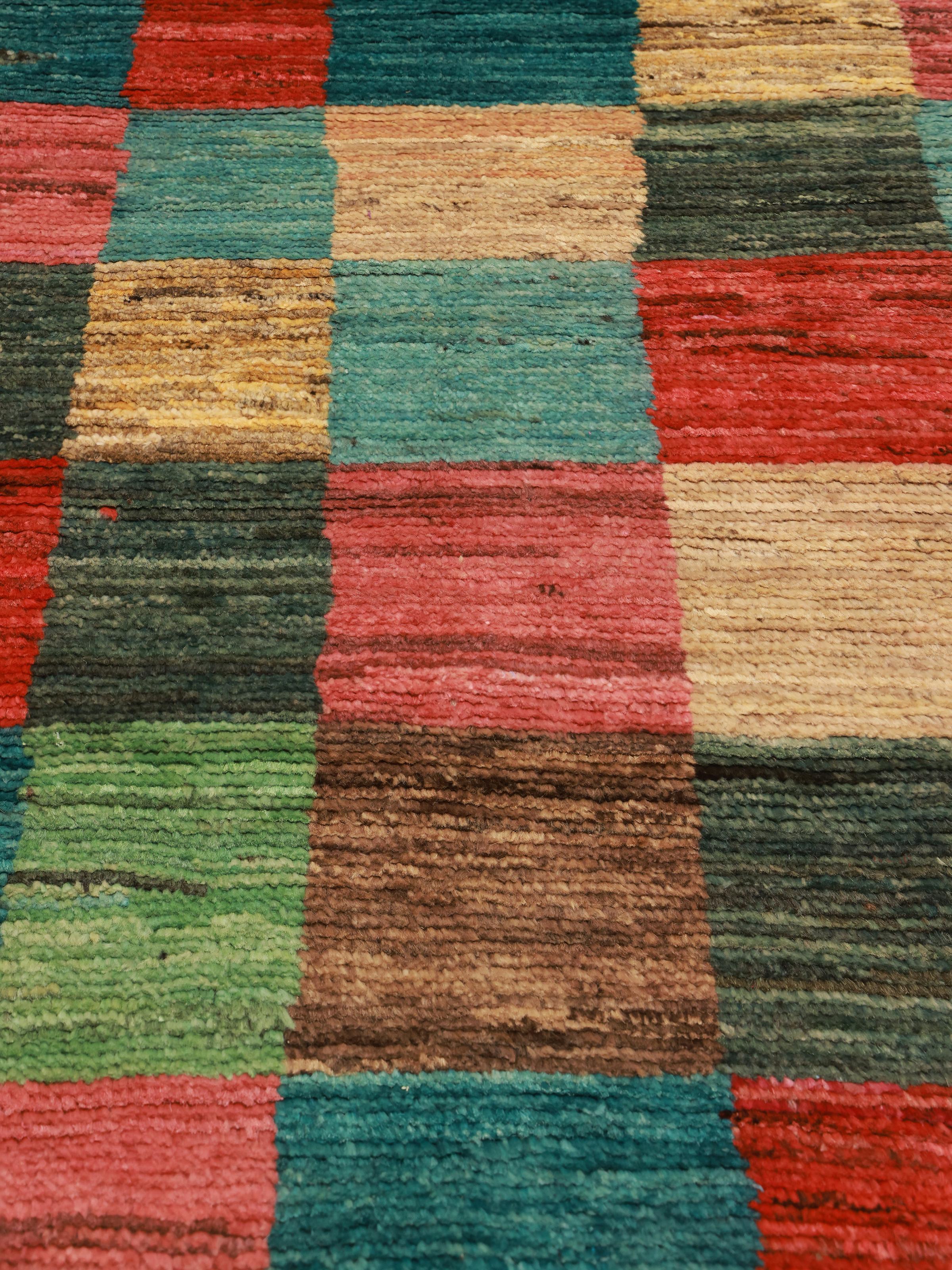
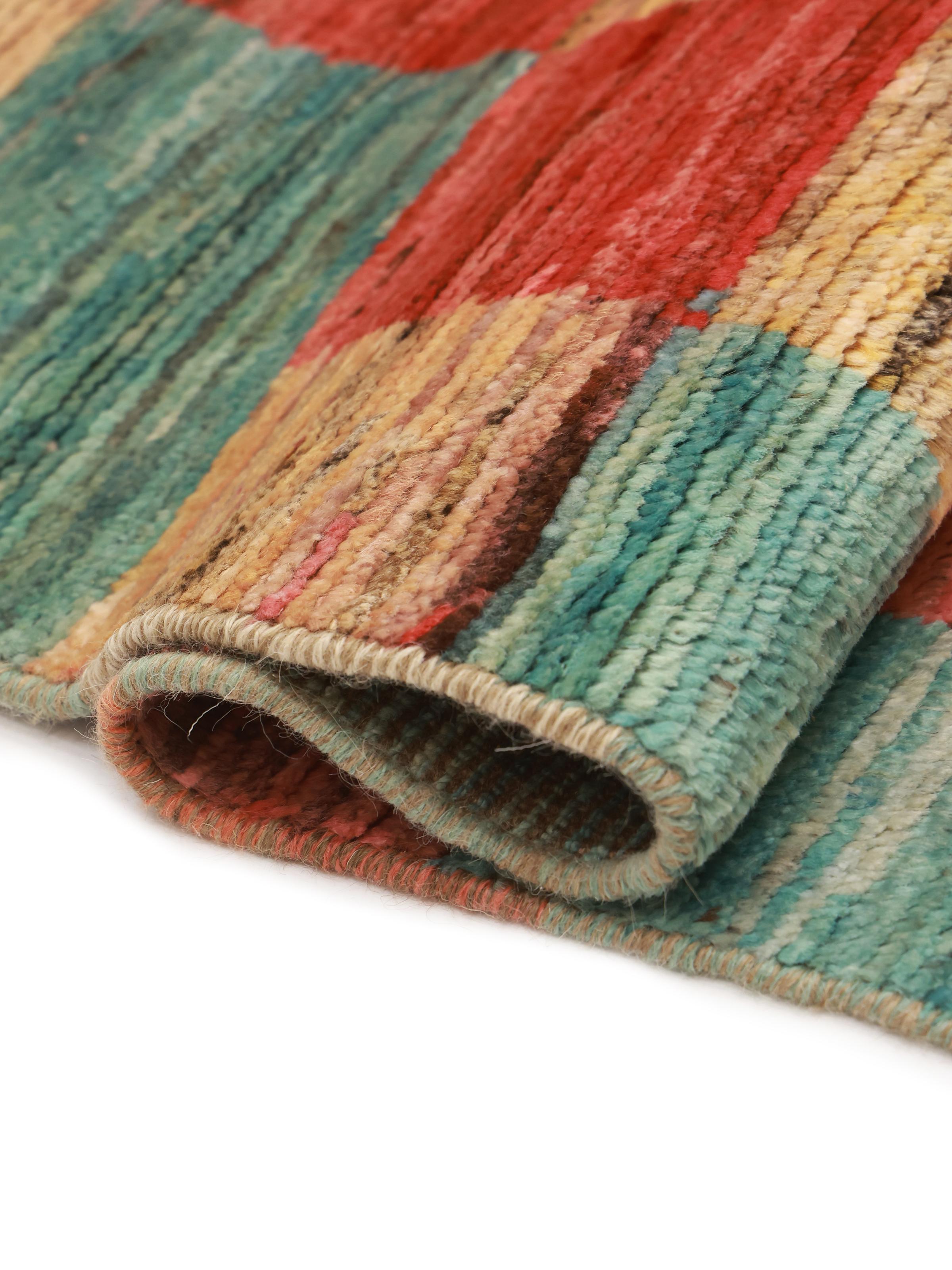
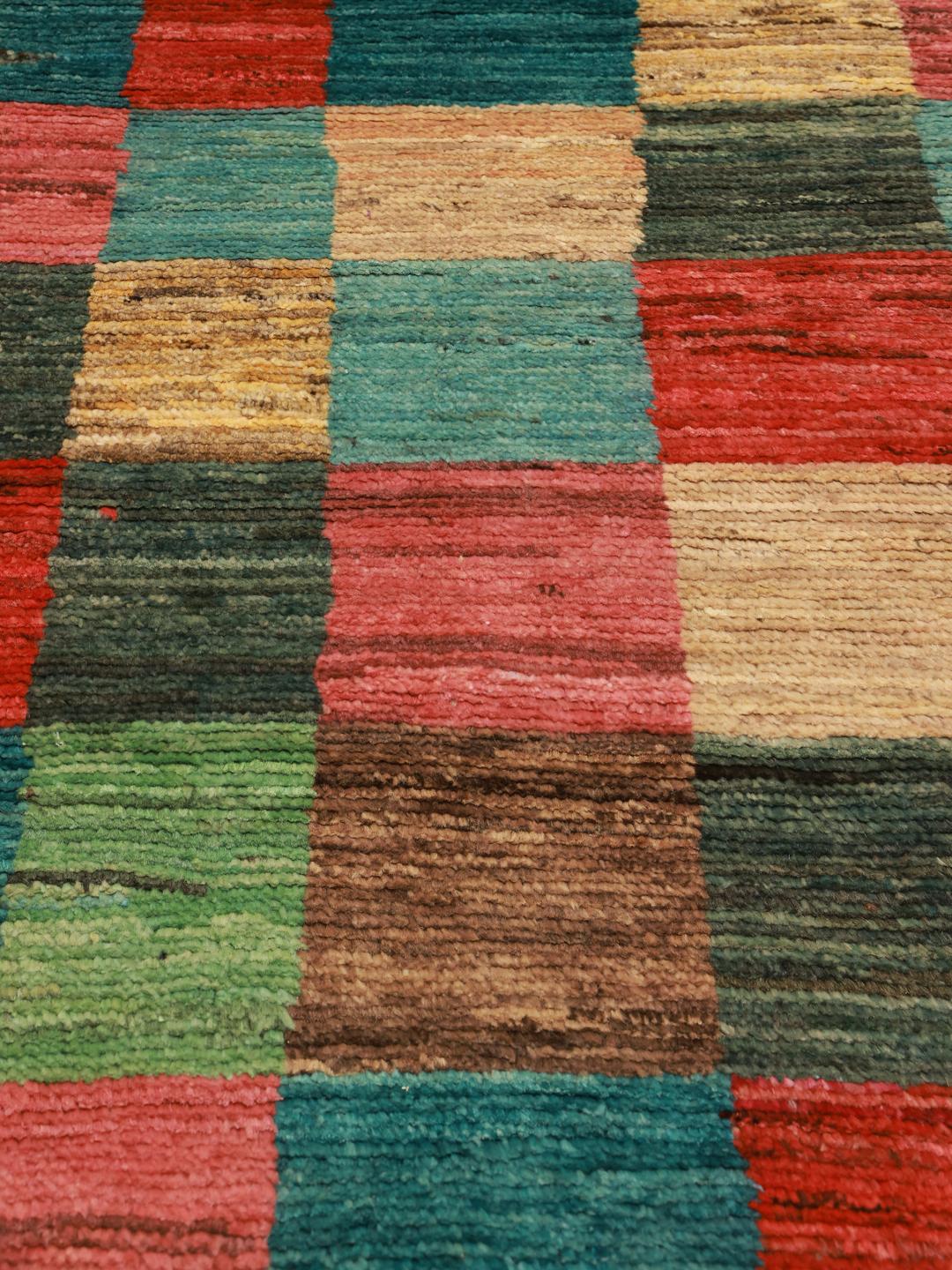
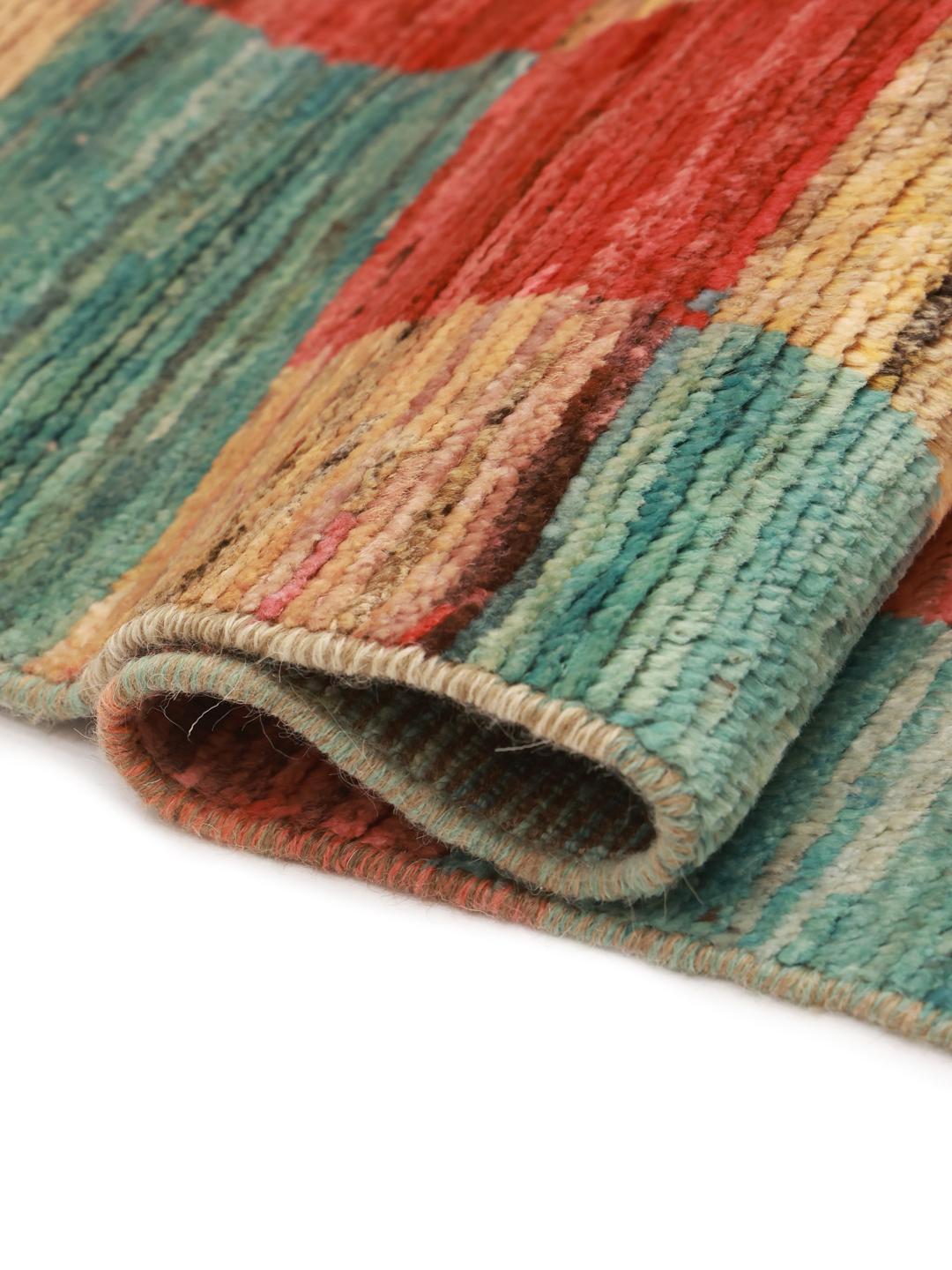
The term 'Berber' refers to the indigenous weaving styles of the region, which are celebrated for their focus on natural materials and expressive, geometric designs. These rugs are typically hand-knotted using wool, which is valued for its natural lanolin content, providing both softness and a resilient, stain-resistant finish. This material choice is fundamental to the longevity and enduring beauty of the craft.
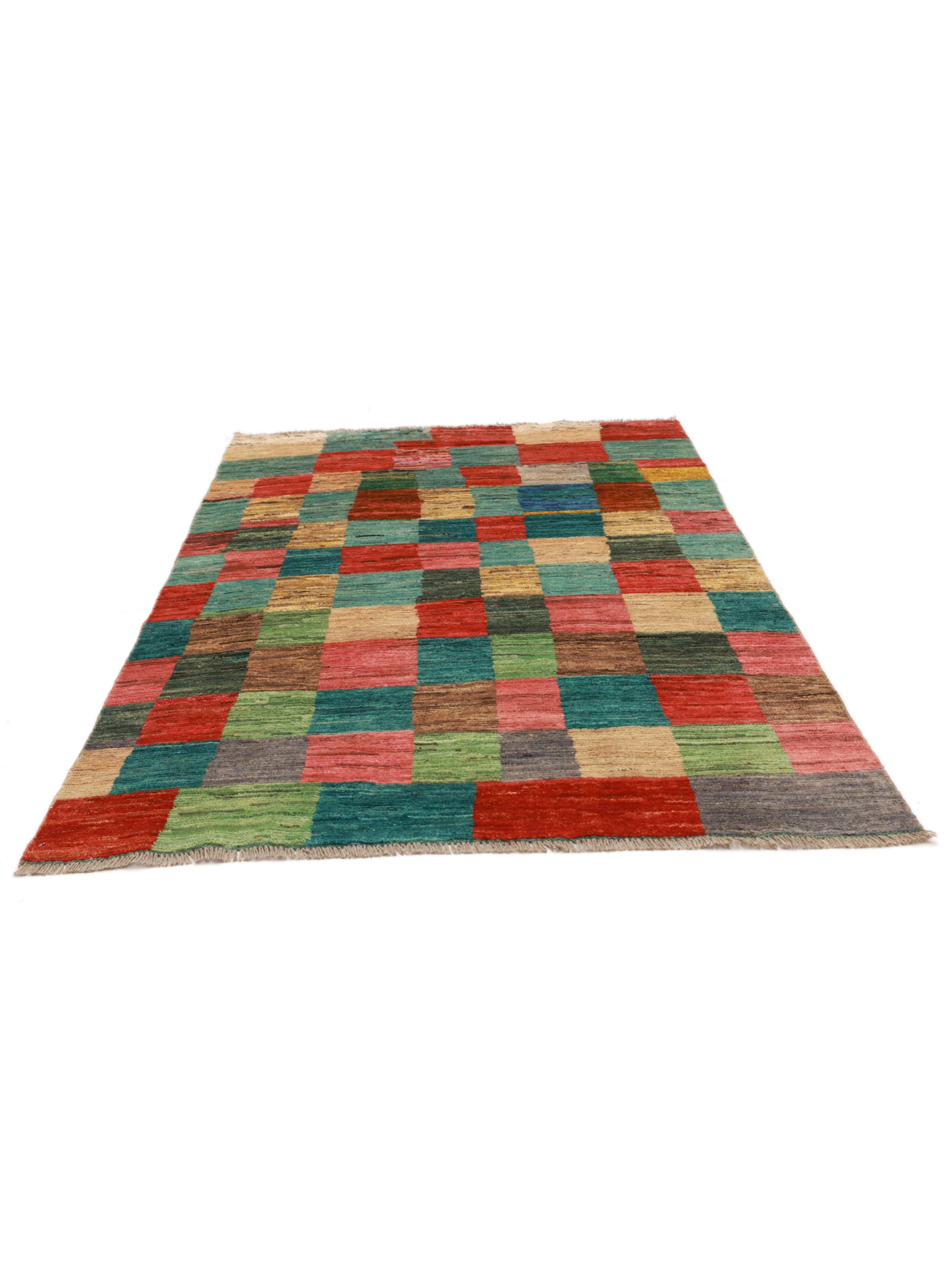
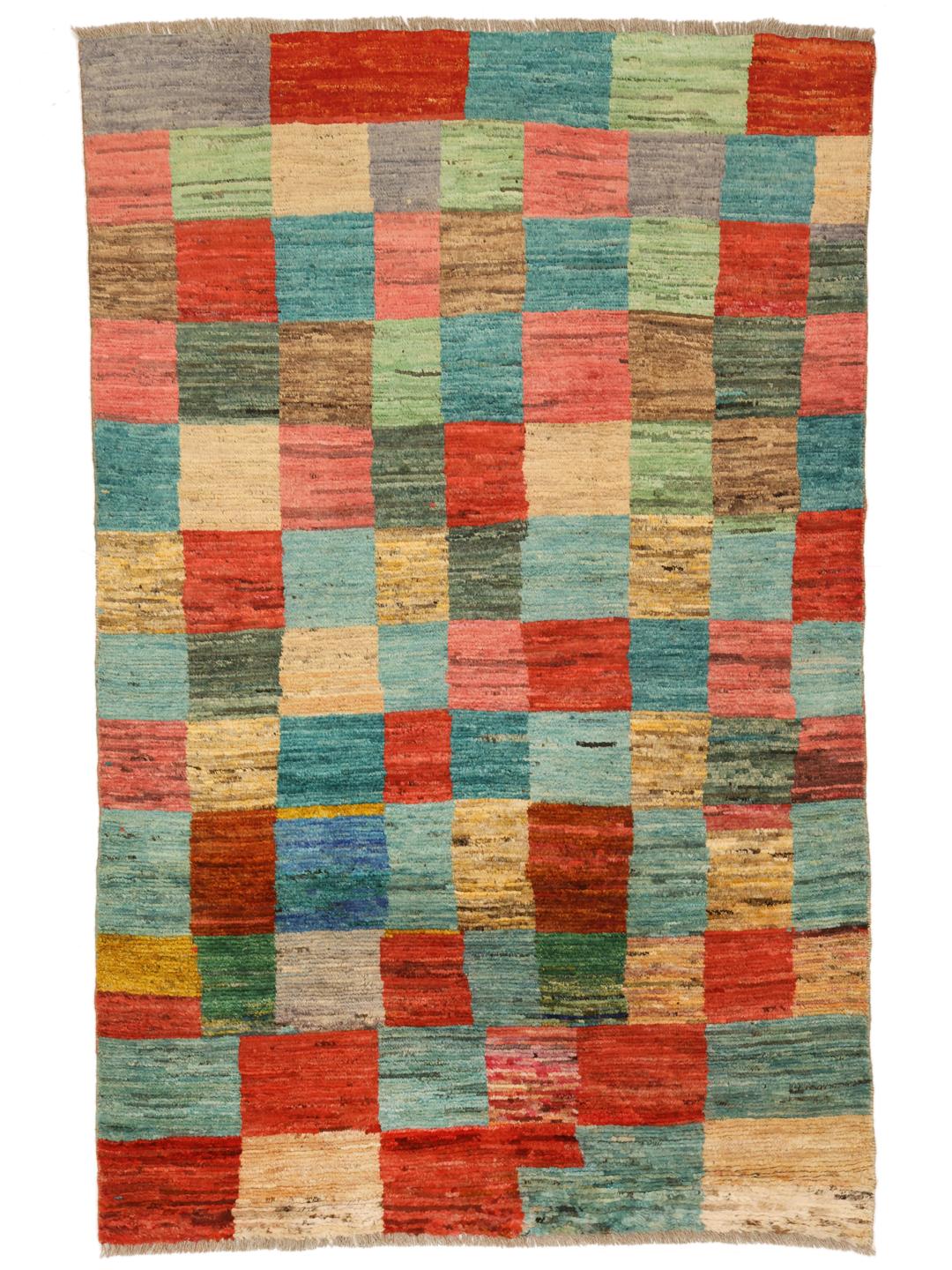
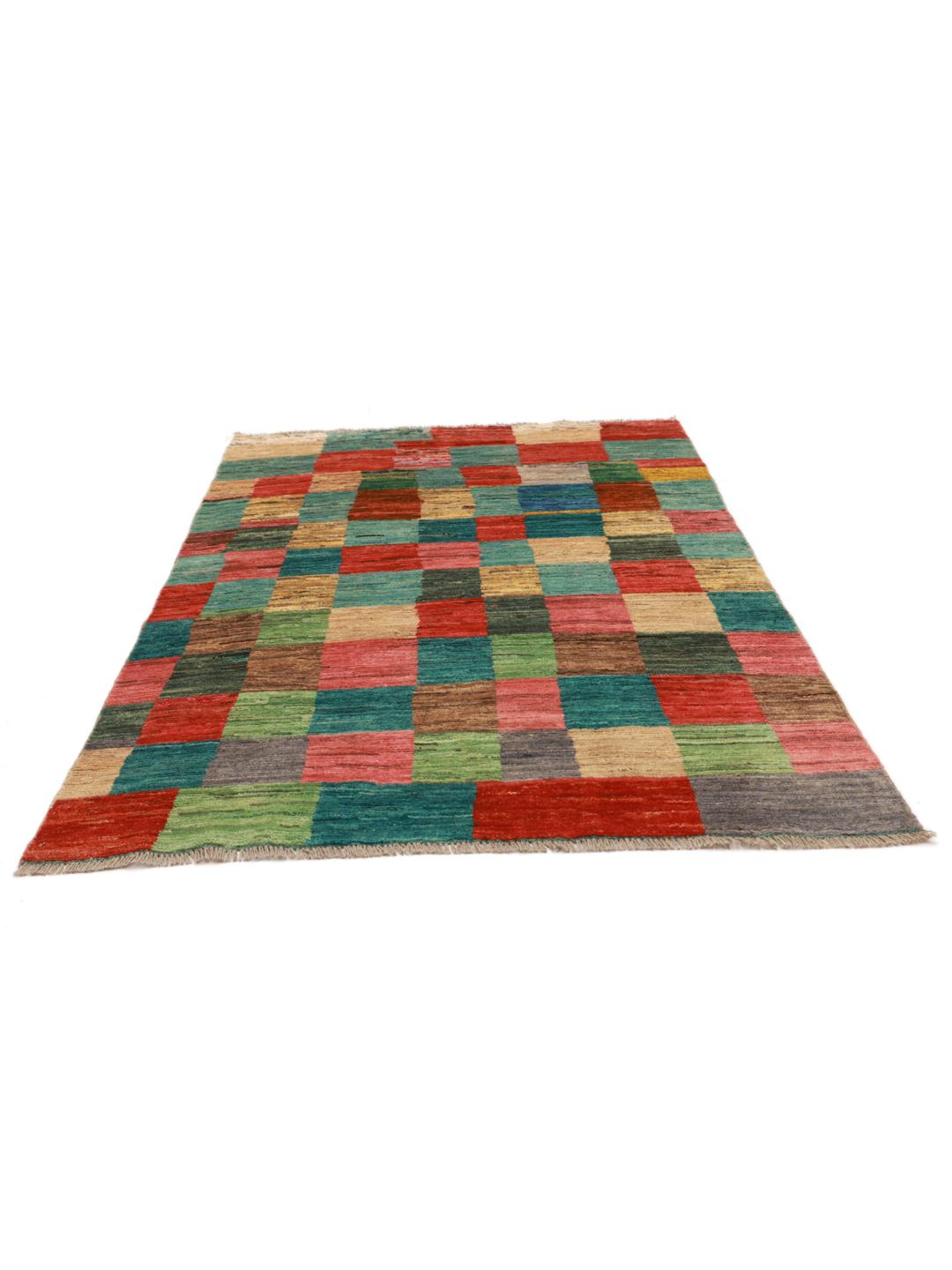
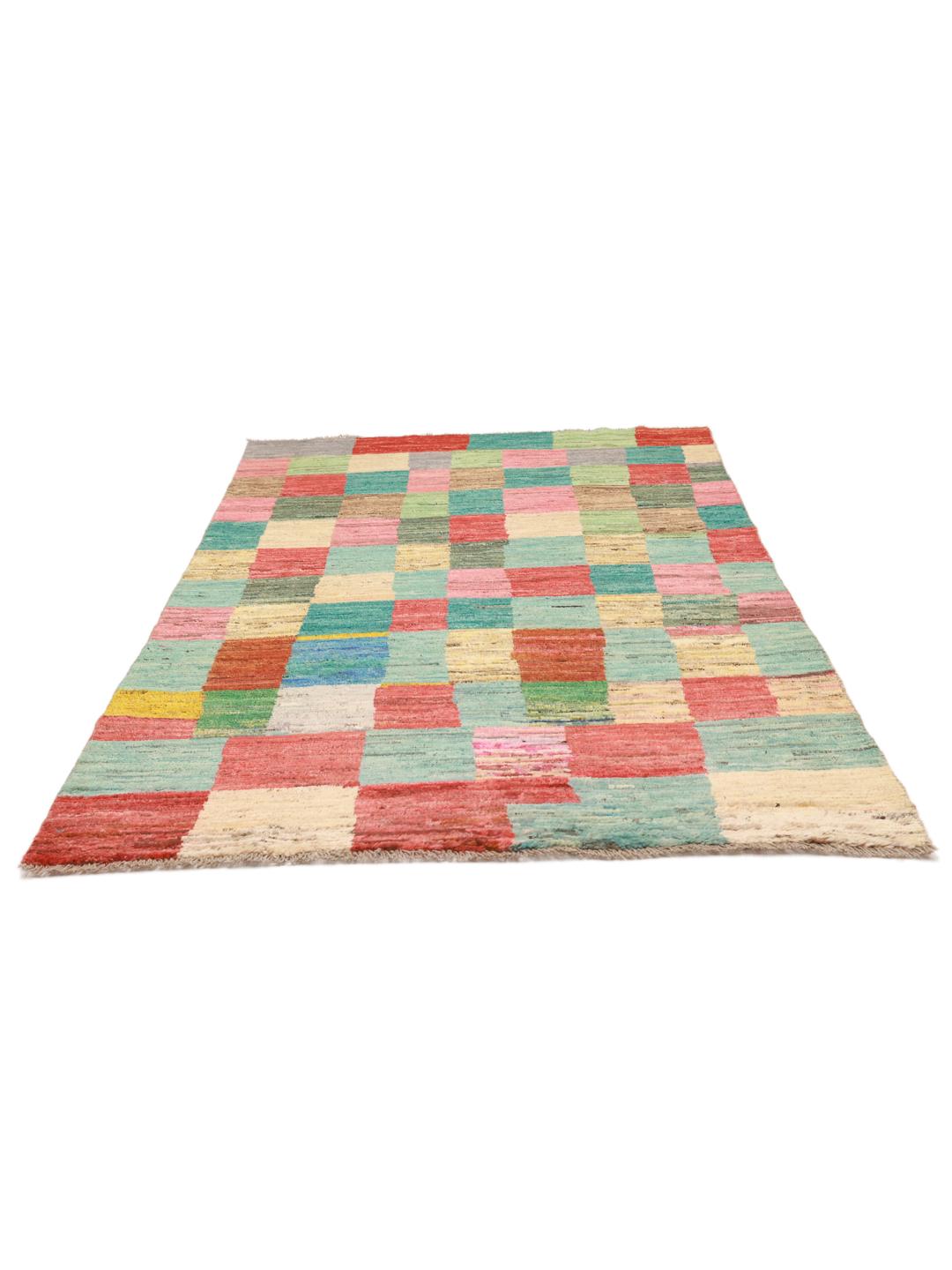
Visually, these rugs are defined by their bold, symbolic patterns and a rich palette of colours, often derived from traditional dyes. While many traditional examples lean towards monochromatic or earthy tones, the 'Colourful' variation showcases a more vibrant, adventurous use of pigment. This specific piece uses the block motif to create a modern, rhythmic aesthetic that honours the traditional roots of the weave while offering a contemporary visual appeal.
Owning a hand-knotted rug from this tradition is an act of preserving a historical craft. Collectors value these pieces not only for their aesthetic impact but for the human skill and cultural history they embody. Each rug is a record of the weaver's personal vision and technical expertise, making it a meaningful addition to a home that values authenticity, history, and the lasting quality of handmade items.