Berber rugs are deeply rooted in the traditions of North Africa, where they were originally crafted by indigenous tribes for warmth, shelter, and as a form of cultural storytelling. Over time, these weaving traditions have evolved and travelled, finding new life in regions like Afghanistan, where the techniques are adapted to incorporate local aesthetics and materials.
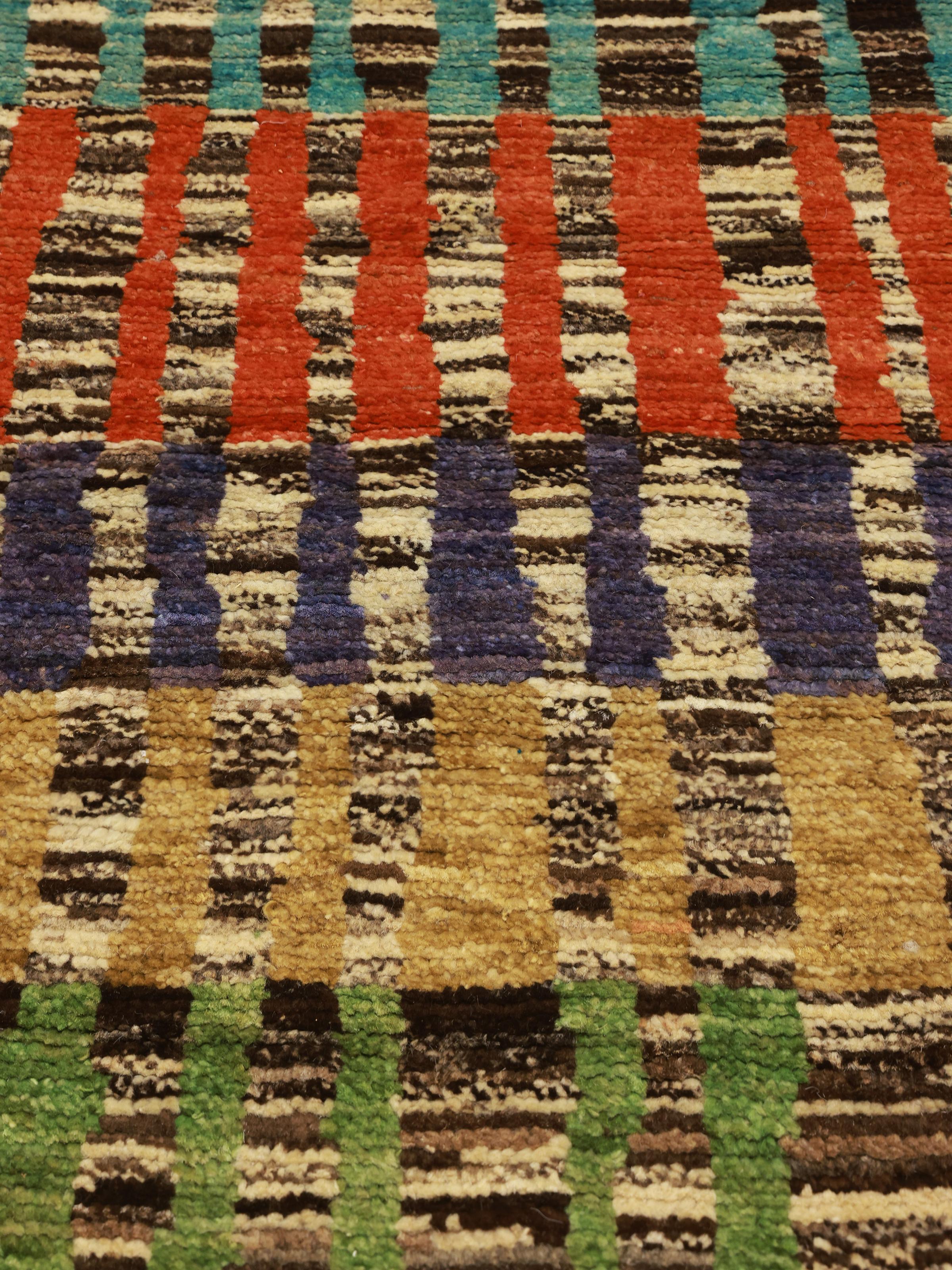
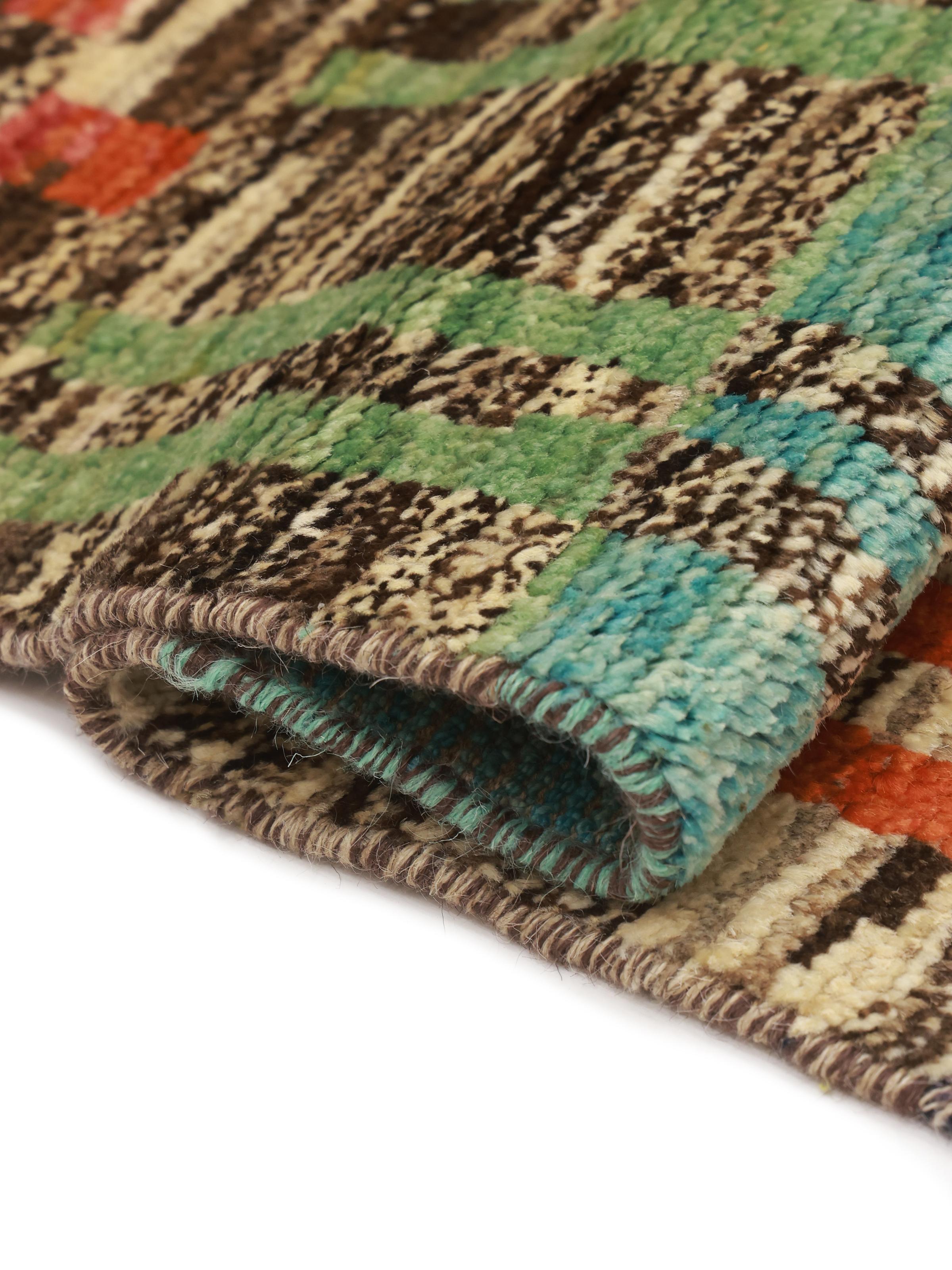
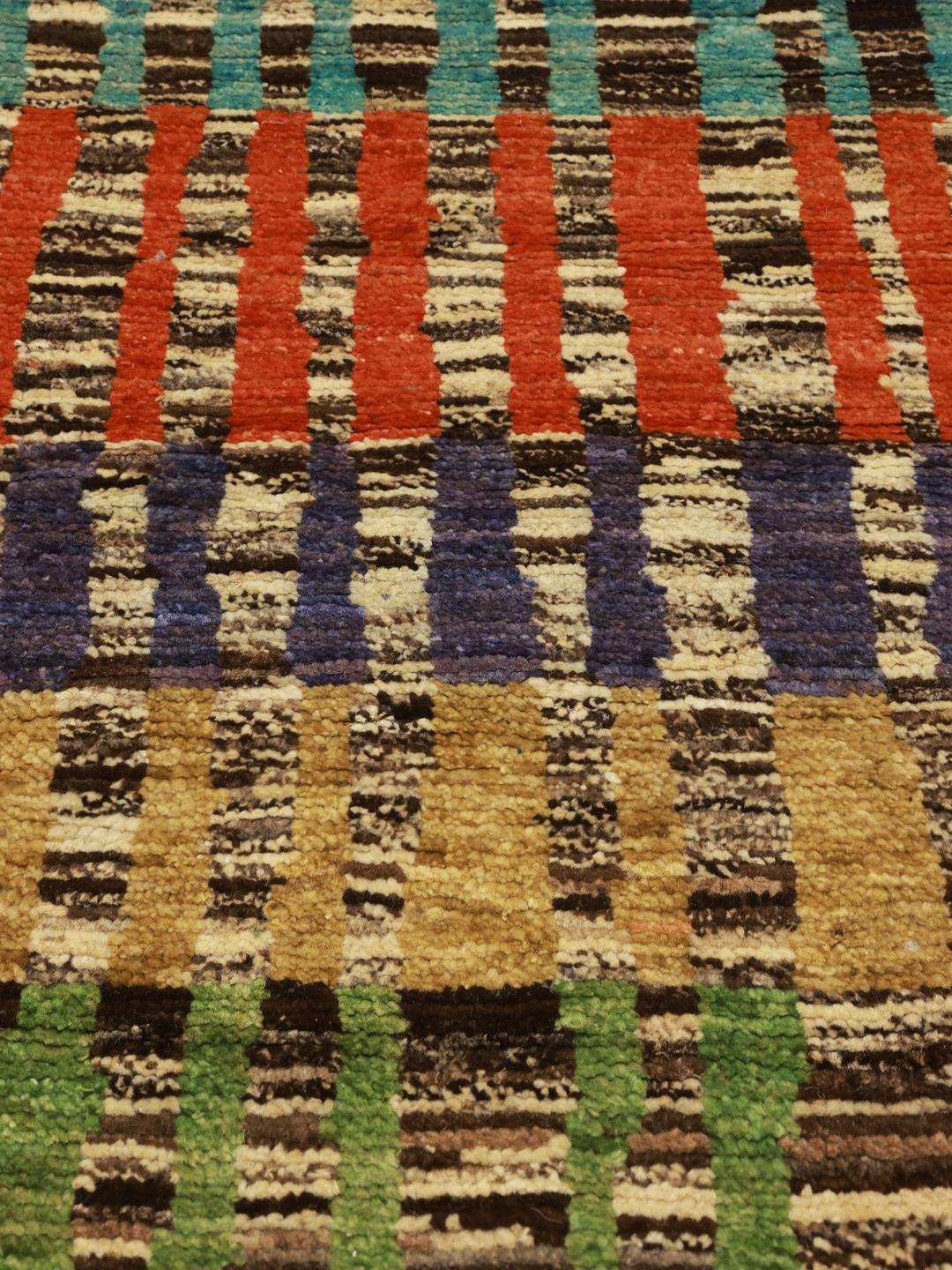
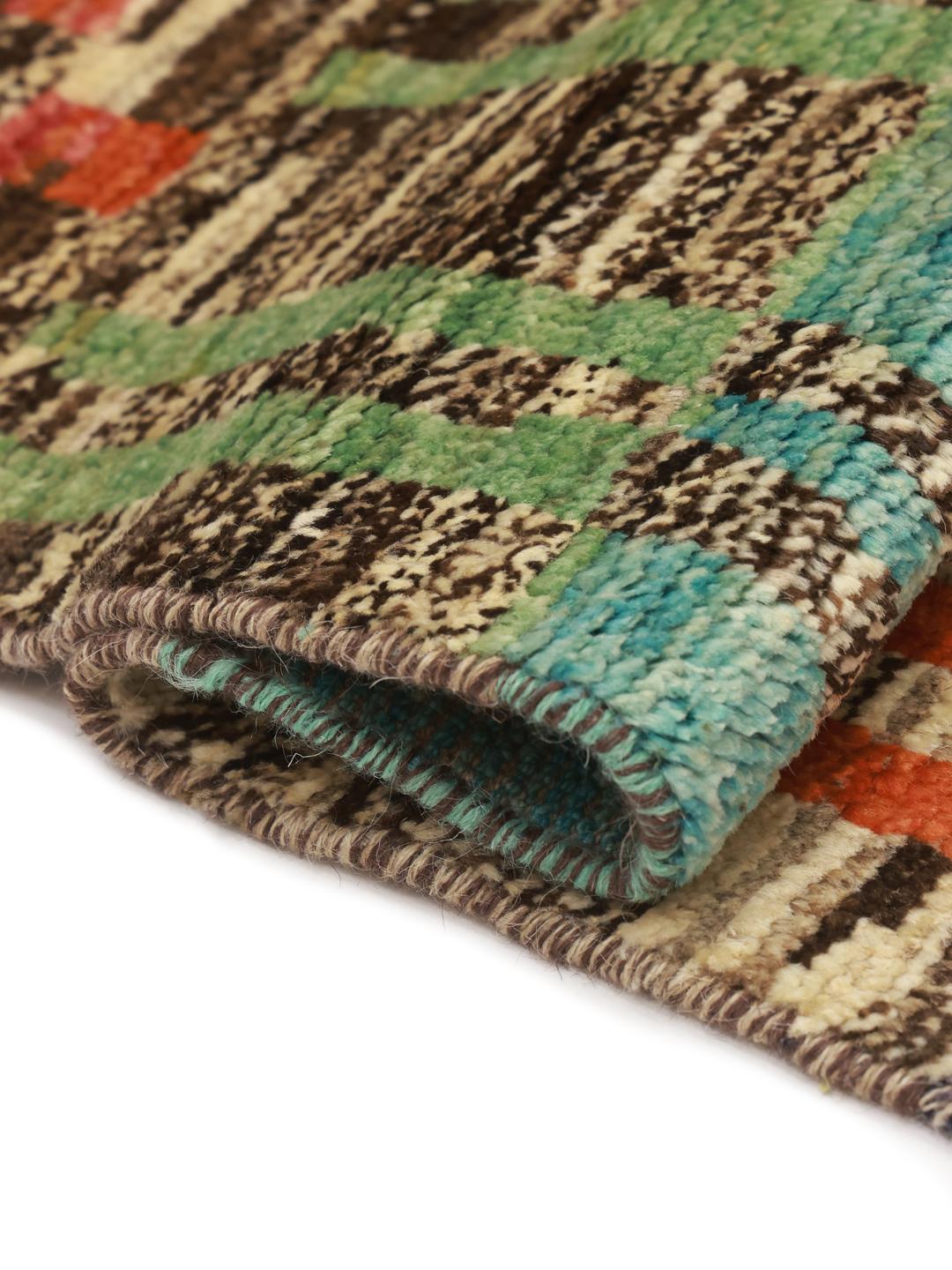
The term Berber refers to the distinct style of weaving that emphasises a thick, plush pile and often features bold, geometric, or abstract motifs. These rugs are highly valued for their expressive nature, as the weavers often improvise patterns based on their surroundings, emotions, or tribal heritage, making each piece a personal diary of the maker.
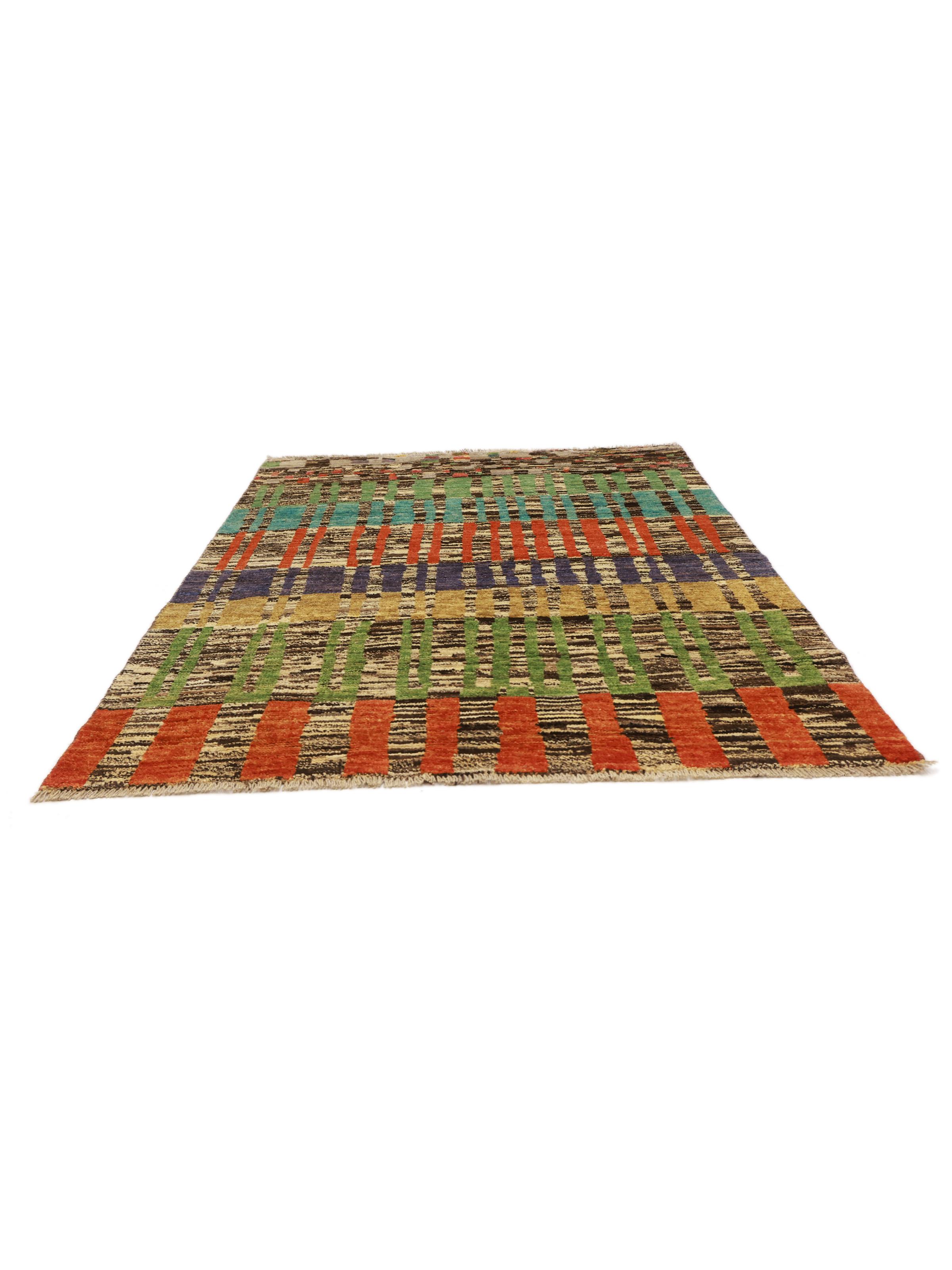
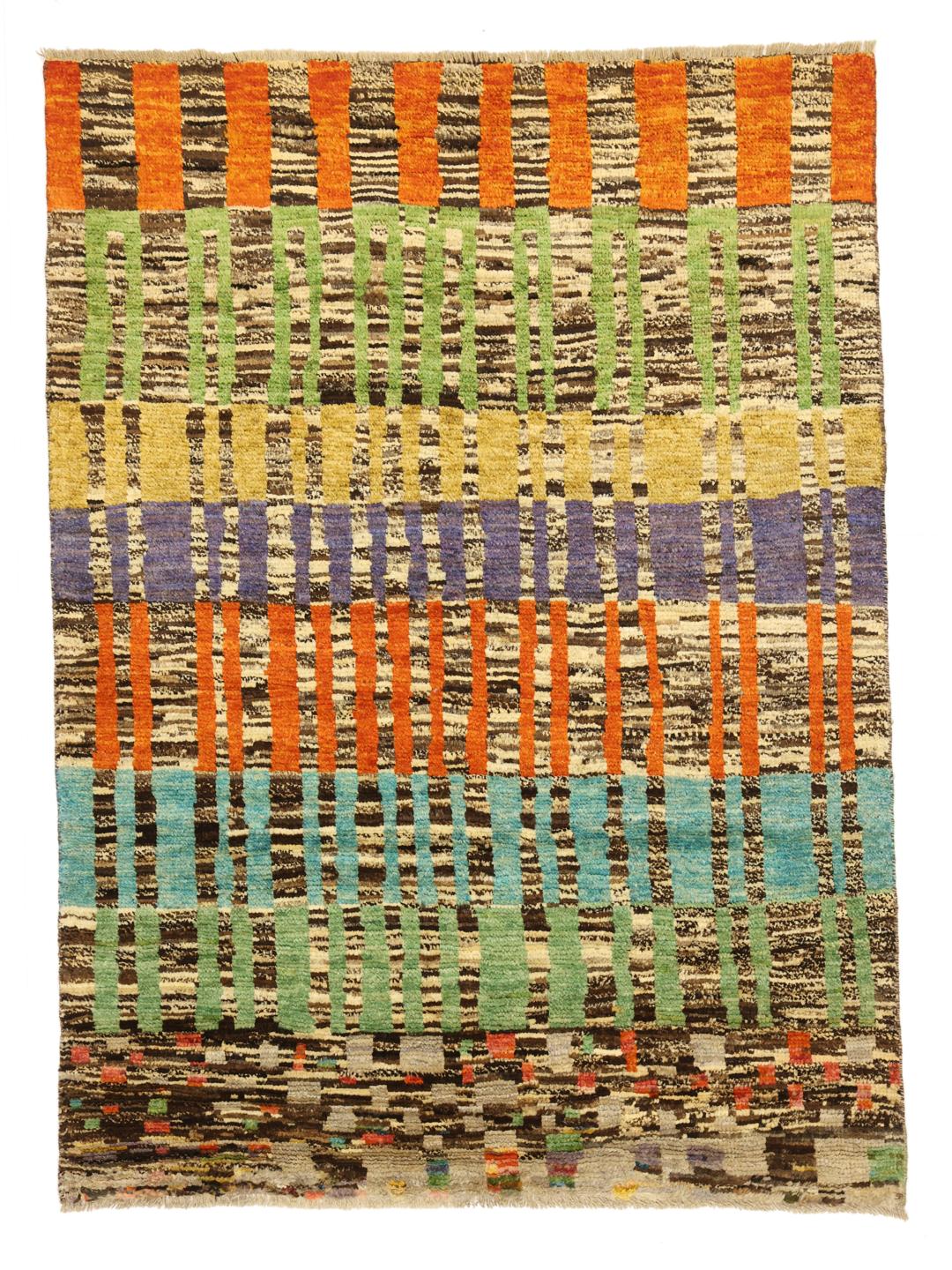
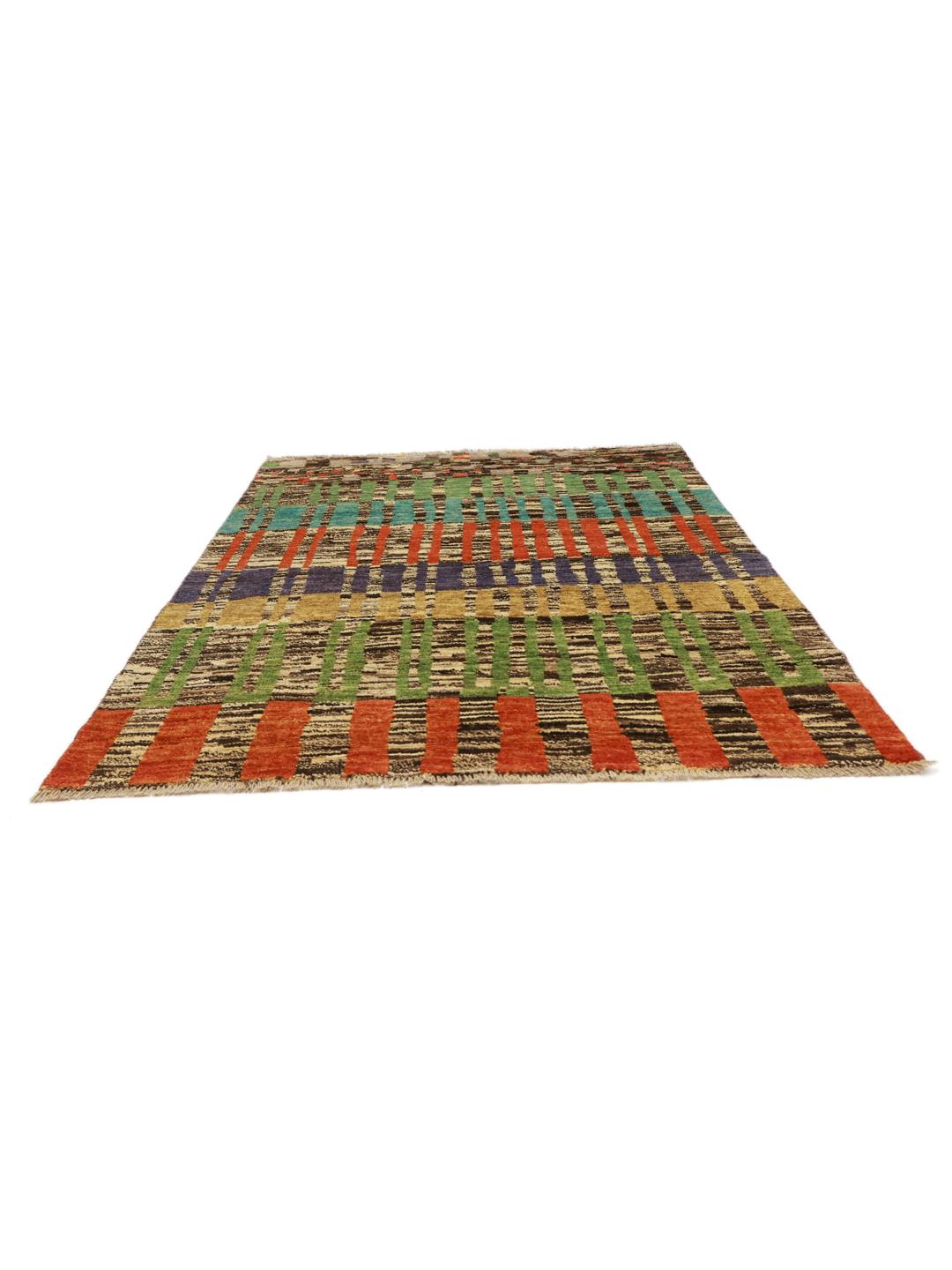
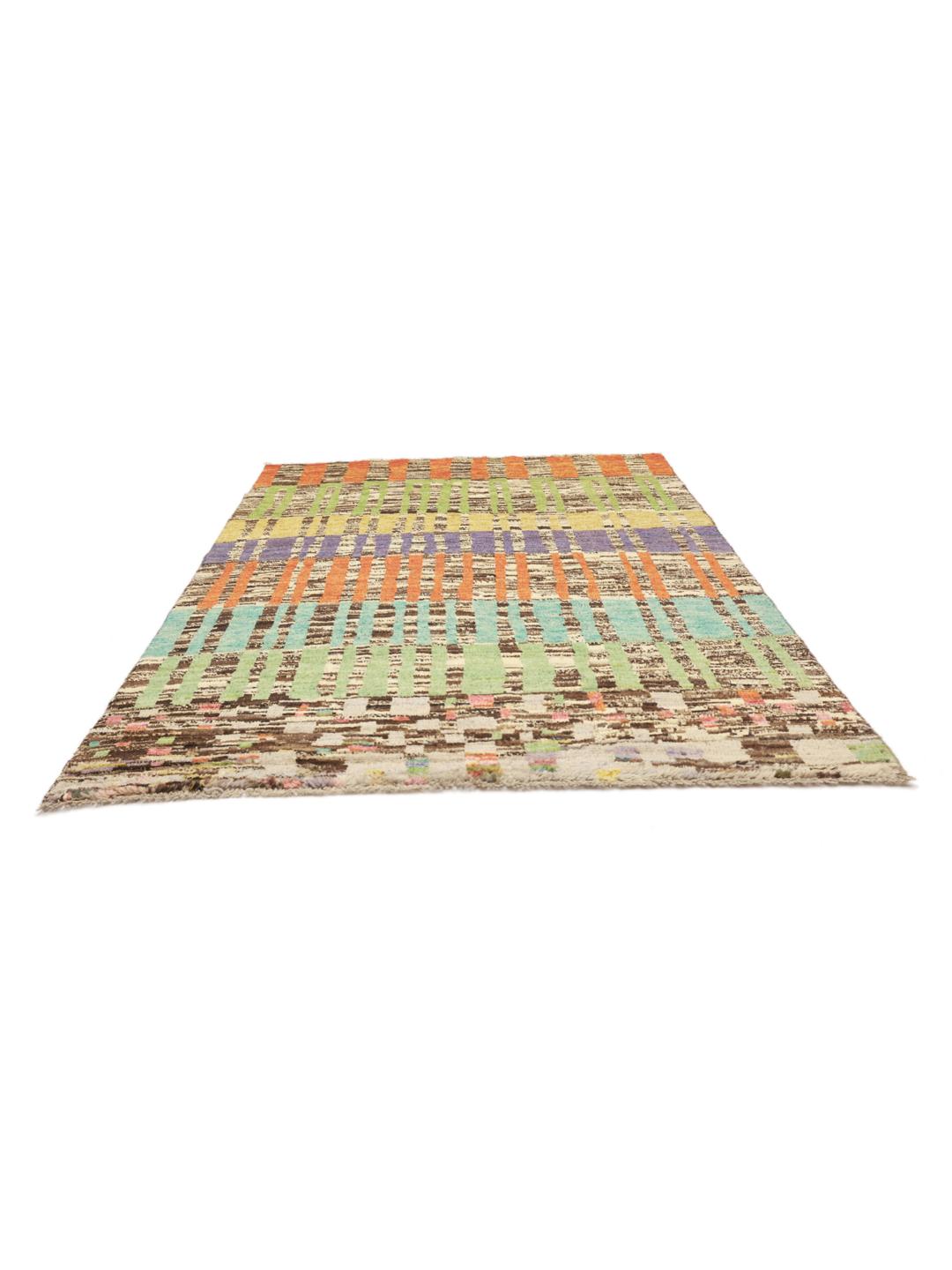
In terms of design, this piece features a dynamic, striped layout that deviates from traditional monochromatic styles. By utilising a wide range of colours, the design creates a rhythmic, visual complexity that draws the eye. The use of repeating lines and blocks is a hallmark of the Berber aesthetic, reflecting a balance between order and artistic freedom.
Owning a piece from this tradition is about celebrating the human element in home decor. These rugs are not just floor coverings but are cultural artefacts that represent a lineage of craftsmanship. Collectors value them for their authenticity, the warmth they provide, and the way they bridge the gap between ancient heritage and modern interior design.