The Berber rug tradition, while most famously associated with the nomadic tribes of North Africa, has inspired weavers across the globe to adopt similar techniques and aesthetic sensibilities. In Afghanistan, this influence has blended with local weaving traditions to create a distinct style that emphasises thick, durable wool and bold, expressive patterns.
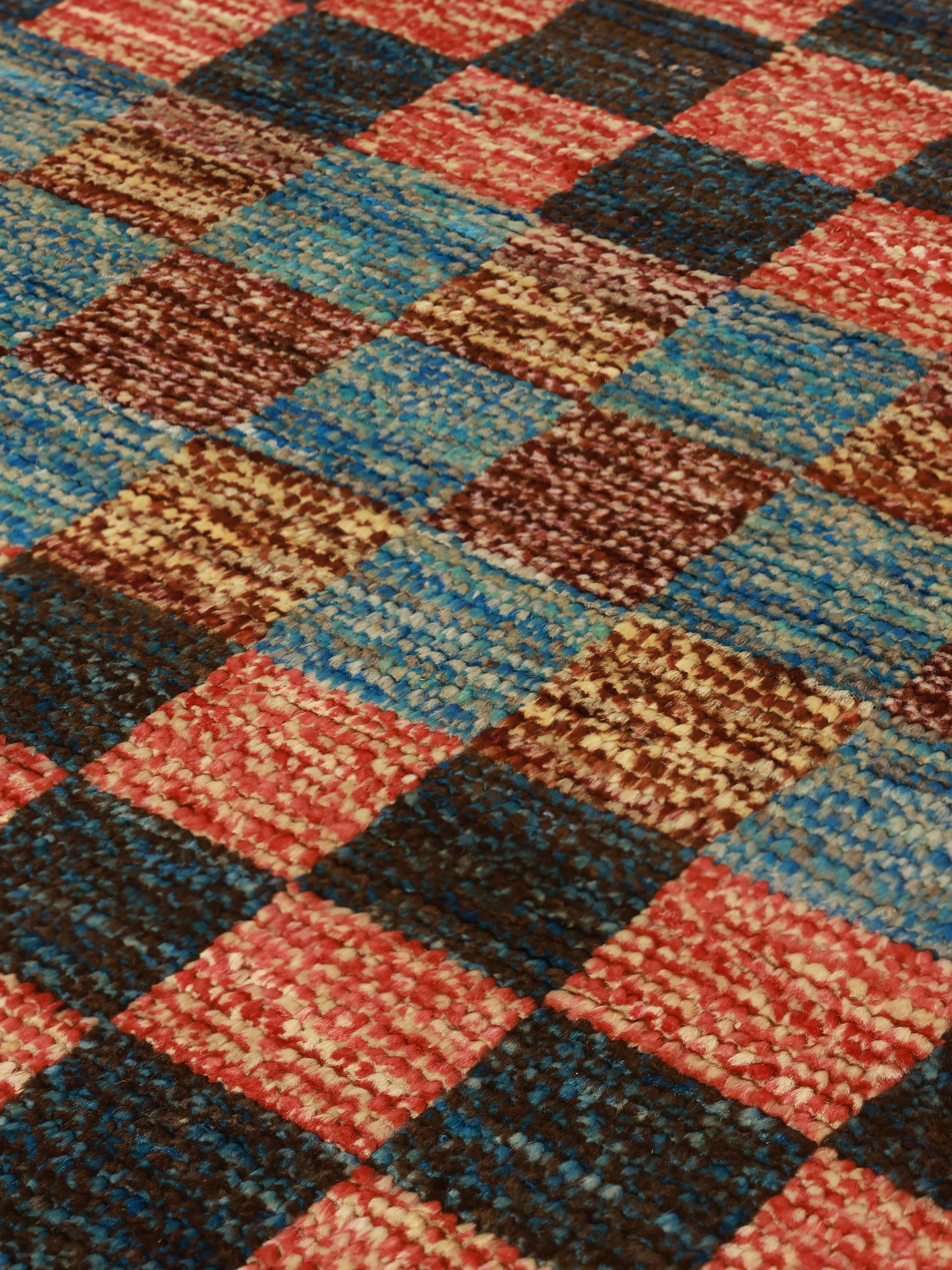
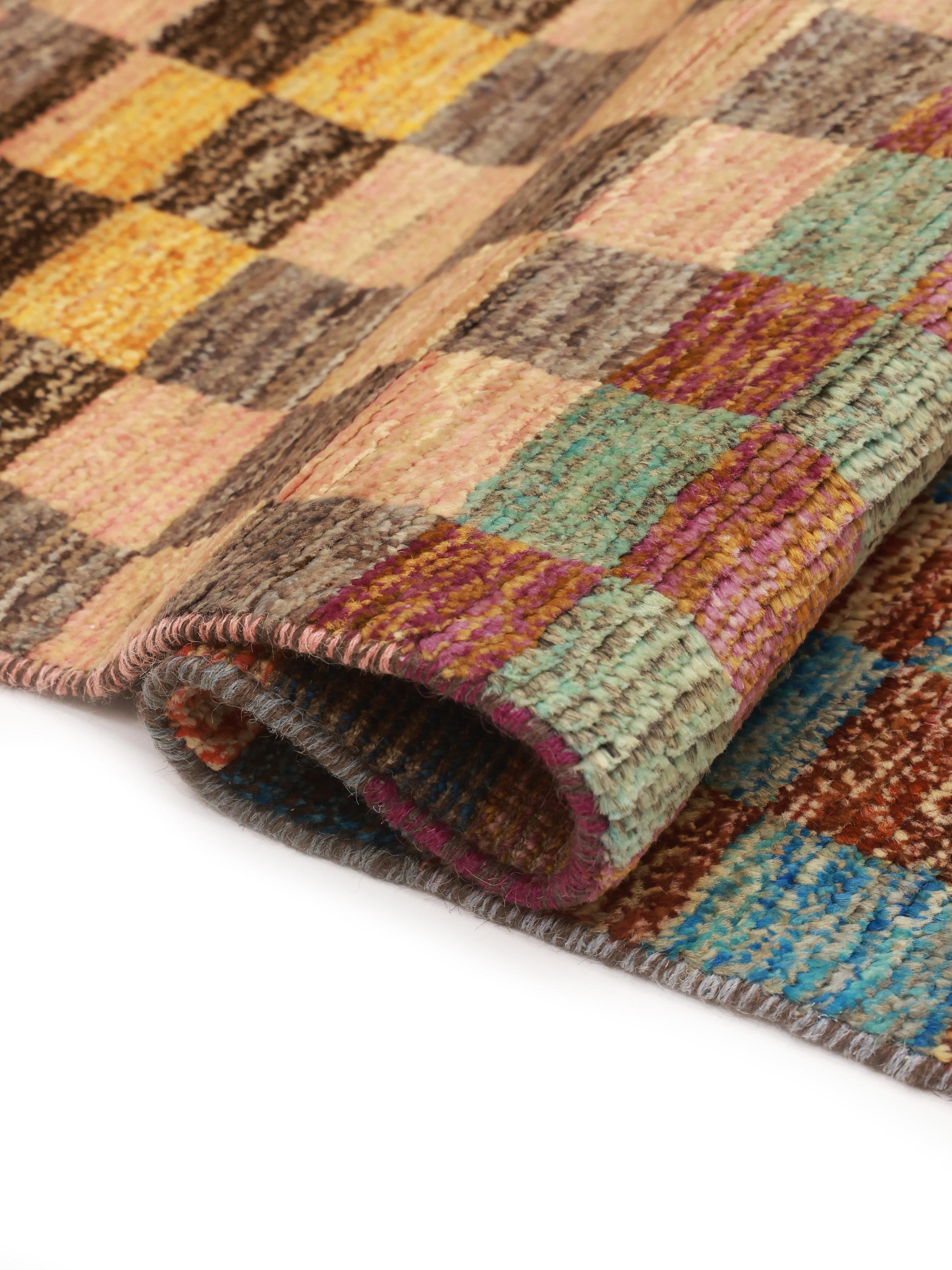
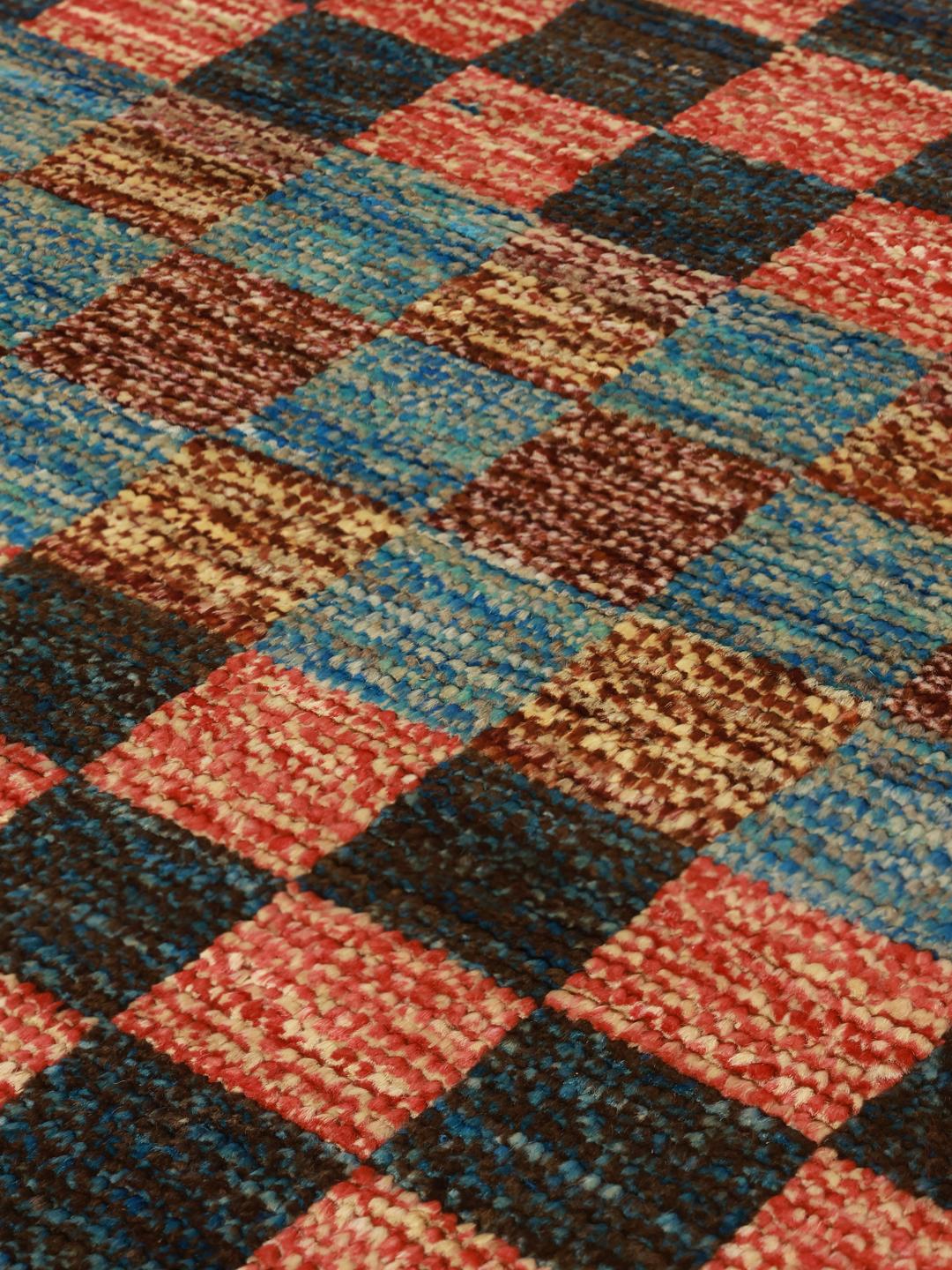
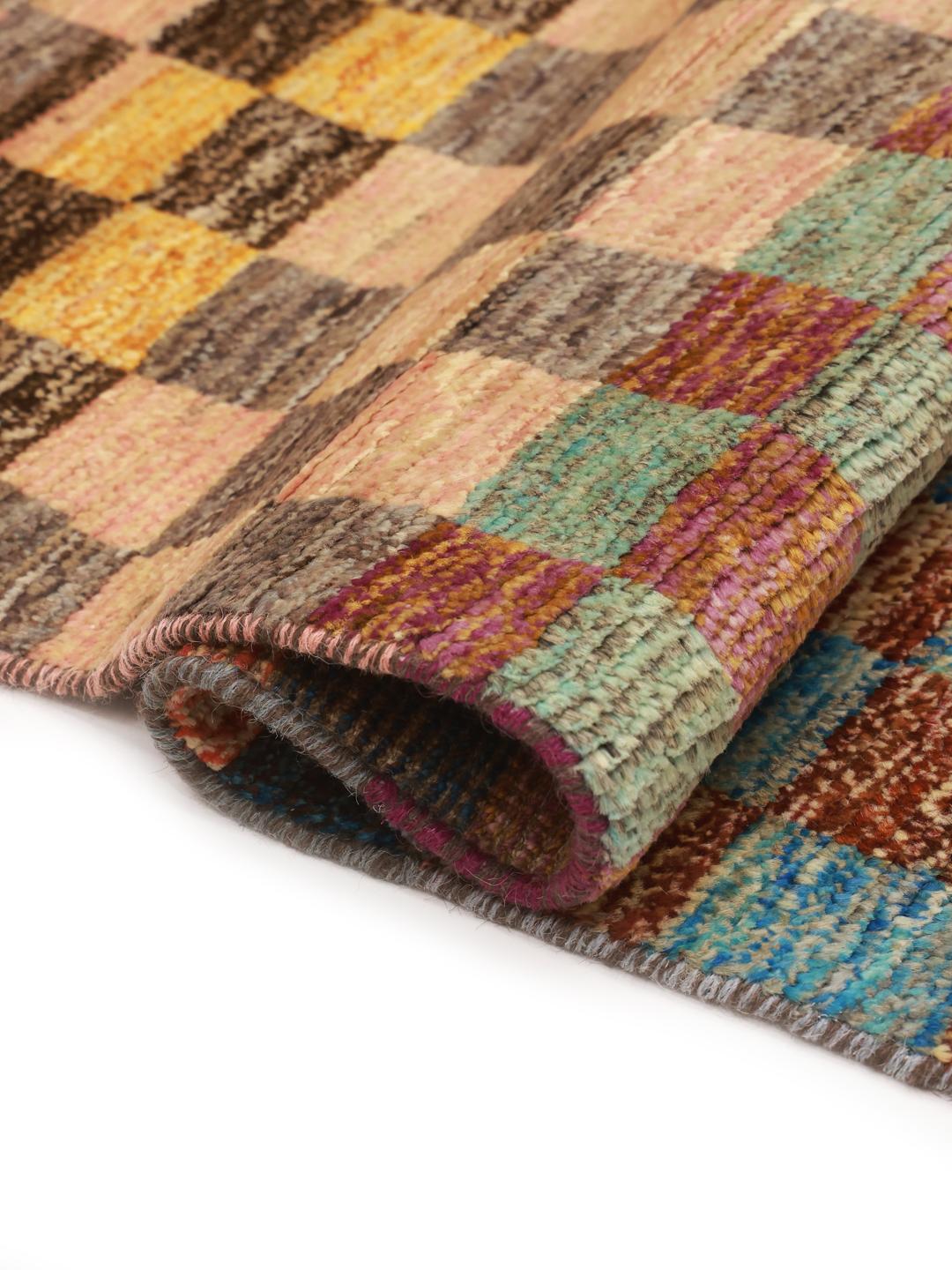
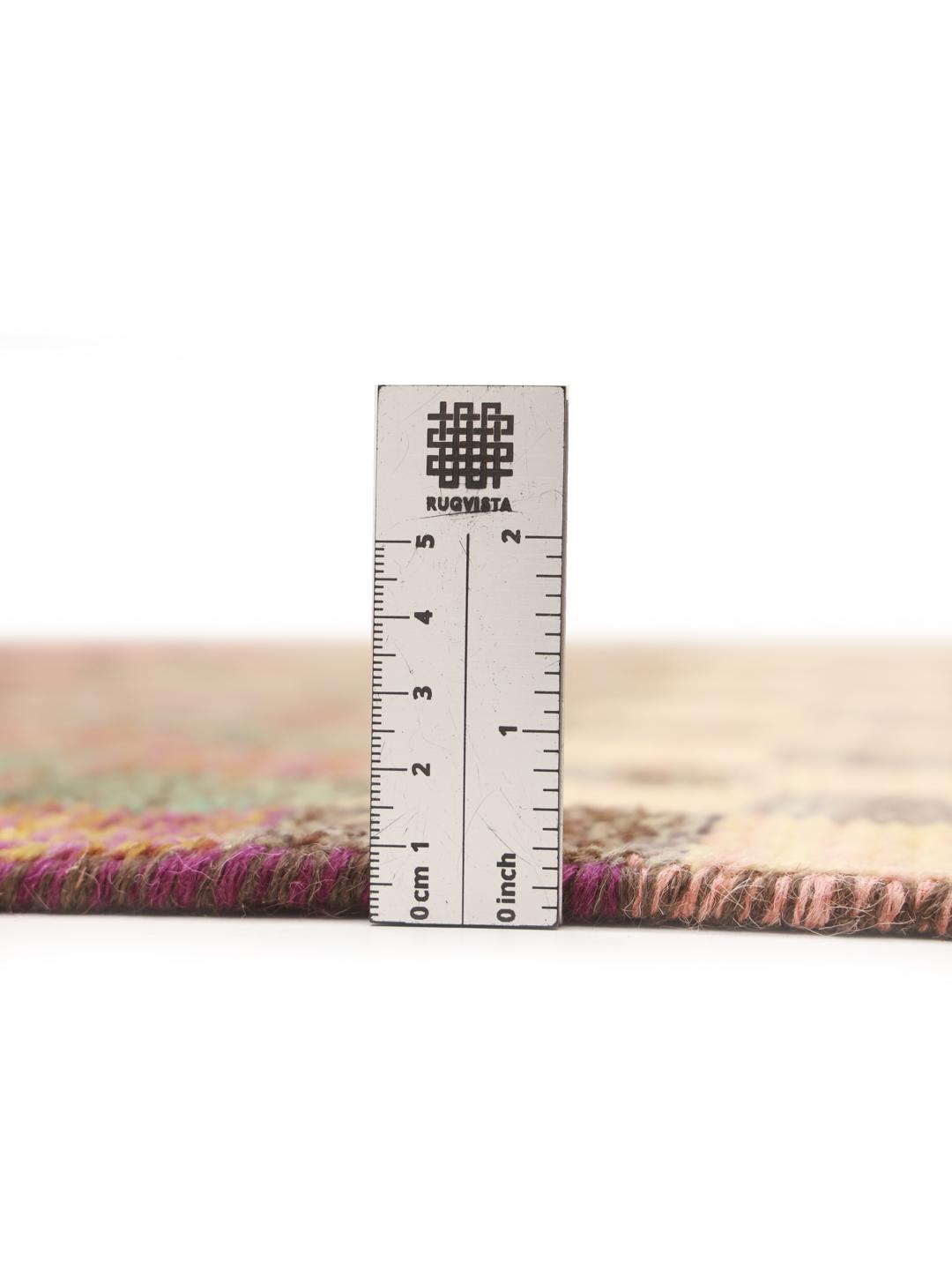
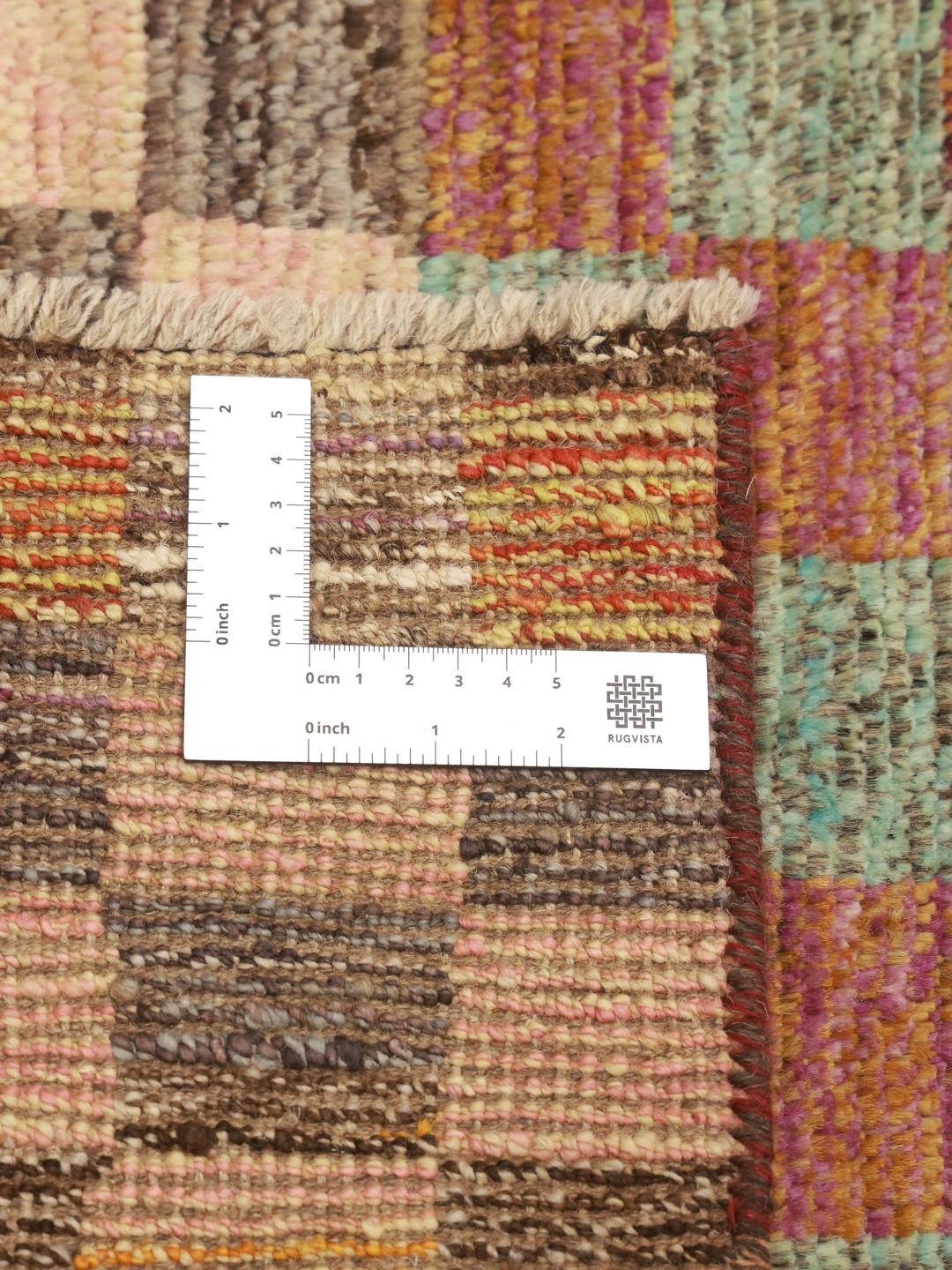
At the heart of these rugs is the hand-knotting technique, a craft passed down through generations. This method is vital for the quality of the rug, as it allows for a dense, long-lasting pile that retains its shape and lustre over time. The choice of raw wool is central to this, as it is a durable, natural fibre that is prized for its ability to age gracefully.
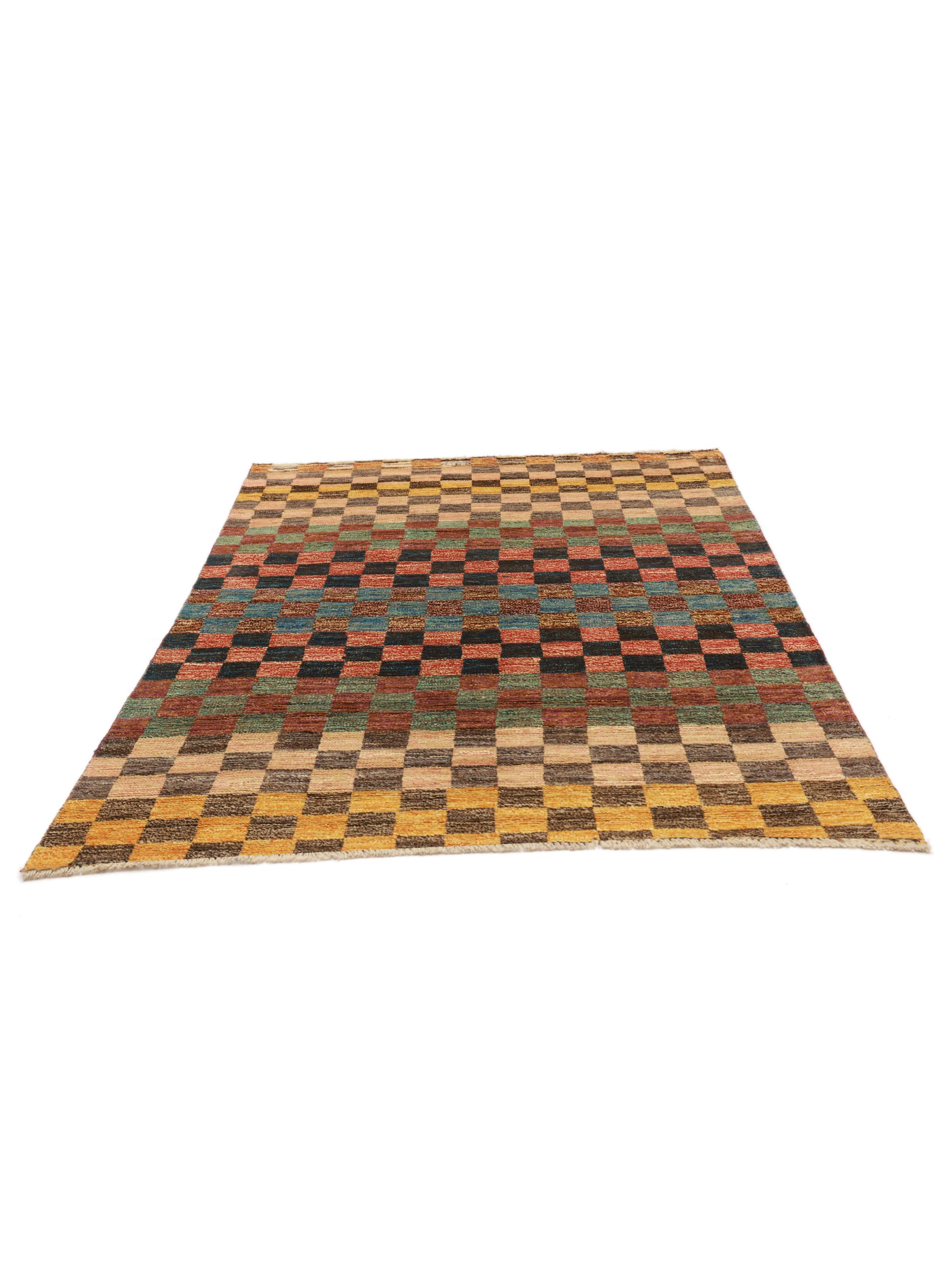
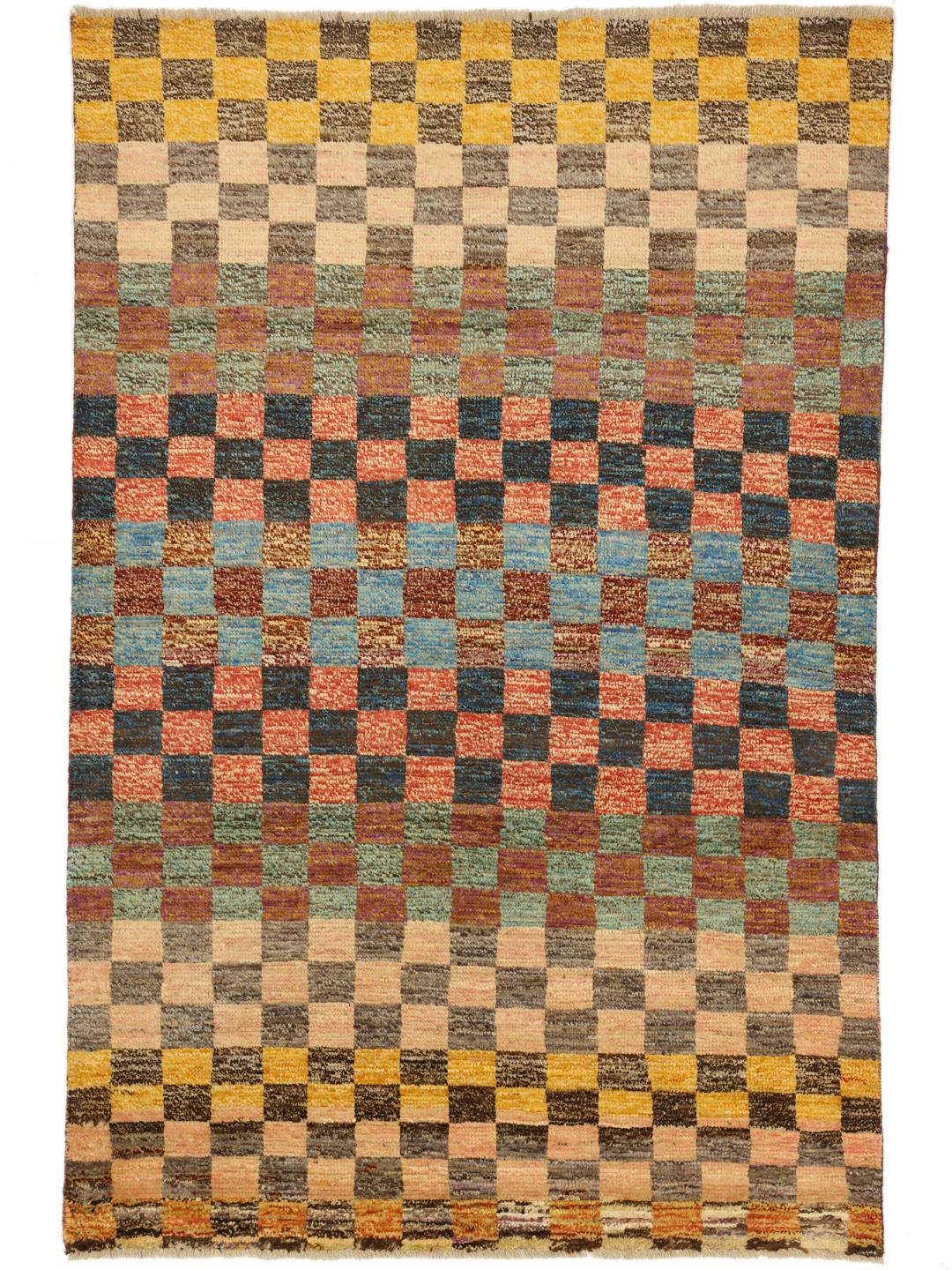
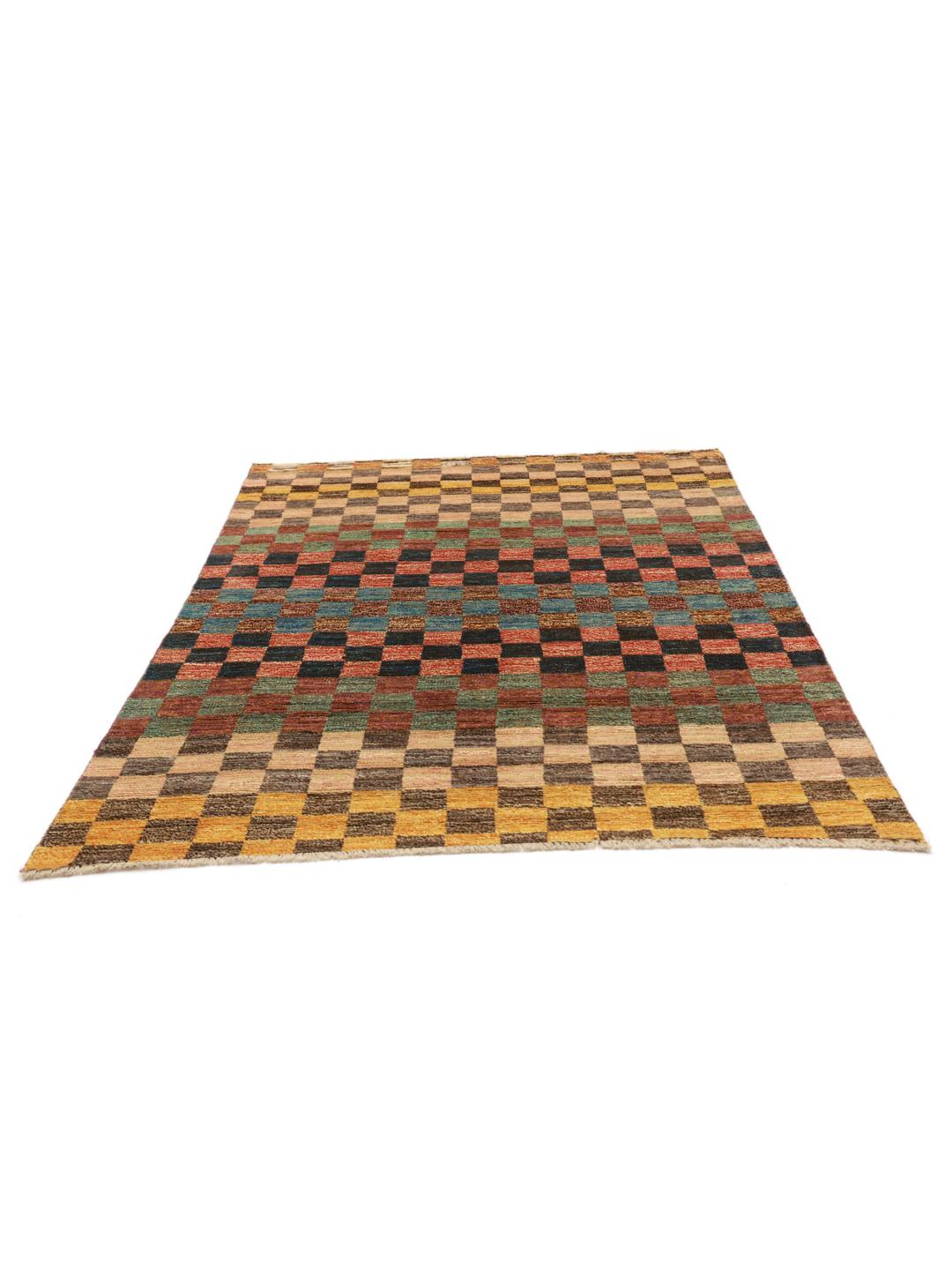
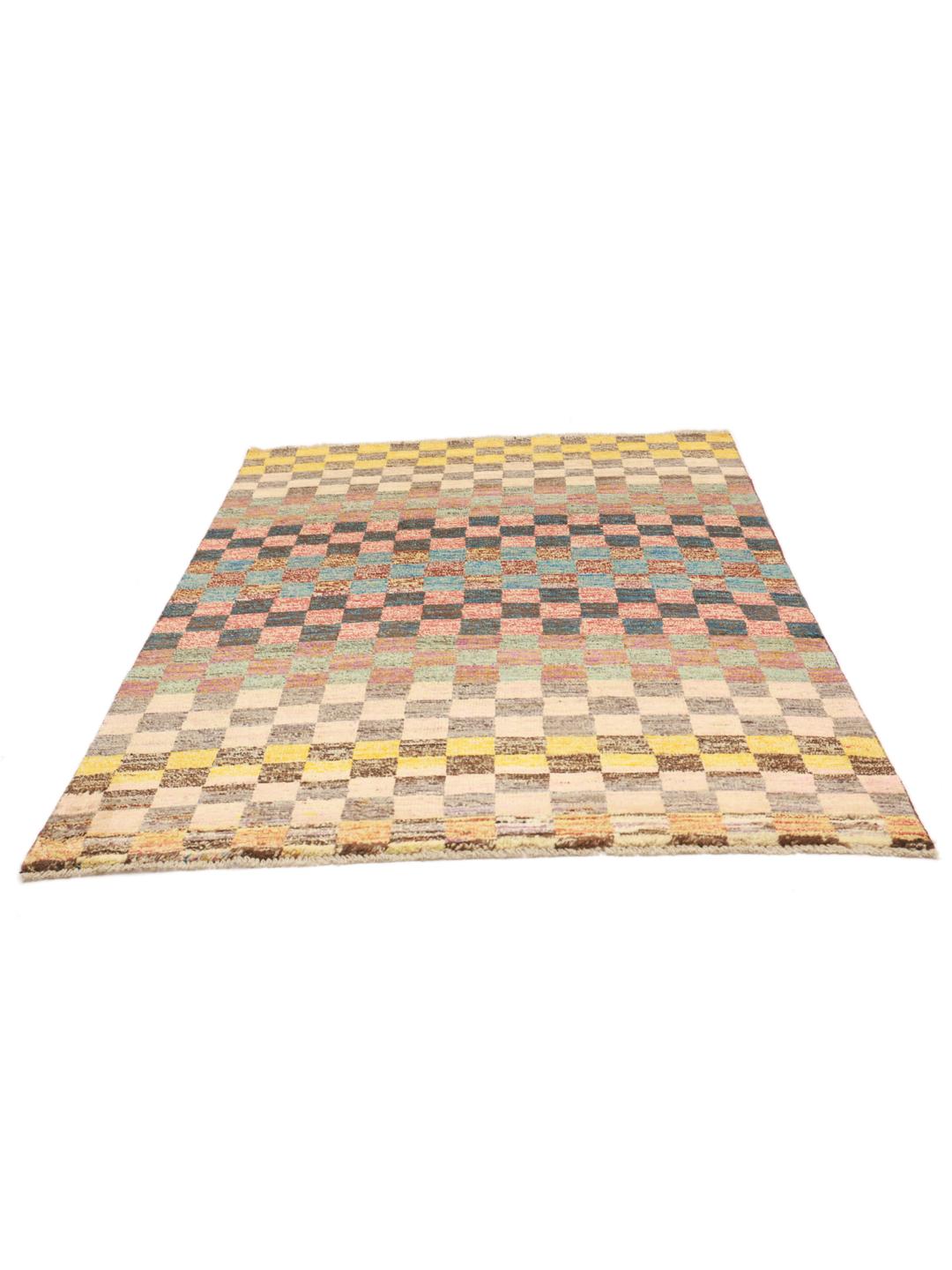
Visually, these rugs are often defined by their geometric simplicity and use of colour. The checkered motif seen here is a classic design element that relies on the contrast of hues to create a rhythmic, visual energy. By using a range of colours, the weaver transforms a simple grid into a complex, lively surface that feels both balanced and spontaneous.
Owning a hand-knotted rug from this tradition is an investment in cultural heritage and human skill. These pieces are collected not just for their utility as floor coverings, but for the story they tell about the weaver’s environment and the enduring value of manual craftsmanship in an increasingly automated world.