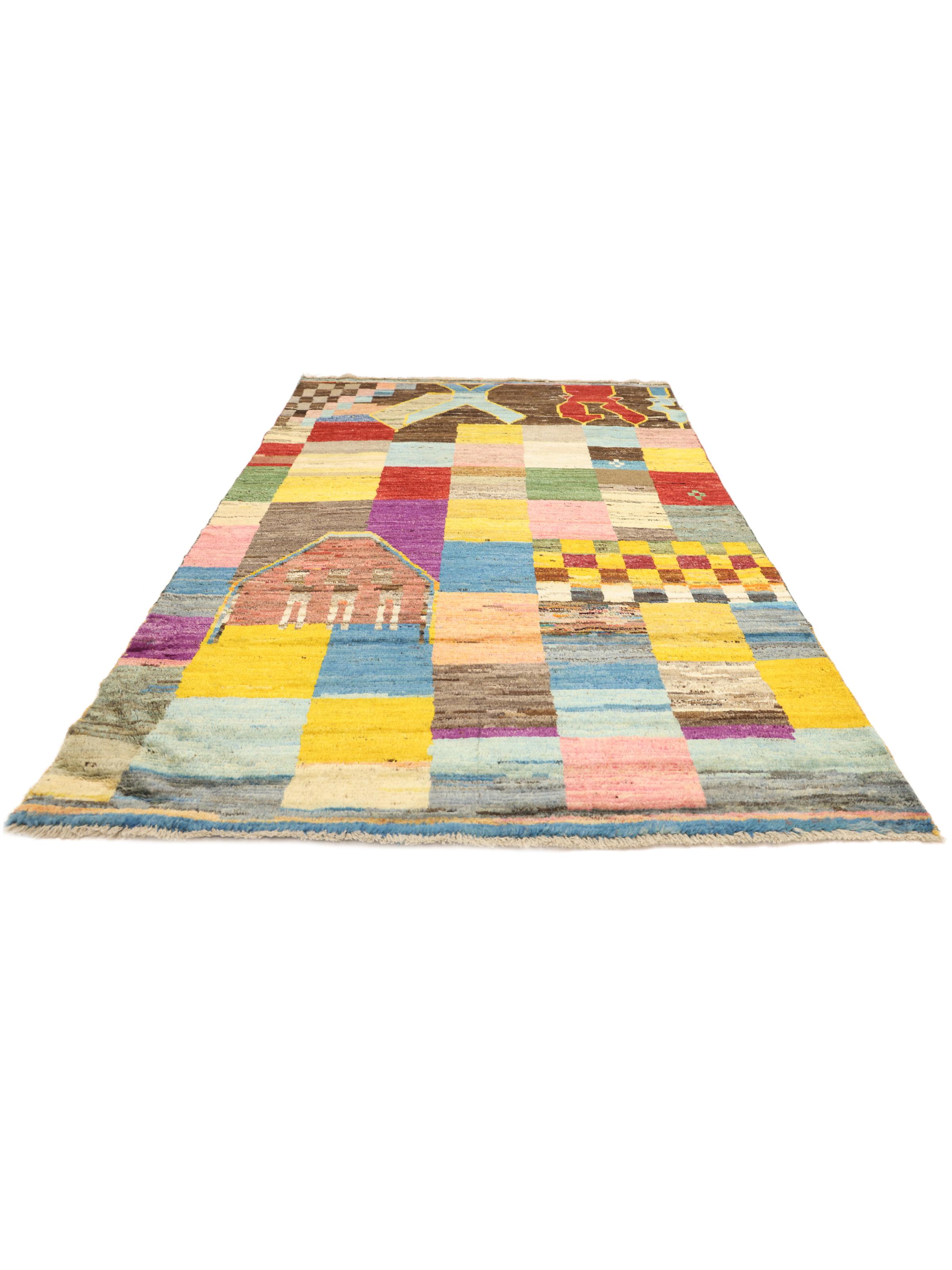
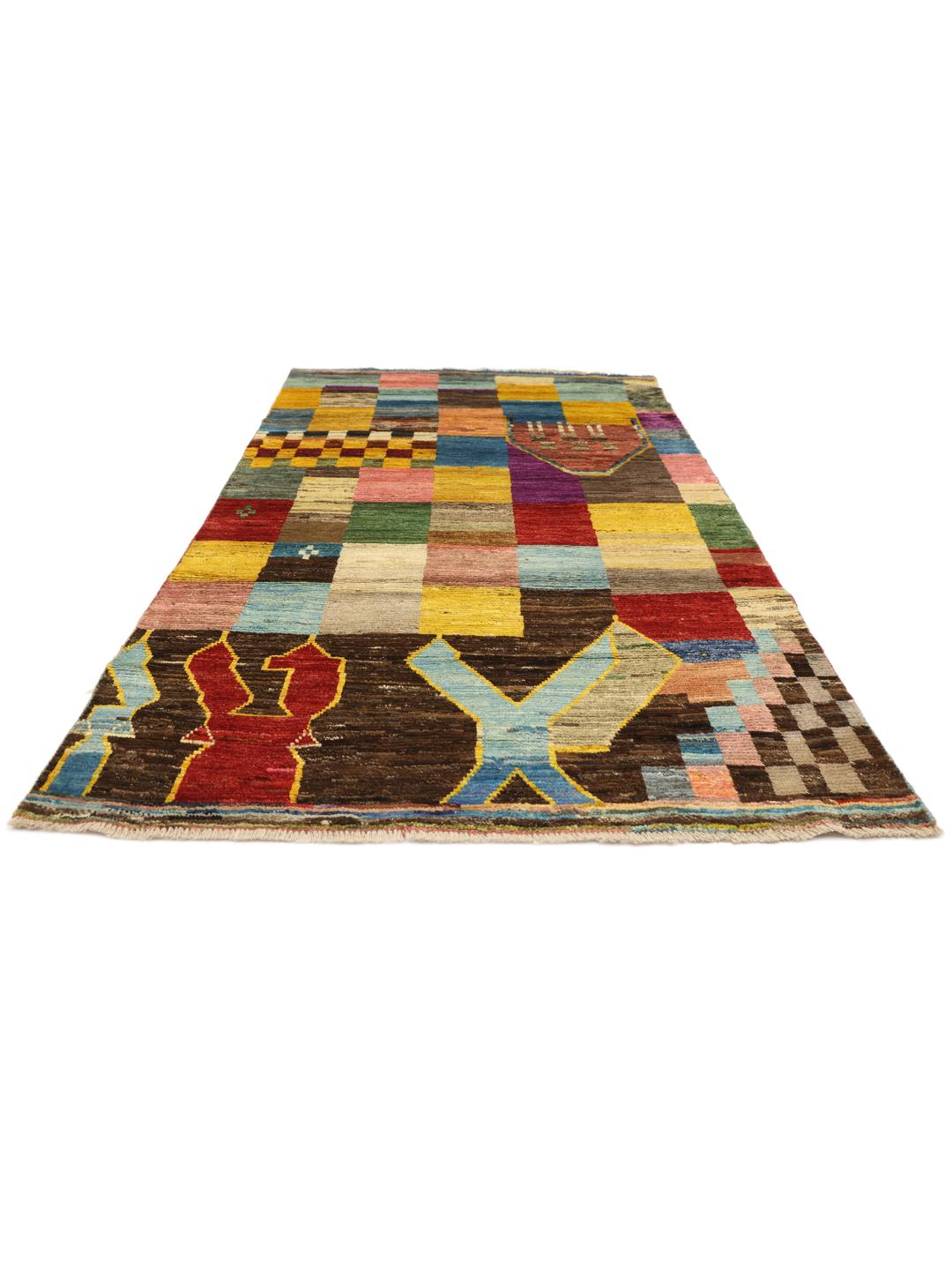
The Berber tradition finds its roots in the nomadic cultures of North Africa, where hand-woven rugs were essential for warmth, comfort, and storytelling. While the style originated in the Atlas Mountains, the influence of these iconic designs has spread far beyond their borders. Today, gifted weavers in Afghanistan have embraced this heritage, blending traditional techniques with their own regional artistic sensibilities to create rugs that are both culturally rich and visually captivating.
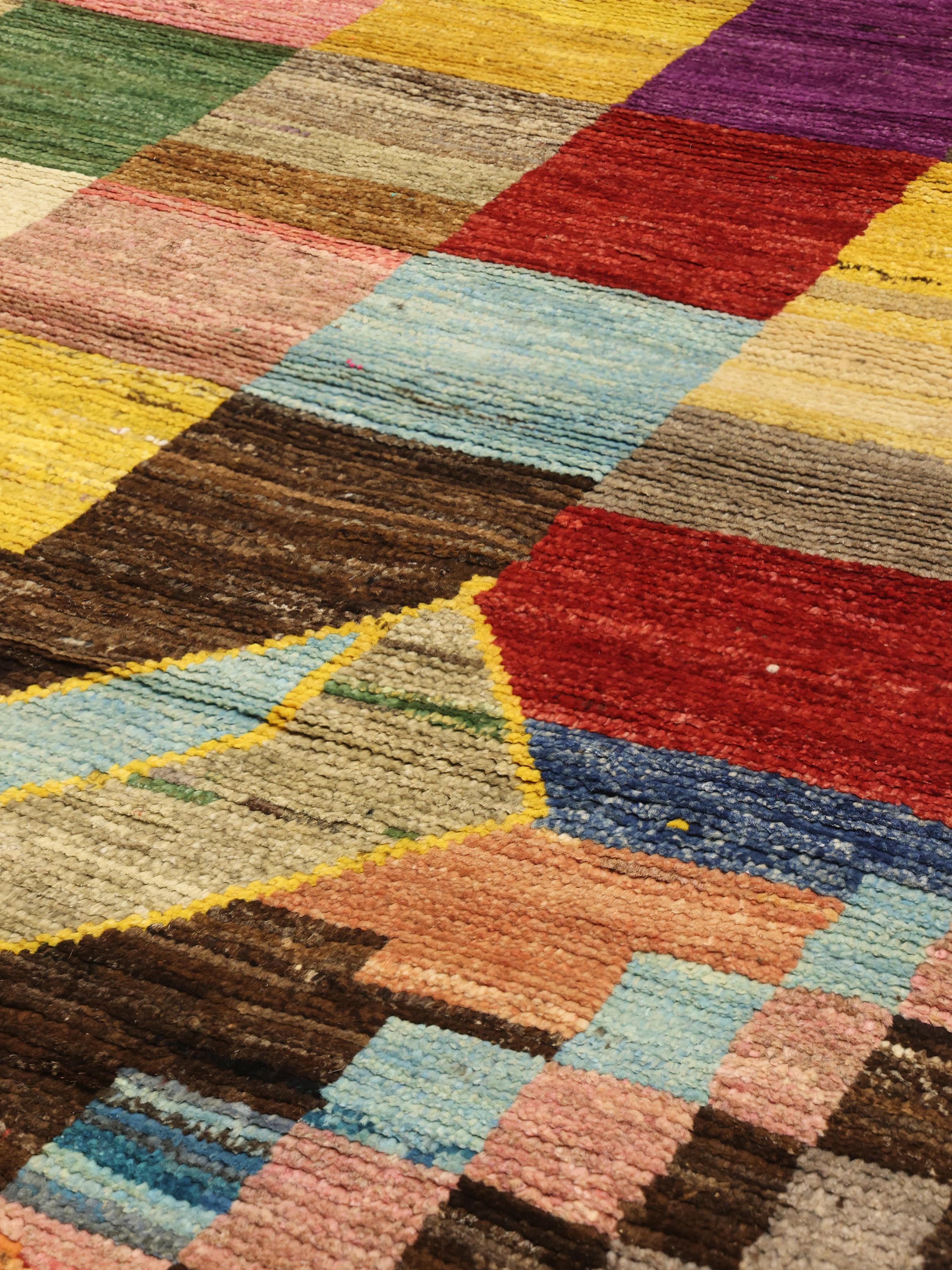
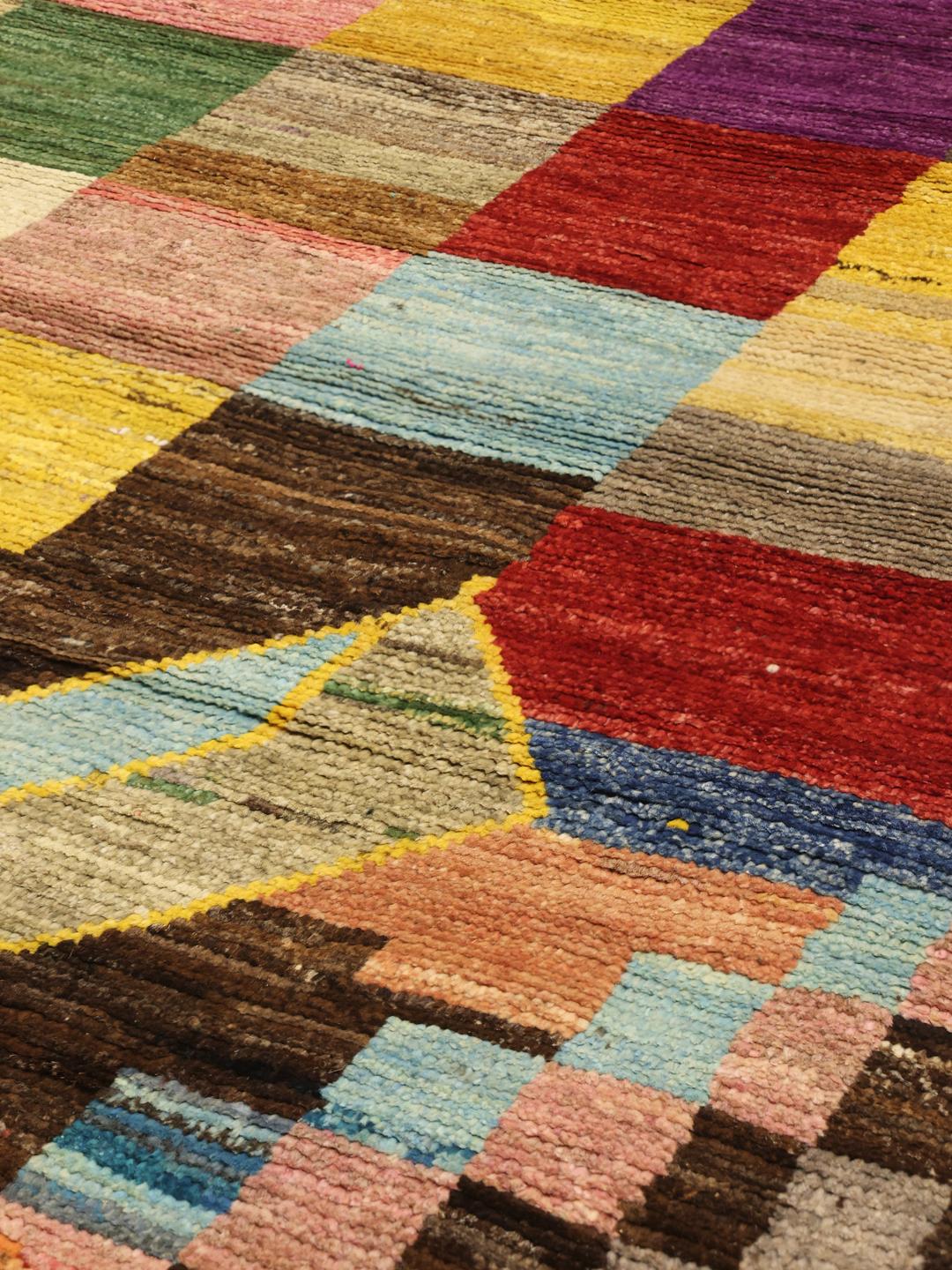
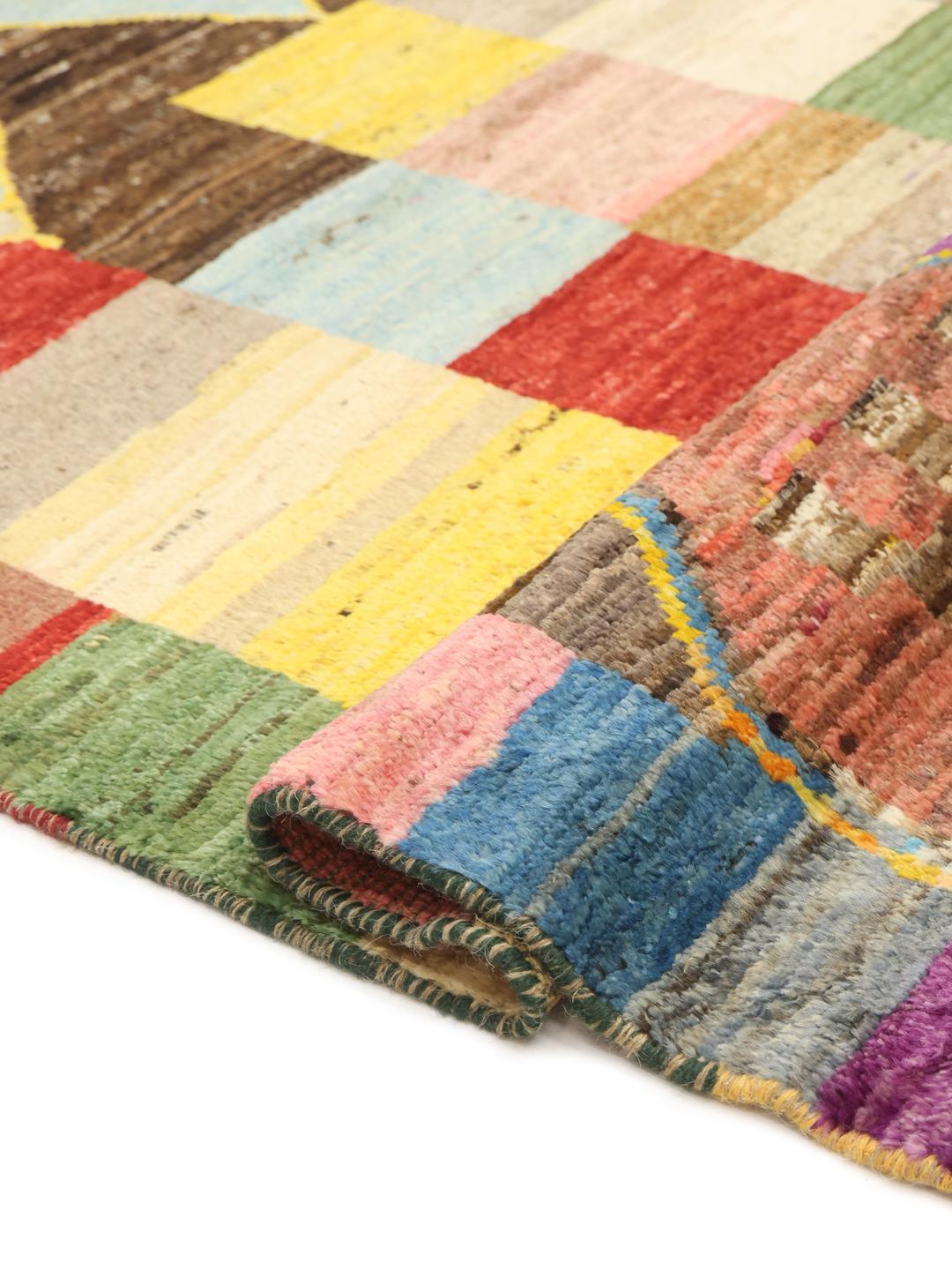
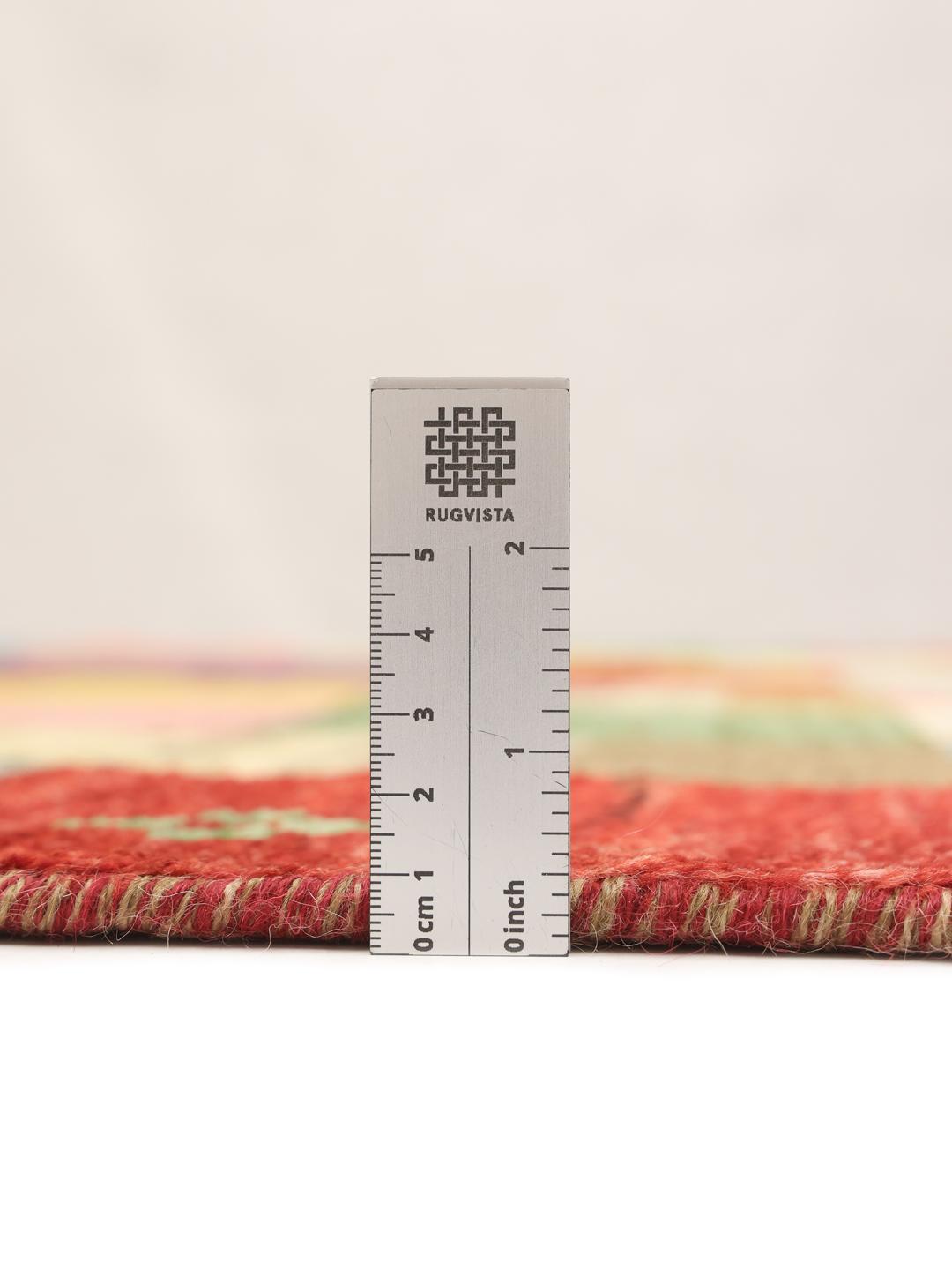
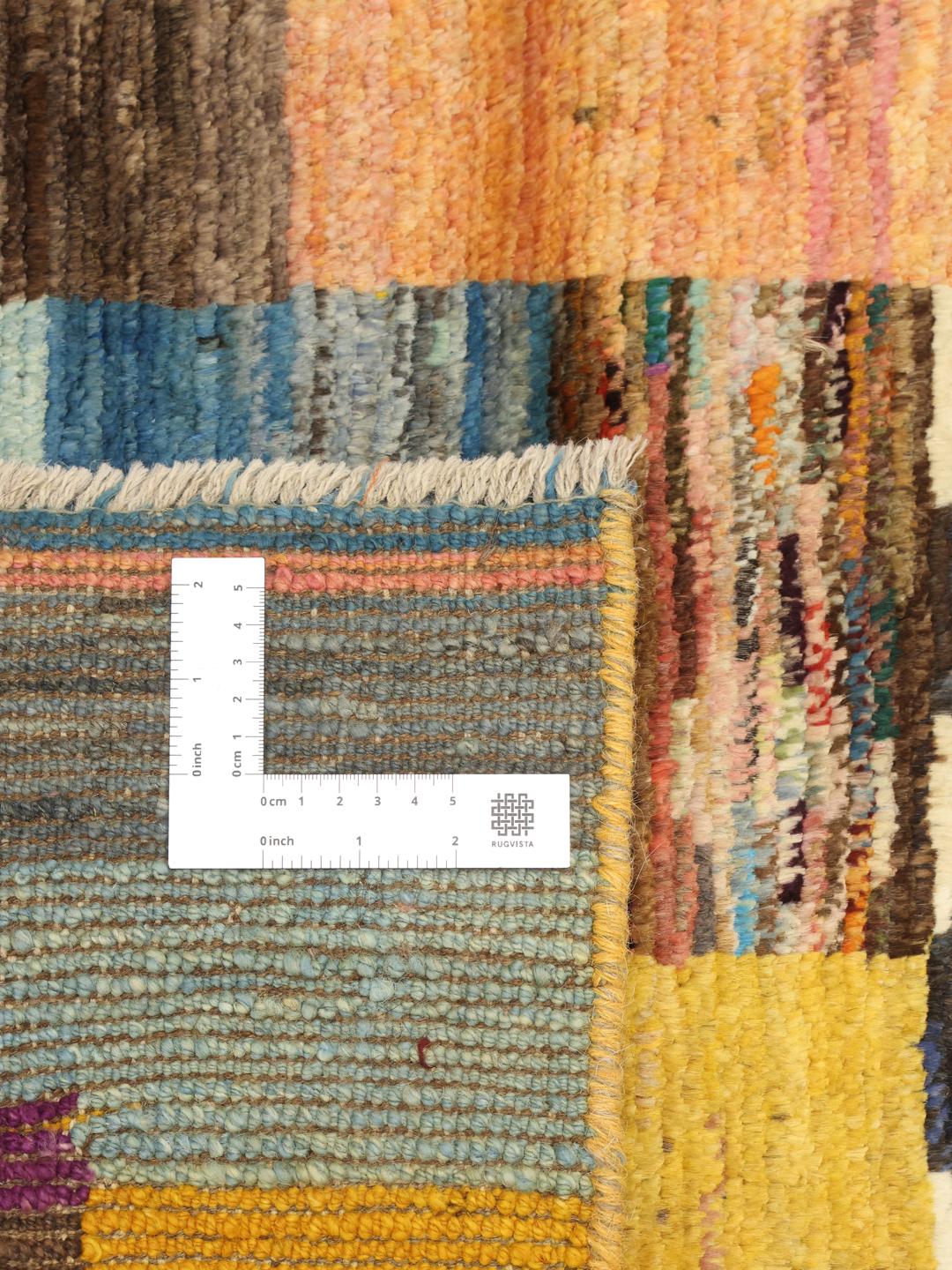
The term 'Berber' refers to the unique, often thick-piled construction that provides both insulation and a soft texture. In this context, the hand-knotted technique is vital, as it allows for the complex, geometric colour-blocking seen in this piece. This method of construction is highly valued because it creates a robust foundation, ensuring that the wool pile remains dense and lustrous even after years of use, effectively bridging the gap between historical craft and modern utility.
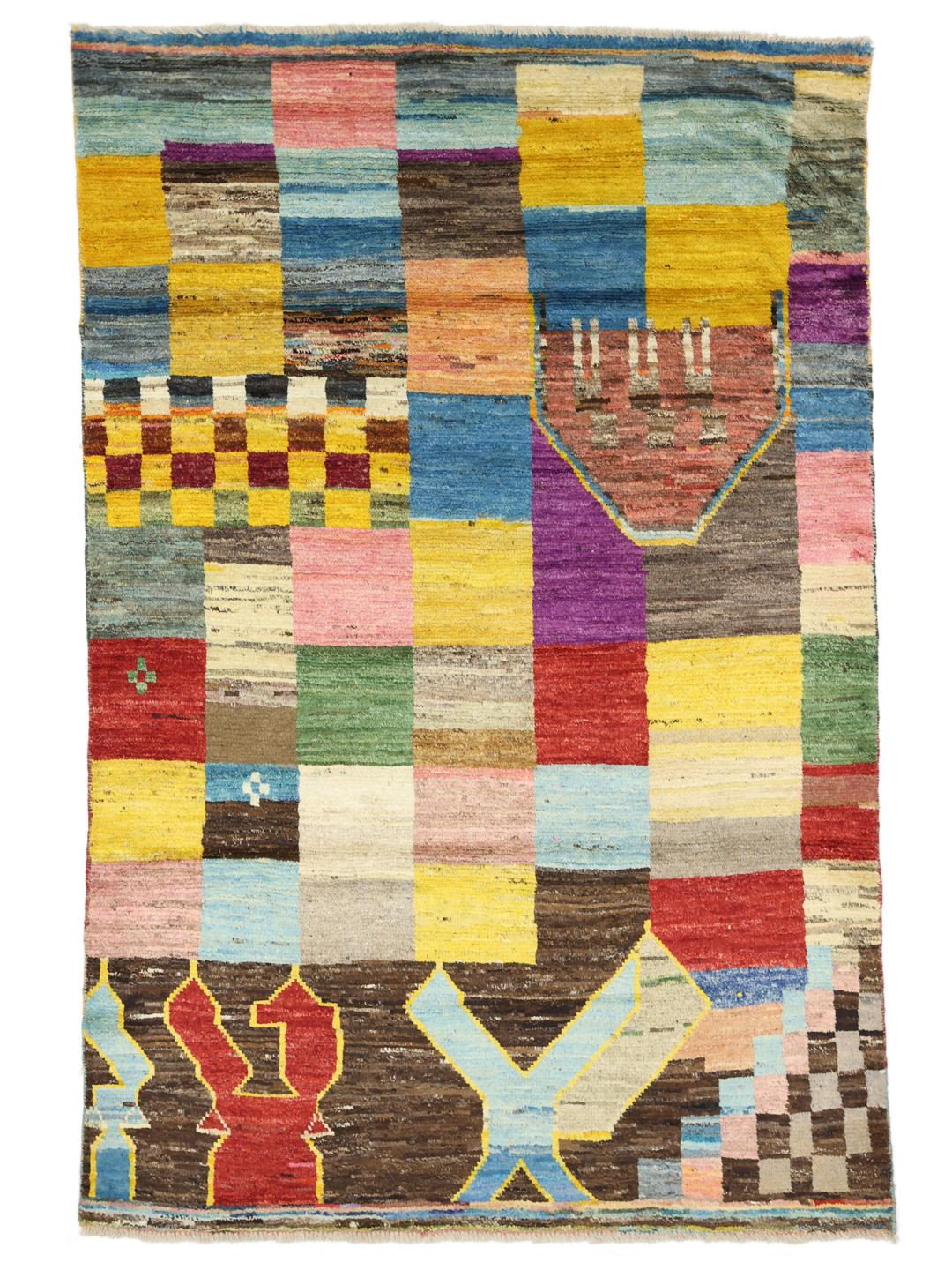
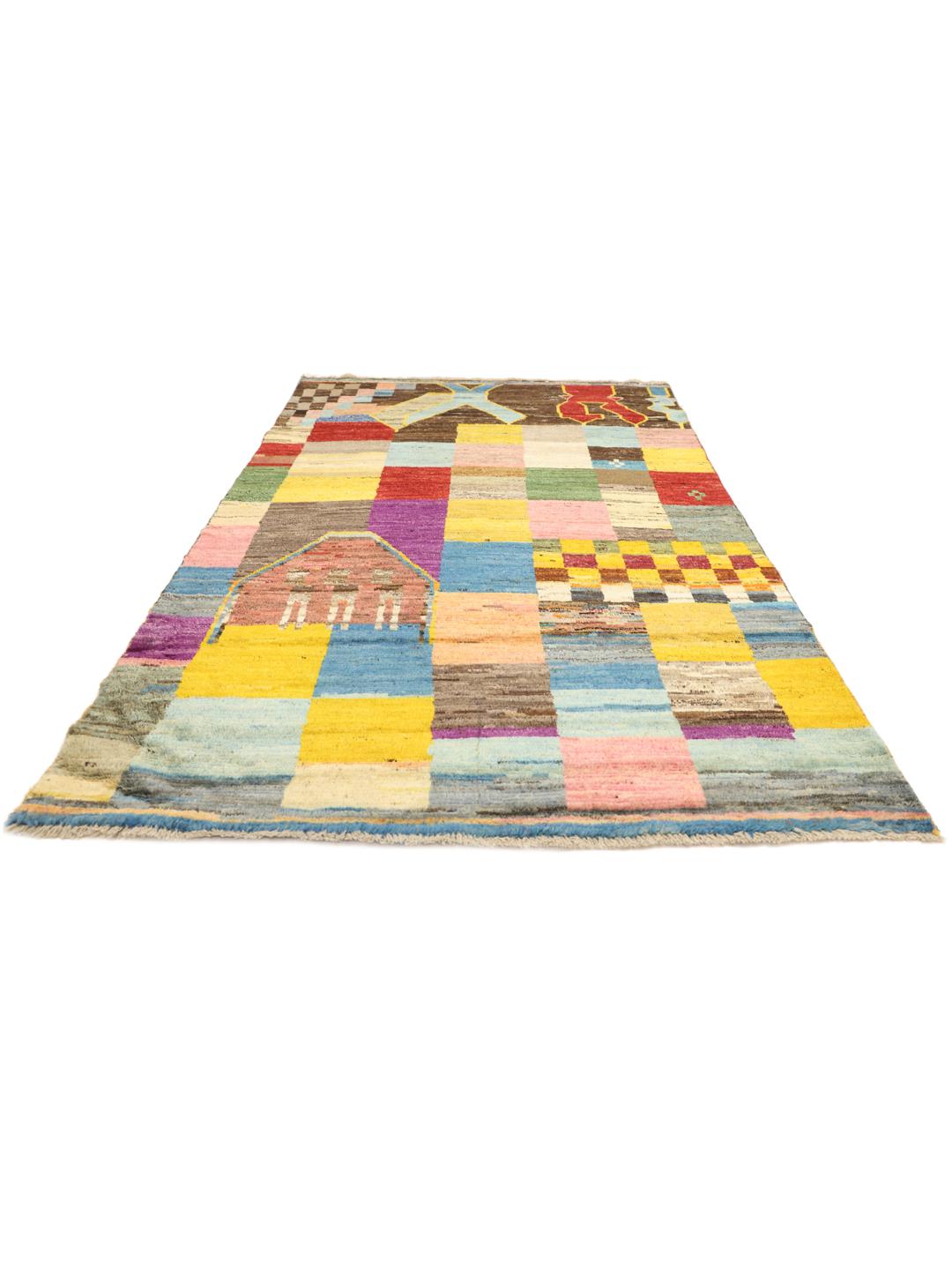
Visually, this rug is defined by its bold, patchwork-inspired layout. Unlike more formal, rigid patterns, this style celebrates spontaneity and vibrant colour. The use of various hues—from deep, earthy tones to bright, saturated colours—is a hallmark of this tradition, allowing it to act as a piece of functional art. Each motif or colour block is placed with intent, creating a dynamic visual flow that makes the rug feel both modern and deeply rooted in a storied past.
Owning a hand-knotted rug from this tradition is about more than just decoration; it is about preserving a legacy of craftsmanship. These pieces are collected for their authenticity, their ability to age gracefully, and the human effort required to create them. By bringing this rug into your home, you are participating in a long-standing history of textile art, ensuring that these ancient skills continue to be appreciated in contemporary living spaces.