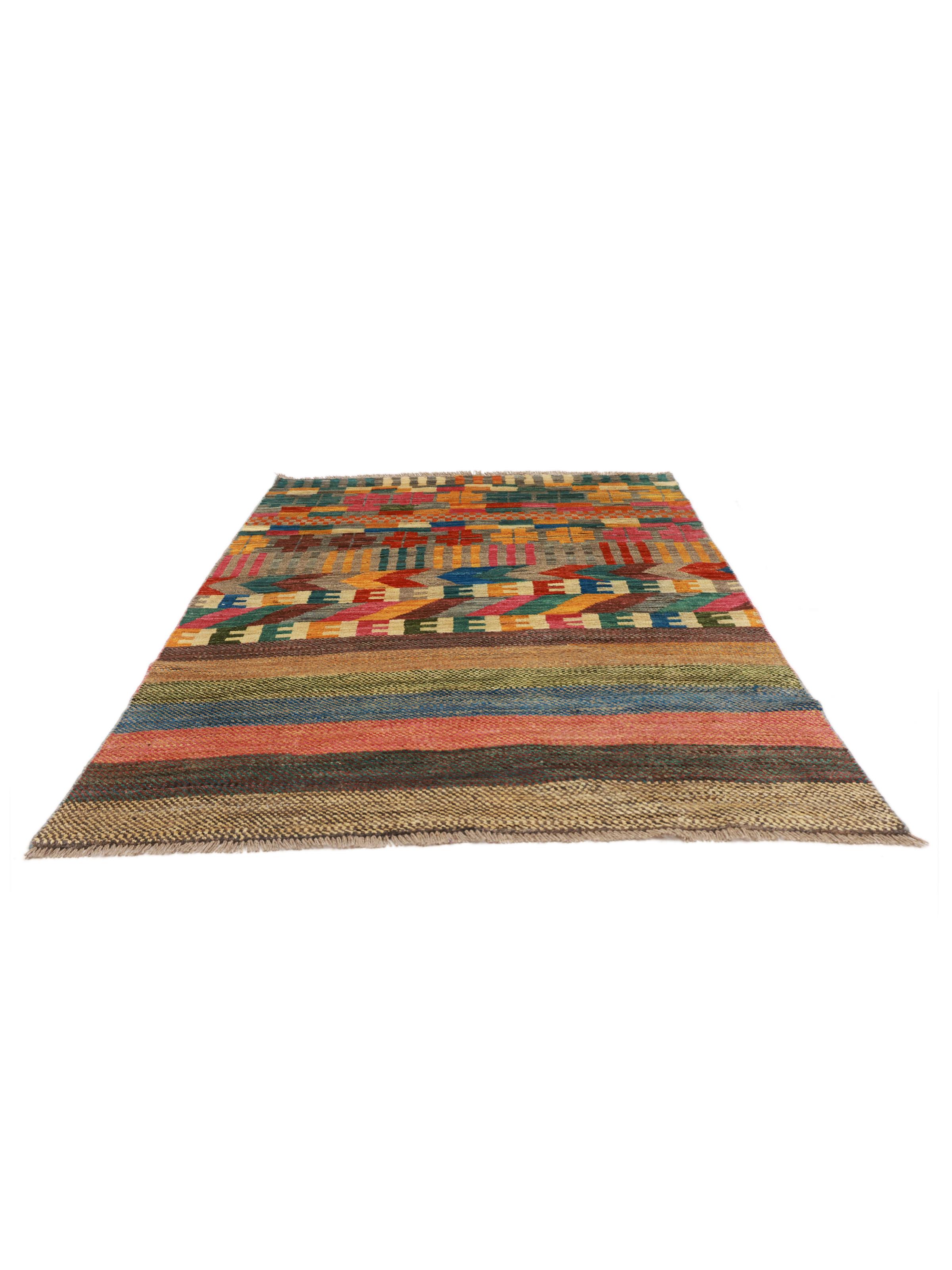
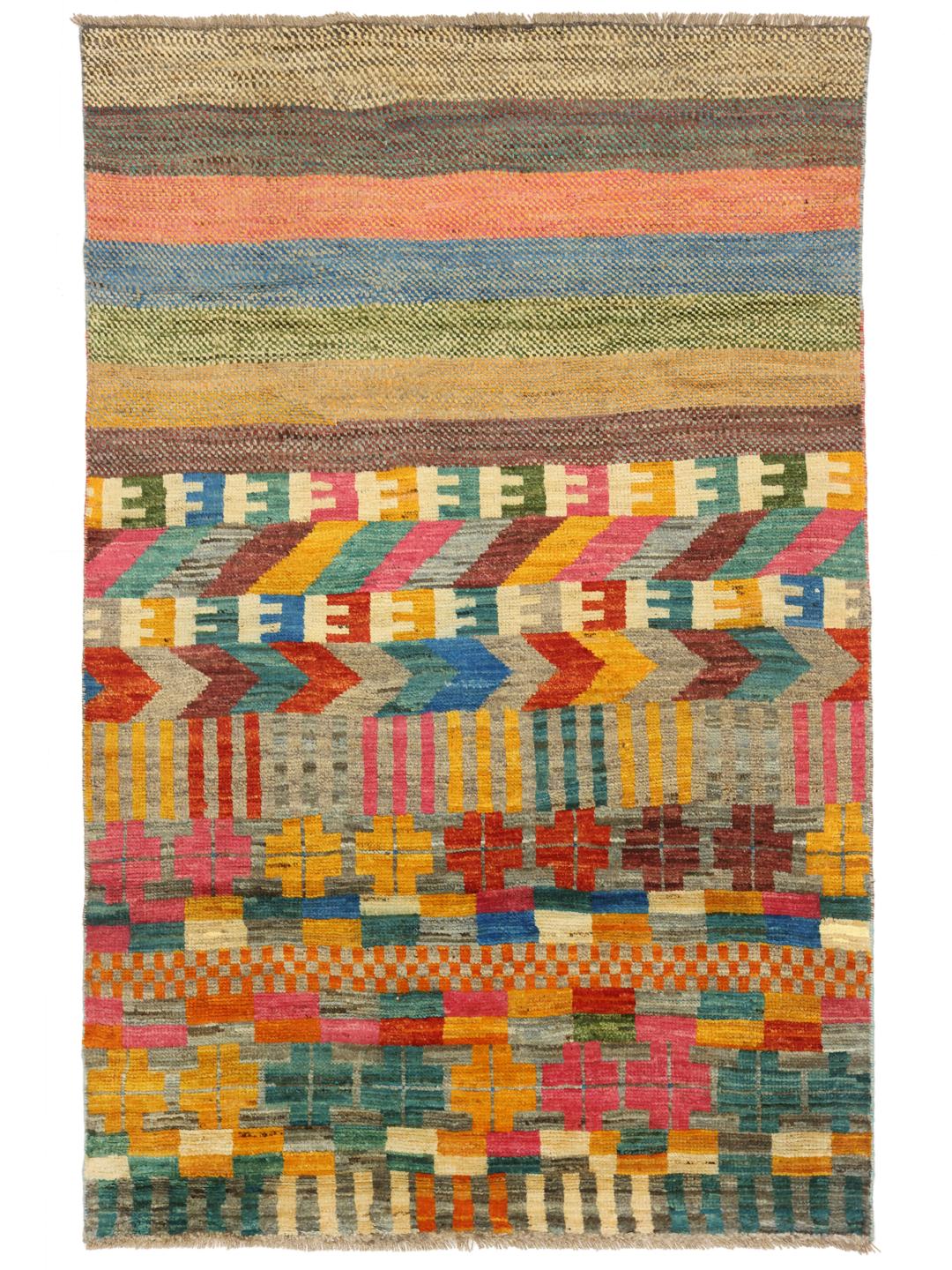
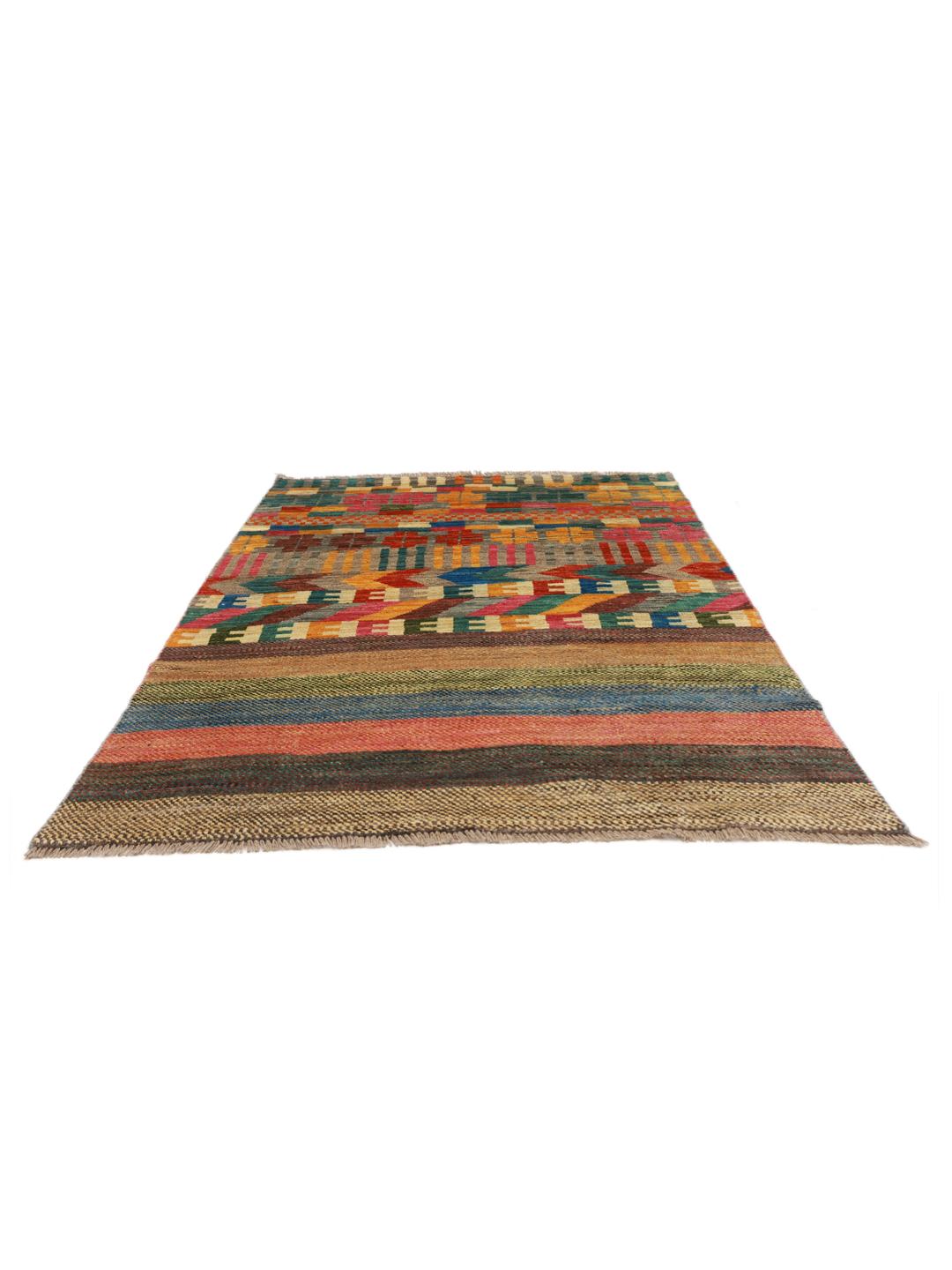
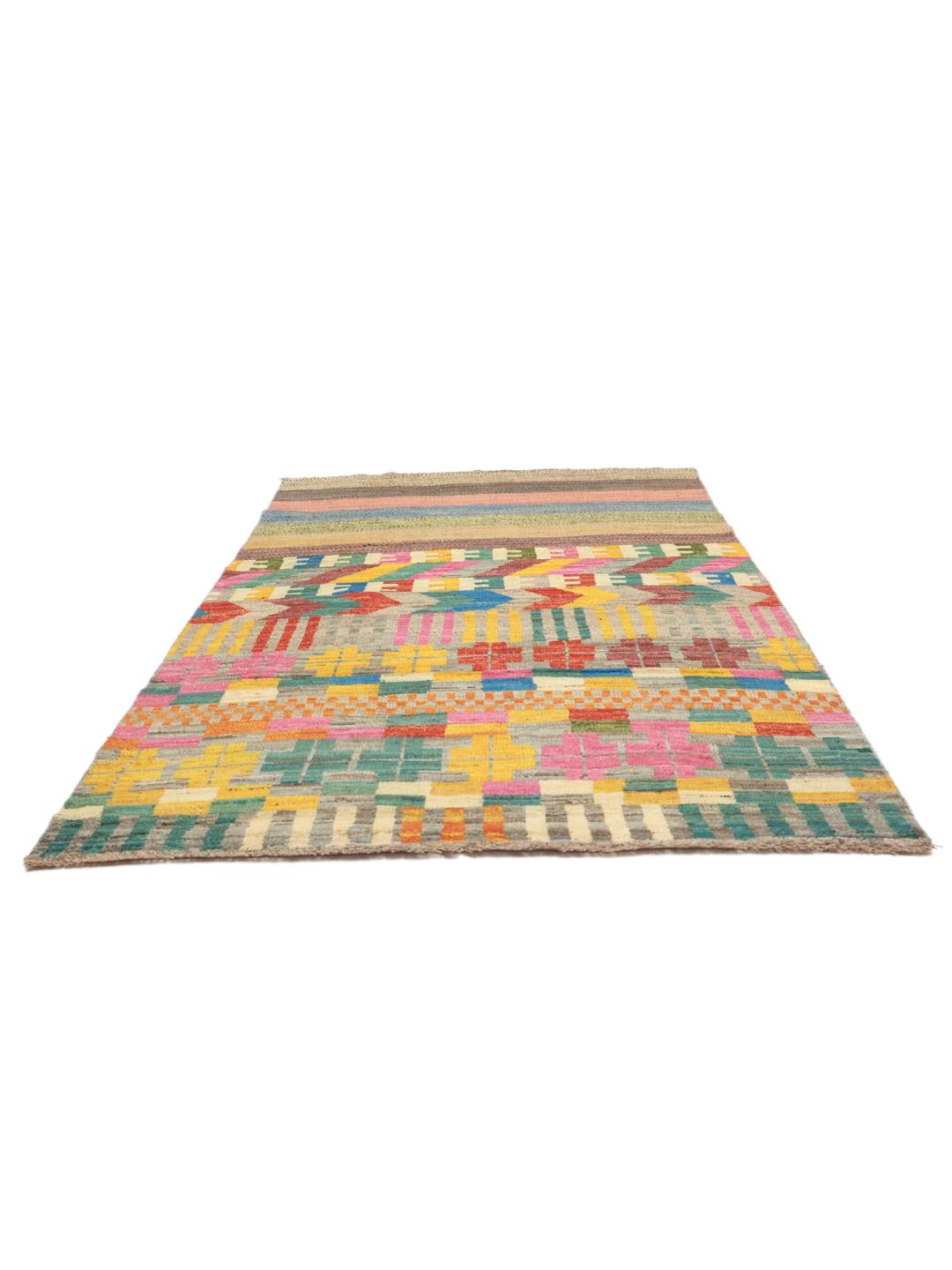
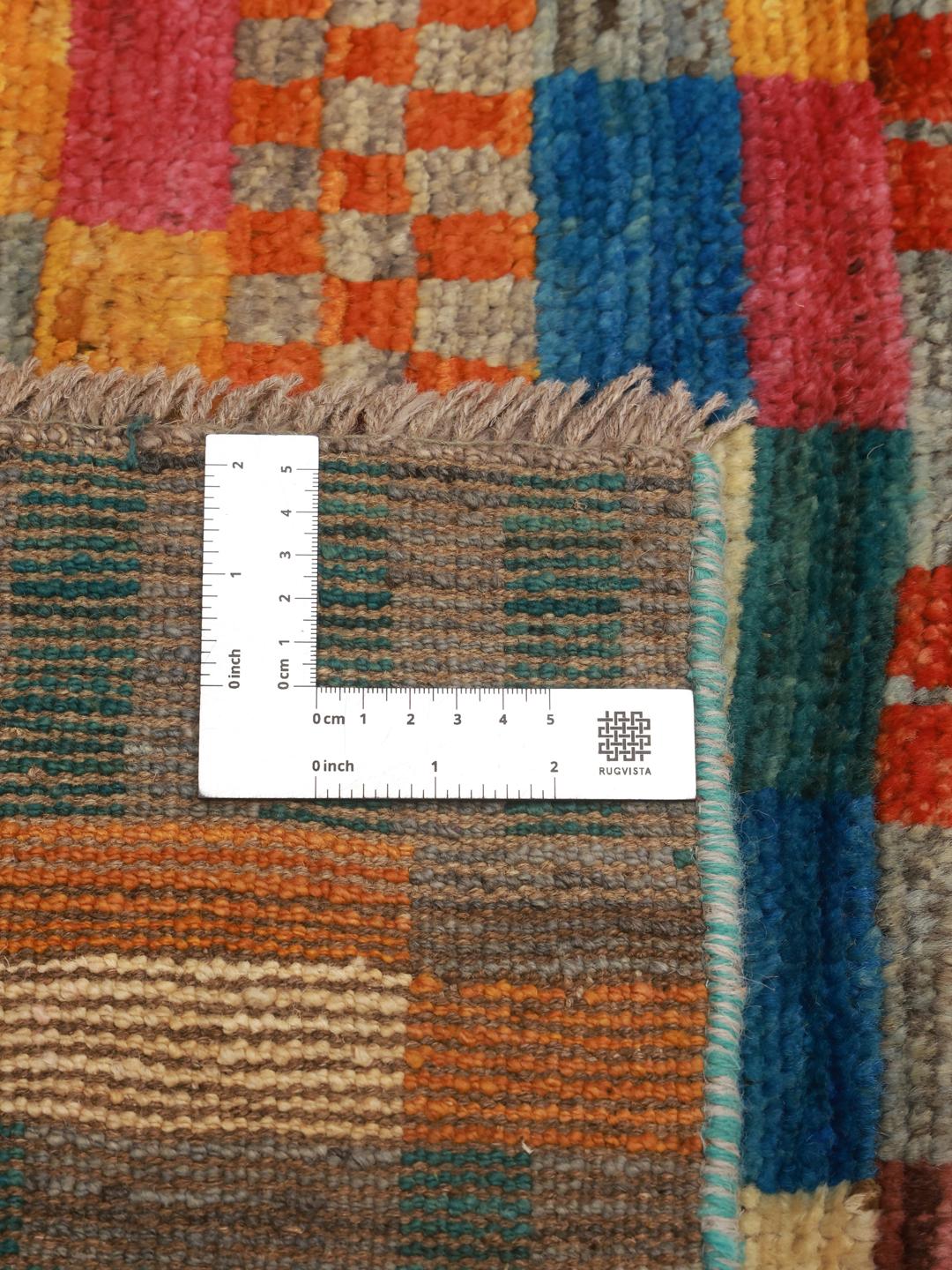
The roots of these vibrant rugs lie in the rich, nomadic traditions of Afghanistan, where weaving has been a vital cultural expression for centuries. These rugs are deeply connected to the heritage of the region, where artisans have historically drawn inspiration from their surroundings, the landscape, and ancient tribal motifs. This tradition has evolved over generations, blending historical techniques with contemporary design sensibilities to create pieces that feel both timeless and fresh.
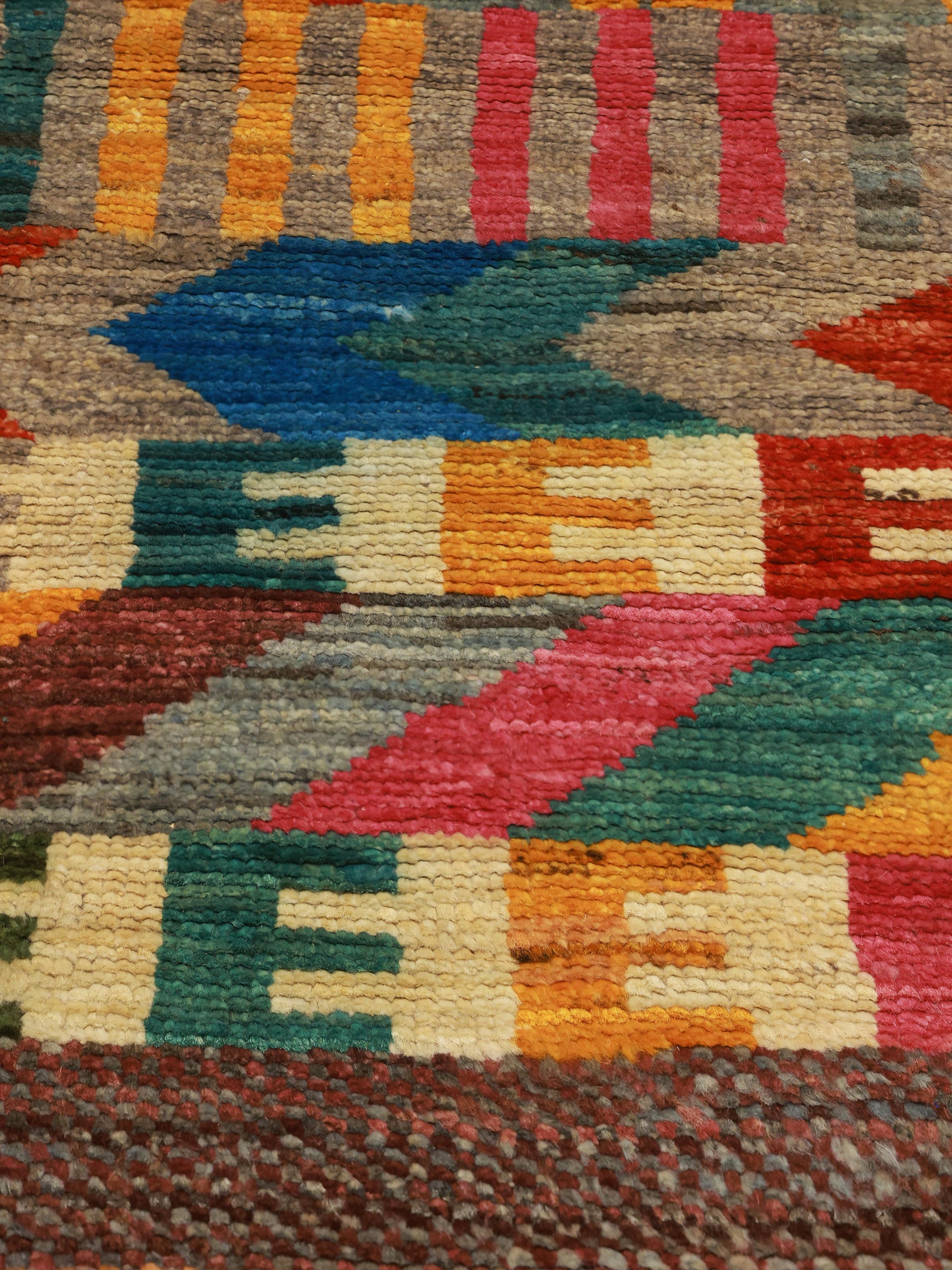
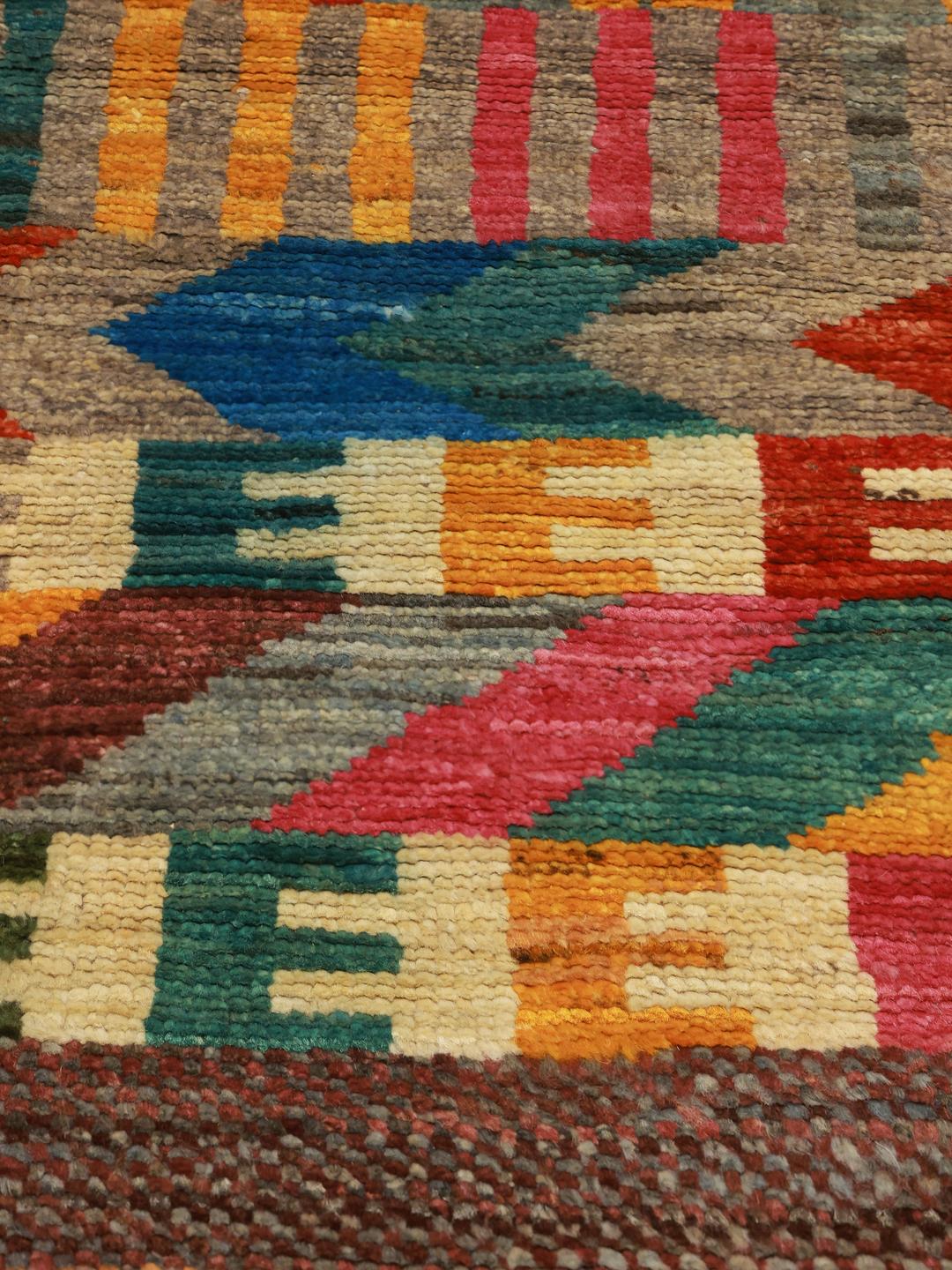
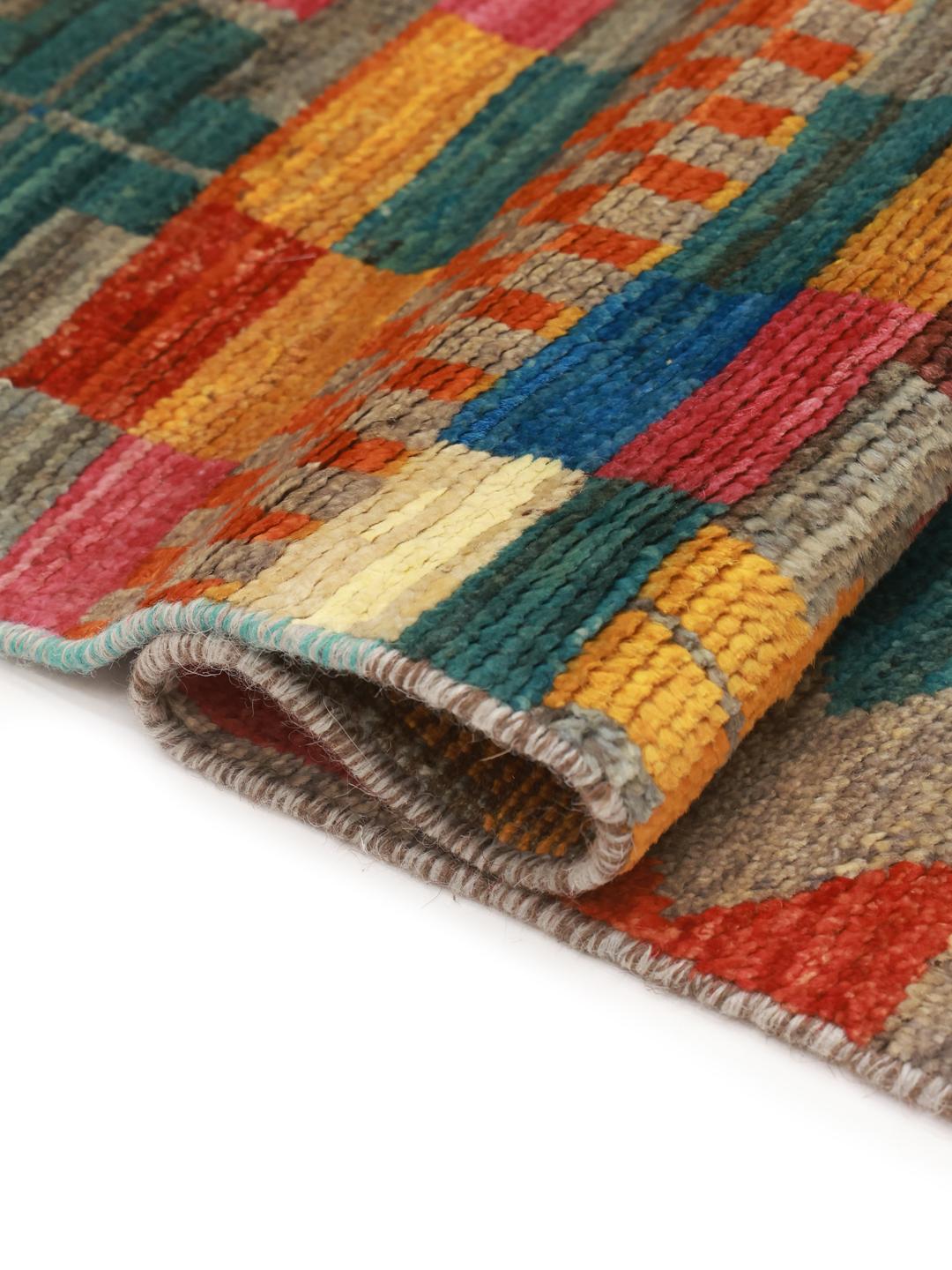
The term 'Berber' in this context refers to a specific aesthetic and weaving approach that prioritises bold, geometric shapes and an expressive use of colour. These rugs are known for their thick, plush piles that provide both insulation and comfort. The technical skill involved in achieving such vibrant colour saturation while maintaining clear, sharp patterns is a hallmark of the weavers who have mastered this craft over a lifetime of practice.
A signature element of this tradition is the creative use of geometric motifs, such as diamonds, stripes, and stepped forms, which often carry symbolic meanings within their original cultural context. Unlike more formal, symmetrical styles, these rugs often feature a more spontaneous and artistic layout. The use of varied, contrasting colours is a defining characteristic, making each rug a lively and energetic addition to any interior space.
Owning a piece from this tradition is about more than just decor; it is about appreciating the skill, patience, and cultural history embedded in every fibre. These rugs are highly valued by collectors and enthusiasts who recognise that they are not just floor coverings, but artifacts of human ingenuity. By keeping these traditional weaving methods alive, you are participating in a global history of craft that values quality, individuality, and the beauty of the handmade.