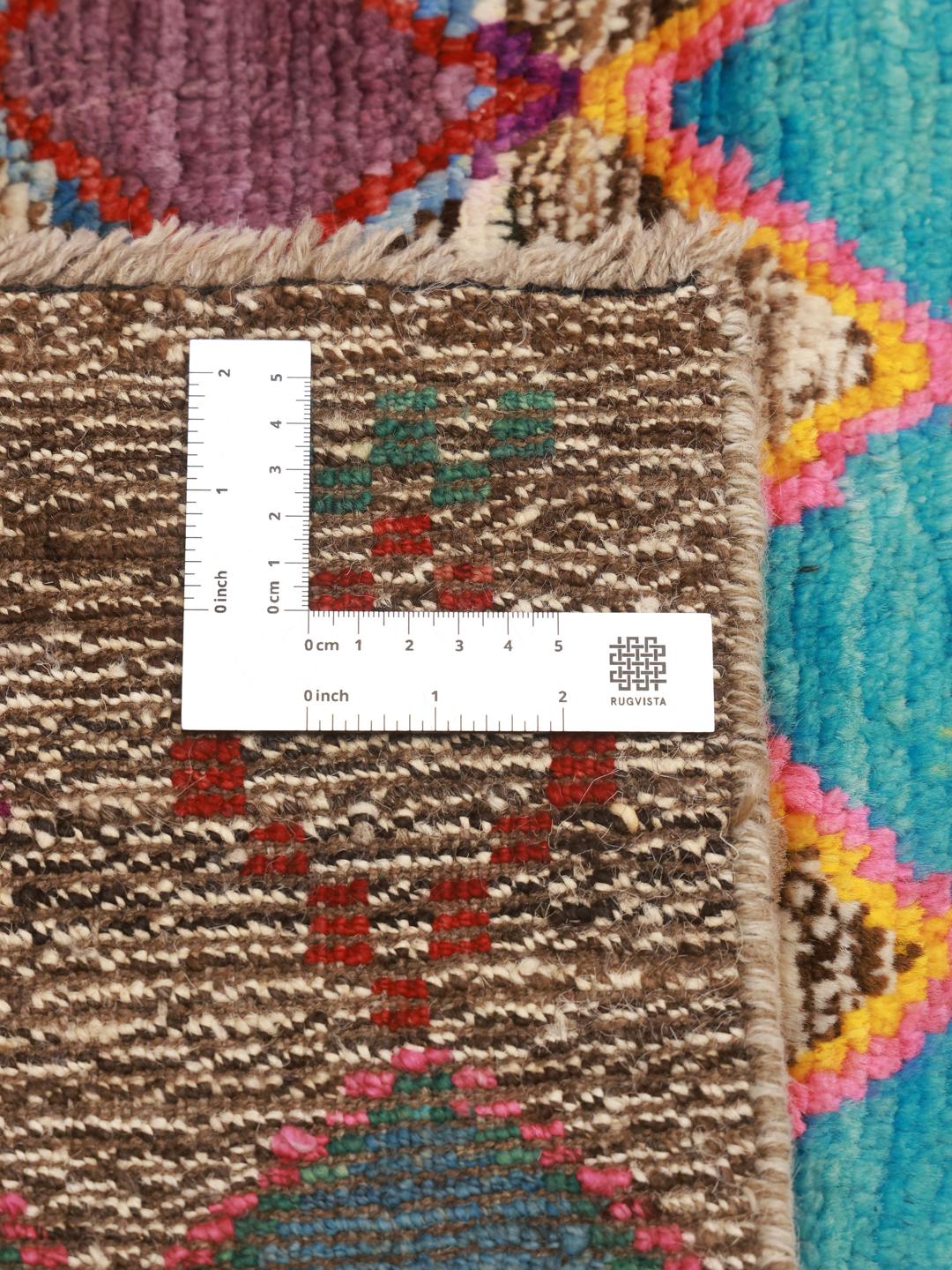
Berber rugs carry a deep, storied history that stretches across generations of nomadic and village cultures. While the tradition is most famously associated with the Atlas Mountains of North Africa, the style has evolved and been interpreted by master weavers in the Middle East, who have adapted these classic aesthetics to create their own distinct, warm, and highly expressive pieces.
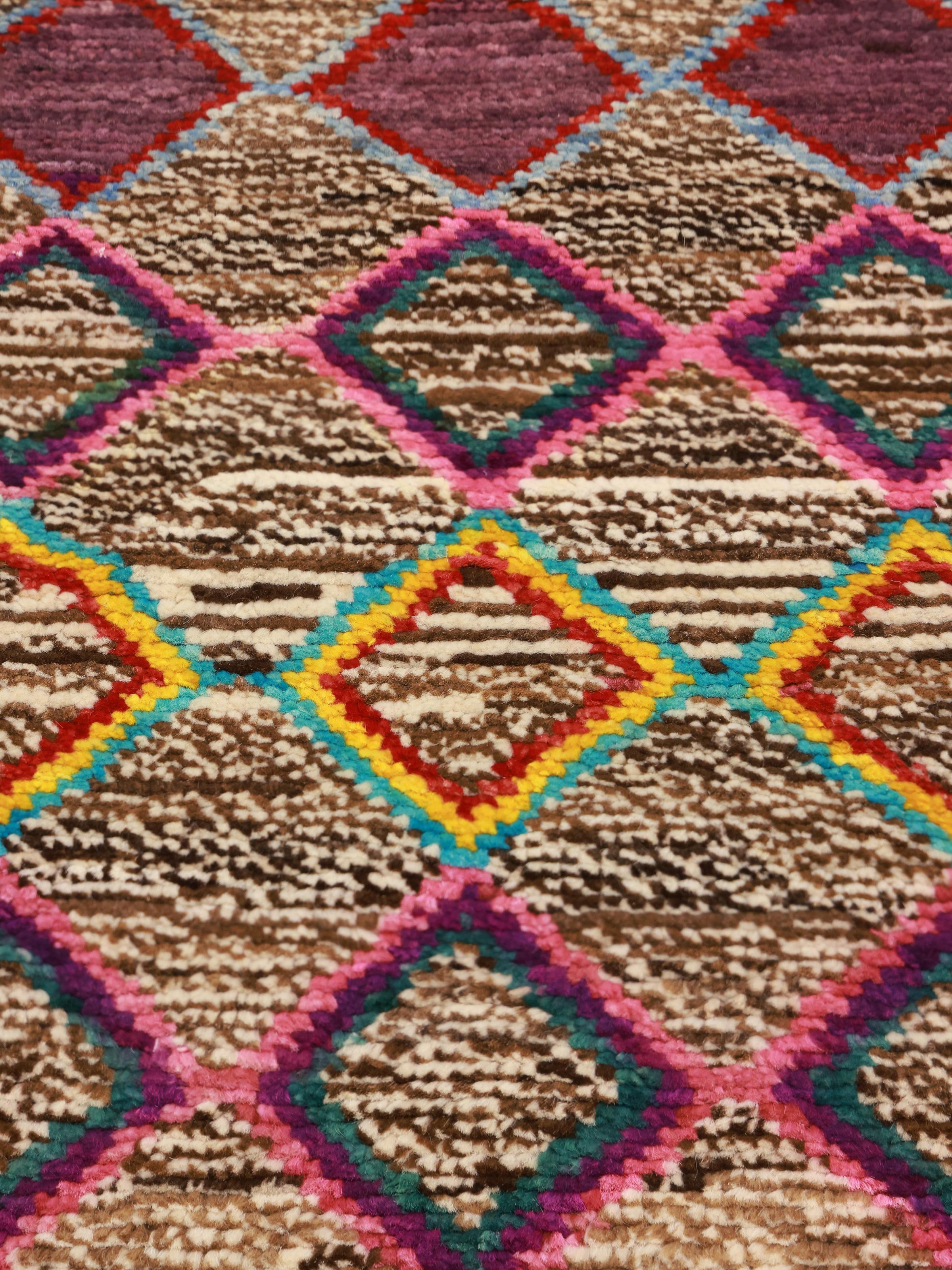
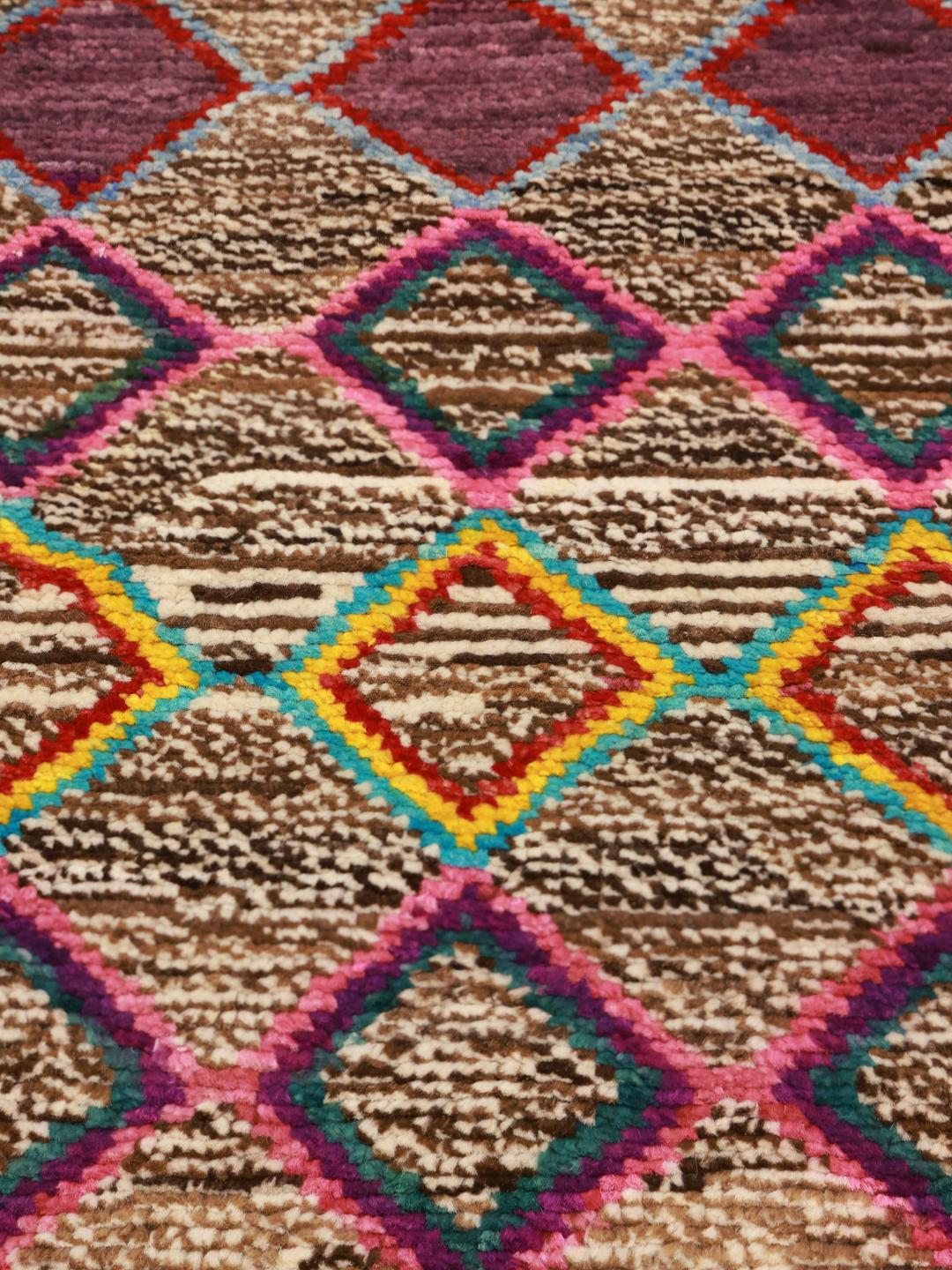
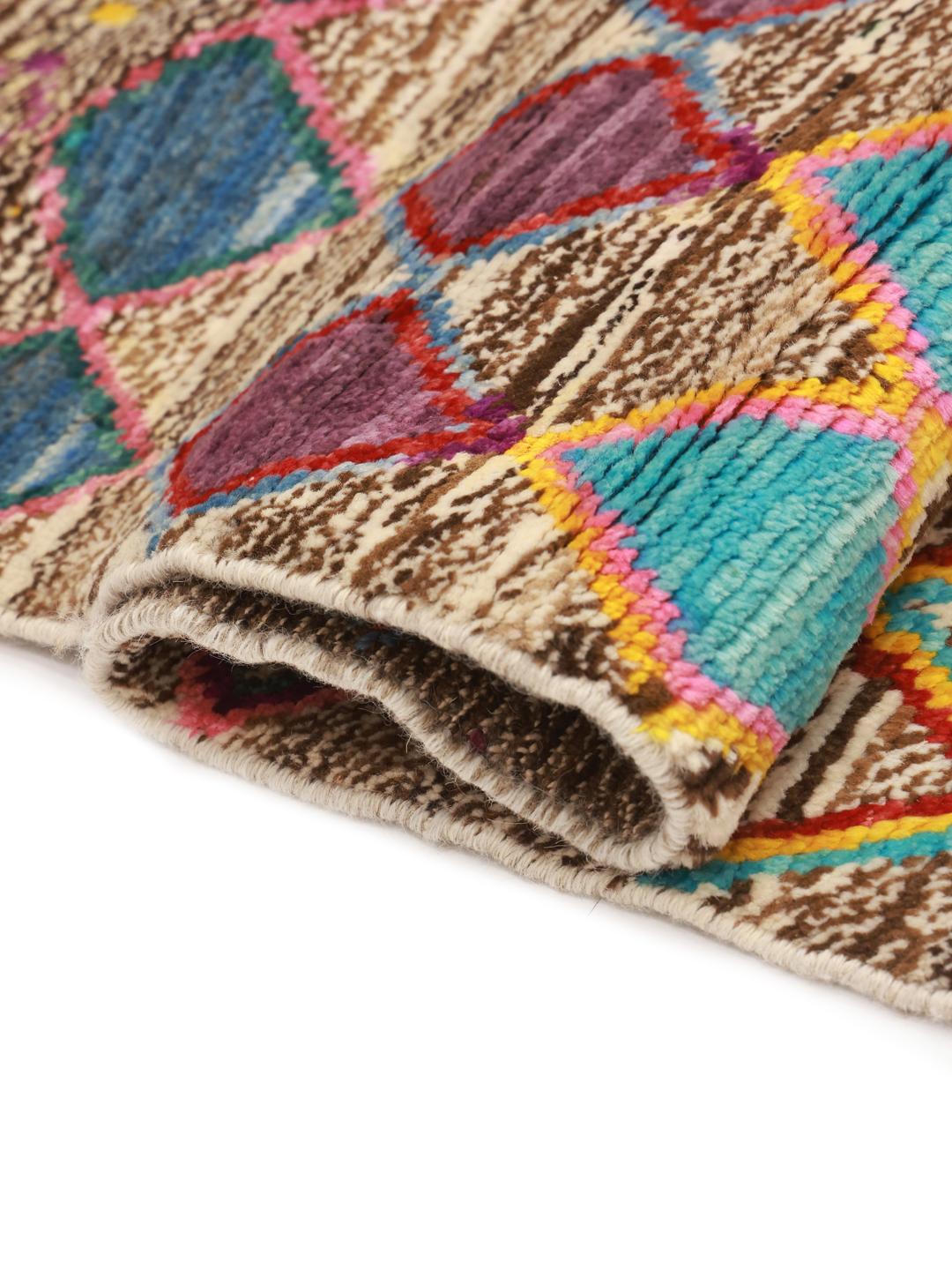
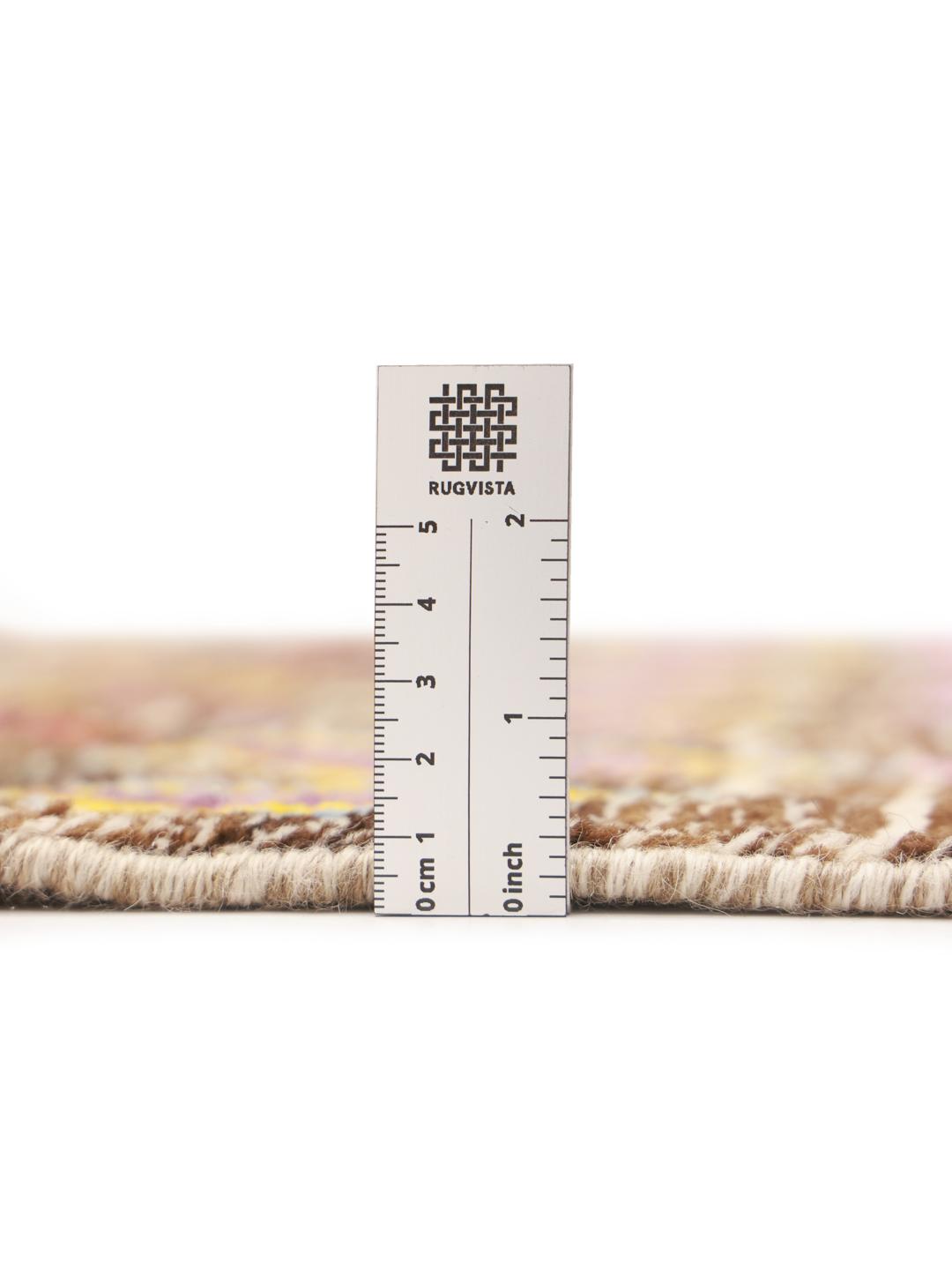
The term Berber refers to the original weaving traditions of the Amazigh people, known for their focus on Wool as a primary, durable material. These rugs are celebrated for their thick, high-pile construction, which was historically designed to provide insulation against harsh mountain climates, ensuring warmth and comfort for those living in traditional dwellings.
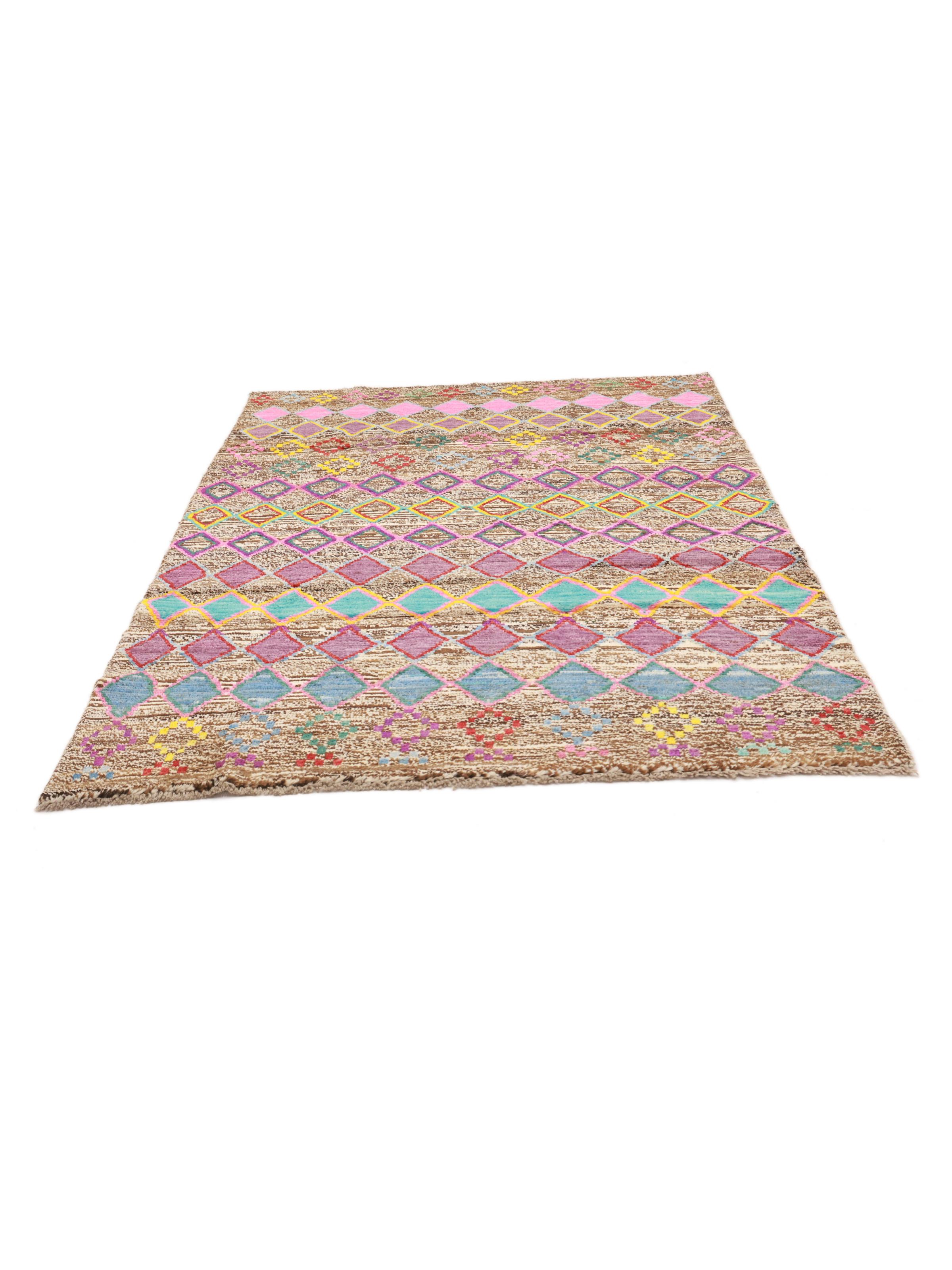
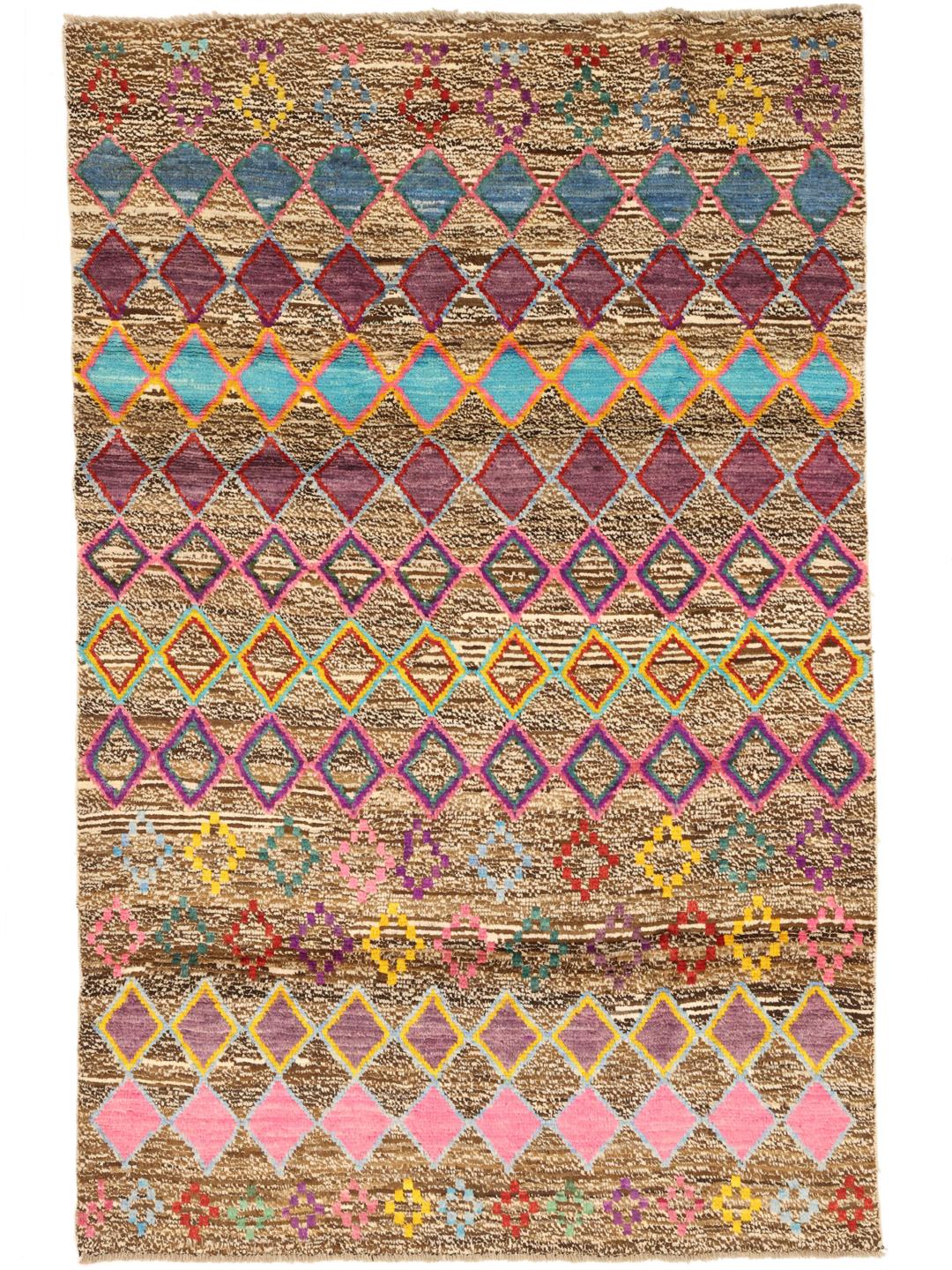
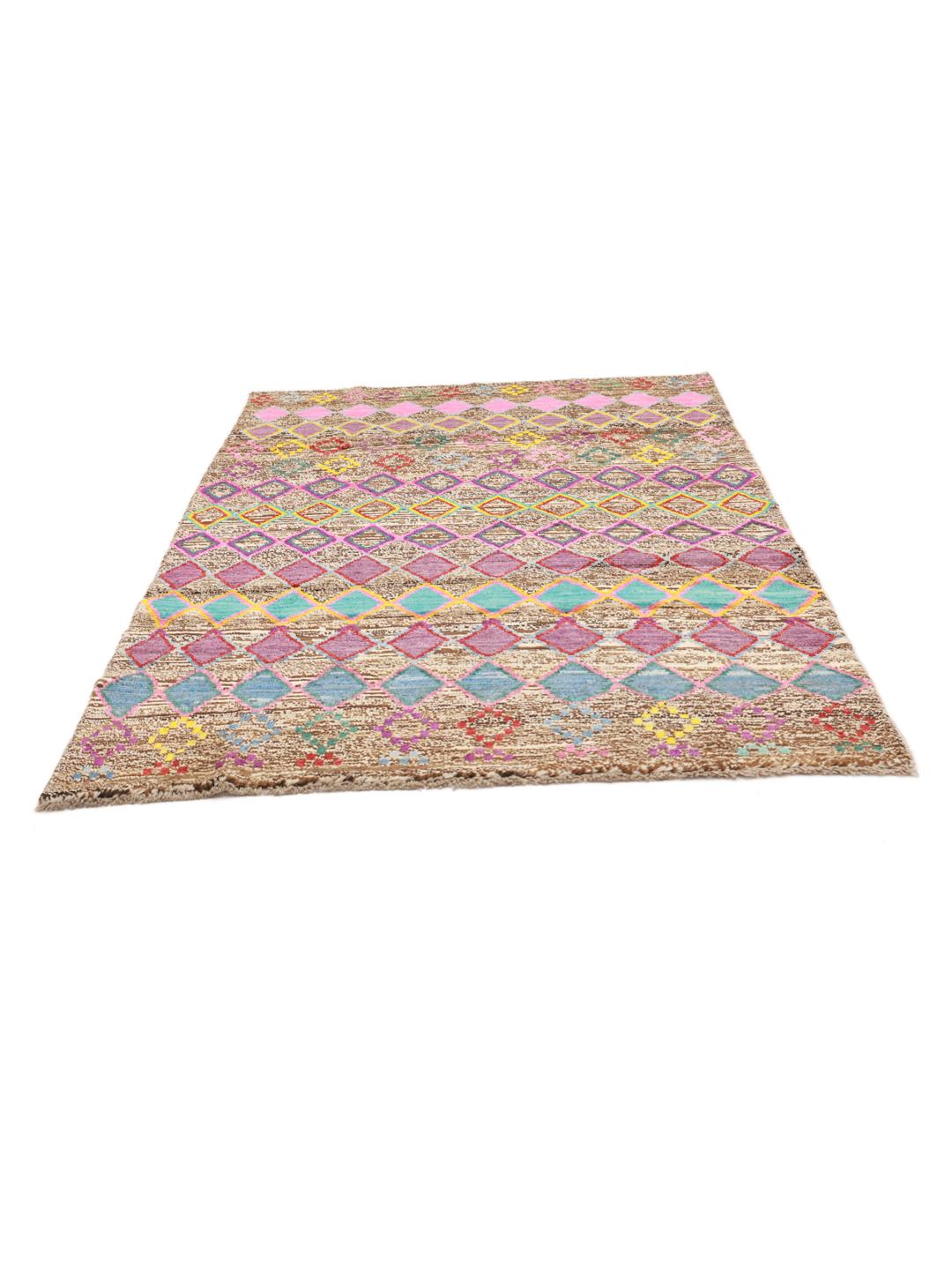
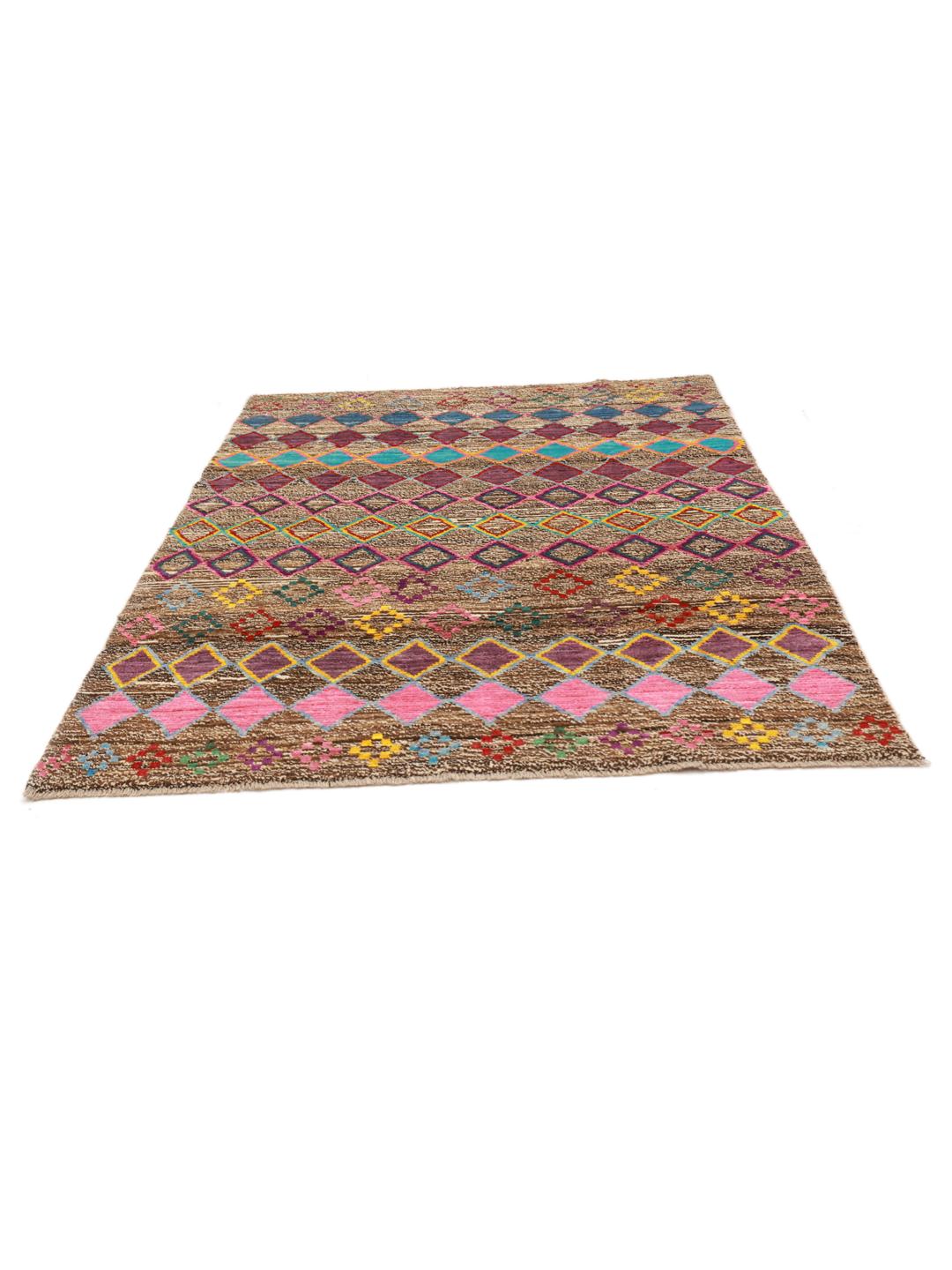
Signature design elements often include geometric motifs, with the diamond shape being one of the most iconic symbols used to represent protection and fertility. In this particular piece, the use of bright, contrasting colours within the diamond grid represents a more modern, playful interpretation of these ancient symbols, blending historical visual language with a contemporary sensibility.
Owning a piece from this tradition is an act of preserving a heritage of skilled artistry. These rugs are highly valued by collectors not only for their visual impact but for the human story woven into every thread. Each rug serves as a cultural artifact that brings a sense of history and grounded, rustic authenticity to modern interiors.