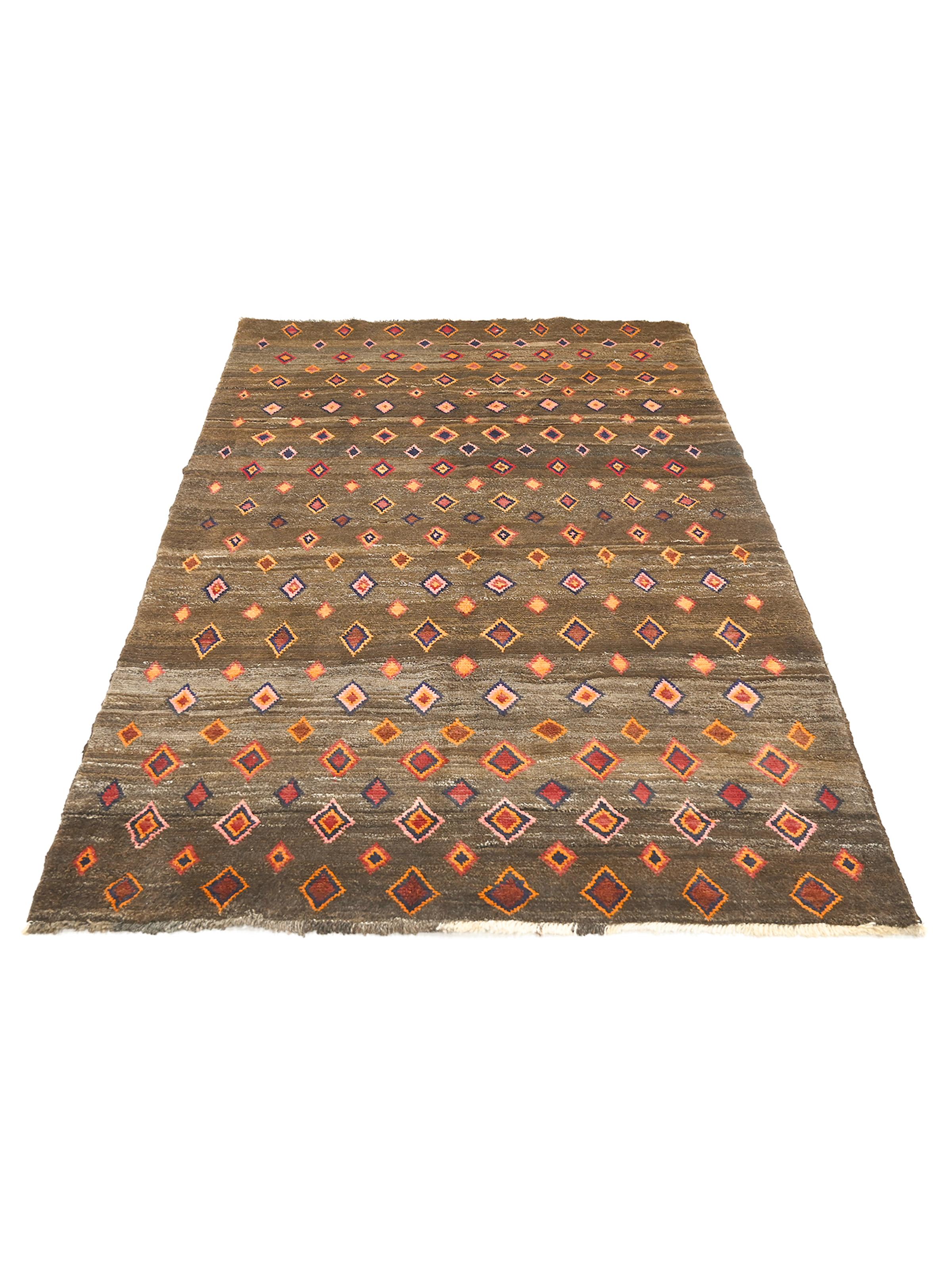
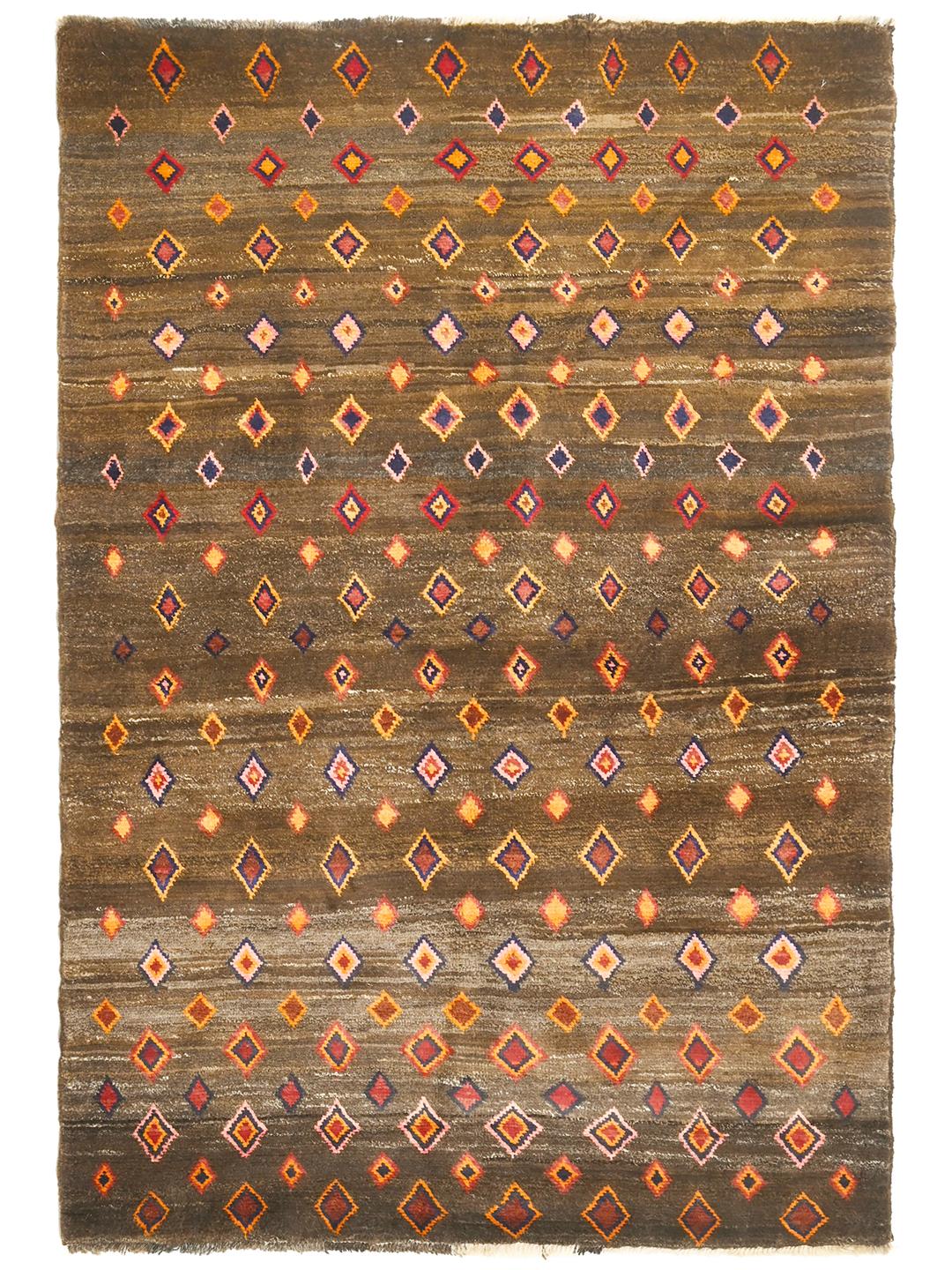
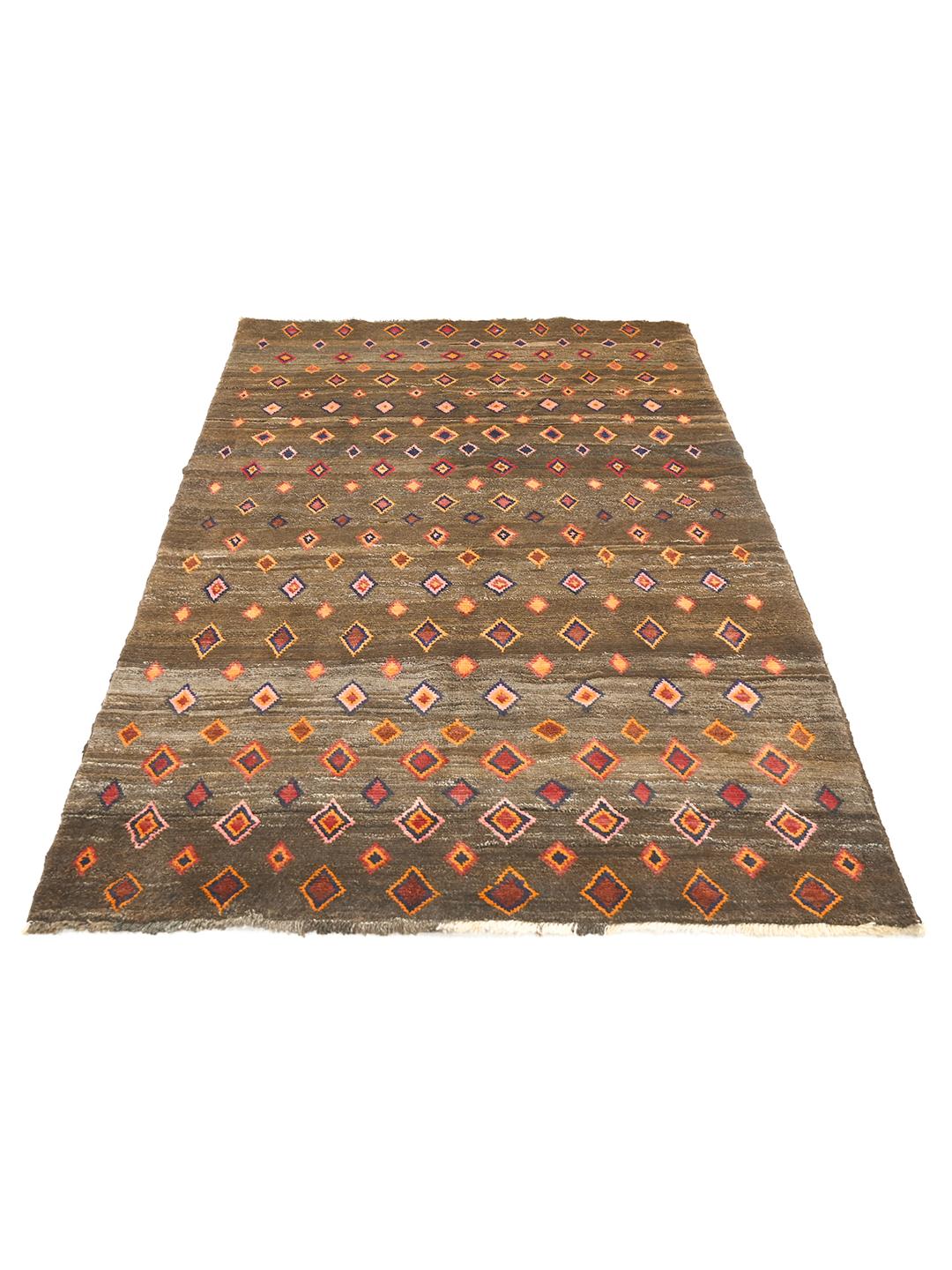
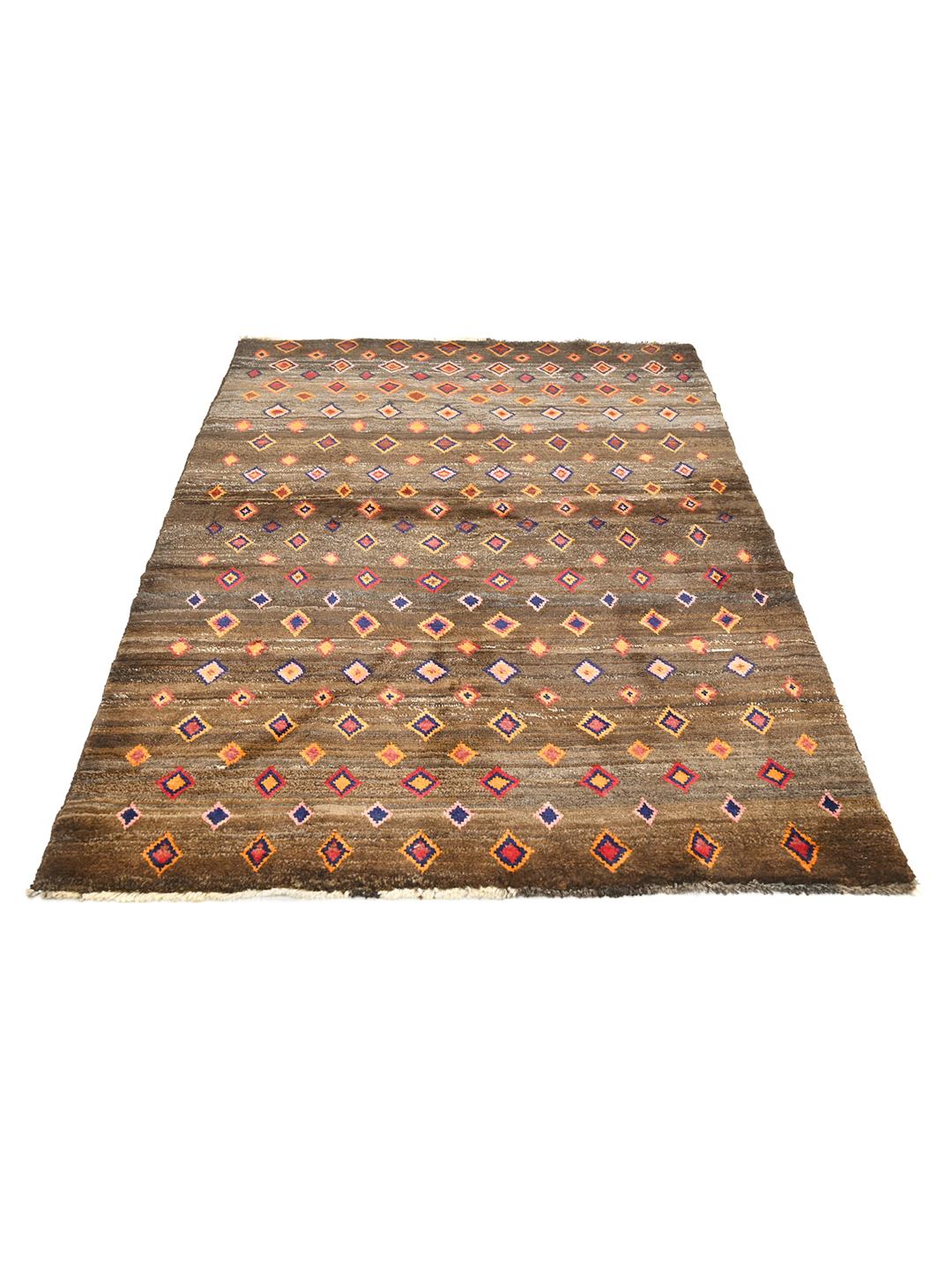
Berber rugs carry a long history rooted in North African tribal communities, where weavings were originally created for domestic comfort, warmth, and storytelling. Over time, these expressive weaving traditions spread and inspired artisan weavers across neighbouring regions, including Afghanistan, where local craftspeople adapted tribal motifs to their own heritage.
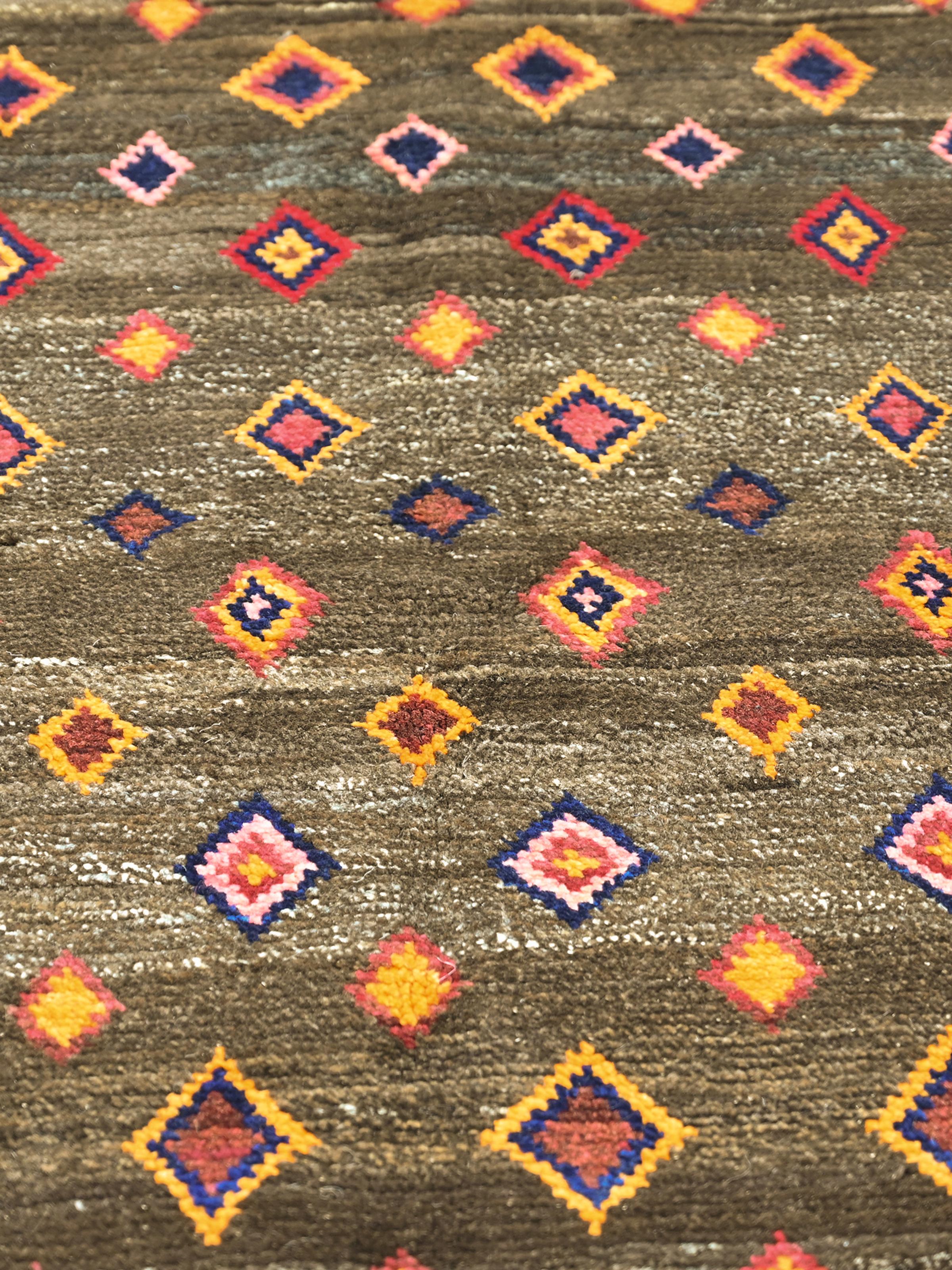
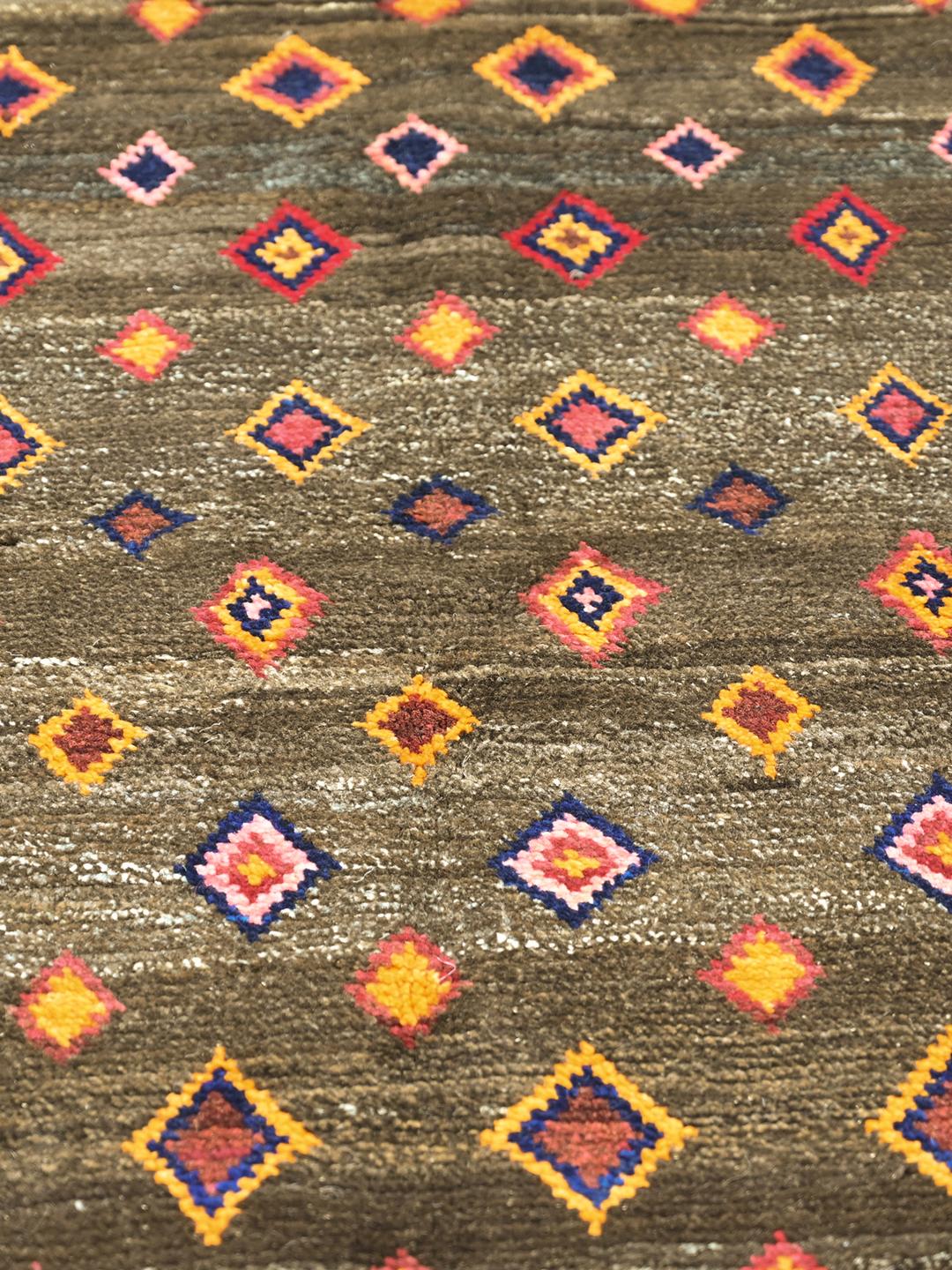
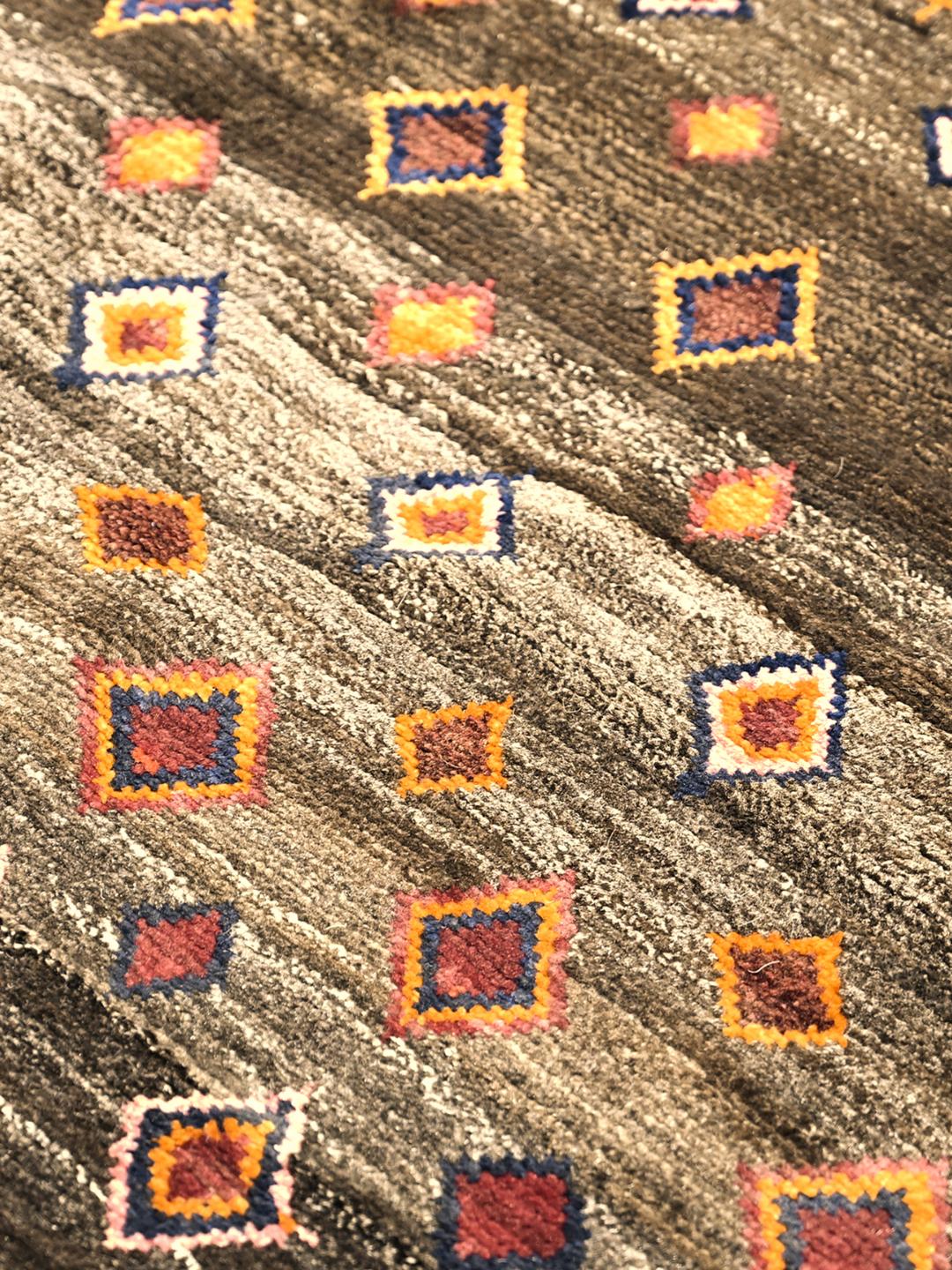
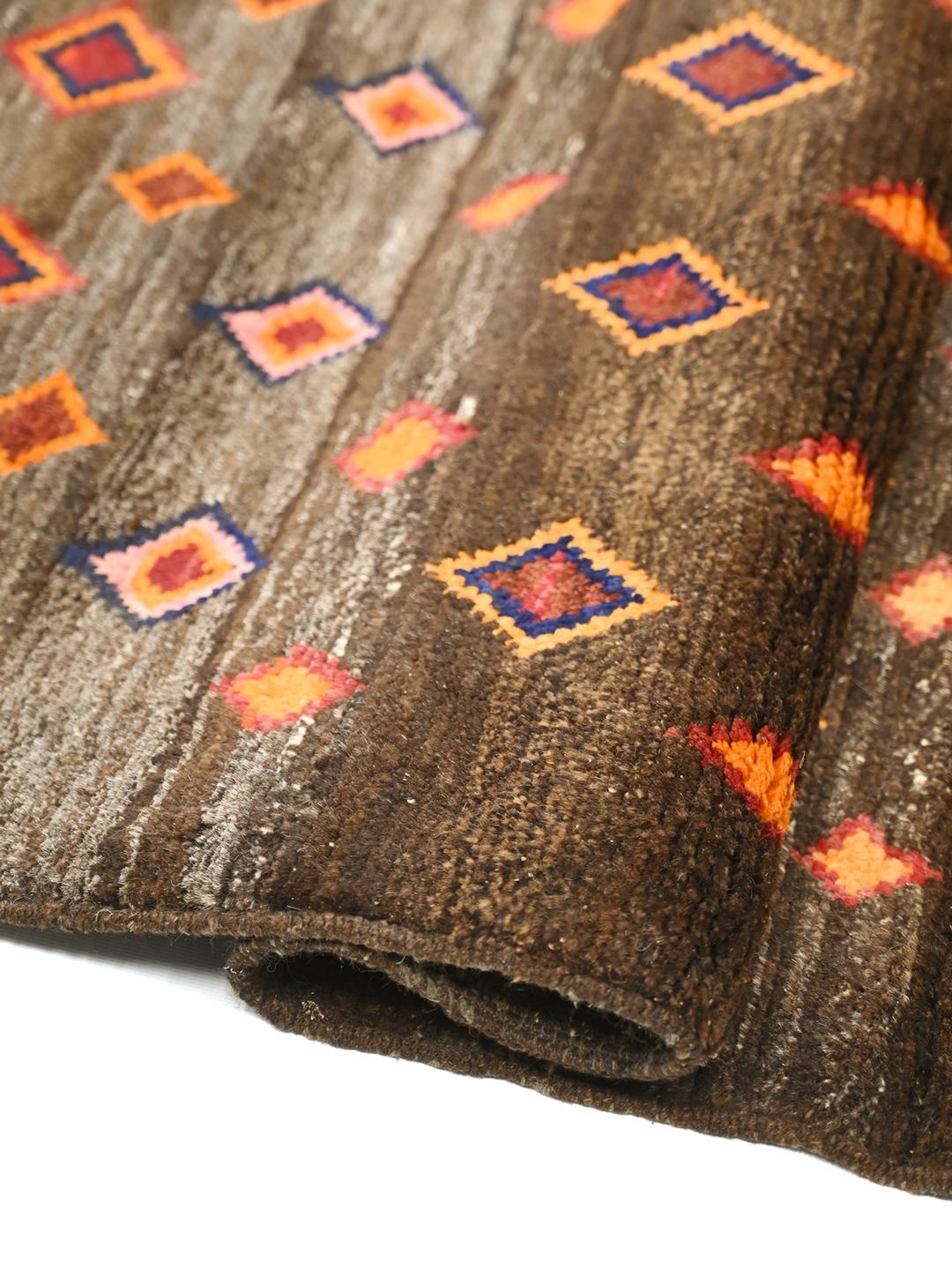
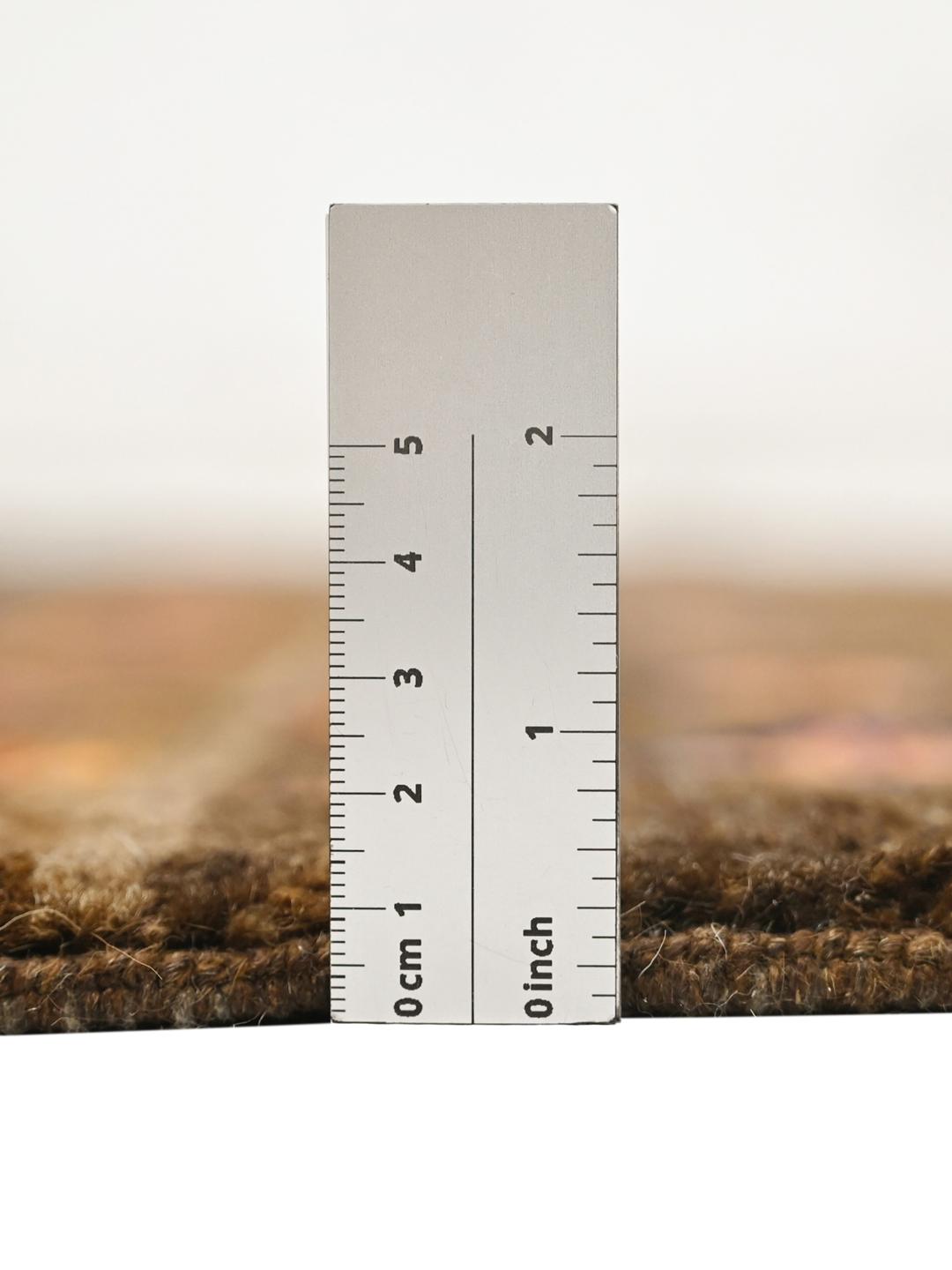
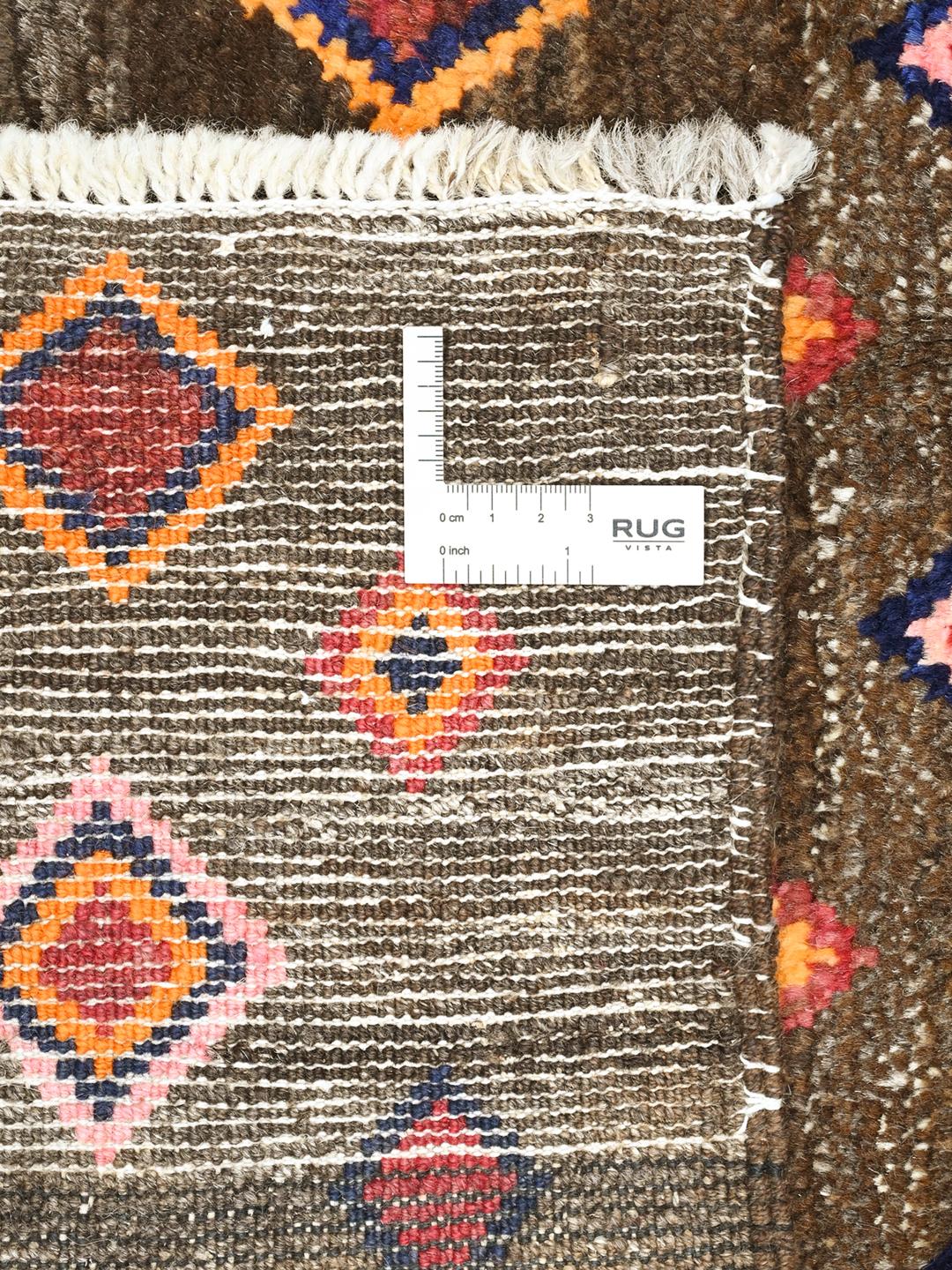
Hand-knotted construction is one of the oldest textile arts. By tying strands of wool row by row onto a woven framework, weavers create a robust structure. The technique allows for subtle variations in texture and design, giving hand-knotted rugs their distinctive individual personality compared to flat or uniform textiles.
The visual language of Berber-style rugs relies heavily on geometric symbols. Diamonds, zig-zags, and subtle linear grids often represent protection, nature, and family life. In this modern interpretation, rows of bright diamond motifs contrast against a grounded brown background, balancing heritage symbolism with contemporary appeal.
Today, traditional hand-knotted rugs are valued by collectors and homeowners alike for their authenticity and lasting quality. Acquiring a unique rug connects your living space to centuries of human craft and regional artistry.