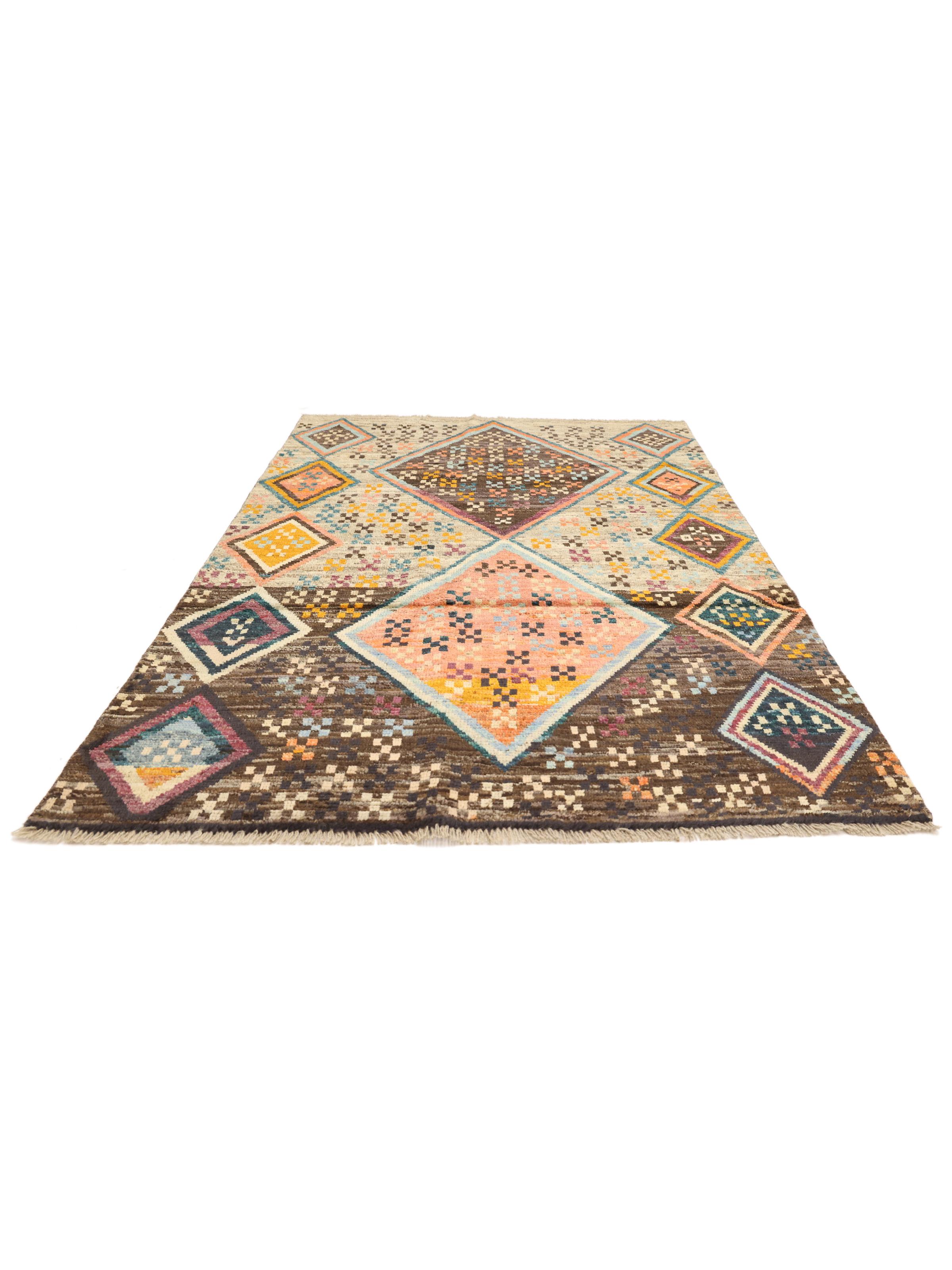
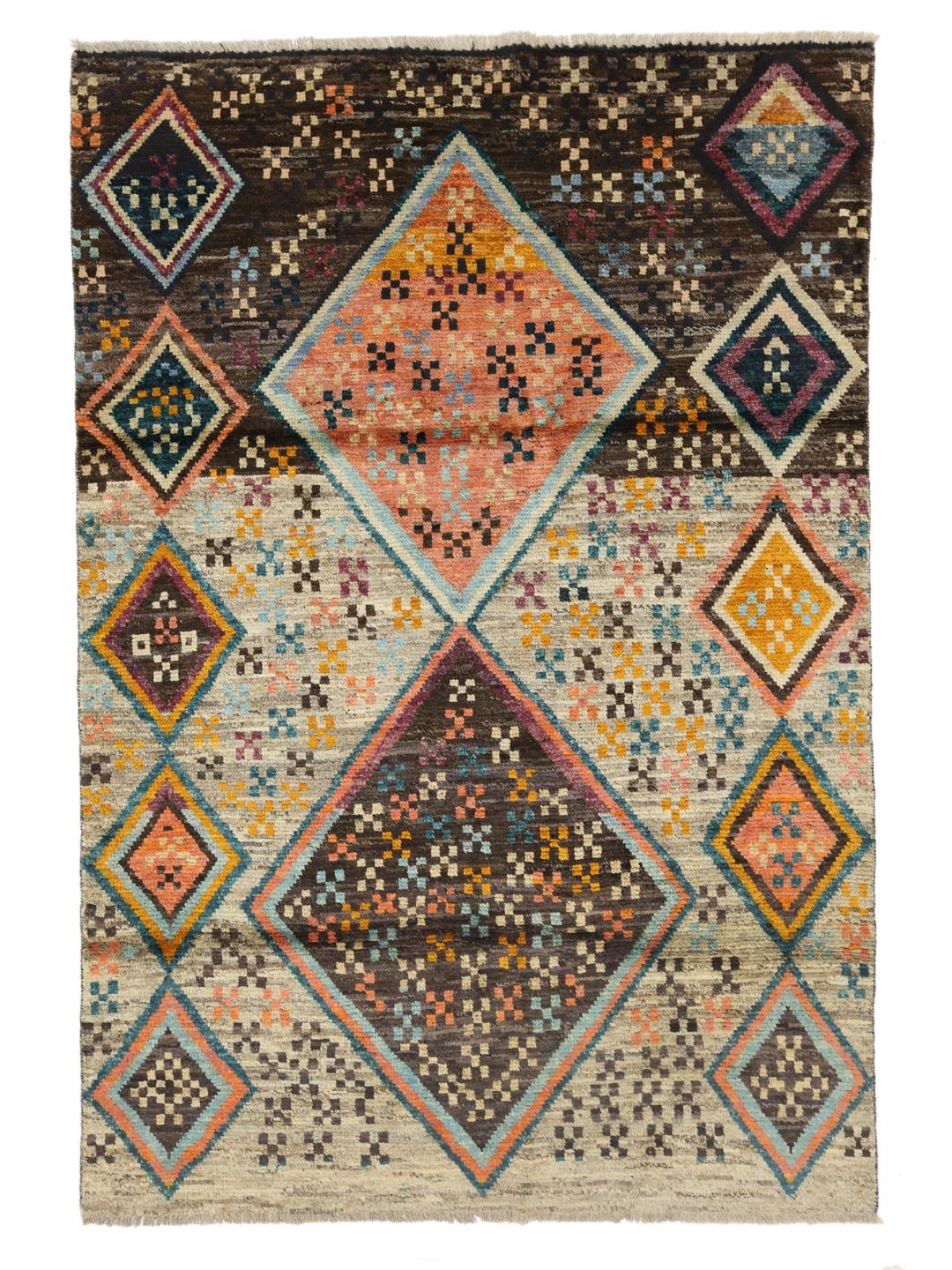
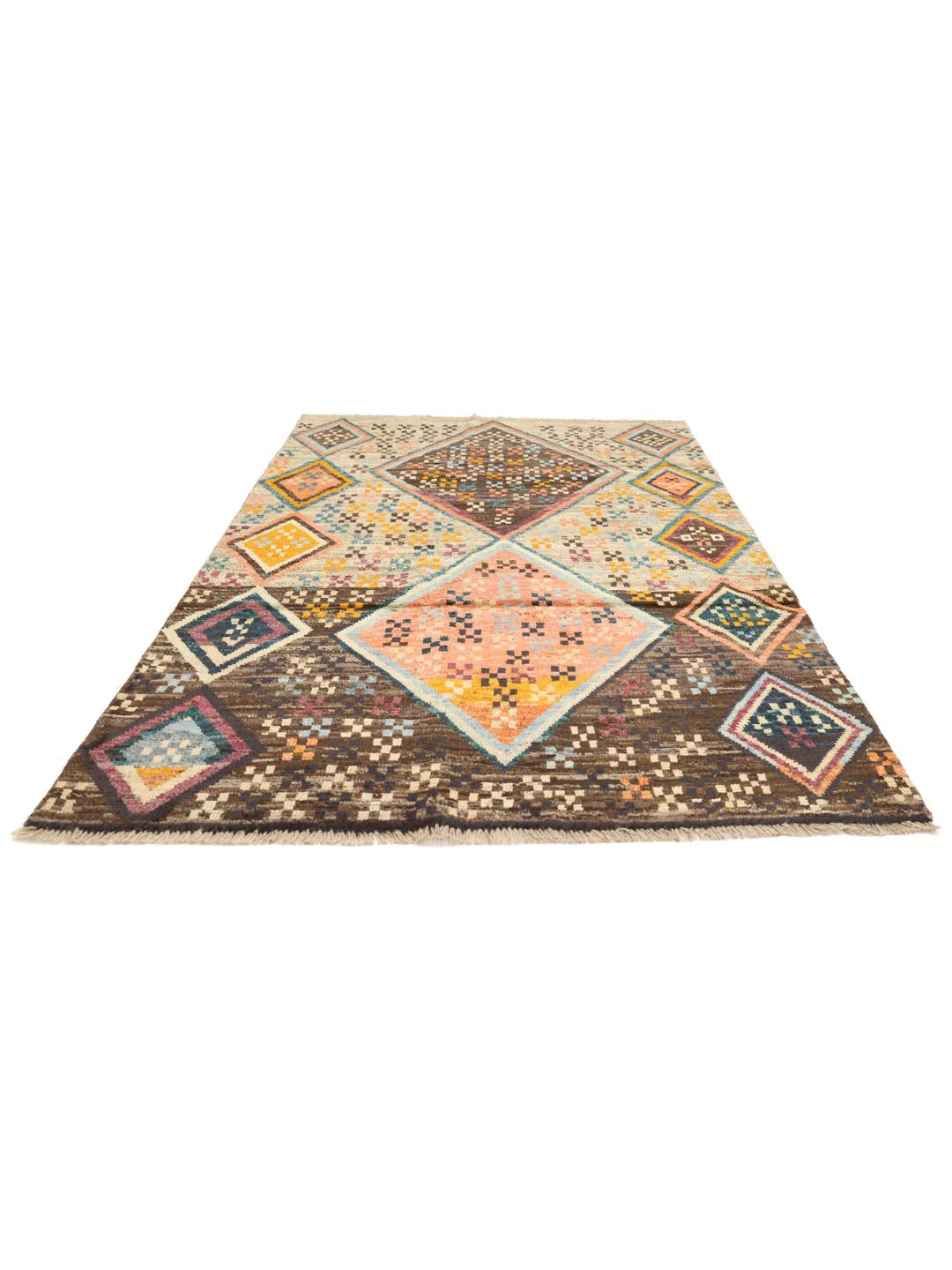
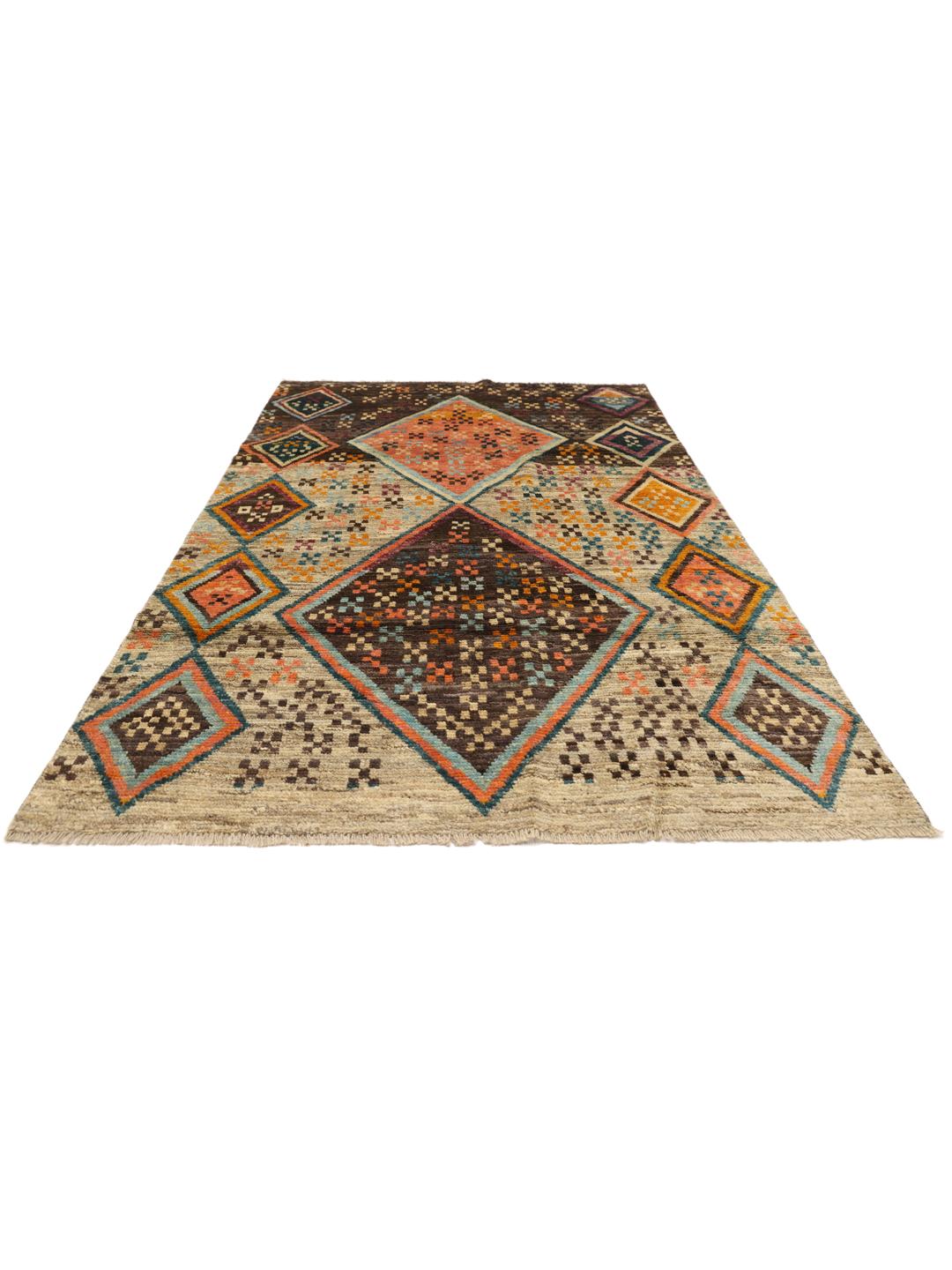
The Berber tradition is deeply rooted in the cultural heritage of nomadic and semi-nomadic tribes, primarily in North Africa, but its influence has travelled far, inspiring weavers across various regions, including Afghanistan. These rugs are celebrated for their authentic, expressive designs, which often reflect the weaver’s personal stories, surroundings, and tribal identity. By adopting these traditional aesthetics, Afghan artisans have created a unique fusion that honours the spirit of the original craft while introducing local variations in colour and technique.
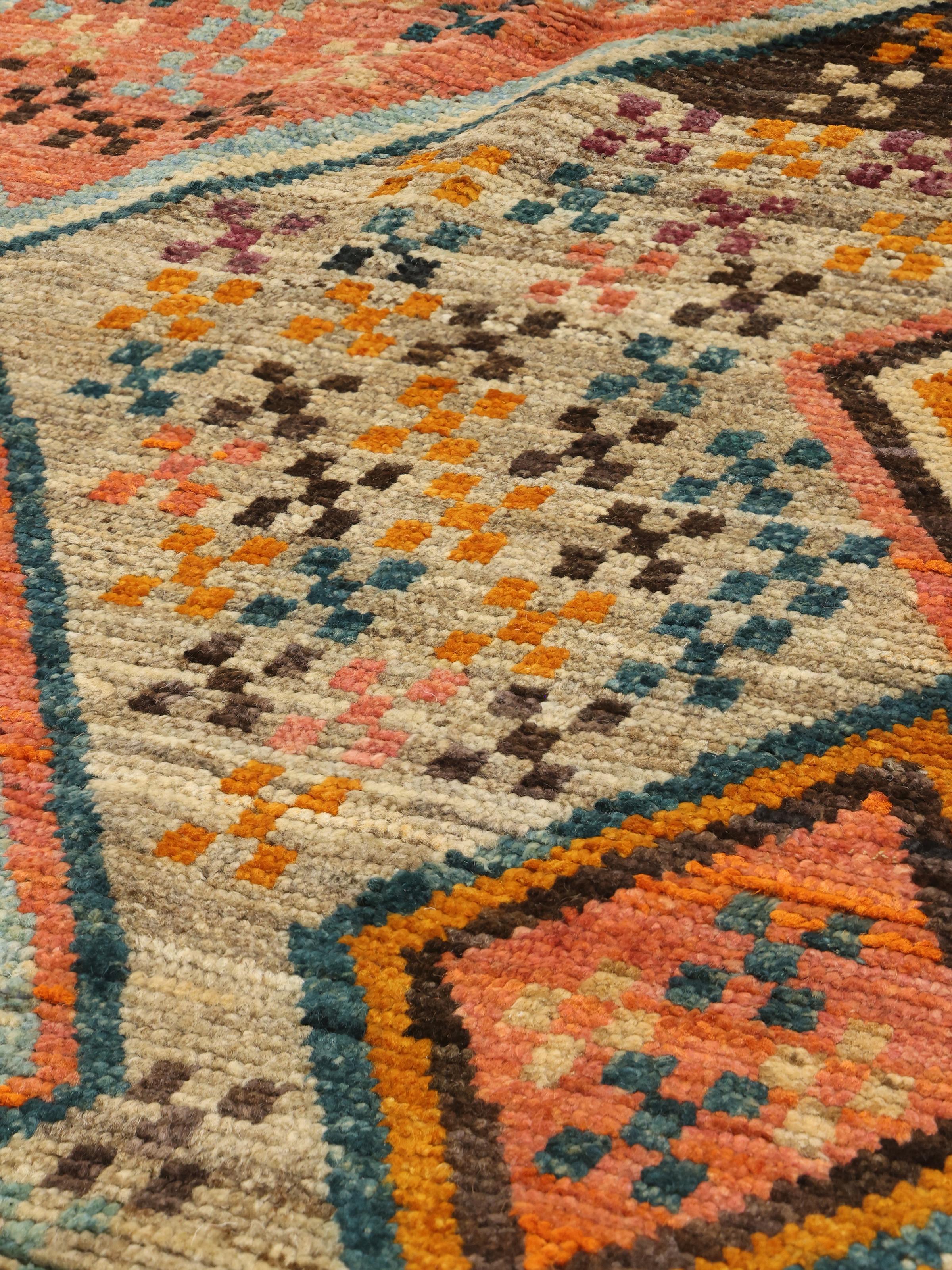
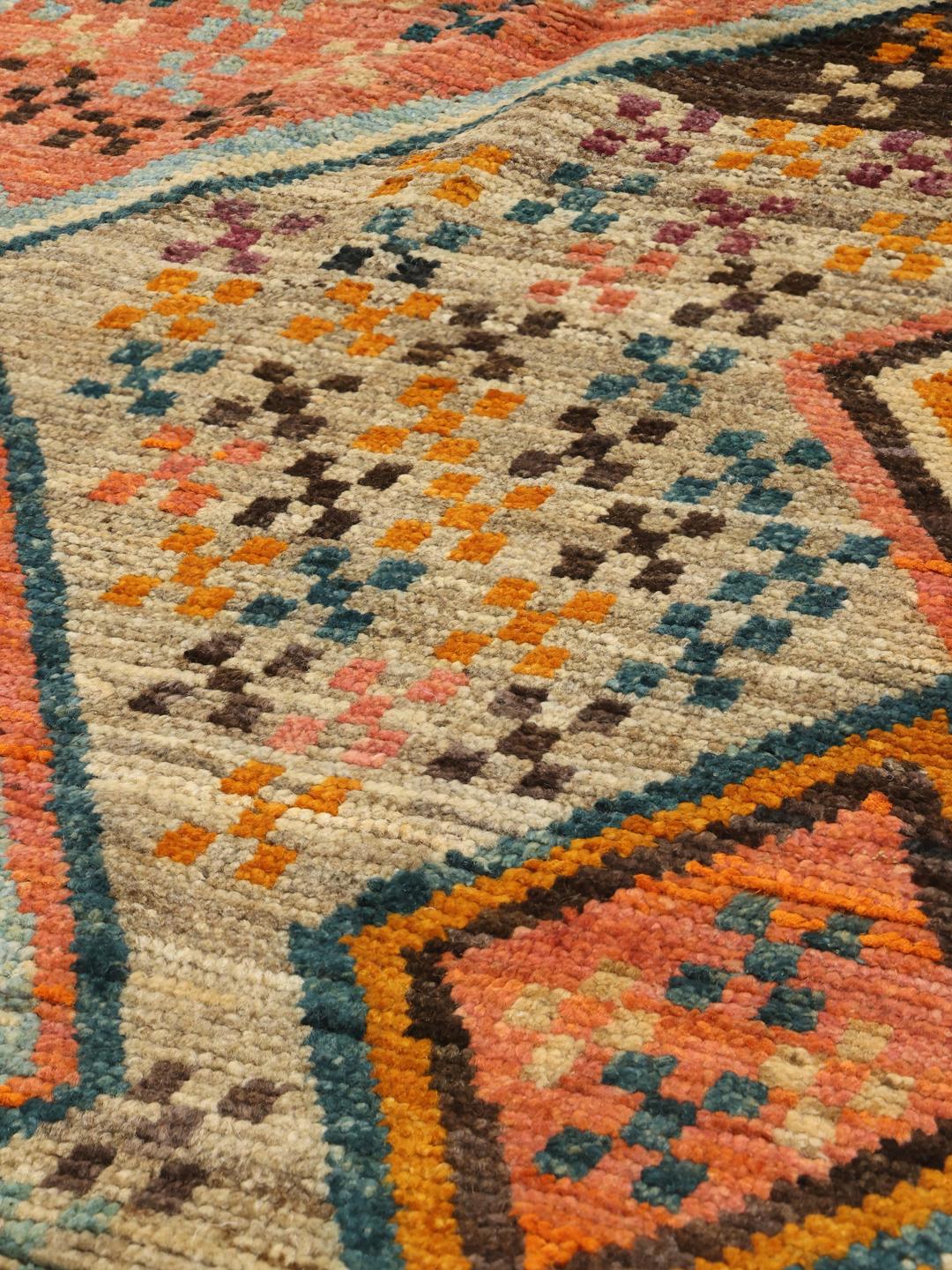
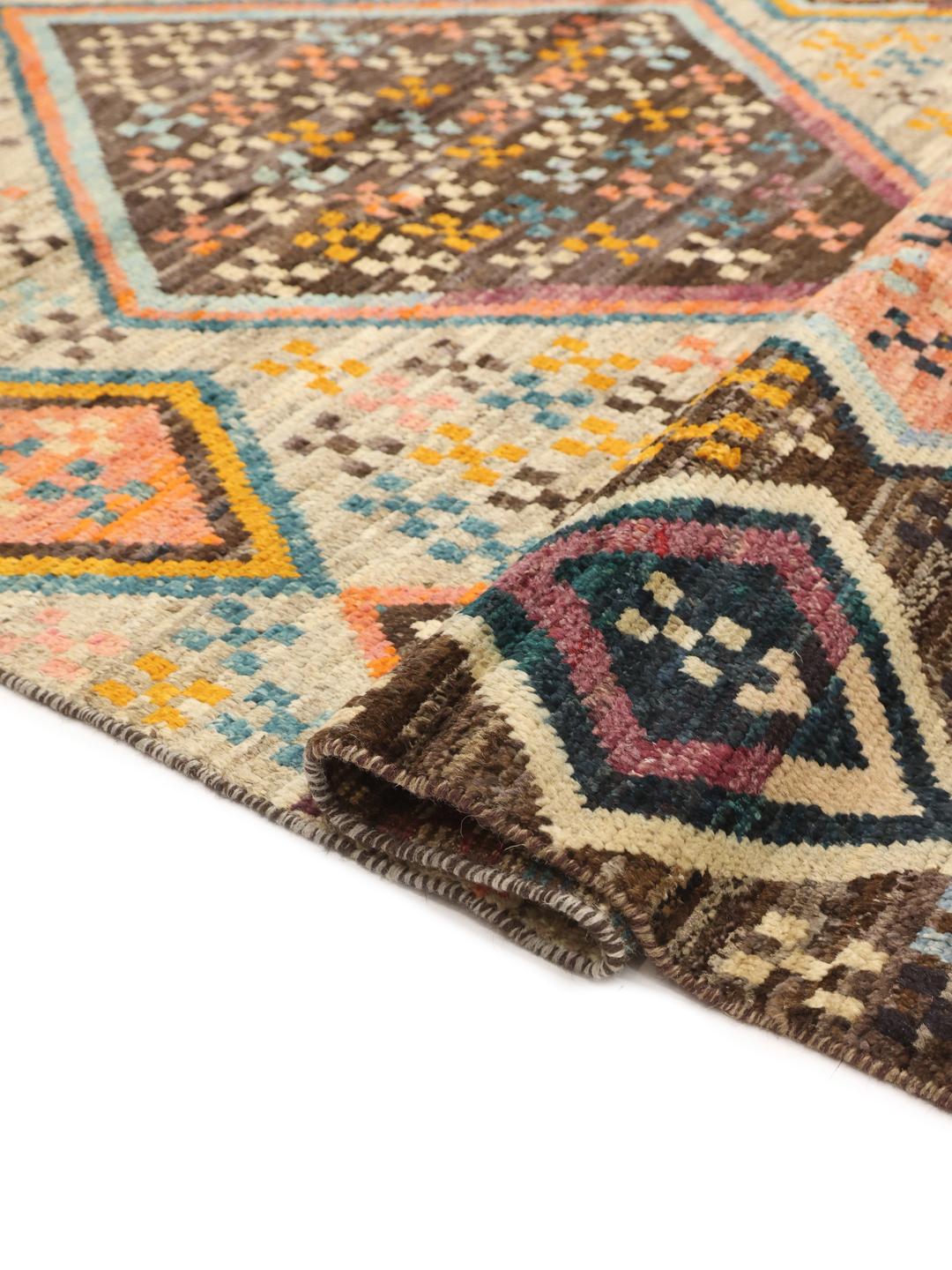
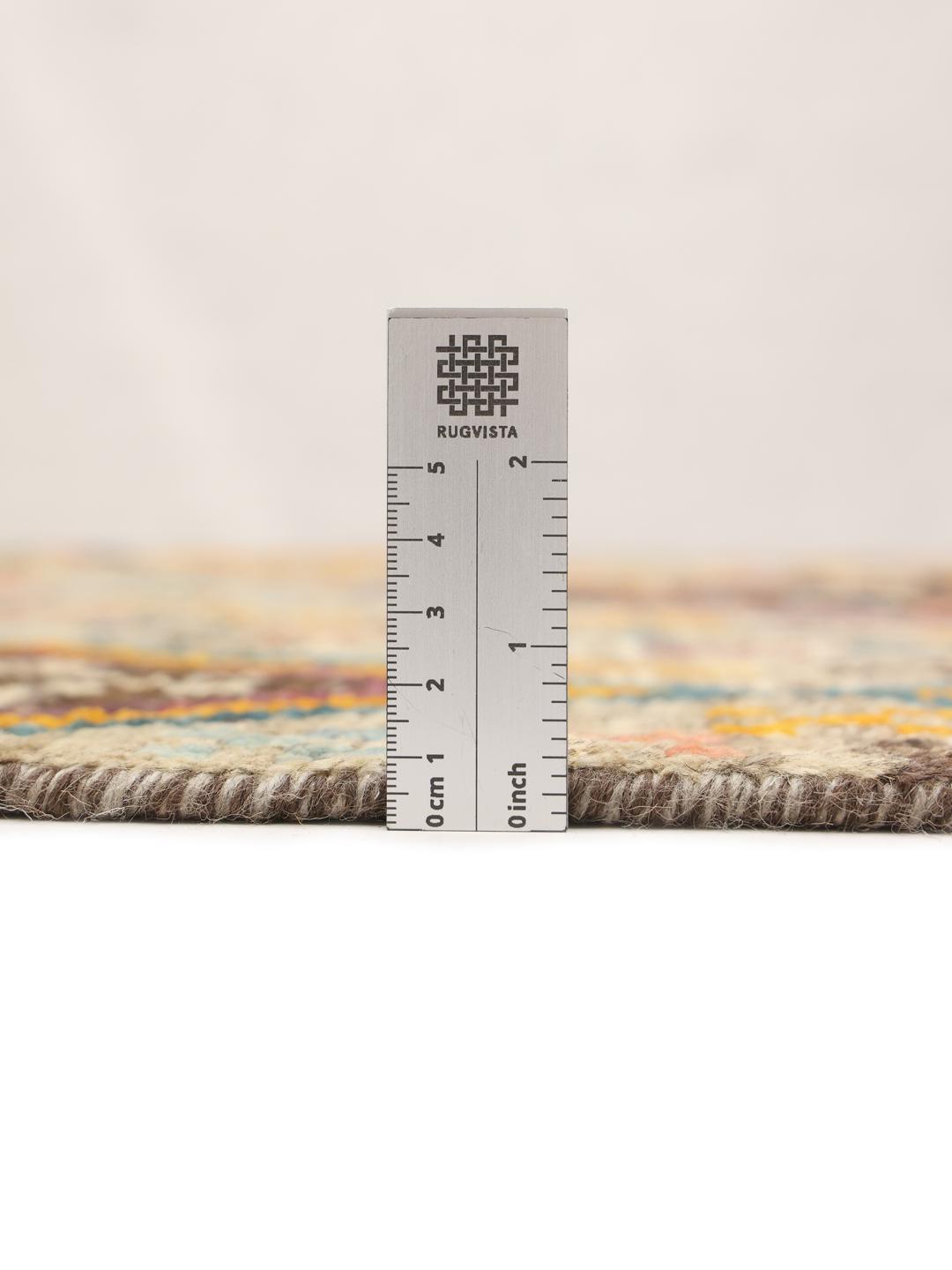
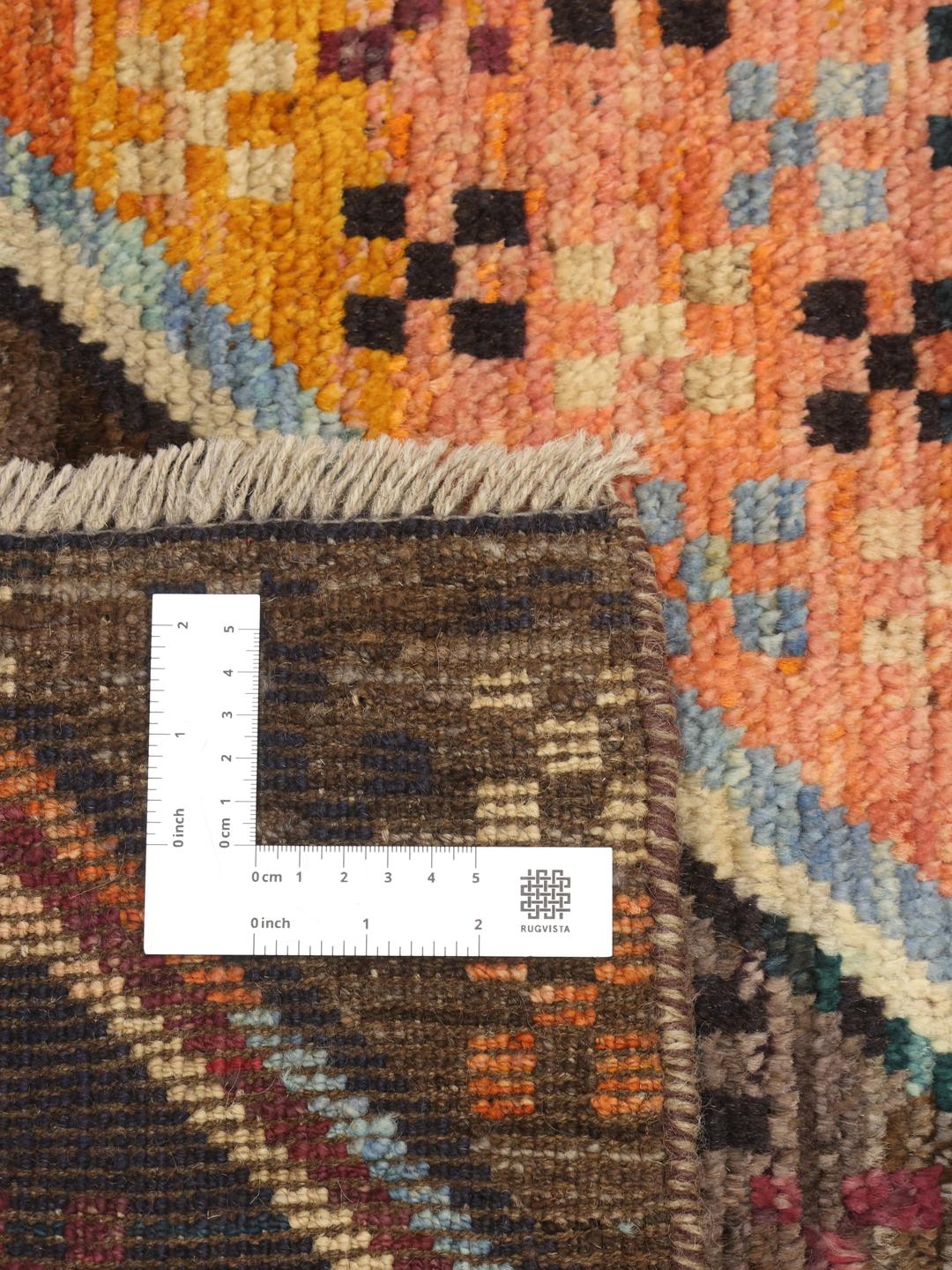
The term 'hand-knotted' refers to the classic method of tying individual strands of wool onto a warp foundation. This labour-intensive technique is the hallmark of quality in the rug world, as it allows for intricate designs and a dense, long-lasting pile. Unlike other methods, this construction creates a robust structure that resists wear and tear, ensuring that the beauty of the rug is preserved for generations to come.
Signature design elements in these styles often include bold, geometric shapes like diamonds, triangles, and lozenges. These motifs are not merely decorative but are historically symbolic, often acting as talismans for protection or fertility. In this particular piece, the vibrant interplay of diamonds against a rich, earthy background showcases a masterful use of colour, making it a standout example of modern tribal-inspired design.
Collecting a rug from this tradition is an investment in human skill and cultural continuity. These pieces are valued not only for their aesthetic appeal but for the way they anchor a space with a sense of authenticity. When you bring this rug into your home, you are continuing a legacy of textile artistry that values the human touch above all else, securing a piece that will remain a cherished part of your environment for years.