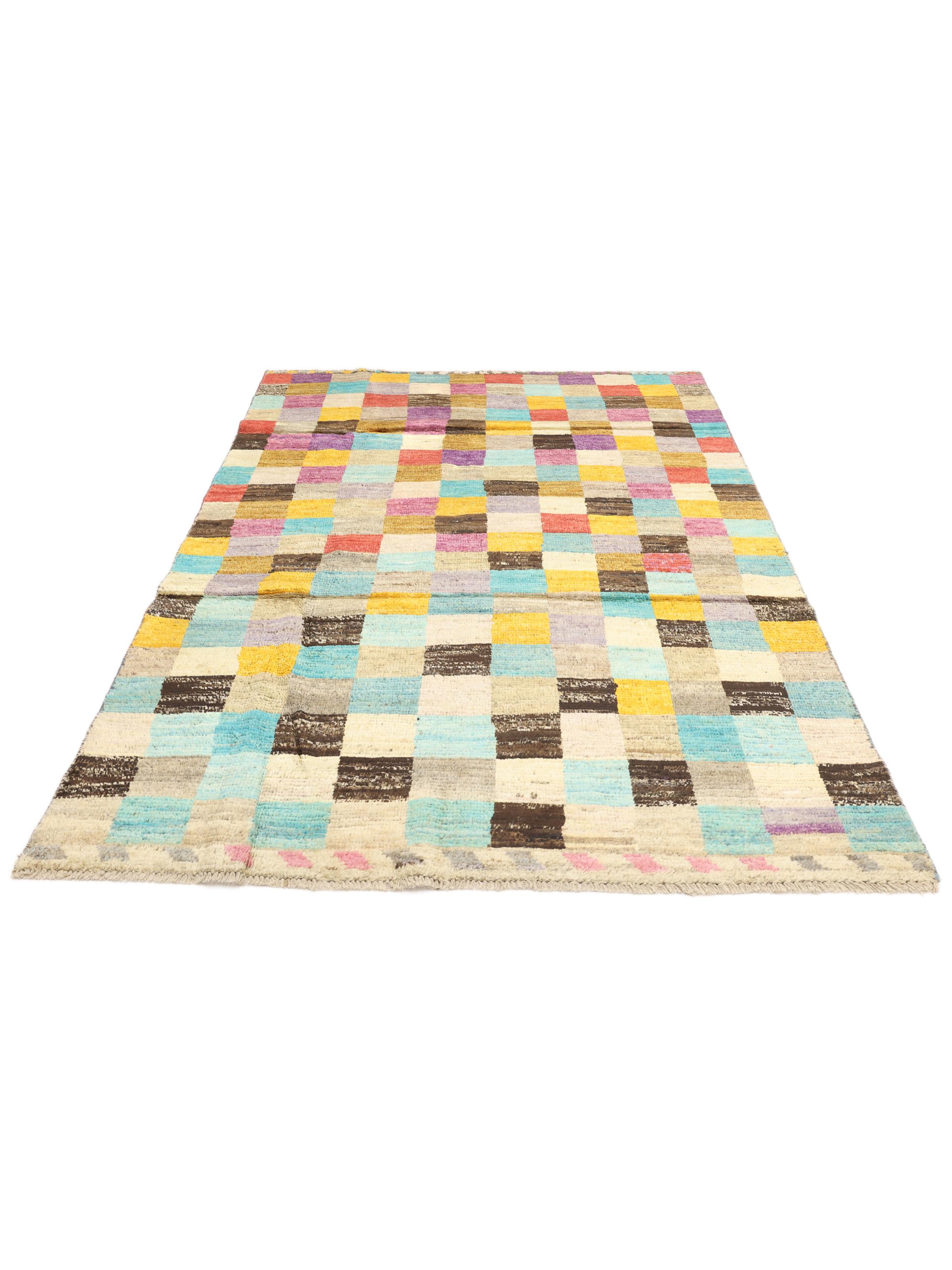
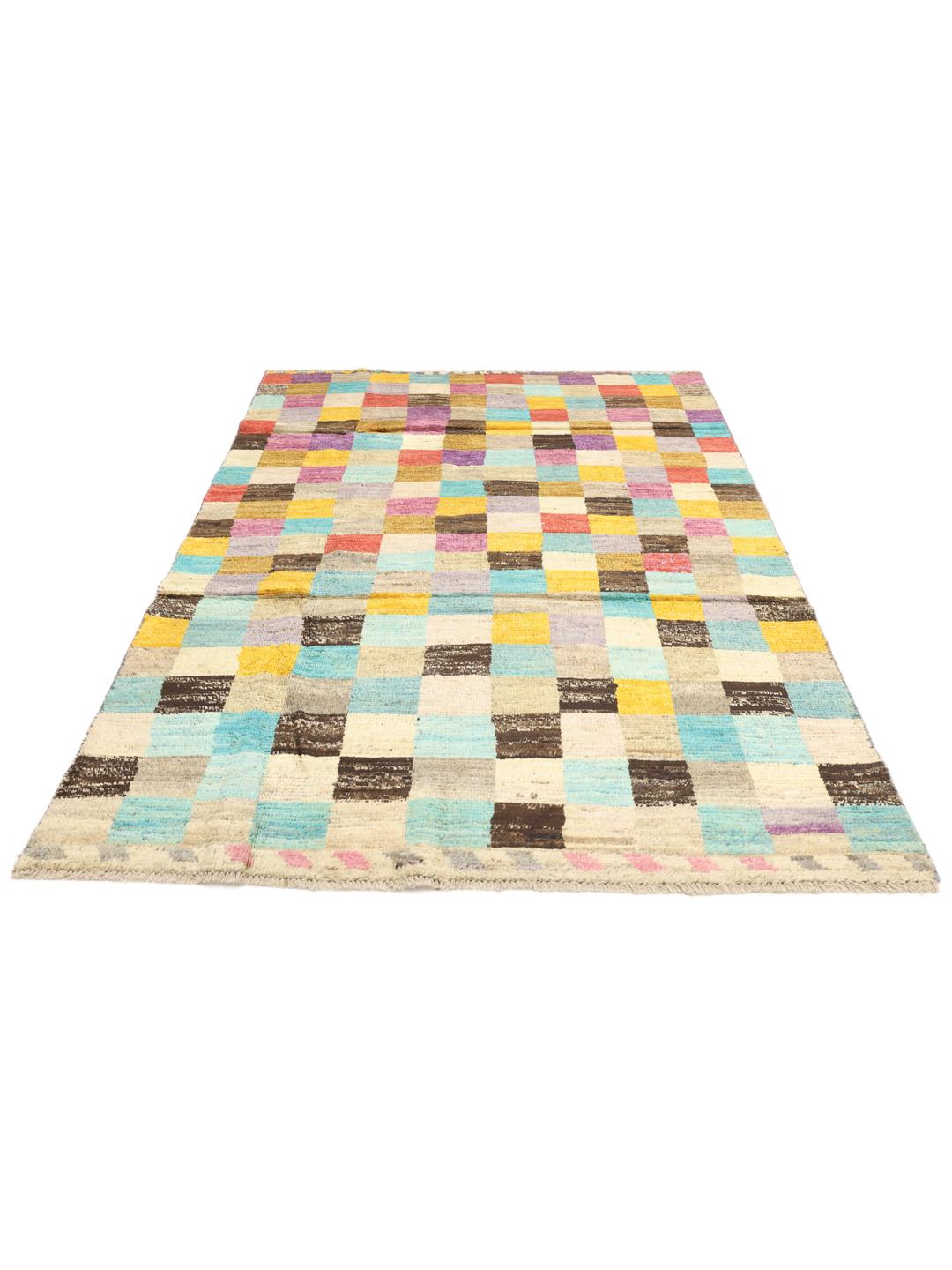
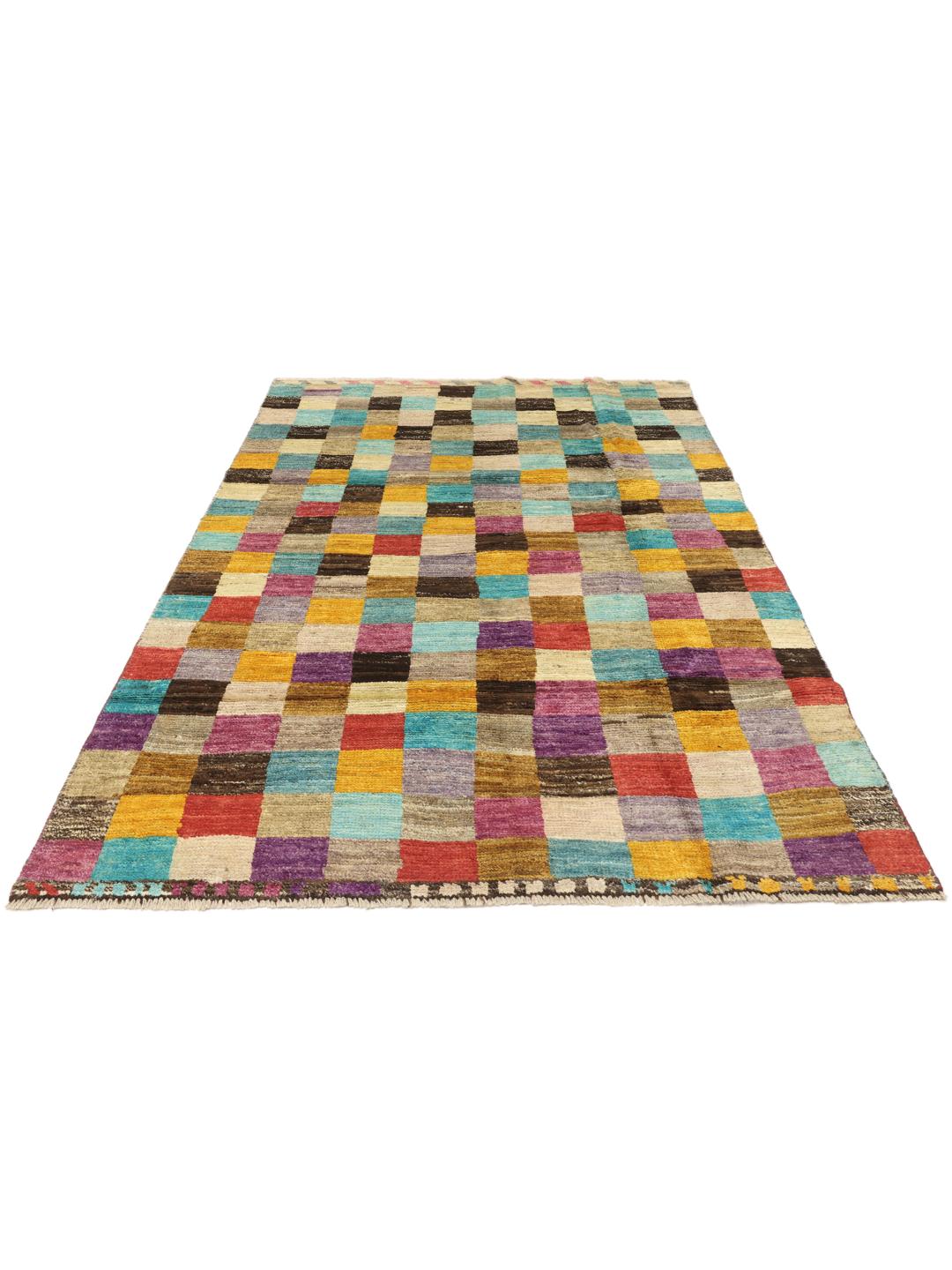
The Berber rug tradition traces its origins to the nomadic tribes of North Africa, but its influence has travelled far beyond those borders. In Afghanistan, master weavers have adapted these timeless aesthetic principles, blending their own regional expertise with the iconic, free-spirited style of the Berber tradition to create rugs that are celebrated for their warmth and adaptability.
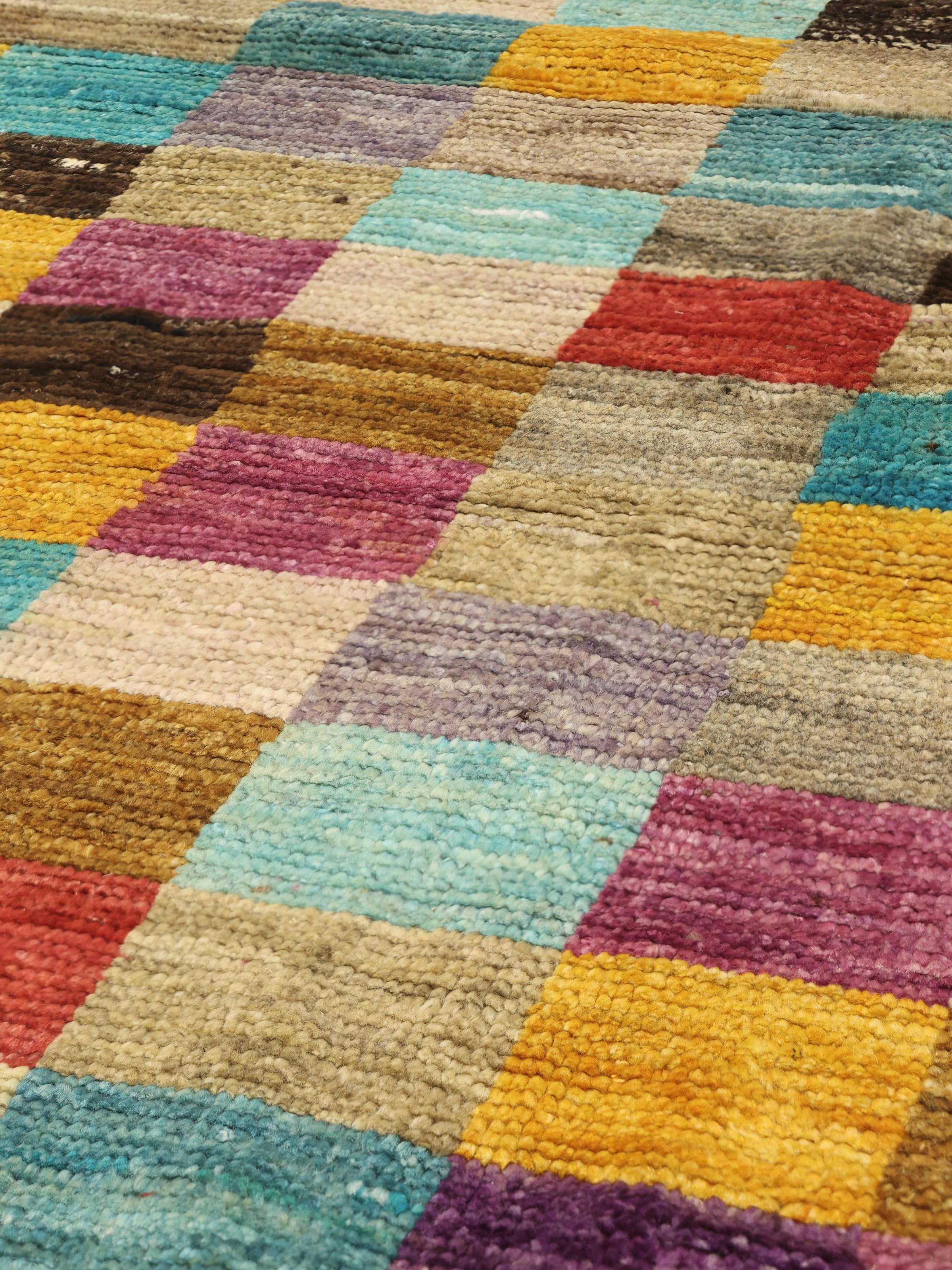
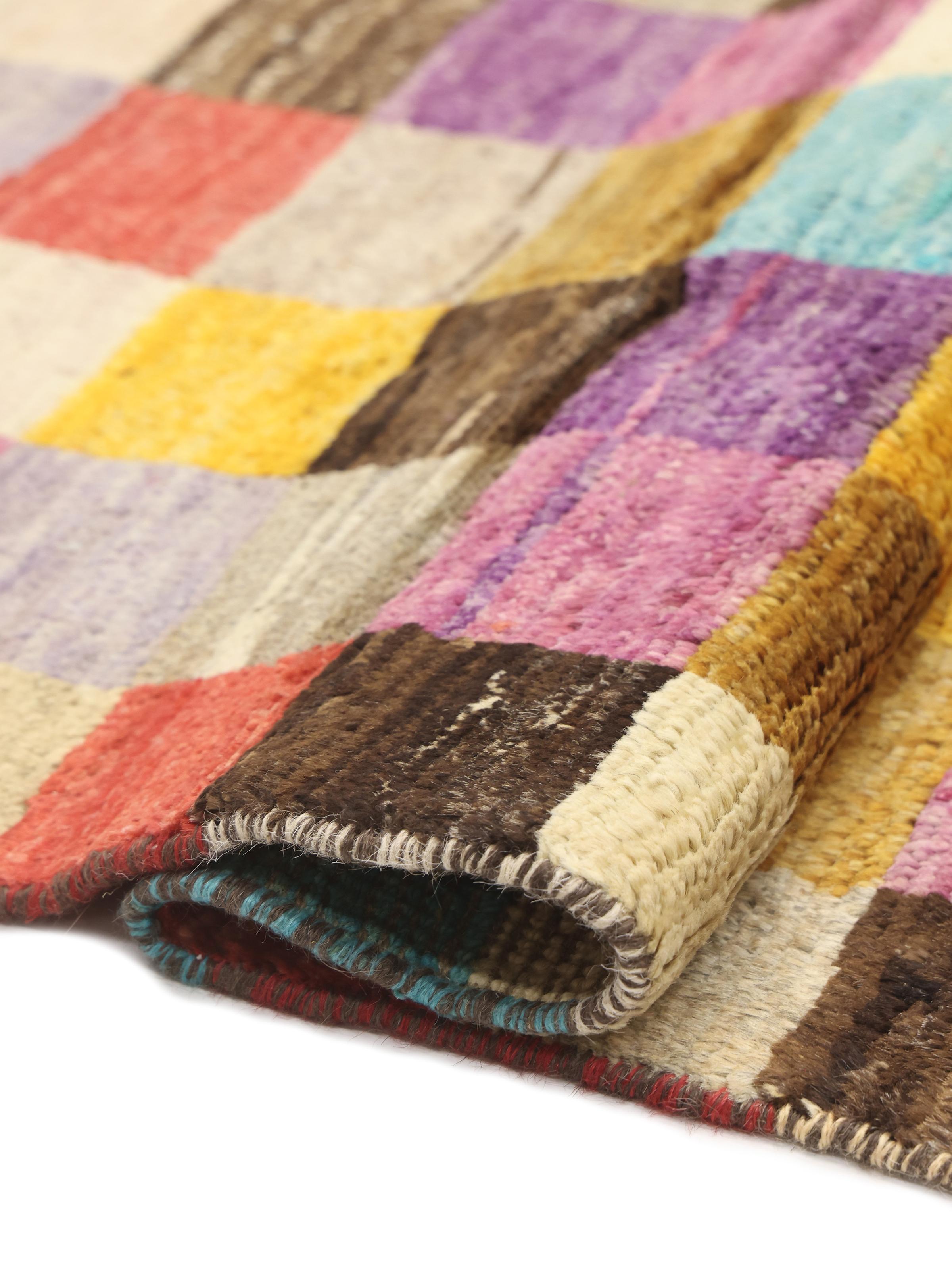
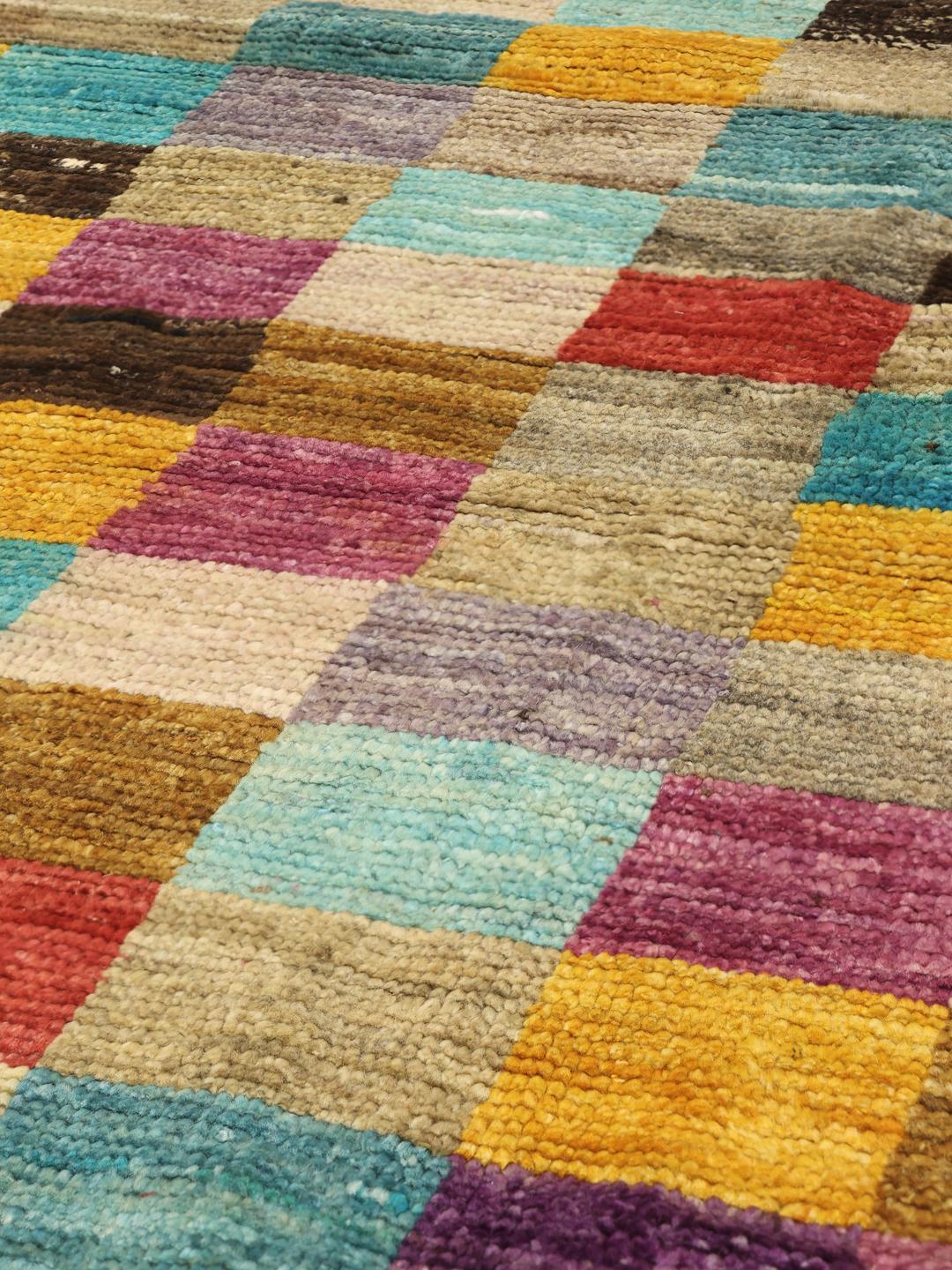
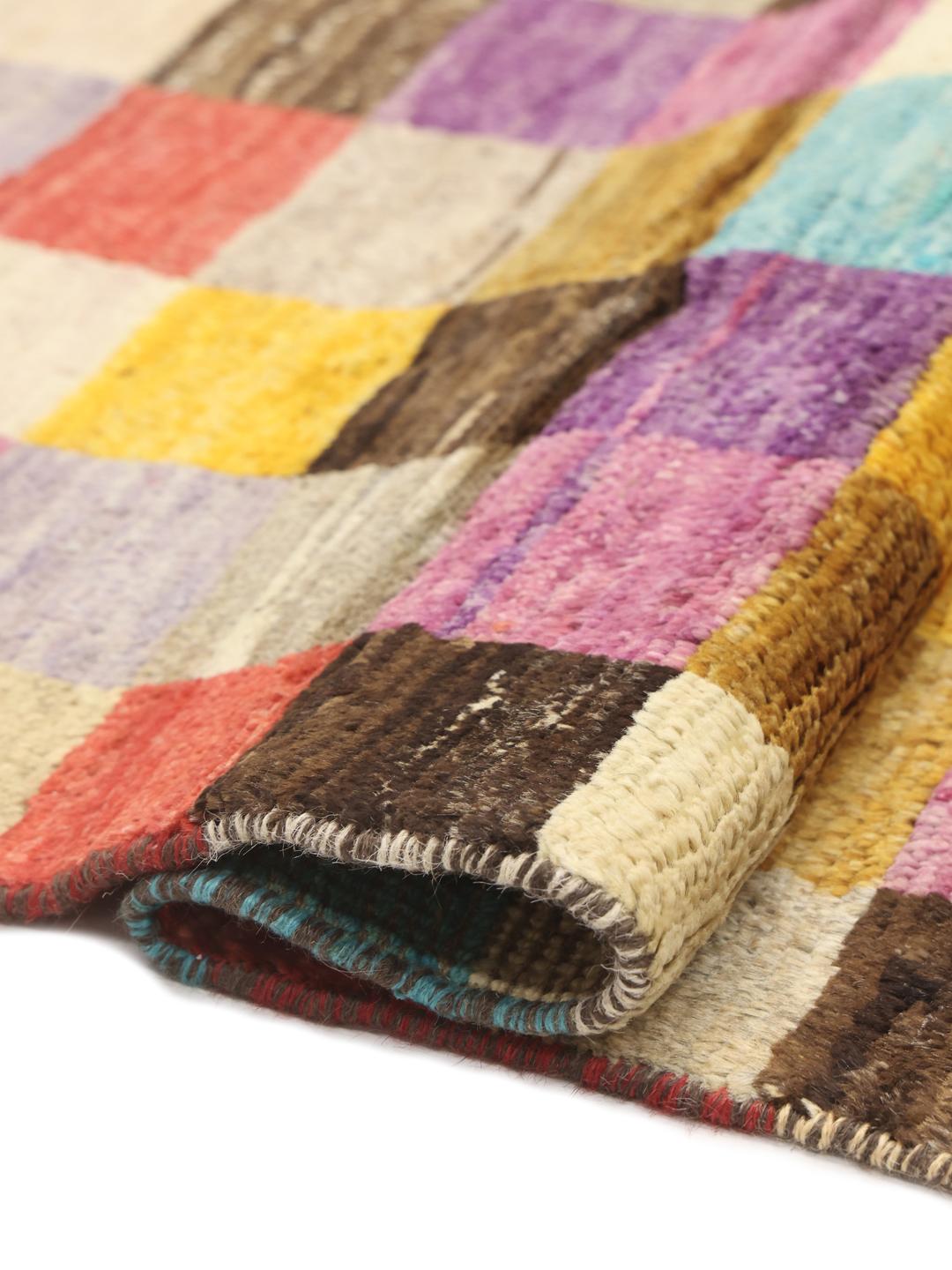
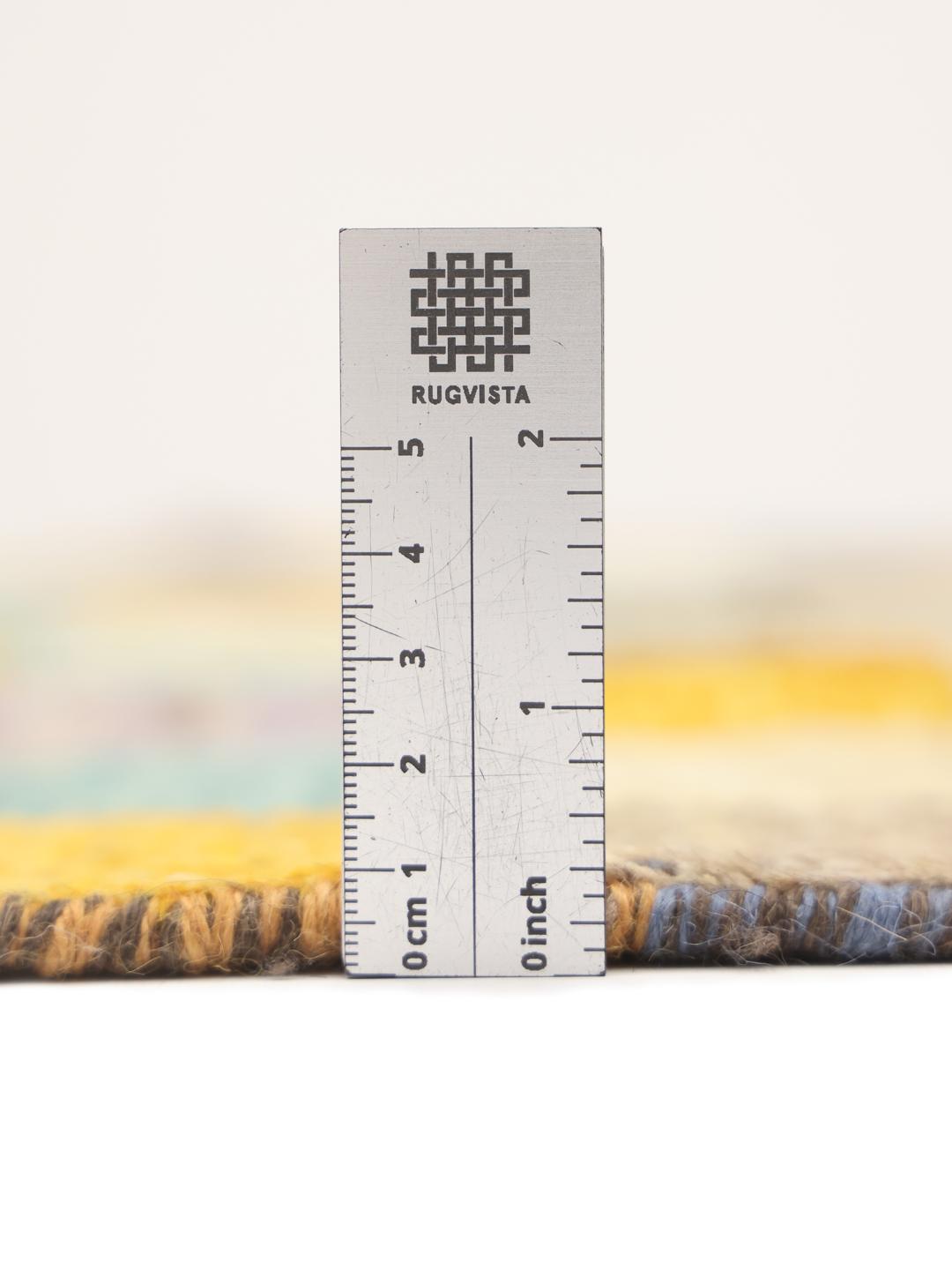
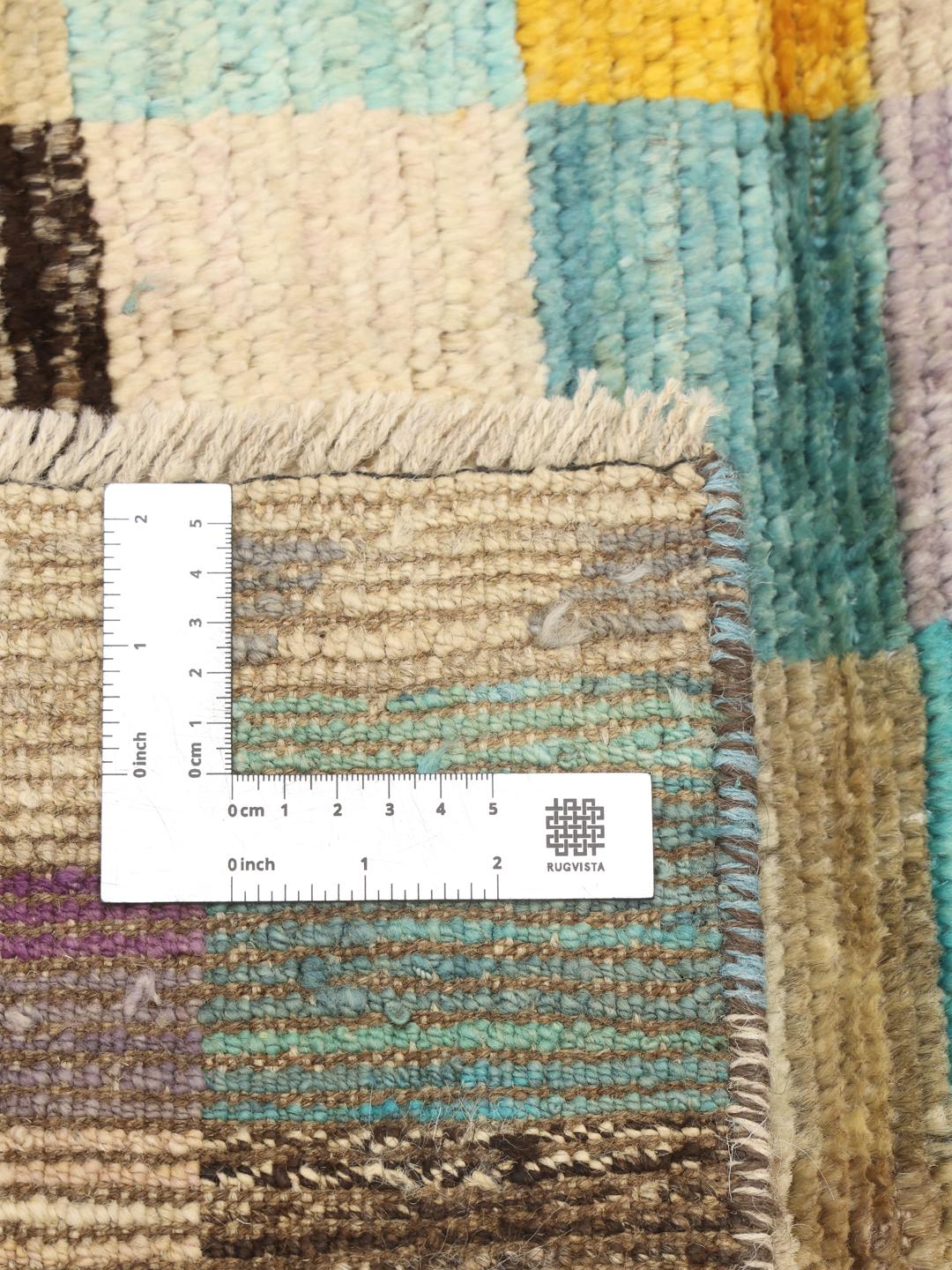
Technically, the hand-knotted construction is what sets these rugs apart from simpler weaves. This method involves tying individual strands of wool around the foundation threads, allowing for the creation of intricate, durable designs. This density is a hallmark of quality, ensuring the rug remains soft and lustrous while resisting the wear and tear of a busy home.
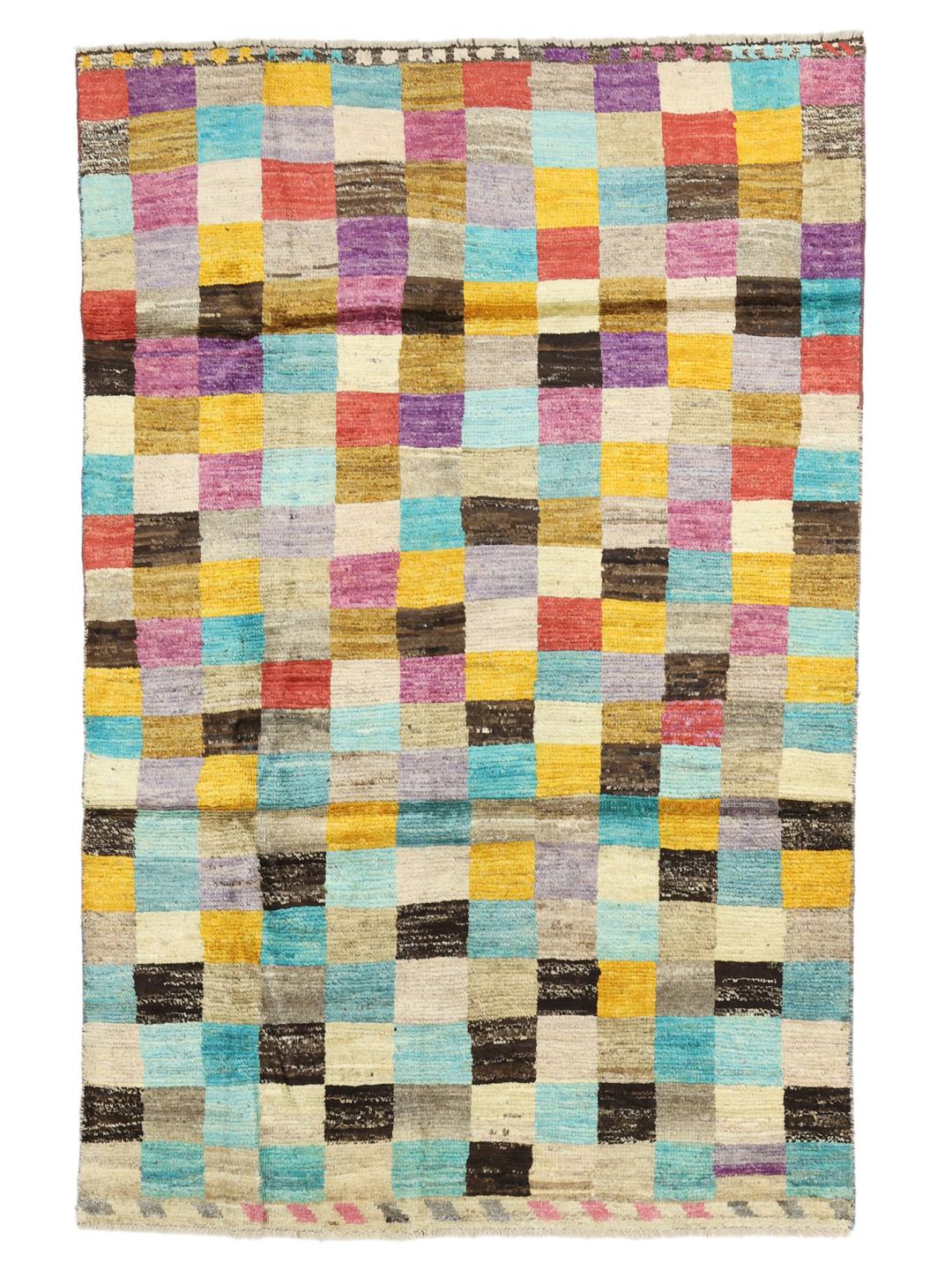
Signature design elements in this category often include bold, geometric motifs and a playful use of colour. While traditional Berber rugs might lean toward more neutral tones, this colourful iteration embraces a vivid palette, using squares to create a rhythmic, engaging visual language that feels both modern and deeply rooted in ancestral craft.
Collectors value these rugs not just for their utility, but for the story they tell. Owning a hand-knotted piece from this tradition is an investment in cultural heritage and skilled artistry. It represents a commitment to supporting ancient techniques that prioritise quality and human expression over mass production.