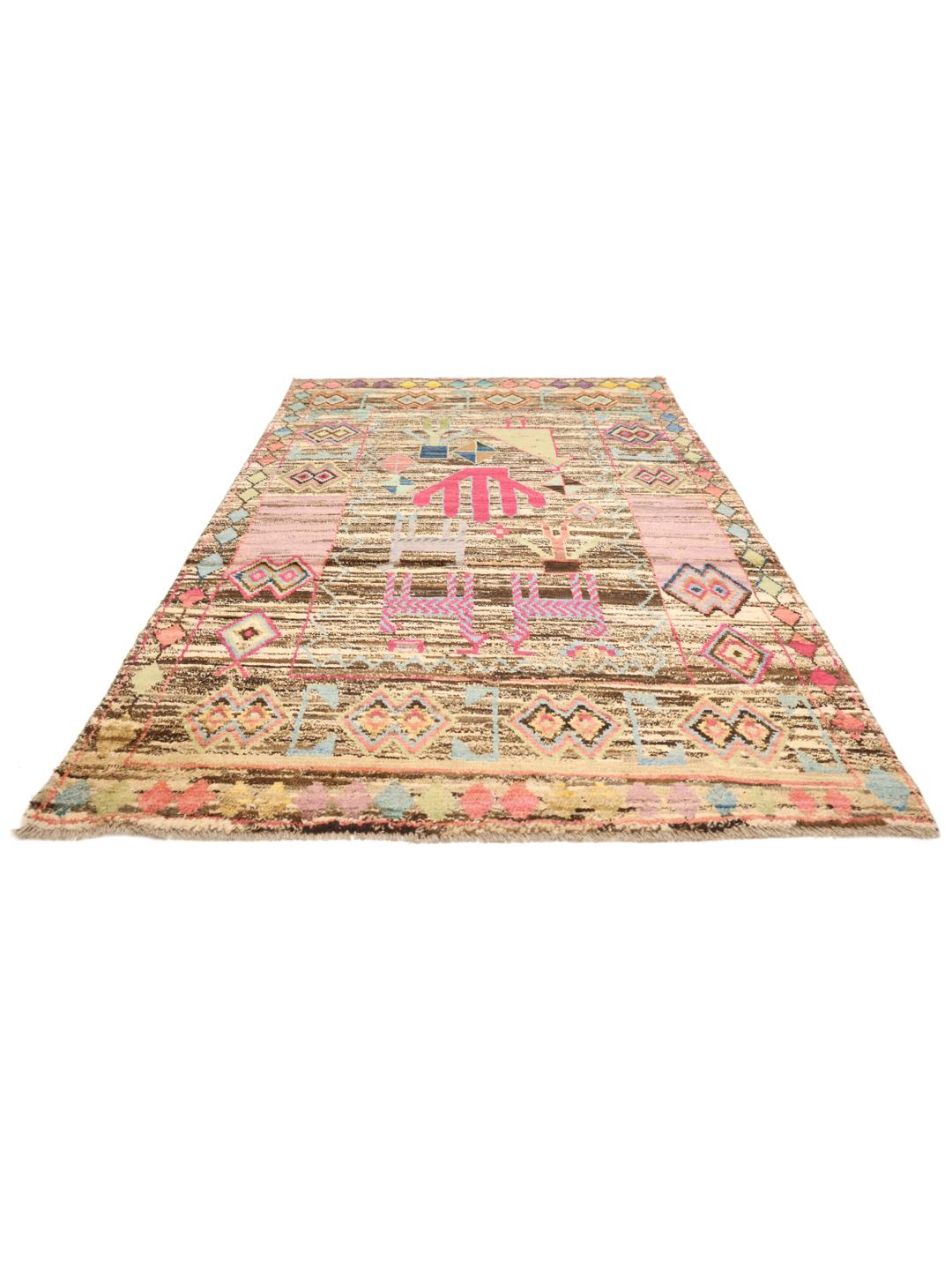
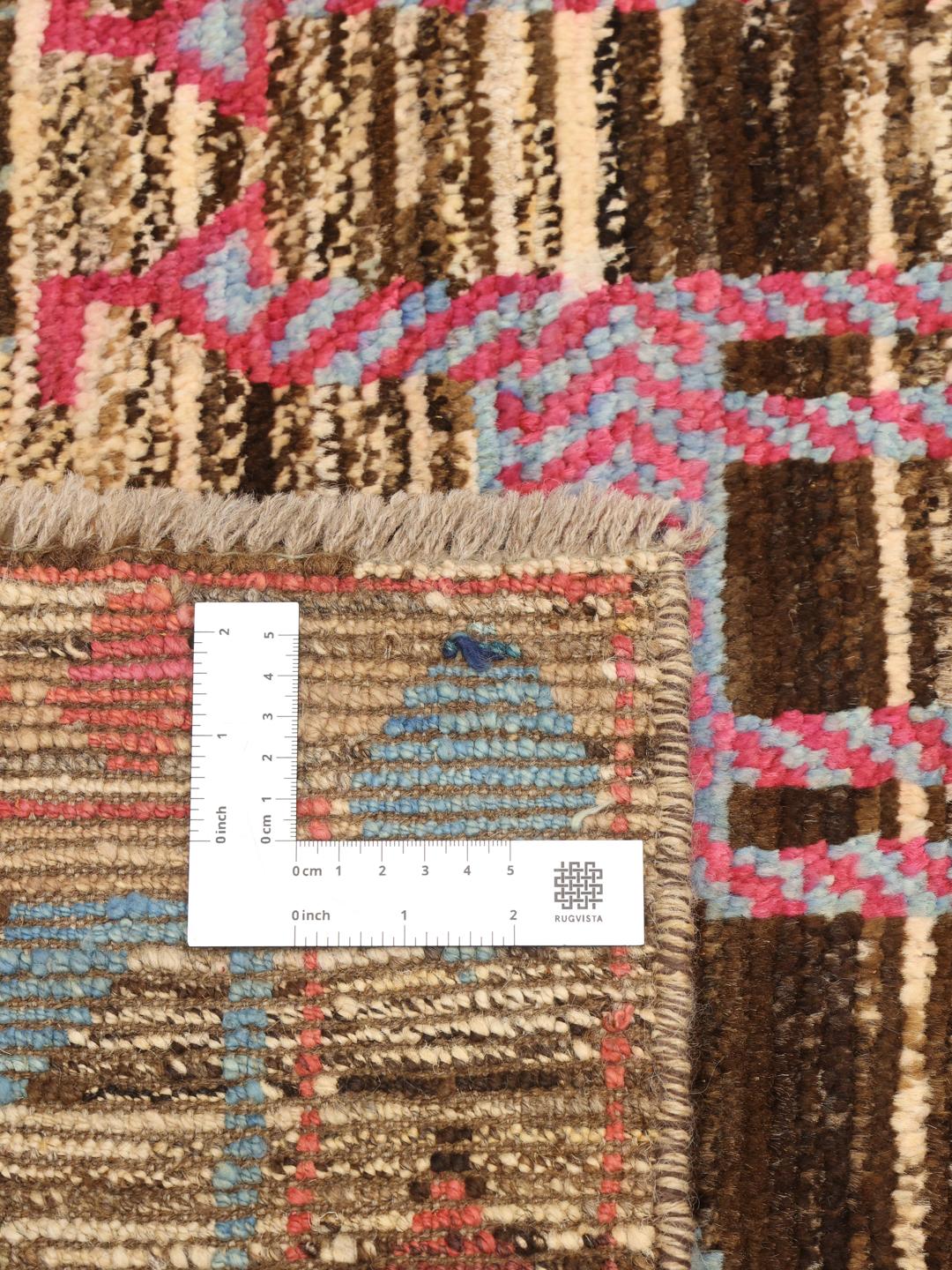
The tradition of rug weaving in Afghanistan is deeply rooted in the history of the Central Asian steppes, where nomadic influences have shaped artistic expression for centuries. These rugs are often inspired by the rugged landscapes and nomadic life of the region, evolving into a distinct style that blends traditional craftsmanship with bold, spontaneous design. Today, Afghanistan remains a vital hub for this artistry, preserving methods that have been passed down through generations.
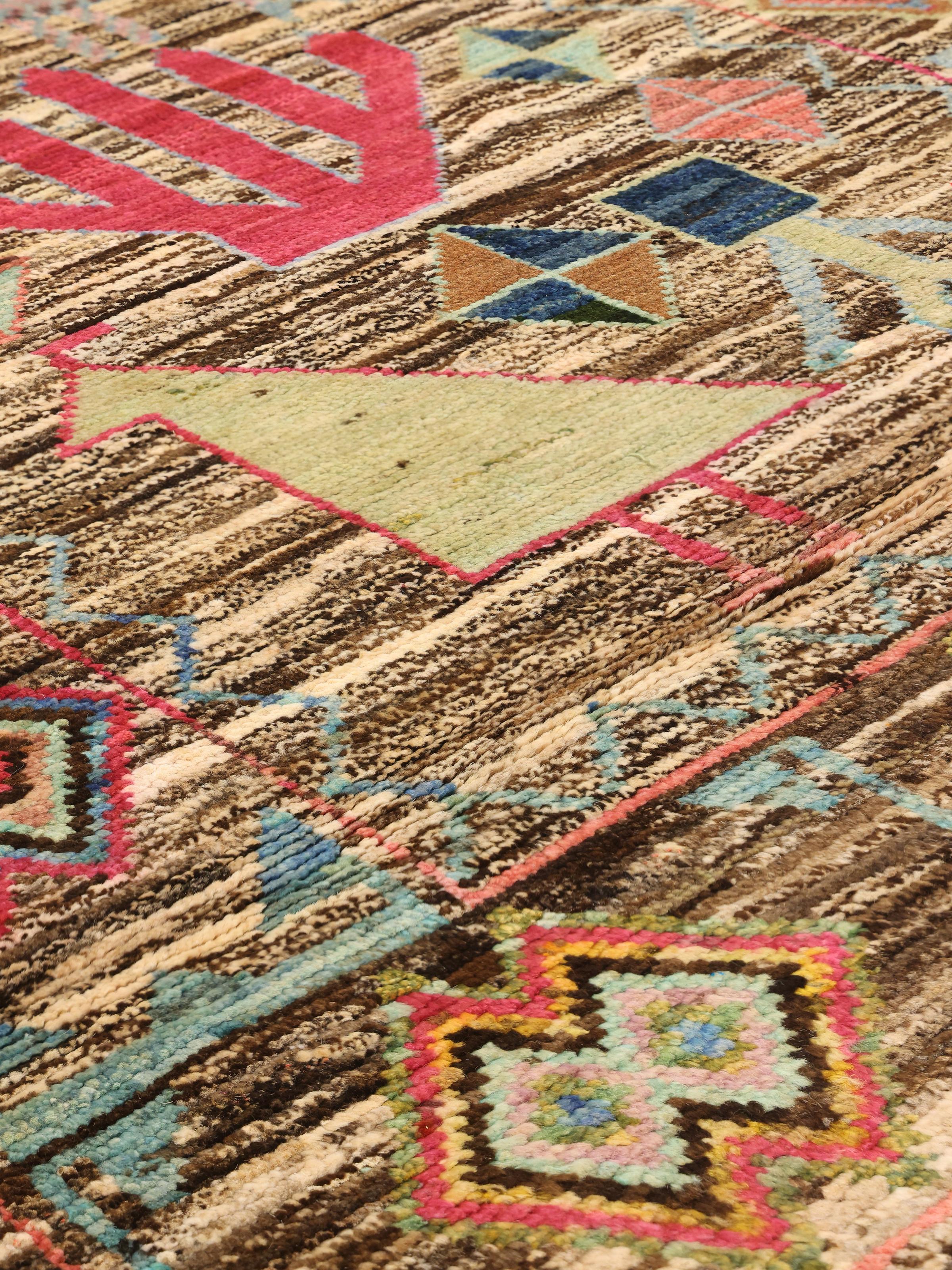
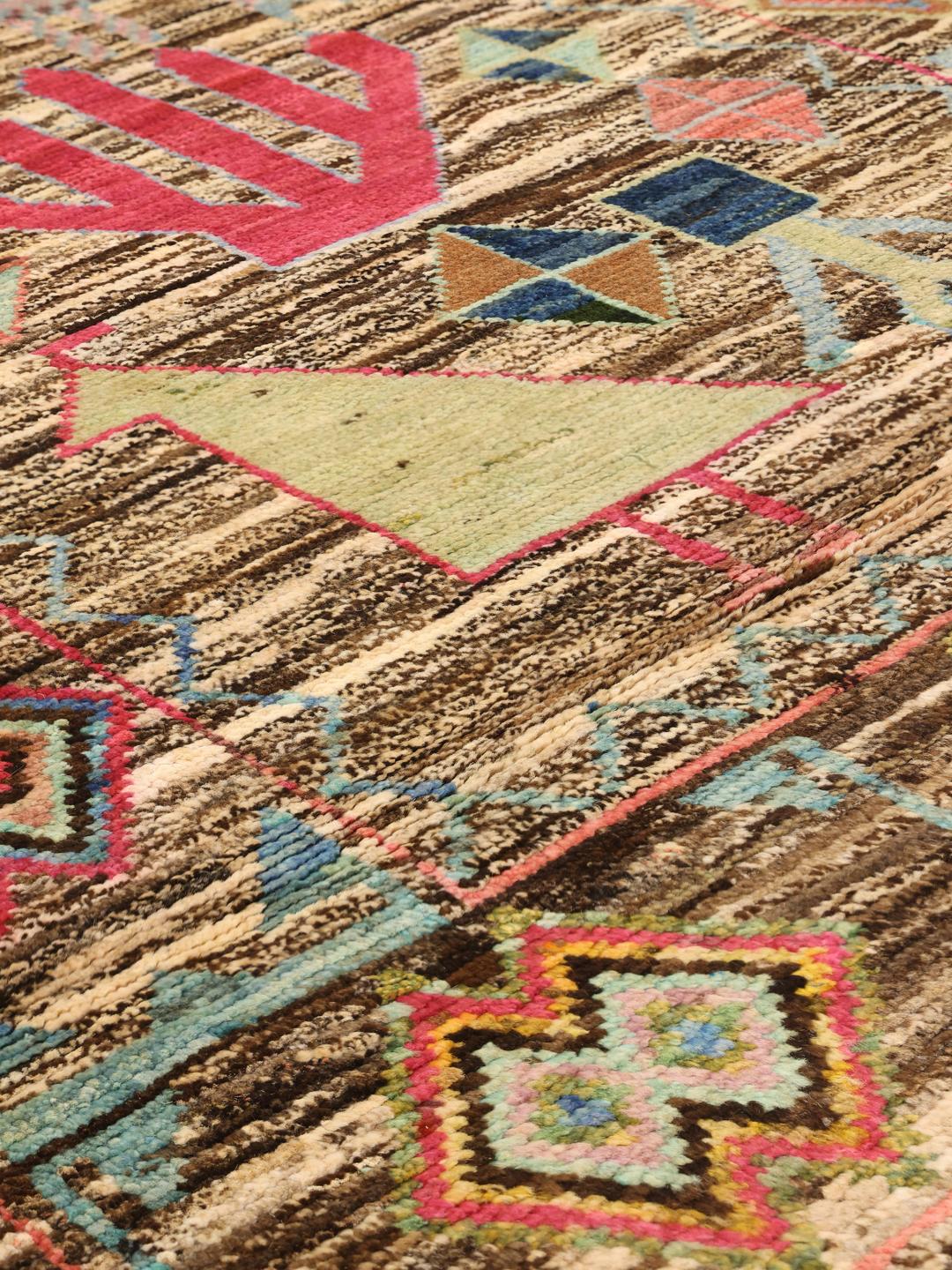
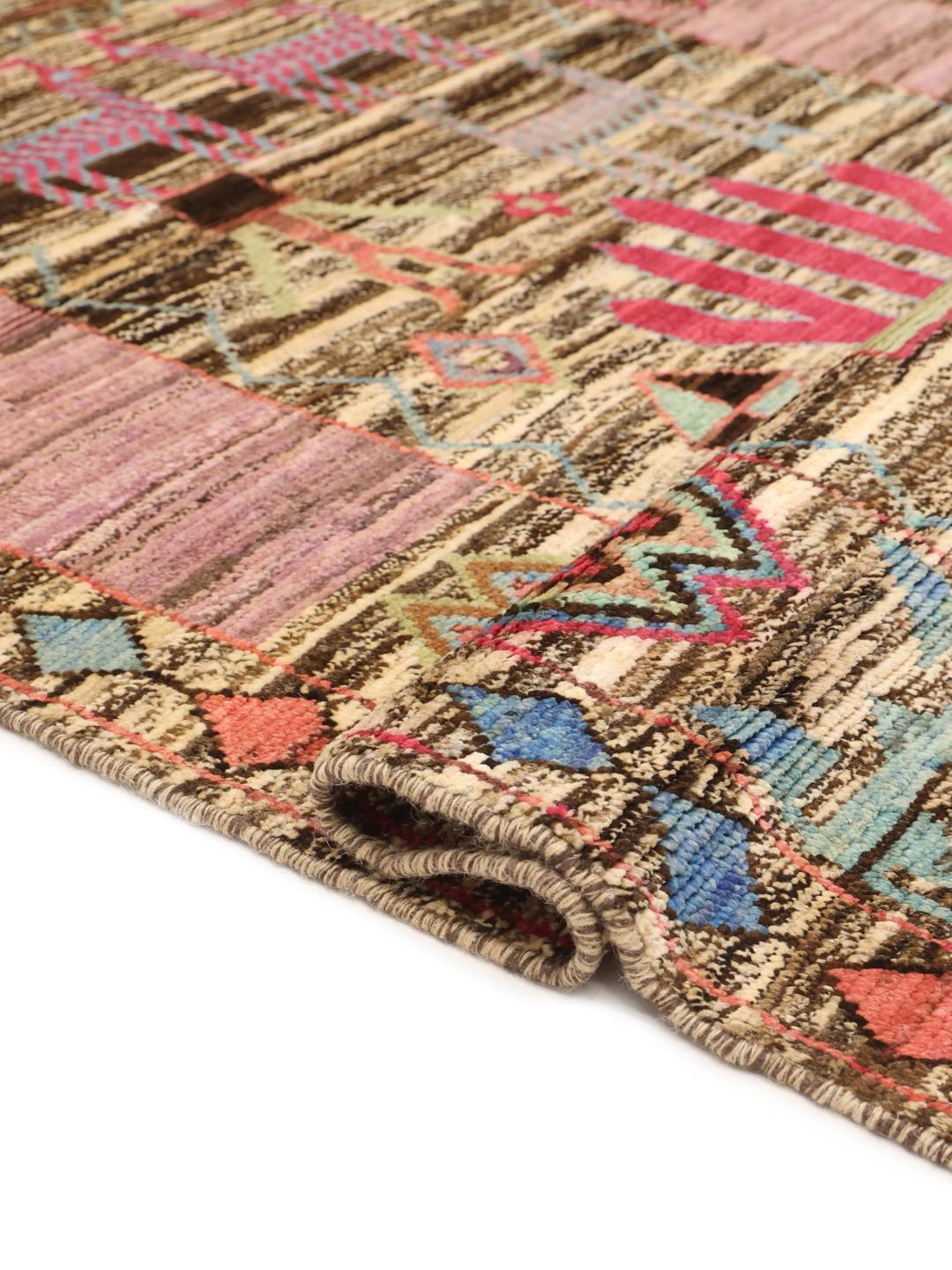
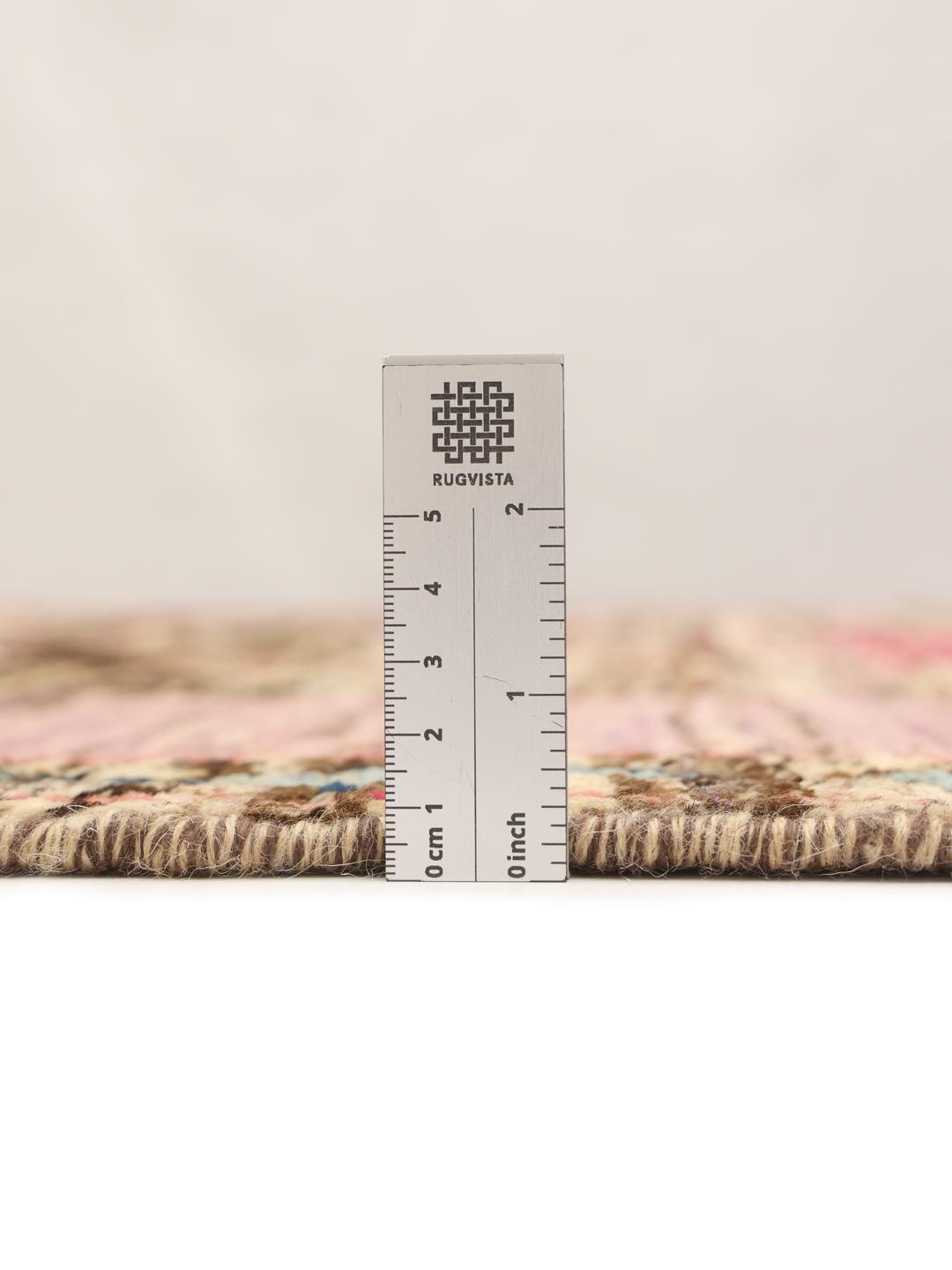
The term 'Berber' in this context refers to a style characterised by its thick, plush pile and expressive, often tribal-inspired patterns. Unlike more formal, symmetrical traditions, these rugs celebrate a more organic and free-flowing design approach. The wool used is selected for its strength and natural lustre, providing a durable foundation that allows the vibrant colours to pop against the textured background.
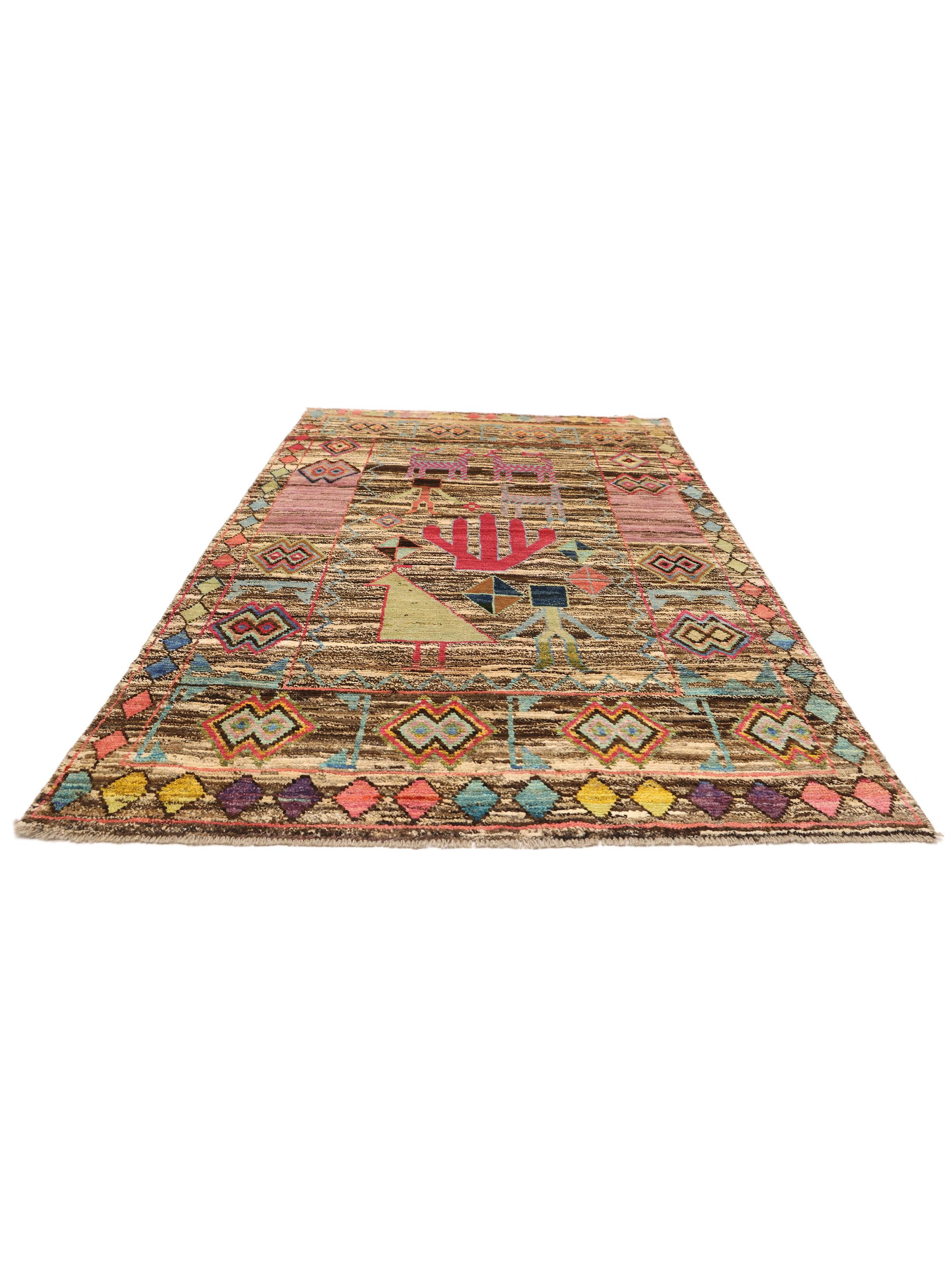
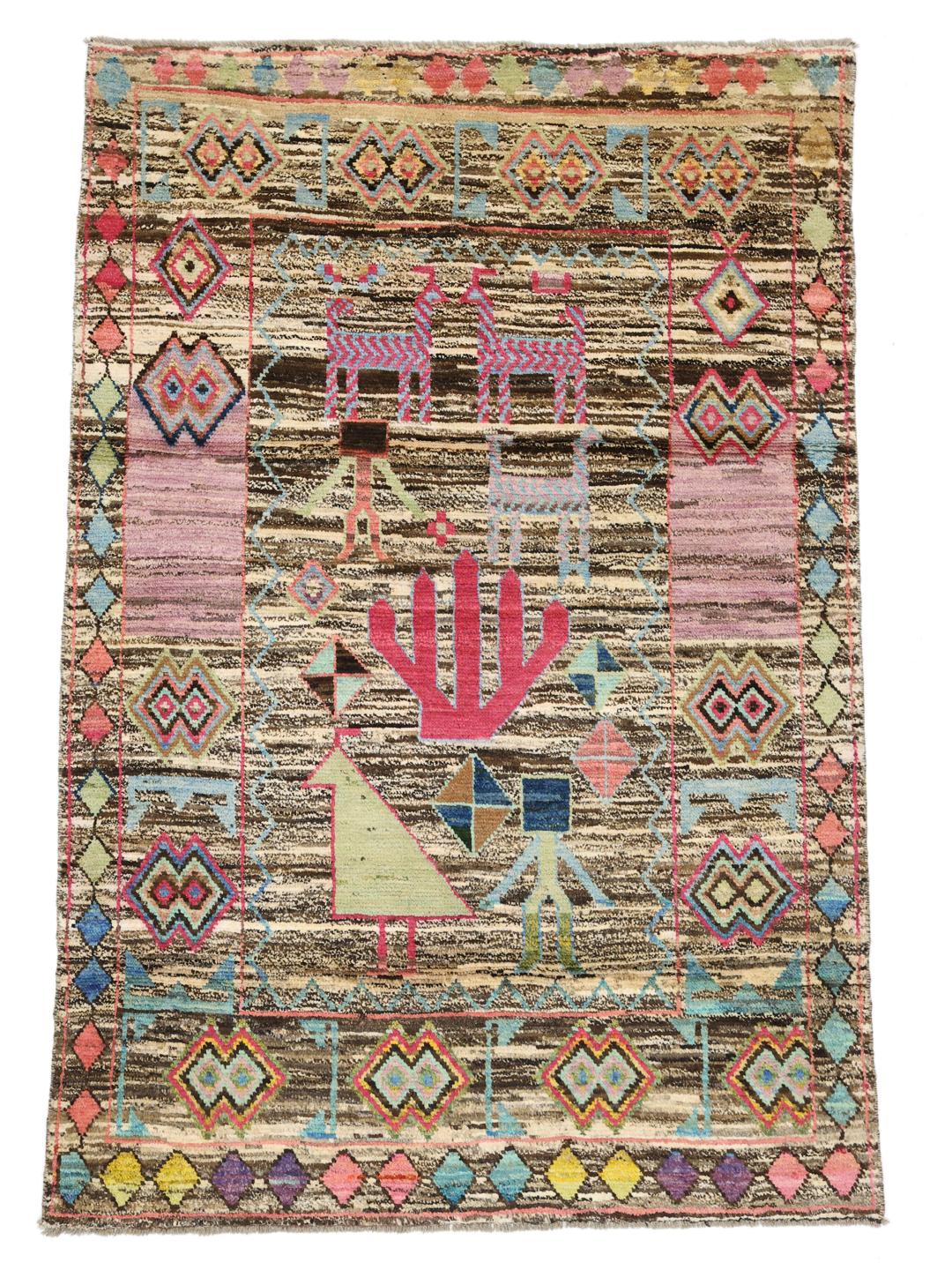
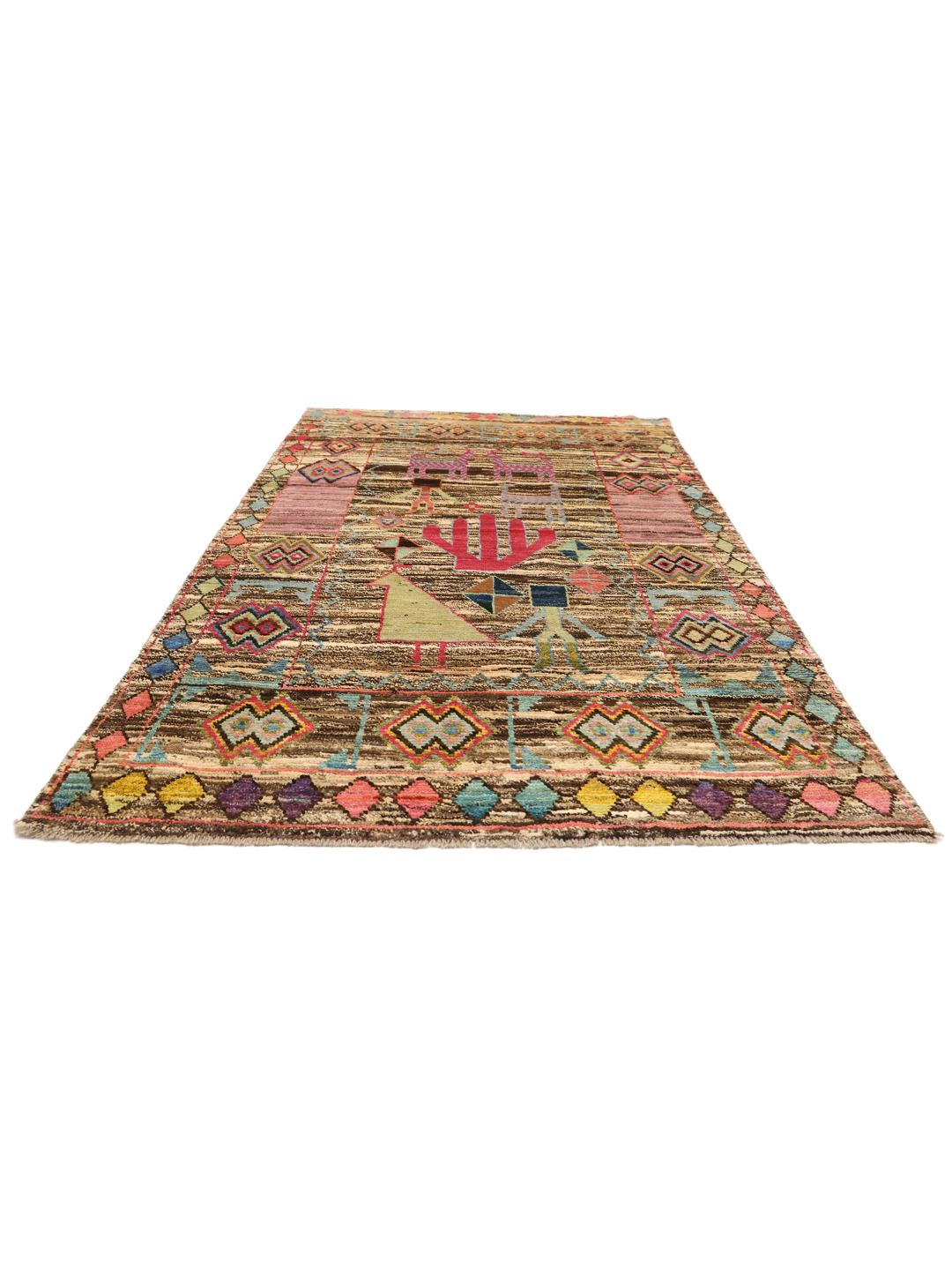
Signature design elements often include geometric shapes, abstract motifs, and a symbolic visual language that reflects the weaver's personal history and environment. In this particular piece, the inclusion of stylised animal and nature-inspired figures is a hallmark of the tradition, demonstrating a playful yet profound connection to the natural world. These motifs are typically framed by decorative borders, creating a cohesive visual narrative that draws the eye across the entire field.
Owning a piece from this tradition is about more than just floor coverage; it is about bringing a piece of living history into your home. Collectors value these rugs for their authenticity and the sheer level of human skill required to produce such complex patterns without digital aids. Each rug serves as a cultural artifact, representing a heritage of creativity that continues to be celebrated for its warmth, durability, and undeniable character.