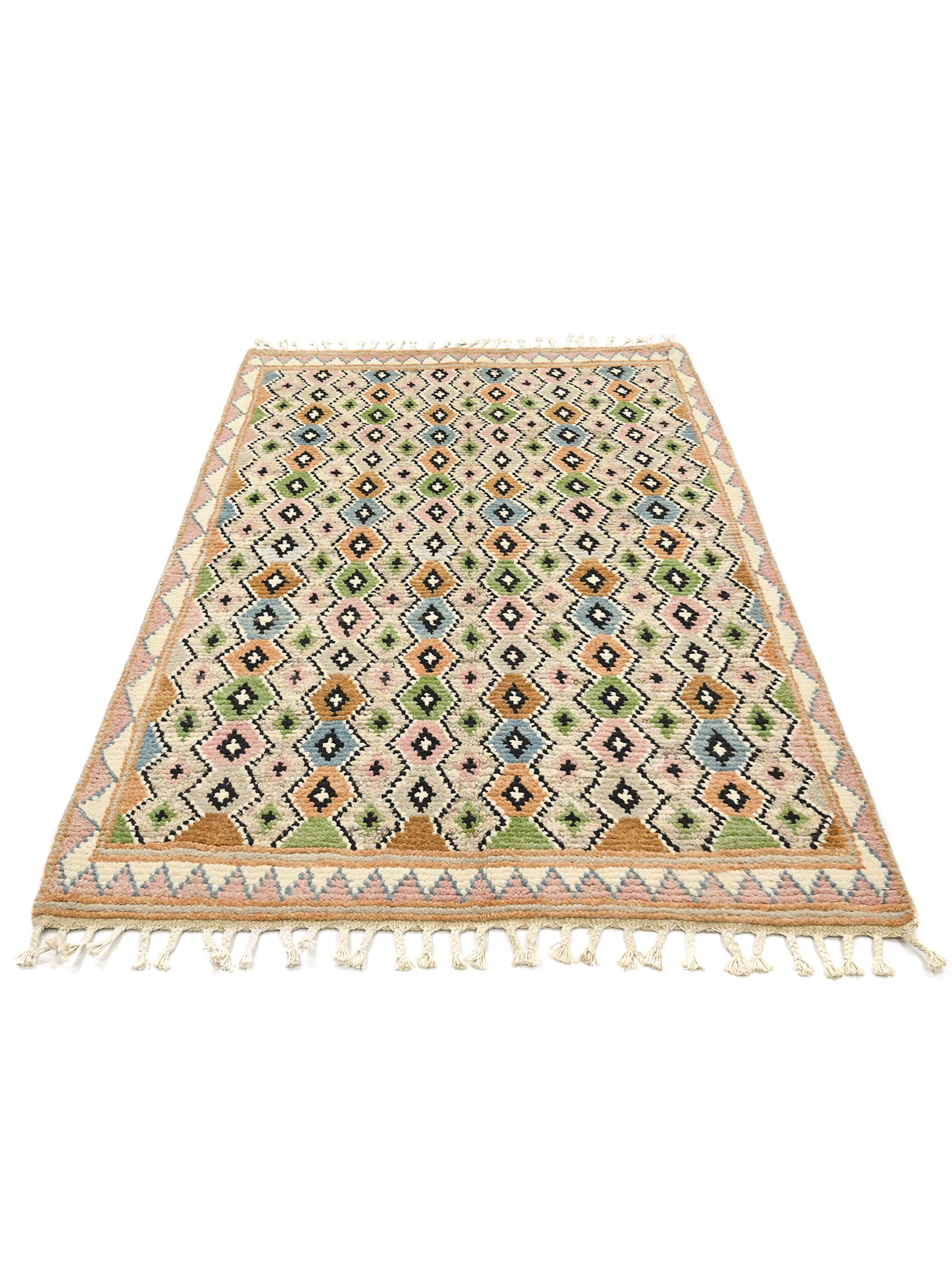
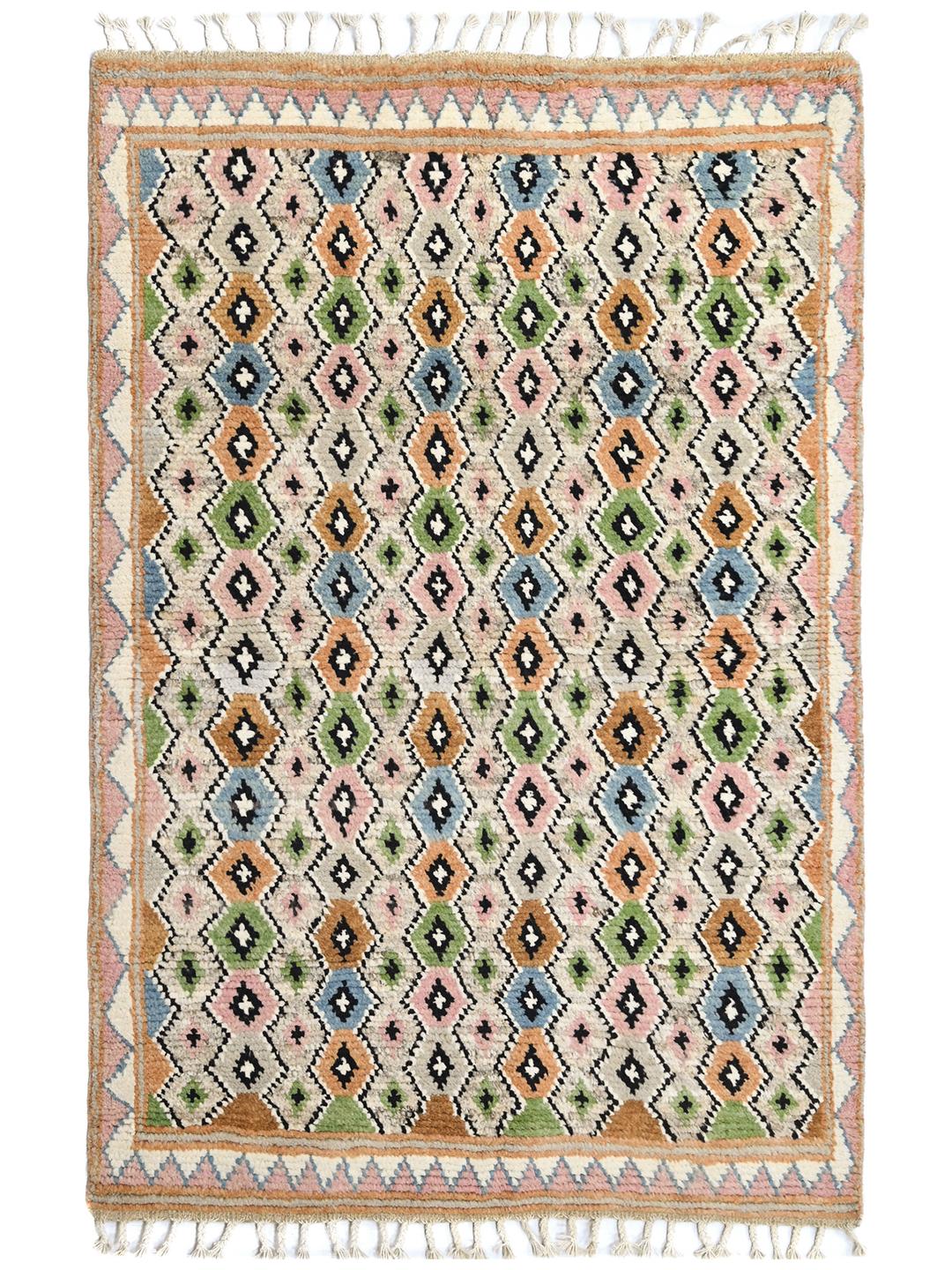
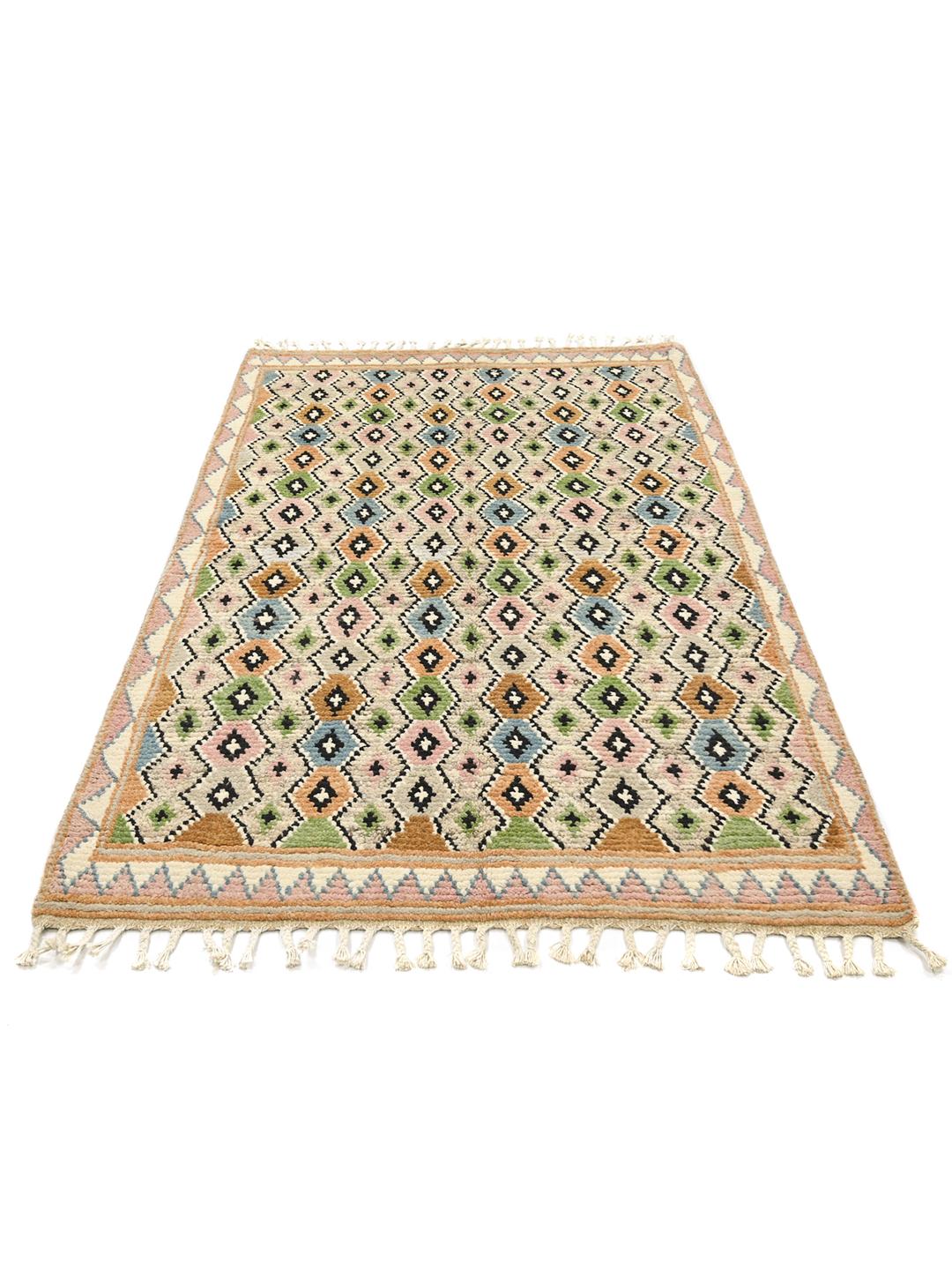
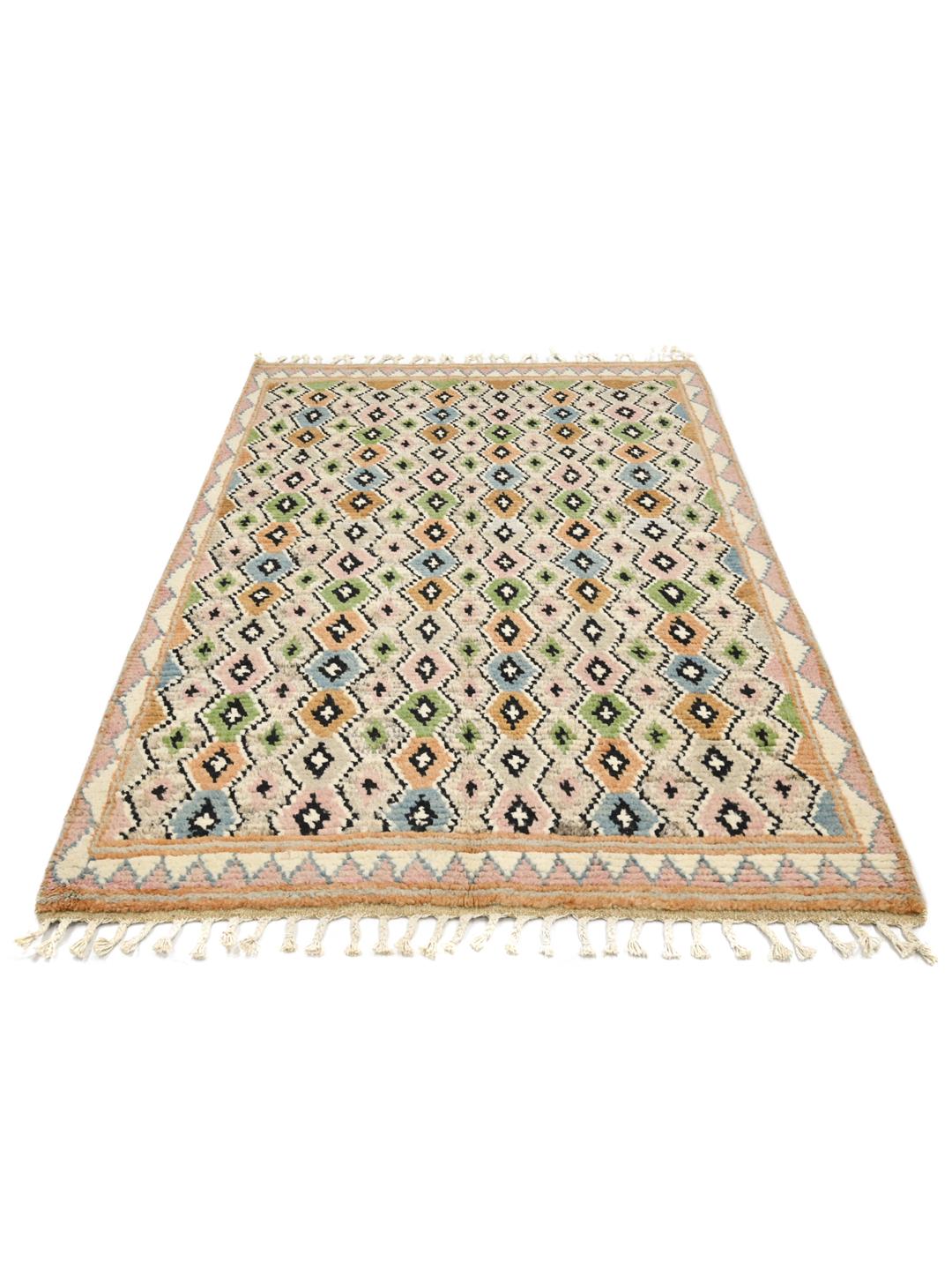
Berber rugs originate from the tribal communities of North Africa, where nomadic women historically hand-wove textiles using native wool. Over time, these expressive weaving traditions spread and inspired weavers across nearby regions, including Afghanistan, where craftspeople adapted the signature graphic style into their own rich rug-making culture.
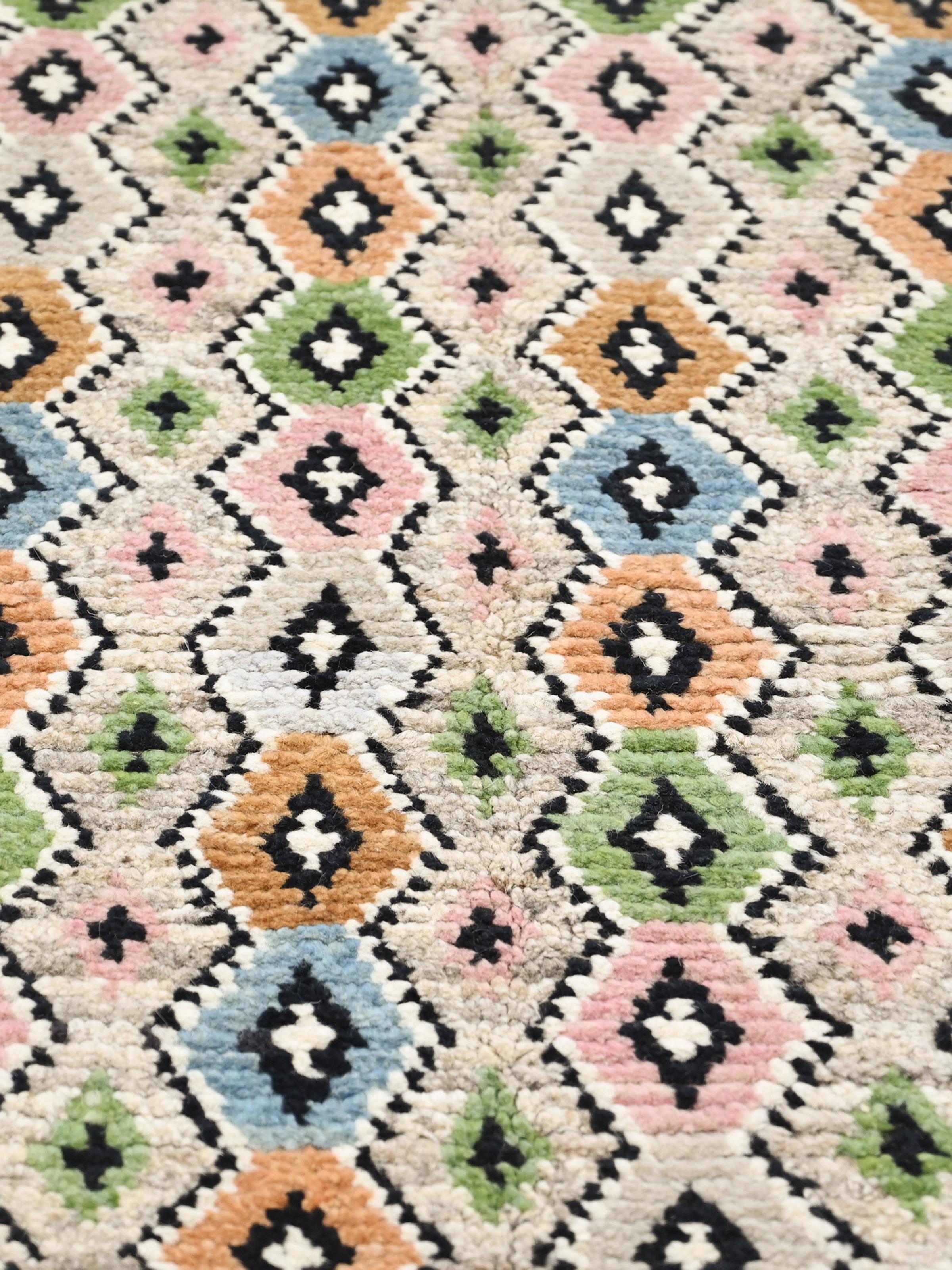
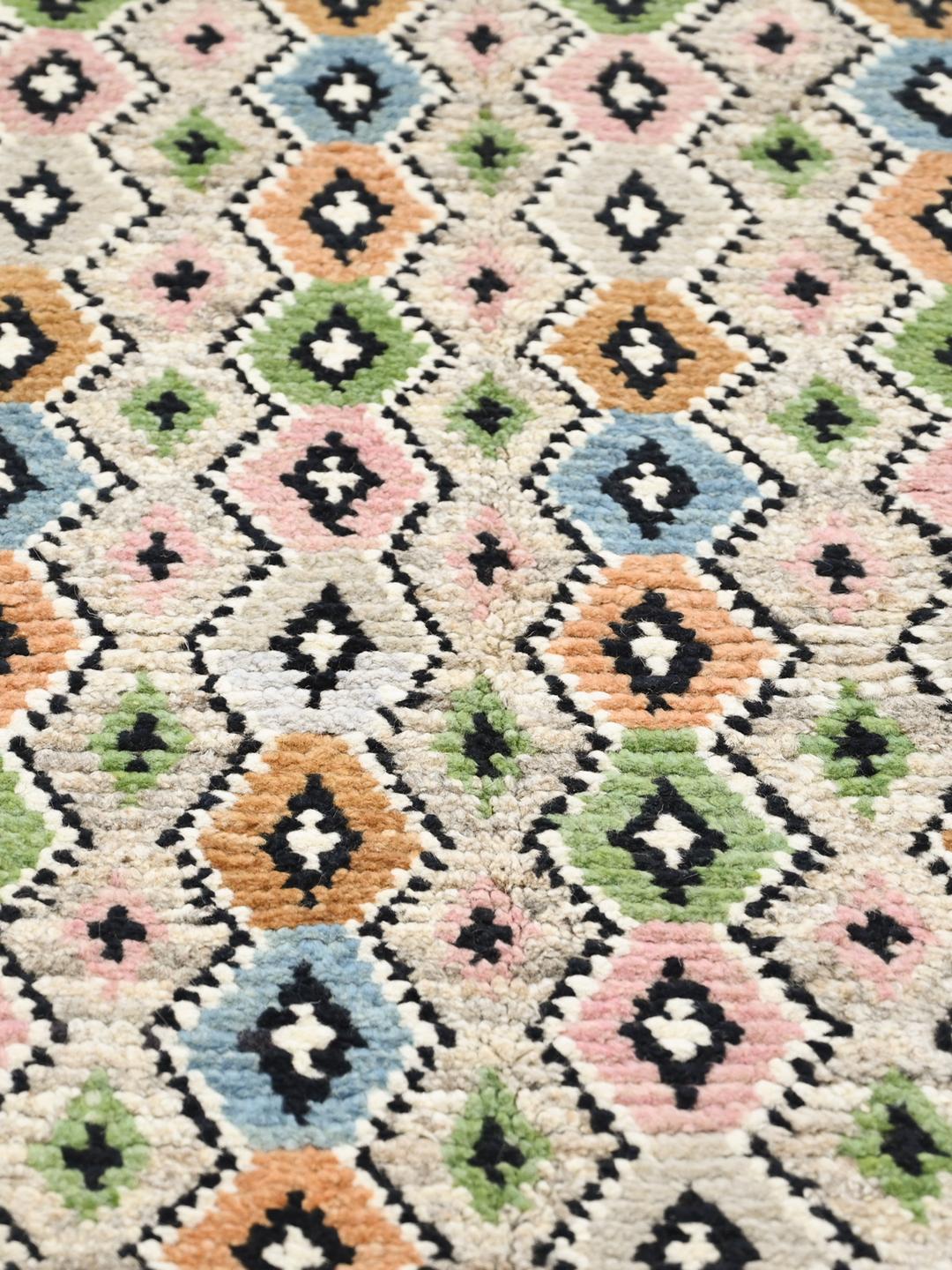
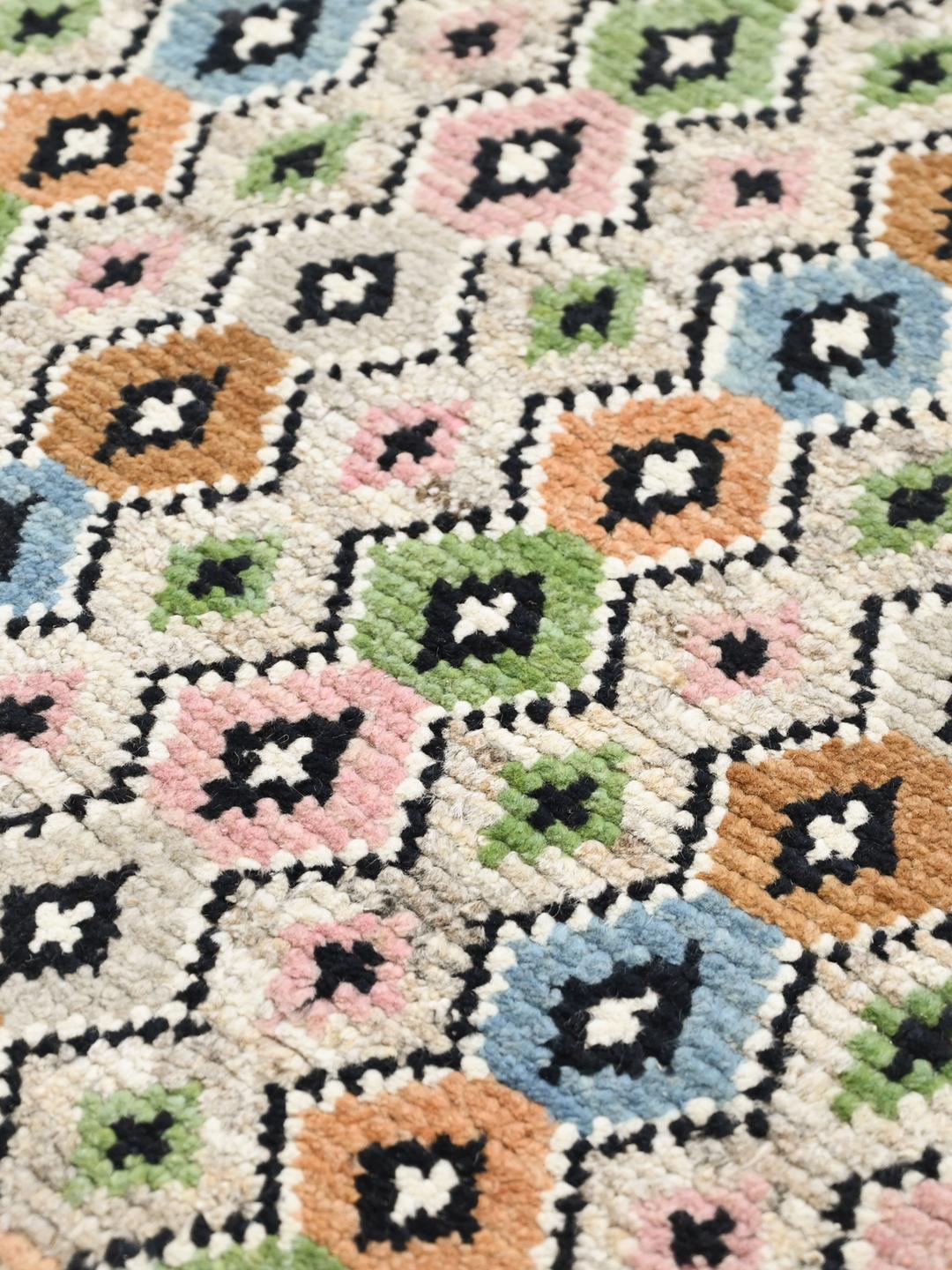
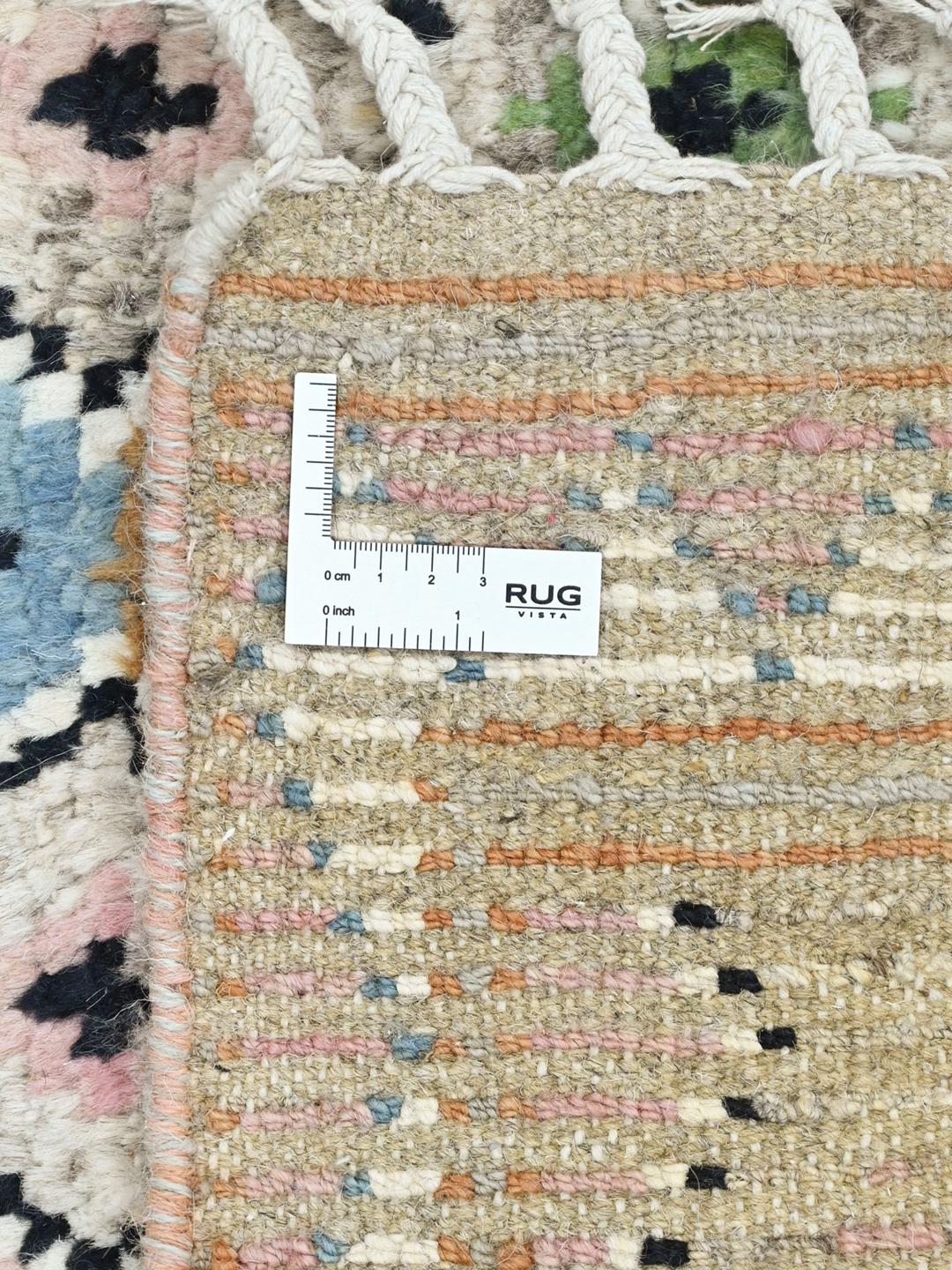
The term hand-knotted refers to the laborious method of tying individual yarn strands around structural threads across a loom frame. This traditional technique secures the pile into the foundation, ensuring superior physical strength and structural stability compared to machine-tufted alternatives.
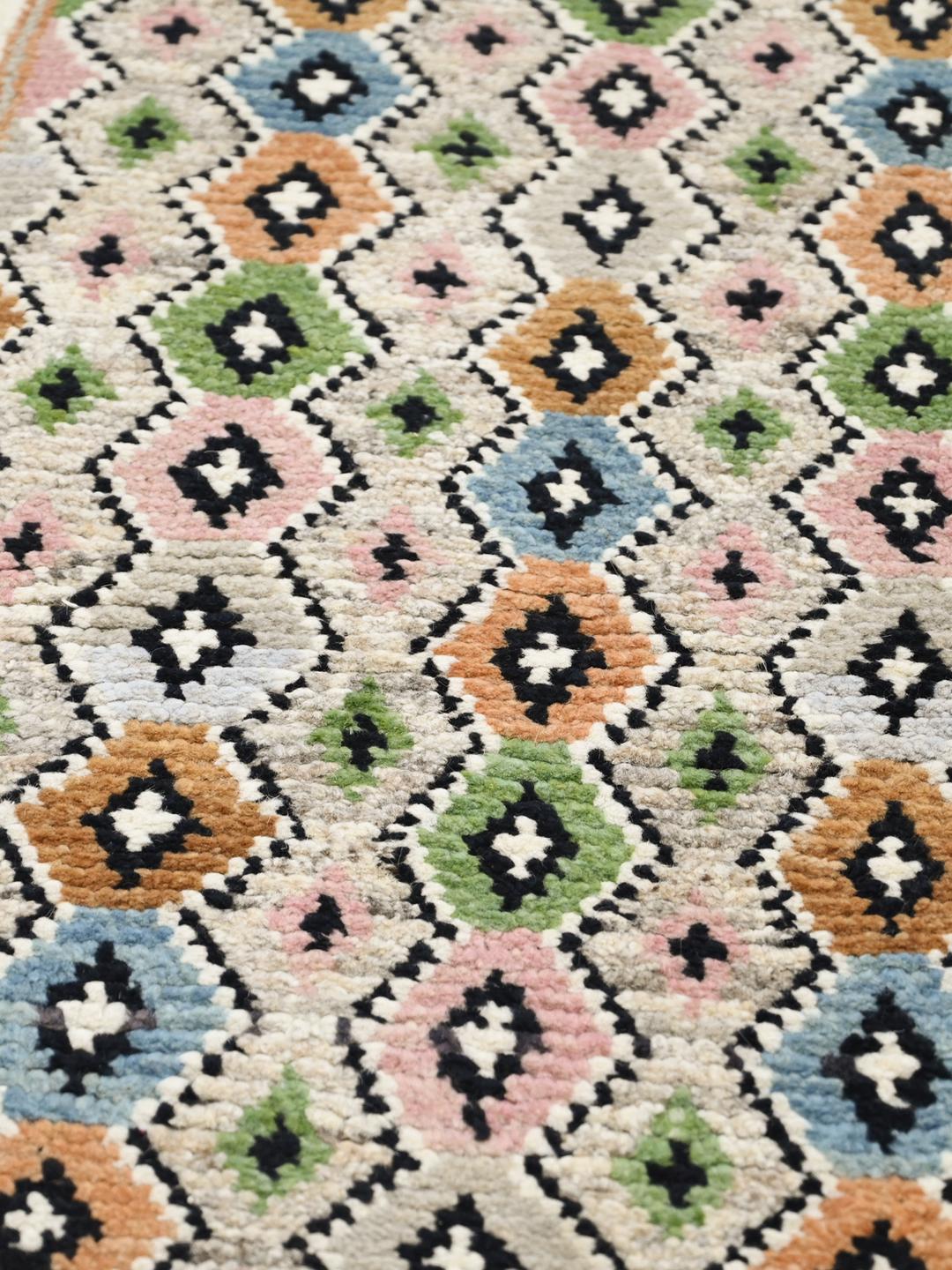
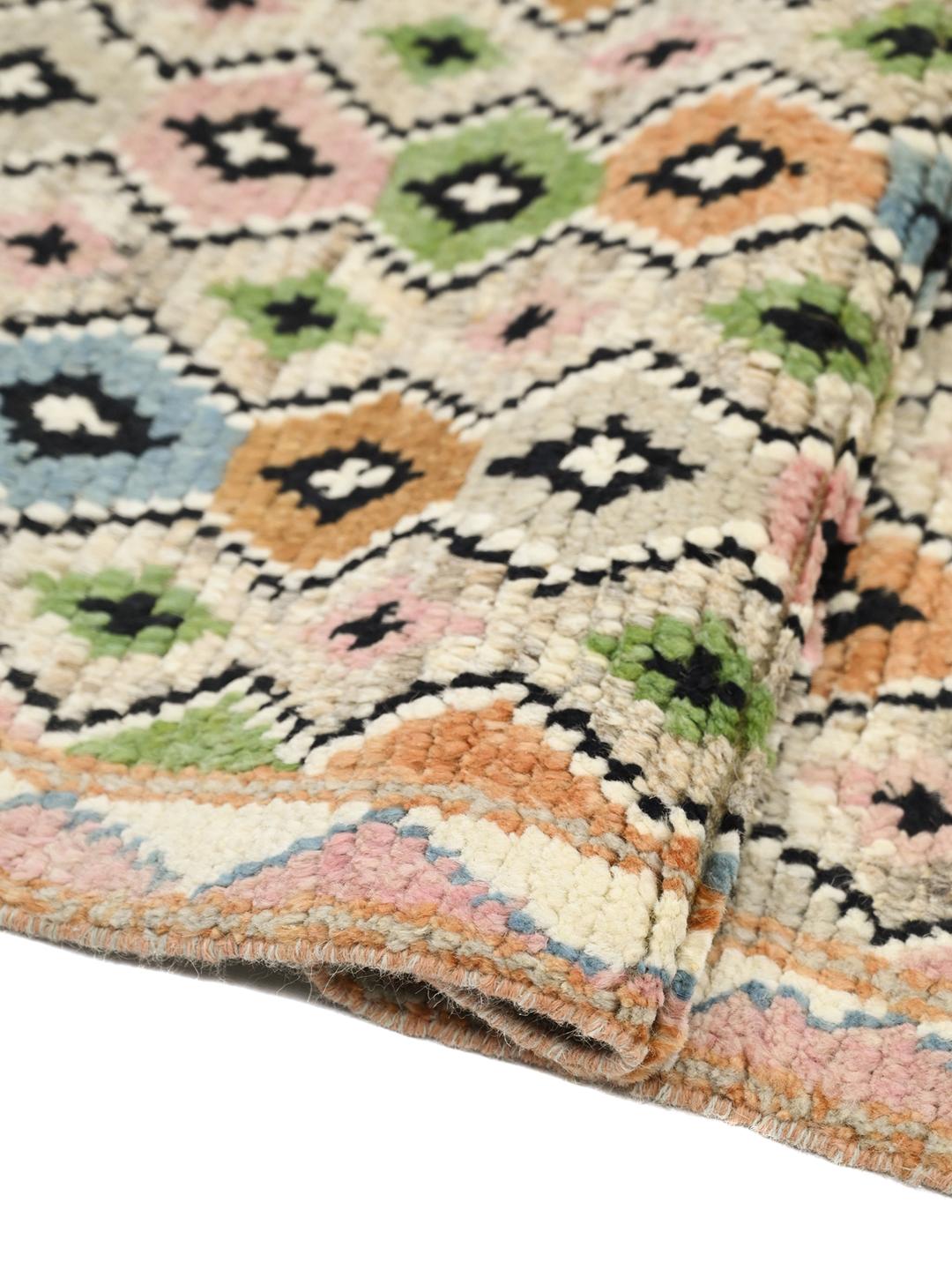
Visually, Berber-style rugs are celebrated for their organic geometry, including repeating diamond symbols, checks, and protective border frames. While classic designs often featured simple monochrome palettes, colourful variations introduce vibrant hues like blue, green, and pink to highlight individual symbols and add playful rhythm to the field.
Rugs from these hand-weaving traditions remain widely appreciated by collectors and design enthusiasts alike. Acquiring a unique hand-knotted piece offers a lasting connection to authentic folk art, carrying stories of regional skill and practical heritage directly into the modern home.